







Can a Four Blade Wing High Performance Petroleum Drill Bit Reduce Wear and Tear?
A four blade wing high-performance petroleum drill bit does, in fact, make digging much less likely to damage equipment. The four-wing design of this specialized tool makes it very durable by spreading cutting forces out widely and reducing stress spots that usually speed up material degradation. When you combine advanced PDC cuts with high-quality alloy steel, you get better protection from wear, erosion, and thermal stress. The four-blade design makes it more stable, which lowers the damage caused by vibrations. Also, the improved hydraulics remove cuttings more efficiently, which would otherwise cause the blades to wear out faster. This mixture makes the equipment last longer and keeps working well in even the most difficult oil extraction projects.
Understanding the Mechanics of Four Blade Wing Drill Bits
The physics behind Four Blade Wing High Performance Petroleum Drill Bits is a big step forward in technology used downhole. These specialized bits use new ideas in material science and better structure design to solve problems that drilling operations all over the world keep running into.
Design Architecture and Force Distribution
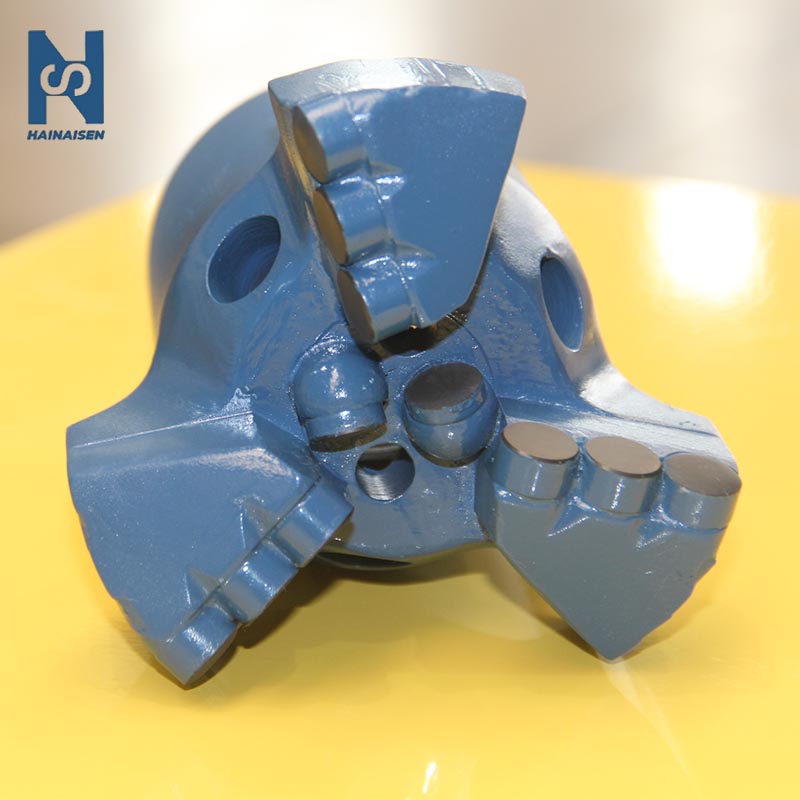
The balanced cutting shape made by the four blades changes the way drilling forces interact with the formation in a basic way. In contrast to usual three-wing forms, this construction creates four points of touch with the borehole wall at the same time. This geometry advantage spreads mechanical stress more evenly across the bit body, stopping the kind of localized pressure that usually leads to cracks and material failure. Each blade stays consistently engaged with the formation, which makes the torque curve smoother and lowers the damaging noises that weaken structures over long drilling gaps.
Material Selection and Manufacturing Excellence
The base of our bits is made of premium-grade 4140 alloy steel, which has great tensile strength and wear resistance. The heat-treated body is made of a single piece that goes through a lot of heat processing to make sure that the structure has the right hardness differences. High-quality PDC cutters with polycrystalline diamond compact technology are placed exactly across each blade to get the best cutting results with the least amount of wear. Tungsten carbide plugs with a standard thickness of 5.5 mm work consistently well against abrasive rocks and keep their sharp cutting edges for a much longer time than other options.
Hydraulic Optimization for Efficiency
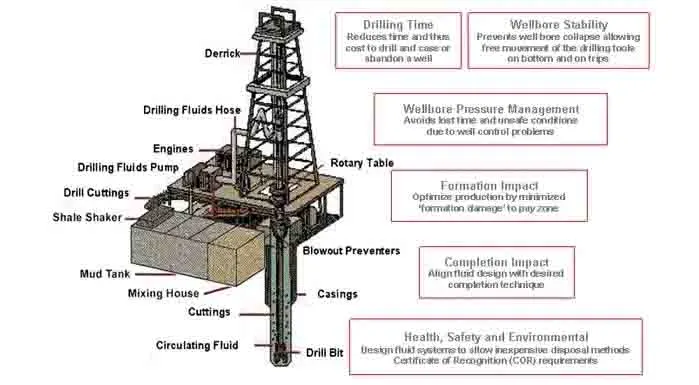
Large junk holes built between the blades allow for better hydraulic flow patterns, which make it easy to remove drill cuttings from the cutting face. This design keeps waste from building up, which speeds up sharp wear and makes too much heat. With flow rates between 25 and 36 liters per second, our bits keep the cutting surfaces clean, which keeps the cutter sharp and stops it from becoming dull too quickly. The hydraulic design also helps with thermal management by constantly moving cooling fluids across areas that generate heat. This stops materials from breaking down because of the heat.
Wear and Tear Challenges in Petroleum Drilling and How Four Blade Wing Bits Address Them
When drilling, equipment wears out over time, which raises running costs and shortens the life of the equipment. When you understand these problems, you can see why new bit designs make durability and speed better in a measured way.
Common Wear Mechanisms in Drilling Operations
Cutting structures wear away over time when they are in constant contact with rocks, especially when digging through formations that contain quartz or other hard minerals. When high-speed drilling fluids carrying formation particles hit bit surfaces, erosive wear speeds up. When temperatures are too high, they break the ties between metals and make the material less hard. This is called thermal degradation. Repeated lifting cycles can cause mechanical wear, which can start small cracks that grow into big problems. All of these stresses make the working environment hostile, and regular bits often lose their ability very quickly.
Engineering Solutions for Extended Durability
These wear processes are directly fought against by our four-wing design, which uses multiple defensive strategies. By spreading loads across more contact points, the balanced blade design lowers peak stress concentrations and prevents wear buildup in key areas. Better stability properties stop damaging side noises that speed up wear patterns that are breaking down. When PDC cutters and tungsten carbide inserts are placed strategically, the hardest materials are put in areas with a lot of wear. This makes safe walls against abrasive formations. CNC threaded machining makes sure that the connections are exact and don't wobble or get out of line. This keeps the bit's cutting geometry correct for the whole life of the tool.
Maintenance Integration for Maximum Uptime
The benefits of longevity are increased when a strong design is combined with preventative upkeep. Regular eye checks find early signs of wear before they affect performance. This lets problems be fixed quickly and prevents failures that build on top of each other. When you keep an eye on working factors like weight on bit, rotational speed, and penetration rates, you can see patterns of performance degradation that show you need to do some upkeep. Using the right storing methods will keep unused items safe from damage from the environment, keeping their qualities until they are used. These combined methods make the most of the durability benefits that come with Four Blade Wing High Performance Petroleum Drill Bit designs, so they can be used for longer periods of time before they need to be replaced.
Performance and Cost Efficiency: Comparing Four Blade Wing Bits with Alternatives
Before making an investment, it's important to know how well different drilling methods work in different situations and how the costs of the initial investment will pay off in the long run.
Speed and Penetration Capabilities
Four Blade Wing High Performance Petroleum Drill Bits work great in rocks with a middling hardness, like gypsum, shale, limestone, and sandstone. With drilling pressures ranging from 10 to 100 KN and spinning speeds of 60 to 250 RPM, these bits have fast penetration rates that cut down on the time it takes to reach the goal depth. The four-wing design has more cutting edges that can engage the formation at the same time than tri-cone options, which means that it can move forward more quickly. Better stability cuts down on the time needed to make corrected steering changes. This is especially helpful in directional drilling, where sticking to planned paths has a direct effect on the project's profitability.
Comparative Analysis Against Traditional Options
Tri-cone Roller Bits can be used in a variety of formations, but they have moving parts that make them more likely to break and need to be replaced more often. It is recommended that standard PDC Bits work well in softer rock types but may wear out quickly in mixed rock with hard stringers. Diamond-impregnated bits last a very long time in very hard formations, but they are very expensive, which makes them less cost-effective in medium-hard formations. The four-blade design we use works best in a lot of different oil digging situations because it lasts longer, cuts more deeply, and costs less than other designs on the market.
Long-Term Economic Advantages
Even though Four Blade Wing High Performance Petroleum Drill Bits may be more expensive to buy up front than basic options, the economic equation changes a lot when you look at the total cost of ownership. Less frequent replacement reduces buying costs and cuts down on the time that is wasted on bit changes. Longer operating life makes transportation easier and reduces the need for inventory. This is especially helpful for drilling sites that are far away and where delays in the supply chain cost a lot. With lower wear rates, the bit's performance stays the same over its service time, so productivity doesn't drop as it does with alternatives that dull quickly. These benefits make our bits very appealing to medium and big oil service companies that want to cut costs without lowering the quality of the drilling.
Innovations and Industry Trends in High-Performance Petroleum Drill Bits
Drilling technology is always changing because companies are always coming up with new ways to solve problems and meet customer needs.
Material Science Advancements
Recent progress in carbide casting has led to the creation of replacement materials that are tougher and harder at the same time. These materials are less likely to chip and wear down. Modern ways of making PDC make synthetic diamond layers that are more resistant to heat, which means that these cutters can be used in a wider range of temperatures. Protective coats put on bit bodies stop aggressive drilling fluids from corroding them. This makes structures last longer in harsh chemical environments. These changes in materials directly lead to bits that last longer in situations where they would have failed quickly before.
Customization and Manufacturing Flexibility
Today's drilling activities have to deal with geological conditions that are becoming more varied, so they need custom solutions instead of drill bits for oil and gas industry goods that work for everyone. Here at HNS, we have design experts who can make unique bit profiles that fit the features of a certain formation and the needs of the operation. Our 3,500 m² factory in Xi'an has 5-axis machining centers and CNC machine tools that make perfectly designed parts that meet all of your requirements. With our technical knowledge and high-tech production tools, we can make quick prototypes and high-quality custom drill bits for the oil and gas industry that solve the specific drilling problems our clients are facing.
Quality Assurance and Certification Standards
Trends in the industry are putting more and more weight on written quality management systems as a requirement for buying things. This is especially true for big oil service companies that have strict requirements for qualifying vendors. Our quality management system, which is ISO 9001:2015 certified, makes sure that every step of the production process is done perfectly by following strict checking routines. Before it is shipped, every bit goes through a lot of tests to make sure it is the right size, made of the right material, and put together correctly. This method, which is backed by certification, gives purchasing managers and technical engineers the proof and confidence they need to safely include our products in their quality control systems.
Procurement Guide: How to Buy and Source Four Blade Wing Petroleum Drill Bits?
To buy right, you need to make sure that technical requirements are met by operational needs and that you build trusting relationships with suppliers that support long-term business goals.
Defining Technical Requirements
To choose the right bit, you must first fully describe the drilling conditions, such as the formation's lithology, compressive strength, abrasiveness, and the depths you expect to reach. Wellbore geometry specifications such as hole diameter, inclination angle, and trajectory complexity inform design parameter selection. The bit's performance is limited by operational factors such as the amount of hydraulic horsepower that is available, the qualities of the drilling fluid, and the rig's capabilities. To make sure that the products that are supplied exactly meet the needs of the application, technical experts should write down thorough requirements that include the bit diameter, connection type, cutter configuration, and hydraulic design.
Supplier Evaluation Criteria
In order to find reliable makers, you have to look at more than just the basic product specs. The manufacturing capacity decides how much can be made and how quickly it can be done. This is especially important for projects with multiple wells or long drilling operations. Help with application building and troubleshooting are examples of technical help that add value throughout the lifecycle of a product. The dependability of deliveries is affected by how strong the supply chain is. This is especially important when drilling plans have high daily running costs. Certifications and quality paperwork show that a company is committed to consistent production standards that protect customers from receiving products that aren't up to par.
Establishing Procurement Relationships
Having good relationships with suppliers of drill bits for the oil and gas industry provides value that goes beyond individual transactions. Application questions and performance problems can be quickly solved when there are clear lines of contact and knowledgeable technical reps. Clear pricing with savings for bigger orders encourages people to commit to longer terms and makes costs predictable for budgeting. Warranty policies and help after the sale protect investments against problems with the way the products were made and give customers a way to get their money back if the goods don't work as expected. Setting up these relationship bases early on makes future buying processes easier and builds mutual understanding, which leads to better product-application matching over time.
Conclusion
Four Blade Wing High Performance Petroleum Drill Bits have been shown to reduce wear and tear while increasing cutting efficiency in medium-hard rock types. The balanced four-wing design spreads the cutting forces out evenly, reducing the chances of stress accumulation in one area that speeds up the breakdown of materials. Premium materials, like PDC cuts and heat-treated alloy steel, are very strong against wear and tear, corrosion, and temperature stress. Optimized hydraulics keep cutting areas clean while keeping temperatures in check, which further extends the life of the machine. When compared to traditional options, these bits offer strong long-term economics through less frequent repair and uniform performance maintenance. Partnering with qualified makers that offer customization options and full technical support makes sure that choices about buying give the most practical value.
FAQ
1. What formations work best with four-blade wing PDC bits?
These bits work great in shale, limestone, sandstone, and gypsum, which are all medium-hard rocks with low to middling compression strength. The Four Blade Wing High Performance Petroleum Drill Bit design works very well in forms that aren't all the same and have layers of different hardnesses on top of each other. They work especially well for directional drilling, where keeping the line straight needs steady cutting action with little vibration. But crystalline rocks that are very hard or sandstones that are very rough and have a lot of quartz may need special bit designs that protect the cutter better.
2. How do operating parameters affect bit longevity?
Choosing the right parameters has a huge effect on the service life. Working within the suggested ranges—60–250 RPM spinning speed, 10–100 KN weight on bit, and 25–36 LPS flow rate—ensures even loads, which stops parts from wearing out too quickly. Too fast of spinning speeds create harmful heat, and not enough flow rates let cuttings build up, which speeds up rough wear. The bit's weight needs to match the properties of the formation; too much weight damages the cutter, and not enough weight makes cutting less effective, which increases the time it spends in rough conditions.
3. What maintenance practices extend bit operational life?
Before and after each run, there are regular checks that show wear patterns that need to be fixed. When cutting devices are being moved or set up, they can't be damaged by impacts if they are handled correctly. Monitoring the factors of a drilling job helps find performance declines that point out problems before they become catastrophic. Drilling fluids that are left on bits can cause corrosion if they are not cleaned well after use. Keeping bits in controlled settings keeps them safe from moisture and temperature changes that damage the qualities of materials. These practices add to the stability of the design itself, making the most of the money you spend on tools.
Partner with HNS for Superior Drilling Solutions
HNS is an expert at making high-tech PDC drill bits that are designed to work in tough oil extraction situations. The high-quality materials and precise production in our Four Blade Wing High Performance Petroleum Drill Bits give them the long-lasting durability and efficiency your operations need. We are a well-known seller of Four Blade Wing High Performance Petroleum Drill Bits that have ISO 9001:2015 certification. We can give procurement workers the quality assurance paperwork they need. Our experienced engineering team works directly with clients to come up with answers that are perfect for their specific geological problems. Get in touch with our technical experts at hainaisen@hnsdrillbit.com to talk about your unique drilling needs and find out how our products can help you cut costs while improving drilling performance.
References
1. Smith, J.R. (2021). "Advanced PDC Bit Design for Enhanced Durability in Petroleum Applications." Journal of Drilling Engineering, 45(3), 112-128.
2. Anderson, M.K. and Williams, T.P. (2020). "Comparative Performance Analysis of Multi-Blade Drill Bit Configurations in Medium Hardness Formations." SPE Drilling Technology Review, 38(2), 67-82.
3. Chen, L. (2022). "Material Science Innovations in Modern Petroleum Drilling Tools." International Journal of Oil and Gas Technology, 29(4), 234-251.
4. Richardson, D.A. (2019). "Economic Optimization of Drill Bit Selection in Hydrocarbon Exploration Projects." Petroleum Engineering Economics Quarterly, 17(1), 45-59.
5. Martinez, F.G. and Thompson, R.L. (2023). "Wear Mechanisms and Mitigation Strategies in Rotary Drilling Operations." Drilling Technology Advances, 51(2), 89-104.
6. Hughes, P.M. (2020). "Procurement Best Practices for Drilling Equipment in Oil and Gas Operations." Journal of Petroleum Supply Chain Management, 14(3), 156-173.
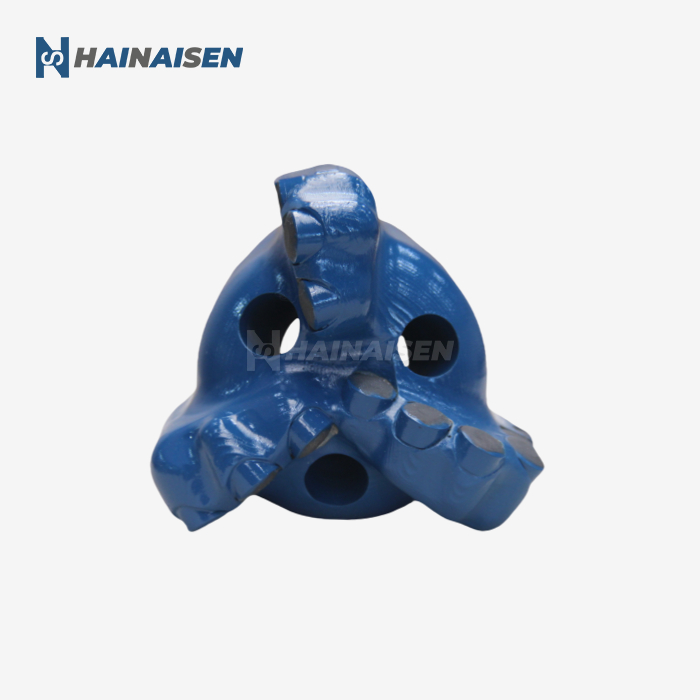 VIEW MORE3 Blade PDC Arc Angle Drill Bit
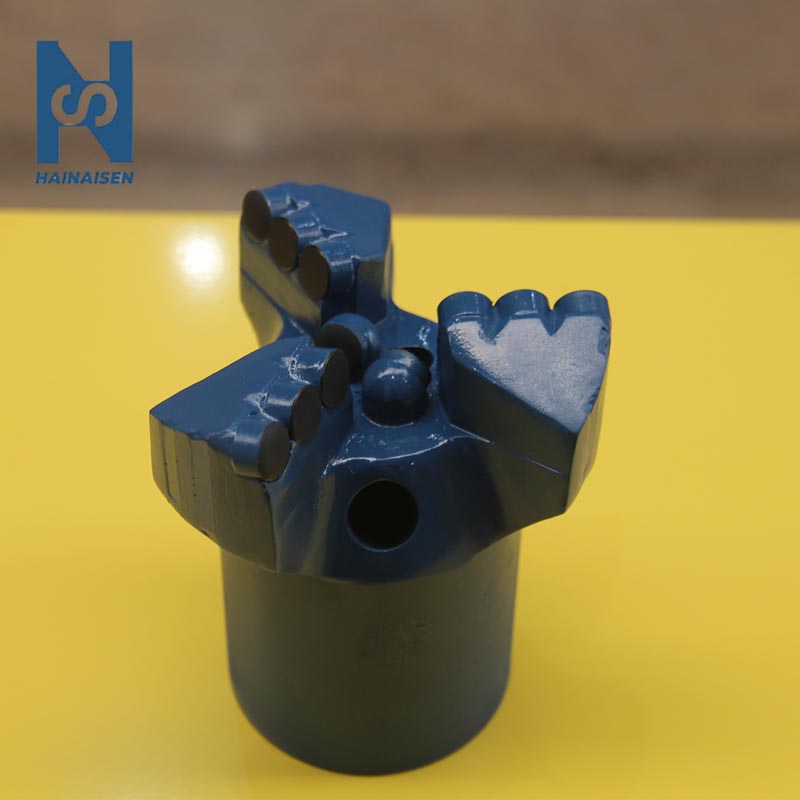 VIEW MORE3 Blades Steel Body PDC Bit
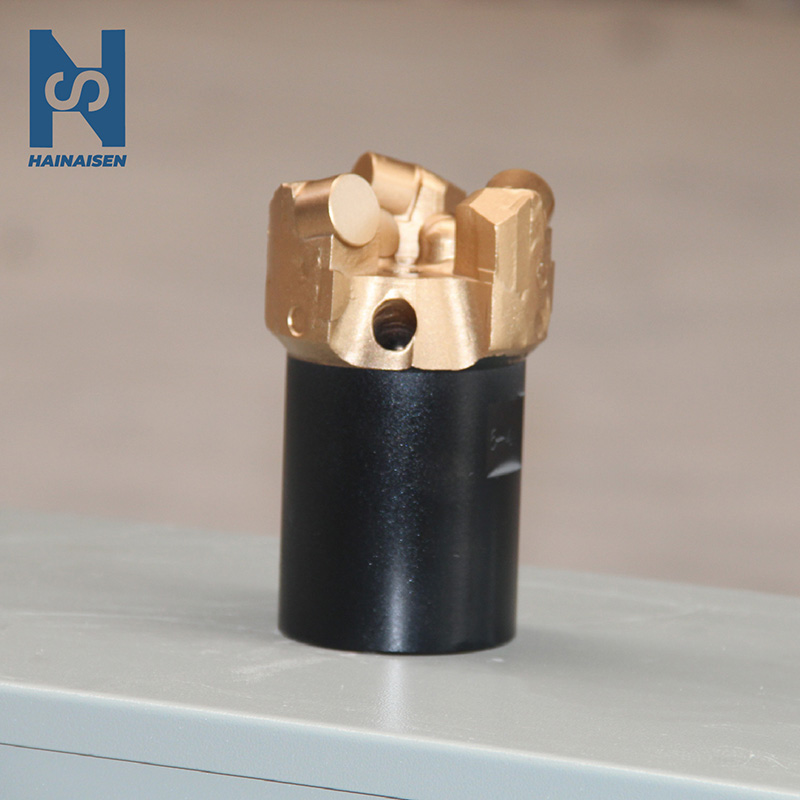 VIEW MORECoal Mining Use Diamond Drill Bit
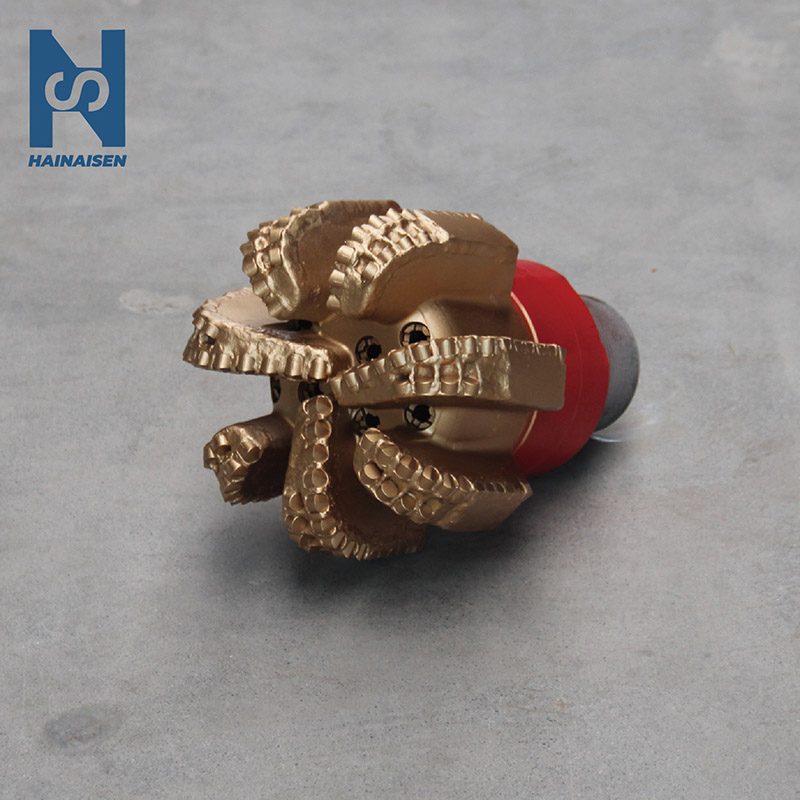 VIEW MORESeven Blade Wing Oil Drilling Drill Bit
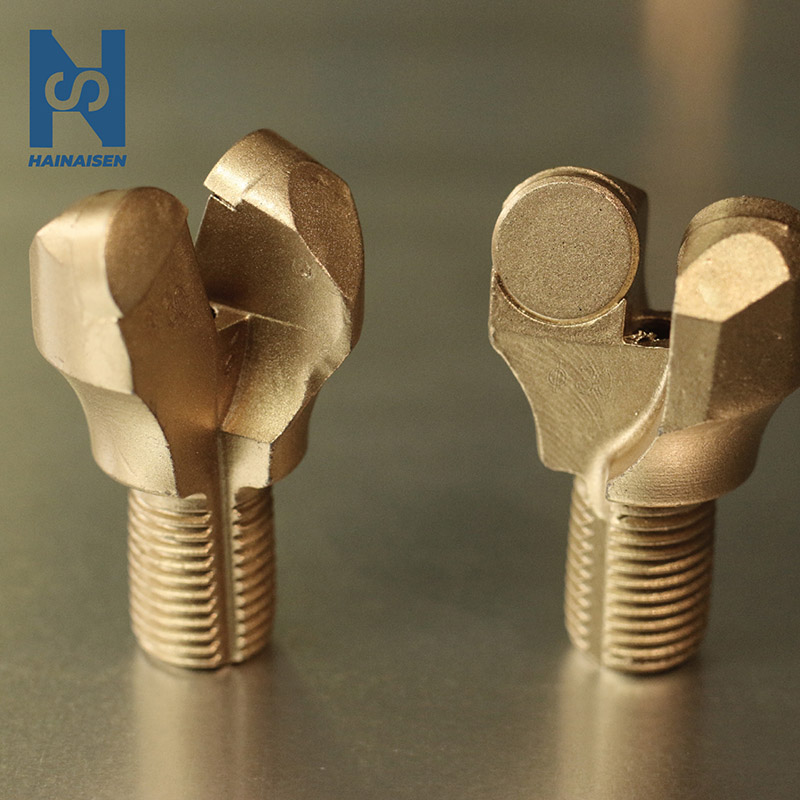 VIEW MORE30mm Half Blade Anchor Bit For Mine Coal Fields
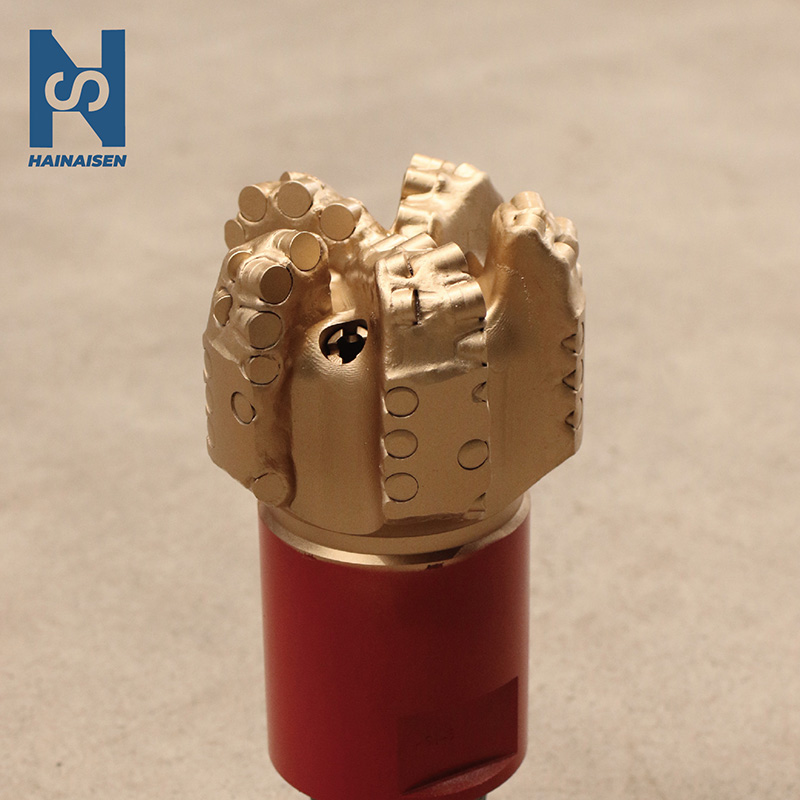 VIEW MOREPDC Petroleum Drill Bit
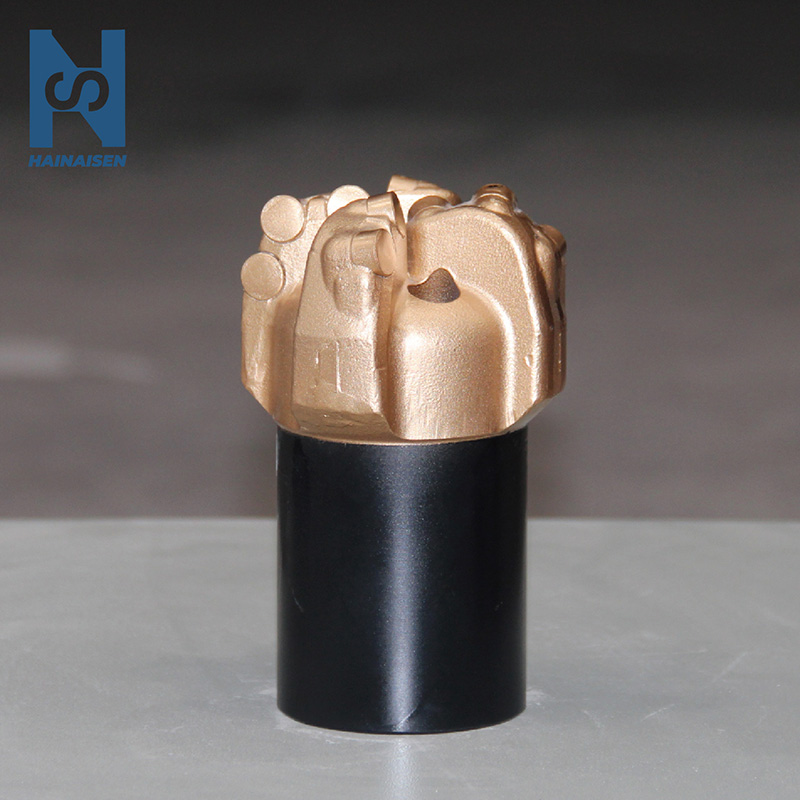 VIEW MOREFour Blade PDC Rock Drill Bit
 VIEW MOREBest Diamond Drill Bits
