







Diamond Drill Bits For Oil Rigs Buying Guide
Diamond Drill Bits For Oil Rigs are an important investment that affects drilling efficiency, operating costs, and project timeframes. Understanding technical specifications, performance characteristics, and procurement strategies helps purchasing managers and technical engineers find solutions that maximize penetration rates and minimize downtime for deep-water offshore platforms or onshore extraction operations. This detailed buying guide covers material composition, geological compatibility, supplier evaluation, and customization choices to optimize drilling performance and value.
Understanding Diamond Drill Bits for Oil Rigs
Diamond-impregnated drill bits grind through resistant geological formations that would quickly ruin steel-toothed equivalents due to their unequaled toughness. Synthetic or natural diamonds are embedded in a metal matrix, usually tungsten carbide, which wears away to reveal new cutting edges. This self-sharpening system keeps cutting performance steady over long drilling intervals.
Core Construction Types and Their Applications
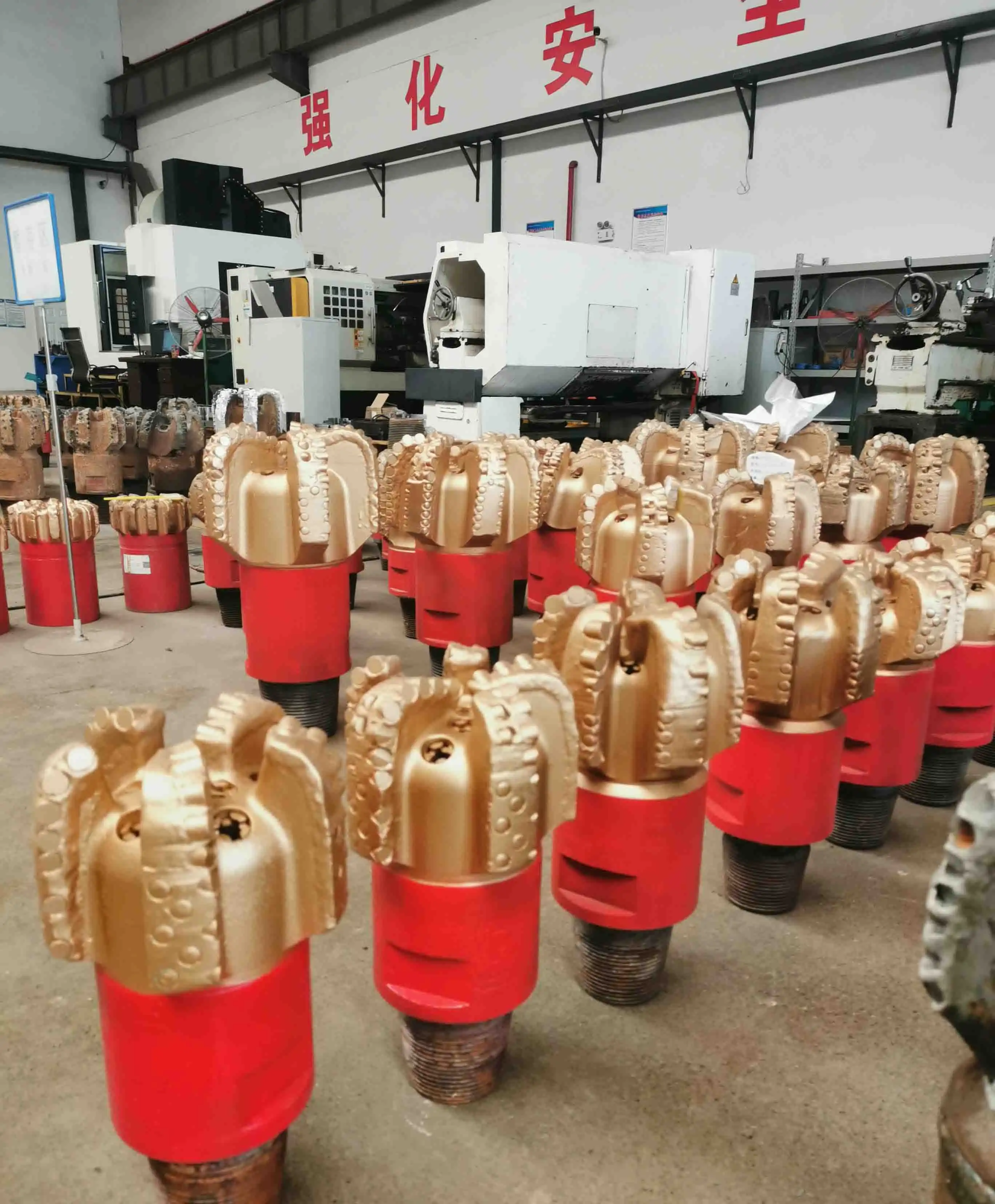
The oil drilling business uses three main building methods for distinct formations. Impregnated diamond bits function well in quartzite and granite because of their tiny diamond particles. Polycrystalline diamond compact (PDC) bits penetrate softer to medium-hard rocks, including shale, limestone, and sandstone, better because of their bigger diamond cutters coupled to tungsten carbide substrates. Surface-set diamond bits, less prevalent in oil applications, have bigger diamonds on the bit face for core drilling.
Comparison of natural and synthetic diamonds affects performance and cost. Most oil service firms favor high-pressure, high-temperature synthetic diamonds for their constant quality and thermal stability at competitive prices. Natural diamonds have somewhat higher hardness in some applications, but cost variability frequently overcomes performance improvements.
Critical Technical Specifications
Coarser grits (20/30 mesh) penetrate soft formations quickly, whereas finer grits (60/80 mesh) cut hard, abrasive layers. Hard bonds shield diamonds longer in softer formations than gentler bonds, which wear faster to expose gems in hard rock. Bit geometry—waterway design, gauge protection, and crown profile—affects chip evacuation, cooling efficiency, and directional stability during drilling.
Technical teams may specify bits that match geological surveys and drilling parameters by understanding these construction features, lowering the danger of premature failure and costly project delays.
Benefits and Performance of Diamond Drill Bits in Oil Rig Applications
Diamond Drill Bits For Oil Rigs provide operational advantages that boost project economics and bottom-line savings. Comparable formations can be penetrated 40–60% faster than with traditional bits, lowering time to reach target depth. Due to the superior hardness gradient between diamond cutting surfaces and rock formations, material removal is faster and requires less energy.
Durability and Extended Service Life
Wear resistance is the biggest benefit for oil service businesses handling massive drilling projects. In abrasive formations, diamond bits last three to five times longer than tungsten carbide bits. This prolonged service life avoids costly bit trips—pulling drill strings to surface for bit changes—which can take 12-24 hours each replacement on deep wells. Reduced trip frequency reduces offshore rig time expenses, which can approach $50,000 daily.
Thermal stability is another important performance factor. Diamond's high thermal conductivity absorbs frictional heat better than steel or carbide, ensuring structural integrity at deep drilling's intense downhole temperatures. This thermal management reduces matrix degradation and diamond pullout, which degrade bit performance in high-temperature situations.
Operational Efficiency Gains
Beyond raw penetration speed, diamond bits reduce torque by 15-25% compared to roller cone bits, minimizing drill string wear and power consumption. Directional drilling requires torque and drag management to achieve target zones, making this torque decrease useful. Lower vibration levels during operation improve downhole measuring instrument life and decrease stopped pipe situations that can halt operations for long durations.
Maintenance intervals are long with diamond technology. Without moving parts, roller cone designs avoid bearing failures, and progressive, predictable wear patterns allow operators to arrange bit swaps within planned maintenance intervals. Project scheduling and resource allocation across drilling programs are improved by these predictable performance characteristics.
How to Choose the Right Diamond Drill Bit for Your Oil Rig Project
Technical specifications must fit geological conditions, operational characteristics, and project economics to choose the best drilling gear. Instead of only buying price, the decision framework should include formation compatibility, performance expectations, and total cost of ownership.
Formation Analysis and Bit Matching
Start with extensive geological surveys to determine formation types, compressive strength, and abrasiveness indices throughout the drilling period. Shale, limestone, sandstone, and gypsum are soft to medium-hard rocks with compressive strengths below 150 MPa that react well to aggressive cutting and quick penetration by PDC diamond bits. Hard, abrasive formations above 200 MPa compressive strength need impregnated diamond bits with the right matrix hardness and diamond concentration for grinding.
Water well drilling teams in homogeneous deposits may prefer cost-effective standard designs, whereas oil service businesses with complicated geology profit from specialized bit configurations. Specialized gauge protection and steering are needed for horizontal and directional drilling to preserve trajectory accuracy across formations.
Performance Versus Cost Analysis
Purchasing managers should consider drilling costs, not bit prices. Premium diamond bits cost 40% more than conventional ones but penetrate more quickly and need fewer bit changes, lowering well expenses by 15-20%. Calculate the cost per meter drilled using bit price, penetration rate, bit life, and rig time to get the best option.
Medium and big oil service firms profit from bespoke design Manufacturers. Custom bits designed for specific geological profiles can outperform off-the-shelf counterparts by 20-30%, justifying development expenses in big drilling operations. Coal mining firms balancing quality and budget could choose mid-range choices from reputable vendors with proven designs at affordable prices.
Supplier Evaluation Criteria
Evaluate sources beyond pricing. Advanced CNC machining machines and computerized quality control systems provide exact tolerances and consistency in manufacturing. Research and development capability shows a supplier's ability to adapt designs to changing drilling problems and unique needs.
Certification criteria measure quality objectively. ISO 9001 quality management certification shows systematic quality control, whereas API requirements for drilling equipment show industry-standard performance. Hardness, dimensional, and performance validation methodologies should be requested.
Procurement Best Practices for Diamond Drill Bits in Oil Rigs
Strategic procurement ensures dependable performance and cost optimization through supplier selection, negotiation, and quality assurance. Technical engineers and buying managers should work together to balance technical and commercial needs throughout the procurement cycle.
Supplier Qualification and Relationship Building
Determine production, quality, delivery, and technical support certification standards for potential oil field drill bit suppliers. Conduct on-site factory evaluations to assess equipment, production procedures, and R&D capabilities. A sophisticated 3,000–4,000-square-meter facility equipped with five-axis machining centers and dedicated R&D departments indicates strong manufacturing and innovation potential.
Before placing significant orders, request performance testing programs. Most respectable manufacturers supply field trial sample bits for direct performance evaluation under actual operating circumstances. Record penetration rates, bit life, and operational difficulties during trials to assist purchase choices with objective performance data.
Long-term supplier partnerships offer benefits beyond unit pricing. Partnerships speed up responsiveness to urgent needs, prioritize requests amid supply restrictions, and solve operational problems together. Suppliers with long-term partnerships offer superior technical support and bespoke flexibility.
Negotiation Strategies and Order Structuring
Bulk purchases offer major pricing savings. Annual supply agreements minimize unit costs by 15-25% and ensure supplier availability when consolidating demand from different projects. Structure agreements with flexible supply dates to accommodate project timeline changes without high inventory expenses.
Research custom design collaborations for big drilling initiatives. When volumes warrant development, manufacturers can improve bit designs for geological characteristics. Custom bits designed for your applications cost 10-15% more per unit but boost performance by 25-35%, drastically increasing project economics.
Warranty and technical support distinguish great suppliers from commodities. Quality is demonstrated by comprehensive warranties covering manufacturing defect failure. In complicated offshore drilling operations where downhole failures cost a lot, technical support, such as on-site troubleshooting and performance optimization, is invaluable.
Quality Assurance and Performance Monitoring
Before drilling, examine bits for dimensional correctness, diamond quality, and matrix integrity. Establish performance baselines for penetration rates, bit life, and operational concerns across formations and drilling parameters with technical teams.
Keep thorough performance records for data-driven supplier evaluation and improvement. Measure meters drilled per bit, penetration rate by formation type, failure mechanisms, and drilling expenses per meter. This performance data helps objectively compare suppliers and optimize bit selection and operational settings.
Why Choose HNS Diamond Drill Bits for Your Drilling Operations
Our engineering excellence, customized capabilities, and high-quality standards set Shaanxi Hainaisen Petroleum Technology apart from other diamond drill bit manufacturers. Our 3,500-square-meter Xi'an facility combines innovative manufacturing technology with a decade of experience servicing worldwide oil and gas, coal mining, and geological exploration sectors.
Diamond drill bits with precisely developed matrix compositions and excellent synthetic diamonds intended for oil rigs have outstanding wear resistance. Thermal stability under harsh downhole temperatures enables constant performance across long drilling intervals, and our configurable designs match your project's geological profiles and operational factors.
Our goods stand out with advanced production. Our automated welding production lines assure constant bonding integrity across all diamond placements, while our five-axis machining centers and CNC machine tools produce accurate tolerances for maximum bit performance. Before shipment, each bit is tested for hardness, dimensions, and performance.
Our committed research and development team works with clients to design unique bits for difficult formations and specialty drilling. Our technical team optimizes drilling efficiency with customized canal layouts for chip evacuation, gauge protection for directional drilling, and diamond concentrations for specific formations.
Our competitive pricing reflects our efficient production techniques, not quality sacrifice. We help buying managers build volume agreements and delivery schedules to optimize procurement costs and meet operational performance goals.
Conclusion
Your operating context, technical performance, durability, and total cost economics must be considered while choosing Diamond Drill Bits for Oil Rigs. When suited to geological conditions and drilling parameters, diamond bits improve penetration, service life, and dependability. Effective procurement requires detailed formation analysis, impartial supplier evaluation, and strategic relationship building to meet immediate performance demands and long-term operational support. Whether managing large offshore projects or regional water well operations, selecting the right manufacturers and partnering with them reduces drilling costs, downtime, and project economics across your drilling portfolio, ensuring maximum value from Diamond Drill Bits For Oil Rigs.
Frequently Asked Questions About Diamond Drill Bits for Oil Rigs
1. What factors most significantly influence diamond drill bit durability in oil drilling applications?
High-abrasive deposits accelerate diamond wear and matrix erosion, affecting Diamond Drill Bits For Oil Rigs' life. Rotational speed, drilling pressure, and coolant flow rates must meet bit specifications to avoid premature failure regardless of bit quality. The selection of bit structure to formation properties greatly enhances service life.
2. How do PDC diamond bits compare with impregnated diamond bits for offshore drilling operations?
PDC Bits penetrate mild to medium-hard rocks more quickly and have a lower cost-per-meter, making them ideal for shale and limestone. PDC cutters deteriorate quickly in hard, abrasive formations, whereas impregnated bits function better at lower penetration speeds. Selection based on formation sequences at various depths is common in offshore operations with diverse geology.
3. What customization options should oil service companies consider when ordering diamond bits?
Wear rates and cutting efficiency are optimized by matrix hardness adjustment for formation types. Waterway layout influences cooling and chip evacuation, especially in deep, high-temperature wells. Improved gauge protection helps in directional drilling, where side stresses increase wear. When project quantities warrant specialized engineering, diamond concentrations and grit sizes can be tailored for geological characteristics.
Partner with HNS for Superior Diamond Drill Bit Solutions
Ready to maximize drilling with designed diamond drill bits? Contact Shaanxi Hainaisen Petroleum Technology's technical team to discuss your needs. We provide conventional and bespoke Diamond Drill Bits for Oil Rigs with complete specs, performance data, and competitive quotes.
Our staff provides prompt service, quality Certifications, and extensive technical assistance to big oil service companies and coal mining companies needing Diamond Drill Bits for Oil Rigs for continuing operations or sample testing programs. Email hainaisen@hnsdrillbit.com to learn about our whole product line and customization options that improve drilling productivity and lower project costs.
References
1. Anderson, M.P. (2021). Advanced Drilling Technologies for Oil and Gas Extraction. Petroleum Engineering Press.
2. Chen, W., & Liu, H. (2020). Diamond Drill Bit Performance Optimization in Hard Rock Formations. Journal of Petroleum Technology, 72(8), 45-58.
3. International Association of Drilling Contractors. (2022). Best Practices for Drill Bit Selection and Procurement. IADC Technical Report 2022-04.
4. Roberts, K.J. (2019). Material Science Applications in Drilling Engineering. Cambridge Technical Publishers.
5. Smith, T.R., & Johnson, L.M. (2023). Comparative Analysis of PDC and Impregnated Diamond Bits in Offshore Drilling Operations. SPE Drilling & Completion Journal, 38(1), 112-127.
6. Zhang, Y., Martinez, C., & Peterson, D. (2020). Diamond Tool Manufacturing and Quality Control Standards. Industrial Diamond Association Technical Handbook.
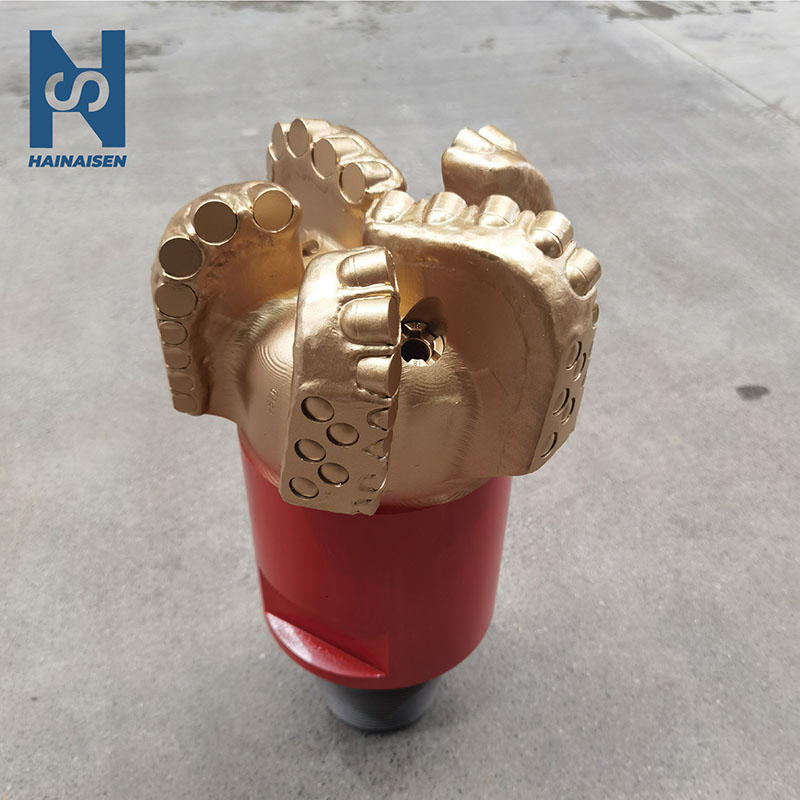 VIEW MOREFive Blade PDC Drill Bit
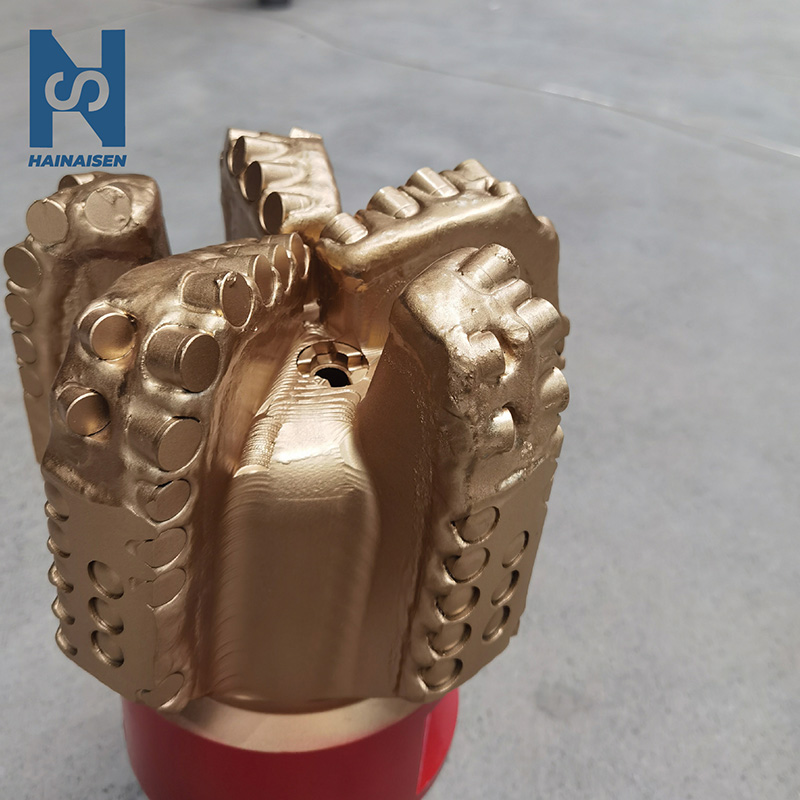 VIEW MOREFive Blade Wing Oil Drilling
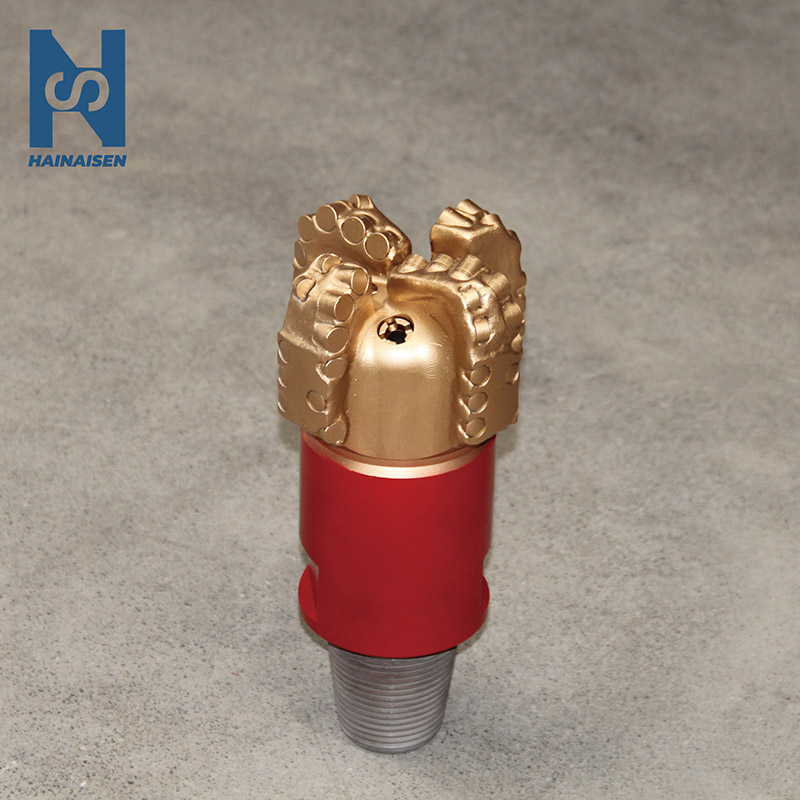 VIEW MOREHigh Quality PDC Drill Bits
 VIEW MOREForging Deep Rock Well Drilling Bits PDC Mining Bit
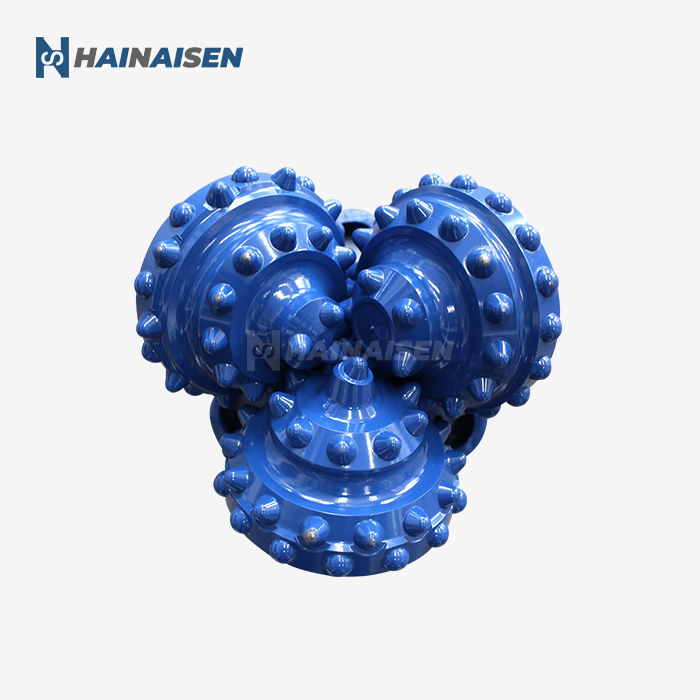 VIEW MORESteel Tooth Bit
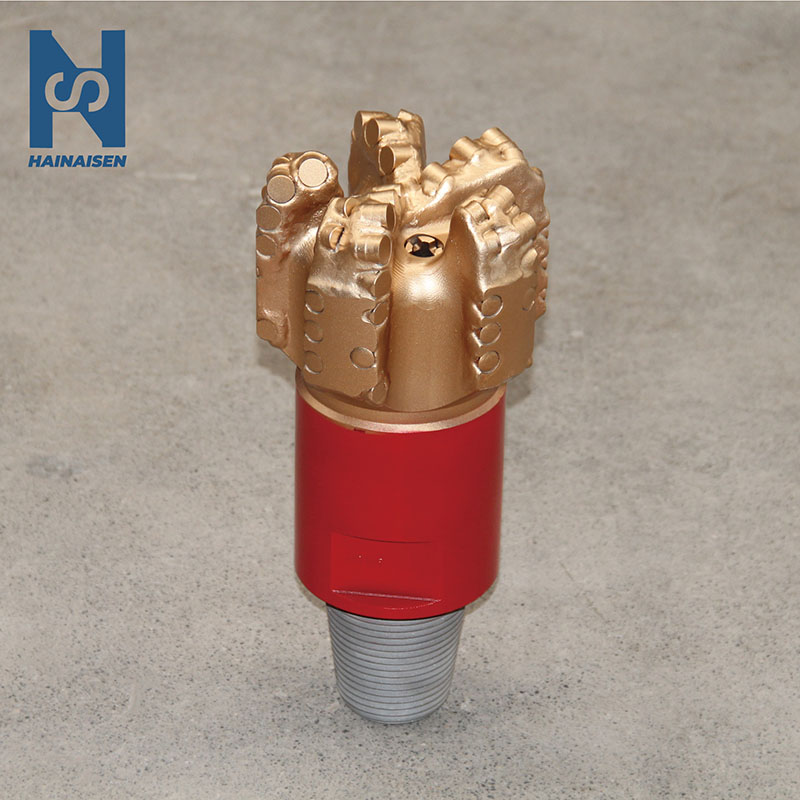 VIEW MORE5 Blade Matrix Body PDC Drill Bits
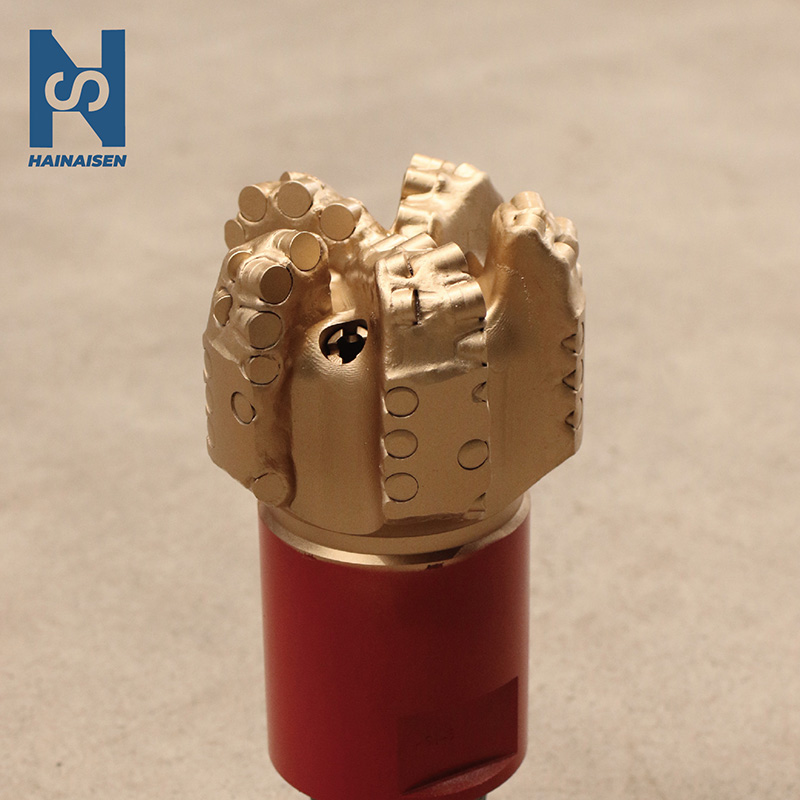 VIEW MOREPDC Petroleum Drill Bit
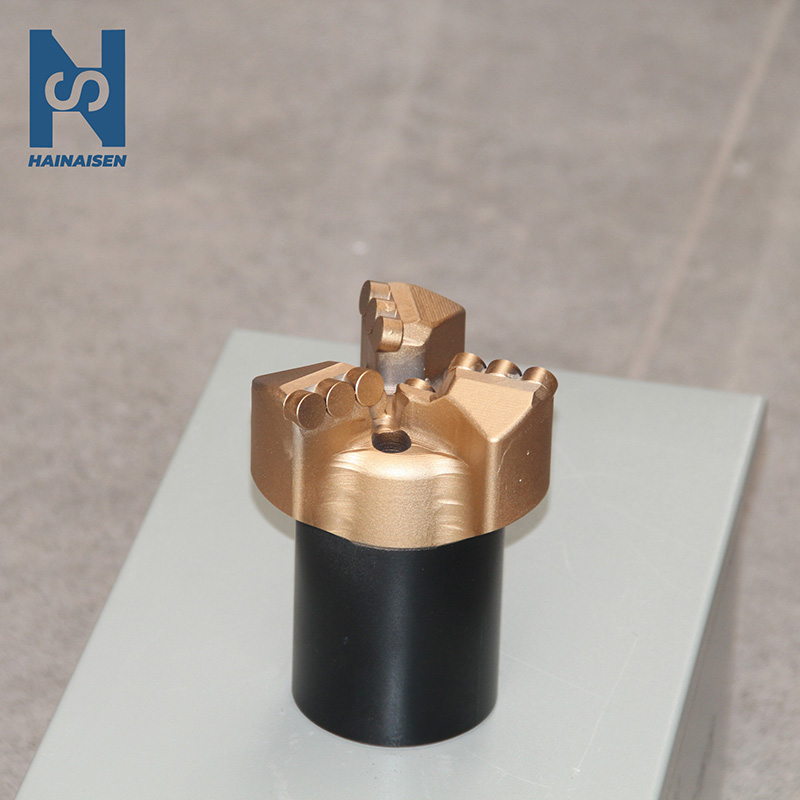 VIEW MOREThree Blades Steel Body PDC Bit
