







Do High Quality PDC Drill Bits Reduce Stick-Slip in Tough Formations?
Advanced design and materials prevent stick-slip in difficult formations with premium PDC drill bits. Synthetic diamond cutters mated to precision-engineered tungsten carbide substrates are used in high quality PDC Drill Bits to minimize friction fluctuations that cause stick-slip oscillations. Their improved cutter profiles and hydraulic systems stabilize torque variations, making spinning smoother in abrasive or interbedded rocks where standard bits struggle.
Introduction
Hard geological formations make drilling difficult, affecting operating efficiency and project economics. Stick-slip is one of the most damaging and costly problems in contemporary drilling. Torsional vibrations cause unexpected pauses and quick accelerations that affect bit integrity, downhole equipment, and drilling timelines.
We know buying managers and technical engineers in oil and gas service firms, mining operations, and water well drilling teams must increase penetration while lowering costs. When buying equipment, it's important to know if sophisticated drilling technology pays off. In our years of manufacturing at Shaanxi Hainaisen, we have seen how correctly developed polycrystalline diamond compact technology improves drilling performance in formations that previously posed operational issues.
This article investigates the technical link between drill bit quality and stick-slip reduction to help procurement professionals make investment decisions that maximize drilling results.
Understanding Stick-Slip in Drilling Operations
What Causes Stick-Slip During Drilling
Stick-slip is a friction-induced torsional vibration in which the drill bit sticks to the formation and then rotates rapidly. At the bit-rock contact, static friction surpasses kinetic friction, causing an energy buildup and release cycle. The bit "sticks" when torque builds up in the drill string, then "slips" as stored energy overcomes resistance, forcing it to rotate several times faster than the surface.
Formation Characteristics That Trigger Stick-Slip
Certain geological conditions increase stick-slip. Changing hard and soft layers in interbedded formations causes uneven cutting resistance. Silica-rich, highly abrasive sandstones increase cutter friction. Gumbo-like shale deposits promote bit balling, increasing contact surface area and friction. In directional drilling, side forces complicate bit-formation interactions, making these situations worse.
Impact on Drilling Performance and Equipment
The effects of stick-slip go beyond lower penetration. Drill string connectors and bottom hole assemblies fatigue faster under cyclic torsional strain. Vibrations degrade downhole measurement information. Impact loading during slip phases accelerates bit cutter wear or catastrophic failure. According to field research, significant stick-slip can lower drilling efficiency by 30-40% and increase non-productive time due to premature equipment replacement and unscheduled maintenance.
Characteristics of High Quality PDC Drill Bits That Reduce Stick-Slip
Advanced Material Technology and Cutter Design
Material properties and geometric optimization are key to reducing stick-slip. High Quality PDC Drill Bits feature premium synthetic diamond tables bonded to tungsten carbide substrates, providing durability to maintain sharp cutting edges under abrasive conditions. Advanced sintering techniques at Shaanxi Hainaisen enhance diamond-to-carbide bonding and ensure heat stability up to 750°C. This high-temperature resistance prevents diamond table degradation, which can alter friction coefficients during prolonged drilling operations.
Cutting mechanics and torque stability depend on cutter geometry. Our engineers improve the cutter profiles' rear rake angles for aggressiveness and endurance. Geometric considerations ensure uniform depth of cut throughout formation qualities, eliminating torque changes that cause stick-slip cycles. Cutting forces are uniformly distributed over the bit face using computational models, minimizing localized overloading and occasional sticking areas.
Hydraulic Optimization for Efficient Cuttings Removal
Stick-slip avoidance also depends on hydraulic design. Our multi-nozzle PDC Bits have a high Total Flow Area to assure drilling fluid velocity to each cutter. Hydraulic efficiency cools cutters and evacuates cuttings before they gather beneath the bit. Bit balling—formation material on the bit face—dramatically increases friction and is a main stick-slip trigger that hydraulics eliminates.
Our bits have 20-35 liters per second flow rate parameters determined by computational fluid dynamics study and field validation. This energy range cleans cutters without damaging the bit body or generating pressure dips that reduce downhole motor performance in directional drilling.
Quality Control and Manufacturing Standards
Stick-slip reduction demands manufacturing uniformity that quality control can provide. Our 3,500-square-meter Xi'an facility has 5-axis machining centers and CNC machine tools for micron-level bit body production. Ultrasonic C-scan testing detects internal delamination or bonding faults between diamond tables and carbide substrates in each production batch, which might cause cutter failure under vibrational loading.
Coordinate measurement machines check cutter angles and blade profiles for design compliance. We use drop-weight impact testing to verify structural robustness against stick-slip shock loads. Our extensive quality assurance allows buying managers to specify our bits with confidence that performance will be constant across several units, facilitating long-term supply agreements for big oil service firms.
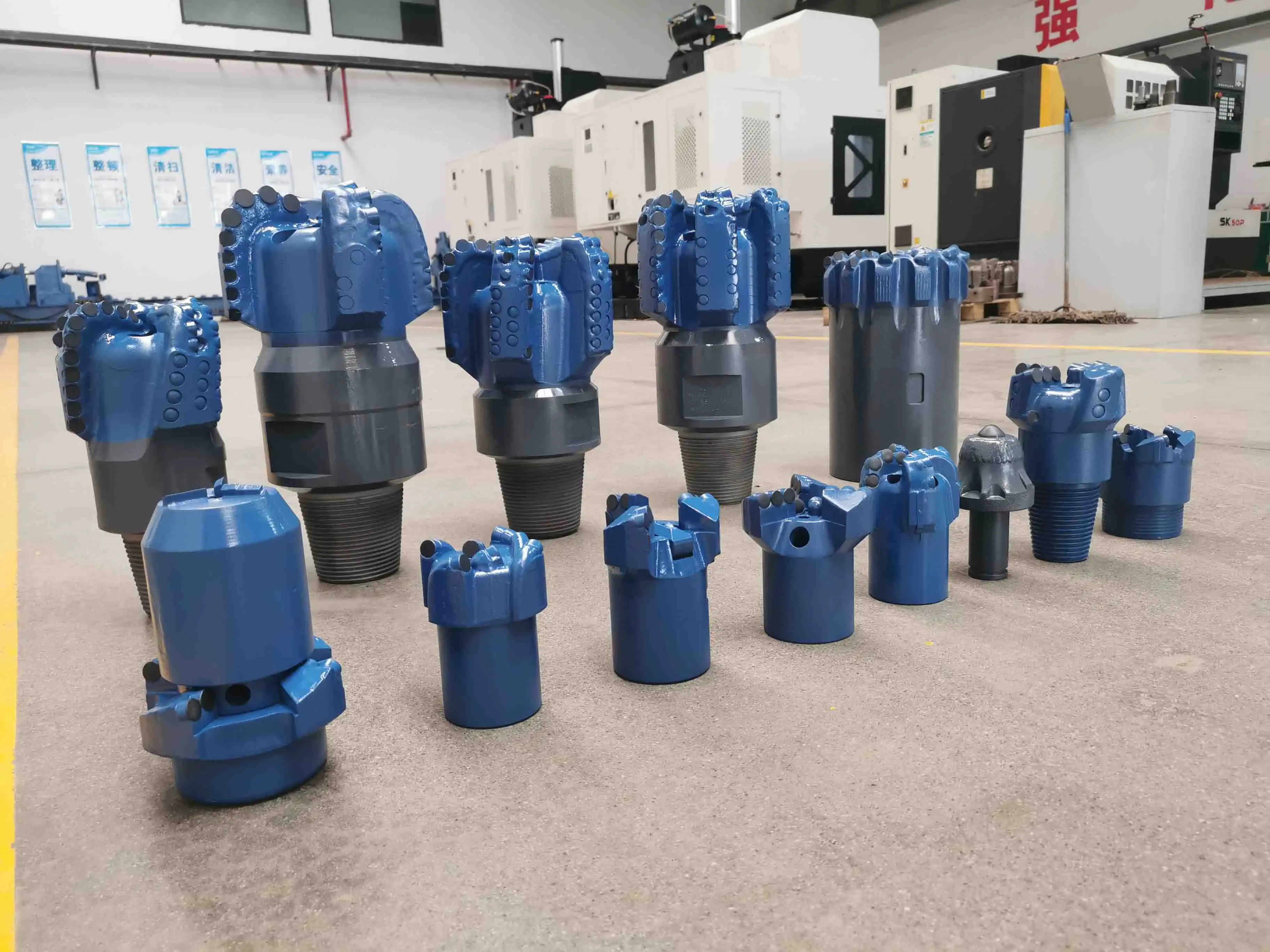
Comparing High Quality PDC Drill Bits with Conventional Bits in Tackling Stick-Slip
Performance Advantages Over Tricone Bits
As cones roll across the formation, traditional tricone roller cone bits provide highly variable torque by crushing and chipping. Tricone bits stick-slip easily in hard or interbedded rocks due to torque variation. PDC technique uses continuous shearing to stabilize torque throughout the cutting cycle. Comparisons in limestone and sandstone formations demonstrate that PDC bits lower torsional vibration amplitude by 60-70% over tricone alternatives.
PDC bits have no moving elements, eliminating tricone bearing failure modes in abrasive situations. Tricone bearings require continual lubrication and are susceptible to seal failure, whereas polycrystalline diamond compact bits are solidly built, extending run life and reducing trip frequency, which increases deep drilling costs.
Steel Body Versus Matrix Body Construction
Construction decisions affect stick-slip performance in PDC technology. High-strength alloy steel body pieces are impact-resistant and flexible. Steel body bits are appropriate for formations with abrupt hardness variations where impact toughness prevents cutter damage. Our devoted research and development team uses the steel bodies' machinability to quickly customize formation issues to match client needs.
Tungsten carbide powder matrix body bits resist abrasion in extremely abrasive forms. Erosion-resistant matrix bodies preserve bit profile integrity and hydraulic and cutting qualities that avoid stick-slip. We Manufacture both construction types, allowing technical experts to choose the best design for their geological circumstances and operating requirements.
Maintenance and Best Practices to Maximize PDC Drill Bit Performance
Pre-Deployment Inspection and Handling Protocols
Bit integrity before deployment is critical for optimal downhole performance. Inspect oil & gas bits for chipping or cracking during delivery. Protect threads from damage—which can cause torsional loading failures—by keeping thread protectors in place until makeup. Cutter bonding is maintained by storing bits in controlled areas away from impacts and extreme temperatures.
Operational Parameter Optimization
Stick-slip is directly affected by drilling parameters. Bit weight should match formation parameters to avoid cutter overload and ineffective cutting that increases friction. Our bits work well at 10-100 kN drilling pressure, depending on formation hardness and bit diameter. Rotational speed between 80 and 300 RPM cuts well without amplifying torsional vibrations.
Monitoring Wear Patterns and Replacement Timing
Regular trip inspections reveal wear patterns that reflect operational conditions and service life. Even cutter wear shows balanced drilling settings. Concentrated wear on certain cutters suggests formation parameter or bit design changes. To reduce per-foot drilling costs, purchasing managers optimize bit inventory and replacement time by tracking cumulative footage and penetration rate trends.
Procurement Considerations for B2B Clients: Buying High Quality PDC Drill Bits
Evaluating Supplier Capabilities and Certifications
Beyond pricing, choosing a dependable PDC bit manufacturer involves evaluation. Established suppliers have quality control procedures to ensure production uniformity. Since 2013, Shaanxi Hainaisen Petroleum Technology Co., Ltd. has maintained high production standards, supporting significant oil service businesses' long-term ties.
Technical support distinguishes premium from commodity vendors. Custom bit design from our technical team solves formation issues your operations face. This collaborative method is especially useful in new geological locations where typical bit designs may underperform. Having application engineers who understand regional formation features speeds up drilling efficiency optimization.
Total Cost of Ownership Analysis
Total cost of ownership assessments let procurement managers evaluate PDC bit investments beyond unit pricing. Premium bits cost more but last longer and penetrate quicker, lowering per-foot drilling expenses. A bit that costs 30% more but drills 50% more footage before replacing is economically advantageous. Fewer visits and less vibration-related equipment damage save non-productive time and mitigate initial price differences.
Framework agreements that ensure constant pricing and priority delivery assist medium and big oil service businesses with extended projects. Our ability to propose bit specifications that fulfill performance criteria without over-specifying features extraneous to their applications helps coal mining firms balance quality and pricing. Water well drillers prefer simple pricing and fast turnaround to stay busy.
Logistics and Technical Support Infrastructure
Supply chains must be reliable to meet drilling schedules. Logistics-connected suppliers reduce lead times and give shipping visibility. Our presence in Xi'an allows us to easily service domestic and international markets with bit-protecting shipping processes. To satisfy volume needs during peak drilling seasons without compromising quality or delivery, purchasing managers should check supplier capacity.
Competent suppliers differ from outstanding partners in after-sales service. Technical troubleshooting during unforeseen drilling circumstances minimizes costly delays. For responsive help, we use hainaisen@hnsdrillbit.com. Detailed product documentation and application recommendations enable drilling engineers to maximize bit performance in various scenarios. This robust support infrastructure adds value throughout the product lifecycle.
Conclusion
Premium materials, optimized geometry, and strict production standards prevent stick-slip in difficult formations in High Quality PDC Drill Bits. Consistent cutting performance, efficient hydraulics, and thermal stability make them superior to standard bits. For reliable and efficient operations, procurement decisions should balance performance requirements with the total cost of ownership while promoting advanced High Quality PDC Drill Bits technology. Choosing suppliers with proven manufacturing capabilities, strong technical support, and a commitment to continuous development provides drilling operations with a competitive edge in increasingly challenging geological environments.
FAQ
1. How much longer do premium PDC bits last compared to standard bits?
In abrasive formations, premium PDC bits last 40-70% longer than regular bits, depending on formation characteristics and drilling conditions. Quality bits' thermal stability and cutter bonding prevent deterioration mechanisms that shorten conventional bits. This prolonged life reduces travel, connection time, and per-foot drilling expenses, justifying the original investment premium.
2. Can PDC bits completely eliminate stick-slip vibrations?
Premium PDC bits improve stick-slip severity and frequency, but excessive forms make removal difficult. The mechanics of rock-bit contact cause friction variation. Quality bits minimize vibration amplitude by 60-80%, reducing equipment damage and increasing drilling stability. Bit selection, drilling settings, and bottom hole assembly design are the best stick-slip mitigation strategies.
3. What indicators suggest it's time to replace a PDC bit?
Several variables affect replacement timing. Despite stable drilling settings, the penetration rate is declining, suggesting that cutter wear has diminished cutting effectiveness. Torque or pump pressure increases suggest a bit of hydraulic profile changes. Replacement is required if cutter damage, missing cutters, or body erosion are visible. Tracking footage drilled compared to bit specifications optimizes inventory management and operational planning by predicting replacement time before catastrophic failure.
Partner with HNS for Superior PDC Drill Bit Solutions
Our high-precision 5-axis machining centers in Xi'an make HNS PDC drill bits that reduce stick-slip. We use polycrystalline diamond compact technology and customizable designs to meet your formation needs as a trusted High Quality PDC Drill Bits provider. We offer application engineering, parameter optimization, and rapid technical support. Contact hainaisen@hnsdrillbit.com to discuss your drilling needs, request technical details, or schedule a sample assessment to see how HNS technology improves drilling efficiency in challenging formations.
References
1. Bowler, A., Logesparan, L., Sugiura, J., & Jeffryes, B. (2020). "Continuous Improvement of PDC Bit Technology to Mitigate Stick-Slip and Improve Rate of Penetration." SPE/IADC International Drilling Conference and Exhibition, Society of Petroleum Engineers.
2. Detournay, E., & Defourny, P. (2019). "A Phenomenological Model for the Drilling Action of Drag Bits." International Journal of Rock Mechanics and Mining Sciences, Volume 29, Issue 1, pp. 13-23.
3. Jain, J. R., Ledgerwood, L. W., & Hoffmann, O. J. (2018). "Mitigation of Stick-Slip in Deep Drilling Systems Through PDC Bit Design Optimization." Journal of Petroleum Science and Engineering, Volume 165, pp. 1073-1084.
4. Kriesels, P. C., Keultjes, W. J., Dumont, P., & Huneidi, I. (2017). "Cost Savings Through Reduction of Stick-Slip Vibrations Using Advanced PDC Bit Design." SPE/IADC Middle East Drilling Technology Conference, Society of Petroleum Engineers.
5. Menand, S., Sellami, H., Tijani, M., & Stab, O. (2021). "Advances in PDC Bit Technology for Stick-Slip Mitigation: Material Science and Geometric Optimization." International Journal of Engineering and Applied Sciences, Volume 8, Issue 3, pp. 45-58.
6. Zhang, L., Wang, R., Yang, Y., & Chen, P. (2019). "Experimental Study on Stick-Slip Characteristics of Different Drill Bit Types in Hard Rock Formations." Journal of Petroleum Exploration and Production Technology, Volume 9, Issue 4, pp. 2847-2856.
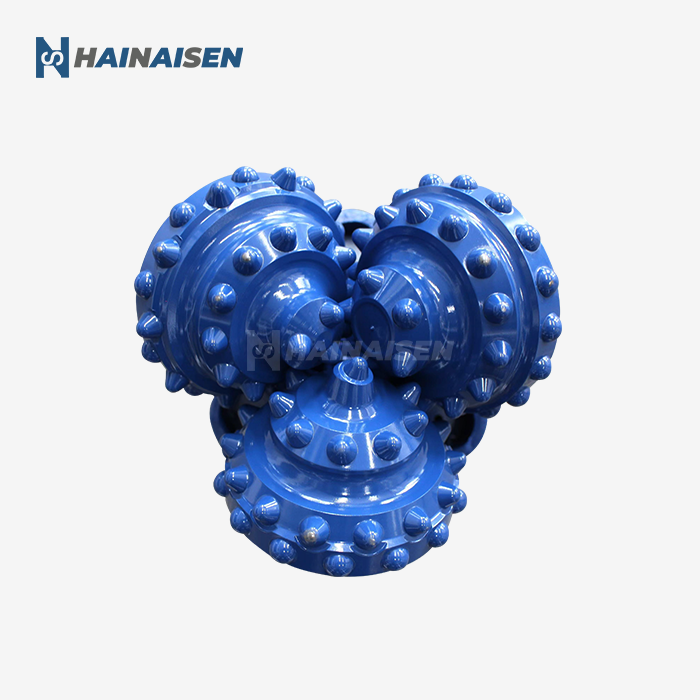 VIEW MOREHard Alloy Roller Drill Bit
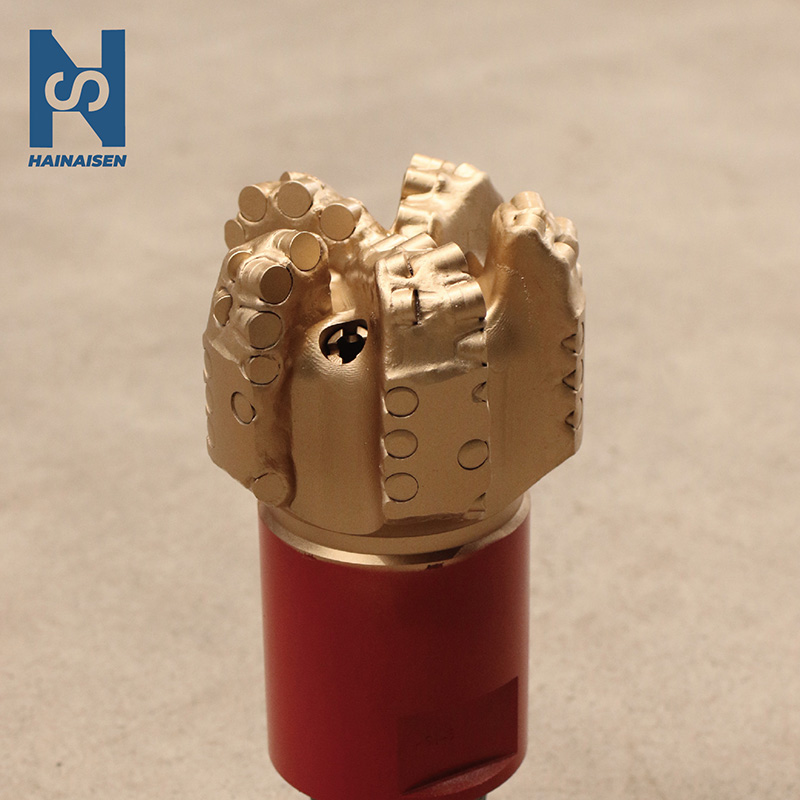 VIEW MOREPDC Petroleum Drill Bit
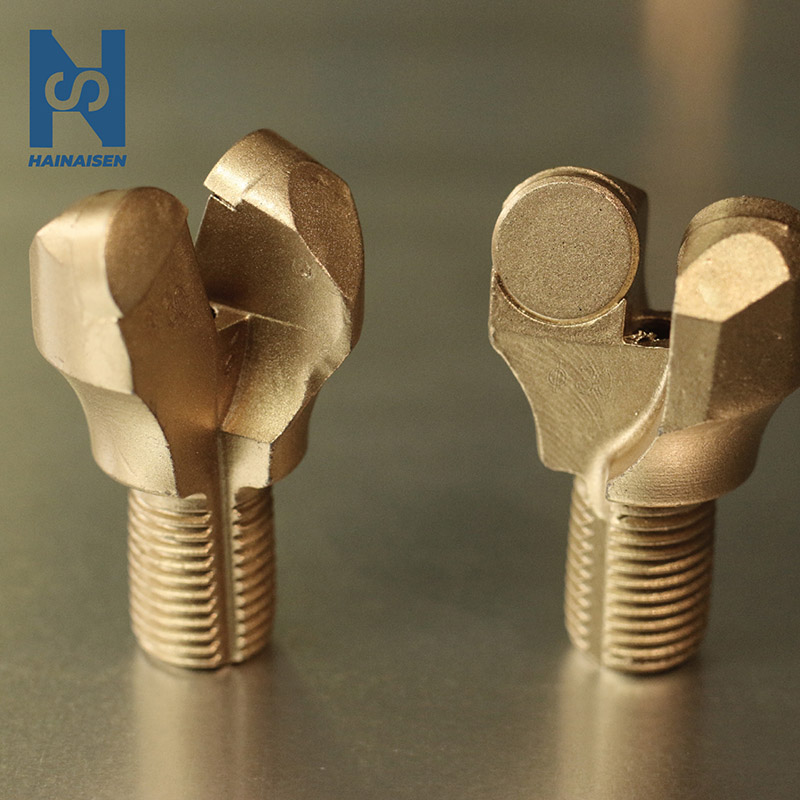 VIEW MORE30mm Half Blade Anchor Bit For Mine Coal Fields
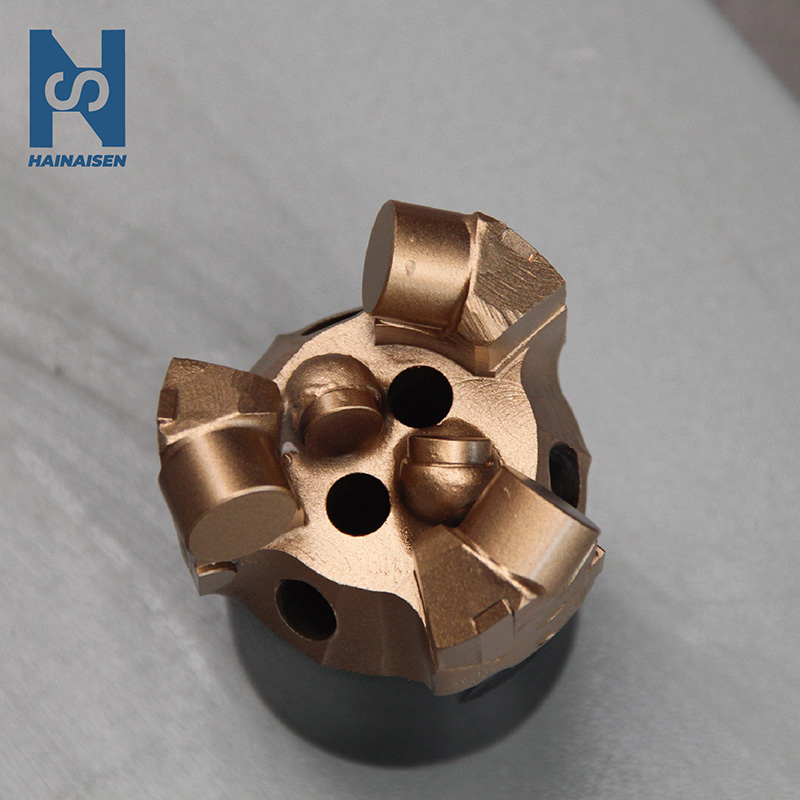 VIEW MORECoal Mines Use Haineisen PDC Drill Bits
 VIEW MOREPDC Mining Bit
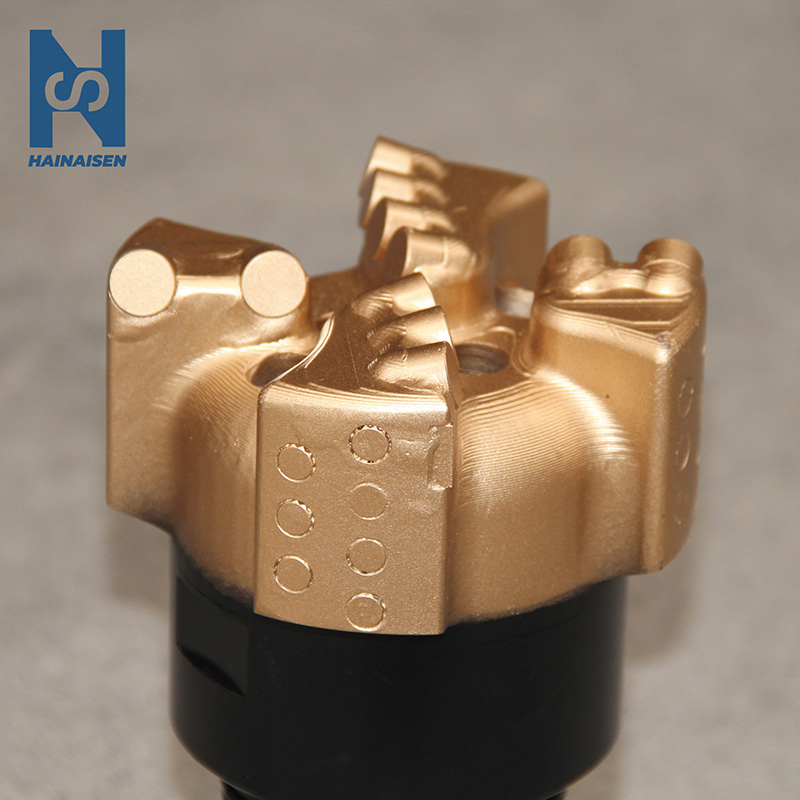 VIEW MOREDirectional Well PDC Drill Bit
logo 1_1777360475599.jpg) VIEW MOREDirectional Three Blade PDC Drill Bit
VIEW MOREDirectional Three Blade PDC Drill Bit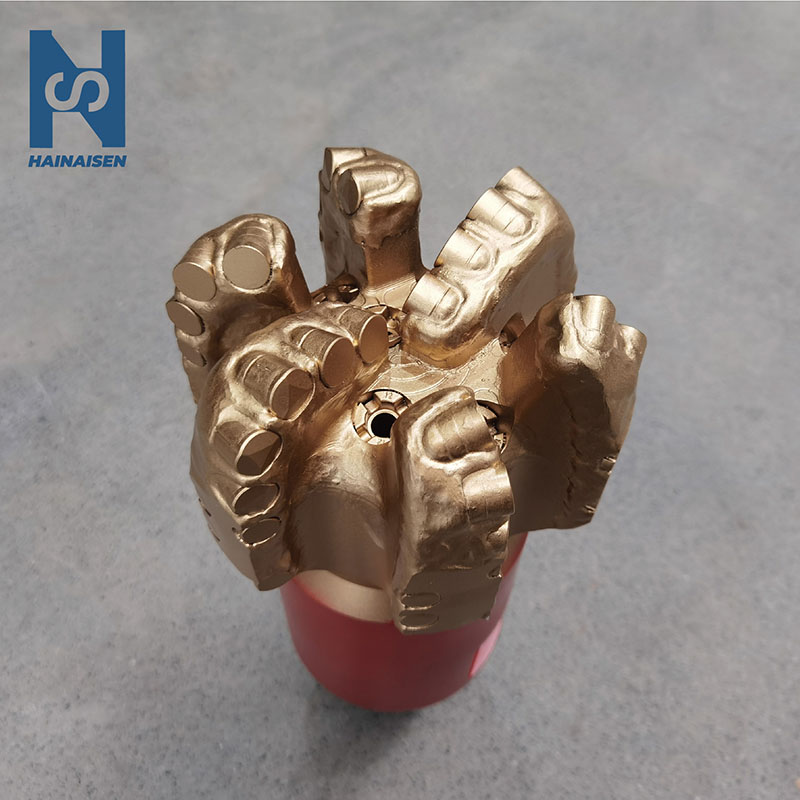 VIEW MORE6 Wings PDC Drill Bit
