







5 Blades PDC Oil Bit with Anti-Whirl Balanced Design
In current operations, a 5 blades PDC Oil Bit with Anti-Whirl Balanced Design provides precision and stability for drilling efficiency. A sophisticated balancing mechanism and five strategically placed polycrystalline diamond compact blades reduce lateral movement during rotation in this drilling tool. Oil and gas companies, coal mining operations, and water well drilling teams seeking reliable performance in varying geological conditions should choose anti-whirl technology because it addresses the erratic rotational behavior that causes premature wear, vibration, and reduced penetration rates.
Understanding the 5 Blades PDC Oil Bit and Its Anti-Whirl Balanced Design
This drilling tool's engineering improves downhole performance. Unlike conventional bits that lack directional stability, the 5 Blades PDC Oil Bit design generates a balanced cutting structure that maintains formation contact during drilling.
The Five-Blade Configuration: Engineering for Balance
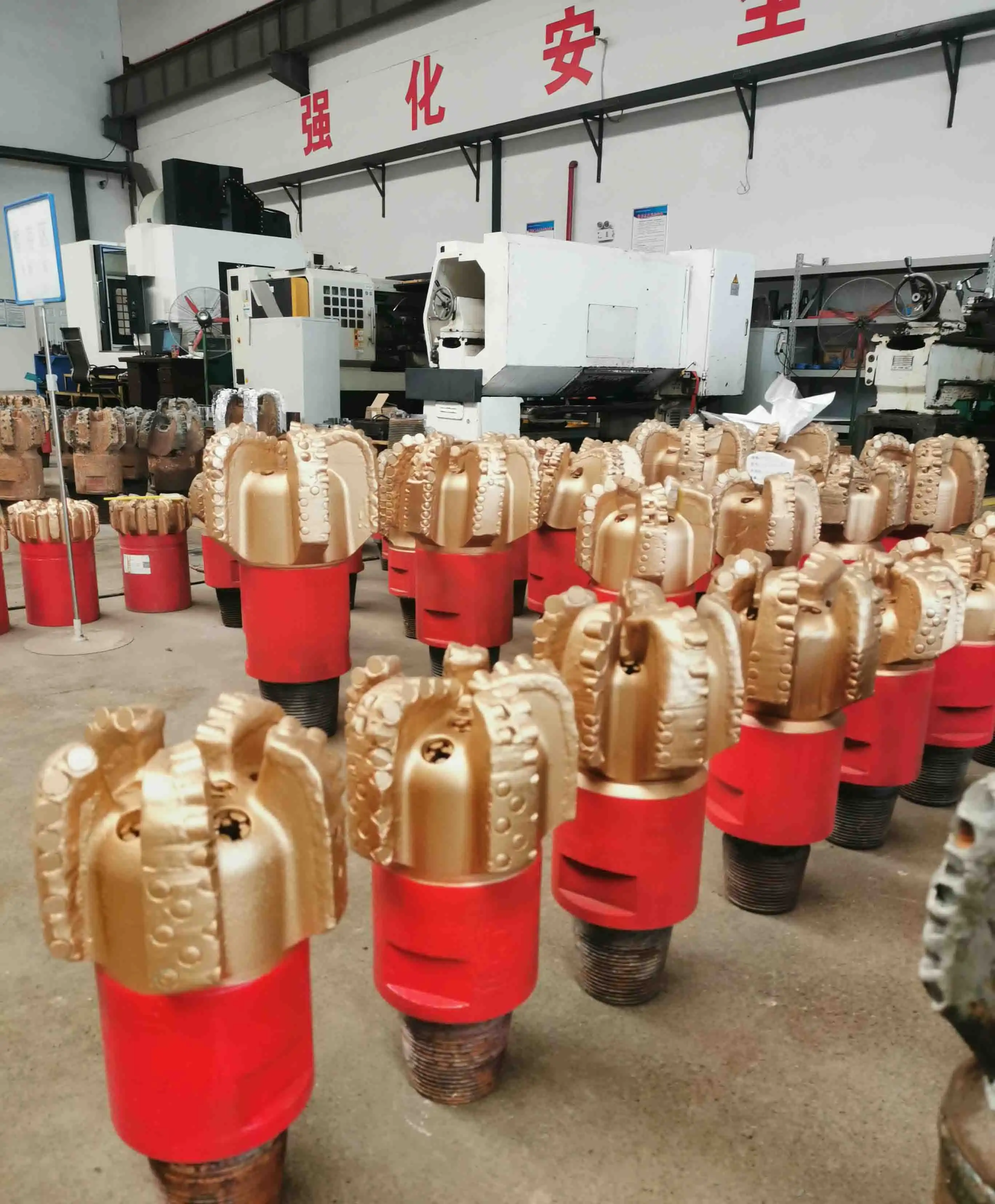
Five blades optimize aggressive cutting and structural stability. From the bit center to its gauge diameter, each blade has enough space for high-density cutter installation and trash slits for cutting evacuation. This layout evenly distributes cutting forces throughout the bit face, eliminating stress concentration spots that cause premature failure in three- or four-blade systems.
Anti-Whirl Technology: Solving Lateral Instability
Bit whirl happens when it moves laterally quicker than the drill string. This causes damaging vibration, component wear, and borehole quality issues. Anti-whirl PDC Bits for coalbed methane rely on this proven balanced structure. Specific blade geometry, optimal cutter positioning, and calculated gauge pad dimensions stabilize bit motion in the Anti-Whirl Balanced Design. This method preserves drilling trajectory accuracy and boosts operating life by decreasing lateral stresses during rotation.
Material Science Behind Performance
These bits can endure drilling pressures of 30 to 180 KN thanks to their premium steel bodies. Each blade has advanced PDC cutters that shear medium-hardness rocks, including shale, limestone, sandstone, and gypsum. Tungsten carbide matrix reinforcement improves wear resistance in abrasive circumstances, guaranteeing constant performance over long drilling operations.
Performance Optimization of a 5-Blade PDC Oil Bit with Anti-Whirl Design
Persistent drilling problems affect project profitability. Extra vibration, premature bit wear, and irregular penetration rates cause costly downtime and lower drilling efficiency. Anti-whirl PDC bits for coalbed methane benefit greatly from this advanced structure. The anti-whirl balanced design solves operating constraints with proven engineering.
Addressing Core Drilling Challenges
Bit swirl is a major damaging rotary drilling phenomenon. After lateral forces exceed stability systems, the bit moves in unexpected ways that cause high-frequency vibration. This vibration up the drill string damages surface and downhole instruments and creates an enlarged, uneven borehole. The balanced blade geometry and clever cutter arrangement of this design reduce lateral stresses, allowing smooth rotation in difficult directional drilling situations.
Enhanced Rate of Penetration Through Stability
Operating data from field applications shows drilling efficiency gains. Anti-whirl characteristics allow operators to raise bit weight and rotating speed within approved parameters—60 to 250 RPM—without harmful vibration. This improvement speeds target formation penetration. The 5 Blades PDC Oil Bit with anti-whirl design outperformed standard PDC bits by 15 to 30% in medium-hardness rocks, decreasing drilling time and expenses.
Maintenance and Operational Best Practices
Optimizing bit performance demands oversight of operating and maintenance routines. Flow rates between 45 and 80 liters per second enable hydraulic bit face cleaning, preventing cuttings buildup and vibration. Gauge wear and cutter condition are checked during trips to indicate formation changes or operational modifications needed to retain bit integrity. Selection of drilling fluid viscosity and solids content improves cuttings removal efficiency and cooling performance, increasing bit life.
Comparing the 5 Blades PDC Oil Bit with Other Bit Types
Understanding bit technology performance across applications aids procurement decisions. PDC, diamond-impregnated, and roller cone bits affect drilling efficiency and project economics.
PDC Versus Traditional Bit Technologies
For decades, tri-cone Roller Bits have reliably drilled hard, diverse rocks. However, bearings, seals, and moving parts provide several failure spots due to their mechanical complexity. However, the fixed-blade PDC design eliminates these mechanical components, making continuous drilling more reliable. PDC technology drills faster than diamond-impregnated bits in exceptionally hard rocks. The 5 Blades PDC Oil Bit arrangement delivers aggressive cutting with better stability for medium-hardness rocks, which make up most oil and gas drilling operations.
Blade Count Impact on Drilling Performance
Blade count greatly impacts bit behavior and application applicability. Three-blade designs cut aggressively in soft deposits but may be unstable in directional drilling. Six- and seven-blade versions are stable and smooth in hard formations, but have lower rubbish slot space, affecting cuttings removal in sticky formations. These demands are balanced by the five-blade layout. Its blade spacing allows for robust cuttings evacuation and stability for controlled directional drilling, making it ideal for horizontal well development in shale plays and coal bed methane extraction.
Formation-Specific Selection Criteria
Bit design maximizes drilling performance based on geology. Higher blade counts and finer cutter density minimize bit balling and preserve cleaning efficiency in soft, unconsolidated deposits like Gulf Coast shales. Limestone and dolomite are good candidates for five-blade designs with modest cutter diameters that balance durability and cutting efficiency. Abrasive sandstones benefit from gauge protection and wear-resistant compounds that maintain bit diameter over time. Understanding these linkages helps procurement managers and drilling engineers choose project-specific gear.
Procurement Considerations for 5 Blades PDC Oil Bit with Anti-Whirl Design
Strategic sourcing goes beyond pricing. Supplier reliability, product quality, and complete support services ensure long-term value and operational success.
Supplier Evaluation Criteria
Manufacturing and quality systems must be assessed to qualify suppliers. For Anti-whirl PDC bits for coalbed methane, five-axis CNC centers enable perfect blade geometry and cutter positioning for anti-whirl performance. Process control for product quality is shown by production facilities with specialized brazing or welding lines for PDC cutter attachment. ISO 9001 and API Certifications reduce procurement risk for purchasers managing complicated supply chains by independently verifying quality management systems.
Pricing Structures and Lead Time Management
Understanding costs helps negotiate better terms. Commodity markets and cutter quality grades affect steel billet and PDC cutter prices, which account for a large amount of bit costs. Complex manufacturing—especially unique designs—affects production time and labor costs. Standard configurations arrive in two to four weeks, while custom-engineered pieces may take six to eight weeks, depending on design complexity. Volume purchase agreements offer favorable pricing for buyers with consistent, recurrent demand, making them appealing to major oil service businesses building many wells.
Custom Design Value and Technical Support
Regional and formation-specific drilling conditions vary greatly. A supplier’s ability to design geologically tailored solutions adds operational value. Our dedicated research and development team works with clients to improve blade profiles, cutter arrangements, and hydraulic features for specific formation characteristics at Shaanxi Hainaisen Petroleum Technology Co., Ltd. This personalization, enabled by our 3,500-square-meter Xi’an production plant, guarantees each bit maximizes application efficiency. Procurement managers focusing on total cost of ownership rather than initial purchase price benefit from comprehensive after-sales support, including technical advice, failure analysis, and performance optimization recommendations, all critical when sourcing diamond drill bits for oil rigs.
Future Trends and Innovations in 5 Blades PDC Oil Bit Technology
Drilling is becoming more efficient and environmentally friendly. Emerging technologies promise to improve bit performance and solve sustainability problems increasingly essential to procurement decision-makers.
Advancing Materials and Design Optimization
PDC technique is limited in highly hard or interbedded rocks where impact pressures might ruin cutters. Thermally stable polycrystalline diamond materials and enhanced substrate metallurgy research aim to broaden PDC applications into harsher settings. Before Manufacture, engineers may simulate bit behavior under various downhole settings using computational modeling techniques to optimize blade shape and cutter placement more precisely than empirical approaches. These design improvements should boost performance and give operational advantages.
Digital Integration and Smart Drilling
Sensor technology in drilling equipment is revolutionary. Embedded measuring devices can continuously monitor downhole vibration, temperature, and weight on bit and provide data to surface systems for analysis. This knowledge lets drillers dynamically modify operating settings to maximize ROP and reduce damage. When these technologies develop, premium bits will include them, especially for complicated directional drilling operations with numerous downhole changes.
Environmental Responsibility in Manufacturing
Supplier sustainability and environmental standards are increasingly considered by procurement groups. Waste-reducing, energy-efficient, and responsibly sourced manufacturing techniques support business environmental goals. Our factory constantly evaluates manufacturing processes to decrease environmental impact and preserve quality. Sustainable manufacturing gives procurement teams vendors that fulfill their businesses' environmental, social, and governance goals.
Conclusion
The 5 Blades PDC Oil Bit with Anti-Whirl Balanced Design improves drilling performance across industries. The balanced design reduces harmful vibration while cutting aggressively, speeding penetration, and extending bit life. Understanding anti-whirl technology, bit performance, and procurement concerns helps maximize drilling efficiency and project economics. This established drilling method will improve as industry needs increase efficiency and environmental responsibility through material, design optimization, and digital integration innovation.
Frequently Asked Questions
1. What operating parameters work best with anti-whirl balanced PDC bits?
Operating within manufacturer-recommended ranges optimizes performance. Balanced cutting is achieved at 60–250 RPM rotational speeds and 30–180 KN drilling pressures for our five-blade design. Flow rates of 45–80 liters per second clean bit faces and remove cuttings. Formation hardness, drilling fluid characteristics, and real-time performance monitoring should determine parameter adjustments. Talking to your bit supplier's technical staff helps determine optimal specifications for your geology.
2. How does the five-blade configuration compare to three- or six-blade designs?
Three-blade bits cut soft formations aggressively but may be unsteady. Six-blade arrangements are stable in hard rock but lower rubbish slot areas, reducing cutting removal effectiveness. The 5 Blades PDC Oil Bit design balances stability for directional control with blade spacing for effective hydraulics, making it flexible throughout medium-hardness rocks used in oil and gas drilling.
3. Can these bits be customized for specific formation challenges?
Customization is beneficial for particular geological situations. Engineer blade shapes, cutter sizes, cutter density, and hydraulic features to meet formation parameters. In-house designers and sophisticated manufacturers may provide customized solutions that maximize performance for your drilling environment, outperforming off-the-shelf setups.
Partner With HNS for Your 5 Blades PDC Oil Bit Requirements
Shaanxi Hainaisen Petroleum Technology Co., Ltd. provides drilling solutions that satisfy your operating needs using sophisticated manufacturing and engineering. As an experienced 5 Blades PDC Oil Bit provider, we adjust designs to your formation and drilling conditions for best performance and cost-effectiveness. Our contemporary facility has five-axis machining centers and CNC manufacturing lines for consistent product quality. Talk to our technical staff at hainaisen@hnsdrillbit.com about how our novel anti-whirl balanced designs may improve your drilling operations and lower your total cost of ownership.
References
1. Bellin, F., Dourfaye, A., King, W., and Thigpen, M. (2010). "The Current State of PDC Bit Technology." World Oil Magazine, 231(8), 41-46.
2. Brett, J.F., Warren, T.M., and Behr, S.M. (1990). "Bit Whirl: A New Theory of PDC Bit Failure." SPE Drilling Engineering, 5(4), 275-281.
3. Durrand, C.J., Skeem, M.R., and Hall, D.R. (2010). "Thick PDC Cutters for Hard Rock Drilling: A Performance and Reliability Study." SPE/IADC Drilling Conference and Exhibition, New Orleans, Louisiana.
4. Fear, M.J., Abbassian, F., Parfitt, S.H.L., and Osbome, J.P. (1997). "The Destruction of PDC Bits by Severe Lateral Vibration." SPE/IADC Drilling Conference, Amsterdam, Netherlands.
5. Ledgerwood, L.W., Hoffmann, O.J., Jain, J.R., Schwefe, T., and Tergeist, M. (2013). "Downhole Measurement and Monitoring Lead to an Enhanced Understanding of Drilling Vibrations." SPE/IADC Drilling Conference and Exhibition, Amsterdam, Netherlands.
6. Pessier, R.C., and Fear, M.J. (1992). "Quantifying Common Drilling Problems with Mechanical Specific Energy and a Bit-Specific Coefficient of Sliding Friction." SPE Annual Technical Conference and Exhibition, Washington, D.C.
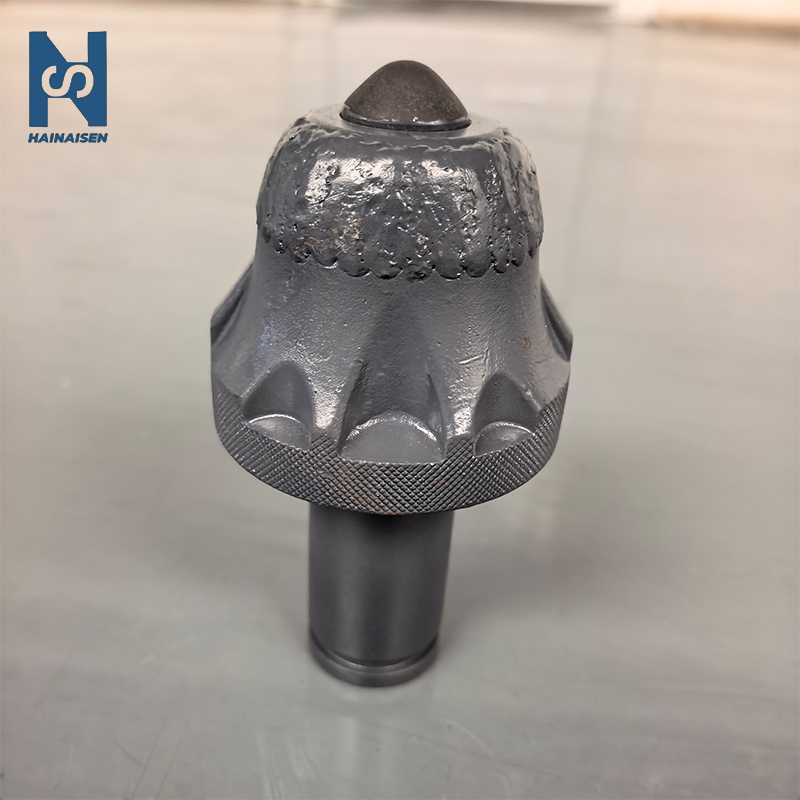 VIEW MOREDiamond Coal Mine Picks
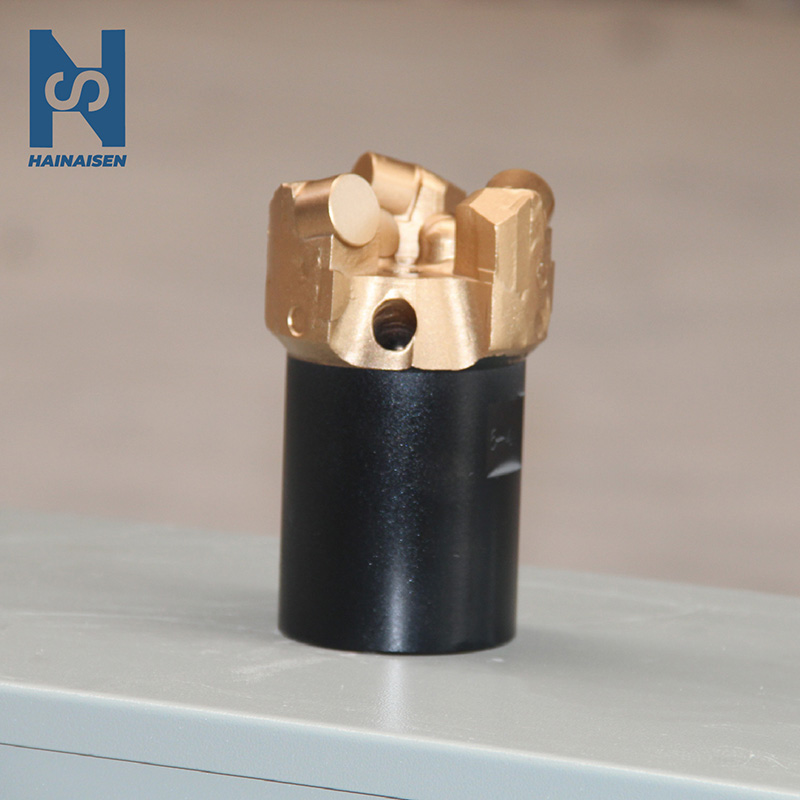 VIEW MORECoal Mining Use Diamond Drill Bit
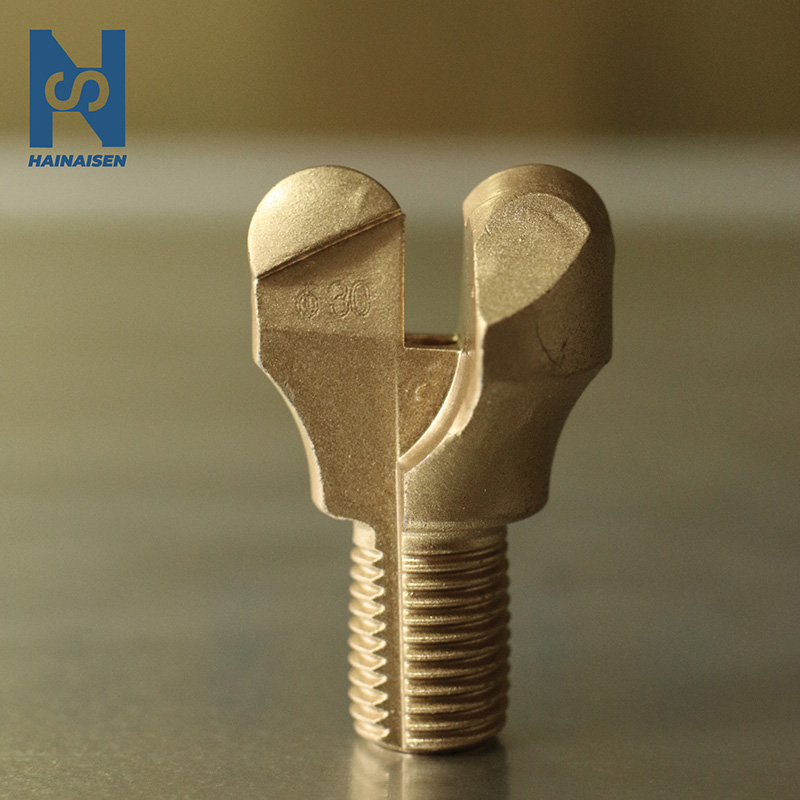 VIEW MORE34 And A Half Whole Coal Mine Mining Anchor Drill Bits
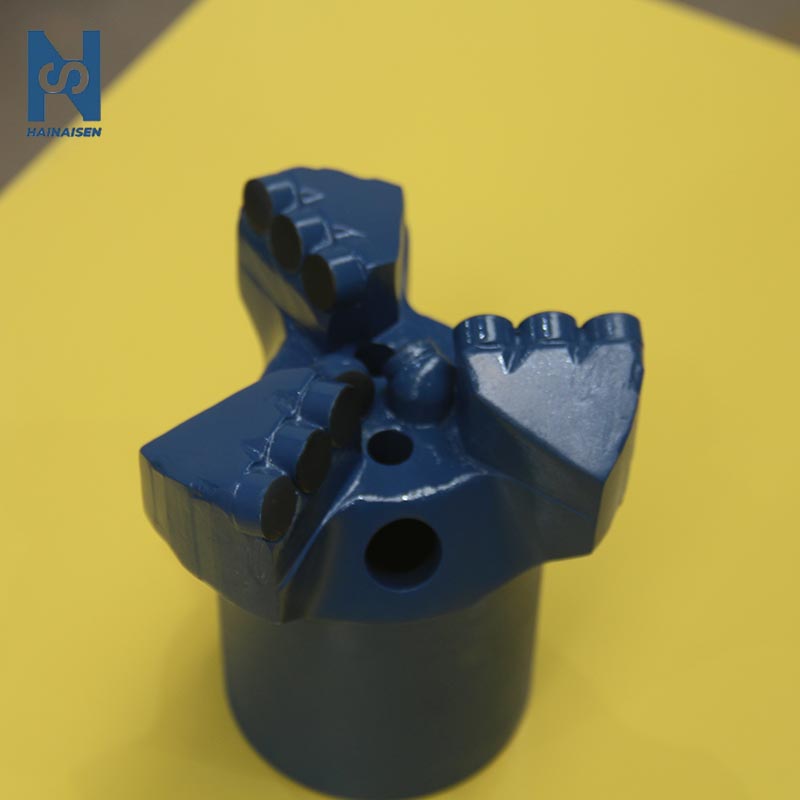 VIEW MOREPolycrystalline Diamond Compact Drill Bits
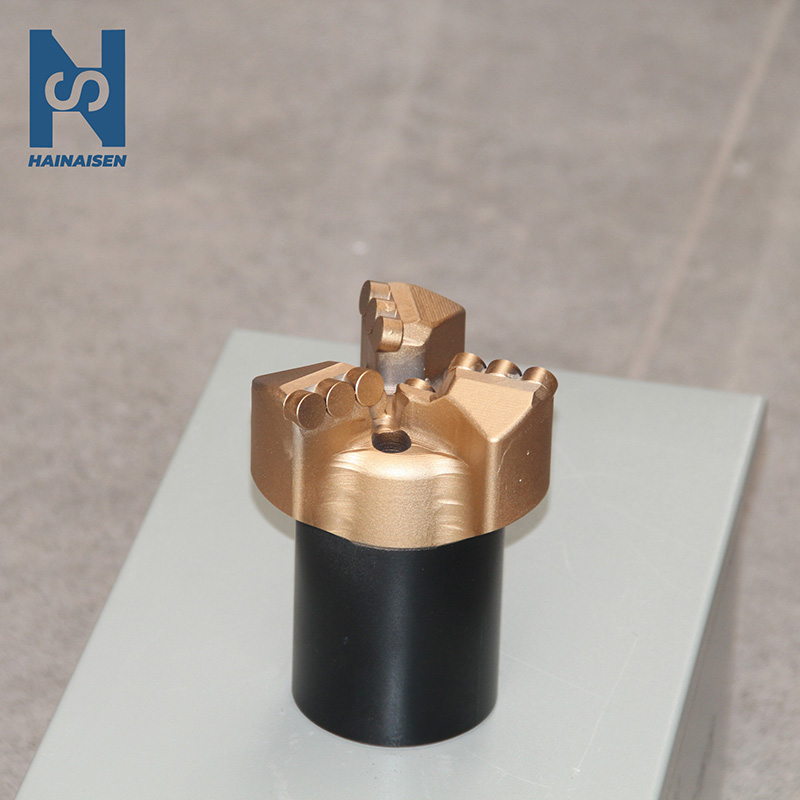 VIEW MOREThree Blades Steel Body PDC Bit
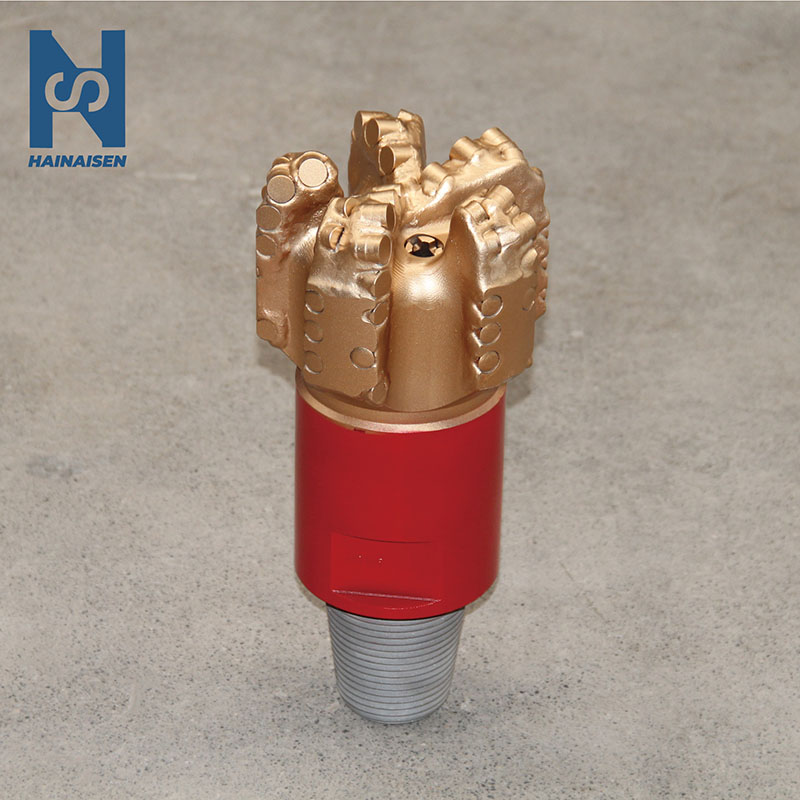 VIEW MORE5 Blade Matrix Body PDC Drill Bits
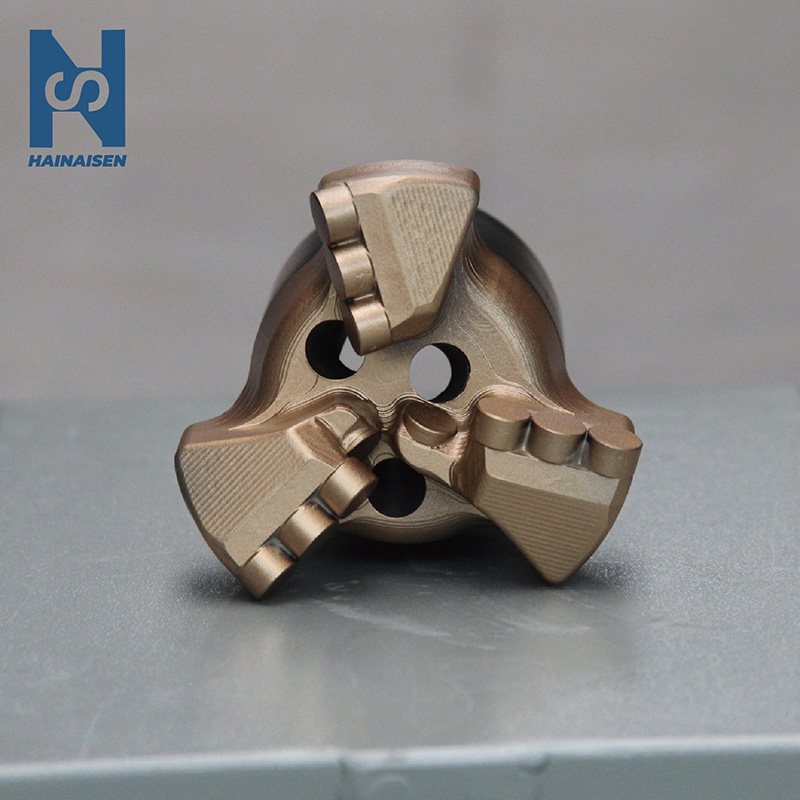 VIEW MORE3 Blades PDC Rock Bit
logo 1_1777361785830.jpg) VIEW MORE94mm PDC Flat Top Sintered Drill Bit
VIEW MORE94mm PDC Flat Top Sintered Drill Bit
