







Diamond Oil Drill Bit for Port and Infrastructure Drilling
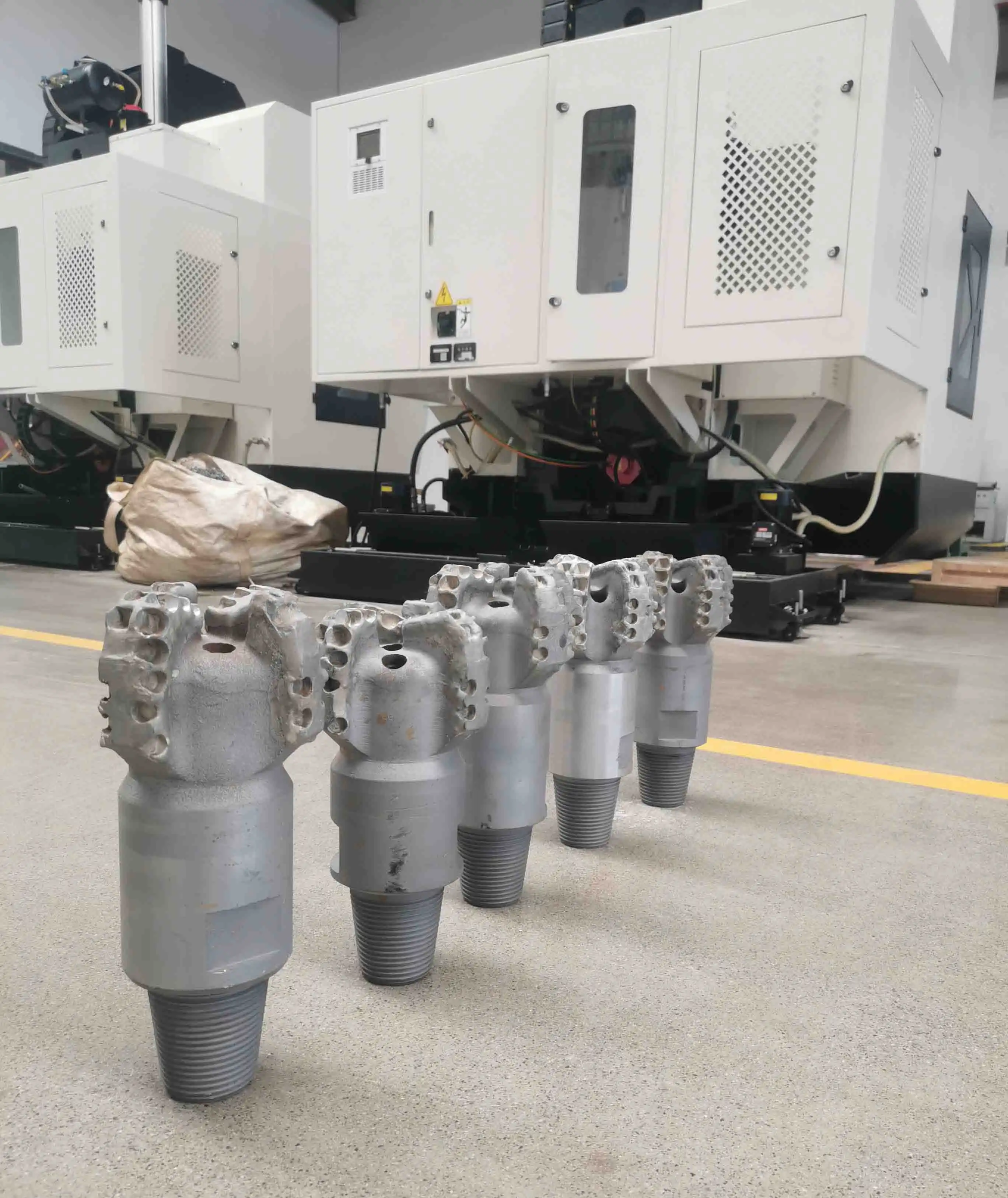
Cutting tools that perform reliably in difficult geological conditions are needed for port and infrastructure drilling. Diamond Oil Drill Bits use polycrystalline diamond compact (PDC) materials and precise engineering to drill through abrasive strata in coastal development sites. These specialized pieces are essential for current infrastructure development tasks like foundation piling and geotechnical investigation because they penetrate quickly and preserve structural integrity under intense pressure and temperature.
Understanding Diamond Oil Drill Bits and Their Role in Infrastructure Drilling
Construction and Operational Principles
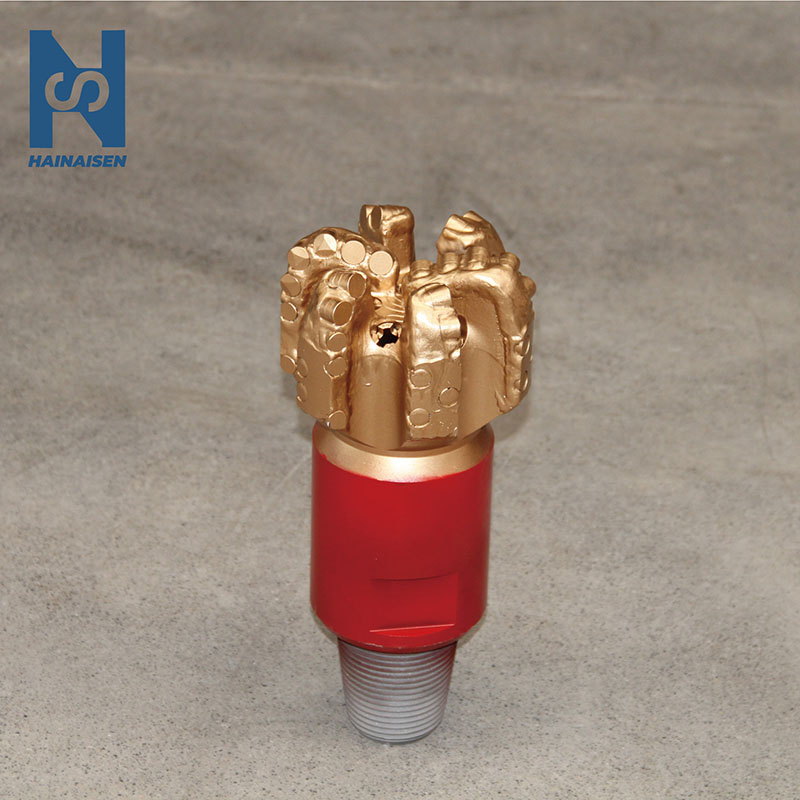
Diamond Oil Drill Bits employ modern PDC technology to fuse synthetic diamond particles under high pressure and temperature to form hard cutting elements. Cutting speed and operating longevity are affected by matrix diamond concentration, which varies from 10 to 75% volume percentage. The matrix composition, a Rockwell Hardness (HRC) metallurgical bond, erodes at a predetermined rate to expose new diamond layers during the drilling cycle.
Instead of crushing, shearing is the operational concept. Diamond cutters on the bit face fracture the rock formation as it spins, allowing material removal. This technique works well in medium to hard rock formations like port development sites with sedimentary layers and harder substrata.
Key Technical Specifications
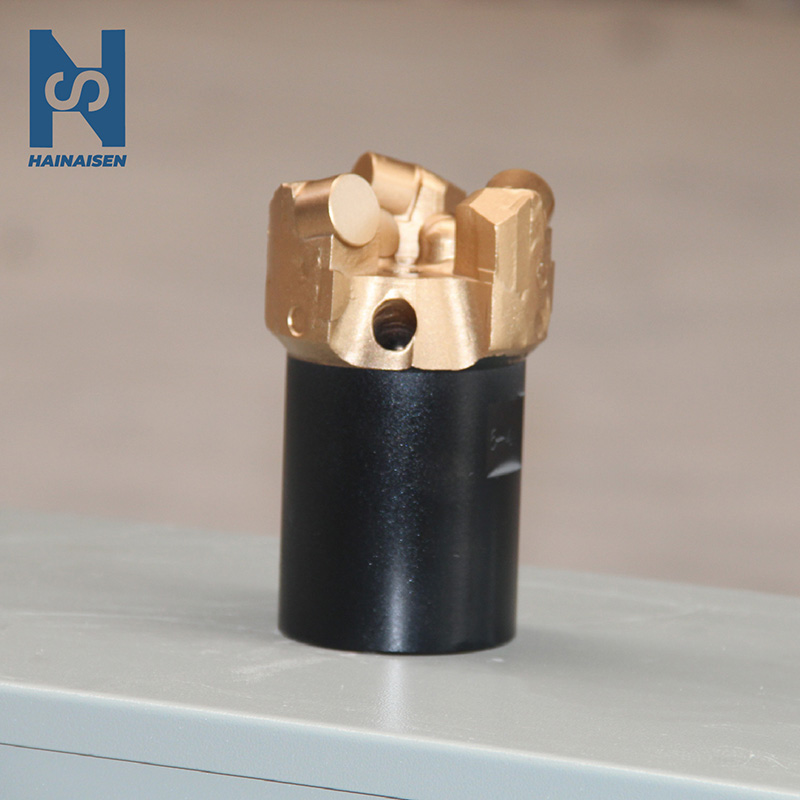
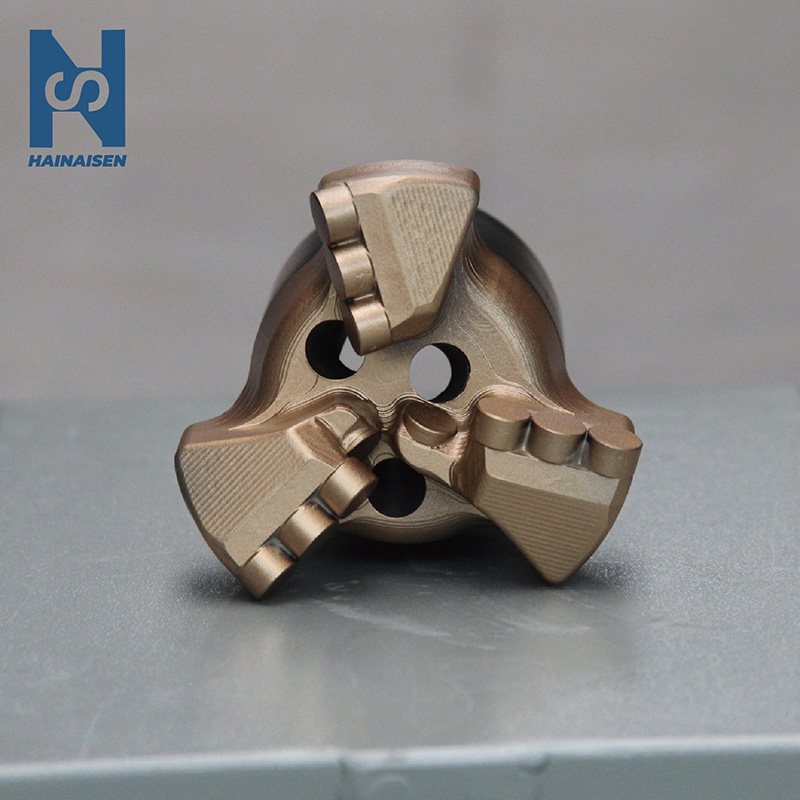
Waterway configuration affects bit performance. Strategic fluid channels—standard, broad, or pie-shaped—optimize cooling and drill cuttings removal. Wide flow channels minimize mud clogging, while asymmetrical blade layouts reduce cutting tooth wear. These design aspects coordinate to improve weight transfer and reduce operating vibration.
API-compliant connection types ensure drilling rig interoperability across infrastructure projects. The selection of blade counts from three to eight depends on formation features and penetration rates. This flexibility lets procurement managers tailor bit specs to project geology.
Performance Across Geological Conditions
Port and infrastructure drilling sometimes finds diverse formations where soft clay layers abruptly become limestone or sandstone. Customizable bond types make Diamond Oil Drill Bits ideal for these situations. In soft, abrasive rock formations, strong connections work best. This flexibility enables constant performance metrics despite geological shocks during drilling.
Diamond Oil Drill Bits outperform tungsten carbide bits in harsh settings. Field data consistently shows penetration rates 30-50% greater than standard methods, reducing rig time and project costs. Diamond materials' thermal resilience preserves cutting efficiency while drilling into frictionally heated rocks.
Benefits of Using Diamond Oil Drill Bits in Port and Infrastructure Projects
Enhanced Drilling Speed and Operational Efficiency
Equipment downtime affects port construction costs and schedules due to tight deadlines. Through improved cutting structures that concentrate force at exact contact sites, advanced Diamond Oil Drill Bits boost ROP. Operators may drill aggressively without compromising bit integrity since this design concept minimizes energy per unit of rock removed.
Modern bits use polycrystalline diamond compact technology, which resists wear better than traditional bits. Long operational intervals between bit replacements eliminate costly "trips" to remove drill strings to replace worn bits. Fewer trips increase project economics, especially for medium and large-sized oil service businesses with high rig hourly rates.
Wear Resistance and Longevity Advantages
Compare Diamond Oil Drill Bits to tungsten carbide and ordinary PDC alternatives and see their advantages. Diamond Oil Drill Bits often last 80–120 hours in abrasive formations, but tungsten carbide bits need replacement after 20–30 hours. Diamond's 10 Mohs hardness and tailored matrix materials' controlled erosion extend operating longevity by three to fourfold.
Port drilling also benefits from heat resistance. Coastal formations with water-saturated zones can create strong localized heating through frictional contact. Diamond materials remain cutting-efficient at 700°C, while ordinary materials degrade about 400°C. Thermal stability keeps bits from breaking and maintains penetration rates during drilling.
Maintenance Requirements and Project ROI
Total cost of ownership benefits from lower maintenance. Instead of component replacement, routine inspections examine cutting surfaces and canal integrity visually. Technical engineers use Diamond Oil Drill Bits' predictable wear patterns for lifespan forecasts and maintenance scheduling.
Project ROI estimates favor Diamond Oil Drill Bits for decreased downtime and better wellbore quality. Smooth boreholes reduce corrective work during completion, speeding project processes. Well-designed Diamond Oil Drill Bits reduce vibration, increasing the life of drill strings, stabilizers, and downhole motors.
Choosing the Right Diamond Oil Drill Bit for Your Project
Performance Metrics and Formation Analysis
Formation features and bit performance criteria must be considered while choosing drilling instruments. The main selection factors are rock hardness, abrasiveness, and drilling depth. Higher blade counts and aggressive cutter placement work well for formations below 100 MPa, whereas tougher formations benefit from fewer blades with strengthened cutting structures.
Diamond concentration matters in selection. In extremely abrasive environments, higher concentrations raise initial expenses but lengthen operating life. Coal mining procurement managers favor moderate concentrations to balance performance and price, whereas oil service businesses request premium concentrations to optimize bit life in protracted drilling operations.
Some customers are confused by the fact that bond hardness must be inversely related to formation hardness. Cutting efficiency is maintained by soft bonding, exposing new diamond surfaces fast in hard rock. Hard bonds protect diamond layers while drilling soft, abrasive materials that would destroy the matrix. Customizing bit specs for projects requires understanding this connection.
Supplier Evaluation and Quality Assurance
Examine Certifications, production capabilities, and after-sales support to find trusted Manufacturers. Quality providers use five-axis CNC centers and automated welding manufacturing lines to assure dimensional perfection and structural uniformity. Production capacity is important for huge infrastructure projects that require numerous bits during drilling.
Warranties show manufacturer confidence in product durability. Industry warranties generally cover manufacturing faults for six to twelve months, but not operational harm from incorrect usage. Leading vendors provide technical help on bit selection, operating parameters, and troubleshooting throughout the project lifespan, in addition to warranties.
DCDMA, ISO 3551, or comparable metric certifications indicate quality control and worldwide interoperability. These credentials are important for water well drilling crews and geological exploration businesses working in numerous jurisdictions with different regulations. Field testing and performance track records support manufacturer claims, especially when sourcing custom water well bits tailored for unique site conditions.
Procurement and Buying Guide for Diamond Oil Drill Bits
Purchasing Channels and Pricing Models
Infrastructure drilling has three main procurement channels. Medium to big-sized oil service organizations with continuing equipment demands benefit from direct manufacturer partnerships' cost savings and customization options. This method takes longer but optimizes specifications for operational needs.
Distribution networks aid projects with tight deadlines or lower order quantities by providing speedier delivery and local inventories. Many coal mining and construction machinery operators justify the 15-25% margin in unit prices above direct manufacturer pricing due to logistics simplicity and ease. Distributors handle warranty claims and local technical support.
OEM vendors buy pieces from specialist manufacturers and rename them. Buyers who value single-source procurement over cost optimization use this channel. Due diligence is needed when assessing OEM offers because quality varies greatly.
Volume discounts of 10-30%, depending on order quantity and payment conditions, reduce costs. Large drilling contractors managing many projects benefit from annual supply agreements' financial stability and priority production scheduling. Custom cutter combinations, blade geometry, and canal designs for specific formation issues are available.
Logistics and Supply Chain Considerations
Diamond Oil Drill Bit international shipping takes 4-8 weeks from order confirmation to delivery, including manufacturing and freight transportation. Urgent orders might be produced at a premium. Standard configurations may be delivered in 2-3 weeks from US vendors.
Warranty policy should be reviewed during procurement agreements. Inspection upon receiving is crucial since coverage begins with delivery, not installation. Warranty claims need operational logs showing correct usage conditions, underlining the significance of accurate drilling records throughout the project.
Standard payment conditions are 30-50% deposit upon order confirmation and full payment before shipment, depending on the supplier and order amount. Established clients with good payment histories can get better conditions, like longer payment periods or consignment for major transactions.
Maintenance Best Practices and Performance Optimization
Routine Inspection and Field Maintenance
Systematic pre-operation checks extend Diamond Oil Drill Bit life. Before deployment, check for cutter damage, matrix wear, and waterway obstruction. Bit diameter measurements at numerous sites reveal uneven wear patterns, suggesting operational concerns needing parameter modifications. Simple tests avoid premature failure and enhance bit performance throughout its life.
Monitoring penetration rates and torque during drilling offers real-time performance feedback. ROP decline despite stable operational parameters indicates bit wear that needs examination. Sudden torque increases may signal cutter damage or formation changes, requiring quick inspection. Proactive monitoring allows bit replacement before catastrophic failure, conserving bit investment and wellbore integrity.
Cleaning after the operation eliminates formation cuttings and drilling fluid residue that might hide damage during inspections. Clearing waterways avoids dirt and mineral buildup. Store bits in protective cases between deployments to avoid handling damage, especially for bits cycled between drilling locations.
Performance Optimization Strategies
Optimization of drilling settings based on real-time bit reaction optimizes penetration and longevity. WOB and RPM are the main modifiable parameters. Lack of weight hinders rock contact, while excessive WOB promotes matrix degradation without commensurate ROP increases. The best balance depends on formation and bit design and requires field modification and performance monitoring.
Hydraulic optimization removes and cools cuttings. Cuttings accumulate at the bit face because of too low flow rates, accelerating wear. In soft formations, high flow velocities prematurely degrade the matrix. To maximize performance, flow rate estimates should include bit canal design, formation parameters, and hole depth.
Case studies from port construction confirm these ideas. This Charleston foundation drilling project saved 40% over historical averages by using bit monitoring and parameter adjustment. Custom Diamond Oil Drill Bits with improved canal designs and strict operational rules expanded bit life from 45 to 78 hours in abrasive coastal formations.
Conclusion
Port and infrastructure drilling applications benefit from Diamond Oil Drill Bits' improved wear resistance, penetration rates, and operating longevity. Combining sophisticated PDC technology with optimized cutting structures meets coastal construction needs where abrasive formations and difficult geological conditions challenge equipment limits. Strategic bit selection based on formation analysis and routine maintenance enhances ROI and reduces project delays. As infrastructure construction increases worldwide, procurement experts who understand drilling technology position their firms for operational efficiency and competitive advantage in a challenging market.
Frequently Asked Questions
1. How do diamond drill bits compare to tungsten carbide alternatives in port drilling applications?
In harsh coastal formations, Diamond Oil Drill Bits outperform tungsten carbide. Operating lifespan is three to four times longer than tungsten carbide, and penetration rates are 30-50% better. Increased initial cost is mitigated by fewer bit replacements and lower cumulative drilling costs. Only in soft formations, when diamond's benefits are negligible, is tungsten carbide economical.
2. What lead times should we expect when ordering customized diamond bits for infrastructure projects?
Domestic vendors send standard configuration parts in 2-3 weeks and overseas manufacturers in 4-6 weeks. Engineering validation and tooling preparation take 6-8 weeks for customized designs with complex cutting structures or geometries. Planning procurement around these timescales reduces project delays, especially for big drilling campaigns with several bit deliveries.
3. Can diamond drill bits be customized for unique geological conditions in our project area?
Working directly with manufacturers offers major customization benefits. Variations in diamond concentration, bond hardness, blade count, and waterway layout address formation issues. By providing geological data like rock hardness, abrasiveness, and drilling depths, engineering teams may optimize bit designs for your operating needs, improving performance and justifying customisation expenditures.
Partner with HNS for Superior Diamond Oil Drill Bit Solutions
For procurement managers and technical experts seeking dependable Diamond Oil Drill Bit manufacturers, HNS has complete options. Advanced five-axis machining machines and CNC production lines assure precision and quality at our 3,500-square-meter Xi'an plant. Shaanxi Hainaisen Petroleum Technology Co., Ltd., founded in 2013, has over a decade of expertise developing and producing PDC drill bits for oil service businesses, coal mining operations, and water well drilling teams.
Our research and development team works with clients to provide drilling solutions that meet formation and operational requirements. Our engineering knowledge turns geological obstacles into drilling solutions, whether your project requires better heat resistance for geothermal applications or optimal cutting structures for diverse coastal formations. Talk to our technical staff at hainaisen@hnsdrillbit.com about your infrastructure drilling needs and browse our product line.
References
1. Mitchell, R.F. & Miska, S.Z. (2021). "Advanced Drilling Technologies for Infrastructure Development," Journal of Petroleum Technology, Vol. 73, pp. 45-62.
2. Anderson, P.L. (2020). "Polycrystalline Diamond Compact Bits: Design Principles and Field Performance," Society of Petroleum Engineers Monograph Series, SPE Publishing.
3. Chen, Y. & Roberts, T.M. (2022). "Comparative Analysis of Drill Bit Technologies in Coastal Construction Projects," International Journal of Rock Mechanics and Mining Sciences, Vol. 156, pp. 105-118.
4. Williams, K.J. (2019). "Optimization Strategies for Diamond Drill Bits in Variable Formation Drilling," Drilling Engineering Association Technical Report, DEA-TR-2019-08.
5. Thompson, D.R. & Martinez, L.A. (2021). "Economic Analysis of Advanced Drilling Technologies for Port Infrastructure Development," Construction Engineering and Management Journal, Vol. 147(9), pp. 1-14.
6. Zhang, H. & Peterson, G.S. (2020). "Thermal Stability and Wear Characteristics of PDC Materials in High-Temperature Drilling Applications," Materials Science and Engineering: A, Vol. 782, pp. 139-152.
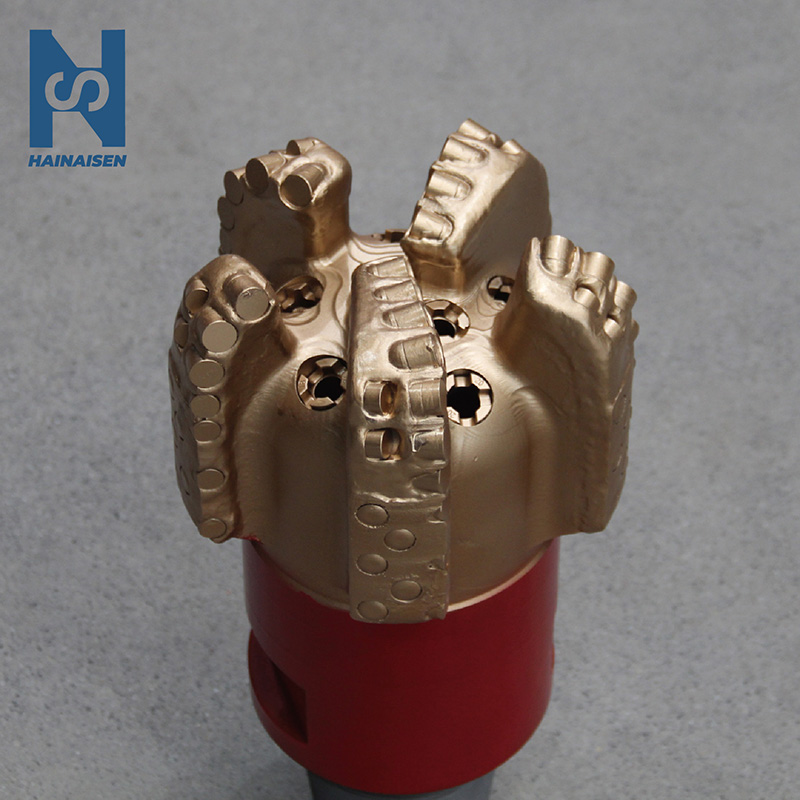 VIEW MOREOil Diamond Drill Bit
logo 1_1768204983068.jpg) VIEW MOREPDC Core Drill Bit With 8 Blades For Hole Drilling Used In Mining
VIEW MOREPDC Core Drill Bit With 8 Blades For Hole Drilling Used In Mining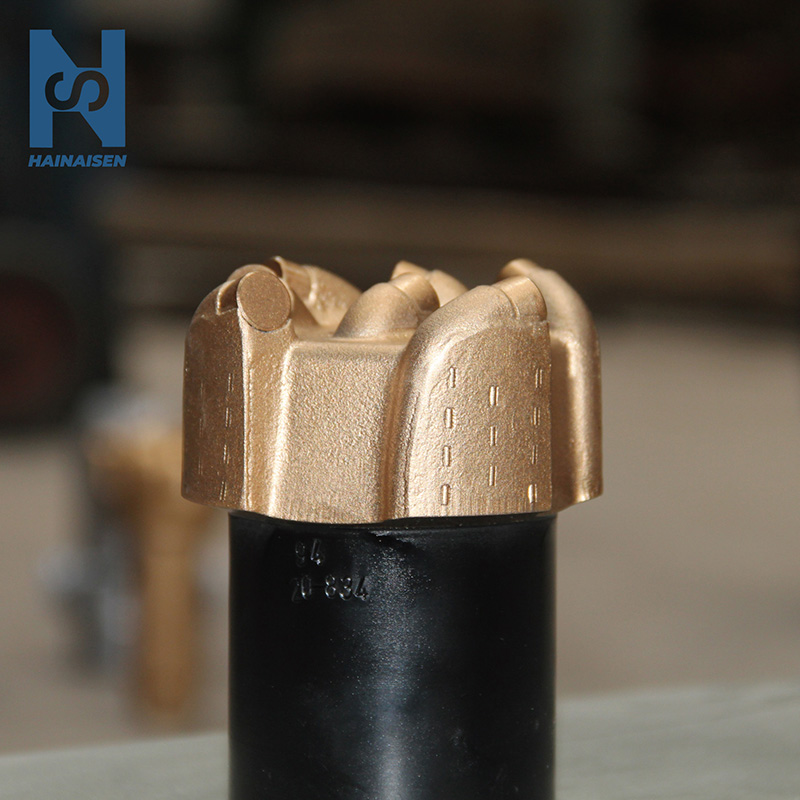 VIEW MOREPDC Flat Top Sintered Drill Bit
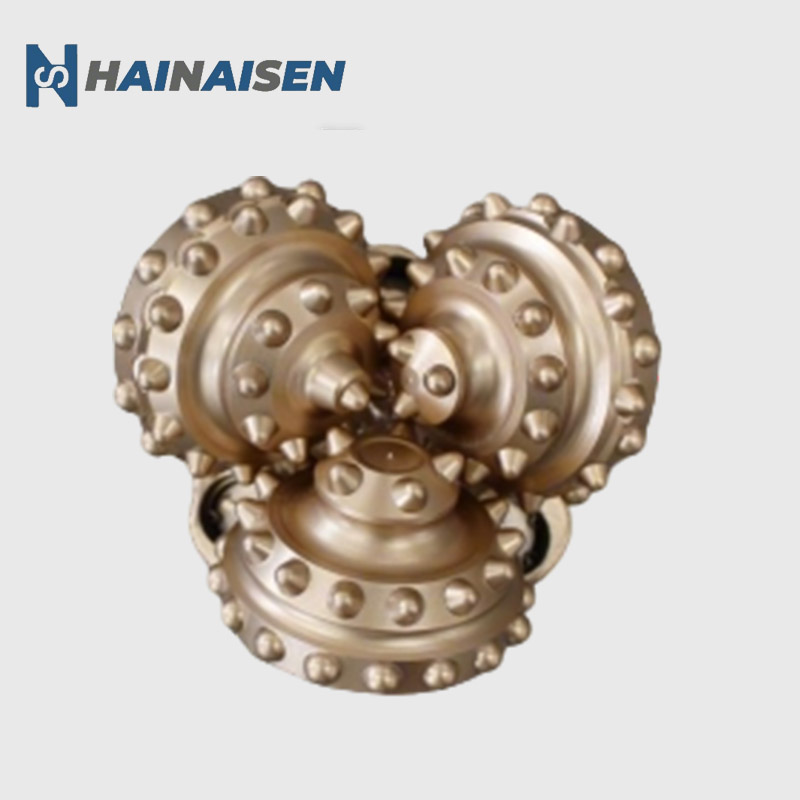 VIEW MORE4 1/2" IADC 637 TCI Tricone Bit
 VIEW MORESix Blade Wing Petroleum Drill Bit
 VIEW MORECoal Mining Use Diamond Drill Bit
 VIEW MOREApi Polycrystalline Diamond Drill Bit
 VIEW MORE3 Blades PDC Rock Bit
