




Tool 6 Wings Drill Bit PDC Performance in Deep Wells
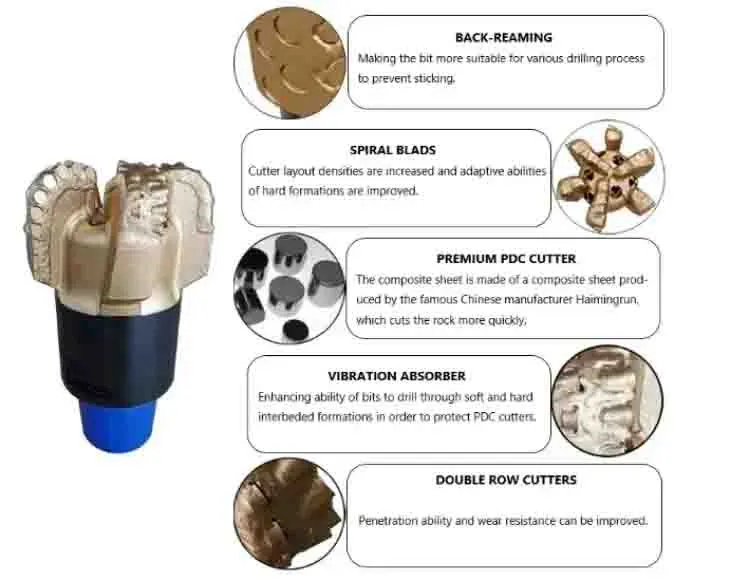
All of the parts are important when drilling thousands of feet below the surface. For deep well uses, the Tool 6 Wings Drill Bit PDC has become a reliable choice. It combines modern polycrystalline diamond compact technology with a six-blade design that ensures stable penetration rates even in tough geological conditions. This design makes things more stable, lowers vibrations, and extends their useful life. This makes it especially useful for geothermal projects, oil and gas mining, and building deep water wells, where downtime directly affects project costs.
Understanding 6 Wings Drill Bit PDC Technology
The Evolution of Multi-Blade PDC Design
Most traditional drilling bits have three or four blades, which can make it hard for them to stay in balanced touch with the rock surfaces when they are drilling deep. This problem is fixed by the six-blade design, which spreads the cutting forces more evenly across the bit face. Each blade has several polycrystalline diamond compact cutters, which are made of synthetic diamond disks that cut rock by continuously scraping it instead of breaking it. This basic change in the way the cutting works uses less energy while keeping the entry rates high.
Technical Attributes and Material Composition
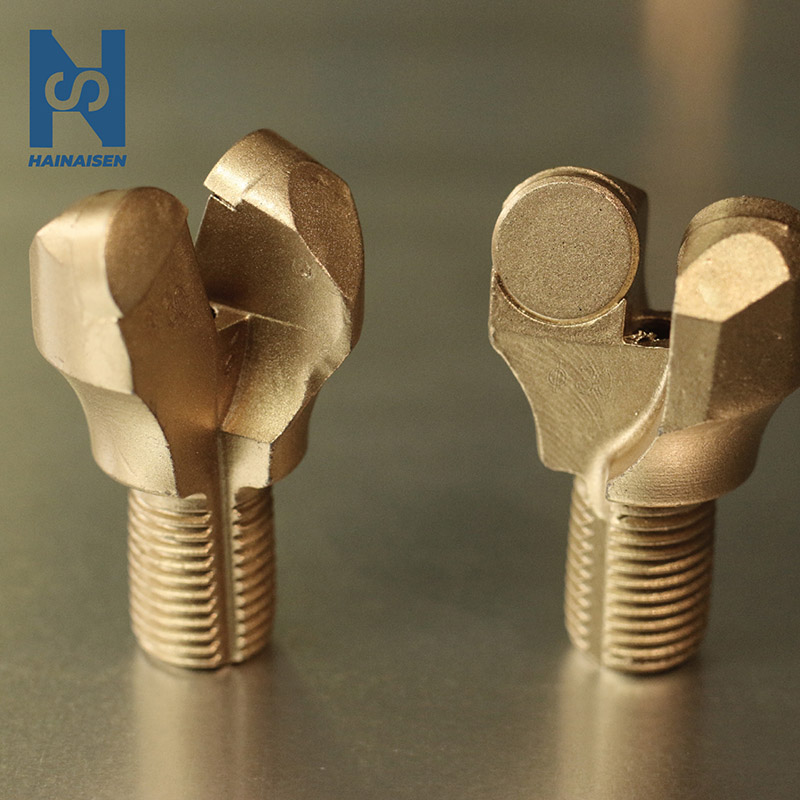
Our way of making things uses high-quality steel bodies and tungsten carbide composite support to make a base that can handle very high temperatures and pressures downhole. Tool 6 Wings Drill Bit PDC cutters are made up of diamond bits that are smelted under a lot of pressure onto carbide bases. This makes cutting surfaces that are very hard, almost as hard as natural diamond, while also being very stable at high temperatures.
The six-wing design makes the best flow pathways for moving drilling fluid. These lines do two things: they remove rock chips from the cutting face and keep the bit cool while it's working. When hydraulics are designed correctly, heat building doesn't damage the cutting, which is a common way for things to go wrong in deep wells where the temperature can reach over 150°C.
Operating Parameters and Formation Compatibility
The Tool 6 Wings Drill Bit PDC works well within certain limits that keep the bit's cutting force and life in balance. Rotational speeds between 60 and 250 RPM are fast enough to cut without making too much heat. Drilling pressures between 20 and 110 kilonewtons let workers change the weight-on-bit based on the properties of the rock. Flow rates between 30 and 40 liters per second keep the cutter cool and remove debris.
These bits work best in rocks that are medium toughness and have low to middling compressive strength. The shearing action of Tool 6 Wings Drill Bit PDC cutters works especially well on shales, which are widespread in oil and gas sources. Layers of limestone and sandstone are often found when digging water wells and looking for minerals. They let drilling go quickly with little damage. Even though gypsum layers are rough, they give way to diamond cutters and don't damage properly made bits much.
Performance Advantages of 6 Wings Drill Bit PDC in Deep Wells
Enhanced Drilling Speed and Penetration Rates
Because moving costs and rig time are big expenses, deep well projects need to be as efficient as possible. Compared to other designs, the six-blade setup has a larger total cutting surface area, which means that each rotation can remove more formation material. Changes from four-blade to Tool 6 Wings Drill Bit PDC in similar rocks have been shown to improve penetration rates by 15 to 25 percent in field data from oil service activities.
This benefit grows over the course of long digging efforts. A well that goes down 3,000 meters could save 30 to 40 hours of digging time, which can save a lot of money when rig rates are more than $3,000 an hour. The steady cutting action also makes the holes smoother, which lowers the risk of problems during the fitting of the case and the cementing process.
Improved Torque Management and Thermal Stability
As wells get deeper, they create problems with how power is transferred and how much heat is produced. Tool 6 Wings Drill Bit PDC has blades that are evenly spaced, which reduces side-to-side shaking and stick-slip, a condition in which the bit grabs and releases formation material. This smooth turn makes the steering more accurate in directional drilling uses and puts less stress on the drill string and surface equipment.
Below 2,000 meters, where formation temperatures rise and cooling efficiency drops, thermal stability is very important. We use thermally stable diamond formulas in our Tool 6 Wings Drill Bit PDC technology so that it can keep cutting well at high temperatures. Heat-resistant matrix bonding stops cutting separation, which is the main way things break in hot places. Better blade design encourages fluid flow around each cutter, which transfers heat to drilling mud more efficiently.
Extended Operational Life and Wear Resistance
The costs and tactical planning of a project are directly affected by how long bits last. The six-blade structure spreads wear more fairly across the cutting elements, so individual cuts don't break down too soon, which would make the whole bit useless. Abrasive drilling fluid and formation particles can't wear away the bit body's high-quality materials.
When Tool 6 Wings Drill Bit PDC technology is tested against traditional roller cone bits, it shows that it lasts longer. Tricone bits might need to be replaced every 200 to 300 meters in medium-hard rocks, but Tool 6 Wings Drill Bits PDC that are chosen correctly can usually drill 800 to 1,200 meters before they wear out. This cut down on trips—the time-consuming process of taking out and putting in new drill strings—makes drilling much more efficient overall.
Comparing 6 Wings Drill Bit PDC with Other Drill Bit Technologies
Advantages Over Traditional Roller Cone Bits
For many years, drilling was mostly done with roller cone bits, which had spinning cones with metal teeth or tungsten carbide pieces inside them. Additionally, they work well in some situations, but they have moving parts that can fail bearings and seals in harsh downhole circumstances. The fixed-blade Tool 6 Wings Drill Bit PDC design gets rid of these failure modes completely, which makes the system more reliable in deep and extended-reach vertical wells.
Due to faster drilling and less bit use, Tool 6 Wings Drill Bit PDC technology has lower operating costs. While Tool 6 Wings Drill Bit PDCs are more expensive to buy individually than roller cone options, the overall cost per meter bored is usually less because the bits last longer and penetrate deeper. Tool 6 Wings Drill Bit PDC solutions are always useful for procurement managers who look at the total cost of a project instead of just the prices of the parts.
Distinguishing Features from Diamond-Enhanced Variants
For very hard or rough rocks, some drilling jobs use natural diamond bits or thermally stable polycrystalline diamond bits. Natural diamond bits are very hard, but because they are so expensive, they can only be used in certain situations. While thermally stable diamond bits get around the problems that come with high temperatures, they don't cut as well as standard Tool 6 Wings Drill Bit PDC formulations.
For everyday use, the Tool 6 Wings Drill Bit PDC is in the middle. It works well in a variety of rock formations without the high cost of more advanced diamond technologies. Because of this, our bits can be used for most drill bit oil and gas, mining, and water well projects where the rock can be predicted and the conditions are medium-hard.
Market Landscape and Supplier Selection
There are a lot of Tool 6 Wings Drill Bit PDC sellers in the 2024 drilling market, from large, well-known global companies to small, specialized regional companies. When evaluating choices, procurement teams should think about more than just the original price. Customization options are based on manufacturing skills and are very important for matching bit design to particular geological conditions. Quality control procedures make sure that all production runs are the same. This lowers the chance of early mistakes that delay projects.
Shaanxi Hainaisen Petroleum Technology has a 3,500-square-meter building with computer-controlled production lines and five-axis machining centers that allow them to make precise parts to specs that are measured in hundredths of millimeters. Our focused research and development team works with clients to find the best bit shapes, cutter sizes, and blade arrangements for each drilling job. This engineering help is useful when standard store items can't fully solve formation problems or work within practical limits.
Procurement Considerations for 6 Wings Drill Bit PDC
Evaluating Technical Specifications and Performance Metrics
To choose the right drilling bits, you have to make sure that the equipment's skills match the features of the formation and the operational factors. Managers in charge of buying things should make sure that the bits they are considering will work with the cutting tools they already have. No matter how good the bits are, incompatibilities can cause underperformance or loss before they're supposed to.
When used in deep wells, temperature ratings need extra care. Bits made for shallow processes might have Tool 6 Wings Drill Bit PDC formulations or bonded materials that break down above certain levels. Our engineering standards make it clear what the highest temperatures are that should be used. This lets buyers make smart choices based on what they think the conditions will be like downhole.
Both bit security and puncture rates are affected by the number of cutters and how they are placed. Higher cutter numbers usually speed up drilling in lighter rock, but they might not work as well in harder rock because each cutter needs more weight on the bit to keep cutting. The six-blade design lets the cutters be set up in a variety of ways that work best for each type of rock.
Pricing Structures and Total Cost Analysis
Tool 6 Wings Drill Bit PDC prices depend on many things, such as the quality of the materials used, the accuracy of the manufacturing process, and the amount of customization. Standard catalog bits made for popular types of formations usually have the lowest cost per unit. Customized solutions with special cutter grades, changed blade shapes, or one-of-a-kind hydraulic designs cost more, but they work better in certain situations, so the extra cost is worth it.
Instead of just looking at purchase prices, people who work in procurement should do total-cost-of-ownership studies. A bit that costs 20% more but drills 40% farther before it needs to be replaced is a much better deal. Cutting down on the number of trips can save rig time, which could explain even higher prices for bits that last longer.
Companies that have ongoing digging projects may be able to get better prices by buying in bulk. We make outline deals with big oil service companies and mining operations that ensure supply and offer better prices based on how much oil is expected to be used each year. These relationships make it possible to predict costs, which is helpful for making project budgets.
Supplier Vetting and Logistics Management
There are a few key traits that reliable global providers have that protect buyer interests. Certifications for manufacturing make sure that quality control methods and production skills are working properly. Compliance with ISO 9001, which is a standard in the drilling business, makes sure that processes are recorded and can be tracked throughout production. Some providers keep extra certifications that are only needed for oil and gas uses. This shows that they are committed to meeting the needs of the sector.
Reliability in lead times affects both planning drill bit oil and gas projects and keeping track of supplies. Keeping enough raw materials and manufacturing capacity on hand means that suppliers can respond quickly to pressing needs. This lowers the chance that drilling will be held up because of missing tools. We keep popular bit combinations in stock so they can be shipped right away. We also make custom designs within the time frames that were discussed with you when you placed your order.
Companies that do business in more than one area need to be able to ship goods internationally. Experienced suppliers handle customs paperwork and transportation planning, which ensures that goods get to job places quickly. Our shipping partners let us see tracking information and confirm delivery, which helps buying teams plan when bits will arrive based on drilling dates.
Conclusion
The Tool 6 Wings Drill Bit PDC is a useful improvement in drilling technology that solves real problems that oil service companies, mining operations, and water well workers face when they work in deep formations. When compared to other options, its six-blade design provides measurable improvements in bit life, operational stability, and penetration rates. Because they cut down on digging time and tool use, these performance traits directly lead to lower project costs. When companies are choosing drilling bits, they should look at more than just the prices of the bits themselves. This is because expensive equipment often ends up being more valuable because it is more productive and reliable over longer drilling operations.
FAQ
1. What makes six-wing PDC bits superior for deep well drilling?
The six-blade design spreads the cutting forces more evenly than three- or four-blade designs. This makes deep drilling operations more stable and less likely to vibrate. It also increases the total cutting surface area, which improves penetration rates and increases bit life by making wear more evenly distributed. Better hydraulic flow pathways make it easier to remove cuttings and control heat, which are very important when digging at depths where temperatures rise and circulation efficiency drops.
2. Are these bits suitable for all rock formations?
The Tool 6 Wings Drill Bit PDC works great in shale, limestone, sandstone, and gypsum, which are medium-hard rocks with low to intermediate compression strength. These are the most common situations that happen when people look for oil and gas, get coal-bed methane, or build water wells. Extremely hard materials, like marble, or situations that are very rough may need special bit designs or different technologies.
3. How do costs compare with conventional drilling bits?
Tool 6 Wings Drill Bit PDC costs more to buy at first than roller cone options, but they usually end up being cheaper per meter drilled because they last longer and dig deeper. When used in deep wells, where fewer trips mean big savings in rig time, the economic benefit grows.
Partner with HNS for Superior Drilling Solutions
Shaanxi Hainaisen Petroleum Technology offers a wide range of services to help procurement managers and drilling engineers find a trustworthy Tool 6 Wings Drill Bit PDC provider. Our engineering team has more than ten years of experience making bit designs work better in a wide range of natural situations in the mining, oil and gas, and water well industries. We use modern five-axis machining centers and strict quality control procedures that meet worldwide standards to make each bit. We can make sure that the cutter settings, blade shapes, and hydraulic designs we use are perfect for the problems you're having with your formation and the way you want to run your business. Email our team at hainaisen@hnsdrillbit.com to talk about your drilling needs and get expert advice that fits the goals of your project.
References
1. Bellin, F. and Willis, J. (2019). "Polycrystalline Diamond Compact Bit Technology: Performance Analysis in Deep Well Applications." Journal of Petroleum Technology, Vol. 71, No. 8, pp. 45-52.
2. Chen, S. and Wang, L. (2021). "Comparative Study of Multi-Blade PDC Bit Configurations in Sedimentary Formations." International Journal of Rock Mechanics and Mining Sciences, Vol. 138, pp. 104-115.
3. Hareland, G. and Rampersad, P. (2020). "Optimization of PDC Bit Design Parameters for Enhanced Deep Drilling Performance." SPE Drilling & Completion, Vol. 35, No. 2, pp. 198-210.
4. Mitchell, R.F. and Miska, S.Z. (2018). "Fundamentals of Drilling Engineering." Society of Petroleum Engineers Textbook Series, Vol. 12, Richardson, Texas.
5. Pessier, R.C. and Fear, M.J. (2022). "Advances in PDC Bit Technology for High-Temperature Deep Well Drilling." Geothermal Resources Council Transactions, Vol. 46, pp. 892-905.
6. Zhang, H., Zhou, Y., and Liu, W. (2020). "Thermal Stability and Wear Mechanisms of PDC Cutters in Deep Well Drilling Conditions." Wear, Vol. 456-457, pp. 203-218.
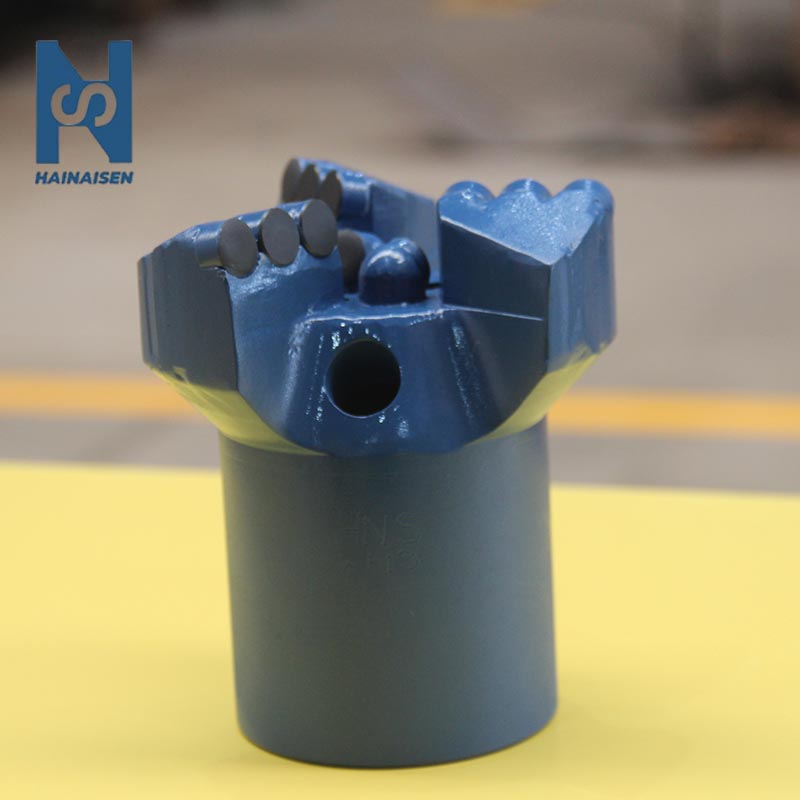 VIEW MORE3 Blades PDC Mining Bits
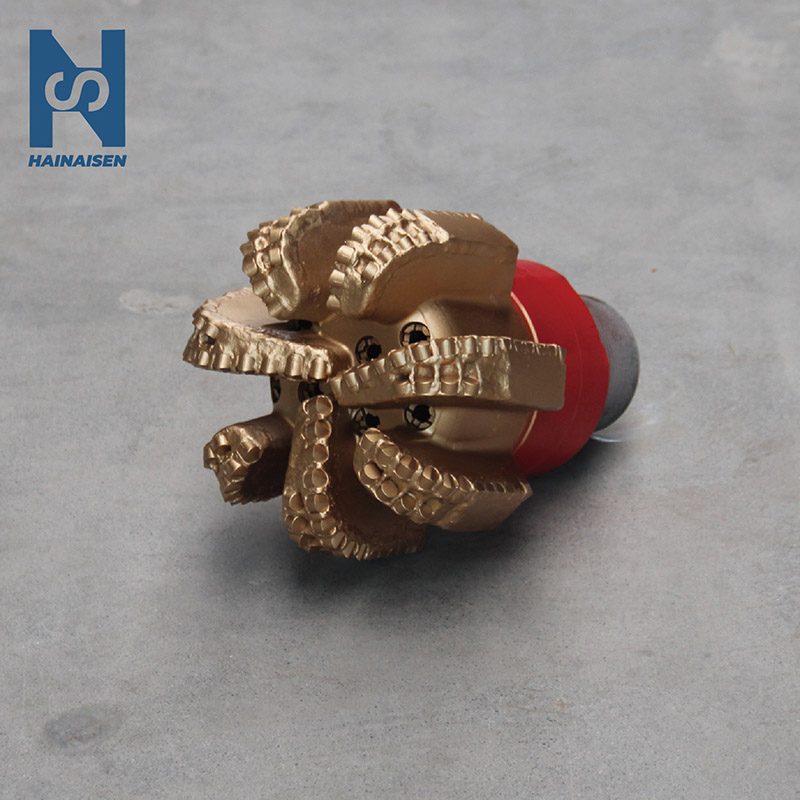 VIEW MORESeven Blade Wing Oil Drilling Drill Bit
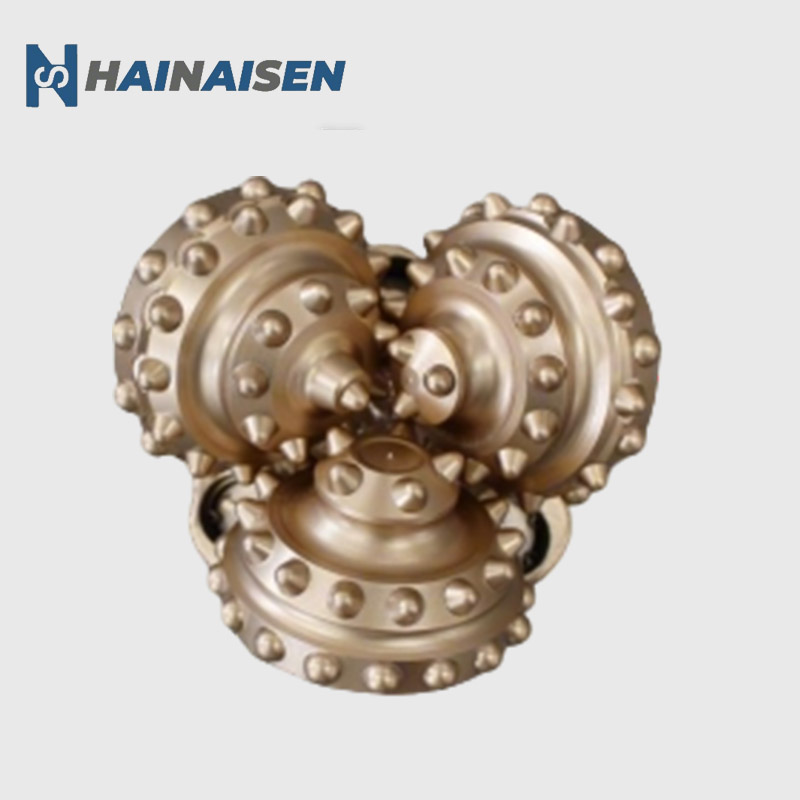 VIEW MORE4 1/2" IADC 637 TCI Tricone Bit
 VIEW MORE5 Blades PDC Oil Bit
 VIEW MOREFive Blade Wing Oil Drilling
 VIEW MOREFour Blade Wing Petroleum Drill Bit
 VIEW MOREPDC Petroleum Drill Bit
 VIEW MORE30mm Half Blade Anchor Bit For Mine Coal Fields