







Petroleum Drilling Equipment PDC Technologies Shaping Modern Drilling
The way we look for and get resources from the ground has completely changed thanks to Petroleum Drilling Equipment PDC technology. Polycrystalline Diamond Compact drill bits are a big step forward from traditional drilling methods. They are very durable and can drill through a wide range of natural rocks. These high-tech cutting tools have fake diamond cutters and bit bodies that were carefully designed to work consistently in tough conditions. As mining businesses and oil service companies try to stay ahead of the competition, they need to understand PDC technology in order to improve drilling efficiency and cut costs.
Understanding PDC Technology in Petroleum Drilling
Modern polycrystalline diamond drilling is based on a new way of cutting and a different type of material. PDC Bits use a constant shearing action to remove formation material more effectively than standard roller cone bits, which crush rock through rotating contact.
Core Components and Working Principles
PDC drill bits have synthetic diamond blades that are welded to bodies made of steel or matrix. Each cutter is made up of a tungsten carbide base with a thin layer of diamond bound to it using high-pressure and high-temperature production methods. These cuts scrape against the rock face when the bit turns. The cuttings then flow through specially placed junk holes. The constant shearing action lowers vibration and keeps the drill bit in contact with the rock, which makes the holes smoother and the drilling behavior more reliable.
We've seen that the order and direction of cutters have a big effect on how well bits work. Different cutter sizes, back rake angles, and exposure heights are used in modern designs to make the load spread best and stop wear from happening too soon. Hydraulic features, like where the opening is placed and how the blades are set up, make sure that the cutting structure stays cool while it works.
Types of PDC Equipment for Different Applications
For PDC drilling, matrix body PDC bits deliver outstanding wear resistance in irregular harsh formations, reliably preserving the integrity of cutters — a critical advantage for drilling operations. Fabricated from tungsten carbide matrix, these bits withstand extreme downhole environments, making them ideal for long interval drilling in hard rock zones. In contrast, steel body PDC bits boast greater structural customizability and perform optimally in soft formations such as shale, limestone and sandstone, where high penetration rate is the top priority.
Specialized designs are used to solve certain drilling problems. For transitional forms with both soft and hard layers, hybrid designs use both fixed cuts and other technologies. To keep trajectory control in wells with a long reach, bits used for directional drilling need to have better gauge safety and stable features. At Shaanxi Hainaisen, our engineering team creates special bit geometries that match the exact properties of the formation. This makes sure that the bit works perfectly in oil and gas, mining, and water well uses.
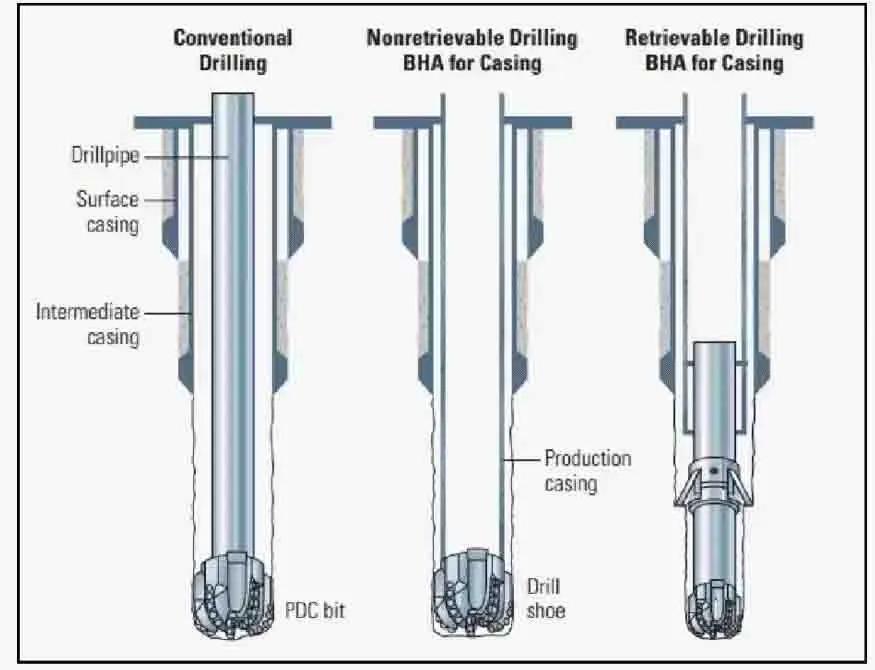
Advantages and Performance Comparison of PDC Bits
Polycrystalline diamond technology has benefits for operations that go beyond just faster cutting. A full lifetime study shows big savings in costs and increased efficiency that make the original investment worth it for most drilling projects.
Superior Durability and Extended Service Life
When it comes to industrial pdc bits for oil & gas, synthetic diamond cutters maintain sharp cutting edges far longer than alternative cutter types during drilling. Conventional tricone bits require replacement every 50 to 80 drilling hours, depending on formation hardness. Premium PDC bits, by contrast, typically achieve a service life of 150 to 300 drilling hours. This extended working lifespan reduces round trips to change bits, cuts down rig idle time, and lowers overall cost per drilling foot. Thanks to superior wear resistance, diamond cutting components enable these industrial PDC drill bits to sustain stable, efficient cutting performance throughout their entire service cycle, rather than suffering gradual efficiency degradation as they wear down.
At HNS, we use strict quality control methods throughout the whole making process of Petroleum Drilling Equipment PDC. Before being put together, each PDC cutter is checked to make sure the diamond layer thickness, braze integrity, and physical accuracy are correct. This care for the little things makes sure that performance is uniform in the field and helps build long-term relationships with procurement managers who value dependability.
Faster Penetration Rates Across Formation Types
Rates of penetration are usually 30% to 200% better than with roller cones, but this can vary based on the formation and the drilling settings. PDC technology clearly works better in medium-hardness rocks with compressive forces below 150 MPa. These include many shale, limestone, and sandstone sections. Because the cutting action never stops, there is less chance in force and vibration in the drillstring. This lets you use heavier bits and higher rotating speeds without losing control of the direction.
Recent improvements in materials have made PDC more useful in harder, rougher forms that weren't thought to be ideal before. Diamond synthesis has made it more thermally stable, so cuts can handle higher temperatures without breaking down. When cutter geometries are changed, impact loads are spread out better. This lowers the risk of breaking in rocks with hard stringers or natural cracks.
Cost-Effectiveness Through Reduced Non-Productive Time
In addition to being better at straight drilling, PDC bits also cut down on a number of hidden costs that come with using older technology. Fewer bit trips mean less wear on the links between drill pipes and less chance of getting a pipe stuck during tripping operations. By getting rid of the moving parts, failure modes that are common in roller cone bits are also taken away. For example, bearing seizure or cone loss can make fishing very expensive. When operations are delayed and big fines are incurred, these benefits in stability are especially useful in rural areas or offshore settings.
Selecting and Maintaining PDC Drilling Equipment
To get the best return on investment, strategic procurement choices combine technical needs with business needs. Figuring out how bit design features relate to arrangement features helps you choose the right tools more accurately.
Critical Procurement Criteria for Optimal Performance
Formation analysis is the basis for bit selection that works. Rock type, shear strength, abrasiveness, and natural fracture density are some of the geological factors that are used to decide on cutter size, blade count, and body material. For more cutting volume, strong blade setups with wider spaces between the cutters work best on soft, uniform materials. When there are heterogeneous or interbedded forms, conservative designs are needed that have better impact resistance and backup cutter safety.
The goals of the drilling also affect the choices of specifications. When it comes to directional uses, security and steering response are more important than penetration rate and footage per bit. To get the best performance, operating factors like available hydraulic horsepower, rotating speed limits, and weight-on-bit limits must match up with bit design features.
At Shaanxi Hainaisen Intelligent Equipment Manufacturing, we keep creation records and application histories that are very thorough. These help us make suggestions. Technical experts can look at the needs of your drilling program and suggest bit designs that have been shown to work in similar situations in the field. This consultative method gives procurement managers the confidence to choose equipment that improves performance in a way that can be measured.
Maintenance Best Practices and Longevity Strategies
Handling and inspection methods that are followed correctly greatly increase the life of bits and stop them from failing too soon. Before sending bits downhole, you should look at all of the cuts to see if they have any cracks, chips, or debonding. Keeping an eye on the trends of power, weight-on-bit, and entry rate while drilling helps find problems before they become too big to fix. Changes in these factors that happen quickly are often a sign of damage to the cutter or bit balling that needs immediate care.
Evaluation after a run gives useful information for making better bit choices in the future. Using standard procedures in the industry, produsen dan pemasok oil drill bit dull grading keeps track of wear patterns, cutter state, and the integrity of the bearing seals. This knowledge helps with choices about repair and improves drilling methods so that bits work better on future runs.
Our factory covers 3,500 square meters, fully equipped with 5-axis machining centers and CNC machine tools to deliver ultra-precise repair services for tools used in pdc drilling. We restore worn drill bits back to nearly factory-original condition with rigorous machining processes. Damaged diamond cutters can be fully replaced, and worn gauge sections reconstructed to maintain stable drilling performance and extend the service life of your drilling tools. Our professional PDC bit repair solutions serve as a cost-efficient substitute for purchasing brand-new bits, especially for operators carrying out frequent hard-rock pdc drilling projects.
Balancing Quality, Budget, and Supply Chain Efficiency
Different types of customers have very different business needs. When looking at providers, big oil service businesses usually look for API certification, strict quality paperwork, and track records of performance in the field. The strict technical standards and longer evaluation time show that they want to reduce operational risk across a wide range of global drilling projects.
Companies that mine coal and do geological research often try to get the best prices while still meeting quality standards. Customers can check the performance claims with sample tests and begin trial periods before committing to bigger purchases. These procurement processes are marked by quick decisions and faster wait times.
Teams that drill water wells often focus on lowering costs because their business plans have low profit margins. When you buy in bulk or form a regional marketing relationship, standard bit designs in common sizes can help you save money. Clear pricing and flexible minimum order numbers work with the way people in this market group usually buy things.
Market Overview: Leading Brands and Suppliers of PDC Drilling Equipment
Diamond drilling technology is sold all over the world by a wide range of companies, from large multinationals to small, specialized area providers. When evaluating possible partners, you need to look at more than just the price of the tools.
Criteria for Selecting Trustworthy Suppliers
When looking for Petroleum Drilling Equipment PDC, the first things that you should look at are quality standards and the ability to make the equipment. API specification compliance makes sure that bits meet minimum safety and efficiency standards that are used across the oil business. ISO 9001 recognition shows that the company uses organized quality control methods to make sure that all of its products have the same qualities.
The ability to Manufacture directly affects the quality of a product and its ability to be customized. Tighter tolerances and more complex bit shapes are made possible by more advanced machining tools. In-house research and development teams show that a provider is committed to always getting better and making technology better. Being able to make both steel and matrix body bits shows that you have a lot of technical knowledge that can be used in a wide range of situations.
A service support system is what sets exceptional sellers apart from average ones. Technical advice during the design process makes sure that the right bits are chosen to meet the specific drilling goals. Supply chain disruptions are kept to a minimum by keeping in touch with customers throughout the order process and sending them information on production and shipping. The relationship goes beyond individual deals by offering after-sales support services like performance analysis, troubleshooting help, and repair services.
HNS: Your Strategic Partner for Advanced PDC Solutions
Since 2013, Shaanxi Hainaisen Petroleum Technology has worked with the drilling business around the world, learning how to do things like coal mining, oil and gas extraction, geological surveys, and engineering machinery. Our combined method takes into account all of drilling's problems by combining new product development with quick customer service.
Our range of products includes both standard and special PDC bit designs that are best for drilling into certain types of rock and achieving certain drilling goals. Steel body designs work well in medium-hard rock types like shale, limestone, sandstone, and gypsum at a low cost. Rotating speeds range from 80 to 300 RPM, drilling pressures from 10 to 100 KN, and flow rates from 20 to 35 LPS. These specs allow for common drilling tool setups while still ensuring the best bit performance.
Our Xi'an center has a dedicated research and development team that works with customers to come up with custom solutions for their specific drilling needs as a produsen dan pemasok oil drill bit. Whether we're dealing with strange formation properties, harsh operating conditions, or specific performance goals, our custom design services let us make equipment that fits your needs and comes with full expert support. We keep our prices low enough that all of our customers can get good value, from large oil service companies to small water well workers in your area.
International transportation skills make sure that goods are delivered reliably to places around the world, with clear lead times and all the necessary shipping paperwork. Before it is shipped, quality control checks each bit to make sure it meets the requirements. Detailed product documentation helps customers with the review and activation processes.
Conclusion
Polycrystalline diamond drilling technology, centered on high-performance industrial PDC bits for oil & gas, continues to revolutionize operational modes in oil exploration, mining, and construction industries with superior performance advantages and upgraded functional features. Boasting excellent wear resistance, faster drilling penetration rates and simplified operational procedures, these professional PDC drilling tools deliver remarkable economic benefits for diverse drilling and excavation projects. Reasonable and targeted selection of industrial PDC bits for oil & gas that match actual formation characteristics and construction tactical goals can effectively minimize technical drilling risks and maximize overall return on investment for every project.
Procurement managers and technical experts can safely choose equipment that meets high-performance standards when they work with experienced makers who offer full technical support, high-quality products, and quick service. As technology keeps getting better through digital integration and new materials, staying up to date on new features is the only way to stay ahead in the fast-paced global markets.
FAQ
1. How can we maximize the service life of PDC drill bits in abrasive formations?
The best way to increase the life of a bit is to optimize its operating parameters. Keeping the right weight on the bit and the rotating speed within the limits suggested by the maker stops the cutter from being overloaded, which speeds up wear. Enough fluid flow makes sure that the pieces are removed and the cutter stays cool, which lowers the risk of thermal damage. Regularly checking the drilling settings helps find problems before they become too big to fix, so problems can be fixed quickly and the bit's life is extended.
2. Are PDC bits suitable for all geological formations?
Modern PDC technology works well in medium to hard rock types that have compressive forces usually less than 200 MPa. The best places to use them are soft to medium-hard layers like shale, limestone, sandstone, and other similar sedimentary rocks. PDC can be used in harder rocks with abrasive minerals or natural cracks because of special shapes that make it more resistant to impact. Depending on their specific properties and cost, layers that are very different from one another or rocks that are very hard and crystallized may still be better for other technologies.
3. What technical support and delivery timelines should international buyers expect?
Manufacturers with a good reputation offer thorough pre-sales advice to make sure that the bits are precisely designed for the uses they will be used for. Standard product configurations usually ship between 2 and 4 weeks, while unique designs take between 4 and 8 weeks, based on how complicated they are. Full export paperwork, a variety of shipping choices, and clear tracking tools should all be part of international logistics. After-sales support that includes performance analysis and help with fixing problems makes sure that customers get the most out of their tools throughout their lifecycle.
Partner With HNS for Superior PDC Drilling Solutions
Shaanxi Hainaisen is ready to help you with your drilling tools needs. They use tried-and-true polycrystalline diamond technology and make their products to the highest quality standards. We are a well-known seller of Petroleum Drilling Equipment PDC with more than ten years of experience in the field. We offer competitive prices and professional knowledge to provide value for all types of customers. Our engineering team works closely with procurement managers and field engineers to come up with the best bit sets based on a deep understanding of the application. Email us at hainaisen@hnsdrillbit.com to talk about your specific drilling problems and find out how our custom solutions can help your business run more smoothly and save you money on per-foot drilling costs.
References
1. Bellin, F., Dourfaye, A., King, W., and Thigpen, M. (2010). "The Current State of PDC Bit Technology." World Oil Magazine, 231(5), 41-46.
2. Clayton, R., Chen, S., and Lefort, G. (2005). "New Bit Design, Cutter Technology Extend PDC Applications to Hard Rock Drilling." SPE/IADC Drilling Conference, Paper 92506.
3. Durrand, C. J., Gregersen, M. R., and Crockett, R. B. (2011). "Super-Hard, Thick PDC Cutters for Hard Rock Drilling: Development and Test Results." SPE Annual Technical Conference and Exhibition, Paper 147009.
4. Lyons, W. C., Guo, B., and Seidel, F. A. (2009). Petroleum Engineering Handbook: Drilling Engineering. Society of Petroleum Engineers, Richardson, TX.
5. Pessier, R. C. and Damschen, M. J. (2011). "Hybrid Bits Offer Distinct Advantages in Selected Roller-Cone and PDC Bit Applications." SPE/IADC Drilling Conference and Exhibition, Paper 128741.
6. Zhang, Z., Zhao, D., Zhou, Y., and Ren, H. (2017). "Failure Analysis and Optimization of PDC Bits in Hard and Abrasive Rock Formations." Journal of Petroleum Science and Engineering, 156, 655-666.
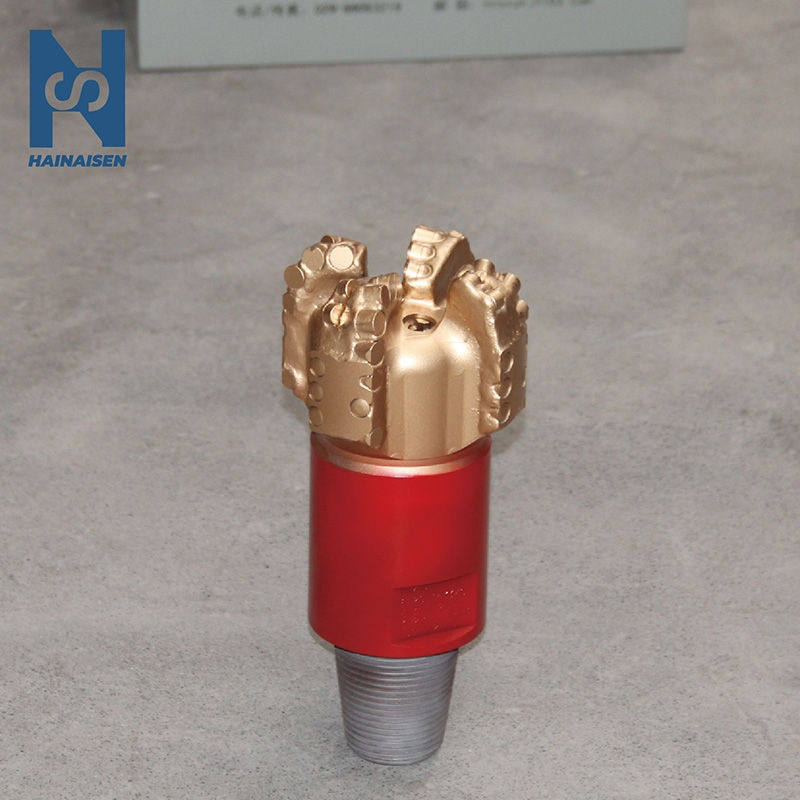 VIEW MORE4 Wings Blades PDC Bit
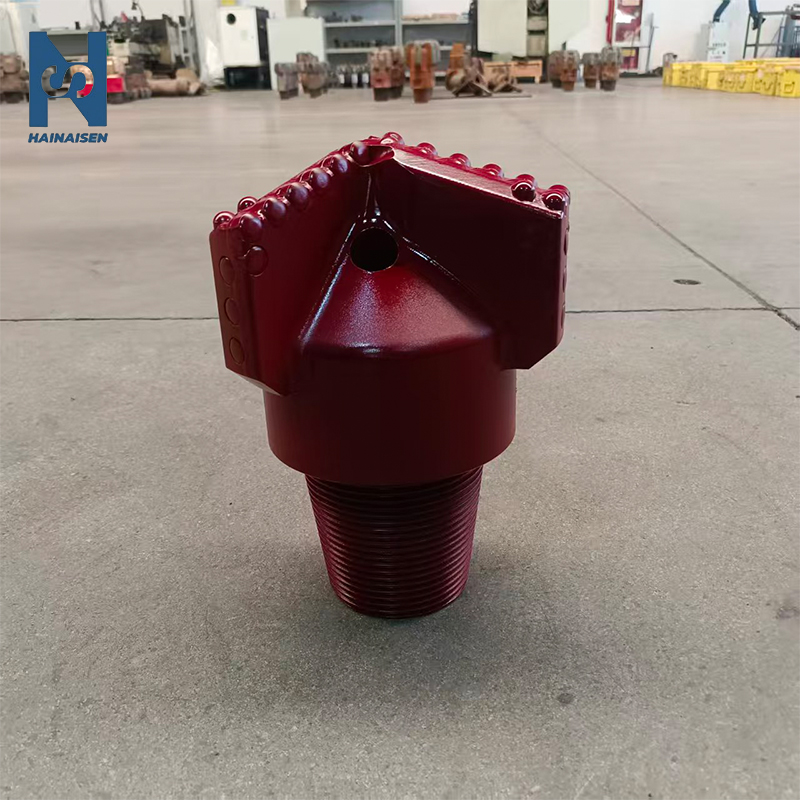 VIEW MOREPDC Bit For Well Drilling
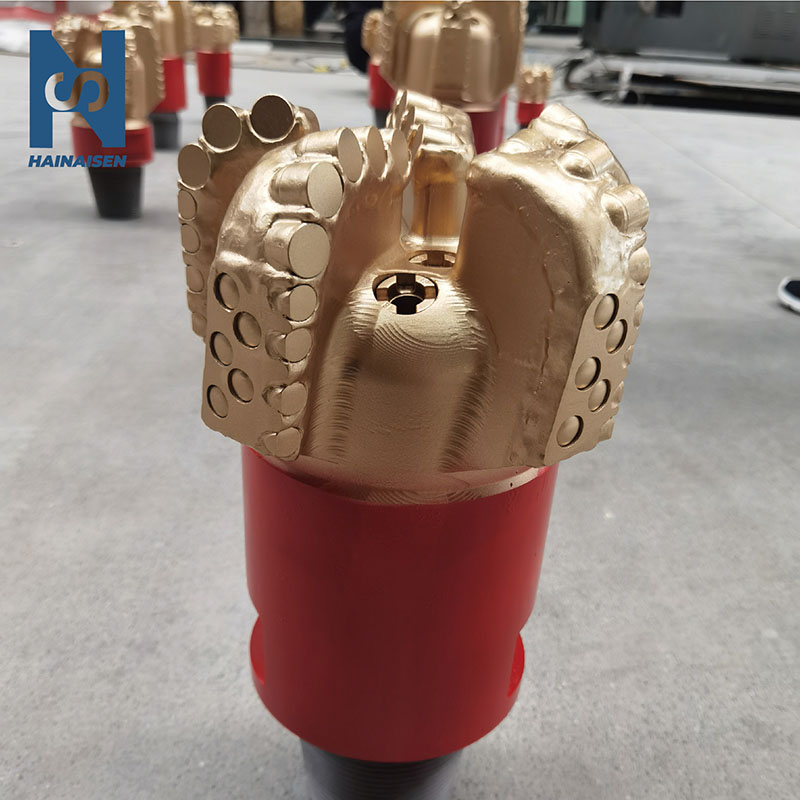 VIEW MOREFive Blade Oil Drill Bit
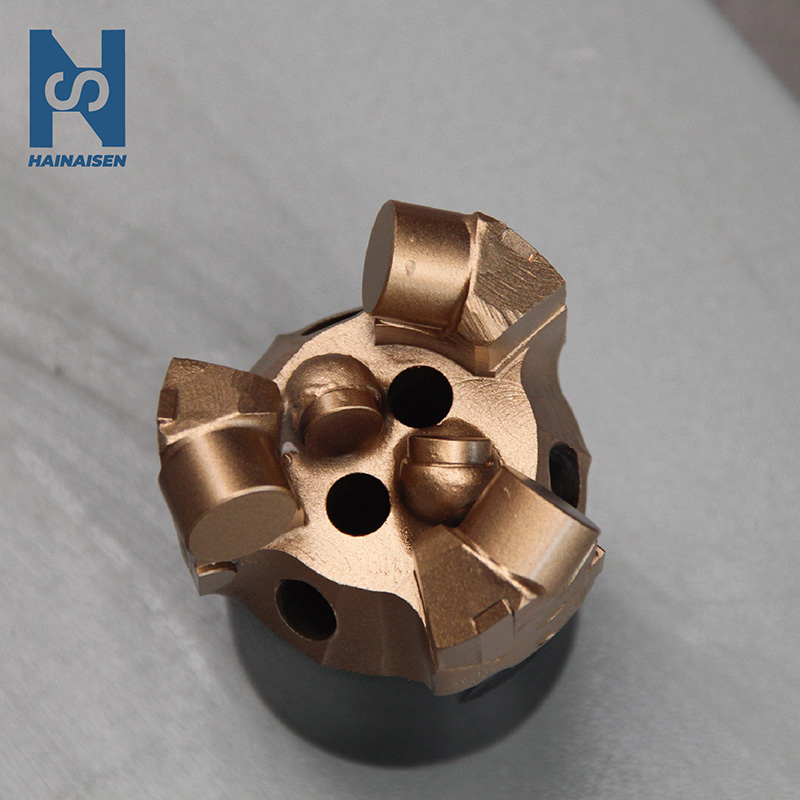 VIEW MORECoal Mines Use Haineisen PDC Drill Bits
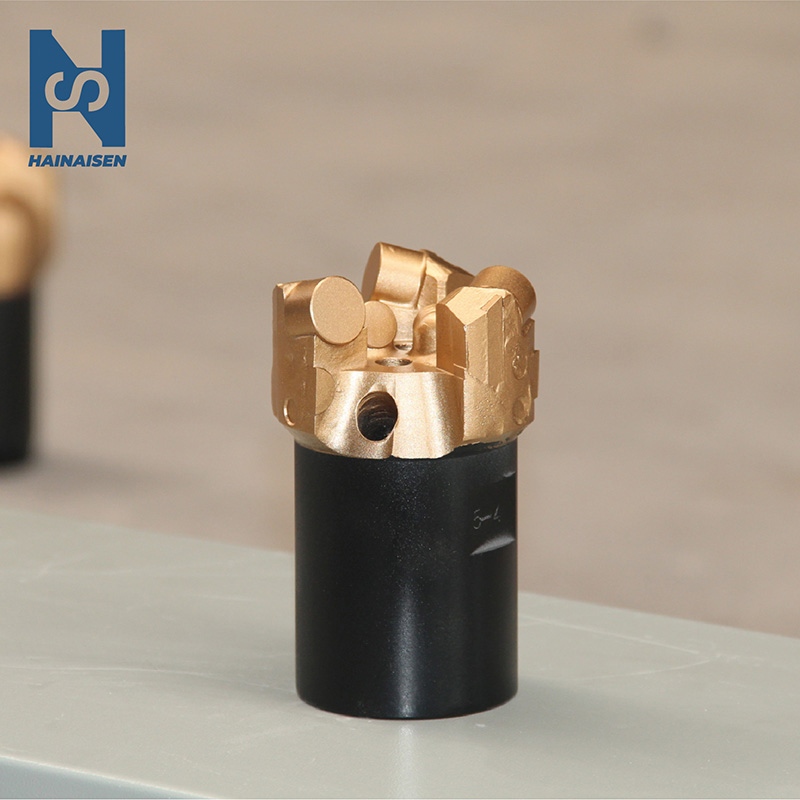 VIEW MORECoal Mining PDC Drill Bits
 VIEW MOREThree Blade Wing Arc Angle Drill Bit
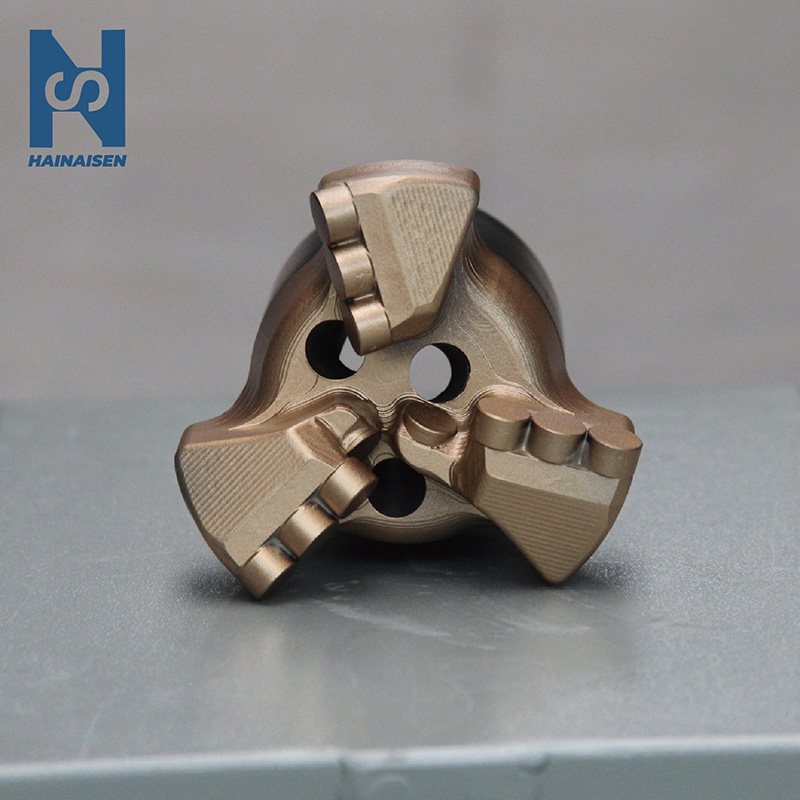 VIEW MORE3 Blades PDC Rock Bit
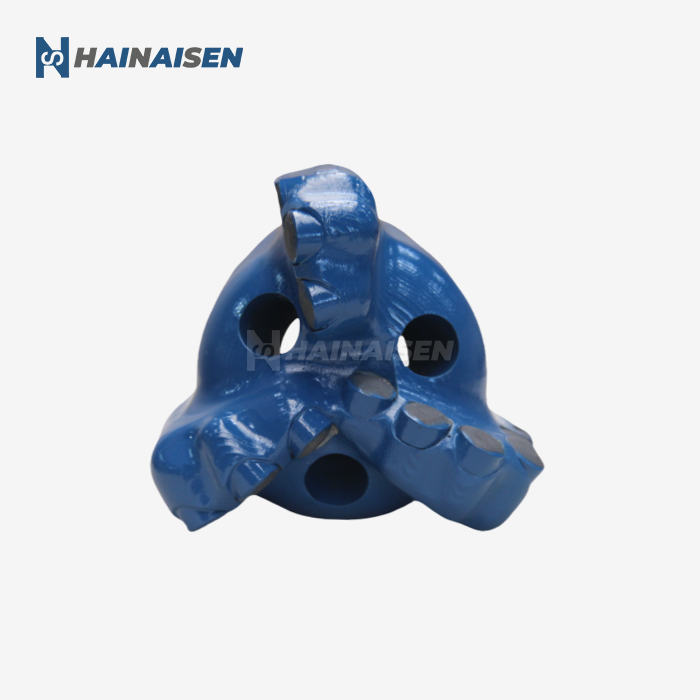 VIEW MORE113mm Three Wings PDC Arc Angle Drill Bit
