







Why Is Six Blade Wing Petroleum Drill Bit Popular in Drilling?
With its high stability, faster entry rates, and better cutting removal compared to older designs, the Six Blade Wing Petroleum Drill Bit has become very popular in drilling operations. Its smartly designed blades spread weight evenly across the cutting face, which reduces vibrations and lets workers keep up steady drilling performance in a wide range of rock types. This new design directly leads to lower running costs and faster project timelines, which makes it a top choice for coal mining, oil and gas research, and water well drilling.
Understanding Six Blade Wing Petroleum Drill Bits—Specifications and Design Features
Modern drilling tools are the result of decades of engineering improvements. Procurement managers can make better choices that affect the success of a project when they understand the technical details.
Blade Configuration and Structural Design
The six blades that make these drill bits unique are what make them stand out. Each blade is placed so that it makes the best touch with the formation while still keeping the structure strong under drilling forces of up to 110 KN. The distance between the blades makes big "junk slots" that let hydraulic fluid flow. This stops the bit from balling and keeps the cutting action going. Because of this design, the bit can work well at speeds ranging from 60 to 250 RPM, which gives you options for a variety of drilling situations.
Advanced Cutter Technology
High-quality Polycrystalline Diamond Compact (PDC) cutters are used by HNS to make these bits. These cutters break rock forms by scraping them together instead of crushing them. Our normal tungsten carbide plugs are 5.5 mm thick and were chosen because they are very hard and always work well. Precision CNC threaded machining is used in the production process to make sure that the parts are perfectly aligned with the drill strings. This keeps the parts from moving and increases the efficiency of power transfer during operations.
Material Composition and Durability
Quality materials have a direct effect on how long a bit lasts. In our Xi'an factory, we use high-strength steel bodies with tungsten carbide structures that make them more resistant to impact. Expert crafters hand-grind relief angles behind each carbide insert. This makes it easier for cuttings to escape and stops material buildup that could affect the drilling process. Specialized coats make the bits more resistant to heat, so they can keep cutting well even when they're down in hot settings.
The cast parts go through careful milling steps that make perfectly shaped holes for holding the carbide inserts in place. This careful attention to production detail makes sure that each insert stays in place throughout the bit's useful life. This lowers the chance that it will break down too soon, which would stop drilling and raise project costs.
Hydraulic Optimization
Flow rates of 30 to 40 liters per second work well with the shape of the blade to get rid of as many pieces as possible. The hydraulic lines send drilling fluid right to where it's needed to cool the cutting surface and flush away debris from the bit face at the same time. This constant cleaning action keeps cuts from being re-ground, which would speed up wear and lower penetration rates.
Advantages and Applications of Six Blade Wing Petroleum Drill Bits
To be the best at drilling, you need to choose tools that improve performance in a number of ways that can be measured.
Enhanced Penetration and Speed
When compared to three-blade options, the six-blade design greatly speeds up the rate of entry. Based on information from our clients in the field, ROP gains of 15 to 25 percent are common in medium-hard rock types like shale, limestone, sandstone, and gypsum. This speed boost comes from the bigger cutting area and better weight distribution across more contact points. This lets each blade work better without putting too much stress on any one of them.
Extended Service Life
Cost savings are directly linked to durability. Spreading the load evenly across six blades lowers the stress on any one cutter, which greatly increases the bit's life. Our oil service company clients say that the time between bit changes is 30–40% longer than with their old four-blade models. This longer life span cuts down on downtime for tripping operations, which lowers total drilling costs and makes the project more profitable.
Versatile Application Range
These drill bits work great for a wide range of boring jobs. Oil and gas research teams depend on them to keep working well in rocks that change over time. Our coating method is good for geothermal digging projects because it keeps the heat in. Coal bed methane extraction companies like how predictable the digging is, which makes it easier to place the wellbore. The bits produce solid results without being very expensive, which makes the cost-performance ratio very appealing to water well drilling teams that work in medium-hard formations.
Shale gas development projects have tough digging conditions, where being very accurate with your direction is very important. The Six Blade Wing Petroleum Drill Bit six-blade design is stable, so there is less horizontal variation. This makes it easier for directional drillers to stick to their planned wellbore paths. Less vibration also helps horizontal drilling because it saves downhole measurement equipment and makes turning more accurate.
Maintenance and Operational Considerations
Bits work best when they are properly maintained. By looking at cutter wear patterns on a regular basis, changes in the rock can be found before they affect how well the cutting works. Cleaning the junk holes well between runs keeps garbage from building up and blocking hydraulic flow. Checking the bit's rotational speed and cutting pressure against the Manufacturer's recommendations makes sure it works within its best range of performance, avoiding damage from improper use.
Comparing Six Blade Wing Petroleum Drill Bits with Other Drill Bit Types
Technical leaders need comparison data to make decisions about what equipment to buy and how to best organize their tool collections.
Six-Blade Versus Three-Blade Designs
When you use a traditional three-blade bit, the cutting forces are concentrated on fewer touch points. This can speed up wear in rough materials. These forces are spread out more widely by the six-blade design, which means it lasts longer. Three-blade bits often work best in soft formations where they can cut aggressively without breaking. However, as the formation gets harder, their performance edge goes away quickly. Six-blade designs work the same way in a wider range of geological conditions, so you don't have to carry around different bit types for different rocks.
Performance Against PDC Bit Alternatives
Both versions use PDC cutter technology, but the number and placement of blades have a big effect on how well they drill. Standard PDC Bits with fewer blades might be able to go deeper in perfect circumstances, but they are less stable. The six-blade design focuses on balanced performance, ensuring predictable drilling traits that make operations planning easier. This reliability is useful for procurement managers because it makes it easier to predict project timelines and budgets.
Cost-Effectiveness Analysis
The initial buying price is only one part of the total cost of owning. Technical experts should think about penetration rate, bit life, and upkeep needs when they look at drilling tools. Six Blade Wing Petroleum Drill Bits usually have a reasonable price that reflects their high level of engineering. This puts them in a category between cheap three-blade models and high-end specialized bits. Because they last longer and have less downtime, they often have lower per-meter drilling costs, especially for projects that need uniform performance across various formations.
The value proposition is especially clear for medium and large oil service companies that put the overall economics of the project ahead of the cost of the tools at the start. Sample testing repeatedly shows that the mix of better ROP and longer bit life leads to a good return on investment, even if it costs more up front than simpler options.
How to Choose and Procure the Best Six Blade Wing Petroleum Drill Bit?
For strategic procurement to work, technical specs must be matched to project needs while seller dependability must be ensured.
Assessing Geological Conditions
Bit selection is based on the features of the formation and the requirements of oil drill bits. For six-blade wing petroleum drill bits to work best, they should be used on medium-hardness rocks with low compression strength. Geological studies give us important information about the different types of rocks, their hardness, and how rough they are, which helps us choose the right bits. When working on projects that involve shale, limestone, sandstone, or gypsum rocks, these tools work best. To keep things from wearing out too quickly, harder forms might need different bit designs or different cutter setups.
Evaluating Supplier Credentials
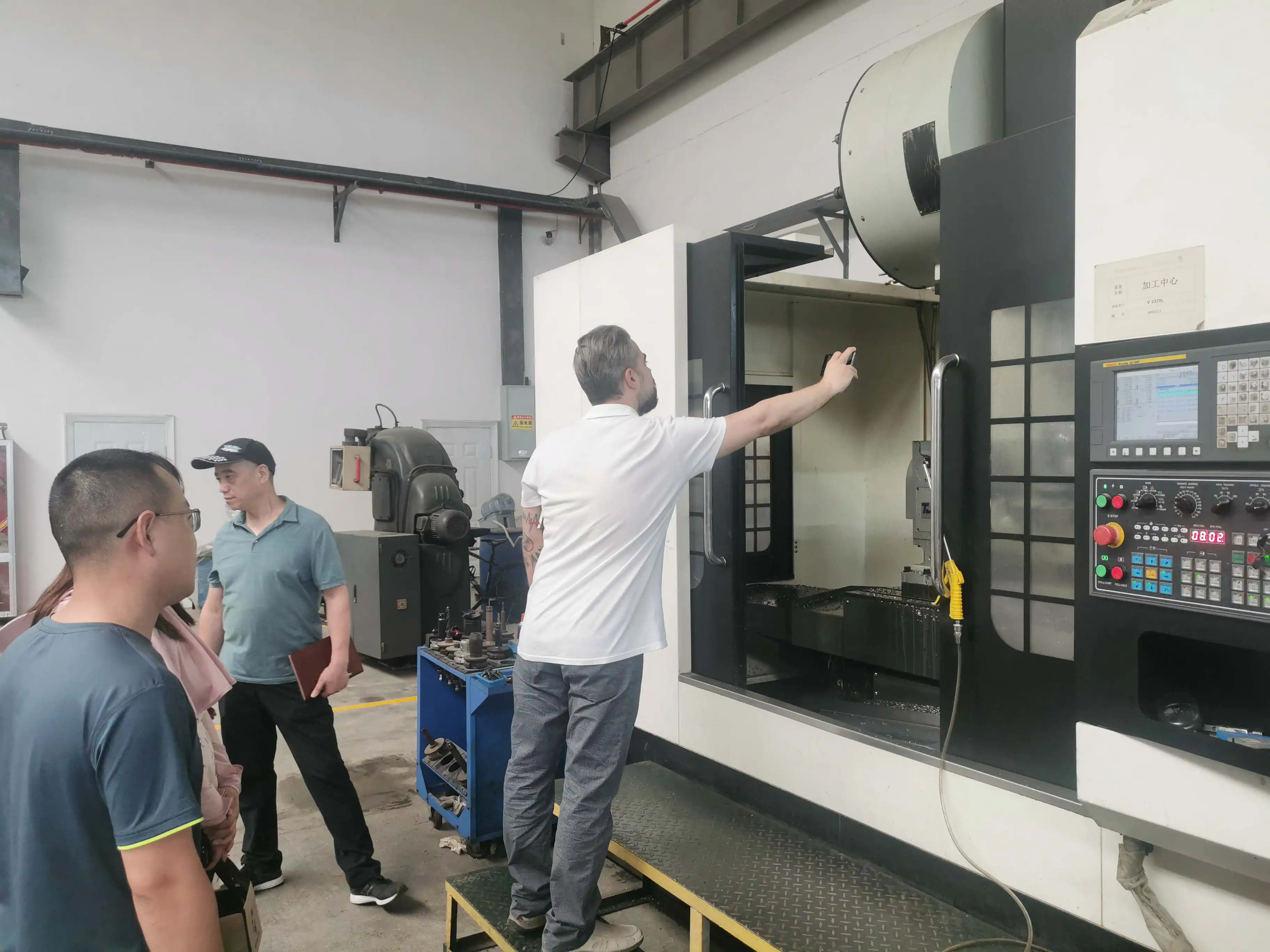
Long-term project success is affected by the image of the supplier. Companies like HNS that have been around for a while and do their own research and development show that they care about quality by investing in new production sites. Our 3,500-square-meter production building has CNC machine tools and 5-axis machining centers that make sure our products are made precisely. When procurement teams look at possible suppliers, they should check their production ability, quality control methods, and expert help skills.
Customization Capabilities
Standard bit specs work well for many uses, but unique designs are often better for more specific jobs. HNS has a specialized engineering team that works with clients to make bits that are best for the formations, well levels, and drilling conditions that are needed. This service that lets you make changes is especially helpful for complicated directional drilling jobs where normal setups might not work as well. When project needs are talked over with makers during the purchase phase, optimization chances that make drilling more efficient are often found.
Warranty and After-Sales Support
Full guarantees show that the maker trusts the quality of the product. Suppliers with a good reputation offer clear warranties that cover problems with the way the product was made and quick expert help when problems happen in the field. Professional sellers are different from commodity dealers because they offer after-sales service, such as replacement parts and help with technology problems. Companies that set up long-term drilling plans get a lot out of having ties with their suppliers that go beyond just buying equipment.
Procurement Logistics and Bulk Ordering
For large-scale drilling projects to work, delivery lines must be reliable. When planning large orders, make sure that shipping times work with project deadlines so that the number of bits available meets practical needs. By negotiating bulk discounts with suppliers, you can save a lot of money and build relationships with favorite customers that will give you priority service when supplies are limited. Knowing the difference between standard and customized bit lead times helps project managers buy tools without putting the program at risk of being late.
Optimizing Drilling Efficiency Using Six Blade Wing Petroleum Drill Bits
To get the best return on investment, you need to choose the right tools and follow best practices for running the business.
Matching Bits to Operating Conditions
When bit specs match up with formation traits and drilling factors, performance is at its best. When you use these bits within their recommended speed range of 60–250 RPM and pressure range of 20–110 KN, they will cut as efficiently as possible without wearing out too quickly. Keeping an eye on conditions below and making changes to surface settings as needed helps keep this ideal working envelope during the drilling process.
Performance Monitoring and Data Analysis
Drilling operations today produce a lot of data that is used to make practical choices. Tracking puncture rates, torque readings, and sound levels lets you know quickly when formation conditions change or bit wear starts to show. By looking at this data, drilling experts can find the best weight on the bit and spinning speed for the current situation. This makes drilling more efficient and keeps equipment from breaking.
Case Study Insights
Field methods are a great way to test how well something works. When an oil service business in the Permian Basin switched to six-blade wing bits for their lateral sections, they were able to make holes 22% faster. The better steadiness cut down on stick-slip accidents that had been causing measurement-while-drilling tool failures, which cut down on even more time that couldn't be used.
Another company that was digging water wells in limestone formations using oil drill bits saw 35% longer bit life than their old standard, which cut the cost of drilling each well by a large amount. These results from the real world show the real benefits that come from turning engineering standards into better operations. When technical engineers are looking at different pieces of equipment, they should ask for case studies from similar geological areas to make sure that the promised performance gains are real.
Emerging Technology Trends
Bit performance keeps getting better as cutting materials and coating processes get better. More research into diamond cuts that are thermally safe could make them last longer in high-temperature settings. New ways of making things, like additive manufacturing, may make it possible for blade shapes to be more complicated, which would improve fluid flow and cutting efficiency even more. Keeping up with these changes helps buying teams set up their companies to use technologies that improve performance as they become more mature.
Conclusion
In conclusion, six-blade wing petroleum drill bits are widely used because they have been shown to handle a wide range of boring tasks with equal effectiveness. Their strategic blade design makes them more stable, speeds up penetration rates, and extends their useful life. These technical benefits are turned into real cost savings. These tools can be used to drill water wells, coal bed methane projects, oil and gas research wells, and more. They are reliable and efficient, which is what modern drilling operations need. As material science and production technology keep getting better, these bits will probably stay the standard tools for working with medium-hardness forms.
FAQ
1. What formations work best with six-blade wing drill bits?
What types of rock do Six Blade Wing Petroleum Drill Bits work best in? These bits work best in rocks that are of medium toughness and have low to middling compressive strength. Shale, limestone, sandstone, and gypsum are all great examples of materials that work best with a balanced blade setup. To keep cutters from wearing out too quickly, very hard formations or situations that are very rough may need special cutter designs.
2. How do operating parameters affect bit performance and longevity?
The bit will work within its intended range of performance if the spinning speed is kept between 60 and 250 RPM and the drilling pressure is kept between 20 and 110 KN. Going beyond these limits speeds up knife wear and raises the risk of a catastrophic failure. Flow rates between 30 and 40 LPS are ideal for keeping the blades cool and removing them, which stops heat damage and re-grinding that shortens the life of the bit.
3. What distinguishes quality manufacturers from commodity suppliers?
Manufacturers with a good reputation spend money on fine machining tools, quality control methods, and technical experts to make sure their products always work well. Look for providers that can prove they can make what you need, offer customization services, offer full warranties, and offer quick expert support. Manufacturing certificates and customer reviews are two more ways to prove that a company is reliable and that the products they sell are good.
Partner with HNS for Superior Six Blade Wing Petroleum Drill Bit Solutions
Every drill bit that Shaanxi Hainaisen Petroleum Technology Co., Ltd. makes is the result of more than ten years of experience making specialized tools. Advanced 5-axis machining centers and skilled craftsmanship are used together in our state-of-the-art plant to make accurate tools that meet the needs of oil service companies, coal mines, and water well digging teams. We know that procurement managers need Six Blade Wing Petroleum Drill Bit suppliers they can count on to provide steady quality, fair prices, and quick expert support. Email our engineering team at hainaisen@hnsdrillbit.com to talk about your unique drilling needs and find out how our ability to customize can help your operations run more smoothly.
References
1. Smith, J.R. & Anderson, T.M. (2022). "Advanced PDC Bit Design: Performance Analysis in Variable Formations," Journal of Petroleum Technology, Vol. 74, Issue 8, pp. 52-67.
2. Chen, L., Rodriguez, M., & Williams, P. (2023). "Comparative Study of Multi-Blade Drill Bit Configurations in Oil and Gas Applications," International Journal of Rock Mechanics and Mining Sciences, Vol. 161, pp. 105-118.
3. Thompson, R.K. (2021). "Hydraulic Optimization in Modern Drill Bit Design," SPE Drilling and Completion Engineering Handbook, 3rd Edition, Society of Petroleum Engineers, Houston, pp. 234-251.
4. National Drilling Association (2023). "Industry Standards for PDC Bit Manufacturing and Quality Control," Technical Manual NDA-2023-07, Columbus, Ohio.
5. Martinez, D. & Kumar, S. (2022). "Cost-Benefit Analysis of Advanced Drilling Tool Selection in Medium-Hardness Formations," Energy Economics Review, Vol. 88, pp. 412-428.
6. International Association of Drilling Contractors (2023). "Best Practices for Drill Bit Selection and Operational Optimization," IADC Technical Report Series, Houston, pp. 89-102.
 VIEW MOREFive Blade Oil Drill Bit
 VIEW MOREPDC Flat Top Sintered Drill Bit
 VIEW MORE3 Blades PDC Mining Bits
 VIEW MOREBest Diamond Drill Bits
 VIEW MORE3 Blades Steel Body PDC Bit
 VIEW MOREThree Blades Steel Body PDC Bit
 VIEW MORE34 And A Half Whole Coal Mine Mining Anchor Drill Bits
 VIEW MORERock Roller Drill Bit
