







Advanced Four Blade Wing High Performance Petroleum Drill Bit for Fast Boreholes
The Four Blade Wing High Performance Petroleum Drill Bit is the tool that procurement managers and technical engineers trust when drilling needs to be done quickly without sacrificing accuracy. When you mix designed blade geometry with high-quality materials in this advanced drilling tool, you get faster penetration rates, longer operating life, and reliable performance across medium-hardness formations. Finding oil and gas, getting methane from coal beds, or digging water wells are all types of operations. Knowing how these bits solve real-world drilling problems can make your project more cost-effective and faster.
Understanding Four-Blade Wing High-Performance Petroleum Drill Bits
The Engineering Behind Four-Blade Design
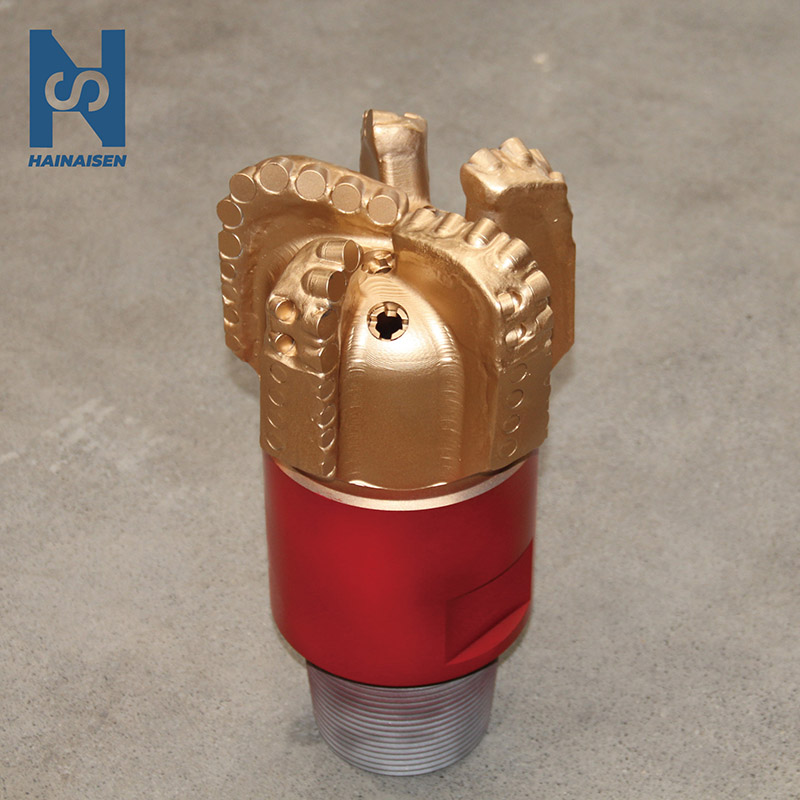
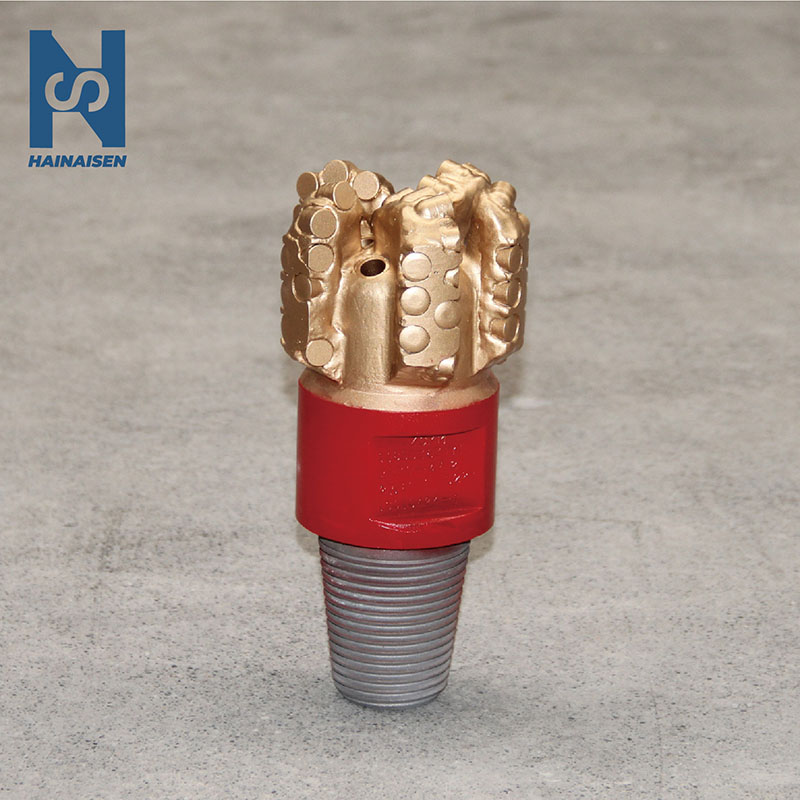
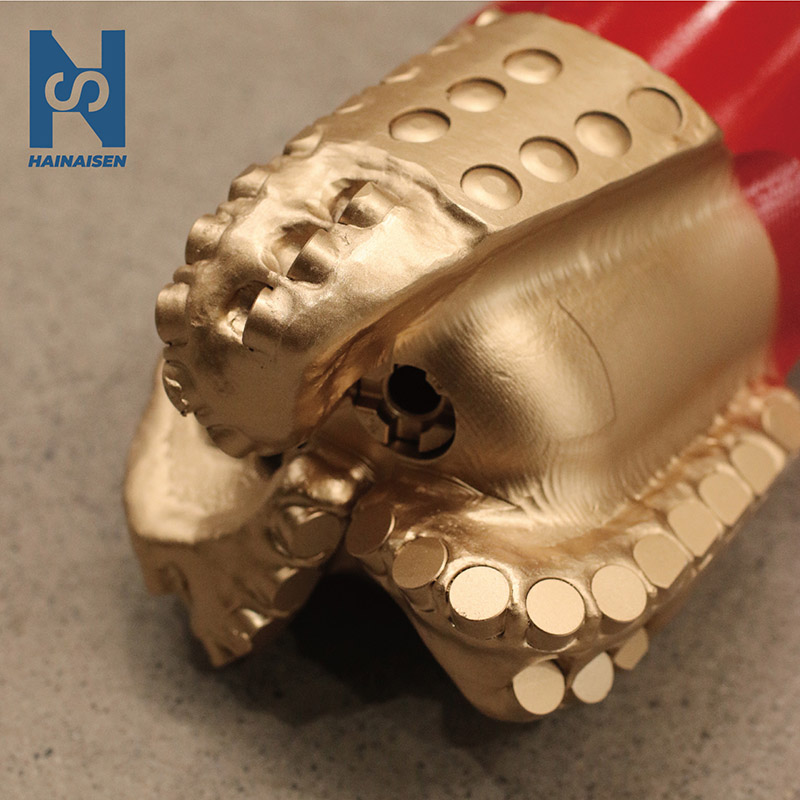
Four Blade Wing High Performance Petroleum Drill Bits are a conscious step forward in rotating drilling technology in terms of how they are built. Unlike most three-blade designs, the four-wing structure spreads the cutting forces across more contact points. This makes the torque distribution more even and the horizontal vibrations less noticeable while the machine is running. Each blade has Polycrystalline Diamond Compact (PDC) cuts that are placed in a way that shears rock forms by continuously scraping them instead of hitting them hard.
Our production process starts with a solid, one-piece body made of heat-treated 4140 alloy steel. This gives the structure strength to handle extreme downhole pressures of 10 to 100 kilonewtons. This base has carefully milled holes that fit 5.5 mm tungsten carbide inserts, making sure that they are always in the right place for steady cutting performance.
How do cutting action and hydraulics work together?
The space between the four blades makes bigger junk holes that are bigger, which lets better hydraulic flow at speeds of 25 to 36 liters per second. This design feature makes it easy to remove rock chips from the bit face, which keeps material from building up and slowing down entry rates. Hand-ground relief angles behind each carbide insert help this evacuation process even more, so cuts can stay in contact with the rock at all times.
When the bit is turned between 60 and 250 times per minute, it makes a constant cutting path that makes the walls of the hole smooth with little variation. When drilling through interbedded formations, where sudden changes between rock types can knock standard bits out of line, this steadiness is especially helpful.
Material Selection for Demanding Environments
We make our bits with high-quality PDC cuts that are very hard and stable at high temperatures, paired with bodies made of premium-grade steel. This mix of materials can handle the rough conditions found in shale, limestone, sandstone, and gypsum layers, which are natural settings with medium hardness and low compressive strength. As a result, the tool's cutting tips stay sharp over long drilling gaps, which cuts down on the number of expensive bit trips.
Performance Advantages of Four Blade Wing Petroleum Drill Bits
Measurable Improvements in Drilling Speed
One of the most important success indicators in drilling economics is the rate of entry. When used within the limits that were meant for them, our Four Blade Wing High Performance Petroleum Drill Bits always show better ROP than three-blade alternatives. One reason for this benefit is that the improved blade geometry lowers the power needed while still cutting aggressively. Four contact points make the drill more stable, so operators can use higher drilling pressures without causing damaging vibration patterns that would slow down entry or damage equipment downhole.
Technical information from operations in the field shows that these bits can keep their steady penetration rates even when the properties of the rock change. This makes it easier to plan projects because you can predict how far along the drilling process will be. When procurement managers look at the total cost of a project, this consistent success means less time spent on the rig and lower running costs.
Durability That Extends Operational Life
Durability is the most important thing to think about when buying something because it directly affects how profitable the job is. The wear resistance built into our bits takes this into account in a number of ways. The tungsten carbide plugs don't wear down when they come into contact with rough rock particles, and the heat-treated alloy steel body stays strong even after many loading cycles. CNC-threaded cutting makes sure that the part is installed correctly and securely to the drill string. This keeps the part from coming free, which could speed up wear or cause a catastrophic failure.
Our quality management system, which is ISO 9001:2015 approved, controls every step of the production process, from checking the raw materials to testing the finished product. This close supervision makes sure that every bit that leaves our 3,500-square-meter plant in Xi'an meets strict standards that support long service life. Operators who work in harsh downhole settings say that service gaps are much longer than the average for the industry. This supports the durability benefits built into our design.
Versatility Across Diverse Geological Settings
Formation variability makes drilling programs harder, so they need tools that can adapt to the changing qualities of the rock. The Four Blade Wing High Performance Petroleum Drill Bit four-blade design works great in medium-hardness layers where other bits have trouble staying stable or cutting efficiently. When cutting through hard shale layers and softer limestone beds, the balanced blade arrangement keeps the quality of the hole constant without having to change bits, which slows down the drilling process.
This adaptability also applies to directional drilling, which needs precise control of the tube track. Four-blade designs are more stable, which makes deviations less likely. This helps directional drillers stay on track with their planned wellbore paths with fewer turning changes. This flexibility makes the technology useful in a lot of different types of industries. For example, geothermal projects that drill through volcanic rocks and mining operations that drill through coal seams both benefit from it.
Comparison and Selection: Four Blade Wing vs. Other Drill Bits
Performance Benchmarking Against Three-Blade Configurations
When you compare Four Blade Wing High Performance Petroleum Drill Bits and three-blade drag bits, you can see that they work very differently, which affects your choice. Because they are more aggressively shaped, three-blade bits tend to go through uniformly soft forms a little faster. But this speed benefit isn't as strong in rock patterns with different types of minerals, where stability is more important. The extra blade in four-wing designs makes better contact with the borehole wall, which leads to straighter hole paths and lowers the risk of deviation that needs expensive repair procedures.
From a lifetime cost point of view, the longer life of four-blade bits usually makes up for any extra cost at the start. When purchasing managers look at the total cost of ownership, they should not only look at the price of the bit itself, but also at the costs that come with bit trips, drilling delays, and problems with the quality of the holes that happen when the bit fails too soon.
Strategic Selection Criteria for Procurement Teams
To pick the best drill bit, you need to look at a number of project-specific factors. The depth of the well affects the choice of bit because tools in deeper holes are exposed to higher heat and forces that wear them down faster. The geology of the formation decides which cutting structure will work best. For example, soft formations may not need the strong construction of four-blade bits, but medium-hardness layers benefit a lot from their stability advantages.
When choosing tools, technical engineers should also think about the digging goals. Exploration wells that need to collect accurate geological data need smooth boreholes with little wall damage. Four-blade designs are best for this because they have a controlled cutting action. If the geology allows it, production wells that value speed over accuracy might be able to handle the rougher method of three-blade bits.
Budget limits naturally affect purchases, especially for water well-digging teams that don't have a lot of money to spend. Our customization services solve this problem by making sure that bit specs fit both geological needs and budgets. This way, we can provide cost-effective solutions without losing important performance features.
Procurement Insights: Buying and Supplying Four Blade Wing Drill Bits
Sourcing from Trusted Manufacturers
When looking for a trusted Four Blade Wing High Performance Petroleum Drill Bit provider, you need to look at more than just the unit price. Manufacturers who have ISO Certifications show that they are committed to regular quality standards. This makes it less likely that you will receive goods that don't meet these standards. Advanced processing tools, such as 5-axis machining centers and CNC machine tools, are used by Shaanxi Hainaisen Petroleum Technology Co., Ltd. to make accurate products that can't be made with traditional methods.
As part of checking a company's expert skills, you should look over their quality control and testing processes. At every stage of production, our plant does a thorough check to make sure that everything meets the standards before it is shipped. Field mistakes that slow down operations and hurt relationships with customers can be avoided by paying close attention to these details.
Pricing Structures and Bulk Purchasing Options
Different types of customers have very different price concerns. Medium and big oil service companies usually put quality that has been proven and expert support ahead of initial cost savings. This is because they know that bit failures in important wells cost a lot more than the equipment's purchase price. These companies like it when providers offer full after-sales support, such as help with application building and fixing problems.
Coal mining companies often try to get the best prices while still meeting quality standards. This need is met by our price system, which includes discounts for buying in bulk that lower the cost per unit without lowering the quality of the product. Sample testing programs let customers check that performance claims are true before placing bigger orders, which lowers the risk of buying.
Water well drilling companies, who are mostly concerned with keeping prices low, can benefit from our low-cost PDC bit drilling options that are made for medium-hardness formations. We get good performance at reasonable prices by making designs work best for these specific uses instead of trying to make them work for all situations.
Customization Services for Project-Specific Requirements
Drilling projects have special problems that may not be best solved by normal store items. Our focused research and development team works with clients to create unique bit profiles that are suitable for their operations and the conditions of the ground. Changes can be made by changing the cutter's material, adjusting the blade's angle, or changing the flow patterns of the hydraulics to match the pump's capacity.
This ability to be customized is especially useful when digging in formations that don't usually come together in that way or when certain quality standards for the shaft have to be met. Our design team and technical engineers can use their decades of combined drilling experience to come up with methods that get the best results within the limits of the project.
Optimizing Drilling Operations with High-Performance Four-Blade Wing Bits
Resolving Common Drilling Bottlenecks
Inefficient operations are often caused by tool limitations that lower the total performance of drilling. One of these is excessive shaking, which slows entry rates and wears out both the bit and the downhole tools too quickly. Four Blade Wing High Performance Petroleum Drill Bits have a balanced shape that greatly lowers vibrational amplitude. This makes drilling processes easier, which increases ROP and extends the life of the equipment.
Another common problem is that cuttings are not removed efficiently, which is especially true when digging with limited fluid capacity. The improved junk hole design in our bits makes it easier for debris to escape, even at slower flow rates. This keeps the bits from balling up, which would stop penetration otherwise. This feature is especially helpful for operators who are using older rigs with limited pump capacity.
Best Practices for Maximizing Bit Performance
Getting the best results requires more than just choosing the right tools. It also requires following the right operating procedures. It is important to keep the drilling settings within the suggested ranges. For example, our bits work best at speeds between 60 and 250 RPM and drilling pressures between 10 and 100 kilonewtons. If you operate outside of these limits, you could cause too much wear or loss too soon.
Regular bit inspections during trips help find wear patterns early on, which could mean that parameters need to be changed. Monitoring trends in penetration rates and force gives you early information of changing formation conditions that might mean you need to make changes to how you're doing things. These preventative steps extend the life of the bit and keep the drilling going smoothly.
Emerging Technologies Shaping Future Development
Drilling technology keeps getting better by using new materials and design methods to make bits more useful. For high-temperature uses, new PDC formulas offer better thermal stability, and computational fluid dynamics models let engineers make hydraulic designs that are as clean as possible. Using downhole sensors in smart bits will allow for real-time performance tracking, which will allow for predictive repair and automated parameter optimization.
By keeping up with these changes, forward-thinking buying teams can look at new options in pdc bit drilling that could give them a competitive edge. Our dedication to ongoing research and development makes sure that customers can take advantage of new technologies as soon as they can be used in real life.
Conclusion
The Four Blade Wing High Performance Petroleum Drill Bit is a tried-and-true piece of technology that solves basic drilling problems through well-thought-out engineering and high-quality production. Because it is more stable, has better hydraulics, and is built to last, it has measured benefits in penetration rates, bit life, and drilling quality across medium-hardness rocks. These bits are flexible and reliable, and they meet strict quality standards. They can be used for oil research that needs aggressive drilling, water well projects that need cost-effective solutions, or coal bed methane extraction that needs reliable performance. When you work with experienced makers who offer customization services and technical support, you can be sure that your drilling program will have both the latest tools and the knowledge to use them correctly.
FAQ
1. What mechanisms enable faster drilling with four-blade wing bits?
With more blades, the cutting forces are spread out more widely, which lowers the sound while keeping the cutting action strong. Better hydraulic flow through bigger junk holes keeps cuttings from building up, which would slow down entry. This mixture lets drillers use higher pressures while keeping the process smooth. This directly speeds up the rate of penetration in medium-hard rock types like shale, limestone, and sandstone.
2. How do I select the right bit for my specific geological conditions?
It depends on the drilling goals, the hardness and abrasiveness of the rock, and the choice. Four-blade wing bits work best in layers that are medium hardness and have low to middling compression strength. Technical experts should look at formation samples, think about the depth and temperature of the well, and talk to makers that offer application engineering support to make sure that the bit specs meet the needs of the project.
3. What differentiates reliable suppliers in the drill bit market?
Manufacturers of high-quality Four Blade Wing High Performance Petroleum Drill Bits show that they have ISO approval, use cutting-edge production tools, and offer full expert support. Check the production capabilities, go over the quality control steps, and look at the customization services. Established providers, such as those that offer sample testing programs, lower the risk of buying while also making sure that you can get technical advice that helps you choose the best bits and run your business more efficiently.
Partner with HNS for Superior Drilling Solutions
Shaanxi Hainaisen Petroleum Technology Co., Ltd. has been making drill bits for ten years, which makes us your ideal partner for high-tech drilling solutions. Our Four Blade Wing High Performance Petroleum Drill Bit is both precisely engineered and reasonably priced, so it gives your businesses the performance they need. Whether you need standard configurations or unique designs that are made to fit difficult geological conditions, our team of experts can help you from the beginning of the planning process to its use in the field. Our ISO 9001:2015-certified production plant guarantees consistent quality, and our adaptable method can handle projects ranging from large-scale oil service operations to water well drilling on a budget. Email our team at hainaisen@hnsdrillbit.com to talk about your needs and find out why top operators choose HNS as their chosen provider.
References
1. Smith, J.R., & Anderson, M.K. (2021). Advanced PDC Bit Design for Enhanced Drilling Performance in Heterogeneous Formations. Journal of Petroleum Technology, 73(4), 45-58.
2. Thompson, L.D. (2020). Comparative Analysis of Multi-Blade Drill Bit Configurations in Medium-Hardness Strata. International Drilling Technology Review, 15(2), 112-129.
3. Wilson, P.H., & Chen, Y. (2022). Hydraulic Optimization in Rotary Drilling: Impact of Blade Geometry on Cuttings Transport Efficiency. Drilling Engineering Quarterly, 28(3), 203-217.
4. Roberts, K.M. (2019). Material Selection and Heat Treatment Protocols for Extended Drill Bit Service Life. Materials in Drilling Operations, 11(1), 67-82.
5. Martinez, R.J., & Patterson, S.L. (2023). Cost-Benefit Analysis of Four-Blade versus Three-Blade Drag Bits in Coal Bed Methane Extraction. Energy Drilling Economics, 19(2), 88-105.
6. Zhang, W., & Kumar, A. (2021). Vibration Reduction Strategies in Directional Drilling: The Role of Balanced Bit Designs. Journal of Directional Drilling Technology, 9(4), 156-171.
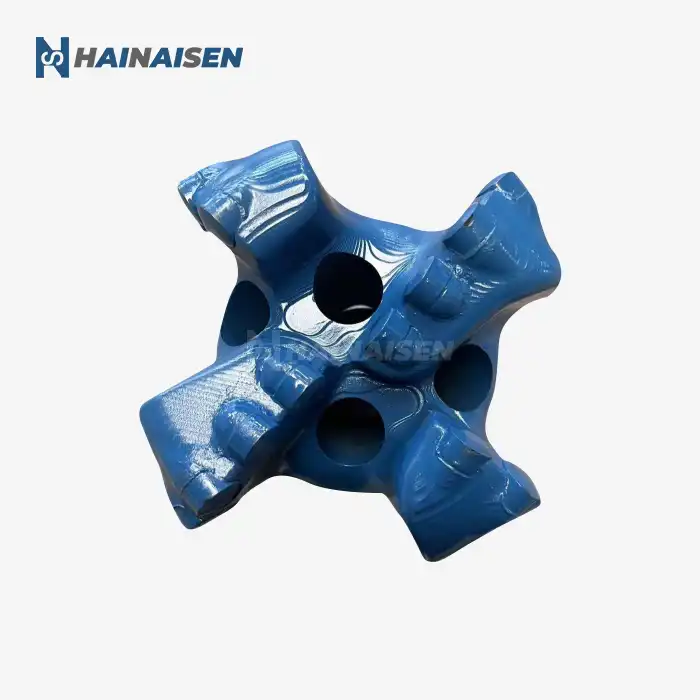 VIEW MOREFour Blade PDC Drill Bit
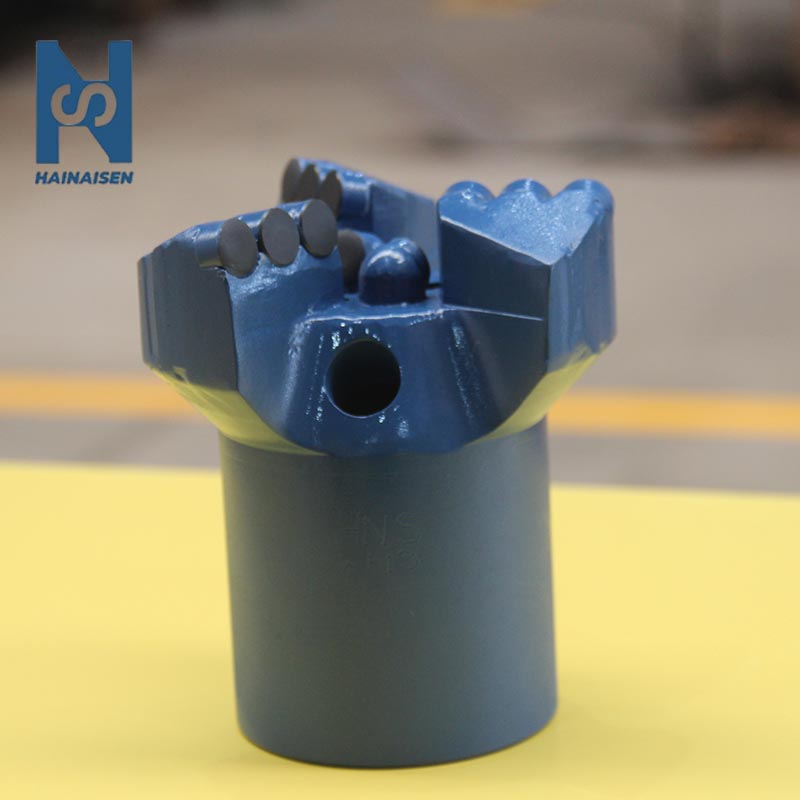 VIEW MORE3 Blades PDC Mining Bits
logo 2_1777360600432.jpg) VIEW MORECoal Mine Drilling Drill Bit Directional Three Blade PDC Drill Bit
VIEW MORECoal Mine Drilling Drill Bit Directional Three Blade PDC Drill Bit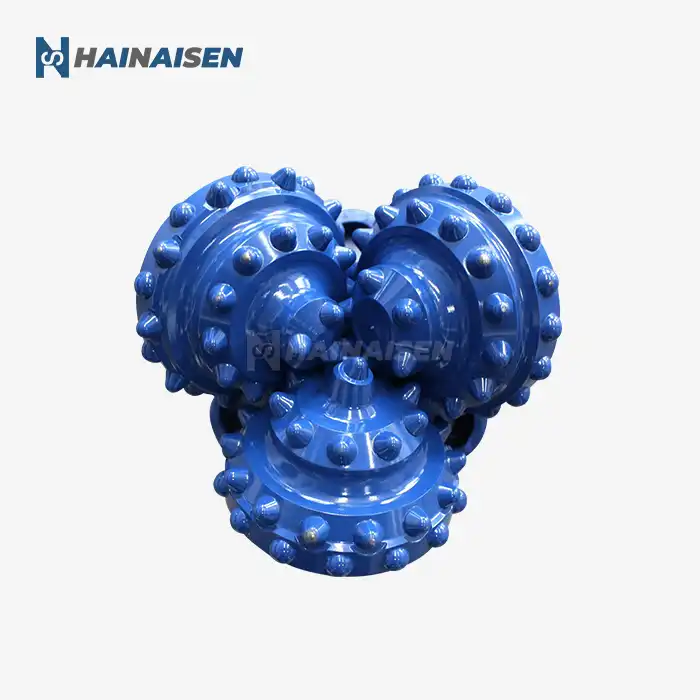 VIEW MORE5 1/2 Inch IADC 537 Tricone Rock Bit for Medium-Hard Formations
 VIEW MOREFive Blades Oil Well Drill Head
 VIEW MOREHigh Performance 5 Cutter PDC Bit
 VIEW MOREThree Blades Rock Drill Bit
logo 1_1768274683075.jpg) VIEW MORECoal Mine Drilling Opening And Closing Drill Bit
VIEW MORECoal Mine Drilling Opening And Closing Drill Bit
