







What materials are used in manufacturing five-blade drill bits?
Five Blade Wing Oil Drilling equipment depends on carefully chosen materials that decide how well it works, how long it lasts, and how much it costs in tough downhole conditions. Polycrystalline diamond compact (PDC) blades, tungsten carbide inserts, and high-grade steel alloys are all used together in the making process to make bits that can easily cut through medium-hard formations. Together, these materials make the structure more stable, lower the vibrations, and improve the digging speed in oil research, coal mining, and water wells.
Understanding the Role of Materials in Five-Blade Drill Bit Manufacturing
Material choice is the most important part of how well a drill bit works. When HNS engineers make five-blade PDC Bits, they choose materials that are strong, don't wear down easily, and don't change temperature a lot. The five-blade design calls for materials that can survive high temperatures and pressures deep underground while keeping their cutting-edge integrity over long digging operations.
Why Does Material Quality Matter in Oil and Gas Operations?
When bits are drilled through different types of rock, they are put under a lot of mechanical stress and temperature cycles. Bad choices in materials cause early wear, lower entry rates, and unplanned downtime. When purchasing managers look at five-blade bits, they should pay close attention to the material specs because they have a direct effect on the total cost of ownership. A bit made from poor materials might seem like a good deal at first, but it needs to be replaced more often, which drives up running costs.
The Engineering Behind Five-Blade Design Requirements
Traditional three-blade designs don't spread cutting forces as widely as the five-blade design does. For this distribution, you need materials that are very resistant to wear so that cracks don't spread during repeated stress cycles. When our engineers choose materials, they make sure that the structure stays strong even when drilling through interbedded rocks where the strength changes a lot from one vertical distance to the next.
Core Materials Used in Five-Blade Drill Bits and Their Characteristics
Modern five-blade drill bits are made of a mix of different specialised materials, each of which has its own performance benefits. Technical engineers can choose the right bits for their drilling projects when they know about these materials.
Polycrystalline Diamond Compact (PDC) Cutters
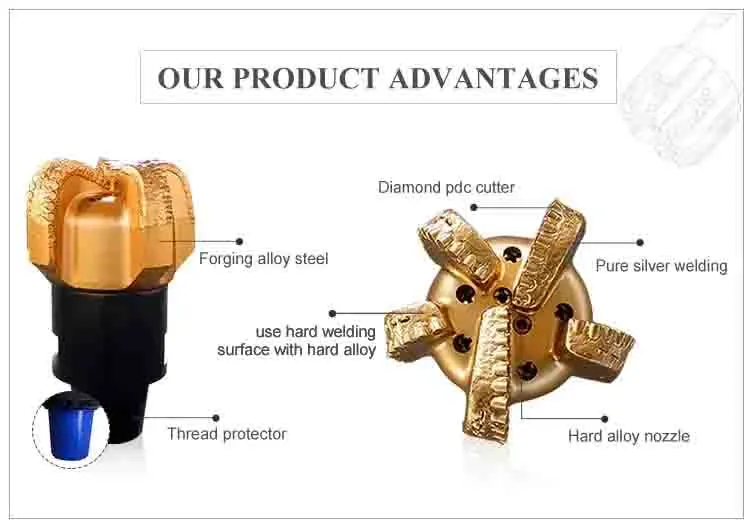
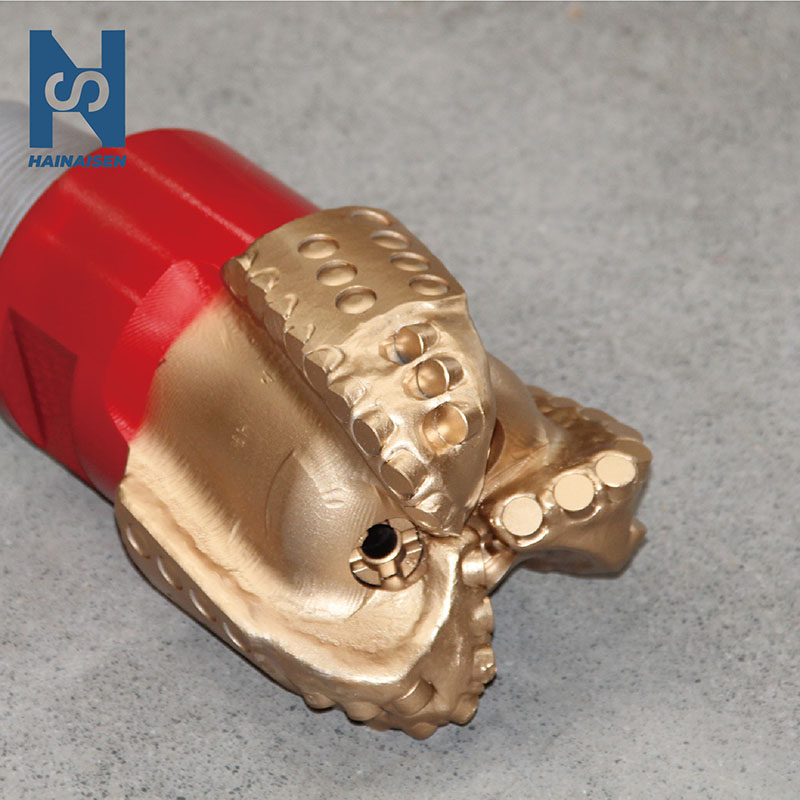
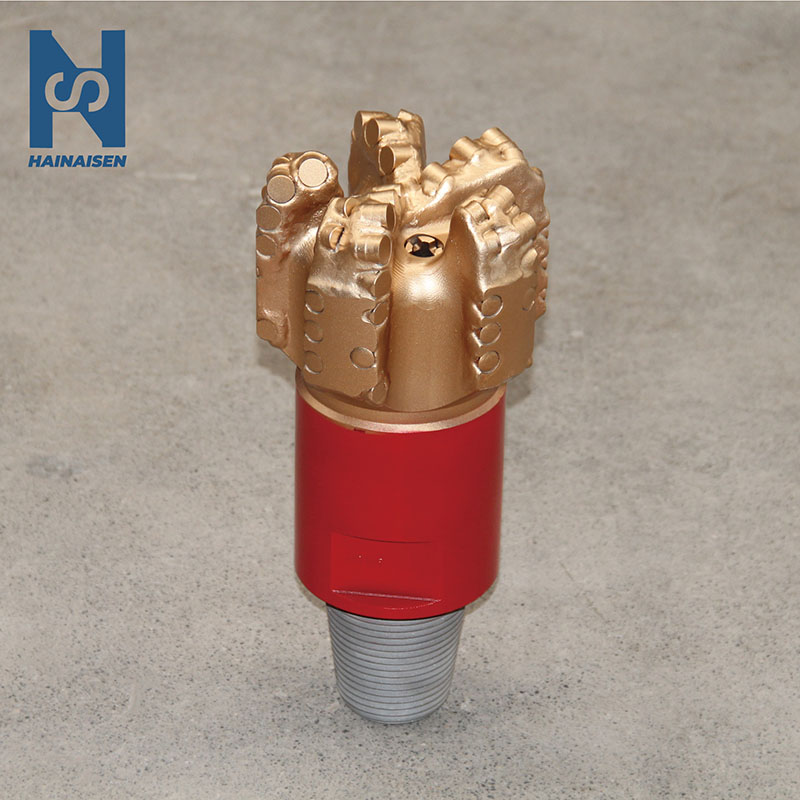
Five-blade drill bits use PDC cutters as their main cutting parts. The tungsten carbide substrates that these fake diamond wafers are bonded to are very hard and don't break down easily. The HNS S123 model has 109 13mm and 16mm PDC cuts carefully placed across five blades to remove rocks as efficiently as possible. PDC technology works best in soft to medium-hard rocks and has much higher entry rates than roller cone options. Quartz and other hard rocks that are often found in digging operations don't wear away the diamond layer.
Tungsten Carbide Components
In the making of Five Blade Wing Oil Drilling bits, tungsten carbide is used for two different tasks. Tungsten carbide plates do more than just support PDC cuts. They also protect high-wear areas along the edges of blades and gauge sections. This material is second only to diamond in terms of hardness, but it is still tough enough to take pressure loads. The carbide base under each PDC cutter conducts heat away from the cutting surface, keeping the diamond layer from getting damaged by heat during rough drilling.
Steel Alloy Bit Bodies
The bit base gives the cutting parts and hydraulic features a place to rest. Five-blade bit bodies are made of high-grade steel alloys that must be strong, flexible, and easy to machine. When our factory makes bits, they use steel types with yield strengths of more than 100,000 psi. This makes sure that the bit stays the same size even when big loads are put on it. There are elements in the metal that make it more resistant to corrosion when digging through rocks that contain carbon dioxide or hydrogen sulphide.
Matrix and Bonding Materials
Special alloys are used in brazing methods to connect PDC blades to bit bodies. The materials used for joining must be able to form mechanical bonds that can transfer cutting forces without coming apart. The makeup of the braze metal changes how well the PDC cutters and the steel body work with thermal expansion. In our production workshops, temperature-controlled brazing processes make sure that the bond strength is the same on all 109 cuts on each bit.
Advanced Material Technologies Enhancing Five-Blade Drill Bit Performance
New discoveries in material science keep making five-blade bits better. These technological improvements make bits last longer and drill more efficiently, which gives operations teams real value.
Surface Coating Technologies
Protective coatings are used by Manufacturers to make parts last longer in tough drilling settings. Titanium nitride coatings make the sides of drill bits and formation materials less likely to rub against each other. This lowers the force needed and the amount of heat that builds up. Diamond-like carbon coats give gauge pads more abrasion resistance, keeping the hole width the same during the bit run. Even though the thickness of these coats is very small, they have a big effect on working performance because they keep cutting elements sharp and lower the tendency for different materials to stick together.
Thermally Stable Polycrystalline Diamond
When heated above 750 degrees Celsius, the catalyst material causes the diamond to turn back into graphite, which lowers the performance of standard PDC cuts. This problem is fixed in thermally stable polycrystalline (TSP) diamond by taking out the catalyst material after it is made. In high-temperature situations like geothermal drilling or deep oil wells, where bottomhole temperatures are higher than the normal PDC thermal limits, TSP blades keep their cutting efficiency. For customers who need to drill in very hot places, the HNS product line has TSP cutting choices.
Hybrid Material Integration
New developments in engineering have made it possible for single cutting parts to have multiple material benefits. Hybrid PDC cutters have diamond tables with multiple layers or diamond grains of different sizes that balance how well they wear and how well they handle impacts. These new ideas are especially useful in interbedded rocks, where drilling goes back and forth between soft shale stringers and hard limestone stringers. When it comes to shale intervals, the upper diamond layer prevents wear, and when it comes to carbonate ledges, the tougher inner layer takes the impact.
Selecting the Right Material Based on Drilling Conditions and Applications
Matching the specs of the material to the properties of the rock improves drilling performance and bit costs. Instead of general standards, choices about what to buy should be based on specific practical needs.
Formation Hardness Considerations
When working with soft materials like loose sand, you need fewer, bigger PDC cuts with steep back rake angles. The 12.25-inch HNS five-blade bit with 109 cuts works best in medium-hard rocks where the bit life and penetration rate need to be just right. Premium PDC grades with more diamond content and better temperature stability are needed for hard, abrasive forms. To choose the right cutting materials for oil & gas drill bits, technical engineers should ask for offset wells to evaluate the formation.
Fluid Environment Compatibility
Drilling fluids and formation fluids have a big effect on the choice of material. In general, oil-based mud systems are less likely to corrode than water-based ones, which lets standard steel alloy bodies be used. When digging through rocks that contain hydrogen sulphide, you need alloys that are more resistant to corrosion and braze materials that stay together even when sulphide stress cracks happen. Coal bed methane extraction and water well drilling usually use less harsh fluid chemicals, which lets you choose cheaper materials without sacrificing reliability.
Cost-Performance Analysis for Procurement
The quality of the materials and how well they've worked in the field are more important to big oil service companies than the original cost. When they buy things, they often ask for high-quality materials that have been proven by long testing programmes. Coal mining companies weigh the cost of repairs against the quality of the bits they use, willing to accept a slightly shorter bit life if it means saving money on materials. Water well drilling teams usually choose standard material types that are good enough for their less demanding jobs based on how much they cost up front. The HNS team works with clients from all over this range and can offer material choices that fit their budgets without lowering safety or performance standards.
To figure out return on investment, you need to look at the cost per foot drilled instead of just the bit buying price. When compared to normal options, a premium five-blade bit that costs 30% more often gets 50% more footage, which lowers total drilling costs and speeds up project timelines. Purchasing managers should ask providers for field performance data that shows real cost-per-foot measures in similar situations.
Maintenance and Replacement: Ensuring Durability of Five-Blade Drill Bits
Protecting the purity of materials goes beyond the quality of the manufacturing process and includes the right way to handle and maintain them throughout their entire operating lifecycle.
Storage and Handling Best Practices
When bits get hit while being moved or set up, they can cause microcracking in PDC cuts. In order to keep bits safe, storage sites should keep them in cases that keep the blades from touching metal surfaces. When moving bits that weigh 95 kilograms or more, rig teams must use the right tools and avoid drops or hits that weaken the material before the bit ever goes into the wellbore.
Inspection Protocols for Material Fatigue
A visual check between oil & gas drill bits shows wear patterns in the material that show performance is dropping. When purchasing managers start working with a supplier, they should ask for thorough bit grading records that show how much the cutter, gauge, and body have worn down. These reports help people decide what to change and how to choose materials in the future. Bits that show a lot of wear after only a small amount of video show that the material specifications did not fit the formation conditions, which means that the specs for future oil & gas drill bits need to be changed.
Supplier Reliability and Material Traceability
By buying bits from well-known companies, you can be sure of the quality of the materials because they have written quality control methods. The HNS facility keeps track of materials from the time they receive the raw materials until they are inspected for quality. This gives customers trust in the material specs. Our production workshop is 3,500 square metres and has five-axis machining centres and CNC tools that allow for exact manufacturing tolerances that get the most out of the materials. By putting money into manufacturing facilities, this investment will directly lead to consistent product quality that meets the high standards of medium and big oil service businesses.
Conclusion
The choice of material has a big impact on how well a five-blade drill bit works in a wide range of situations, from oil mining in the ocean to digging water wells. PDC cutters, tungsten carbide inserts, and high-grade steel alloys all work together to improve bit life, operating efficiency, and penetration rates that have a big effect on the project's cost. As coating technologies and mixed material designs keep getting better, they make it possible to drill efficiently in settings that are getting harder to work in. Instead of depending on general specs, procurement professionals who want to make their supply chains work better should look at materials in the context of unique formation traits, fluid environments, and operating goals. Partnering with makers who show they know their stuff and have strict quality control measures in place makes sure you can get drill bits that are designed to give you the most value for your money.
FAQ
1. What makes PDC materials superior for five-blade drill bits?
PDC materials mix the hardness of manmade diamond with the toughness of tungsten carbide. This makes cutters that keep their sharp edges for long periods of time while cutting. The diamond layer protects against rough wear from formation rocks, and the carbide base protects against impacts and transfers heat well. In soft to medium-hard rocks, this combination of materials gives much better penetration rates than roller cone bits.
2. How do material choices affect drill bit pricing?
Premium PDC grades, thermally stable diamond cuts, and improved steel alloys all add to the cost of production but also make things last longer. When making a purchase choice, the total cost per foot drilled should be looked at instead of the original purchase price. Standard types of materials are good for less demanding jobs where replacing them often is cost-effective. On the other hand, expensive materials are worth the money when you need the most reliability in tough formations.
3. Can five-blade bits handle varying formation hardness?
When the right materials are used, five-blade shapes work well with a wide range of lithologies. The extra blades spread out the cutting forces, making each cutter less loaded than in three-blade designs. Hybrid PDC cutters and careful placement of materials allow single bits to drill through interbedded rocks with different hardness levels. However, extreme differences may still need a bit of changes to achieve optimal performance.
Partner with HNS for Premium Five Blade Wing Oil Drilling Solutions
Since 2013, HNS has been making PDC drill bits for oil service companies, coal mines, and water well drilling teams all over the world. Our focused research and development team makes five-blade bits that are perfect for your price and the conditions of the rock. Compared to other models, the S123 model with 109 PDC cutters has been shown to work well in medium-hard rocks with less shaking and a longer lifespan. As a manufacturer with a lot of experience in Five Blade Wing Oil Drilling, we stick to strict quality standards throughout the whole process. We also offer reasonable pricing that works for a range of operating sizes. You can email our expert team at hainaisen@hnsdrillbit.com to talk about the best material specs for your next drilling project to see all of our products.
References
1. Bellin, F., Dourfaye, A., King, W., and Thigpen, M. "The Current State of PDC Bit Technology." World Oil Magazine, vol. 231, no. 10, 2010, pp. 67-71.
2. Clayton, R., Chen, S., and Lefort, G. "New Bit Design, Cutter Technology Extend PDC Applications to Harder Rock." Oil and Gas Journal, vol. 103, no. 6, 2005, pp. 34-38.
3. Durrand, C., Skeem, M., Crockett, R., and Hall, D. "Super-Hard, Thick PDC Cutters Improve Drill Bit Performance." SPE/IADC Drilling Conference and Exhibition, Society of Petroleum Engineers, 2009.
4. Hibbs, L., and Flom, D. "Diamond Compact Cutter Studies for Geothermal Bit Design." Sandia National Laboratories Technical Report SAND80-2323, 1981.
5. Pessier, R., and Fear, M. "Quantifying Common Drilling Problems with Mechanical Specific Energy and a Bit-Specific Coefficient of Sliding Friction." SPE Annual Technical Conference and Exhibition, Society of Petroleum Engineers, 1992.
6. Warren, T., and Armagost, W. "Laboratory Drilling Performance of PDC Bits." SPE Drilling Engineering, vol. 3, no. 2, 1988, pp. 125-135.
 VIEW MOREAlloy Scraper Drill Bit For Water Well
logo 1_1777361785830.jpg) VIEW MORE94mm PDC Flat Top Sintered Drill Bit
VIEW MORE94mm PDC Flat Top Sintered Drill Bit VIEW MOREPolycrystalline Diamond Drill Bits
 VIEW MOREForging Deep Rock Well Drilling Bits PDC Mining Bit
 VIEW MOREPDC Bit For Well Drilling
 VIEW MOREPDC Mining Bit
 VIEW MOREThree Blade Oil Drill Bit
 VIEW MORE5 Blade Matrix Body PDC Drill Bits
