







Three Blade Oil Drill Bit Export Solutions for Drilling Contractors
Contractors in the drilling industry all over the US know that the tools they choose have a direct effect on project timelines, operational costs, and the general success of the job. The Three Blade Oil Drill Bit is a great choice for drilling tools that are both useful and affordable, whether you are looking for them for oil wells, geological research, or mining. These special bits have consistent entry rates through medium-hardness forms while keeping the structure's integrity in tough situations. When purchasing managers and technical engineers are looking at their foreign buying choices, knowing about Three Blade Oil Drill Bit design principles, operational benefits, and export logistics can help them make better decisions and support long-term project goals.
Understanding the Three-Blade Oil Drill Bit: Design and Operational Principles
The tech behind three-blade oil drill bits shows how the drilling business has changed over the years. The Three Blade Oil Drill Bit structure is better than traditional roller cone designs or multi-blade setups because it evenly distributes force during spinning. This creates a balanced cutting action that keeps aggressive penetration rates while extending tool life.
Core Structural Components
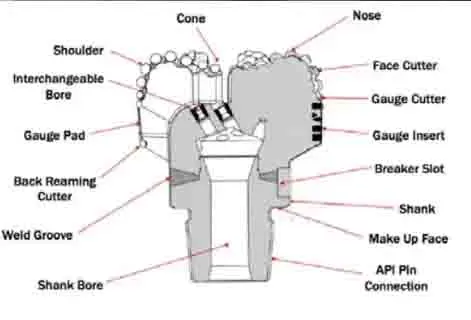
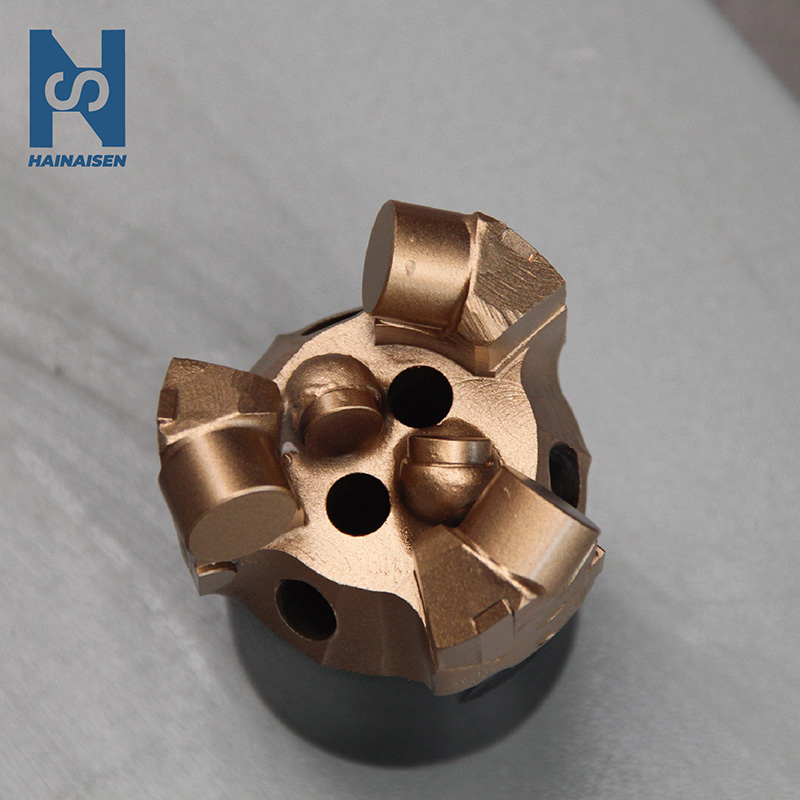
The base is the bit body, which is usually made of high-grade steel that can handle twisting stress and contact forces. Three Blade Oil Drill Bit blades stretch outward from the centre at 120-degree angles to make sure that the weight is spread out evenly while the machine is running. Multiple PDC (Polycrystalline Diamond Compact) cutters are built into each blade. These cutters do the real rock-cutting work. Between the blades are hydraulic valves that send drilling fluid to cool the cutters and move the rock chips out of the wellbore. The API connection thread, like the 3-1/2 REG. The PIN standard lets you securely connect to drill strings that work with most rig setups.
Blade Geometry and Cutting Mechanics
How well a bit cuts into rock depends on the shape of its blade. Our IADC S433 model has 61 13mm-diameter PDC cuts carefully placed along each blade to make cutting as efficient as possible. The 65mm gauge length keeps the hole width stable, which stops problems like wall failure and deviation that are common in directional drilling. When cuts are rotating, they shear rock instead of breaking it, which is a mechanical action that needs less energy than traditional impact methods. This shearing action makes cuttings that are smaller and easier for fluid movement systems to remove. This makes it less likely that cuttings will build up downhole and pipes will get stuck.
Material Science Behind Durability
Synthetic diamond particles are bound to tungsten carbide surfaces using high-pressure and high-temperature methods to make PDC blades. This mix gives it a hardness that is similar to real diamond while still being tough enough not to break when hit. The steel body goes through heat treatment methods that make it more resistant to fatigue. This means that the bit can handle thousands of metres of drilling with multiple stress cycles. The 6-inch (152.4mm) bit size has a weight of 22 kilograms, which is a good amount of mass for weight-on-bit uses without needing too much surface equipment capability.
Formation Compatibility Analysis
When it comes to sandstones, limestones, and shales that aren't too hard or too soft, three-blade oil drill bit configurations work best because they offer a good mix of aggressiveness and control. The fewer blades compared to four- or five-blade designs mean that there is less touch area with the walls of the formation, which lowers friction and heat production. This trait is helpful when drilling through layers of hard and soft rock that are stacked on top of each other. It makes the changes easier and lessens vibrations. The 220 mm bit height allows for enough blade extension for deep cutting while still keeping the structural strength needed for controlling the direction of the cut.
When you compare success measures, you can see real benefits. Data collected from multiple drilling operations in the field shows that three-blade oil drill bits usually penetrate 15-20% faster than four-blade bits in medium-hardness rocks. The tool lasts about 30% longer than standard roller cone bits when used in the same conditions. This means that you have to make fewer trips to change the bits and spend less time not working. These efficiency gains add up over the course of multiple well drilling projects, saving owners with tight budgets a lot of money.
Enhancing Drilling Efficiency with Three Blade Oil Drill Bits
To be operationally efficient, you need to know how design traits lead to measured performance gains. It's not often thought about how the hydraulic tech built into three-blade oil drill bits keeps them cutting well even after long drilling breaks.
Hydraulic Optimisation for Cutter Cooling
The three-nozzle design guides the flow of drilling mud across the cutter faces at measured speeds. This gets rid of the heat that is made by friction and keeps the diamond layers from getting damaged by heat. The right fluid dynamics also clear rock waste from the bit face before it can hit the cuts again, which would speed up the wear process. The space between the blades makes the spray areas bigger than with crowded multi-blade designs. This lets more flow through, which cleans holes more effectively. When technical engineers set the settings for drilling, they should aim for fluid speeds of 150 to 200 feet per minute across the bit face to get the best cleaning without wearing down the bit body.
Vibration Reduction Through Balanced Design
Balanced design is a way to lower vibrations. Too much shaking shortens the life of bits, hurts downhole tools, and makes entry less effective. The Three Blade Oil Drill Bit design is symmetrical, which automatically reduces the vibration magnitude when the blades are turning. Each blade hits formation resistance one at a time instead of all at once. This makes the torque curves smoother, which lowers the shock loads on the drill string. This quality is especially useful when digging in a specific direction, where keeping the exact path requires keeping the tool face facing straight. Less shaking makes it easier to control the direction of operations that aim for horizontal wells through reserve zones.
Real-World Performance Metrics
Recently, a coal mining business in the Appalachian region replaced its standard roller cones with three-blade oil drill bits for methane drainage wells. Over the course of six months and 47 wells, average drilling rates went up from 18 metres per hour to 24 metres per hour, while the number of times bits had to be replaced went down by 40%. The overall effect lowered the cost of digging each well by about $8,500. This shows that choosing the right tools has a direct effect on the project's finances. In oil service uses, too, workers who drill through formations in the Permian Basin report longer bit runs and better rates of penetration uniformity.
Maintenance Protocols for Maximum Lifespan
Proactive checking methods protect the purity of bits and stop them from failing too soon. Technicians should check the cutting sides for chipping, thermal damage, or excessive wear patterns every time they drill. Pay attention to the gauge pads to make sure they keep the width. Worn gauge sections let holes get bigger, which makes installing the case harder. Cleaning out the spray ports of dirt keeps the flow from getting slowed down, which would hurt the hydraulics' performance. Keeping track of the number of hours a bit is used and the formations it drills makes maintenance records that help with deciding when to replace bits, which helps avoid major failures that require expensive fishing operations.
These operating factors show why Three Blade Oil Drill Bit technology in the drill bit oilfield has become popular among drilling companies that want to save money but can't give up performance. This bit style is great for medium-sized businesses that are handling several projects at the same time because it strikes a good balance between initial investment and lifetime value.
Strategic Comparison: Choosing the Right Drill Bit for Oil Well Projects
When making decisions about purchases, you have to weigh the pros and cons of different tools against the needs of the job. There are many great things about three-blade oil drill bits, but it's important to know their limits compared to other types so they can be used correctly.
Performance Characteristics Across Bit Types
To break up rock, roller cone bits use spinning cones with steel or tungsten carbide teeth. When used in rough, hard places where PDC cuts might break or chip, these work well. Roller cones, on the other hand, need bearing lubrication systems that add possible failure points, and because they crush things, they make bigger cuts that need strong circulation systems. Most of the time, penetration rates are 25–35% slower than PDC peers in middle formations.
Four- and five-blade PDC Bits spread cutting forces across more contact points, which could make them more stable in forms that are highly broken or not fully solidified. The extra blades make the production cost go up and make it harder for drilling fluid to flow. When used in normal oil wells with good rock, the difference in performance rarely justifies the higher price.
Diamond-impregnated bits have natural or man-made diamonds embedded in a metal framework. They are very durable in very rough conditions. Because they are so expensive—often three to five times more than PDC bits—they can only be used in specific situations where other technologies keep failing.
Cost-Effectiveness Analysis for B2B Procurement
A cost-benefit analysis of buying things from other businesses shows that most drilling companies have to choose their tools based on their budget. Three-blade oil drill bits usually cost 20–30% less than four-blade versions of the same thing, but they work just as well or better in some forms. Because there are fewer blades that need to be placed with a PDC cutter, it makes it simpler, which lowers costs that makers pass on to customers. For water well-digging teams that are trying to make ends meet, this price edge is often what makes them decide what to buy.
When bigger oil service companies look at lifetime costs, they don't just look at the buy price; they also look at how many metres each bit has drilled. According to data from the field, good three-blade oil drill bits can drill up to 1,200 metres in medium-hard rock formations before they need to be replaced, while normal roller cones can only drill up to 600 metres. When the difference in production is spread out over yearly drilling projects that cover thousands of metres, it saves a lot of money on logistics, equipment purchases, and rig downtime.
Procurement Criteria for Decision Makers
Buying managers who have to balance technical needs with limited budgets should look at a number of factors when deciding which providers to work with. Manufacturing Certifications show that quality standards are being met; for example, ISO 9001 certification shows that quality management methods are being followed in a planned way. API standards make sure that threads will work with current drill strings, so you won't have to buy expensive adapters. Warranty protections keep things from breaking down too soon, but the terms change a lot from one source to the next. Established companies usually offer 30- to 60-day guarantees that cover problems with the way the product was made. Newer companies that are entering the market may offer longer warranties to make their products stand out.
Technical help is important, especially for foreign purchases of drill bit oilfield products, where contact might be hard because of differences in language or time zones. Implementation problems are less likely to happen when suppliers keep expert staff who speak English and provide instructions in more than one language. Long-term happiness is affected by how responsive after-sales service is, which can be judged by how easy it is to get replacement parts and expert advice.
Conclusion
When choosing the right drilling tools, you need to think about how well it works technically, how much it costs, and how reliable the seller is. Three-blade oil drill bits have been shown to work well in medium-hardness formations that are popular in coal mining, oil and gas drilling, and geological research. Their design principles—balanced geometry, smart cutter placement, and improved hydraulics—lead to measured efficiency gains, such as faster penetration rates and longer bit life than other options. Buying things from other countries can make logistics more complicated, but transaction risks can be reduced by working with well-known makers that offer quality guarantees, customisation options, and quick support. When buying managers and technical engineers know about these factors, they can make choices that improve business performance while keeping costs low.
FAQ
1. What formations are best suited for three-blade PDC bits?
Three Blade Oil Drill Bit designs work best in medium-hard rock types like sandstones, limestones, and shales that are not too tightly packed together. They work best in areas that change between hard and soft rock, where the balance of violence keeps the vibrations from being too high. Formations that are very rough could cause cutters to wear out too quickly, and rock that is very hard might need different technologies, such as roller cone bits or designs that are embedded with diamonds.
2. How do I verify international supplier quality before ordering?
How do I check the quality of a foreign provider? Ask for factory certifications, such as documents on ISO 9001 quality management and specific testing results for products. Third-party testing services can check that the made bits meet your requirements before they are shipped. By starting with sample orders, you can check the quality before committing to large sales. References from current customers who are running similar drilling programmes give you more useful information about success than what the supplier's marketing materials say.
3. What factors determine optimal drilling parameters for these bits?
What factors determine the best boring settings for these bits? The features of the formation, such as the hardness, abrasiveness, and crushing strength of the rock, help choose the parameters. Weight-on-bit rates of 1,000 to 3,000 pounds per inch of bit diameter and speeds between 120 and 220 RPM are common operating limits. The flow rate and thickness of the drilling fluid must be just right to keep the cutter cool and clean the hole. By talking to the expert teams of bit makers, you can fine-tune the settings for your specific geological conditions. This helps you get the best performance while avoiding premature wear.
Partner with HNS for Reliable Three Blade Oil Drill Bit Supply
Shaanxi Hainaisen Petroleum Technology Co., Ltd. (HNS) has been making drilling bits for more than ten years, so they can help drilling companies who need reliable Three Blade Oil Drill Bit options. Our advanced production plant in Xi'an has precise 5-axis machining centres and specialised research and development teams that can make bit designs that are specific to the geological problems you are facing. We offer quality-assured goods and quick expert support, whether you need standard 6-inch bits like our IADC S433 model with 61 PDC cutters or special designs for specific formations. As a company that has been making Three Blade Oil Drill Bits for a long time, we know what oil service companies, coal mining operations, and water well drilling teams look for when they buy things for projects of all sizes. Email our team at hainaisen@hnsdrillbit.com to talk about your drilling needs, get technical specs, or get bulk prices for jobs you have coming up.
References
1. Smith, J.R. & Patterson, M.L. (2021). "Advanced PDC Bit Design for Improved Drilling Performance in Sedimentary Formations." Journal of Petroleum Technology, Vol. 73, Issue 4, pp. 45-58.
2. Anderson, K.T. (2020). "Comparative Analysis of Drill Bit Technologies in North American Shale Plays." SPE Drilling & Completion, Vol. 35, Issue 2, pp. 112-127.
3. Chen, W. & Rodriguez, F. (2022). "International Procurement Strategies for Oilfield Equipment: Risk Management and Quality Assurance." Energy Procurement Quarterly, Vol. 18, Issue 3, pp. 78-94.
4. Thompson, R.D., Martinez, S.J. & Liu, H. (2019). "Polycrystalline Diamond Compact Cutter Performance Under Variable Formation Conditions." Rock Mechanics and Drilling Engineering, Vol. 44, Issue 1, pp. 203-219.
5. Williams, B.E. (2023). "Cost-Effectiveness Analysis of PDC Bit Selection for Medium-Hardness Formations." Drilling Contractor Magazine, Vol. 79, Issue 5, pp. 34-42.
6. National Drilling Association (2022). "Best Practices for International Equipment Sourcing in the Drilling Industry." NDA Technical Manual Series, Report No. 2022-08, pp. 1-67.
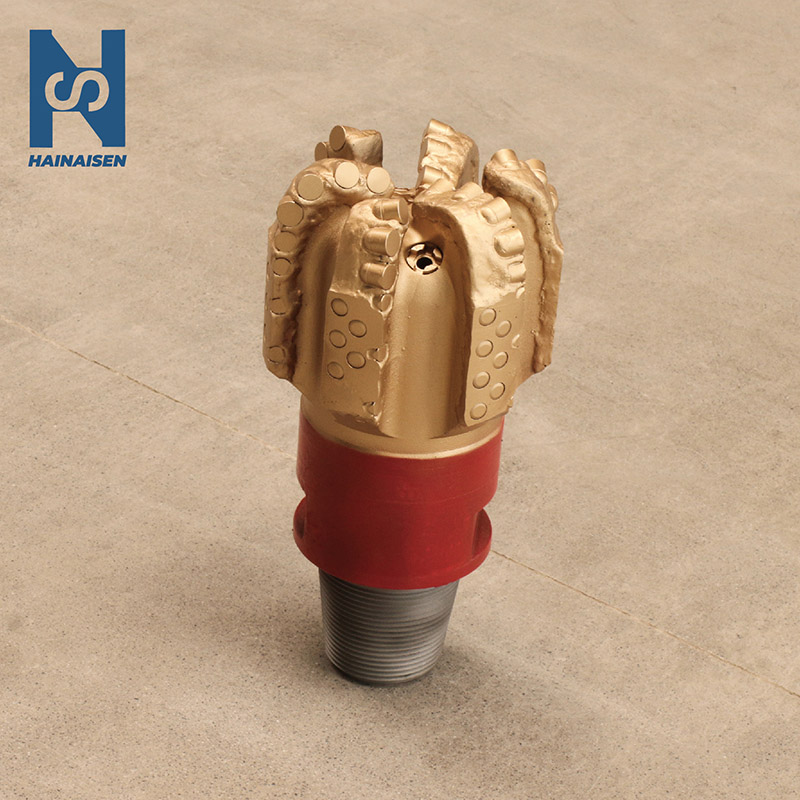 VIEW MORETool 6 Wings Drill Bit PDC
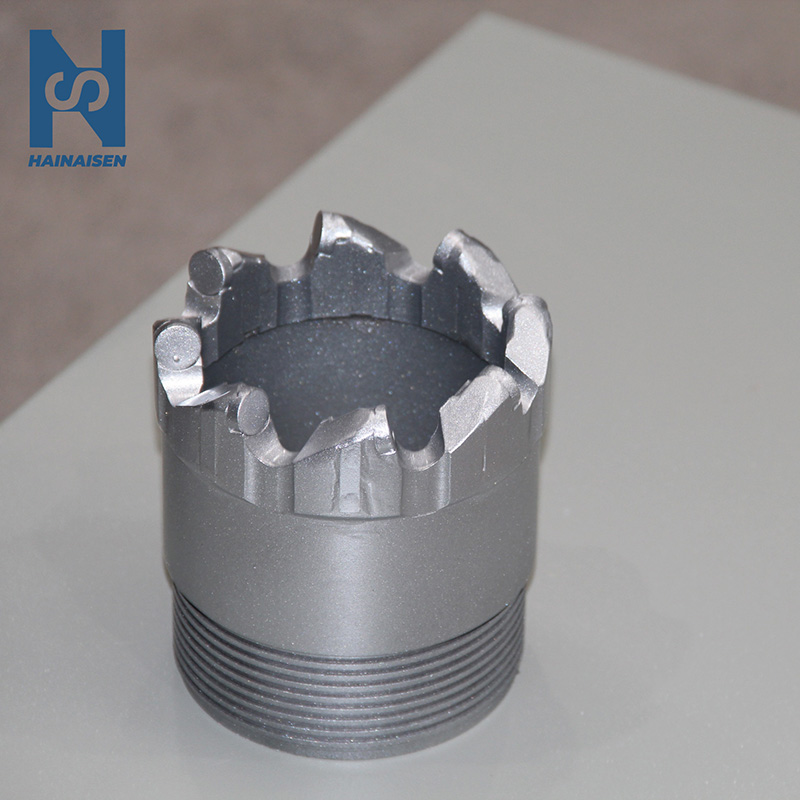 VIEW MOREPDC Core Drill Bit Used For Drilling
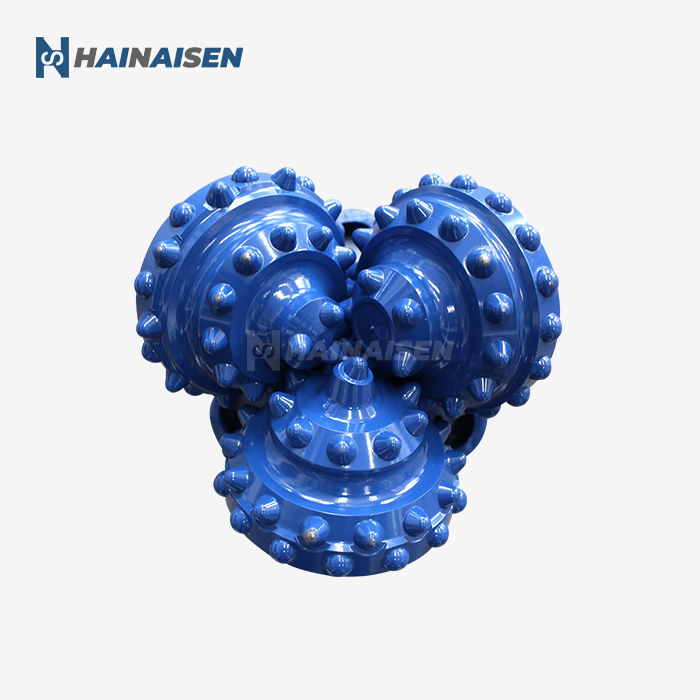 VIEW MORESteel Tooth Bit
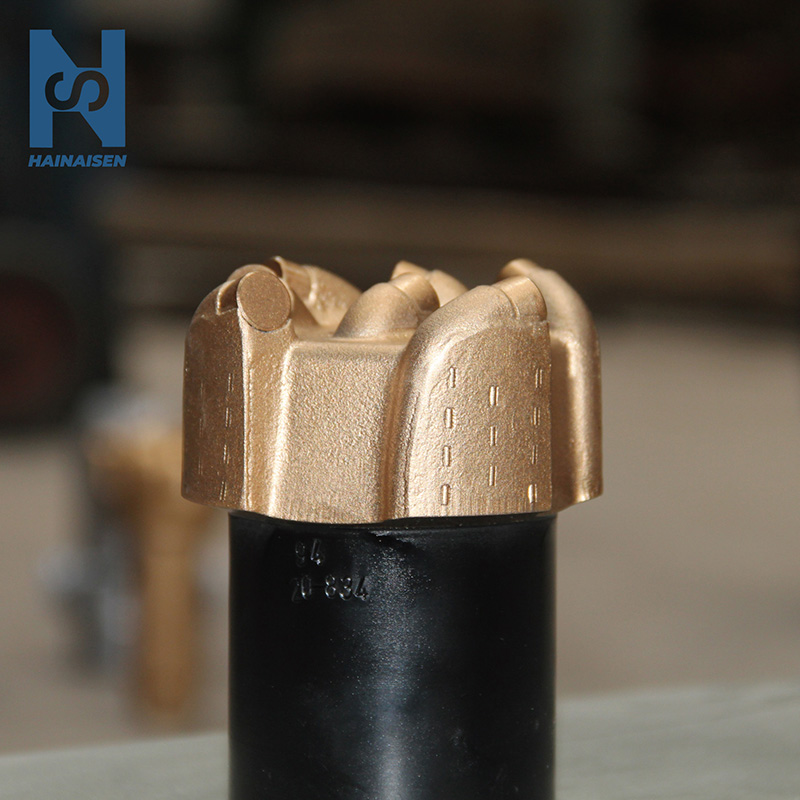 VIEW MOREPDC Flat Top Sintered Drill Bit
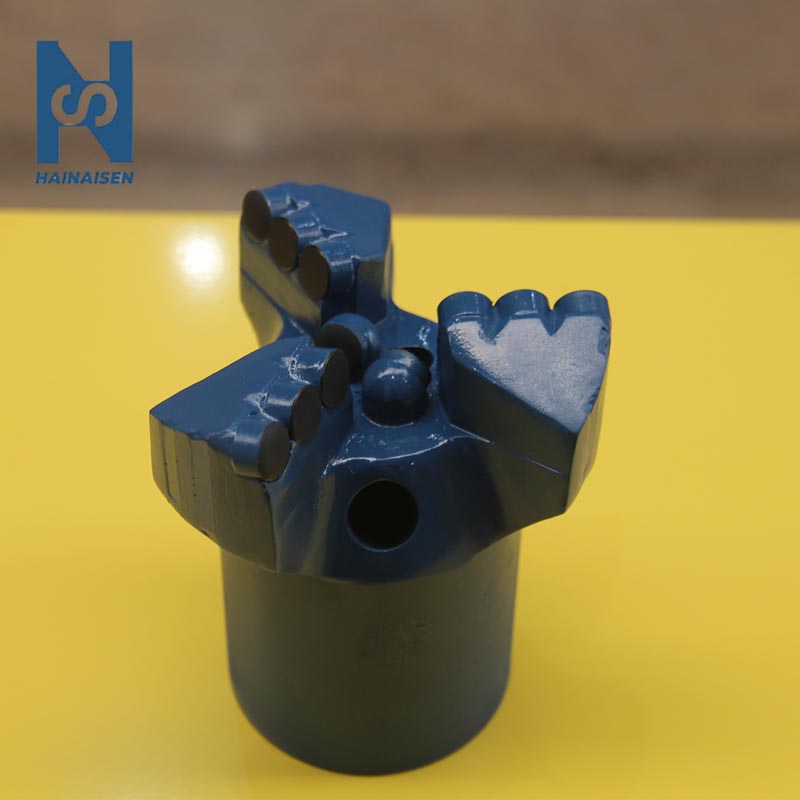 VIEW MORE3 Blades Steel Body PDC Bit
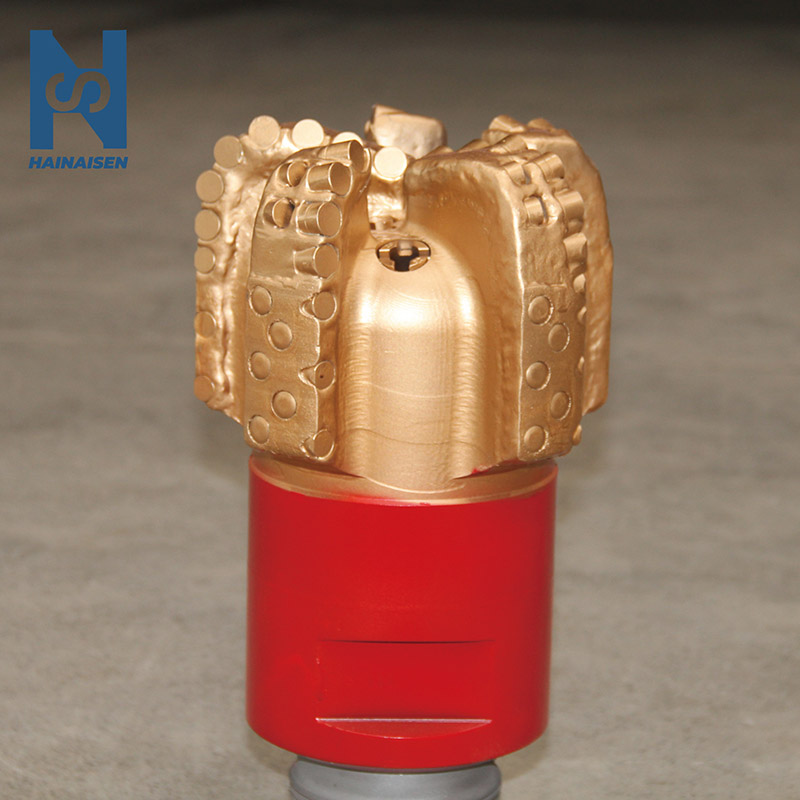 VIEW MOREDiamond PDC Drill Bit
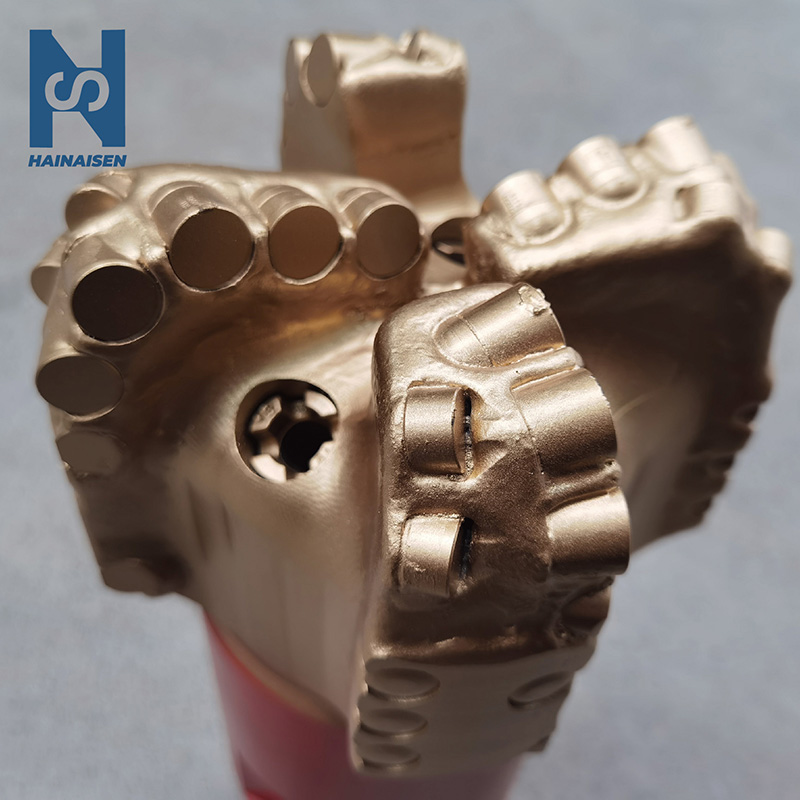 VIEW MOREFour Blade Wing Petroleum Drill Bit
 VIEW MORECoal Mines Use Haineisen PDC Drill Bits
