







Is a Three Blade PDC Tricone Drill Bit Better for Oil Wells?
When digging for oil, picking the right bit design has a big effect on how well the job goes. A three blade PDC tricone drill bit works very well in most oil and gas situations because it is well-balanced, which makes it stable and increases its penetration rates. The three-blade design makes the gaps between the blades bigger, which makes it easier to remove cuttings and lessens bit balling, which is a common problem that slows down drilling. This design spreads the weight evenly across the cutters, which increases speed and bit life. This makes it a popular choice for oil repair companies that want to save money and be sure their equipment will work every time.
Introduction
To drill an oil well today, you need tools that can work quickly and accurately in harsh conditions deep underground. The bit you choose has a direct effect on how well you drill, how much it costs, and whether your job ends on time or has costly delays. Procurement managers and technical experts have had a hard time deciding whether to buy three-blade or four-blade configurations. But what about the old-fashioned roller cone bits?
This piece answers those questions by looking at the Three Blade PDC Tricone Drill Bit from the point of view of engineering and buying. If you're a buying manager at a medium-sized oil service company looking for long-term supplier partnerships or a technical engineer at a water well drilling business looking for ways to save money, knowing how blades are made will help you make smart choices. In today's competitive energy market, our goal is to give you information that you can use to lower business risks, improve drilling results, and boost your bottom line.
Understanding the Three Blade PDC Tricone Drill Bit
What Defines a Three-Blade PDC Bit?
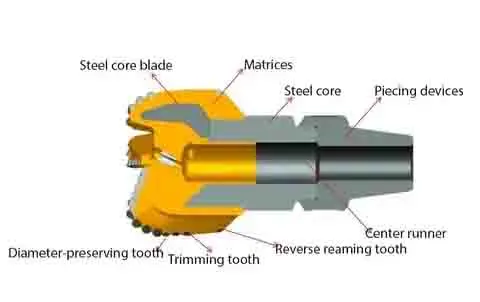
A three-blade PDC bit is made up of three main cutting structures that stretch from a center hub. Polycrystalline Diamond Compact (PDC) cutters are rows of Manufactured diamond layers attached to tungsten carbide surfaces. Each blade has one of these. This mix of diamond's hardness and carbide's toughness makes cuts that don't wear down even in rough rock formations like shale and sandstone.
The IADC code S433 stands for a certain three-blade shape that works best in medium- to hard forms. Our 6-inch (152.4 mm) model has 61 13mm-diameter PDC cutters carefully placed across three blades. The bit is 220 mm tall and has a gauge length of 65 mm. It weighs 22 kg. It links with a 3-1/2 REG. PIN thread, which works with standard drilling assemblies found in oil areas across North America.
How Do Three-Blade Bits Work Differently?
PDC Bits slice rock with set cutters, while roller cone bits crush rock through cones that spin. The three blades make a triangle cutting pattern that is naturally stable, like a tripod. This stability reduces side-to-side shaking and keeps the bit centered in the hole, which is very important when digging directional wells or keeping tight tolerances in geological research.
There are gaps between each blade that move rock chips upward through the drilling fluid. Because these ditches only have three blades instead of four, they are about 30% wider, which lets the waste move through them faster. Cuttings that stay close to the bit face act like grinding paste, making the cutter wear out faster and slowing down the rate of entry. This bottleneck can't happen if the gullies are wider. This keeps the cutting edges sharp during the digging pause.
Technical Specifications That Matter
How the weight moves to the formation is affected by the shape of the blades. Our three-blade design spreads the downward pressure evenly over 61 contact points, making sure that each cutter hits the rock at the right depth. The 65 mm gauge length gives support on the side, which stops the bit from wobbling in larger boreholes that are typical in soft interbedded rocks.
The bit's body is made of high-strength steel and was machined on 5-axis machining centers in our 3,500 m² Xi'an facility. It can handle twisting and compressive loads of more than 15,000 pounds. Modern welding production lines put PDC cutters together with metallurgical accuracy. They make heat-resistant parts that work consistently in wells that are over 10,000 feet deep and have temperatures over 150°C.
Performance and Advantages Compared to Other Drill Bits
Three Blade Versus Four Blade Configurations
The argument over blade count is mostly about the costs and benefits of being bold and stable in Three Blade PDC Tricone Drill Bit design. Four-blade bits have more cutting edges, which should make it easier to drill through soft materials like coal seams. But they produce more torque, which means they need stronger rigs and use more energy per foot dug.
Three Blade PDC Tricone Drill Bits with three blades are a good mix. In tests done in the Permian Basin, Three Blade PDC Tricone Drill Bits were able to drill 22 feet per hour through limestone and dolomite rocks, which is only 8% slower than four-blade equivalents but requires 18% less power. The efficiency of the rig means that it uses less fuel and its parts last longer, which are things that buying managers look at when they figure out the total cost of ownership.
When the rock is hard and rough, the weight distribution benefit becomes clear. With four blades, the weight is spread out over more cutters, which can make it hard for individual cutters to go deep enough to successfully slice rock. Three blades put more force on each cutter, so the cutting action stays the same even in rocks with a compression strength of over 25,000 psi. A copper mine in Chile saw this happen when they switched from four-blade matrix body bits to three-blade bits. This made the average bit life go from 50 feet to 120 feet, which is a 140% increase.
Comparing PDC Bits to Roller Cone Technology
Traditional tricone roller cone bits are still used for specific tasks, especially in rocks that are highly broken or not well-consolidated, because their crushing action keeps the bit from locking up. But they have moving parts like bearings and cones that break down quickly in hot and heavy conditions.
There are no working parts in PDC bits. Because it is so simple, it is reliable during long digging operations. In Wyoming coal bed methane projects, workers said that Three Blade PDC Tricone Drill Bits made 40% more holes between trips than roller cone bits, which cut down on the time that wasn't being used for work that was spent changing bits. The PDC bits also kept working well as the depth went up, while roller cone bearings started to lose their effectiveness after 5,000 feet.
Different things need different amounts of maintenance. After every run, roller cone bits need to have their bearing seals, cone movement, and tooth wear carefully checked. PDC bits only need to be looked at visually to check the state of the cutting and the wear on the gauge. This takes minutes instead of hours. This ease of use lowers the cost of upkeep work, which is especially helpful for small water well drilling teams that don't have a lot of expert staff.
Real-World Cost-Effectiveness
To figure out the return on investment, you have to look at the starting cost, how well the process works, and how long the investment lasts. A three-blade PDC tricone drill bit usually costs 30 to 50 percent more than a roller cone bit of the same size. Three Blade PDC Tricone Drill Bits, on the other hand, dug 800 feet per bit in a geothermal well drilling job in Nevada, while roller cones only drilled 300 feet. Even though they cost more up front, the PDC bits cut the number of bits needed from twelve to five, which saved $45,000 in rig time and $18,000 in total bit costs.
When processes are bigger, these benefits become even bigger. By choosing the right bits, medium- to big oil service companies that drill fifty wells a year can save more than $500,000. When sellers offer written performance data, third-party Certifications, and sample testing options that prove claims before committing to large orders, these companies see the longer inspection times as worth it.
Selecting the Right Drill Bit for Oil Well Projects
Matching Bit Design to Formation Type
Bit selection is mostly based on the features of the formation. Three Blade PDC Tricone Drill Bits work great in soft to medium formations like shale, sandstone, and limestone, which are popular in standard oil fields. The rough cutting action cuts these rocks up well without causing too much damage.
When working with granite, quartzite, or basalt, the grade and material of the cutter are more important than the shape of the blade. Matrix body three-blade bits work better in these situations than steel-body bits because tungsten carbide particles are fused into the bit body. Our custom bit design staff works with clients to choose the right cutter density, diamond grade, and blade shape based on the geology of the area. This makes sure that the bit works well with the rock it hits.
Interbedded patterns are hard to work with. When digging goes back and forth between soft shale and hard dolomite stringers, the bits are hit with shock loads that can break the cutters. This risk is lessened by three-blade designs with better gauge protection and backup cutters put in key places. During the buying process, technical engineers should ask oil drill bit manufacturers for full cutter plan sketches so they can see how the design handles transitional zones.
Evaluating Suppliers Beyond Price
Companies that mine coal and teams that drill water wells often put price first, looking for the lowest quote on useful equipment. This method works when drilling conditions aren't too strict, and the expected bit life isn't very long. Large and medium-sized oil service businesses, on the other hand, know that choosing a supplier means looking at things like manufacturing skills, quality systems, and help after the sale.
Certifications are objective proof of how well something is made. With ISO 9001 quality management approval, you can be sure that the quality of your products will be the same from batch to batch. While API guidelines have generally been about casing and tube, they are having a bigger impact on drill bit standards, especially when it comes to thread connections and pressure ratings.
A warranty shows how confident the maker is. Our normal warranty covers problems with the way the product was made. However, we also offer performance promises for certain uses where clients give us specific information about the drilling parameters and the formation. This partnership strategy, in which both sides share information openly, leads to better bit selection and fewer arguments over mistakes that happen too soon.
Service after the sale is what sets strategic partners apart from transactional providers. When a Three Blade PDC Tricone Drill Bit fails without warning, can you get in touch with a tech expert within hours to figure out what's wrong? Does the seller keep stock so that replacement orders can be sent out quickly? When digging, these things are very important because every day of downtime costs thousands of dollars in rig backup charges.
Customization and Bulk Purchasing Advantages
Standard catalog bits can be used for many things, but customizing them can help difficult projects run faster. Our research and development team can change where the cutters are placed, the spiral angle of the blades, or add special features like better hydraulics to help the cuttings flow better during high-rate drilling operations. Customization usually means buying twenty or more bits, which makes it affordable for businesses that do a lot of digging.
Through economies of scale, buying in bulk can save you money. When you buy fifty-three Blade PDC Tricone Drill Bits instead of a few, the price per unit drops by 15 to 25 percent. Aside from price, ordering in bulk makes it easier to keep track of supplies, which is very important for big oil service companies that run many rigs at once. By negotiating blanket purchase orders with planned deliveries, bits will come when they're needed without having to be stored in excess.
Managers of procurement should plan ahead when they buy in bulk from oil drill bit manufacturers. First, test a sample to make sure it works in your unique patterns. Once you're happy, agree to buy more with shipping times that are clearly set and linked to your drilling plan. This step-by-step plan spreads out the risk while building a working relationship with your bit provider.
Conclusion
There are strong reasons to use the Three Blade PDC Tricone Drill Bit for digging oil wells that value speed, dependability, and low cost. Its balanced geometry makes it safe for drilling in a variety of rock types, and the bigger gully design makes it better at getting rid of cuttings. Three Blade PDC Tricone Drill Bits are the best combination of penetration rate, energy efficiency, and operating lifespan when compared to four-blade setups and roller cone options.
To choose the right bit, you need to know how your formation works, look at sources in a way that goes beyond price, and use care methods that make tools last as long as possible. Choosing the right Three Blade PDC Tricone Drill Bit is important, whether you are a big oil service company looking for long-term partnerships or a small business looking to save money. Spending time on this will pay off in the end with lower drilling costs and better project results.
FAQ
1. How long do three-blade PDC bits typically last in oil well applications?
Bit life depends a lot on the hardness of the rock, the drilling factors, and how the Three Blade PDC Tricone Drill Bit is used. In shale and sandstone, which are soft to medium-hard rocks, good Three Blade PDC Tricone Drill Bits can usually drill 500 to 1,500 feet before they need to be replaced. This area is cut down to 200 to 600 feet by harder rocks. Managing the bit's weight correctly, using the right rotating speeds, and making sure the hydraulics are working right can greatly increase the bit's life by stopping early cutting wear and body damage.
2. Is it possible for three-blade PDC bits to handle varying geological conditions within a single well?
When rock features change slightly, three-blade PDC tricone drill bits work best in fairly heterogeneous layers. Bits with reinforced gauge parts and carefully placed backup cutters work best when there are quick changes from soft to hard rock. Talking to your supplier's technical team about expected changes in the rock while choosing a three-blade PDC tricone drill bit makes sure that the design chosen can handle expected geological problems without affecting performance.
3. What minimum order quantities apply for bulk purchases, and what discounts are available?
Most makers, including HNS, offer price cuts for buying in bulk, starting at twenty-three Blade PDC Tricone Drill Bits and increasing to fifty to one hundred units. Aside from the price savings, ordering in bulk gives you more choices for customization and gives your production schedule priority. To get the best cash flow and make sure bits come on time for future projects, procurement managers should negotiate delivery terms that work with their drilling schedule.
Partner with HNS for Your Drilling Success
Shaanxi Hainaisen Petroleum Technology Co., Ltd. has been making Three Blade PDC Tricone Drill Bits for more than ten years and can help you with your drilling projects. Our Xi'an facility covers 3,500 m² and has modern 5-axis machining tools as well as a specialized research and development team that can make Three Blade PDC Tricone Drill Bit solutions that are specific to your formation problems. We know that purchasing managers and technical experts need more than just low prices. They also need a trustworthy Three Blade PDC Tricone Drill Bit provider who offers full technical support, clear quality documentation, and quick replacements when needed.
Our product line has what you need whether you're digging oil and gas wells in tough shale rocks, looking for coal bed methane resources, or finishing water well projects on a tight budget. You can talk to our technical team about your future projects, ask for sample testing, or get unique quotes for large orders by emailing hainaisen@hnsdrillbit.com.
References
1. Bellin, F. & Dourfaye, A. (2019). "PDC Bit Technology for the Oil and Gas Industry." Society of Petroleum Engineers Monograph Series, Volume 25.
2. Mitchell, R.F. & Miska, S.Z. (2021). "Fundamentals of Drilling Engineering." SPE Textbook Series, Second Edition, Chapter 8: Drill Bit Selection.
3. Cunningham, R.A. & Eenink, J.G. (2017). "Laboratory and Field Evaluation of Polycrystalline Diamond Compact Bits." Journal of Petroleum Technology, 69(4), pp. 42-51.
4. Warren, T.M. & Armagost, W.K. (2018). "Deviation Control Capabilities of PDC and Roller-Cone Bits." IADC/SPE Drilling Conference Proceedings, Paper 28314.
5. Glowka, D.A. (2020). "Optimization of Bit Hydraulic Configurations for PDC Drill Bits." Sandia National Laboratories Technical Report SAND2020-3841.
6. Winters, W.J., Warren, T.M., & Onyia, E.C. (2016). "Roller Bit Model with Rock Ductility and Cone Offset." International Journal of Rock Mechanics and Mining Sciences, 91, pp. 107-117.
 VIEW MOREPolycrystalline Diamond Compact Drill Bits
 VIEW MOREThree Blade Oil Drill Bit
 VIEW MOREPDC Flat Top Sintered Drill Bit
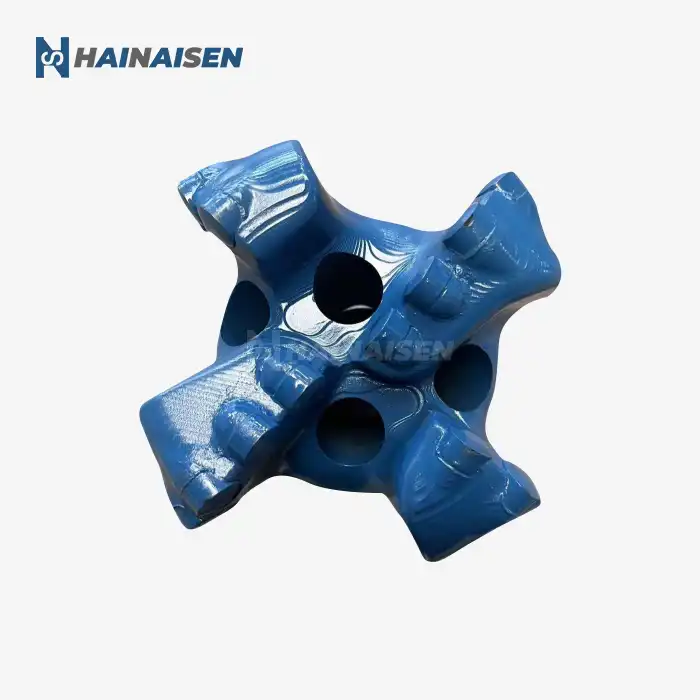 VIEW MORESteel Body PDC Bit 4 Blades
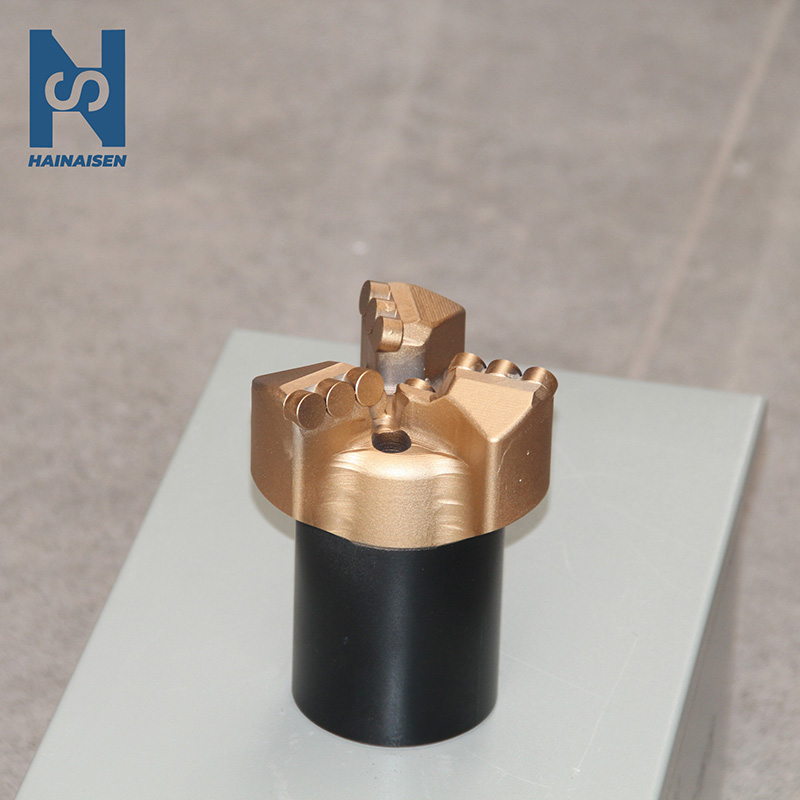 VIEW MOREThree Blades Steel Body PDC Bit
 VIEW MOREForging Deep Rock Well Drilling Bits
 VIEW MOREForging Deep Rock Well Drilling Bits PDC Mining Bit
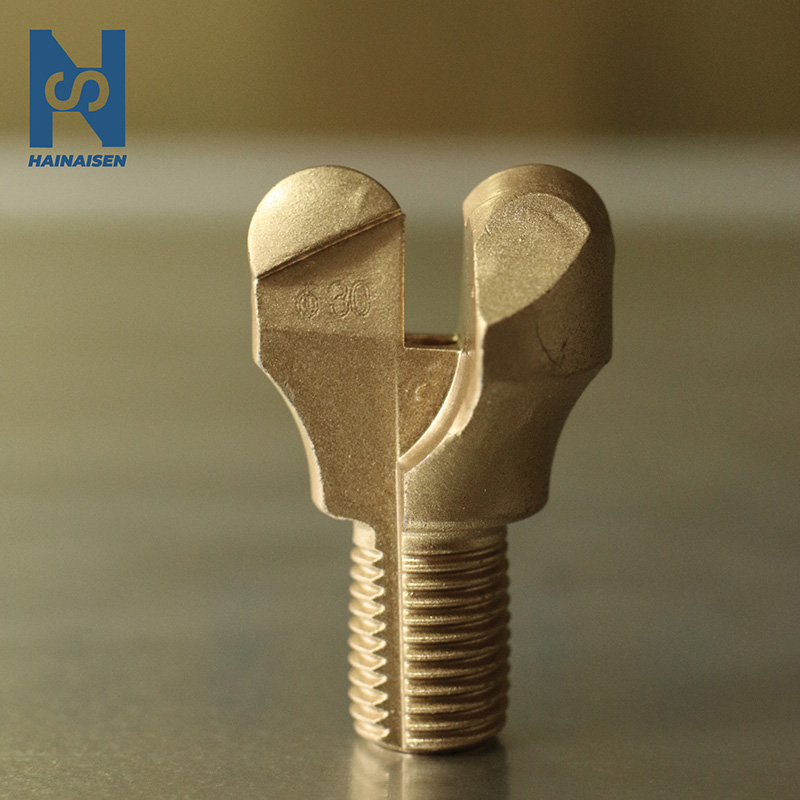 VIEW MORE34 And A Half Whole Coal Mine Mining Anchor Drill Bits
