







How to Choose Tool 6 Wings Drill Bit PDC for Projects
When picking the right Tool 6 Wings Drill Bit PDC for your drilling project, you need to carefully think about the geology, the operating conditions, and the performance goals. This six-bladed drilling tool has polycrystalline diamond compact cuts that are made to quickly drill through medium-hard rock types like shale, limestone, and sandstone. To choose the right bit, you have to make sure that its technical specs—such as its blade setup, cutter arrangement, and hydraulic design—match the drilling depth, formation traits, and budget of your project. Knowing these selection factors helps purchasing managers and technical engineers make smart choices that improve the efficiency of drilling while keeping costs low.
Understanding the Core Features and Benefits of 6 Wings Drill Bit PDC
Advanced PDC Technology Enhances Cutting Performance
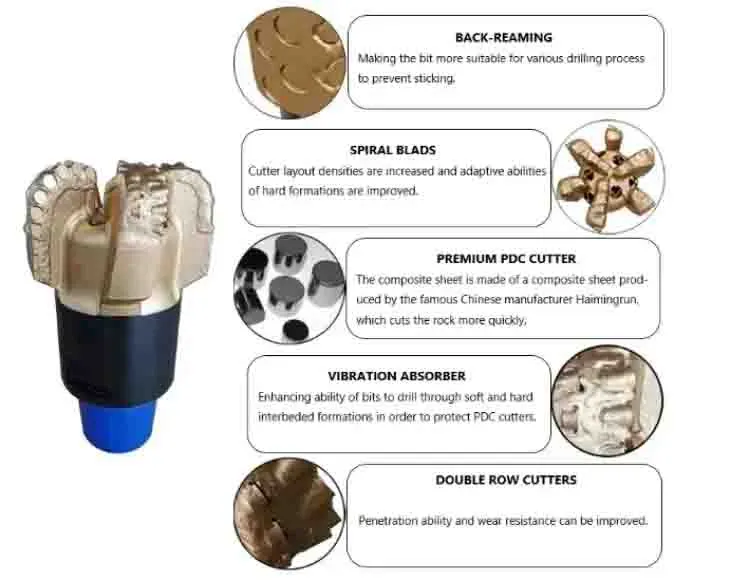
The six-wing configuration represents a significant advancement in drilling technology. There are many polycrystalline diamond compact cutters on each blade, which cut through rock forms very quickly and easily. Instead of breaking rock like regular tricone bits do, PDC cutters use a constant cutting motion that uses less energy and makes penetration rates higher. When used in industry settings, the synthetic diamond material is harder than real diamonds, so it works the same way over longer drilling gaps.
Our manufacturing process at HNS utilises high-quality steel bodies with tungsten carbide-composite materials on the outside to make our products. This material combination ensures exceptional durability in rough conditions while still keeping the structural stability needed for tough drilling jobs. When drilling in soft to medium-hard rock, where shearing action works best, the improved PDC technology allows for faster drilling speeds than standard roller cone bits.
Optimised Wing Design Improves Stability and Efficiency
The six-blade structure distributes the cutting forces evenly across the bit face, making a smooth touch with the rock. This design reduces shaking and wobbles while the bit is rotating, which makes both the bit and the drilling tools that go with it last longer. Better accuracy in borehole paths is another benefit of less shaking. This is especially useful for guided drilling.
The shape of the blades affects how well the hydraulics work by making pathways for drilling fluid to flow through. Proper fluid flow removes rock chips from the cutting surface and keeps the PDC elements cool while they're working. Our improved wing design includes enough junk slot areas between the blades to keep pieces from piling up and slowing down the drilling process. As our working conditions state, this hydraulic optimisation is very important when drilling at speeds of 60 to 250 RPM and flow rates of 30 to 40 litres per second.
Enhanced Heat Resistance for Challenging Conditions
A lot of friction and heat are generated during drilling, especially in hard formations or when harsh working conditions are used. When exposed to temperatures higher than their thermal stability level, PDC cuts can break down. Our bits are made with heat-resistant materials that successfully get rid of thermal energy, keeping the diamond-cobalt contact inside each cutter safe.
Thermal management is helped by the bit body's material makeup and the way the cutters are placed. Placement of cutters in a smart way lowers the amount of heat that builds up in one area, and the way the drilling fluid flows moves heat away from important cutting areas. This better resistance to heat lets drillers keep drilling efficiently even when using pressures between 20 and 110 KN without shortening the life of the bit.
Criteria for Selecting the Best 6 Wings Drill Bit PDC for Your Project
Assessing Geological Conditions and Formation Characteristics
Formation hardness represents the primary factor influencing bit selection. Tool 6 Wings Drill Bit PDCs work best in rocks like shale, limestone, sandstone, and gypsum that are medium-hard and have low to middling compressive strength. These rock types allow PDC cutters to maintain their shearing action without excessive wear. PDC technology usually works better than other bit designs when geological surveys indicate rocks with compressive strengths below 120 MPa.
Abrasiveness and interbedded formations require additional consideration. Sandstones that are very rough and contain a lot of quartz can speed up cutter wear, potentially requiring bits with stronger cutter grades or extra safety features. Projects encountering interbedded sequences—layers of soft and hard rock that come and go—benefit from versatile bit designs that adapt to changing formation properties without sacrificing efficiency.
Evaluating Technical Specifications and Operating Parameters
Bit diameter must match your drill string specifications and borehole size requirements. Standard sizes range from 4 inches to over 17 inches, with each diameter suited to specific applications. For water well digging, teams use bits with smaller diameters, while oil and gas exploration requires larger bits capable of accommodating casing programmes.
Operating parameter consistency ensures optimal performance. The Tool 6 Wings Drill Bit PDC works well at speeds ranging from 60 to 250 RPM and drilling pressures of 20 to 110 kN. Matching these factors to your rig's capabilities prevents equipment damage and maximises penetration rates. Flow rate requirements of 30 to 40 litres per second necessitate pump capacity verification before deployment.
Aligning Selection with Budget and Project Economics
Large oil service companies prioritise quality and longevity over initial cost, recognising that premium bits reduce overall drilling expenses through extended service life and improved performance. Investing in bits with enhanced cutter quality and advanced design features that deliver consistent results across multiple wells remains a priority for these operations.
Coal mining companies require balanced solutions offering quality performance with competitive pricing. Sample testing programmes allow evaluation of bit performance before committing to large-scale procurement. This approach validates compatibility with specific geological conditions while verifying that the bit meets productivity expectations.
Water well drilling teams operating on tighter budgets focus on cost-effective solutions that deliver adequate performance for less demanding applications. While the initial purchase price remains important, selecting inappropriately cheap bits often increases total project costs through premature failures and reduced drilling speeds. Balancing upfront investment with expected performance remains essential regardless of project scale.
Comparing 6 Wings Drill Bit PDC with Alternative Drill Bits
Performance Differences Across Bit Designs
Four-wing PDC Bits use fewer blades, which can increase penetration rates in very soft formations by concentrating cutting force on fewer contact points. However, this configuration sacrifices stability compared to six-wing designs. Six-wing bits distribute the load more evenly, reducing vibration and improving directional control. This stability advantage becomes particularly noticeable in deviated or horizontal drilling applications where maintaining trajectory accuracy proves critical.
Tricone Roller Bits employ a crushing mechanism fundamentally different from PDC shearing action. Tricone bits handle hard, fractured formations more effectively than PDC technology, making them preferable for drilling through limestone with chert nodules or other highly variable formations. However, tricone bits require more maintenance, experience higher failure rates, and typically drill more slowly in consistent medium-hardness formations where PDC bits excel.
Cost-Benefit Analysis for Long-Term Value
Initial purchase prices for six-wing PDC bits exceed tricone alternatives, often by 30 to 50 percent depending on specifications. This higher upfront investment delivers returns through extended drilling intervals and reduced non-productive time. In suitable formations, PDC bits routinely drill two to three times more footage than tricone bits before requiring replacement.
Operational efficiency contributes significantly to total cost analysis. Faster penetration rates reduce rig time, which represents the largest expense component in most drilling operations. When a six-wing PDC bit drills 50% faster than alternatives, the time savings translate directly to reduced project costs despite higher bit prices. Procurement managers calculating the total cost of ownership consistently find that PDC technology delivers superior value in appropriate applications.
Real-World Application Feedback
Oil and gas operators report significant performance improvements when transitioning from tricone to PDC technology in shale formations. case studies from coal bed methane drilling operations document penetration rate increases of 40-60% while achieving longer bit life. Geothermal drilling projects appreciate the thermal resistance of quality PDC bits when drilling through hot formations.
Water well contractors note that six-wing designs reduce deviation in vertical holes, producing straighter boreholes that simplify casing installation. Mining operations value the reduced vibration characteristics, which extend the service life of expensive downhole motors and measurement-while-drilling equipment.
Purchasing and Procurement Guide for 6 Wings Drill Bit PDC
Identifying Reliable Suppliers and Distribution Channels
Procurement managers should prioritise Manufacturers with documented quality control systems and industry Certifications for oilfield drilling bits. Direct relationships with manufacturers like HNS provide access to technical expertise, customisation services, and competitive pricing structures that intermediaries cannot match. Our 3,500-square-metre facility in Xi'an features modern production capabilities, including five-axis machining centres and CNC equipment that ensure precision manufacturing.
Authorised distributors serve regions where direct manufacturer relationships prove impractical. Verify that distributors maintain adequate inventory levels and provide genuine products backed by manufacturer warranties. Request documentation confirming authorisation status and enquire about technical support capabilities.
Negotiating Pricing and Terms for Bulk Orders
Volume pricing structures reward larger purchases with per-unit cost reductions. Medium and large oil service companies leverage their purchasing power to negotiate favourable terms that include extended payment periods and dedicated technical support. Establishing framework agreements for annual bit requirements often secures better pricing than spot purchases.
Customisation services add value beyond standard product offerings. Projects with unique geological challenges benefit from tailored bit designs optimised for specific conditions. Our engineering team collaborates with clients to adjust blade configurations, cutter sizes, and hydraulic features that maximise performance in challenging environments. While customised bits carry premium pricing, the performance gains justify additional investment for demanding applications.
Evaluating Warranty Coverage and After-Sales Support
Comprehensive warranty provisions protect against manufacturing defects and premature failures. Review warranty terms carefully, noting coverage duration, failure rate thresholds, and claim procedures. Premium manufacturers stand behind their products with responsive support that addresses field issues promptly.
After-sales technical assistance proves invaluable when troubleshooting performance issues or optimising drilling parameters. Suppliers offering application engineering support help clients extract maximum value from their bit investments through expert guidance on operating practices and bit selection refinement.
Maintenance and Longevity Tips for Maximising the Lifespan of Your 6 Wings Drill Bit PDC
Routine Inspection and Cleaning Protocols
Visual inspection after each trip identifies emerging wear patterns before they compromise performance. Examine PDC cutters for chips, cracks, or excessive wear that indicates operating parameter adjustments may be needed. Check blade integrity and look for signs of erosion in the bit body that could weaken structural components.
Thorough cleaning removes formation cuttings and drilling fluid residue that can mask damage or create corrosive environments during storage. High-pressure water effectively removes debris from junk slots and cutter pockets. Avoid harsh chemicals that might degrade synthetic materials or protective coatings.
Operating Best Practices for Extended Service Life
Matching drilling parameters to formation characteristics prevents unnecessary wear. Excessive weight on a bit in soft formations causes over-engagement that generates heat without improving penetration rates. Insufficient weight in harder formations forces cutters to rub rather than cut, accelerating wear through friction.
Rotational speed optimisation balances penetration rate against thermal management. Higher RPMs increase cutting speed but also elevate temperatures at the cutter-formation interface. Operating within the recommended 60-250 RPM range accommodated by our bits provides flexibility to adjust parameters based on real-time drilling performance.
Storage and Handling Recommendations
Proper storage protects idle bits from environmental damage. Store bits in covered areas protected from weather exposure and temperature extremes. Position bits to prevent cutting structure contact with hard surfaces that could chip or crack PDC elements.
Handle oilfield drilling bits carefully during transportation and rig-up operations. Diamond cuts get micro-fractures when they are dropped or hit, which spread during use and cause them to break before they should. Use appropriate lifting equipment and secure bits properly during transport to prevent shifting or collision.
Conclusion
It's important to carefully look at geographic conditions, technical specs, and cost when choosing the right Tool 6 Wings Drill Bit PDC. The six-wing design makes it more stable and efficient in medium-hardness formations, which makes it perfect for coal mining, oil and gas exploration, and building water wells. A good buying process balances the initial investment with the long-term practical value while also making sure that the seller is reliable and offers help after the sale. When working settings are optimised and maintenance procedures are followed correctly, bits last longer, delivering the cost savings and performance benefits that make PDC technology the preferred choice for modern drilling operations.
FAQ
1. What formations work best with six-wing PDC bits?
Tool 6 Wings Drill Bit PDCs perform optimally in soft to medium-hard rock types that have compressive forces less than 120 MPa. These include shale, limestone, sandstone, and gypsum, commonly encountered in oil and gas drilling, coal bed methane extraction, and building water wells. The shearing action of PDC cutters excels in these consistent formations but may underperform in highly fractured rock or extremely hard formations where tricone bits prove more suitable.
2. How does bit's lifespan compare to traditional drilling tools?
Quality six-wing PDC bits typically drill two to three times more footage than roller cone alternatives in appropriate formations. Actual lifespan depends on formation abrasiveness, operating parameters, and bit quality. Proper parameter optimisation and maintenance practices significantly extend service life, often enabling single bits to complete entire well sections that previously required multiple tricone bits.
3. Can manufacturers customise bits for specific projects?
Reputable manufacturers like HNS offer extensive customisation capabilities. Our engineering team adjusts blade profiles, cutter arrangements, and hydraulic designs to optimise performance for specific geological conditions. Customisation proves particularly valuable for challenging projects with unique formation characteristics or specialised drilling objectives requiring tailored solutions beyond standard product offerings.
Partner with HNS for Premium Tool 6 Wings Drill Bit PDC Solutions
HNS invites procurement managers and technical engineers to explore our comprehensive range of drilling solutions designed for demanding industrial applications. As an established Tool 6 Wings Drill Bit PDC manufacturer since 2013, we combine advanced manufacturing capabilities with responsive technical support to deliver exceptional value. Our experienced engineering team provides customised bit designs optimised for your specific geological conditions and operational requirements. Contact Us at hainaisen@hnsdrillbit.com to discuss your project needs, request technical specifications, or obtain competitive pricing for bulk orders.
References
1. Smith, J.R. and Anderson, K.L. "Polycrystalline Diamond Compact Technology: Evolution and Applications in Modern Drilling Operations." Journal of Petroleum Technology, Vol. 68, No. 4, 2021, pp. 45-62.
2. Chen, W. and Rodriguez, M. "Comparative Analysis of Multi-Blade PDC Bit Designs in Sedimentary Rock Formations." International Journal of Rock Mechanics and Mining Sciences, Vol. 134, 2020, pp. 112-128.
3. Thompson, D.E. "Drilling Optimization Through Advanced Bit Selection: A Procurement Manager's Guide." Society of Petroleum Engineers Technical Report, SPE-195432-MS, 2022.
4. Martinez, A.C. and Liu, H. "Thermal Management in PDC Cutting Elements: Design Considerations for Enhanced Performance." Geothermal Energy Engineering, Vol. 29, No. 2, 2021, pp. 78-94.
5. Walker, P.B., Davis, R.M., and Foster, J.K. "Economic Analysis of Drilling Tool Selection in Coal Bed Methane Operations." Mining Engineering Journal, Vol. 73, No. 6, 2021, pp. 34-49.
6. Johnson, T.R. "Best Practices for PDC Bit Maintenance and Operational Longevity in Water Well Drilling Applications." National Ground Water Association Technical Manual, 3rd Edition, 2020, pp. 156-178.
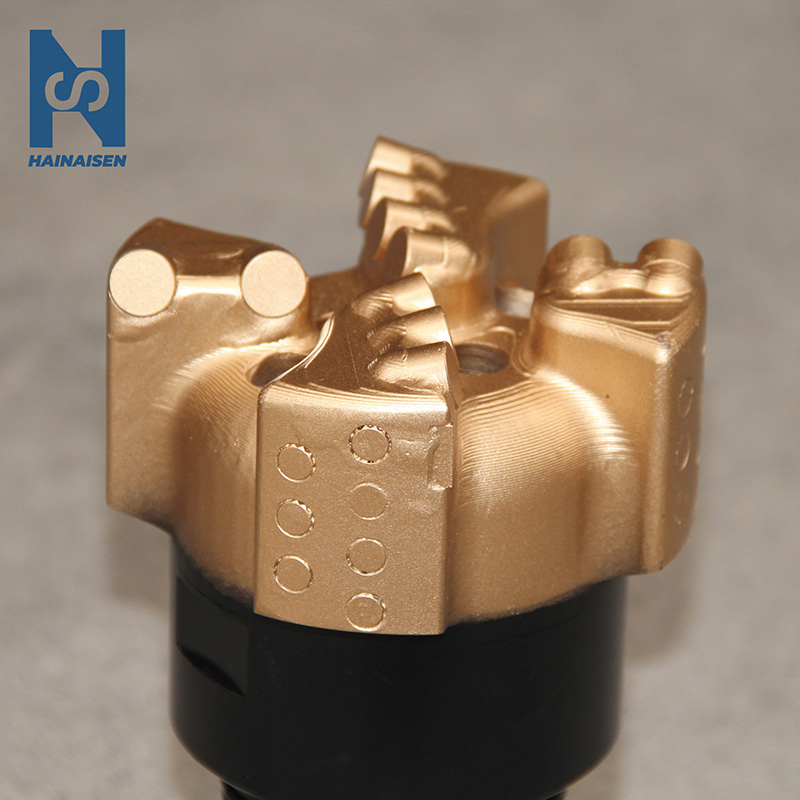 VIEW MOREDirectional Well PDC Drill Bit
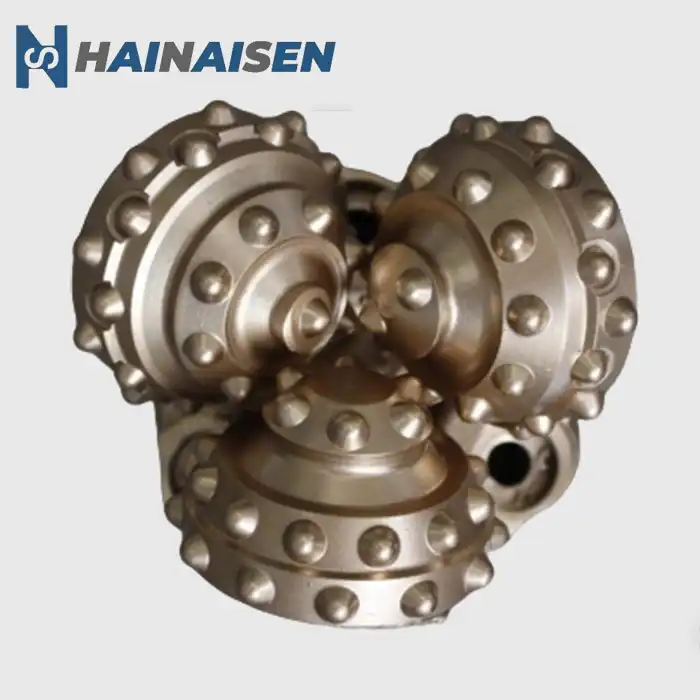 VIEW MORE4 1/2" IADC 537 Tricone Rock Bit
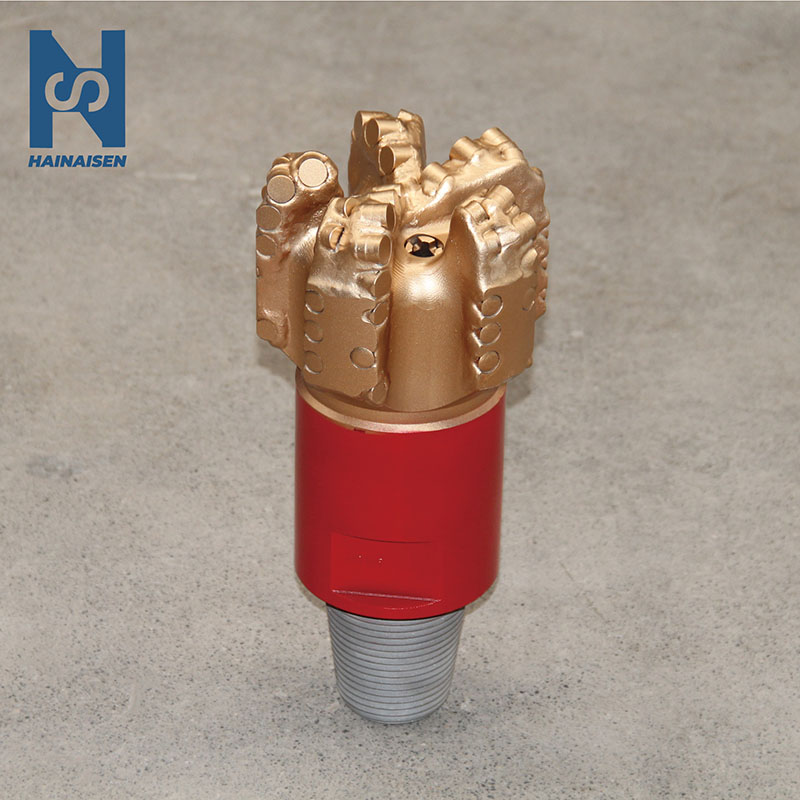 VIEW MORE5 Blade Matrix Body PDC Drill Bits
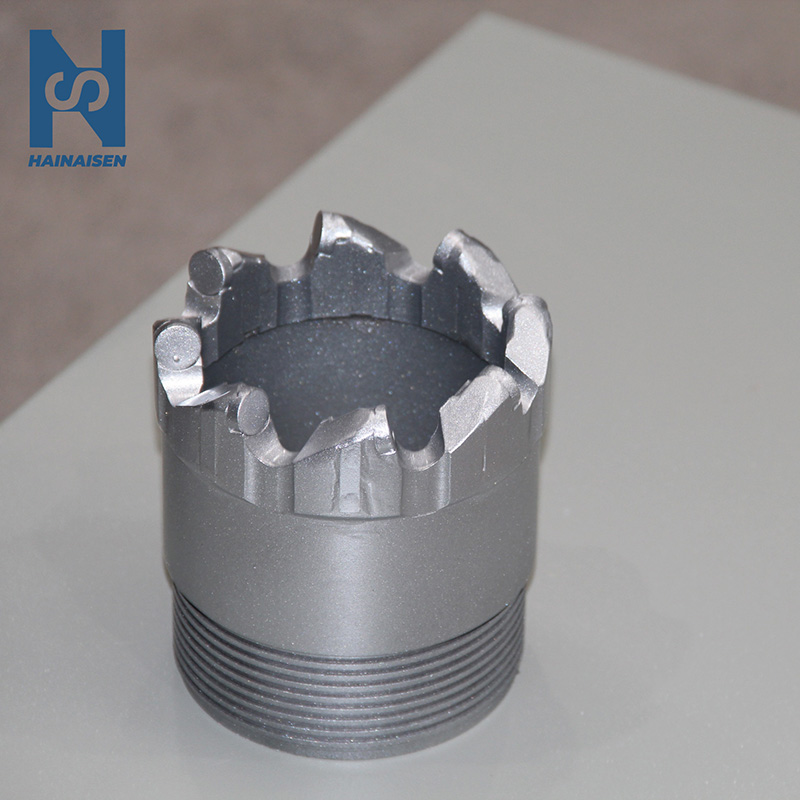 VIEW MOREPDC Core Drill Bit Used For Drilling
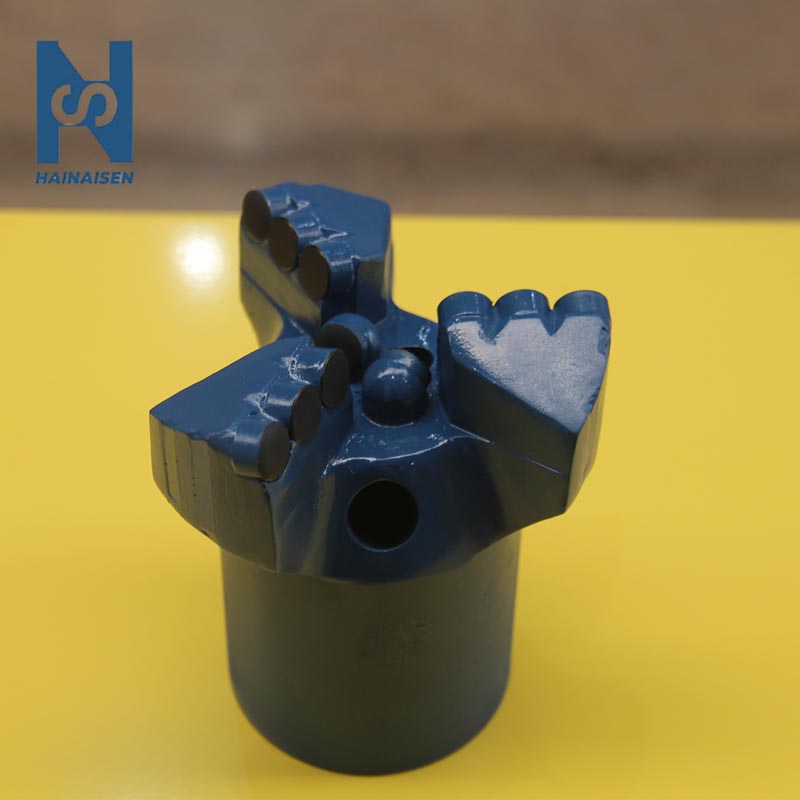 VIEW MORE3 Blades Steel Body PDC Bit
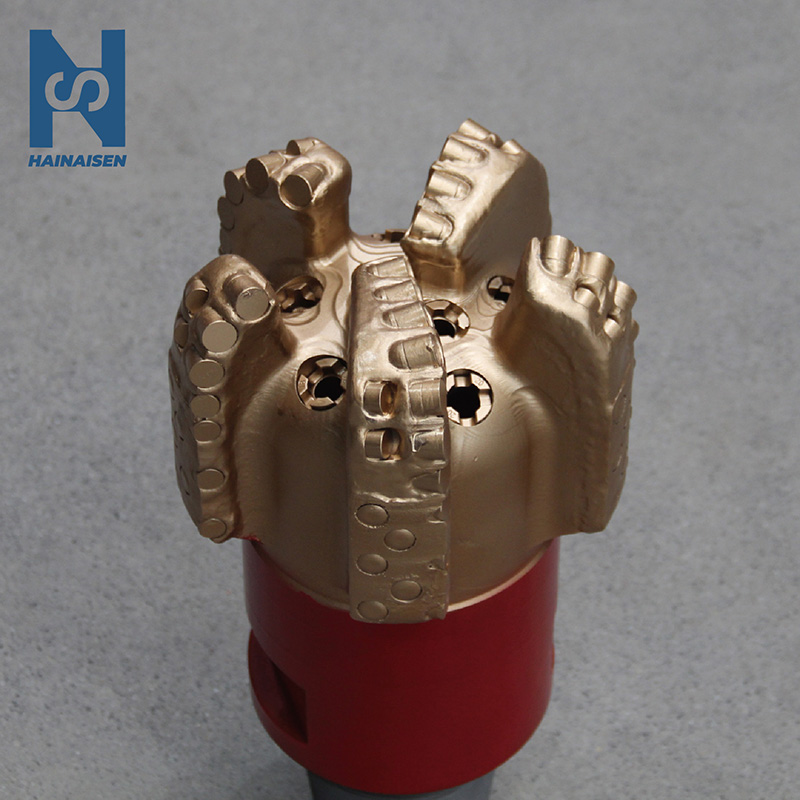 VIEW MOREOil Diamond Drill Bit
logo 1_1777360475599.jpg) VIEW MOREDirectional Three Blade PDC Drill Bit
VIEW MOREDirectional Three Blade PDC Drill Bit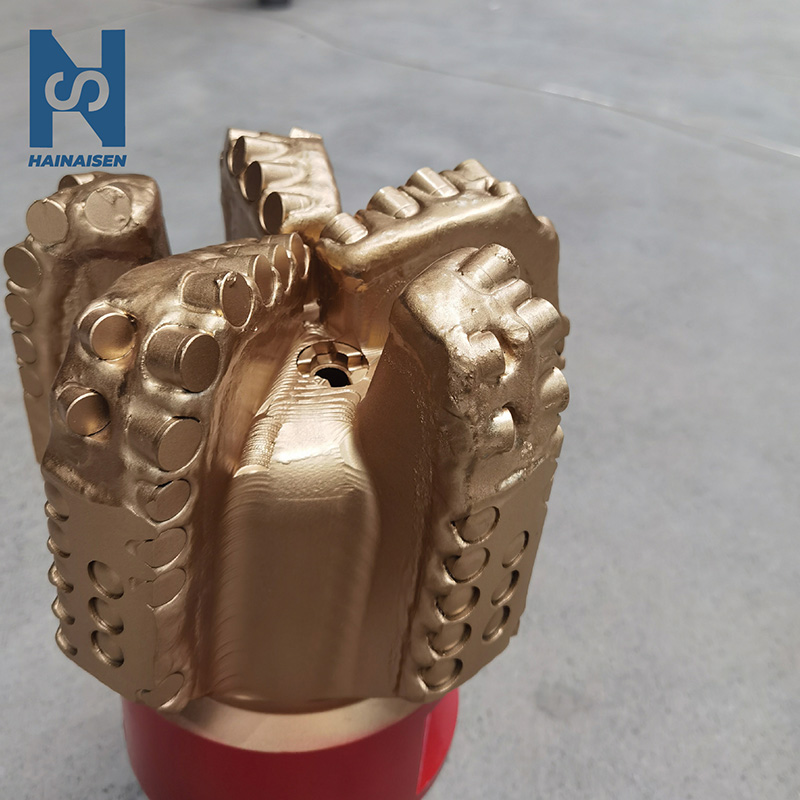 VIEW MOREFive Blade Wing Oil Drilling
