







Five Blades Oil Well Drill Head Design for Enhanced Stability
The Five-Blade Oil Well Drill Head is a big step forward in drilling technology. It was designed to deal with stable problems in hard rock types. This special tool has a balanced five-blade design that spreads cutting forces evenly across the bit face. This keeps the bit from whirling and causing noises while it's working. Polycrystalline Diamond Compact (PDC) cutters are carefully placed on each blade of the design. This allows for regular penetration rates while still keeping control over the direction of the cut. This setup works especially well in medium-hardness rocks, where regular drill bits often have trouble with uneven wear and performance that is hard to predict.
Understanding the Five Blades Oil Well Drill Head Design
Core Structural Components and Mechanics
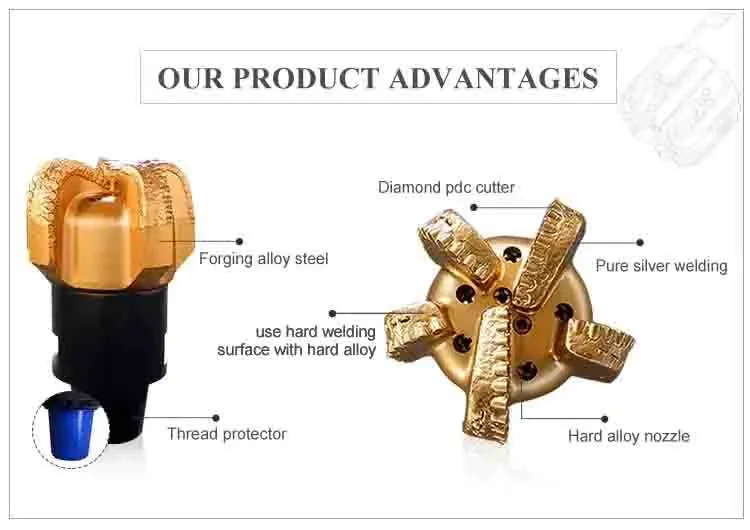
The advanced structural engineering of this Five Blades Oil Well Drill Head is what makes it work so well. The shape of each blade was carefully determined to make the best use of cutting angles and load distribution. From the bit's center to its outside circle, the blade shape goes outward, making five separate cutting zones that work together. Between these blades, junk holes make it easier to remove debris, keeping cuts from building up and causing drag that could slow down penetration rates.
The material usually has a steel or matrix body that is strengthened with tungsten carbide pieces placed in key wear areas. This design makes it last longer in rough places while still keeping the structural strength needed for high-torque uses. The PDC cutters that are inserted across the blades make them very hard, which means that the bit can keep its cutting edges sharp for long drilling campaigns.
Blade Geometry and Hydraulic Optimization
The shape of the blade has a direct effect on how well and how stable the cutting is. The five blades work together to make the best mix between cutting quickly and turning steadily. The rake angle of each blade controls how strongly it cuts into the shape, and the back rake controls how chips are made and removed. These angles are set based on what the formation is expected to be like, which makes sure the bit works well across its entire operating range.
The design includes hydraulic flow paths that help with cooling and clearing away the cuttings. High-pressure drilling fluid is sent to the cutting surfaces by nozzles placed carefully across the bit face. This keeps the cutting surfaces at the right temperature and keeps the debris clear. This hydraulic system works well with flow rates of 20 to 35 liters per second, giving enough force to move cuts to the top without causing too many pressure drops that could weaken the security of the borehole.
Advantages and Technical Features of Five Blades Oil Well Drill Heads
Enhanced Operational Stability
When drilling in heterogeneous formations, bit steadiness is often a problem, especially when moving between layers of rock that are different in strength. This problem is solved by the five-blade design, which has a balanced cutting structure. Instead of three-blade designs that might not load evenly or six-blade designs that might create too much drag, the five-blade setup is the best of both worlds.
This stability directly leads to more predictable drilling paths, which means that corrected steering is not needed as much in directional drilling situations. Engineers say that using Five Blades Oil Well Drill Heads in rocks with interbedded shale, limestone, and sandstone sequences leads to less downhole tool wear and fewer instances of bits breaking too soon.
Technical Specifications That Matter
Knowing the working factors helps procurement teams make smart choices. These tested areas are where our drill heads work:
- Rotational Speed Range: 80–300 RPM, which gives you options to match the strength of the rock and your drilling goals.
- Drilling Pressure Capacity: 10–100 kN, which can handle both soft rocks that need little weight on the bit and harder layers that need more force.
- Hydraulic Flow Requirements: 20–35 LPS, aimed at removing cuttings efficiently without putting too much stress on the pump.
- Target Formations: Shale, limestone, sandstone, and gypsum layers, as well as other medium-hardness layers with low to intermediate compression strength.
Because of these features, the drill head is perfect for jobs where the rock formation is changing and flexible tools are needed instead of very specific bits made for small application windows.
Cost-Efficiency Through Extended Service Life
Wear resistance has a direct effect on the cost of a job. When compared to roller cone bits or basic PDC designs, the operating life of PDC cutters that are strategically placed on strengthened blade surfaces is greatly increased. Field data from operations that collect coal bed methane show that these Five Blades Oil Well Drill Heads regularly get 30% more footage per bit than other types of drill heads used in similar formations.
Less frequent repair means fewer trips to change bits, which cuts down on wasted time and the costs that come with it. This benefit is especially useful for operators who work with water well drilling teams, since moving equipment and rig downtime are high costs for smaller operations with tight profit margins that depend on how well the plan works.
Comparative Analysis: Five Blades vs. Other Drill Head Designs
Performance Metrics Across Blade Configurations
Different types of blade designs are used in the drilling business, and each has its own benefits, including the Five Blades Oil Well Drill Head. With their aggressive cutting action and big junk holes, three-blade bits are good for soft forms that need a high penetration rate. But their uneven loading can make them less stable in forms that are harder or more abrasive and where horizontal forces are strong.
Six-blade designs are very stable because their structure is very uniform, but they often have a lower penetration rate because they have more touch area and friction. The extra blades make more cutting areas, which sounds like a good thing, but it actually means that more torque is needed and more heat builds up, which can speed up wear in long-term operations.
A perfect balance is reached with the five-blade design. The testing results show that the entry rates are about 20–30% higher than with six-blade designs, and the steadiness is better than with three-blade designs. This configuration regularly works better than others in medium-hardness formations in a number of ways, such as rate of penetration, directional control, and total footage reached before replacement is needed.
Market Adoption Trends and Industry Preferences
More and more, oil service companies are asking for Five Blades Oil Well Drill Heads to be used in exploring wells where the rock is changing and needs flexible tools. This trend shows that people are realizing that operating flexibility is more cost-effective than buying specific equipment that is only good for a few types of tasks. Purchasing managers at medium to large companies say that using the same five-blade designs makes managing supplies easier and makes sure that all projects are completed successfully.
Geological research teams working in frontier areas value the reliable performance qualities because it's hard to choose the right tool when the formation data is unclear. The wide working range of the five-blade design lowers risk in these situations, giving faith that the bit will work well even if geological models used before drilling turn out to be wrong.
Procurement Guide for Five Blades Oil Well Drill Heads
Evaluating Supplier Capabilities
If you want to find a trusted manufacturing partner, you need to look at more than just price. Quality approvals show that a supplier is committed to consistent production standards. Manufacturing skills show if a supplier can meet specific needs or only make standard designs. When a company has its own research and development team, it can usually provide better technical help and make goods fit specific needs.
Lead times are very different between providers. Standard requirements can usually be met within weeks by well-known makers with enough stock, but highly customized designs may take months from the time an order is placed until it is delivered. Large operators planning multi-well campaigns need to be able to place bulk orders because volume prices and coordinated shipping plans have a big effect on the project's finances.
Pricing Considerations Across Market Segments
The price of a five-blade oil well drill head depends on the quality standards, material requirements, and source position. Beginner goods that can be used in water wells usually have basic prices that make them appealing to buyers who care more about cost than long-term performance. Mid-range choices are a good compromise between price and quality, making them popular with coal mining companies that want solid performance without having to pay a lot.
High-specification drill heads made with advanced materials, precise production, and strict quality control cost more, but they work better and last longer, so the extra cost is worth it. Large oil service companies usually think this investment is a good idea because the extra cost is almost nothing when you add up the extra footage and the time you save by not having to do work.
Warranty and After-Sales Support Framework
Comprehensive warranty coverage guards against flaws in the manufacturing process and early failure, but the terms vary a lot from one provider to the next. Standard guarantees usually cover flaws in the materials or the work that was done that are found within certain time limits or operating parameters. Having access to technical support makes it easier to figure out problems with performance, find the best cutting settings, and make sure that tools last as long as possible by using them correctly and keeping them in good shape.
Customer service teams that can respond quickly to questions about oil drill bits are very useful, especially when decisions need to be made quickly during busy drilling activities. Beyond the concrete product itself, suppliers who give field service support or expert representatives who know about the geology of the area add value.
Why Choose Our Five Blades Oil Well Drill Head?
For more than ten years, Shaanxi Hainaisen Petroleum Technology Co., Ltd. has worked to improve Five Blades Oil Well Drill Head technology for use in tough situations around the world. Our Xi'an factory is 3,500 square meters and has high-tech production tools like 5-axis machining centers and precise CNC machine tools that make sure the quality of every unit we make is the same.
When they create something, our engineers use their many years of experience in the field to take into account what operators in the coal mining, oil and gas research, geological surveying, and water well drilling sectors have to say. This real-world information helps make product changes that solve real-world problems instead of just measuring performance in an academic way.
The technical advantages built into our design are substantial:
- Exceptional Cutting Efficiency: Better blade shape and placement of PDC cutters allow for faster penetration rates, which cuts down on drilling time and costs across all of your activities.
- Superior Stability: The balanced five-blade design reduces shaking and side-to-side movement, keeping downhole equipment safe and making it easier to control direction in well paths with lots of turns.
- Extended Tool Life: Premium materials and smart strengthening at wear places make tools last longer, so they don't need to be replaced as often, and workers don't have to wait as long to get back to work.
- Efficient Debris Management: Bigger junk holes and better hydraulic flow patterns keep pieces from building up, so performance stays the same throughout the drilling interval.
- Broad Formation Compatibility: It was designed to work reliably in medium-hard rock layers like shale, limestone, sandstone, and gypsum, which are popular in research and production work.
- These benefits directly address the goals that purchasing managers and technical experts tell us over and over again: reliable performance, predictable prices, and quick help when questions come up.
Our way of making things puts an emphasis on both quality and versatility. Standard specs work well for most uses, but our custom bit design department can change the blade shapes, cutter configurations, and structural elements to deal with specific formation problems or drilling goals. This feature is especially useful for directional drilling, activities that take place at sea, or natural situations where standard tools don't give the best results.
Our supply chain is set up to serve business-to-business customers quickly and effectively, whether you're a big oil service company planning a multi-well campaign or a regional drilling contractor who needs fast delivery for a job coming up. Our team knows what drilling companies have to deal with every day, like tight project schedules and limited budgets that mean they have to weigh the initial investment against the total cost of ownership.
Quality assurance methods are built into every step of the production process to make sure that the end product, including the oil drill bit, meets foreign standards. Before it is shipped, every Five Blades Oil Well Drill Head goes through a strict check to make sure it meets all the requirements for size, material, and structure. This level of attention to detail cuts down on field fails and the costs that come with them, which can throw off project plans when equipment doesn't work as it should.
Conclusion
The Five Blades Oil Well Drill Head is based on tried-and-true technology that gives real benefits in stability, speed, and operating costs across a wide range of drilling tasks. Its balanced design solves problems that users in coal bed methane extraction, oil and gas research, water well drilling, and geological mapping face in the real world. Technical features like improved blade shape, smart placement of PDC cutters, and effective hydraulic systems lead to faster penetration rates, longer tool life, and less downtime. Because these performance traits have a direct effect on project costs and timelines, choosing a drill head is not just a matter of buying something. Working with a Manufacturer with a lot of knowledge guarantees you can get good products, professional help, and the ability to make changes that will improve the results of your drilling.
FAQ
1. How does the five-blade design improve drilling stability compared to other configurations?
The five blades spread the load evenly across the bit face, which lowers the side forces that make the bit spin and vibrate. This balanced structure stays in contact with the formation even when it's rotating, so there isn't a lot of random movement that makes it hard to control the direction. This design works especially well in heterogeneous forms where rock hardness changes, because the balanced cutting action keeps the bit from deflecting randomly when moving from one layer to the next.
2. What criteria should guide the choice between five-blade and six-blade drill heads?
This choice is based on the objectives of formation strength and penetration rate. Because there is less touch area and friction, five-blade versions can go deeper into medium-hardness formations. When control is more important than speed, six-blade designs are the most stable. This is especially true when digging in difficult directions or through very rough rock formations. Instead of thinking that one design always works better than others, this choice should be based on operational goals and geological conditions.
3. Can five-blade drill heads be customized for unique well conditions?
Manufacturers with a good reputation offer customization options such as changed blade shapes, special PDC cutter grades, and changed hydraulic features. Custom designs are made to solve particular problems, like rough formations that need better wear resistance or soft formations that work better with aggressive cutting shapes. Working with the supplier's engineering team helps figure out the best specs based on data about the formation and the goals of the digging.
Partner with HNS for Superior Five Blades Oil Well Drill Head Solutions
Shaanxi Hainaisen (HNS) has the best Five Blades Oil Well Drill Head technology in the business and is ready to help you with your drilling projects. Our engineering team has a lot of experience matching tool specs to formation traits. This way, you can be sure that you're getting the best equipment for your needs. We provide responsive service that is suited to your operational realities, whether you are a big oil service company that needs a steady supply of high-quality products in large quantities or a drilling contractor looking for cost-effective solutions for water well projects. We are a reliable source for Five Blades Oil Well Drill Heads, and we offer factory-direct prices, easy order management, and fast shipping all over the world. You can talk to us about your needs, get technical specs, or set up product samples that show how committed we are to quality and speed by emailing hainaisen@hnsdrillbit.com.
References
1. Schlumberger Oilfield Glossary. (2022). Polycrystalline Diamond Compact Drill Bits: Design Fundamentals and Performance Characteristics. Schlumberger Limited Technical Publications.
2. American Petroleum Institute. (2021). API Specification 7-1: Rotary Drill Stem Elements, Ninth Edition. API Publishing Services, Washington, D.C.
3. Mitchell, R.F., & Miska, S.Z. (2020). Fundamentals of Drilling Engineering, Second Edition. Society of Petroleum Engineers, Richardson, Texas.
4. Winters, W.J., Warren, T.M., & Ziaja, M.B. (2019). PDC Bit Technology Evolution and Performance Optimization in Diverse Formations. SPE Drilling & Completion Journal, 34(2), 145-162.
5. Glowka, D.A. (2018). Development and Testing of Multi-Blade PDC Bits for Enhanced Stability in Directional Drilling Applications. Journal of Petroleum Technology, 70(8), 56-68.
6. Chen, S., & Guo, B. (2017). Hydraulic Optimization of PDC Drill Bits: Effects on Cooling, Cleaning, and Rate of Penetration. International Journal of Oil, Gas and Coal Technology, 15(3), 298-315.
 VIEW MOREBest Diamond Drill Bits
 VIEW MOREFour Blade Wing High Performance Petroleum Drill Bit
 VIEW MOREPolycrystalline Diamond Compact Drill Bits
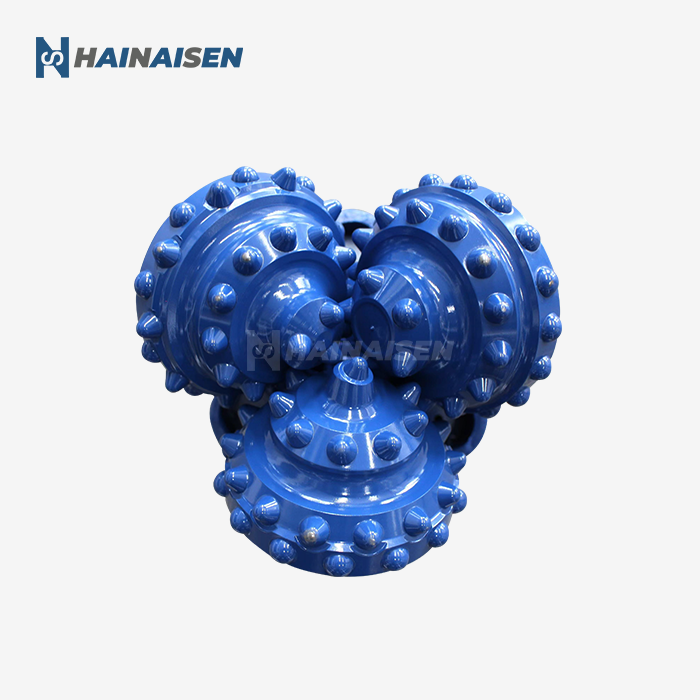 VIEW MOREHard Alloy Roller Drill Bit
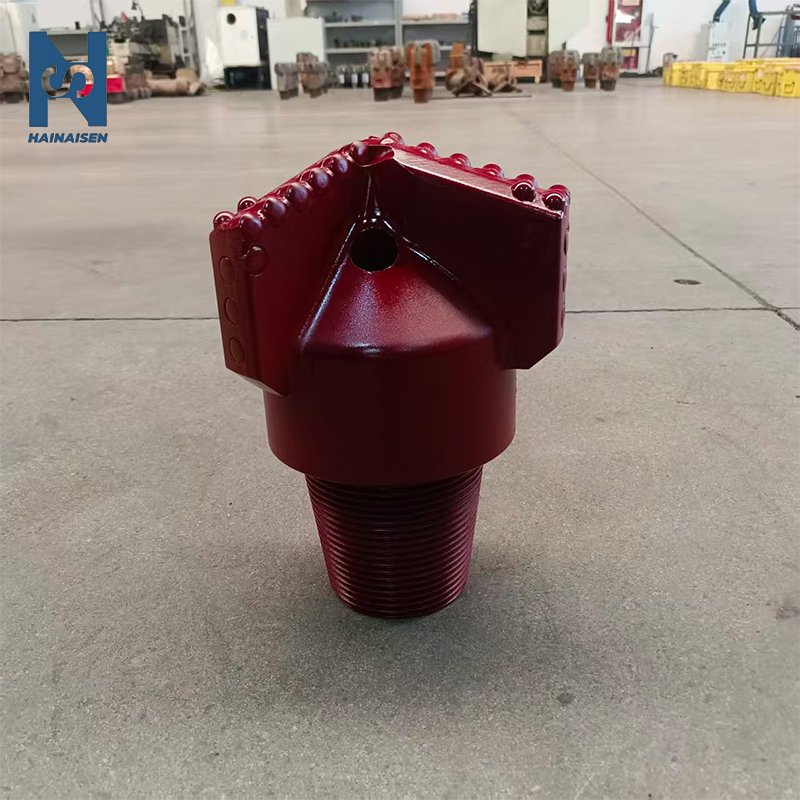 VIEW MOREHard Alloy Scraper Drill Bit
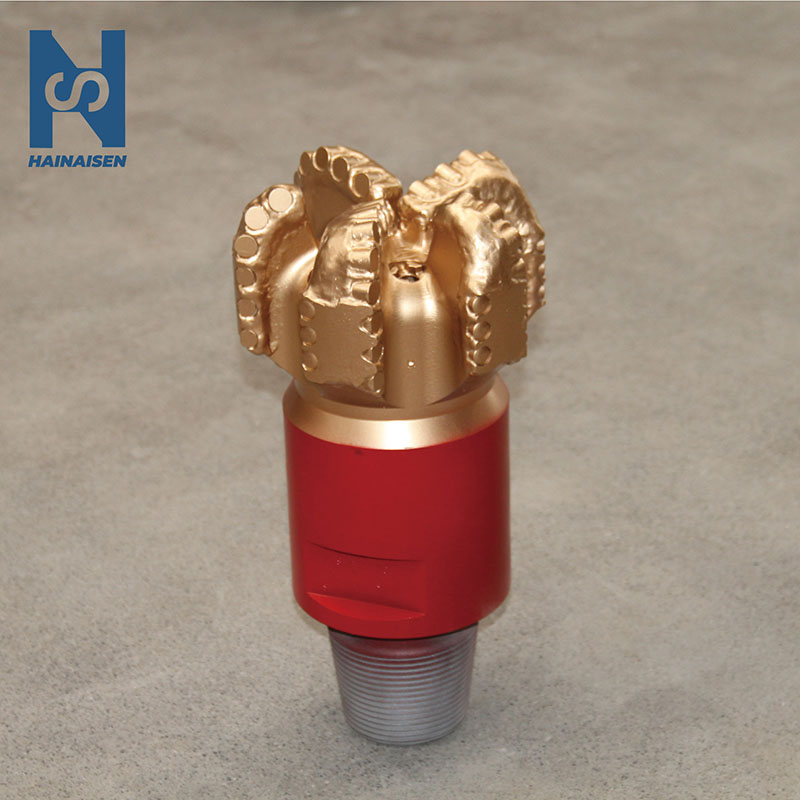 VIEW MOREFive Wing PDC Bit For Hard Rock Drilling
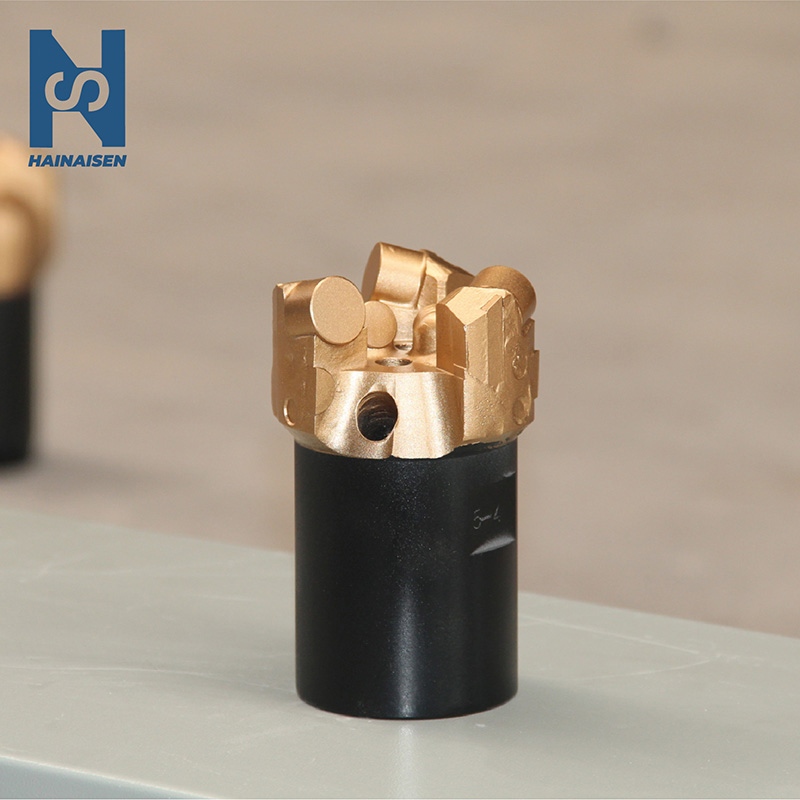 VIEW MORECoal Mining PDC Drill Bits
 VIEW MORESteel Tooth Bit
