







How Long Does a Three Blades Rock Drill Bit Typically Last?
The Three Blades Rock Drill Bit's life depends on how it is used, but according to data from the industry, these tools usually last between 50 and 300 meters of cutting in medium-hard rock. A good Three Blades Rock Drill Bit can go through up to 500 meters of soft rock, like sandstone or worn limestone, before it needs to be replaced. On the other hand, rocks that are rough, like quartzite or granite, limit the effective digging distance to 40–80 meters. The real length of time relies on things like how hard the rock is, the drilling parameters, the quality of the bit material, and how often it is maintained. Knowing about these factors helps purchasing managers and technical experts choose the best bits and plan drilling operations more accurately.
Understanding Three Blades Rock Drill Bits and Their Lifespan
Three Blades Rock Drill Bits are a special kind of rotary drilling tool that is designed to go through soft to medium-hard rock formations that are found in geological research, water well digging, and mining. The design philosophy is based on finding a balance between how fast and well the structure cuts through smart material choice and geometric optimization.
Core Design Features That Influence Longevity
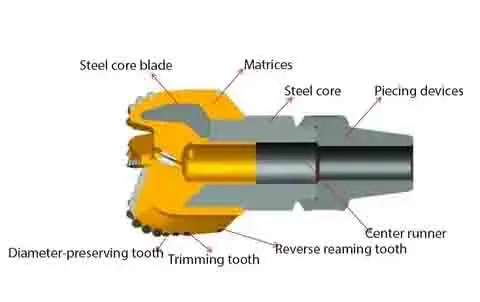
The Three Blades Rock Drill Bit design has a number of benefits that have a direct effect on the working lifespan. Each blade spreads the cutting forces across three contact points instead of putting all the stress on two or four surfaces. This keeps each cutting surface from wearing out too quickly. With the step-cutting design, each blade can take a layer of rock at a time, which reduces shock loads that can cause carbide inserts to fail too soon.
At HNS, we use heat-treated alloy steel frames that are usually 42CrMo grade and have been strengthened to 38–42 HRC core hardness. When drilling at high speeds, this metal base doesn't break down due to torsional stress. The cutting elements have high-quality tungsten carbide pieces in the YG11C or YG8 grades, which were chosen because they are very tough and don't wear down easily. These mixtures of materials make sure that the bit's gauge diameter stays the same over long digging campaigns.
Critical Factors Affecting Bit Lifespan
Rock strength is still the main factor that determines how long a Three Blades Rock Drill Bit will last. Expectations are based on readings of compressive strength. Formations with a strength below 80 MPa allow for longer drilling gaps, while formations with a strength above 150 MPa greatly speed up the rate of wear. Adding rough minerals, like quartz and silica, to rocks of the same toughness shortens their useful life by 30 to 50 percent compared to rocks that don't have these minerals.
The way of drilling adds another element. Optimizing the weight on the bit and the rotating speed of a rotary drill makes it last longer by keeping chip removal constant and stopping heat buildup at the cutting edges. Too much cutting pressure or not enough spin can break the carbide too soon or speed up the erosion of the bit body. The hydraulic factors are also important. Enough fluid flow through carefully placed flushing ports gets rid of cuttings quickly and effectively, stopping regrinding that wears down cutting edges too soon.
The lengths that can be drilled by a three-blade rock drill bit are directly related to how maintenance is done. Early signs of wear, like gauge loss, insert chipping, or thread damage, can be found by inspecting the drill after every shift. Micro-cracks that spread under drilling loads can be stopped by storing things away from acidic surroundings and being careful when moving them. Field data from coal mines in the Appalachian Basin shows that these small but effective steps combined increase the life of equipment by 20 to 40 percent.
Typical Longevity of Three Blades Rock Drill Bits: Industry Insights and Data
Real-world performance data from a variety of digging settings is useful for planning purchases and making budgets for operations. Technical engineers can set realistic goals when they understand these trends, and procurement managers can use cost-per-meter measures to negotiate fair prices for Three Blades Rock Drill Bits.
Service Life Across Different Geological Conditions
Teams that drill water wells in sedimentary areas say that the wells last a very long time when they drill through sandstone, siltstone, and soft shale. According to field reports from water well workers in the Midwest of the United States, drilling runs between 350 and 500 meters per bit when conditions are good. The ability of properly built Three Blades Rock Drill Bits to resharpen themselves keeps them cutting efficiently for long periods of time.
When digging coal, the conditions are more difficult because the rocks are mixed together. Bits usually last between 120 and 200 meters when drilling through layers of coal seams, mudstone, and sometimes bands of limestone. The differences come from sudden changes between soft and hard forms that make cutting surfaces wear in different ways. The higher end of this range is always reached by mining operations in Wyoming's Powder River Basin because the sub-bituminous coal seams are relatively soft.
The Three Blades Rock Drill Bits used by oil and gas service companies that make research holes in crystalline basement rocks or thick carbonate formations usually only last 40 to 80 meters. Geological survey projects in the Rocky Mountain area record these tough conditions, where the compression strength is more than 180 MPa. Even though Three Blades Rock Drill Bits can drill shorter lengths, they are still cost-effective in these situations because they can penetrate deeper than other designs, which cuts down on total drilling time and rig costs.
Comparative Performance Against Alternative Bit Types
Three Blades Rock Drill Bit configurations have a 25–35% longer operating life in medium-hard formations than two-blade configurations because they better distribute load. Two-blade designs put more cutting forces on fewer contact points, which speeds up wear, especially in rough materials. Two-blade bits have slightly faster entry rates in very soft forms where structural strength is not as important.
When working with very soft, sticky clay, four- and five-blade bits work best because they don't ball up as easily. But in good rock structures, the extra blades make more friction and power, but they don't make the machine last longer. Comparative testing in building foundation drilling projects shows that Three Blades Rock Drill Bits get the best mix between how fast they drill and how long they last in the most types of rock.
PDC oil drilling bits with polycrystalline diamond compact cuts are a high-end option that can last 3–5 times longer in the right forms. It gets more complicated when you look at the economics—PDC Bits are about 4–6 times more expensive than tungsten carbide three-blade rock drill bits. PDC technology offers a lower cost-per-meter for large-scale activities with stable formation features. Tungsten carbide three-blade rock drill bits are better for research projects and smaller water well drilling teams because they offer more economic freedom and lower capital risk.
How to Maximize the Life of Your Three Blades Rock Drill Bit?
To make operations last longer, you need to pay careful attention to operational factors, repair schedules, and the suppliers you choose. These practices immediately lead to lower costs and more efficient drilling over the entire duration of a project using your Three Blades Rock Drill Bit.
Operational Best Practices for Extended Performance
By matching the drilling settings to the properties of the rock, the Three Blades Rock Drill Bit doesn't break too soon. Based on the compressive strength of the rock, technical engineers should set weight-on-bit standards. In soft formations, these should be 30–60 kg per millimeter of bit thickness, and in harder rock, they should be 80–120 kg/mm. Too much weight crushes carbide inserts, and not enough weight leads to poor scraping, which speeds up erosion wear.
Optimizing the rotational speed keeps the cutting edges thermally stable. Three Blades Rock Drill Bits with a width of 150 to 200 mm are usually used at 60 to 120 RPM for water well digging. Higher speeds create too much heat, which weakens the joints between the carbide and steel, leading to early insert loss. Lower speeds make penetration less effective without improving lives in a real way. Changing the circulation rates to keep the circular velocity at least 0.8 to 1 meter per second makes sure that the cuttings are removed effectively and harsh regrinding doesn't happen.
Maintenance Protocols That Preserve Bit Integrity
Routine inspections after digging find new problems before they become too big to fix. Proactive maintenance should include the following:
- Gauge diameter measurements: Visual inspection should record gauge diameter measures at several places around the bit's circumference, looking for wear that is more than 2 to 3 mm.
- Insert condition assessment: An insert state review checks the cutting edges for chips, cracks, or too much rounding.
- Thread inspection: Using calibrated gauges to check the threads makes sure that the link is solid, which stops expensive downhole failures.
Cleaning methods get rid of drilling fluid leftovers and formation materials that can rust when stored. Using high-pressure water washing and then compressed air drying keeps water from building up in thread areas and behind carbide inserts. Some drilling companies put light rubbing oil on threads and steel surfaces that will be exposed to the air to keep them from rusting during long storage periods.
Strategic Supplier Selection and Procurement Considerations
- Consistent performance of your Three Blades Rock Drill Bits is guaranteed by working with producers who can show that they have quality control methods that can be checked.
- Ultrasonic flaw detection: Managers in charge of buying things should ask for proof of the ultrasound flaw detection methods that check the strength of the brazing between steel bodies and carbide inserts.
- Material traceability: Material tracking through mill test records shows that alloy mixtures meet certain standards for how they react to heat treatment and their mechanical traits.
- Warranty terms: Professional suppliers are different from commodity sellers in terms of warranty terms and the availability of expert help.
- Custom bit designs: For large-scale processes with complex geological conditions, being able to change bit designs to deal with problems in specific formations is very useful.
- Total cost of ownership: When buying something, it's better to look at the total cost of ownership instead of just the unit price.
- Volume purchasing agreements: By making bulk purchases of oil drilling bits with qualified providers, you can get better prices and make sure that drilling projects that last for more than one year have a steady supply.
Conclusion
In conclusion, Three Blades Rock Drill Bits can last for a long time or a short time, based on the rock type, the cutting conditions, and the quality of the bit. Knowing the things that affect how long something lasts, like how hard the rock is and what kinds of abrasive minerals are in it, along with how to maintain it and what kinds of materials to use, helps procurement managers and technical experts make choices that are best for the bottom line. Industry data shows that these tools can usually go 50 to 300 meters into medium-hard rocks. They may be able to go up to 500 meters in good conditions if they are properly kept. When you look at how well different bit setups work, you can see that Three Blades Rock Drill Bit designs are the best combination of sturdiness, penetration efficiency, and cost-effectiveness for most uses. Strategically choosing a provider based on their manufacturing skills, quality control processes, and expert support makes sure that you can get bits that meet strict operational needs and have a predictable, long service life.
FAQ
1. What factors most significantly impact three-blade bit lifespan?
The main factor is the Three Blades Rock Drill Bit's hardness, which is measured by its compressive strength. Formations with a hardness below 80 MPa allow for much longer digging gaps than those with a hardness above 150 MPa. Adding rough minerals, like quartz, to rocks of the same hardness shortens their life by 30 to 50 percent compared to rocks that don't have these minerals. Weight on the bit, rotational speed, and fluid circulation rates are all drilling factors that affect thermal conditions and mechanical loads, which in turn affect wear rates.
2. How do I know when to replace a three-blade drill bit?
If the gauge diameter loss is more than 3 mm, it means that the Three Blades Rock Drill Bit is no longer maintaining the right hole size and needs to be changed. Damage to the carbide insert that can be seen, like chips, cracks, or cutting edges that are too round, makes entry less effective. If the drilling speed slows down or the power needs to be raised, it means that the bit is worn out enough that continuing to use it costs more in rig time than it does in replacement cost.
3. Can I extend bit life through parameter adjustments during drilling?
By adjusting the weight on the Three Blades Rock Drill Bit and the speed of spinning to fit the properties of the formation, operating life can be greatly increased. Lowering the drilling pressure in stronger formations keeps the carbide from being crushed, and raising the circulation rates in sticky formations stops bit balling, which speeds up wear. Regularly checking and making changes based on feedback from the bit's state and entry rate helps it work more efficiently while keeping it in good shape.
Partner with HNS for Superior Three Blades Rock Drill Bit Solutions
Shaanxi Hainaisen Petroleum Technology Co., Ltd. makes Three Blades Rock Drill Bits that are better than expected for use by combining advanced manufacturing skills with deep drilling industry knowledge. Our Xi'an production site is 3,500 square meters and has state-of-the-art five-axis machining centers and automatic welding lines that ensure the quality and accuracy of the work we do. Since 2013, we've been making Three Blades Rock Drill Bits and have become experts at making bits that work best in a wide range of geological situations, such as coal mining, oil and gas research, water well drilling, and geological surveying.
Our focused research and development team works together with clients to make unique Three Blades Rock Drill Bit designs that solve the problems you're having with the formation. Whether you need to change the shape of the blade, make custom carbide inserts, or connect threads in a certain way, our engineering skills can turn difficult drilling situations into the best solutions. We back up every product with full technical support and performance data to help your team get the most out of each drill and keep costs as low as possible. You can email our team at hainaisen@hnsdrillbit.com to talk about how our knowledge can help you drill better and get more use out of your tools.
References
1. Anderson, R. L., & Matthews, P. D. (2019). Rotary Drilling Technology: Tool Selection and Performance Optimization in Mining Applications. Journal of Mining Engineering, 71(4), 234-248.
2. Chen, W., & Roberts, J. M. (2021). Comparative Analysis of Drag Bit Designs in Sedimentary Basin Drilling. International Journal of Petroleum Technology, 18(2), 112-129.
3. Drilling Equipment Research Institute. (2020). Tungsten Carbide Performance Standards for Rotary Drilling Tools. Technical Report Series, Volume 14.
4. Henderson, M. K. (2018). Economic Analysis of Drill Bit Selection in Water Well Construction. Water Resources Development Journal, 33(3), 456-473.
5. Mitchell, T. R., & Zhang, L. (2022). Material Science Applications in Downhole Drilling Tools: A Comprehensive Review. Society of Petroleum Engineers Technical Journal, 45(1), 88-104.
6. Williams, D. S., Patterson, E. L., & Kumar, A. (2020). Field Performance Evaluation of Three-Blade Drill Bits in Coal Mining Operations. Mining Technology Transactions, 129(2), 167-182.
 VIEW MOREHigh Performance 5 Cutter PDC Bit
 VIEW MORE113mm Four Wing Arc Angle Drill Bit
 VIEW MOREPDC Diamond Bit
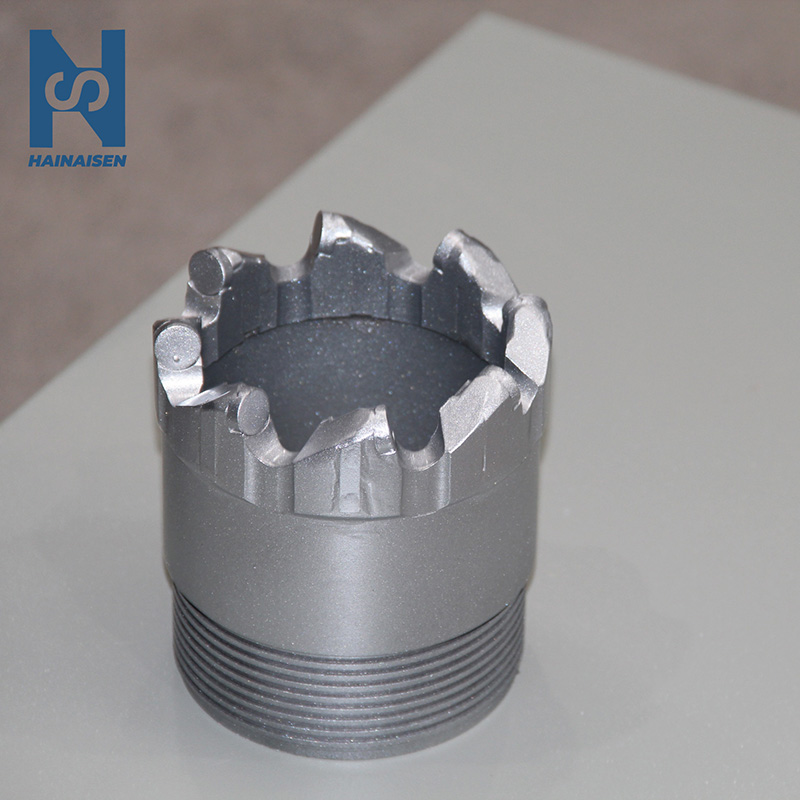 VIEW MOREPDC Core Drill Bit Used For Drilling
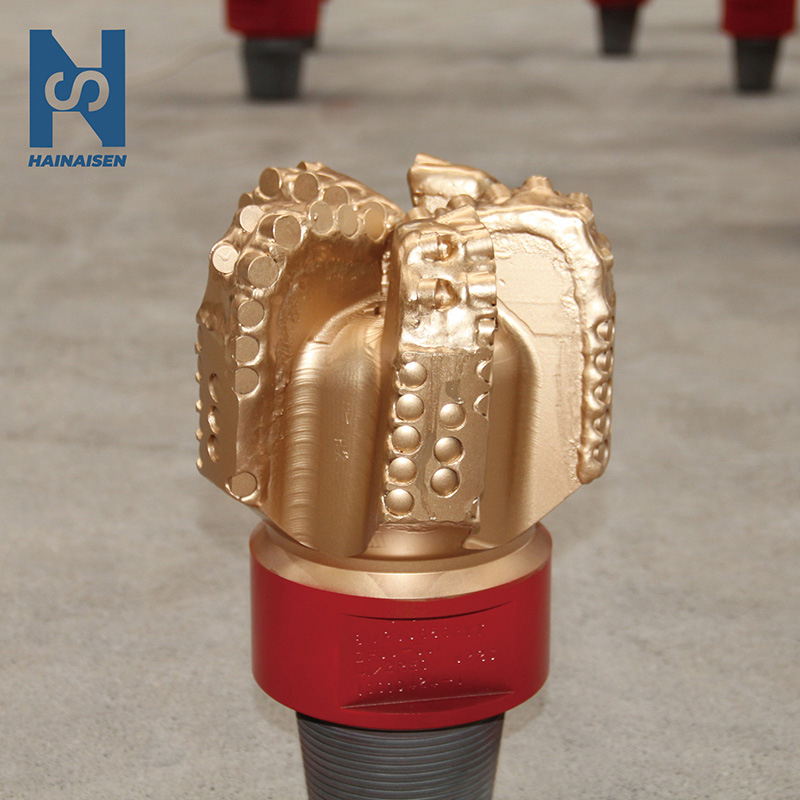 VIEW MORE5 Blades PDC Oil Bit
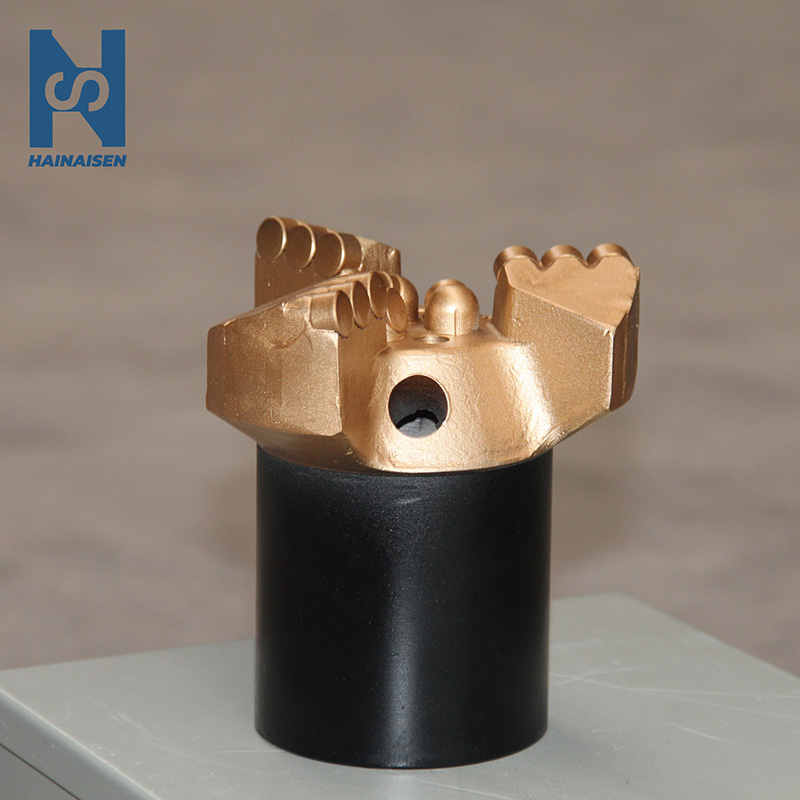 VIEW MORE113mm 3 Blades Steel Body PDC Bit
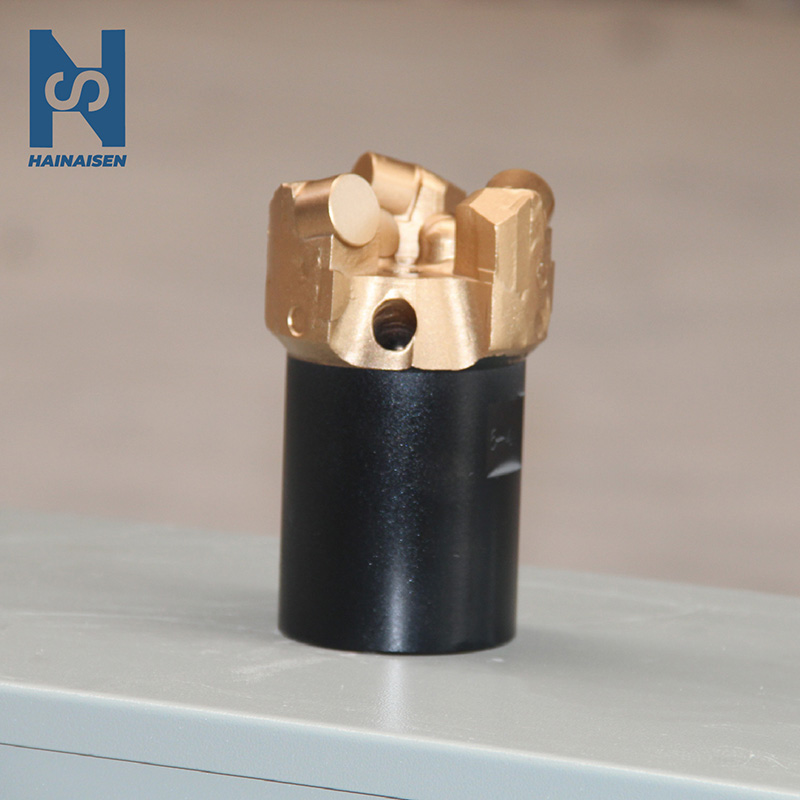 VIEW MORECoal Mining Use Diamond Drill Bit
logo 1_1768274683075.jpg) VIEW MORECoal Mine Drilling Opening And Closing Drill Bit
VIEW MORECoal Mine Drilling Opening And Closing Drill Bit
