







Best Five Blades Oil Well Drill Head for Hard Rock Formations
When digging for oil and gas in hard rock formations, the choice of drill head has a direct effect on how well the job goes and how much money is saved. The Five Blades Oil Well Drill Head is a unique tool that was made with advanced cutting geometry and carefully placed blades to get through rock while keeping the structure strong. This design spreads the cutting forces evenly across five contact points. This lowers practical stress and allows constant performance in tough geological conditions such as dense limestone, rough sandstone, and tight shale formations. Understanding how this technology provides better results can change the outcomes of projects and the costs of running them for procurement managers and technical engineers who are looking at drilling options.
Understanding the Five Blades Oil Well Drill Head and Its Core Advantages
How Does Blade Configuration Enhance Cutting Performance?
The Five Blades Oil Well Drill Head design is a well-thought-out way to deal with the difficulties of hard rock cutting. Each blade works at the best angle to gradually cut through formation material, making multiple cutting edges that work at the same time. This design lets the drill head keep cutting aggressively without losing stability. This is especially helpful when drilling through thick rock layers that don't let other drilling methods through.
When the blades turn, they make a cutting pattern that stops the bit from bouncing and moving laterally, which are problems that often happen with regular drill heads. The design makes sure that new cutting surfaces are always in contact with the formation. This keeps the penetration rates steady even as individual cutting elements wear down.
Superior Durability Through Advanced Material Engineering
For hard rock drilling to work, the tools must be able to handle a lot of mechanical stress and rough circumstances. Modern five-blade oil well drill heads have cutting surfaces that are filled with diamonds and last a lot longer than steel or tungsten carbide alternatives. These synthetic diamond cutters stay sharp for longer between cutting jobs, which cuts down on the number of tool repairs and the time that is needed for them.
When digging through sand-filled or very rough formations, the matrix body design used in luxury types gives them great erosion resistance. This design choice stretches the life of the tool by 40–60% compared to steel body options in tough environments. This saves money on drilling operations.
Vibration Control and Operational Stability
Unwanted vibration during drilling activities speeds up the wear and tear on tools, lowers the efficiency of entry, and raises the risk of the shaft deviating. This problem is solved by the Five Blades Oil Well Drill Head design, which evenly distributes power. Cutting forces are spread evenly across all blades as the drill head turns. This reduces the eccentric loading that causes bit whirl and damaging shaking patterns.
This advantage of steadiness is especially useful for directional drilling, where exact control of the trajectory is needed at all times. Vibration reduction not only protects downhole tools but also makes the whole drill string last longer, not just the drill head.
Efficient Debris Management and Cooling Systems
Whether a five-blade oil well drill head keeps working well or starts to break down over time depends on how well the cuttings are removed. The Five Blades Oil Well Drill Head design makes the best fluid paths, which guide the drilling mud through junk holes that are placed between the blades in a smart way. This hydraulic design makes sure that trash always moves away from the cutting face. This stops the bit from balling up, which makes drilling much less efficient.
Cutting elements and bearing surfaces need to be cooled, and good fluid movement is a key part of that. Compared to traditional designs, the improved flow patterns lower running temperatures by 15–25%, which lets the high-speed operation last longer without heat damage. This thermal management feature lets workers keep drilling settings strict over long runs, which increases the amount of material drilled per bit and the overall project's profitability.
Comparing Five Blades Drill Heads with Other Drill Types: Making the Right Choice
Performance Metrics Across Drill Head Designs
Procurement teams can better match tools to specific jobs when they know how well different drill head setups do on key measures. Three-blade versions are easy to use and save money, but they are not stable enough for hard rock performance that is constant. Six- and seven-blade designs are very stable, but they may lower penetration rates because they need more power to move a larger area of contact.
The Five Blades Oil Well Drill Head arrangement is the best of both worlds; it has better support than arrangements with fewer cutting surfaces and can penetrate up to 30% deeper than three-blade options. When looking at how much ground is drilled per tool application, this design regularly does a better job than others in medium to hard-formations.
Cost-Benefit Analysis for Different Applications
When choosing a drill head, the cost of the equipment is just one of many things to think about. Even though five-blade oil well drill heads are usually more expensive to buy than regular roller cone bits, the total cost changes a lot when you consider better entry rate, longer tool life, and fewer trips to make for bit changes.
When oil service companies switch from traditional bits to high-quality five-blade oil well drill heads, they cut their overall drilling costs by 25 to 35 per cent in hard limestone rocks. This lower cost comes from digging faster, making fewer trips with the bit, and going longer without replacing it. For water well drilling teams that don't have a lot of money, entry-level Five Blades Oil Well Drill Heads still offer big performance gains at prices that are comparable to high-end conventional bits.
Matching Drill Head Specifications to Formation Characteristics
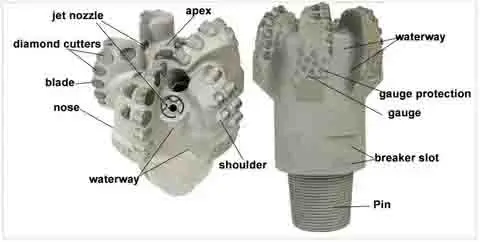
To choose the right drill head, you need to know about both the properties of the formation and the powers of the tools. When it comes to hard rock uses, Five Blades Oil Well Drill Heads usually have aggressive blade profiles, carefully placed cutters, and strong body designs that can handle a lot of weight on the bit. These specs work for rocks with compressive forces between 80 MPa and 180 MPa, which is most of the time when oil and gas drilling is done.
When choosing drill heads, technical engineers should think about how rough the rock is, how hard it changes, and what drilling characteristics they expect to see. Five Blades Oil Well Drill Heads work best in formations with both hard and soft layers layered on top of each other. This is because they stay stable as they move from one type of rock to another, which stops the damaging bit shaking that happens with less balanced designs.
Maximising Drilling Efficiency and Longevity: Performance and Maintenance Insights
Critical Technical Parameters That Drive Performance
To get the most out of a Five Blades Oil Well Drill Head, you need to pay attention to a number of factors that are all linked. The best range for most hard rock uses is between 80 and 300 RPM, which is the right balance of cutting speed, heat control, and cutter loading. Adjusting the drilling pressure between 10 and 100 KN should be done by looking at how the rock responds. The workers should keep an eye on the penetration rate and torque to find the best weight-on-bit setting.
Fluid flow rates of 20 to 35 litres per second are enough to remove cuttings and cool them down without causing too much hydraulic pressure, which could damage the rock or equipment on the surface. These factors change over time, so skilled workers have to make changes right away as the formation changes during the drilling process.
Recognising and Addressing Common Wear Patterns
When Five Blades Oil Well Drill Heads are sent back, they are checked regularly for wear patterns that show practical problems that need to be fixed. Poorly distributed weight or imbalances in the cutting parameters can cause the tool to wear unevenly. When blade erosion is focused on the sides, it usually means that the flow rate isn't high enough or that the formation is rough, which calls for more aggressive junk slot designs.
Technical teams can improve operational processes and choose the right Five Blades Oil Well Drill Head specs for different types of formations by keeping track of these trends across multiple drilling runs. This data-driven method for choosing the right tools and optimising parameters usually leads to 15–20% higher drilling efficiency within the first year of use.
Proactive Maintenance Strategies
To make a five-blade oil well drill head last longer, it needs to be maintained in a planned way, starting right after each drilling run. Cleaning thoroughly gets rid of formation debris and drilling mud residue that can hide damage when it is inspected. When properly lit, a visual inspection shows any damage to the cutting blades or body that needs to be fixed before the next launch.
Keeping specific service records for each Five Blades Oil Well Drill Head used in PDC oil and gas operations lets you plan repairs ahead of time based on the number of hours drilled and the amount of exposure to the formation. This proactive method stops sudden failures during important drilling operations and improves tool inventory management by removing parts at the right times instead of when they fail catastrophically.
Procurement Guide: Sourcing, Pricing, and Supplier Selection for Five Blades Drill Heads
Navigating Supplier Options and Sourcing Channels
There are several ways for procurement managers to get Five Blades Oil Well Drill Heads, and each has its own benefits. When you work directly with Manufacturers like SHAANXI HAINAISEN INTELLIGENT EQUIPMENT MANUFACTURING CO., LTD, you can get expert help, the ability to customise, and low prices for large orders. Manufacturers with focused research and development (R&D) skills can create custom bit designs that match specific formation challenges and rig configurations. The company was founded in 2013 and has more than ten years of specialised experience.
Authorised distributors have benefits like having local stock, faster shipping for pressing needs, and long-term ties with many makers. Online business-to-business (B2B) sites make it easy to compare prices, but suppliers need to be carefully checked out to make sure of the quality of the products and that the licences are real.
Understanding Price Drivers and Negotiation Strategies
The price of a five-blade oil well drill head depends on more than just how much it costs to make. Customisation needs, like specific cutter setups, blade shapes, and link types, make planning and production more difficult, which raises the cost per unit. Price changes a lot based on volume agreements. Usually, bulk buys get 20–30% discounts compared to single-unit sales.
Logistics for delivery, especially for foreign packages, add a lot to the cost and need to be carefully negotiated. Procurement professionals with a lot of experience write contracts that balance the initial cost of the tool against all of its other costs, as well as the warranty coverage and availability of expert help. In the long run, it's usually better to build relationships with suppliers whose prices are clear and who respond quickly to messages than to choose the seller with the lowest initial quote.
Evaluating Warranty Coverage and After-Sales Support
Comprehensive guarantee policies protect against flaws in the manufacturing process and failure before its time under certain working conditions. Good sellers back up their goods with clear warranties that cover repairs or replacements for tools that stop working before they fail to meet written performance standards. Knowing that the guarantee doesn't cover things like working parameter violations or poor maintenance can help you set realistic goals.
Technical help after the sale is what sets exceptional providers apart from average ones. Having access to application engineers who can help you choose the right Five Blades Oil Well Drill Head for PDC oil and gas applications and give you advice on cutting parameters is worth a lot more than the cost of the tools themselves. Suppliers who give training programmes, performance analysis, and field service support show that they care more about their customers' success than just making sales.
Conclusion
It's important to find the right Five Blades Oil Well Drill Head for hard rock types by weighing technical performance, practical needs, and cost. There are clear benefits to the Five Blades Oil Well Drill Head design in terms of penetration rate, steadiness, and tool life, all of which directly lead to faster projects and lower costs. Procurement managers and technical experts can make better choices that meet the needs of their operations when they know how blade configuration, material engineering, and hydraulic design affect performance. Building partnerships with trustworthy providers who offer clear data, all-around help, and high-quality goods sets up drilling operations for long-term success in a wide range of geographic situations.
FAQ
1. What kinds of rock do Five Blades Oil Well Drill Heads work best on?
Five Blades Oil Well Drill Heads work best in medium to hard rock types, like gypsum, shale, limestone, and sandstone, that have shear forces of 80 to 180 MPa. The balanced blade design does a good job of handling changes in the line while keeping steadiness and penetration efficiency high. PDC cutter technology is especially useful for abrasive forms because it prevents wear better than other materials.
2. How do I figure out what the right working settings are?
Rotational speeds of 80 to 300 RPM, drilling pressures of 10 to 100 KN, and flow rates of 20 to 35 litres per second are common starting points. Watch the penetration rate and torque reaction during the first drilling, and then slowly change the settings until you find the best balance for the rock. Based on the features of the formation, experienced providers make suggestions that are tailored to the application.
3. What kind of upkeep makes a drill head last longer?
Cleaning the machine well after every run keeps dirt from building up and speeding up wear. Damage that needs to be fixed before transfer is found during regular checks. Keeping track of operating hours and drilling conditions lets you plan ahead for replacements. If you follow the manufacturer's instructions for working settings, you can avoid problems that could happen early because of bad use.
Partner with HNS for Superior Hard Rock Drilling Solutions
As a Five Blades Oil Well Drill Head maker with a lot of experience, advanced production tools, and dedicated technical support, HNS makes drilling tools that are designed to handle the biggest formation problems. Our building has state-of-the-art machining centres and quality control systems that make sure every product we ship works the same way. Whether you're in charge of large-scale oil service operations with strict quality standards or water well drilling projects that put a high priority on cost-effective solutions, our technical team can make suggestions that are tailored to your needs. We help customers with all stages of a product's life, from the initial design to improving its performance in the field. Get in touch with our staff at hainaisen@hnsdrillbit.com to talk about how our drill head options can help you drill more efficiently and save money on costs.
References
1. Bourgoyne, A.T., Millheim, K.K., Chenevert, M.E., and Young, F.S. (1991). Applied Drilling Engineering. Society of Petroleum Engineers Textbook Series, Volume 2.
2. Gerbaud, L., Menand, S., and Sellami, H. (2006). PDC Bits: All Comes From the Cutter Rock Interaction. International Association of Drilling Contractors/Society of Petroleum Engineers Drilling Conference Paper 98988.
3. Mitchell, R.F. and Miska, S.Z. (2011). Fundamentals of Drilling Engineering. Society of Petroleum Engineers Textbook Series, Volume 12.
4. Pessier, R.C. and Fear, M.J. (1992). Quantifying Common Drilling Problems with Mechanical Specific Energy and a Bit-Specific Coefficient of Sliding Friction. Society of Petroleum Engineers Annual Technical Conference Paper 24584.
5. Warren, T.M. and Smith, M.B. (1985). Bottomhole Stress Factors Affecting Drilling Rate at Depth. Journal of Petroleum Technology, Volume 37, Issue 8, Pages 1523-1533.
6. Zhang, Y., Chen, P., and Lin, R. (2018). Performance Optimization of PDC Drill Bits in Hard and Abrasive Formations Through Advanced Blade Design. Petroleum Science and Engineering Journal, Volume 168, Pages 436-445.
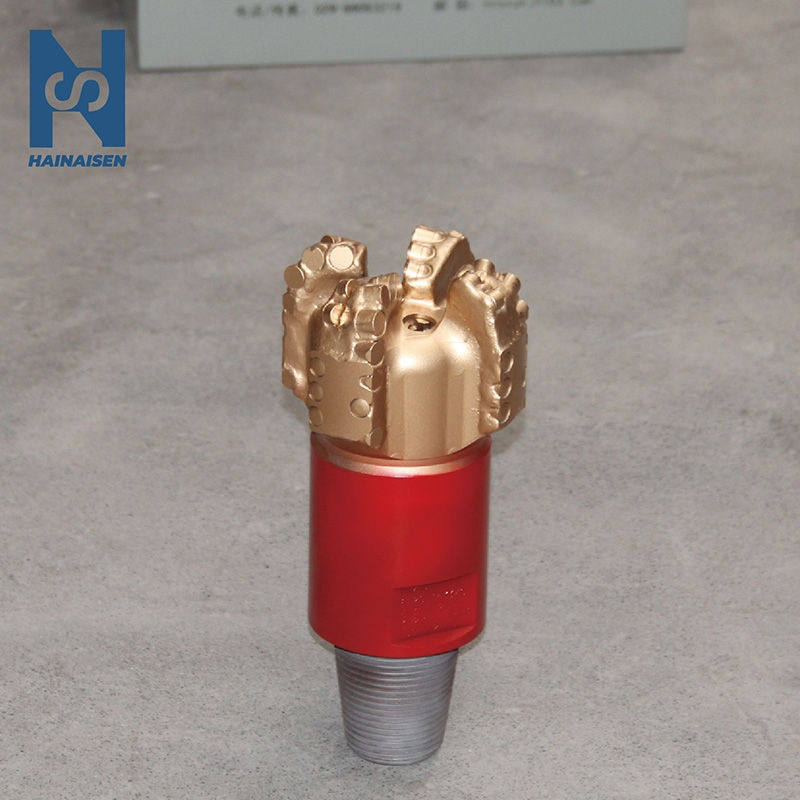 VIEW MORE4 Wings Blades PDC Bit
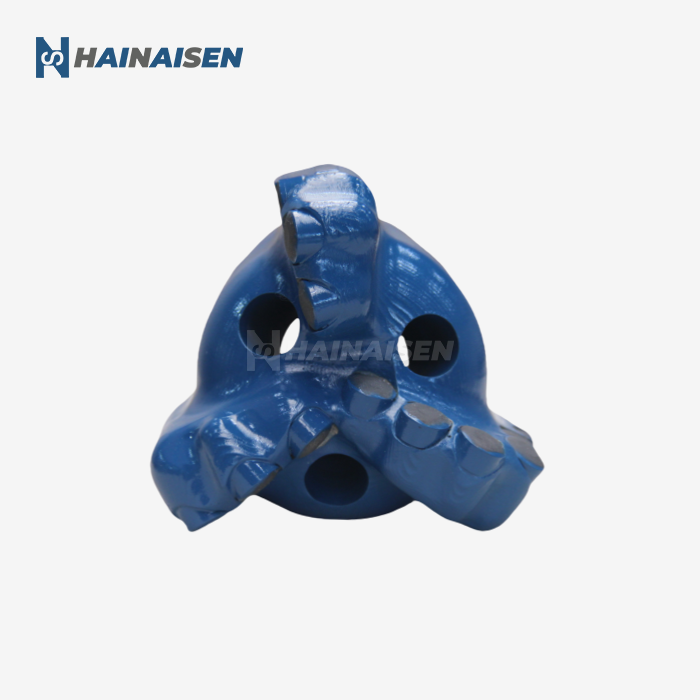 VIEW MORE113mm PDC Arc Angle Drill Bit
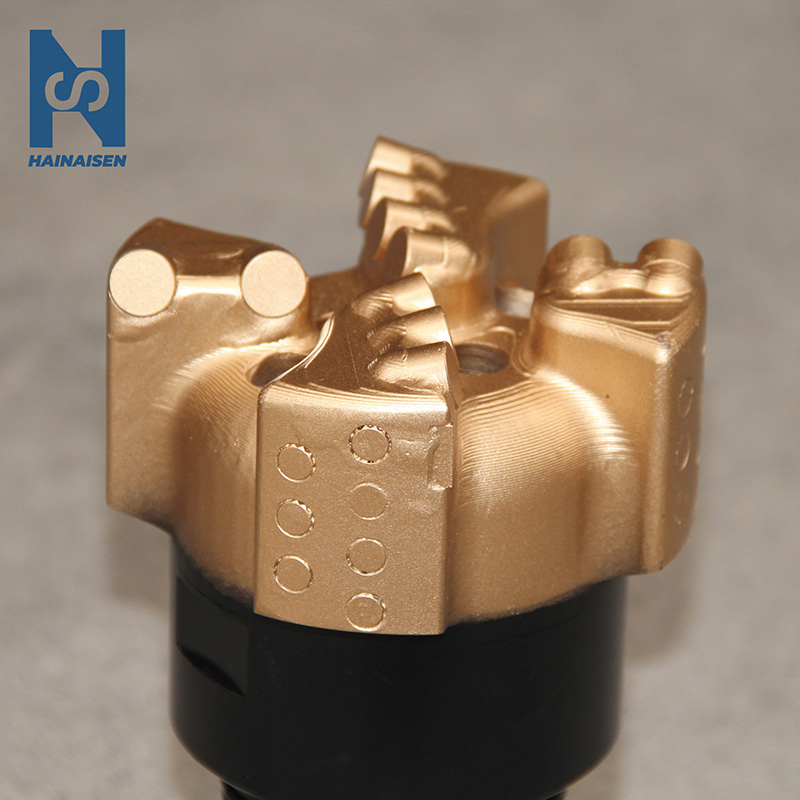 VIEW MOREDirectional Well PDC Drill Bit
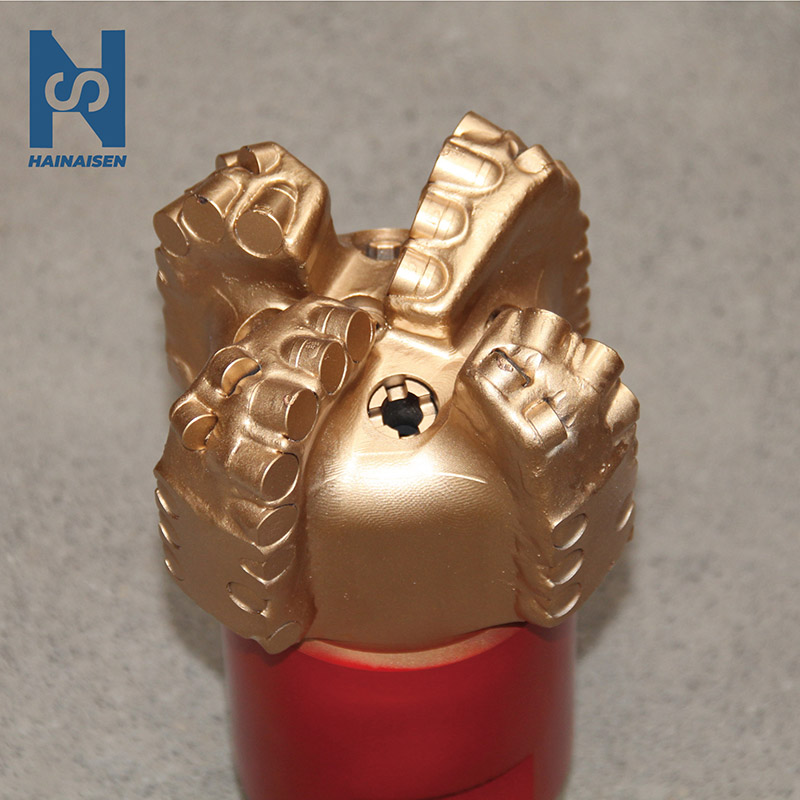 VIEW MOREFour Blade Wing High Performance Petroleum Drill Bit
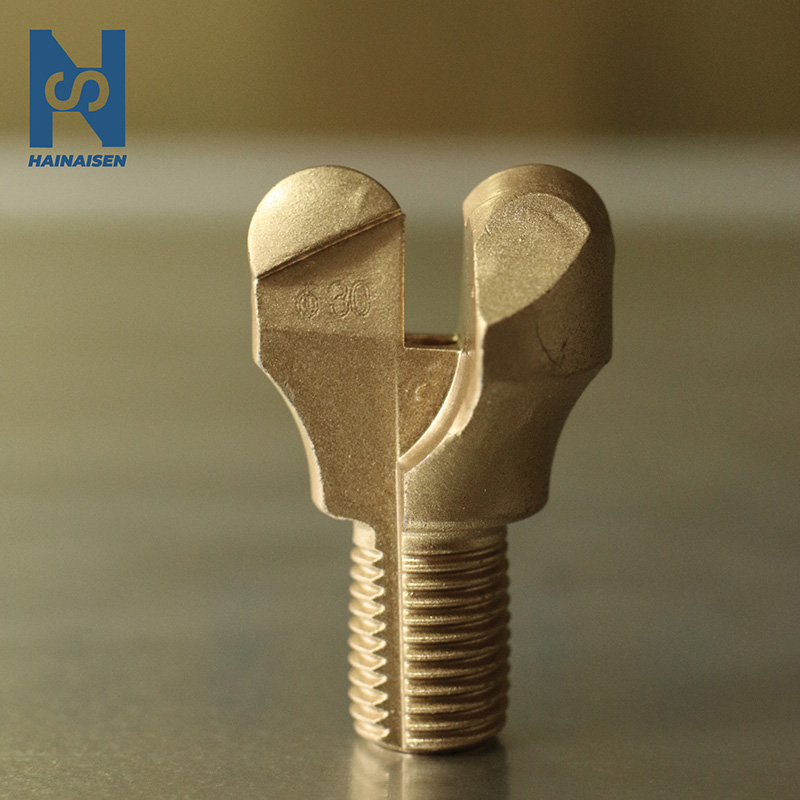 VIEW MORE34 And A Half Whole Coal Mine Mining Anchor Drill Bits
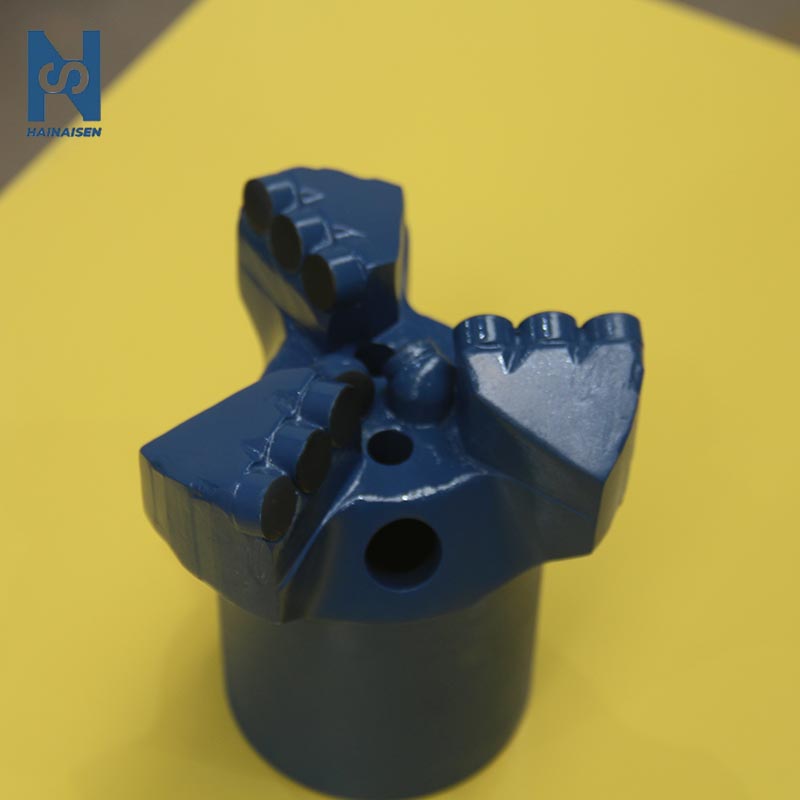 VIEW MOREPolycrystalline Diamond Compact Drill Bits
logo 2_1777360600432.jpg) VIEW MORECoal Mine Drilling Drill Bit Directional Three Blade PDC Drill Bit
VIEW MORECoal Mine Drilling Drill Bit Directional Three Blade PDC Drill Bit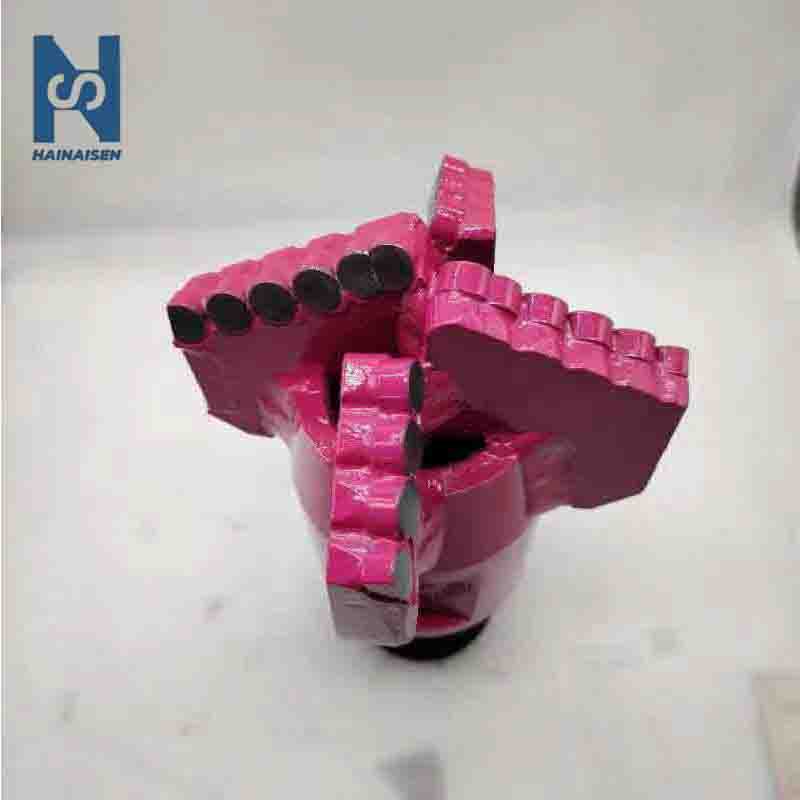 VIEW MOREAlloy Scraper Drill Bit For Water Well
