




What are the advantages of using a five-blade wing drill bit?
Today's Five Blade Wing Oil Drilling is a big step forward in drilling technology. It can help buying managers and technical experts make their businesses run more efficiently. Compared to standard three- or four-blade designs, the five-blade layout offers faster penetration rates, better directional stability, and longer service life. These bits are great for drilling in a variety of rocks, from soft sedimentary layers to medium-hard geological structures, because they reduce vibrations during operation and cut down on unexpected downtime. This makes them a smart investment for drilling operations that want to save money.
Introduction
The drilling business is always changing to meet the strict needs of mining while keeping costs low. Five Blade Wing Oil Drilling has become a game-changing answer that helps oil service companies, coal mines, and water well drilling teams all over the United States solve important problems. This technology combines advanced PDC cutter placement with optimized blade geometry to give real results that matter to both technical experts checking the compatibility of the formation and buying managers looking at cost-per-meter measures.
Our in-depth study looks at how this drill bit design turns technical ideas into measured performance in the field. We will talk about the mechanical benefits of five-blade systems that make them better than other options. We will also give you real buying advice that fits the needs of different business sizes and budgets, and we will talk about care strategies that will protect your investment. Whether you're in charge of big oil research projects that need strict quality Certifications or water well drilling teams that look for the cheapest solutions, knowing these benefits will help you make better buying decisions that have a direct effect on your bottom line.
Understanding Five-Blade Wing Oil Drilling Technology
The Mechanical Foundation of Five-Blade Design
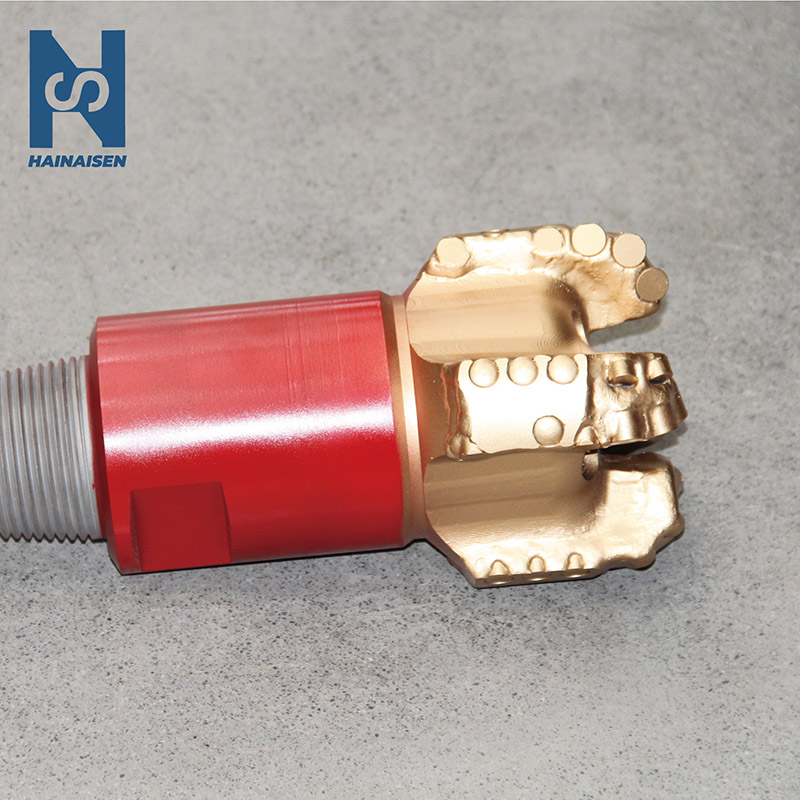
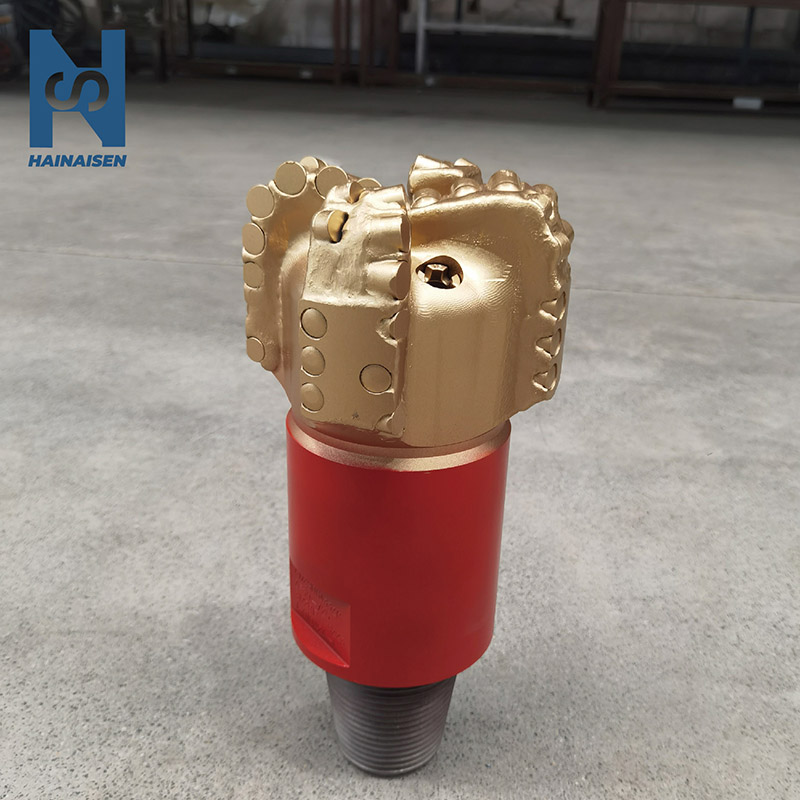
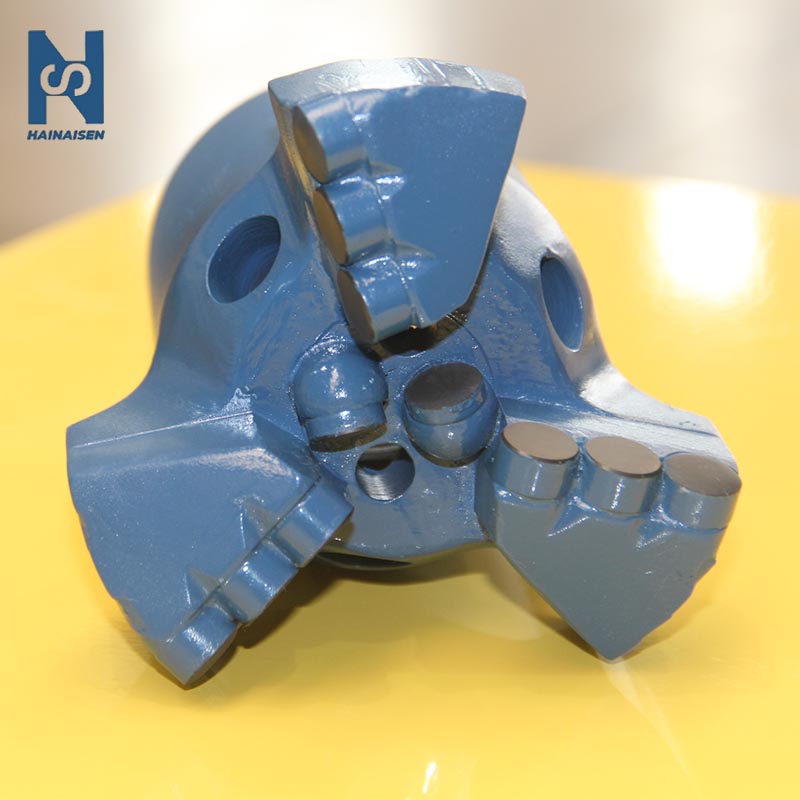
Five Blade Wing Oil Drilling are designed to have the right amount of cutting surface area and cutter density. In contrast to regular tri-cone Roller Bits or basic drag bits, this design places five separate blades around the bit body at precise distances. There are several polycrystalline diamond compact elements on each blade that slice rock instead of crushing it. In oil and gas activities, bits with a diameter of 12.25 inches usually have 109 cutters of different sizes (13 mm and 16 mm) carefully placed to keep in contact with the rock as the bit turns.
The "wing" in the name refers to the longer blade shape that makes good paths for drilling fluid to flow. Seven needle holes use hydraulic pressure to remove cuttings from the bit face and keep the PDC elements cool while they are working. This fluid management system keeps the cutter from getting too hot and keeps it cleanly engaging with the formation, which directly leads to consistent penetration rates.
Evolution Within Drilling Technology
The change from roller cone bits to fixed-cutter PDC technology was a major turning point in the economics of drilling. At first, three-blade PDC Bits ruled the market because they were easy to make and didn't cost as much. However, data from the field showed that linear control was not perfect and that cutter wear patterns were not uniform. Even though four-blade designs made things more stable, they still caused a lot of shaking in uneven formations.
After looking into these speed gaps, the Five Blade Wing Oil Drilling was born. The extra blade spreads the cutting forces more widely, which stops the tool from moving laterally and keeps the gauge better. Engineers found that this arrangement strikes the best balance between having enough blades to keep the machine stable and too many on the bit face, which would make it harder for the cutter to cool down and remove waste.
How Five Blades Engage Geological Formations?
When weight-on-bit pressure is put on a Five Blade Wing Oil Drilling, the cuts on each blade hit the formation surface one after the other. The uneven placement of the cutters makes cutting paths that cross, which stops ridges from forming between the blade tracks that haven't been drilled. This constant cutting action keeps torque needs steady and reduces stick-slip movements that happen a lot in designs with fewer blades.
The evenly distributed blade loading stops forceful bit whirl in stacked rocks that change from soft shale to harder sandstone stringers. The 90mm gauge length keeps the integrity of the shaft diameter, which cuts down on the number of reaming passes that are needed, which takes time and raises the cost of digging each foot. This mechanical edge directly relates to measures of business efficiency that buying teams keep an eye on.
Key Advantages of Using a Five-Blade Wing Drill Bit
Superior Drilling Speed and Penetration Efficiency
Rate-of-penetration improvement is the main benefit that is driving usage across oil service businesses. When comparing three-blade and five-blade wing oil drilling in the same layers, the five-blade bits show 15–25% faster drilling speeds, but this depends on the rock type and the operating conditions. This speedup is because there are more cutting elements constantly removing formation material with each rotation.
When penetration rates go up, it takes less time to reach goal depths. This shortens project timelines and lowers daily running costs. With day rates for rigs running from $25,000 to $75,000, even small speed gains can be very profitable. A five-blade bit that finishes a 5,000-foot piece two days faster saves money right away, that is much greater than the price difference between bit types.
Enhanced Operational Stability and Vibration Reduction
Vibration during drilling is a constant problem that makes it harder to get accurate directions and speeds up the wear on equipment. When you put Five Blade Wing Oil Drilling together, they effectively reduce three types of damaging vibration: axial (bit bounce), lateral (bit whirl), and rotational (stick-slip). Here are the main benefits this style brings to stability:
- Balanced Force Distribution: Five contact points make loading patterns that are more even, which stops eccentric movement and keeps the bit in the middle of the hole.
- Reduced Harmonic Resonance: The distance between the blades stops shaking frequencies that tend to get stronger through the drill string. This keeps surface tools and measurement tools that go deeper safe.
- Improved Directional Control: Technical experts like how much easier it is to steer the wellbore in directional drilling jobs where sticking to the planned path is important.
- Lower Shock Loading: A smoother cutting action reduces the impact forces that are sent to drill collars and bottom hole assemblies. This makes expensive downhole parts last longer.
These stability traits are especially useful in skewed wells and horizontal sections, where precise bit behavior is needed to keep the tool face in the right place. Less vibration also saves sensitive equipment used for measuring while digging, which gives real-time data on evaluating the formation.
Extended Service Life and Durability
The rate of PDC cutter wear determines how often bits need to be replaced and has a direct effect on the cost of drilling. Five Blade Wing Oil Drilling spreads the cutting work across more separate parts, which lowers the load on each cutter and slows down the wear process. The 109 cutters on a 12.25-inch bit mean that each element removes less rock each turn than a three-blade bit with 60 cutters that does the same amount of work.
Longevity is greatly affected by the quality of the materials used in the bit body and the soldering process for the cutting. Bits made with high-quality steel alloys and precise welding methods can handle higher temperatures and keep blades from breaking from overuse. The 95-kilogram weight of a properly built five-blade bit shows that a lot of material was used to make sure the structure is strong. This strong construction means that it can be used more than once in rough rock formations, where smaller bits would need to be replaced too soon.
Gauge protection is another aspect of longevity for customized water well bits. The 90mm gauge length on good five-blade bits keeps the hole width the same over the life of the bit, so there are no undergauge situations that require expensive reaming or make installing the case more difficult.
Versatility Across Drilling Applications
Five Blade Wing Oil Drilling are more valuable for companies that manage a wide range of projects because it can be used in a variety of cutting situations. These bits show good success in the following areas:
- Vertical Well Development: Maintaining straight-hole paths in oil and gas research, where deviation control is important, is called vertical well development.
- Directional and Horizontal Drilling: How to respond reliably to guiding inputs in wells with a long reach and unusual resource plays
- Water Well Construction: Cutting through sedimentary layers and worn-down bedrock quickly and cheaply enough for smaller drilling teams
- Coal Bed Methane Extraction: Working with layers of coal and gas without damaging the cutters too soon
- Geothermal Energy Projects: Being able to handle high temperatures in deep wells that are looking for geothermal resources
This organizational flexibility lets drilling companies use the same five-blade technology for all types of contracts. This makes it easier to keep track of supplies and train technicians while still meeting performance standards.
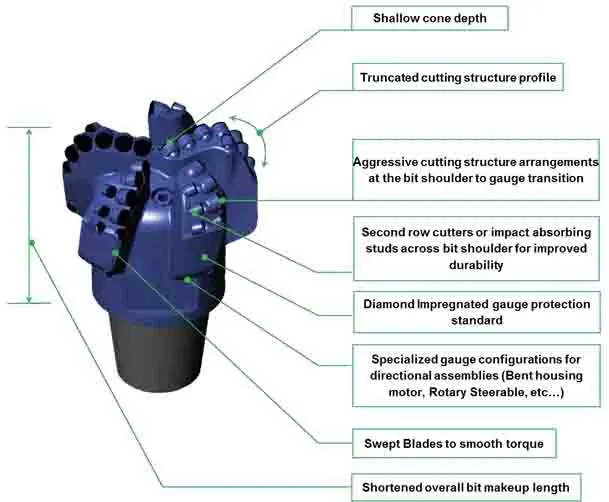
Five-Blade Wing Drill Bit vs. Traditional Drilling Technologies
Performance Comparison with Three-Blade Systems
Three-blade PDC bits are still used because they are easier to make and work well in uniform groups. But direct field studies show changes that are important. When working with abrasive materials, three-blade shapes make the initial forces on each cutter higher, which speeds up wear. The bigger space between the blades makes the cutting shape less stable, which makes it more likely that the machine will vibrate laterally.
When technical experts check the performance of a bit, they usually look at the entry rate, the amount of material drilled by each bit, and the total cost per foot. Even though they cost 20–30% more at first, Five Blade Wing Oil Drilling always does better than three-blade bits in the last two measures. Procurement managers know that the ability to record longer videos and fewer trips (pulling the bit out to replace it) leads to net cost savings.
Advantages Over Roller Cone Technology
Before PDC technology got better, drilling was mostly done with roller cone bits. These bits have spinning cones with teeth made of tungsten carbide that cut through rock. Roller cones work well in rough, hard places, but they have many problems when compared to Five Blade Wing Oil Drilling designs.
Roller cone bits have a lot of moving parts, like bearings, seals, and cone systems, that break down and wear out in unpredictable ways. Bearing failures often happen before the cuts wear out, which wastes the bit's remaining life. Five-blade PDC bits don't have any moving parts, so they don't have any problems with bearings. This technical simplicity makes it more reliable and easier to guess how it will work.
When drilling in soft to medium-hard rock, roller cones usually take 30–50% longer to penetrate than PDC bits. The breaking action needs more weight on the bit and creates more objects that need to be moved out of the hole. The shearing action of PDC bits makes smaller, easier-to-handle cuttings and helps reach goal levels more quickly with less energy.
Limitations and Optimal Application Scenarios
To do an honest evaluation, you have to admit that Five Blade Wing Oil Drilling might not always be the best option. Even though they are made of diamond, extremely hard, broken forms with high compressive strength can chip or delaminate PDC cuts. When drilling through granite, basalt, or highly silicified limestone, it may be best to use special bits with different cutter grades or different technologies.
Five-blade bits don't always work well in formations with a lot of interbedded soft and hard layers because the customized water well bit cuts either get stuck in soft areas or wear out quickly in hard stringers. Technical experts with a lot of experience look at formation logs and offset well data to figure out what will happen and choose the right bit designs.
Due to limited funds, smaller water well drilling companies may not be able to afford expensive five-blade bits, even though they work better. Companies that care more about the price right now than the cost over the whole life of the product may choose simple three-blade designs that meet the project's base requirements and cost less to build.
Measurable ROI in Field Applications
Companies that work with oil and use Five Blade Wing Oil Drilling say they see measurable gains. When a medium-sized drilling company working in shale rocks in the Permian Basin switched from three-blade to five-blade PDC bits, they saw 18% faster average penetration rates. This sped up the process and cut the average time it took to finish a well by 3.2 days. At $70,000 per day rig rates, this saved $224,000 per well.
When coal mines drilled methane drainage holes, bits with five blades lasted 40% longer, which meant that their busy drilling fleet used only seven bits per month instead of twelve. At $4,800 per bit, this change saved $24,000 a month while keeping output on track.
These recorded cases show that the performance benefits directly lead to financial gains that make the technology investment worthwhile for all types of businesses and applications.
Conclusion
There are clear benefits to using Five Blade Wing Oil Drilling that are important to purchasing managers and technical experts in the drilling business. Better security, higher penetration rates, longer service life, and more operating flexibility all lead to lower cost-per-foot measures and better project economics. Lifecycle cost analysis always shows a positive return on investment, even though the original purchase price is higher than basic three-blade options. These performance benefits are maximized by carefully choosing the provider, making sure the bit is designed for the conditions of the formation, and following strict operating procedures. The technology works well for a wide range of tasks, from difficult oil service jobs to low-cost water well projects. This makes five-blade PDC bits a useful tool that you should think about when planning your procurement strategy.
FAQ
1. What formations are best suited for five-blade wing drill bits?
Five-blade wing oil drilling works best in shale, sandstone, limestone, and coal seams, which are soft to medium-hard rock types. They work well in interbedded sequences where different levels of hardness would make fewer-blade designs less stable. The spread-cutting loading makes it easy for formations to change. For the best performance, very hard, solid rocks like granite or formations with a lot of silica may need special cutter grades or different bit technologies for optimal performance.
2. How do five-blade bits compare in total cost versus traditional options?
Even though they cost 20–30% more, five-blade wing oil drilling usually has a lower cost-per-foot drilled through longer footage and faster penetration rates. Less frequent trips and longer service gaps made up for the differences in the original prices. A total cost study should look at how much time the rig saves, how many bits it uses, and how much it costs to maintain. Most owners say that switching from three-blade or roller cone technology to another type saves them 15 to 35 percent of their costs per foot in the right situations.
3. What maintenance extends the five-blade drill bit lifespan?
Using the right operating settings, like staying within the recommended weight-on-bit and RPM ranges, keeps blades from overworking. Cutters stay cool and clean when there is enough fluid flow. Thorough cleaning and checking in between runs find problems that are starting to show up. Keeping things in the right way stops rust and other damage. Documenting practical factors and bit performance helps with warranty claims and guides future choices about which bits to use, which keeps drilling more efficiently.
Partner with HNS for Superior Five Blade Wing Oil Drilling Solutions
Five Blade Wing Oil Drilling that meets strict performance standards is made by Shaanxi Hainaisen Petroleum Technology (HNS), which blends advanced manufacturing skills with focused technical support. Our 3,500-square-meter production plant has 5-axis machine centers and precision welding systems that make sure the quality of every piece we make is the same. As a provider with a lot of experience in Five Blade Wing Oil Drilling, we work with oil service companies that need strict quality certifications, coal mining companies that want to find cheap solutions, and water well drilling teams that need reliable performance.
Our engineering team can create a bit just for you, making sure that the blade shape, cutter placement, and hydraulic features work best for your formations and operations. It doesn't matter if you're digging directional wells in tough shale plays or building vertical water wells through rock sequences; HNS has solutions that work in the field. Get in touch with our expert team at hainaisen@hnsdrillbit.com to talk about your drilling problems and find out how our five-blade PDC technology can lower your cost-per-foot while making your operations more efficient.
References
1. Smith, J.R. & Anderson, M.K. (2021). Advanced PDC Bit Design: Engineering Principles for Optimal Drilling Performance. Petroleum Engineering Publications.
2. Roberts, T.L. (2020). "Comparative Analysis of Multi-Blade Fixed Cutter Drill Bits in Unconventional Formations." Journal of Petroleum Technology, 72(4), 45-58.
3. Chen, W. & Martinez, P. (2022). Drilling Optimization Strategies: Maximizing Rate of Penetration in Oil and Gas Operations. Energy Industry Press.
4. Thompson, R.D. (2019). "Vibration Mitigation in PDC Drilling Systems: The Role of Blade Configuration." SPE Drilling & Completion, 34(3), 234-247.
5. Williams, K.S. & Patterson, H.G. (2023). Drill Bit Selection and Application Guidelines for Water Well Construction. National Ground Water Association Technical Manual.
6. Foster, D.E. (2021). "Lifecycle Cost Analysis of PDC Drill Bit Technologies in Coal Bed Methane Development." Mining Engineering Journal, 73(2), 112-126.
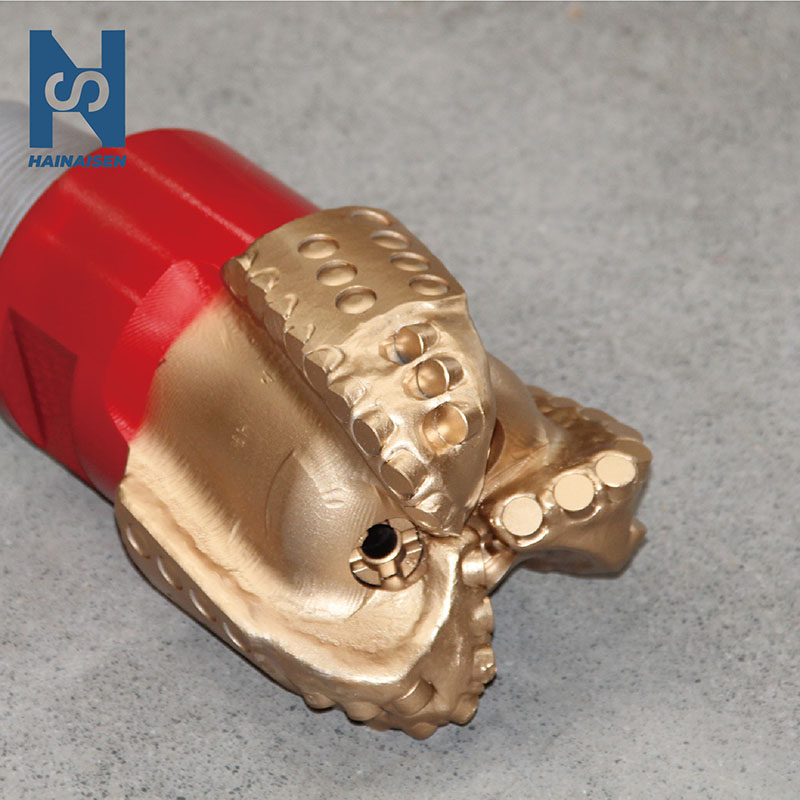 VIEW MOREThree Blade Oil Drill Bit
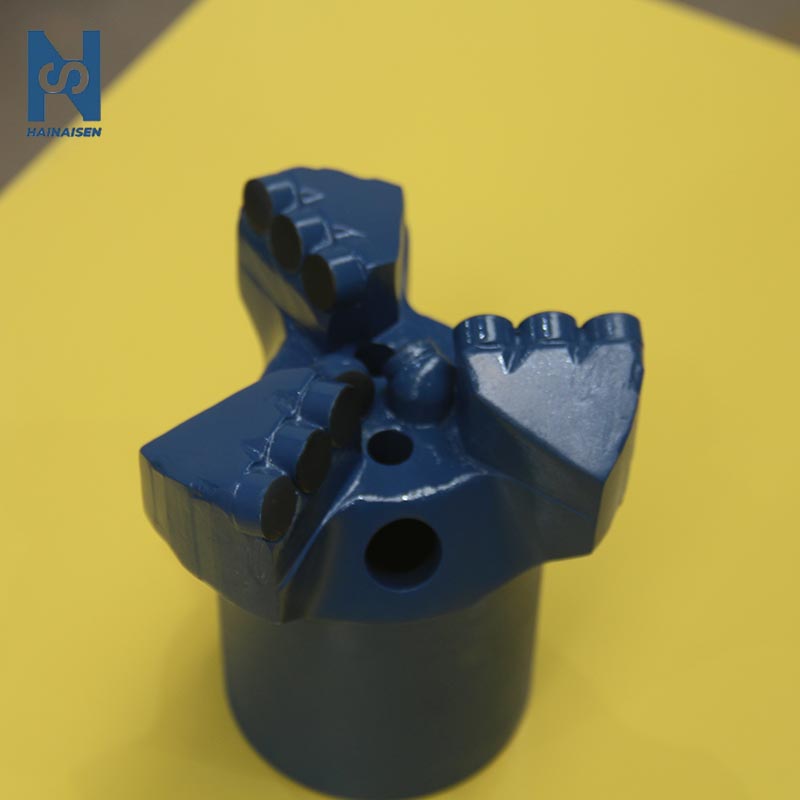 VIEW MOREPolycrystalline Diamond Compact Drill Bits
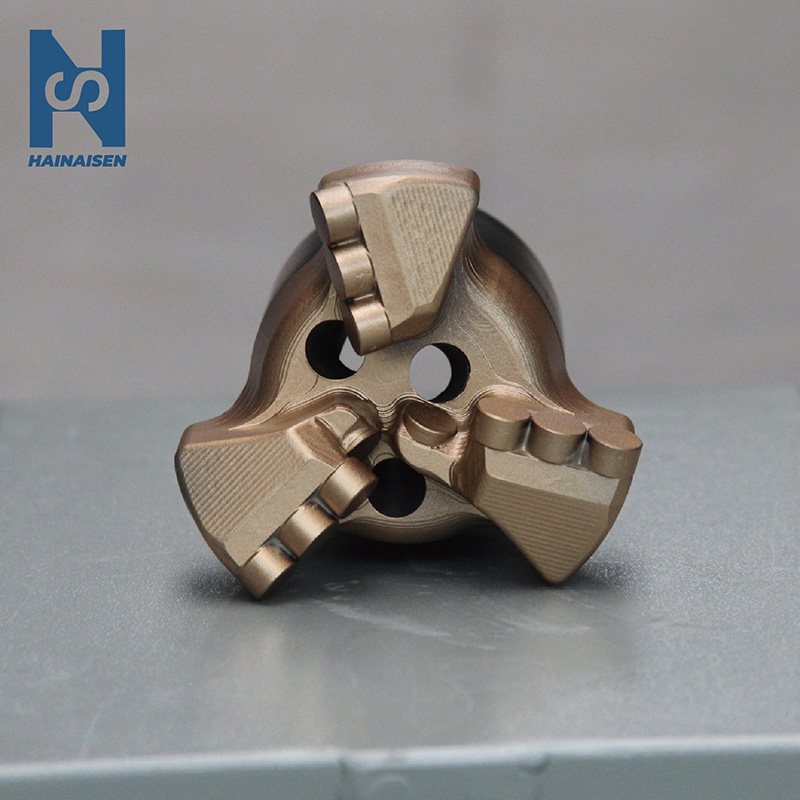 VIEW MORE3 Blades PDC Rock Bit
 VIEW MOREPetroleum PDC Oil Drill Bit
 VIEW MORE30mm Half Blade Anchor Bit For Mine Coal Fields
 VIEW MOREPolycrystalline Diamond Drill Bits
 VIEW MOREPetroleum Drilling Equipment PDC
 VIEW MOREBest Diamond Drill Bits