



Three Blade Oil Drill Bit Selection Guide for Soft Formations
Choosing the right drilling tools can make operations much more efficient, especially when working with soft rock types. Three Blade Oil Drill Bits work very well in loose soils, clay layers, and shale deposits, where accuracy and steadiness are very important. The three blades on these specialized tools make them perfect for oil service companies, water well digging teams, and geological research operations because they cut quickly and deeply at the same time. The shape makes it easier to get rid of debris while decreasing vibrations. This increases bit life and decreases downtime. When procurement managers and technical engineers know what makes these bits work so well in soft formations, they can make decisions that meet both working needs and price limits.
Understanding Three Blade Oil Drill Bits
Core Design and Construction Elements
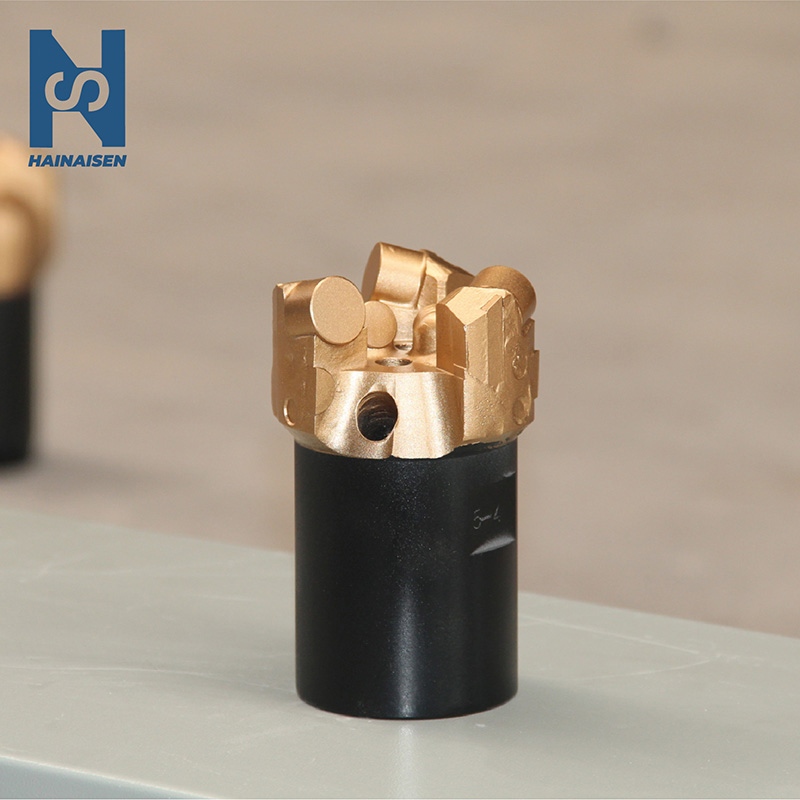
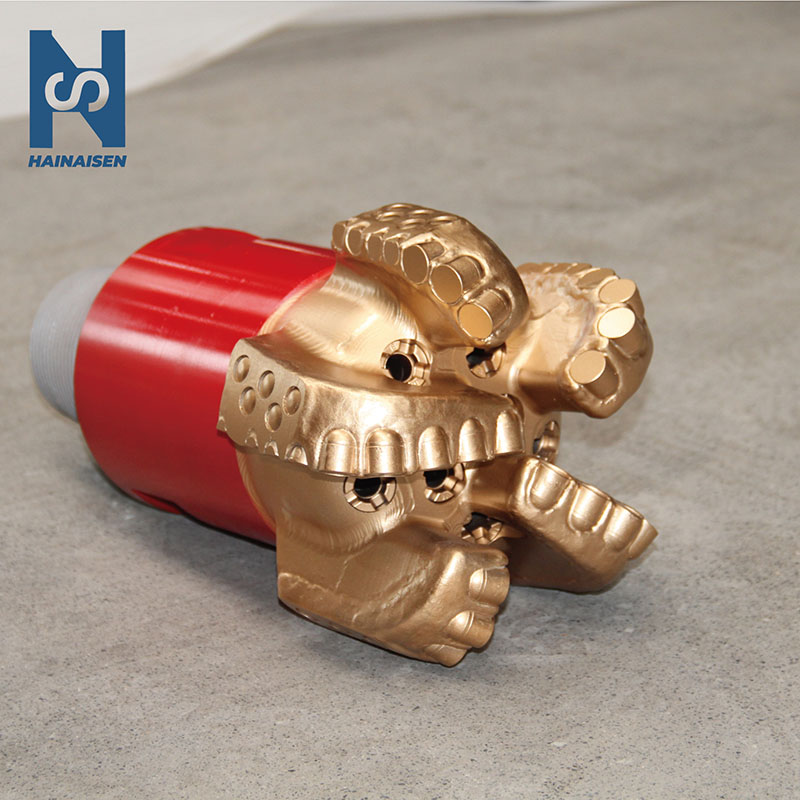
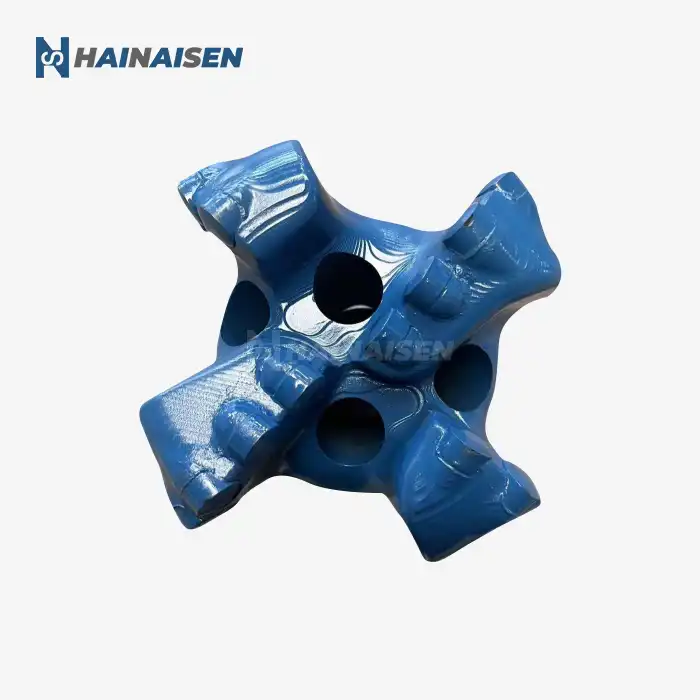
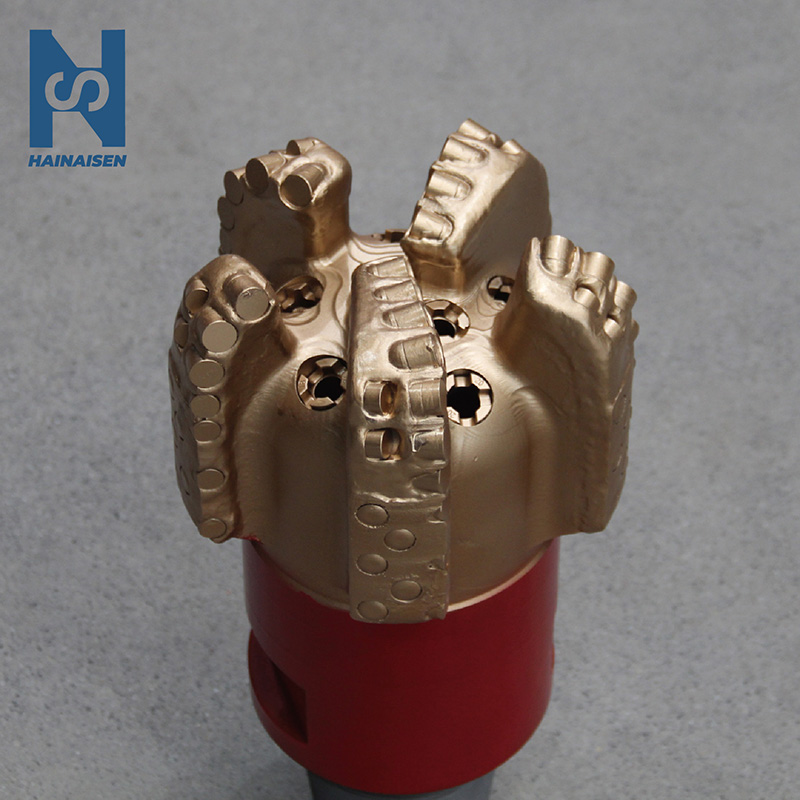
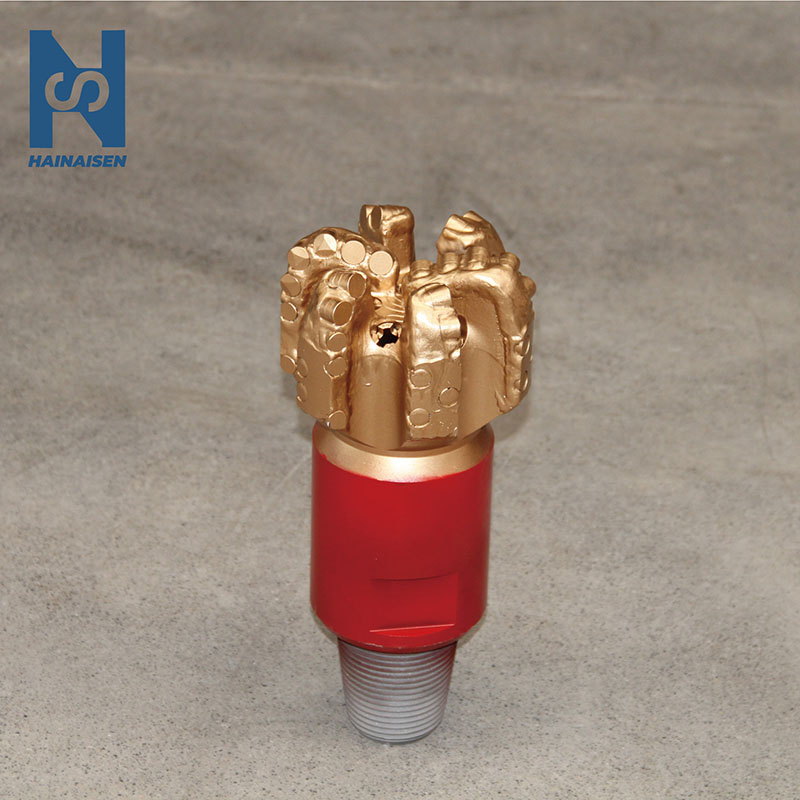
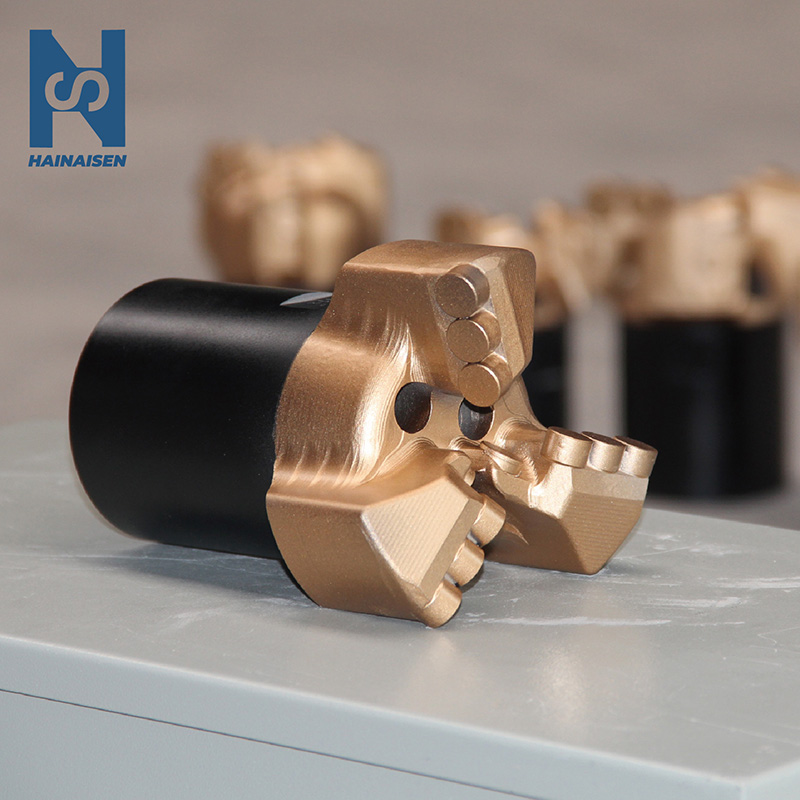
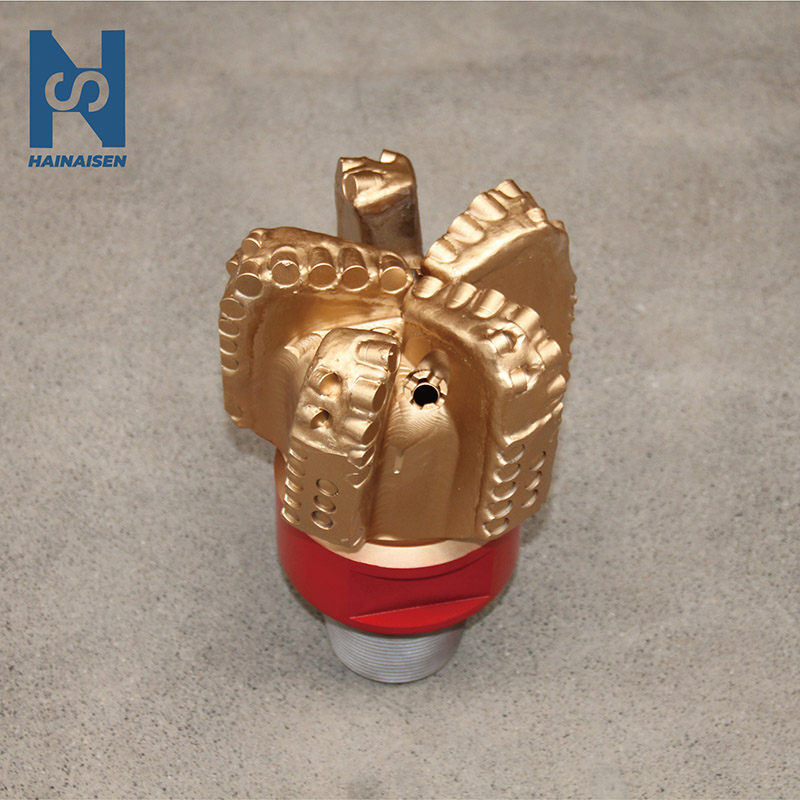
For rotary drilling in softer rock types, the Three Blade Oil Drill Bit design is a well-thought-out solution. Each blade is positioned 120 degrees apart around the bit body. This creates controlled cutting forces that keep the bit from shaking side to side while it's working. This even setup makes sure that the drill bit stays in contact with the formation the whole time, which leads to cleaner holes and better direction control.
Polycrystalline diamond compact elements (PDC cutters) are carefully placed along each blade of modern three-blade oil drill bits. These cuts are very hard and don't wear down easily, so they can keep their sharp cutting edges for long drilling sessions. The bit body is usually made of high-grade steel or tungsten carbide matrix materials, which are designed to handle the rotational pressures and vertical loads that come up during drilling.
How does rotary action enhance soft formation drilling?
During use, the bit turns while weight is put on it from above by the drill string. As reliable soft formation drill bits, the three-blade oil drill bits effectively cut through soft layers, and the PDC cutters break up and remove material in controlled chunks. Between the blades are hydraulic valves that send compressed drilling fluid to cool the cutters, grease the contact surfaces, and move the cuttings away from the cutting face. This flow of fluid stops bit balling, which happens a lot in clay-rich rocks because sticky stuff can stick to cutting surfaces and slow down penetration rates.
When compared to models with five blades, models with three-blade oil drill bits make the junk slots—the areas between the blades where pieces go up—bigger. When there is a lot of loose rock and dirt in soft formations, these wide flow paths are very helpful. When cuttings are removed efficiently, the material doesn't have to be ground again, which would speed up cutter wear and lower drilling efficiency.
Common Applications Across Industries
When digging for oil and gas, three-blade oil drill bits are often used to get through the top layers and intermediate formations before reaching the target reservoir levels. When building a water well, these bits are useful for digging through alluvial layers and sedimentary processes. Coal-bed methane projects benefit from the fact that these bits can control how deeply they go into coal mines and the soft rock layers next to them. Geothermal drilling also uses three-blade oil drill bits to make wells through loose rock and waste that has been worn down over time.
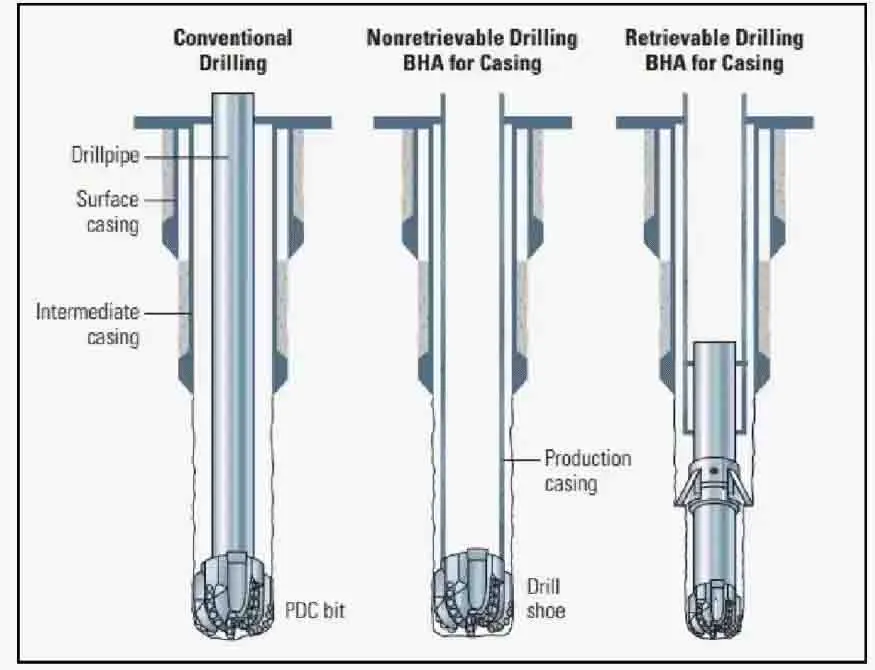
Key Considerations When Selecting Three Blade Oil Drill Bits for Soft Formations
Evaluating Blade Geometry and Cutter Configuration
The shape of the blade has a big effect on how well it drills in soft forms. Aggressive blade angles help the material get through faster, but they may make the blade less stable in one way when the material is very loose. Conservative shapes with softer attack angles make control better and lower the chance of deviation in open groups. When buying teams, look over product specs; they should check the back rake geometry, face rake angle, and blade height to make sure they work with the features of the goal formation.
The number and spacing of PDC cutters along each blade, or cutter density, have a direct effect on both how well it cuts and how long the bit lasts. As core performance parameters for professional soft formation drill bits, in abrasive soft forms, higher cutter numbers spread wear across more cutting elements, which makes the machine last longer. The Three Blade Oil Drill Bit HNS S433 type with 61 13mm diameter PDC cuts gives it a large cutting capacity while keeping the cost of production low. This configuration works well for medium- to large-sized drilling companies that want solid performance without having to pay a lot.
Material Selection and Surface Treatments
The choice of steel grade affects the power and durability of the bit body. Carbon steels work well enough for most soft formation uses and don't cost too much, which makes them appealing to water well drilling teams that are trying to stay within their budgets. Alloyed steels with nickel, chromium, or manganese add better mechanical qualities that make them good for tough jobs where bits need to work in conditions with changeable formation hardness or for long periods of time before they need to be replaced.
Surface treatments and coats make cutters last longer and cut more efficiently. Coatings that are made just for this purpose make the contact between PDC cutters and formation material less rough. This means that less heat is made and the cutting edge stays intact. When looking for bits to use in jobs that involve working with sticky clay, making sure that the cuts have the right surface processes helps keep the bit's penetration rates steady over its working life.
Balancing Penetration Rate with Operational Stability
Rapid entry rates are possible in soft rocks, but problems can happen if the drilling speed is too high. Bit whirl is an uncontrolled penetration that causes irregular rotational behavior that speeds up wear and harms downhole equipment. The three-blade oil drill bit design is more stable than the single- or dual-blade designs, but operators still need to make sure that the bit's spinning speed and weight are right for the formation.
Usually, practical values for RPM and WOB settings are given in technical data files. For bits like the S433 design, the best spinning speeds are usually between 120 and 220 RPM, though this depends on how soft the formation is and how big the bit is. For many uses, the 6-inch (152.4mm) diameter is the perfect size. It makes a hole big enough for normal casing programs while still requiring low power and being easy to install with drill rig tools that are easy to find.
Cost Analysis and Return on Investment
When making a buy choice, the total cost of ownership is taken into account, not just the initial purchase price. Per-foot drilling costs are calculated by adding up the cost of the bit itself, the amount of work that will be done before it needs to be replaced, the time it takes to run the rig, and any money that could be saved by not having to do as much upkeep. It may cost more at first for premium bits with better cutter materials and better hydraulics, but they usually end up costing less per foot because they last longer and penetrate faster.
Large oil service companies usually put long-term dependability and consistent performance at the top of their list of priorities. They are willing to pay more up front for bits that meet strict quality standards. When coal mines look for bits, they want to make sure they meet the standards for sample testing while also having competitive prices for large sales. When drilling water wells, teams often choose the cheapest custom water well bit choices and reliable soft formation drill bits that work well in soft formations because they are the most cost-effective at the start. Knowing these buying goals helps companies like HNS make product suggestions and price structures that fit the needs of different groups of customers.
Comparing Three Blade Oil Drill Bits with Alternative Drill Bits
Three Blade Versus Five Blade Configurations
Five-blade bits are more stable and run more smoothly because their weight is spread out more evenly around their diameter. However, the extra blades make the junk slot area smaller, which could make it harder for cuts to escape in soft shapes that produce large amounts of debris. The extra blades also make the production process more difficult and cost more, which are important factors for buyers who care a lot about price.
Three-blade oil drill bits work great for directional drills because the fewer blades they have, the fewer power changes there are, and the steering responds more quickly. Field data from directional water well projects shows that three-blade oil drill bits are better at sticking to their planned paths than five-blade bits when digging through soft rocks that are mixed together. This edge in direction control is useful for oil service companies working on complicated well profiles and for geological research teams digging angled holes to look at resources.
Performance Comparison with Roller Cone Bits
Roller cone bits have cutting teeth embedded in spinning cones that can be used on a wide range of formations. When going from soft to hard forms, these bits work pretty well, but when working with consistently soft materials, they tend to have slower penetration rates than PDC Three Blade Oil Drill Bit designs. Roller cone bits have more moving parts, like bearings and seals, that need to be carefully maintained and will break down over time, especially in rough drilling settings.
Three Blade Oil Drill PDC Bits get rid of failure modes tied to bearings, making building easier and reducing the number of places where something could go wrong. This advantage in dependability means less time spent not working and cheaper maintenance costs over the bit's useful life. When purchasing managers look at these options, they should compare the roller cone's ability to work in a variety of formations to the Three Blade Oil Drill PDC's better performance in known soft formation settings.
Understanding Trade-offs with PDC Technology
Even though all three Three Blade Oil Drill Bits we've talked about here have PDC cutters, there are important differences between them and full-face PDC bits with complicated blade shapes. Advanced PDC bits with spiral blade designs and depth-of-cut control elements have very high penetration rates in soft formations, but they are very expensive, making it hard for smaller companies to afford them.
The Three Blade Oil Drill PDC setup makes PDC technology easier to use without the higher cost of more complex versions with more blades. Because of this, three-blade oil drill bits are especially appealing to coal mining companies that want to improve the quality of their tools without spending a lot more money, and to water well drilling teams that want to switch from roller cone bits to better custom water well bit options without spending a lot more money.
Conclusion
For soft formation uses, choosing the best three-blade oil drill bits means balancing technical performance factors, cost factors, and supplier skills. The Three Blade Oil Drill Bit design provides effective cutting, better debris removal, and stable operation that works well for mining, oil drilling, and building water wells. By checking the material quality, blade geometry, and cutter configuration, it is possible to make sure that the bits picked are compatible with the formation's features and operating needs. By comparing different options, you can see when three-blade oil drill bits are better than five-blade or roller cone designs. Supply relationships that support successful long-term drilling operations are built by working with reputable Manufacturers who offer expert support, competitive prices, and full warranties.
FAQ
1. What factors matter most when selecting bits for soft clay formations?
When working in clay-filled areas, the bit choice is mostly based on cutter layout and hydraulic design. Bits that have sharp junk holes and high-flow nozzles keep the cutting face from bit balling by quickly clearing it of sticky cuttings. Surface processes that make dirt less likely to stick to PDC cutters keep them cutting efficiently during drilling runs. To keep the right penetration rates while preventing clay buildup, operational factors like rotational speed and the features of the drilling fluid need to be optimized.
2. How does bit longevity compare between three-blade PDC bits and traditional alternatives?
In situations where the rock is mostly soft, three-blade oil drill PDC bits usually last a lot longer than roller cone bits. When cutting long pieces of film, PDC cutters keep their edges sharp, but roller cone teeth wear down faster when they are hit over and over again. Because there are fewer mechanical parts in PDC designs, bearing problems that often end roller cone bit runs don't happen. Longevity depends on how rough the formation is, how the bit is used, and the quality of the bit itself, but in soft formations, three-blade oil drill bits often dig twice or three times as much as similar roller cone bits.
3. Can manufacturers customize bits for unique operational requirements?
Standard designs are often changed by well-known companies with tech teams to meet the needs of individual customers. Customization choices include changing the shape of the blades for directional drilling, the size and layout of the cutters to fit the features of the formation, and the hydraulic setups to fit specific drilling fluid systems. When compared to standard goods, custom manufacturing usually has lower minimum order quantities and longer wait times. This means that this choice is best for large operators with regular specialized needs rather than small drilling contractors with one-off, unique projects.
Partner with HNS for Superior Soft Formation Drilling Solutions
To get the most out of your drilling operations in soft formations, you can't just pick any Three Blade Oil Drill Bit. You need to work with an experienced maker who knows your unique operating challenges and budget needs. Shaanxi Hainaisen Petroleum Technology Co., Ltd. has advanced production facilities and specialized technical support teams to back up their proven skill in designing and making PDC bits. Our S433 Three Blade Oil Drill setup has 61 precisely placed PDC cutters that are designed for soft formation entry and is a great example of the balance between performance and value that procurement managers look for. No matter if you work for a big oil service company that needs certified quality and full documentation, a coal mining operation that wants to save money without sacrificing reliability, or a water well drilling team that wants to find the cheapest solutions, HNS can make suggestions that are specific to your needs. You can email our team at hainaisen@hnsdrillbit.com to talk about your unique formation problems, get full technical specs, and look into your choices for volume prices.
References
1. Mitchell, B.R. and Miska, S.Z. (2011). Fundamentals of Drilling Engineering. Society of Petroleum Engineers, Richardson, Texas.
2. Bourgoyne, A.T., Millheim, K.K., Chenevert, M.E., and Young, F.S. (1991). Applied Drilling Engineering. Society of Petroleum Engineers, Richardson, Texas.
3. Bellin, F., Dourfaye, A., King, W., and Thigpen, M. (2010). "The Current State of PDC Bit Technology." World Oil, Volume 231, Issue 9, pp. 67-71.
4. American Petroleum Institute (2014). API Specification 7-1: Specification for Rotary Drill Stem Elements. American Petroleum Institute, Washington, D.C.
5. Zhang, Y. and Zhang, H. (2018). "Performance Optimization of PDC Bits in Soft to Medium Formations." Journal of Petroleum Science and Engineering, Volume 171, pp. 1321-1332.
6. National Drilling Association (2019). Water Well Drilling Best Practices Manual. National Drilling Association, Westerville, Ohio.