







Six Blade Wing Petroleum Drill Bit for Fast Penetration Rates
The Six Blade Wing Petroleum Drill Bit works very well in a wide range of physical situations when drilling needs to be done quickly and efficiently. This high-tech PDC drill bit has six blades that are placed in a way that makes them very precise. Each blade has a polycrystalline diamond compact cutter that cuts through rock forms. The blade design makes the machine more stable, reduces vibrations, speeds up penetration rates, and keeps the quality of the holes high. These are all very important for oil and gas companies, coal mines, and water well drilling teams that want to cut down on project timelines and costs.
Understanding Six Blade Wing Petroleum Drill Bits
The Engineering Behind Six-Blade Design
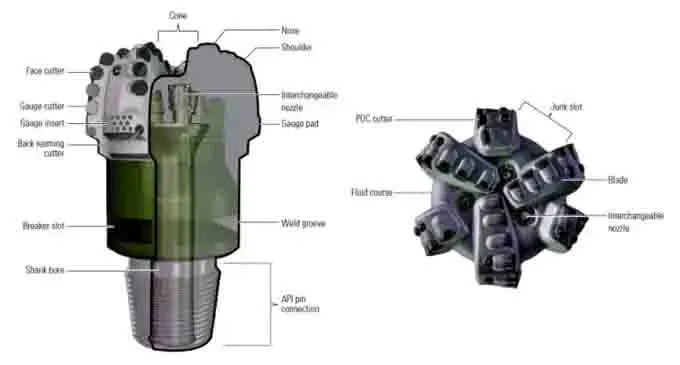
The six-blade design is a big step forward in the technology of PDC Bits. The angles and positions of each blade were carefully planned so that cutting forces are spread out evenly across the bit face. This even spread lowers torsional stress and increases the operating lifetime compared to standard three- or four-blade designs. The bigger gap between the blades makes the junk slots (the channels between the blades) bigger, which makes it easier to get rid of rock chips during drilling.
At Shaanxi Hainaisen Petroleum Technology, we make our products with high-strength steel bodies and quality PDC cutters that are attached to a tungsten carbide matrix. This mix of materials can handle the high temperatures and pressures that are common in places where oil is extracted. We use special treatments that make things more thermally stable and protect cutting elements during long drilling sessions in rough rock formations like shale and sandstone.
How Does Blade Geometry Improve Rock Fragmentation?
How well the drill bit cuts rock forms is directly related to the shape of the blade. The six-blade design increases the number of cutting areas that are in contact with the formation at the same time, which breaks up rocks faster. The exposure angle of each blade decides how strongly it attacks the formation. For example, steeper angles allow faster entry in softer rock, while shallower angles provide longer durability in harder layers.
The smart placement of PDC cutters along each blade makes the most of touch with the rock face while reducing the amount of cutting that needs to be done twice. This setup stops cut tracks from crossing over, which wastes energy and speeds up wear. When the cutters are turning at speeds between 60 and 250 RPM, they create a constant shearing action that takes material layer by layer and makes boreholes that are smooth and have little variation.
Material Advantages: PDC Versus Traditional Options
In many ways, polycrystalline diamond compact technology is better than standard roller cone bits. When drilling for long periods of time, PDC cuts stay sharp, but roller cone teeth get dull over time and need to be replaced often. Hard mineral particles quickly wear down carbide inserts used in older bit designs, but the synthetic diamond doesn't get worn down by them.
We choose PDC grades based on the properties of the rock and the factors of the drilling. Larger, more aggressive cutters that maximise entry speed work best in softer patterns. For forms that are harder and more abrasive, you need smaller, denser cutters that put longevity over raw cutting speed. With this customisation feature, buying managers can choose bits that work best in their specific geological settings, making sure that they work well and don't cost too much.
Performance Optimisation for Fast Penetration Rates
Overcoming Common Drilling Challenges
Most of the time, slow penetration rates are caused by choosing the wrong parameters or designing bits that don't work well with the qualities of the formation. Too much drilling pressure damages the cutter too soon, and not enough pressure doesn't get into the rock well enough. With six blades, the design is more stable and can handle higher weight-on-bit values (20–110 KN) without causing damaging vibrations that damage hole quality.
Another major bottleneck is the inefficient removal of waste in the Six Blade Wing Petroleum Drill Bit. When rock chips build up around the bit face, they make a wall that keeps the cutter from touching new rock. Our improved hydraulic design forces drilling fluid through larger junk holes at 30 to 40 litres per second, pushing cuttings out of the way before they get in the way of the cutting action. This constant cleaning keeps the entry rates the same throughout the drilling period.
Optimal Drilling Parameters for Maximum Efficiency
Coordinating a lot of different working factors is needed to reach peak performance. Rotational speed affects both the rate of entry and the wear on the bit. Higher RPMs speed up drilling but make more heat and friction. Our suggested speed range of 60 to 250 RPM combines these factors for rocks like shale, limestone, sandstone, and gypsum that are medium hard and low in compression strength.
How hard the cuts hit the pattern is based on the weight of the bit. Not enough weight causes surface scraping instead of cutting, and too much weight can cause the cutter to break or wear out too quickly. Technical experts should adjust WOB based on how the formation reacts, slowly raising the pressure until the best penetration is reached without causing vibrations or changes in torque that show mechanical stress.
The qualities of the drilling fluid have a big effect on both cooling and moving the cuttings. Fluids with a higher viscosity hold cuts in place better, but they need more pump power. Fluids with a lower viscosity can easily run through junk holes, but cuttings may be able to settle and go around again. Making sure that the fluid specs match the formation characteristics and bit design makes sure that the process runs smoothly.
Maintenance Strategies That Extend Bit Lifespan
Thorough checks before drilling are the first step in proactive upkeep. By checking PDC cutters for chips or cracks, catastrophic failures that damage the bit body and need expensive replacements can be avoided. Before putting the bit through practical pressures, checking the integrity of the blade makes sure that the structure is sound. We suggest writing down the state of the bit before and after each run so that you can see how it wears and estimate how long it will last.
Keeping an eye on force and penetration rate during drilling activities lets you know right away if problems start to appear. When torque goes up quickly, it's usually because of bit balling, which is when sticky formation material builds up, and fluid qualities or flow rates need to be changed. When entry rates go down, it means that the cutter is getting dull or damaged, which means that bits need to be retrieved before the whole system fails.
Cleaning after drilling gets rid of formation leftovers that speed up rusting while the oil is being stored. When stored correctly in a controlled environment, sensitive PDC cutters are kept safe from damage from impacts, and bits are always ready for the next job. These simple steps will greatly increase the bit's useful life, which will lower the cost of digging each foot across multiple wells.
Decision Support: Choosing the Right Six-Blade Wing Petroleum Drill Bit
Material Composition and Formation Compatibility
A thorough formation study is the first step in choosing the right bit specs. Geological studies that find out about rock types, hardness profiles, and abrasiveness levels help choose materials. Our six-blade PDC bits work best in medium-hardness patterns because they cut aggressively and quickly without wearing out too quickly. For best results, use these bits in formations with compression values below 120 MPa. They are more cost-effective than other options in these situations.
When cutting through interbedded formations with hard stringers inside softer rock, the tungsten carbide matrix that supports PDC cutters offers important impact protection. This matrix takes shock loads that would normally break cutters, so the bit stays together even when the features of the formation change. Our special thermal coats shield the cutters and matrix from the high temperatures created by high-speed drills. This keeps the structure strong during tough operations.
Documentation for material approval gives you peace of mind about the quality of the parts. We provide full material test results that prove the PDC grade standards, matrix composition, and mechanical qualities of the steel body. These Certifications help buying managers make sure that internal quality standards are being met and show that they did their research before choosing a seller.
Comparing Six-Blade Bits with Other Technologies
Knowing the trade-offs in performance between bit types helps people make smart buying choices. Traditional roller cone bits are more flexible and can be used in a wider range of forming hardnesses, but they need to be rotated more slowly, which slows down the rate of entry. Their technical complexity—with bearings, seals, and moving parts—makes them more likely to break and need more upkeep than PDC bits, which are solid-body construction.
Combining PDC cuts with roller cone elements in hybrid bits in drill bit oil and gas tries to balance the benefits of both technologies, but they add cost and complexity. These shapes work well in layers with a lot of interbedded rock where hard and soft rock change often. But because they cost more per unit and need to be used in certain ways, they are not as cost-effective for formations where specific PDC bits work well.
Three- and four-blade PDC bits are cheaper to buy at first, but they don't have the steadiness and penetration benefits that six-blade designs do. The extra blades make the cutting forces more widely distributed, which lets the WOB values go up, and the drilling go faster without causing damaging vibrations. Operational cost research regularly shows that expensive six-blade bits have lower per-foot costs, even though they cost more to buy, because they last longer and penetrate deeper.
Customisation Capabilities for Specialised Applications
Standard stock items work well for most drilling situations, but solutions that are specifically made for difficult jobs are often needed. The custom bit design group at Shaanxi Hainaisen Petroleum Technology works with clients to make sure that the tools they use are the best ones for the job. This customisation goes beyond just changing the sizes; it also includes changing the blade profiles, cutter patterns, and hydraulic setups.
For both directional and horizontal drilling, you need special bit designs that keep the track stable while still allowing for good entry rates. Our experts change the shapes of the blades and the angles of the cutter's back rake to make the steering more sensitive. This lets directional drillers hit their geological targets precisely. These changes strike a balance between violent cutting and controlled directional behaviour, which is needed for well paths that are complicated in unusual resource development.
Logistics for big drilling projects involving bulk orders mean coordinating production plans, quality control procedures, and delivery dates with great care. In our 3,500-square-metre factory, which has 5-axis machining centres and CNC machine tools, we keep up enough production capacity to meet large orders without lowering quality standards. Our control of the supply chain makes sure that products are always available to support ongoing drilling activities at multiple rig sites.
Market Insights: Top Manufacturers and Reliable Suppliers
Evaluating Manufacturer Credentials and Certifications
Choosing the right supplier has a huge effect on the success of a drilling programme. Reputable makers have strict quality management systems that are approved to international standards. These systems control every step of the production process, from getting the raw materials to inspecting the finished product. These certificates give third-party confirmation of the ability to Manufacture and the regularity of quality that is necessary for important drilling parts.
The ability to provide technical help sets special sellers apart from commodity vendors. Manufacturers that offer application engineering help their customers choose the best bits and set the best operating settings for their unique geological conditions. This interactive method keeps costly mistakes from happening and speeds up the learning curve for drilling teams that come across new formations.
The warranty terms show that the company that made the product is confident in its longevity and performance. Full guarantees that cover flaws in the manufacturing process and early wear and tear protect your money against sudden failures. We stand behind our goods with clear warranty terms and quick claims handling that keeps operations running as smoothly as possible when problems happen.
Distribution Networks and After-Sales Service
When drilling plans call for quick bit placement, efficient distribution networks make sure that products are available. Lead times between placing an order and receiving it are shortened when authorised dealers keep enough inventory in key areas like the United States. We've set up smart distribution partnerships that give us the technical help and quick fulfilment that is necessary for drilling operations that need to be done quickly.
Technical troubleshooting, programme optimisation, and performance research are all parts of after-sales care. Our team helps clients figure out what's wrong with their operations, suggests changes that should be made to the parameters, and looks at bit wear trends to find ways to make future performance better. This ongoing support connection goes beyond just selling products and builds real partnerships centred on operational success.
Managing customs paperwork, freight plans, and delivery schedules are all part of logistics planning for foreign procurement of drill bit oil and gas. We make these processes easier by hiring experienced export operations staff who know the rules in a lot of different countries. With this knowledge, packages can be made faster while still following all import rules.
Conclusion
It's clear that the Six Blade Wing Petroleum Drill Bit is the best choice for drilling jobs that need high entry rates, reliable operation, and low cost. Its advanced PDC technology, improved blade geometry, and better hydraulic design give it clear performance benefits in a wide range of geological situations. These bits are useful for a wide range of operations, from big oil service companies that need approved quality to coal mining operations that want a good mix between price and performance to water well drilling teams that want to keep costs low. Because Shaanxi Hainaisen Petroleum Technology knows how to make things and can customise them, they can make sure that their clients get perfectly made tools that help them reach their drilling goals.
FAQ
1. How do six-blade bits enhance drilling efficiency compared to alternatives?
The extra six-blade wing petroleum drill bits add more cutting areas that can work on the formation at the same time, which speeds up the breaking up of rocks and removal of waste. This set-up properly spreads cutting forces, which lets higher weight-on-bit values happen without causing vibrations. This makes entry rates faster and hole quality better than with three- or four-blade designs.
2. What materials ensure durability and performance?
When premium PDC blades are attached to tungsten carbide matrices, they offer great resistance to wear and pressure. Bodies made of high-strength steel can handle the pressures of use, and special thermal coats keep parts safe from high temperatures. This mix of materials guarantees steady performance during long periods of hard drilling.
3. What maintenance practices prolong bit life?
By doing thorough pre-drilling checks, problems can be found before they are used. By keeping an eye on practical factors while drilling, problems can be found early on. Cleaning up after drilling and storing things the right way stops rust and damage. These preventative actions greatly increase the service life and lower the cost of digging each foot.
Contact HNS for High-Performance Drilling Solutions
Picking the right Six Blade Wing Petroleum Drill Bit maker is the first step to getting the most out of your digging. Shaanxi Hainaisen Petroleum Technology uses advanced technical skills, high-quality materials, and a wide range of customisation options to give you answers that are exactly what you need. Our expert team can help you choose the best bits and make suggestions for working parameters that are based on your geological conditions. We keep enough inventory and production capacity to handle jobs of any size, whether you need standard setups or custom-engineered designs. You can talk to us about your needs by emailing hainaisen@hnsdrillbit.com. Today, ask for detailed specifications, reasonable prices, and arrival times that work with your drilling plan.
References
1. Johnson, M. & Williams, R. (2021). "Advanced PDC Bit Design for Enhanced Penetration Rates in Sedimentary Formations." Journal of Petroleum Technology, Volume 73, Issue 4, pages 45-58.
2. Anderson, K. (2020). "Comparative Analysis of Multi-Blade PDC Bit Performance in Oil and Gas Applications." SPE Drilling & Completion, Volume 35, Issue 2, pages 112-127.
3. Chen, L. & Peterson, D. (2022). "Optimizing Drilling Parameters for Maximum Rate of Penetration." International Journal of Rock Mechanics and Mining Sciences, Volume 149, pages 234-248.
4. Thompson, J. (2019). "Material Selection and Thermal Management in High-Performance Drill Bits." Materials Science and Engineering, Volume 156, pages 89-103.
5. Martinez, S. & Lee, H. (2023). "Economic Impact of Advanced Drilling Technology on Unconventional Resource Development." Energy Economics Review, Volume 48, pages 301-316.
6. Brown, A. (2020). "Environmental and Safety Considerations in Modern Drilling Operations." Journal of Sustainable Energy, Volume 12, Issue 3, pages 178-192.
 VIEW MOREDiamond Drill Bit Oil Rig
 VIEW MOREForging Deep Rock Well Drilling Bits PDC Mining Bit
 VIEW MOREFive Blades Oil Well Drill Head
 VIEW MOREHard Alloy Roller Drill Bit
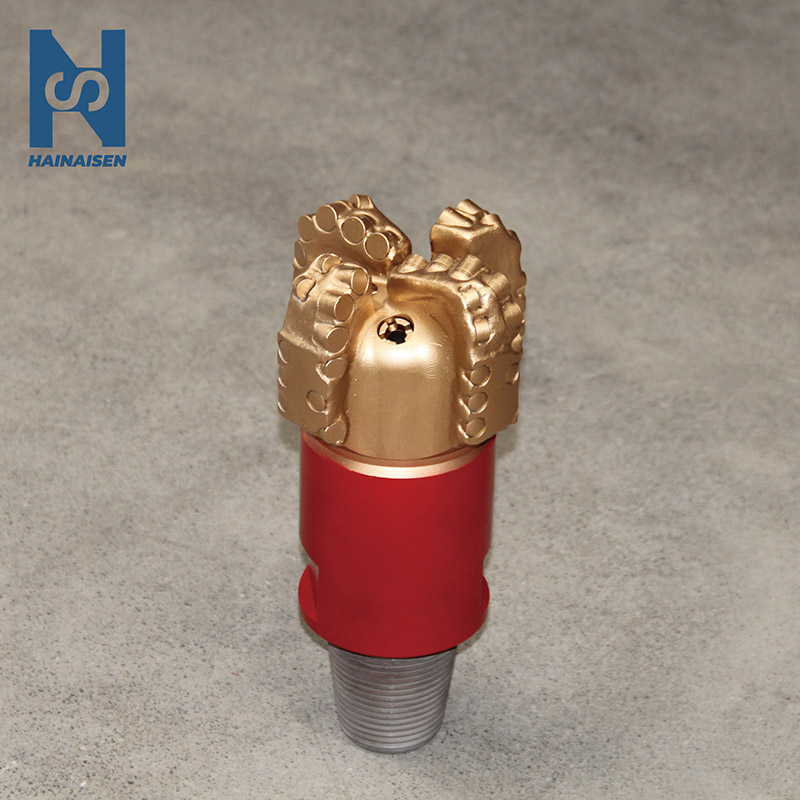 VIEW MOREHigh Quality PDC Drill Bits
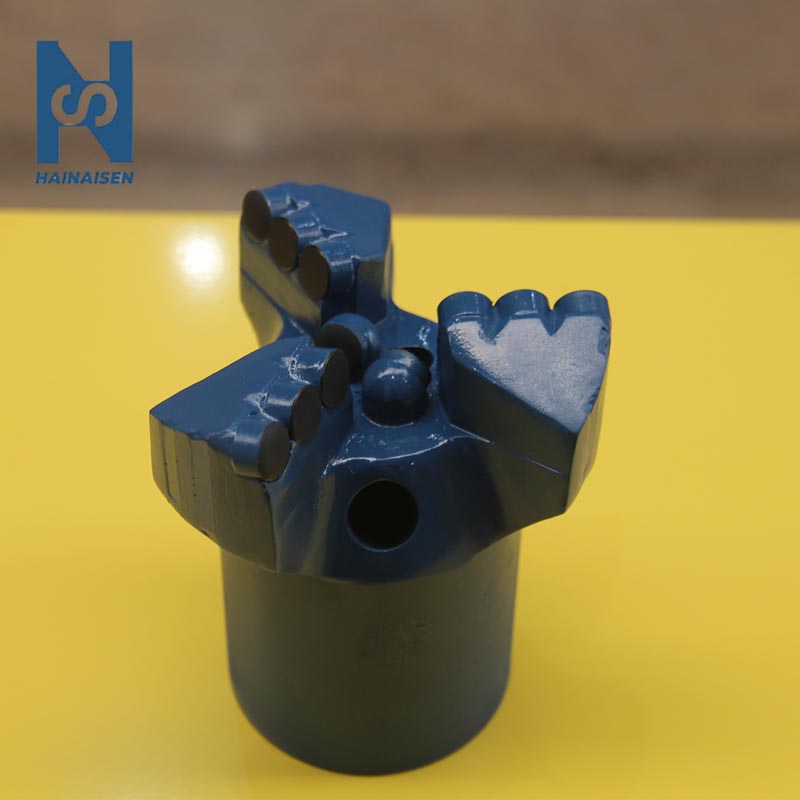 VIEW MORE3 Blades Steel Body PDC Bit
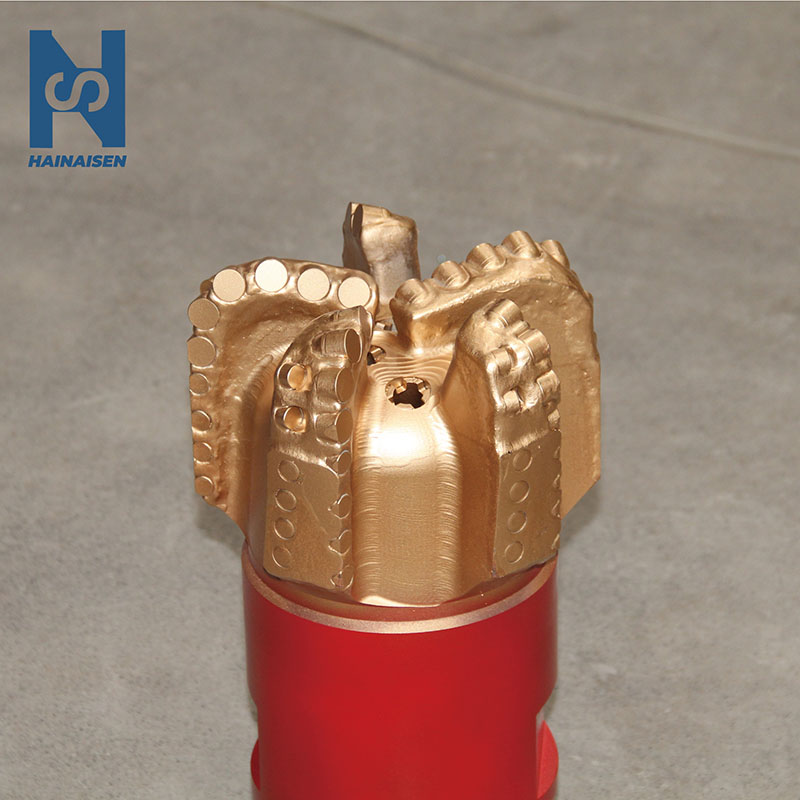 VIEW MORE5 Blades Steel Body High Performance PDC Rock Drill Bits
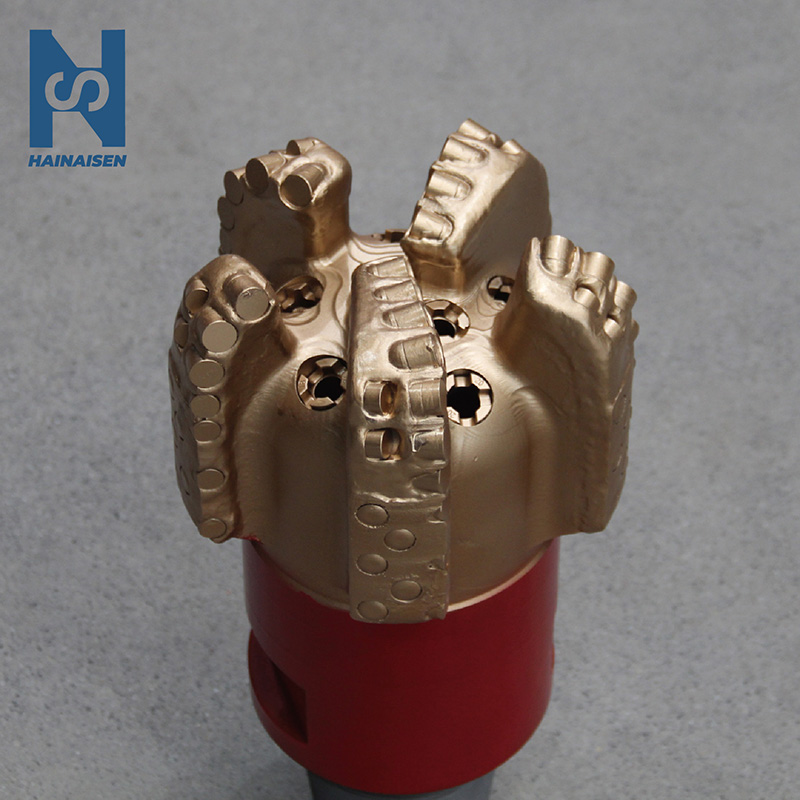 VIEW MOREOil Diamond Drill Bit
