Tool 6 Wings Drill Bit PDC Engineering Advantages in Oilfields
When looking at drilling options for tough oilfield jobs, the Tool 6 Wings Drill Bit PDC stands out as a major breakthrough that combines advanced polycrystalline diamond compact technology with a six-blade design that works best. This engineering method makes penetration rates, working stability, and cost-effectiveness better in medium-hardness rocks in a way that can be measured. The strategic order of the blades spreads the cutting forces out widely and reduces vibration, which lets drilling teams get consistent results in shale, limestone, sandstone, and gypsum layers. Understanding these engineering benefits is important for procurement managers and technical engineers who want reliable performance and long service life when choosing drilling tools that have a direct effect on project timelines and profits.
Understanding the 6 Wings PDC Drill Bit—Design and Functionality
Core Design Elements and Wing Geometry
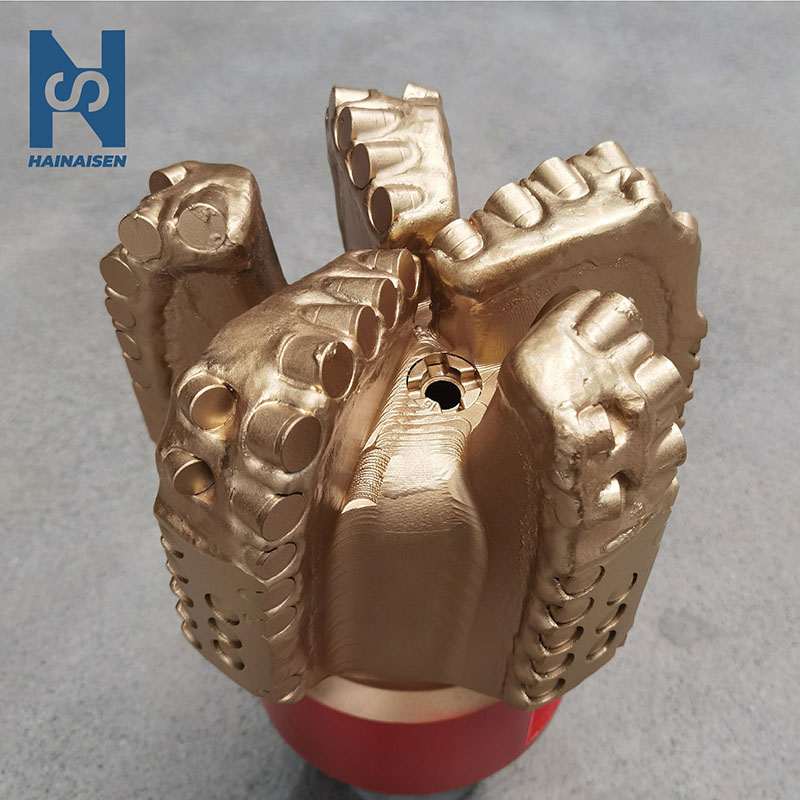
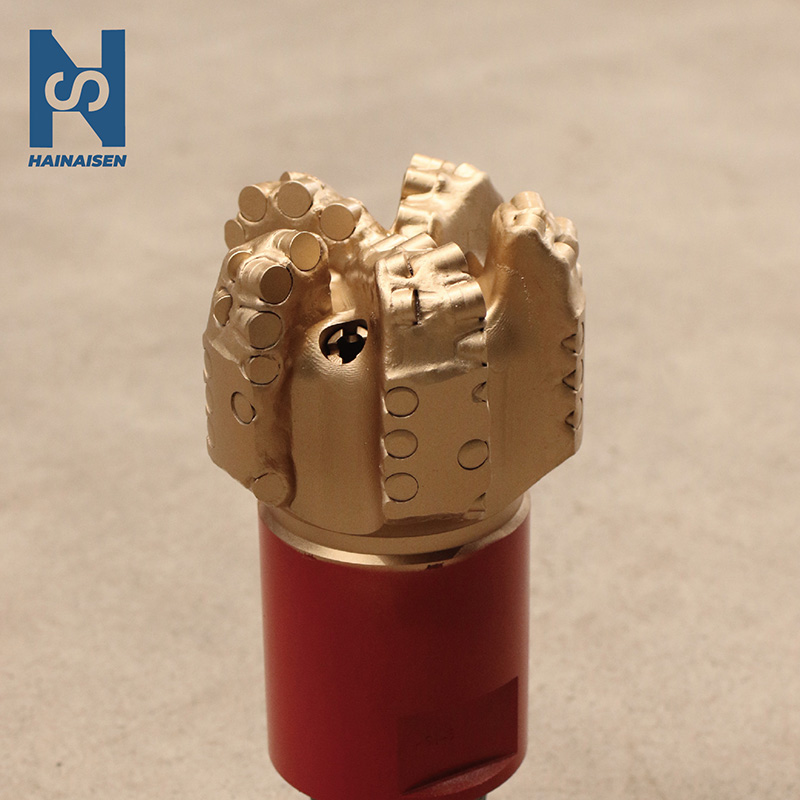
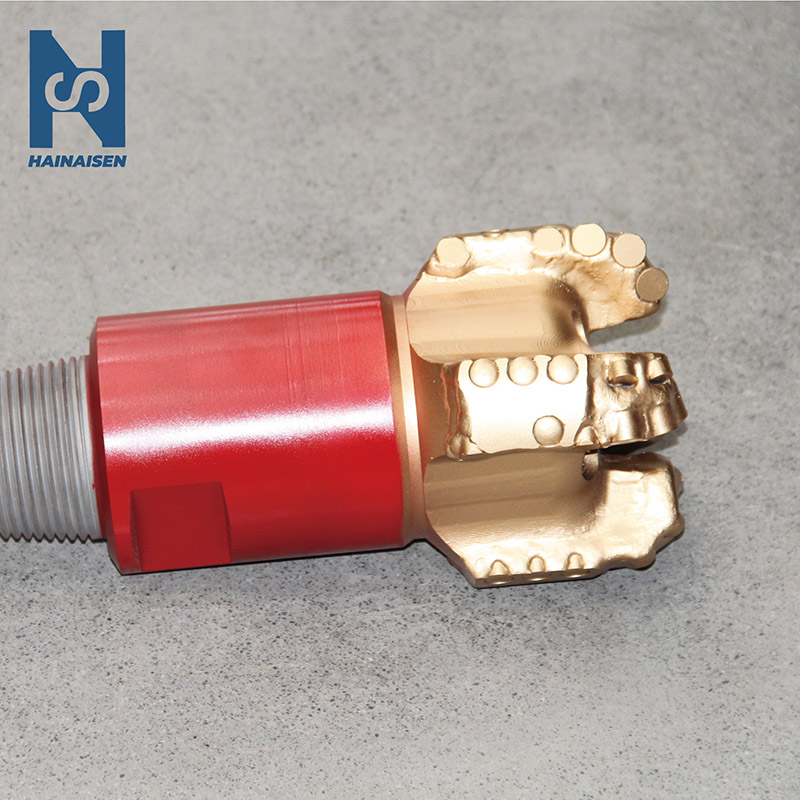
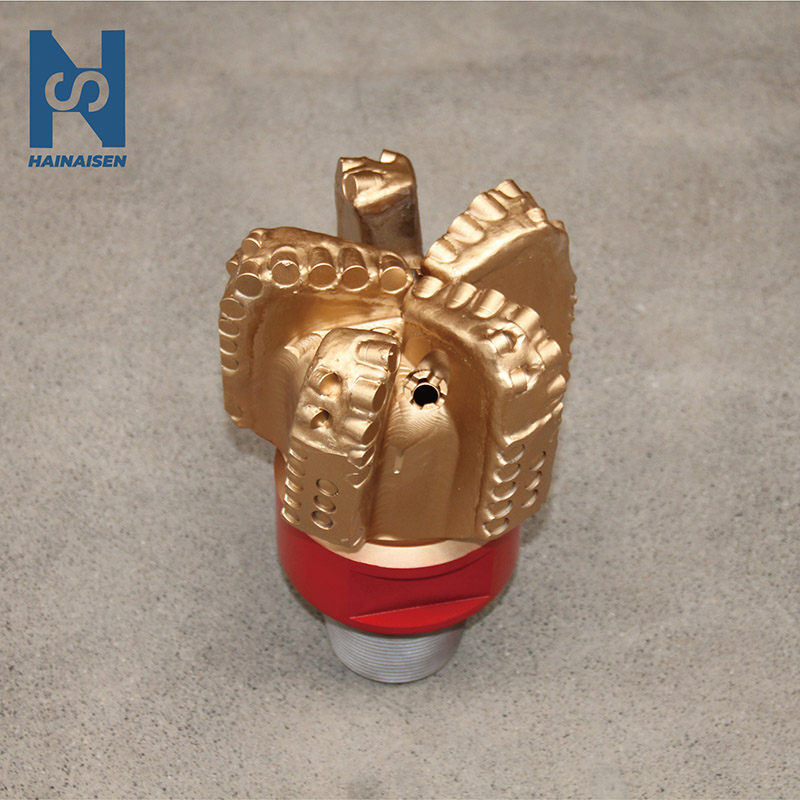
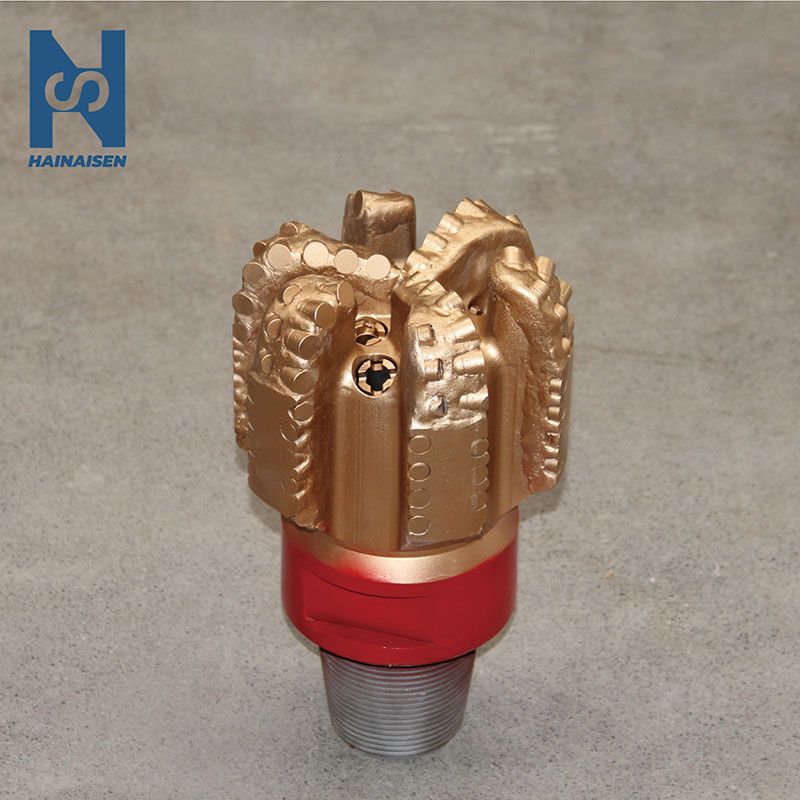
The Tool 6 Wings Drill Bit PDC design was chosen on purpose by engineers to find a good mix between cutting surface area and hydraulic economy. In contrast to standard three- or four-blade designs, this structure places PDC blades at precise intervals around the bit body, making more than one point of contact with the formation. Each wing stretches from the main steel body and has diamond compact cutters set in a way that shears rock by continuously scraping it instead of breaking it. This shape lowers the amount of energy needed for each spin while keeping the structure strong under drilling pressures between 20 and 110 kN.
In our Xi'an factory, 5-axis machining centers are used to carefully shape each blade profile. This makes sure that all cutter exposure angles are the same, which directly affects the formation of chips and the removal of waste. The tungsten carbide composite material that reinforces the outer areas is very resistant to wear. This is especially important when drilling through layers of rough rock, where regular bits wear out quickly.
Strategic PDC Cutter Placement
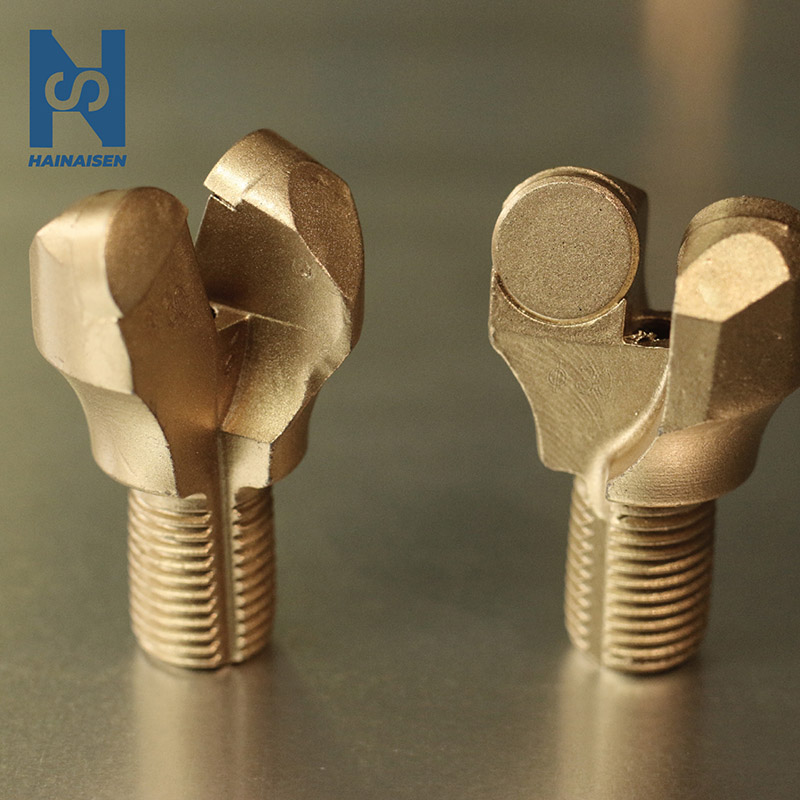
Polycrystalline diamond compact inserts are placed in a radial pattern that is meant to make the most contact with the rock while avoiding cutter overlap, which would lose cutting potential. The diameter of each fake diamond disk can be anywhere from 13 mm to 19 mm, based on the purpose and the way the diamond was formed. The back rake angles of the cutters are set at certain angles, usually between 10 and 20 degrees, to get the most cutting done while keeping the heat down during long drilling runs.
Engineers call this setup "redundant cutting paths," which means that more than one cutter works on the same circular zone at different spinning speeds. When one cutter hits a particularly hard inclusion or gets a little chipped, the cutters next to it make up for it by keeping the general penetration rates the same. This extra safety feature is very helpful during experimental drilling, where the rock conditions inside the same shaft can change without warning.
Adaptability Across Geological Formations
Formations with a medium level of hardness present specific problems that need flexible drilling solutions. Shale layers often have limestone bands mixed in, and sandstone deposits can change quickly into gypsum zones. The Tool 6 Wings Drill Bit PDC can deal with these changes because it can keep drilling dynamics fixed across 20–80 MPa of compression strength. Drillers can change the rotational speed based on real-time feedback from the formation at speeds between 60 and 250 RPM. This keeps the bit from breaking catastrophically and maximizes the rate of entry.
Our engineering method, Tool 6 Wings Drill Bit PDC, gives hydraulic design the same amount of care as other designs. It is possible for 30 to 40 liters of drilling fluid per second to flow through the areas between the wings, which are known as "junk slots" in the industry. This flow gets rid of rock chips quickly and keeps the PDC cuts cool, which stops thermal breakdown that shortens the bit's life. The flow pattern also keeps the bit stable by distributing pressure evenly around its edge. This lowers the side-to-side shaking that damages bearings in downhole motors more quickly.
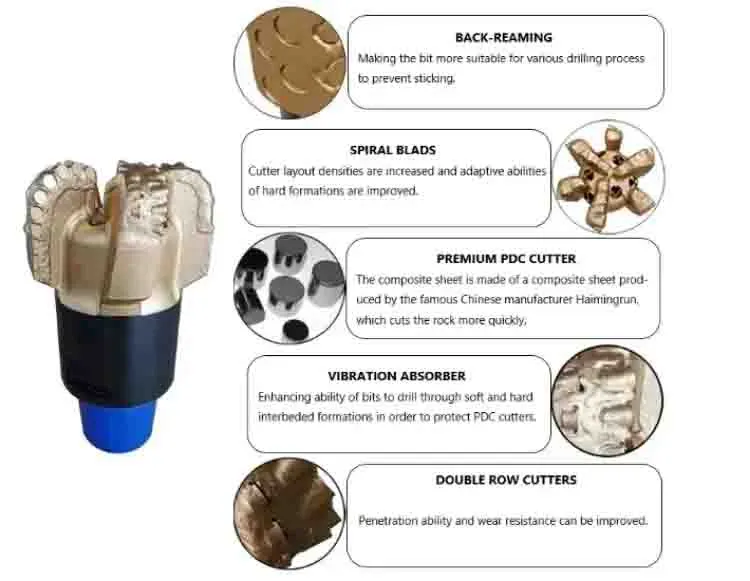
Engineering Advantages of 6 Wings PDC Drill Bits in Oilfield Operations
Superior Penetration Rates and Drilling Efficiency
According to figures from oil service companies, Tool 6 Wings Drill Bit PDC configurations are 15 to 25 percent better at drilling through interbedded shale and limestone patterns than four-wing configurations. This is because the cutting structure is now more engaged with the formation. This is because there are more blades, which means that there are more busy cutters clearing rock at any given time. As a result, fewer hours are spent drilling per meter of shaft. This directly lowers the costs of renting a rig and paying crews, which are big parts of project budgets.
Stability in operations is another measured benefit. Vibration research done during comparison field trials shows that asymmetric three-wing configurations have 30% higher horizontal acceleration than Tool 6 Wings Drill Bit PDC designs. Not only does less shaking protect the bit, but it also protects expensive downhole tools like mud motors and measurement tools that are used while digging. Purchasing managers who are interested in the total cost of ownership know that buying high-quality drilling bits up front can often be worth it because they protect other tools from damage.
Extended Service Life and Durability
To make bits last longer, engineers use both material science and load distribution mechanics. Our high-tech PDC cutters use improved diamond-making methods that make the intergranular linking stronger within the polycrystalline structure. This makes the cutters about 40% more resistant to impact than regular industrial diamond compacts. The Tool 6 Wings Drill Bit PDC design spreads the weight-on-bit forces across more cutting elements, which means that individual cutters are under less stress, which delays wear and prevents failure before it's time.
There are documented case studies from coal bed methane drilling operations that show that Tool 6 Wings Drill Bit PDCs can drill 800 to 1,200 meters before they need to be replaced, while regular tricone bits can only drill 300 to 500 meters in the same layers. This triple increase in service frequency means that there will be fewer trips to change bits, which is a time-consuming process that can take up to eight hours per trip in deep wells. When water well-digging teams are on a tight plan, cutting down on non-productive time directly increases project profits.
Performance in Harsh Downhole Environments
High temperatures, toxic drilling fluids, and high-pressure zones are just some of the problems that oilfield drilling often has to deal with. When bottomhole temperatures go above 150°C, which is when weak diamond materials start to change structurally in ways that make cutting less effective, the thermal stability of PDC cutters becomes very important. As part of our production process, we put each bit through strict thermal cycle tests to make sure it can handle changes in temperature without the cutter-to-substrate bond becoming micro-fractured.
Chemical resistance is important (wing PDC Bits), whether you're digging with oil-based or synthetic muds that may have additives that are bad for bonding materials. The cobalt-cemented tungsten carbide base under each PDC cutter is resistant to chemical attack and keeps its mechanical strength even when compressed loads are higher than 2,000 MPa. These qualities of the material make sure that the bit works the same way throughout its lifetime, keeping the entry rates that purchasing teams look for in high-quality drilling tools.
Performance Optimization and Maintenance Best Practices
Recommended Operating Parameters
To get the best return on investment from Tool 6 Wings Drill Bit PDCs, you need to stick to working windows that have been scientifically decided. Rotational speed has a big effect on both the rate of entry and the life of the bit. If you run it below 60 RPM, you won't be able to get enough cutting speed to get rid of rocks effectively, and if you go over 250 RPM, you could damage PDC cutters through frictional heating. For most medium-hard rock types, the best range is between 100 and 180 RPM, which can be changed by watching the drilling force and rate of penetration in real time.
Another important measure that technical engineers must carefully adjust is the bit's weight. When drilling pressure is too low, below 20 kN, PDC cuts rub against the rock instead of shearing it, which generates too much heat without drilling anything. On the other hand, loads higher than 110 kN can cause stick-slip vibration patterns that subject the bit to repetitive shock loads that could break individual cuts or damage the bit body. Modern drilling tools with controlled drilling systems can keep the bit's weight within 5 kN tolerance bands. This improves performance and keeps the equipment safe.
Proactive Maintenance and Wear Monitoring
To make bits last longer, they need to be handled properly during shipping and rig-up. Even though PDC cuts are very hard, they are still brittle and can break if bits are dropped or hit against metal objects. According to our technical documents, bits should be kept in protective shipping cases until they are used, and all cutters should be looked at closely for chips or cracks that could spread during drilling.
Keeping an eye on real-time drilling factors during operations lets you know right away if the bit is wearing down or getting damaged. When the force goes up and the penetration rate drops quickly, it's often a sign of cutter wear or bit balling, which is when sticky formation material builds up between the blades and makes cutting less effective. Drillers with a lot of experience can fix the problem by changing the qualities of the drilling fluid or the speed of the rotating motor. Some advanced operations use downhole vibration sensors to find the unique frequency fingerprints of broken cutters. This lets a bit change happen before a major failure happens.
Compatibility with Drilling Rig Configurations
Standard rotating drilling systems, top-drive mechanisms, and downhole mud motor units all work well with Tool 6 Wings Drill Bit PDCs. The American Petroleum Institute defined connection threads, which are usually 2⅜" or 3½" regular connections for medium-diameter bits. This makes sure that different rig stocks can work together. When the torque capacity of the bit and the drill string are matched, connection problems that could leave expensive equipment downhole are avoided.
When using Tool 6 Wings Drill Bit PDCs and wing PDC bits with positive displacement motors, it is important to know the motor's power output and speed ratio in order to get the best results. A motor with a 1:5 ratio that spins at 100 RPM on the surface makes 500 RPM at the bit. This is way outside of the suggested working range and could cause the PDC to break down quickly. By planning ahead, you can take these mechanical relationships into account and make sure that your equipment works with each other, which saves both your bits and motor purchases.
Conclusion
Tool 6 Wings Drill Bit PDCs are better from an engineering point of view. They also work better in a wide range of oilfield tasks, from regular oil and gas research to specialized projects like geothermal wells and horizontal directional drilling. Better penetration rates are achieved with the improved blade geometry, which also keeps the bit and expensive downhole tools stable. When advanced PDC technology is paired with precise production, it makes tools that can survive difficult conditions downhole for longer periods of time between service intervals. This lowers the number of trips and the cost per meter drilled. Strategic methods of buying things that focus on evaluating suppliers' abilities, customizing work together, and building partnerships get the best return on investments in drilling bits while also making sure they work reliably in tough geological conditions.
FAQ
1. What formations work best with six-wing PDC drill bits?
When working with medium-hardness rocks with compression forces between 20 and 80 MPa, Tool 6 Wings Drill Bit PDC configurations work best. These include gypsum, shale, limestone, and sandstone layers that are often found when looking for oil and gas. The design works well with interbedded strata and keeps the drilling dynamics fixed when switching between rock types. But rocks that are very hard (over 120 MPa compressive strength) or very rough, like quartzite, might need special cutter grades or different bit technologies to keep them from wearing out too quickly.
2. How does operating speed affect bit performance and longevity?
Both the rate of penetration and the heat loads on PDC cuts are directly affected by the speed at which they spin. Working within the suggested 60 to 250 RPM range matches how well the blade cuts with how much heat it makes. Lower speeds, around 80 to 120 RPM, work best in harder rocks where rough cutting would damage the cutters. Higher speeds, around 200 RPM, work best in softer rock. When you go over the suggested maximums, frictional heating happens that breaks down the cobalt binder in PDC cuts, making them last a lot less time.
3. What customization options are available for specific drilling projects?
You can change the blade profiles to change the hydraulic properties, change the PDC cutter sizes from 8mm to 22mm in diameter based on the hardness of the formation, change the cutter density to make the cutting structure more aggressive, and add special gauge protection for directional drilling applications. Our engineering team works with customers to come up with bit specs that meet the unique needs of each project, such as drilling in a certain direction, dealing with unusual rock properties, or being compatible with current downhole equipment.
Partner with HNS for Superior Drilling Performance
HNS is an expert at providing high-performance drilling options that are designed to meet the needs of challenging oilfield operations. As a well-known company that makes Tool 6 Wings Drill Bit PDCs, our Xi'an plant blends cutting-edge 5-axis machining technology with skilled engineering teams that can create custom bit designs that solve your specific geological problems. Whether your business needs bits for extracting coal bed methane, building water wells, or complicated directional drilling projects, our technical consulting services can help you find the best specs that meet both performance and cost needs. Our dedication goes beyond delivering products; it also includes ongoing help that makes bits last longer and drill more efficiently. Get in touch with our team at hainaisen@hnsdrillbit.com to talk about your project needs and find out how our PDC drilling solutions can help you cut costs and increase entry rates.
References
1. Armenta, M. (2018). PDC Bit Technology: Fundamentals and Field Applications. Society of Petroleum Engineers Technical Publications.
2. Barr, D. T. (2020). "Comparative Performance Analysis of Multi-Blade PDC Drill Bit Configurations in Interbedded Sedimentary Formations." Journal of Petroleum Technology, 72(4), 45-58.
3. Chen, S., & Warren, T. M. (2019). "Thermal Stability and Wear Mechanisms in Polycrystalline Diamond Compact Cutters Under Downhole Conditions." International Journal of Rock Mechanics and Mining Sciences, 116, 78-91.
4. Hareland, G., & Rampersad, P. R. (2017). Drill Bit Selection and Optimization for Cost-Effective Drilling Operations. Gulf Professional Publishing.
5. Mitchell, R. F., & Miska, S. Z. (2021). "Hydraulic Optimization of PDC Bit Designs for Enhanced Cuttings Transport and Reduced Bit Balling." SPE Drilling & Completion, 36(2), 312-327.
6. Zhang, H., & Di, Q. (2022). "Advanced Manufacturing Techniques for Precision PDC Drill Bit Production: Quality Control and Performance Validation." Journal of Manufacturing Processes, 68, 1204-1218.