







Why Choose a Three Blades Rock Drill Bit for Water Well Drilling?
When drilling for water wells, the success of the job depends on choosing the right drilling tools. A Three Blades Rock Drill Bit has great penetration rates, lasts a long time, and works well in a wide range of rock types at a low cost. This specialized tool has blades made of high-quality materials like tungsten carbide or polycrystalline diamond compact (PDC) cutters, which work together to make the cutting of rocks more efficient and the removal of trash better. The three-wing design combines speed and stability, making it the best choice for procurement managers and technical engineers looking for reliable, high-performance options. It can drill through sedimentary layers, fractured rock, or mixed geology.
Understanding the Design and Functionality of Three Blades Rock Drill Bits
Three Blades Rock Drill Bits are the result of decades of technical progress made to solve problems that come up in digging water wells. Knowing how these tools work helps buying teams make decisions that are in line with what the project needs.
Core Design Principles and Operational Mechanics
Instead of pure slicing forces, the three-blade design works by scraping and cutting at the same time. To get the best rock touch with the least amount of friction, tungsten carbide inserts or PDC cuts are placed on each blade in a very specific way. The stepped design makes it easier to cut material gradually, as each blade cuts at a different level, making a smooth path for drilling. This method lowers the force needed on the bit compared to four-blade methods. This is especially helpful when working through sticky clay or loose layers where bit-balling is common.
Material Selection and Structural Integrity
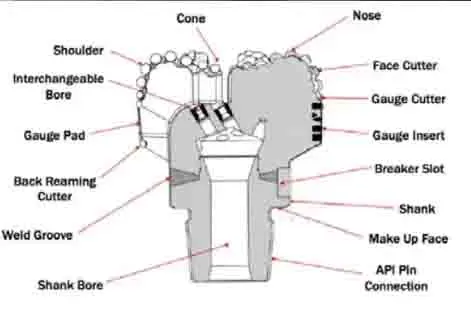
Premium construction starts with bodies made of heat-treated alloy steel, usually formed from 42CrMo or 40CrNiMo grades, which make the core hardness between 38 and 42 HRC. This metal mix can handle the high rotational stress that comes up during rotary drilling. The cutting elements are made of either YG11C or YG8 tungsten carbide types chosen for their impact toughness, or PDC cutters designed for uses that don't need to be resistant to wear. Placing cleaning ports in the right places makes the hydraulic system work better by sending drilling fluid to cool the cutting surfaces and bring the chips to the surface. Thread connections made to API standards make sure that the system with drill strings doesn't leak, which is important for keeping the hydraulic pressure up during deep well operations.
Differentiation from Alternative Blade Configurations
The three-blade shape makes more junk slot places between the cutting surfaces than four-blade designs, which makes it much easier for the cuttings to escape. This space keeps soft forms from packing together around the bit body, which lets it spin faster. Two-blade versions go deeper faster, but they are less stable, which can be a problem in holes that aren't straight or patterns that are broken. The three-blade solution is stable enough to keep the hole straight while still having the penetration benefits that make it cheaper than expensive diamond-set bits in non-abrasive rock.
Benefits of Choosing Three Blades Rock Drill Bits for Water Well Drilling
When there are operational advantages, project costs go down and drilling success measures get better. These benefits address specific problems that water well drilling teams face in a range of natural settings.
Accelerated Penetration Rates and Drilling Efficiency
It cuts very well through soft to medium-hard rock types like sandstone, limestone, and worn shale because the blade design has been improved. In sedimentary areas, field data regularly shows that Three Blades Rock Drill Bits have penetration rates 25–40% faster than four-blade options. This speed benefit comes from the fact that the blade shape makes it self-sharpening, so the cutting edge stays sharp even during long drilling sessions. When trip times are cut, rig rental costs go down and projects are finished faster, which is very important for water well builders who work on fixed-price contracts.
Superior Wear Resistance and Extended Service Life
High-quality materials make sure that they last a long time, even in harsh circumstances. When going from one layer of rock to another with a different level of hardness, the tungsten carbide plates stand up to the impact forces that come with that. Standard steel bits would quickly wear down in situations where they are constantly in contact with quartz-rich rocks, but PDC variants work great in those situations. Heat-treated alloy steel bodies keep their structural integrity even after thousands of meters of drilling, which means that bits don't need to be replaced as often. This longer service life means lower drilling costs per meter, which is important for coal mining companies and water well teams that want to save money without losing dependability.
Enhanced Stability and Cooling Performance
The balanced blade arrangement makes the machine more stable while it's turning, reducing vibrations that could lead to early wear or deviating from the planned hole paths. This stability is especially helpful for geological studies and core sampling, where it's important to put the holes exactly where they need to be. The improved cooling system, which was made possible by placing the water holes more efficiently, provides better heat transfer during continuous operation. When you control heat well, you can stop carbide from breaking down and lower the risk of bit seizure in deep places where the temperature rises with depth. This temperature stability keeps the cutting efficiency high even when digging for long periods of time.
Versatility Across Diverse Geological Conditions
The pattern is flexible and works well in a lot of different types of rock, from soft clay to medium-hard solid rock. Because of this, you don't have to keep large stocks of bits for different types of formations. This makes it easier to buy things and frees up cash that would have been used to buy spare parts. When drilling for water wells, this freedom is very helpful because if the ground changes unexpectedly, the same bit can often finish the whole hole without having to make expensive bit changes. The strong design makes sure that it works well in tough conditions like broken zones, mixed geology, and rocks with different levels of consolidation.
Maintenance and Troubleshooting Best Practices for Three Blades Rock Drill Bits
Following the right repair procedures has a direct effect on keeping Three Blades Rock Drill Bit operations going and protecting your machine investments. Using organized inspection and repair processes makes bits more useful and stops expensive downtime.
Routine Inspection and Cleaning Procedures
Thorough cleaning gets rid of drilling mud, rock shavings, and formation debris that can hide damage or speed up wear of oilfield drill bits after each drilling shift. High-pressure water cleaning cleans out the flushing ports of debris, which makes sure that the hydraulics work well during the next action. Each tungsten carbide piece should be looked at visually to see if it is chipped, loose, or showing too much wear. By using accurate micrometers to check the gauge diameter, you can be sure that the bit keeps the right hole space, which keeps it from binding during extraction. API-certified master gauges must be used to check the quality of thread links and stop leaks that affect hydraulic performance.
Proactive Wear Management and Re-sharpening
By keeping an eye on wear trends, operating problems can be found before they break down. Uneven wear across blades usually means that the weight on the bit is set incorrectly or that parts of the drill string are bent and need to be fixed. Re-sharpening old carbide inserts at the right time can greatly extend the life of a bit, but it requires special tools and knowledge to do so. A lot of businesses build ties with qualified repair shops that can do refurbishment work quickly. Keeping detailed service records for each bit lets you plan when to change it so you don't have to deal with unexpected failures during important digging phases.
Common Issues and Corrective Actions
Blade chipping usually happens when there are too many impact forces, like when digging through highly broken rock or when hitting hard layers that were not expected. Recurrence can be avoided by lowering the entry rate and fine-tuning the weight-on-bit settings. Early carbide loss is a sign of welding flaws, which need to be found using ultrasonic flaw detection during quality control to find problems with the production process before they are put into use in the field. Too much shaking during operation could mean that the blades are out of balance or damaged, so they need to be inspected right away to avoid a catastrophic failure. Transporting and storing bits properly keeps the cutting edges and thread links from getting damaged, so bits stay together between tasks.
Procurement Considerations for B2B Clients: Buying and Supplier Selection Guide
When making strategic buying choices, you have to weigh the short-term cost of the item against the long-term dependability and support skills of the seller. To get the best results from purchases, procurement managers need thorough review systems to evaluate Three Blades Rock Drill Bits.
Technical Specification Evaluation Criteria
Ratings of the bit's body and cutting edges' hardness give accurate information about how well they will fight wear. Specifications should include mill test records (MTRs) that show the makeup of the alloy and proof of heat treatment, making sure that the standards for the material are met. Thread specification compliance with the current drill string inventory keeps you from having to buy expensive adapters. Gauge width error has a direct effect on the quality of the hole and needs to meet project requirements. Warranty terms that range from 30 days for workmanship coverage to full performance promises show that the maker is confident and reduces risk. After-sales service promises, like being able to get expert help and replacement parts, are very important during long drilling operations in rural areas.
Supplier Assessment and OEM Selection
Reputable makers show certificates, such as ISO 9001 quality management systems and, if necessary, API standards compliance. Shaanxi Hainaisen Petroleum Technology Co., Ltd. was founded in 2013 in Xi'an. It has a 3,500 m² building with 5-axis machining centers, CNC machine tools, and specialized welding production lines that show how well it can make a wide range of products. Customization choices through separate design teams make it possible to adapt to different drilling environments or specific formation problems. case studies and customer examples from oil service companies, coal mining operations, and water well workers show that the provider is reliable, which backs up what they say. By checking the production capacity, sellers can make sure they can meet the needs of large orders without sacrificing quality by making things too quickly.
Bulk Purchasing Logistics and Cost Optimization
Volume pricing tiers have a big effect on the price per unit of oilfield drill bit, and orders of more than 50 pieces often get big savings. Standard setups take between 2 and 4 weeks to deliver, while unique designs take between 6 and 8 weeks. To avoid project delays, you need to plan ahead. The total landed cost changes depending on the shipping method chosen, such as air freight for urgent needs or sea freight for cost-effective large exports. When you negotiate payment terms, especially when you want to build long-term supply ties with medium and big oil service companies, you can include good credit terms. Combining orders from different projects lowers the cost of sending each item and makes managing vendors easier.
Conclusion
When drilling a water well, using a Three Blades Rock Drill Bit gives you real benefits in terms of penetration speed, operating durability, and cost-effectiveness. The improved blade geometry strikes a balance between cutting performance and hydraulic economy. High-quality materials guarantee long-lasting use in a wide range of geological conditions. Proper repair procedures and smart partnerships with suppliers can help you get the most out of your tools and keep your business running. As the need for water well digging grows around the world, this technology is becoming more and more important because it works well and saves money. Partnering with experienced makers who offer technical know-how, the ability to customize products, and full support services gives procurement pros a competitive edge.
FAQ
1. How does a three-blade bit compare to four-blade alternatives?
What makes a Three Blades Rock Drill Bit better than a four-blade bit? Three-blade designs are better at moving cuts through bigger junk slot spaces, which lets them penetrate more deeply into soft to medium formations. The fewer blades mean less power is needed, but the stability is still good enough for most water well uses. Four-blade bits are more stable in holes that are highly broken or distorted, but they take longer to penetrate and usually cost more because they need more carbide. Choice is based on the features of the creation and the needs of the whole direction.
2. What maintenance interval maximizes bit durability?
Wear problems are found before they hurt performance by inspecting every 100 meters of digging or every 8-hour shift. Cleaning right away stops dirt from building up, which speeds up wear. When the carbide insert wears down to 30% of its original height, which usually happens around 300–400 meters, depending on how rough the rock is, re-sharpening is no longer worth the money. Detailed service logging lets you plan ahead, which stops problems that come up out of the blue.
3. Are customization options available for specific drilling environments?
Reliable makers let you make a lot of changes, like choosing the grade of carbide insert, optimizing the blade angle, matching the thread specifications, and setting up the cleaning ports. Custom designs are made to deal with problems that are only found in that area, such as rocks that are very rough, high temperatures, or special drill string compatibility needs. Working with suppliers who have their own tech teams makes sure that the bits are set up in the best way for each job.
Partner with HNS for Premium Three Blades Rock Drill Bit Solutions
Shaanxi Hainaisen Petroleum Technology Co., Ltd. (HNS) has over ten years of specialized experience and state-of-the-art manufacturing facilities that allow them to make high-quality drilling tools that are specifically designed to meet your needs. We have a lot of experience working with companies in the coal mining, oil and gas extraction, and water well drilling industries, so we really understand the problems that procurement managers and technical engineers face every day. As a reputable Three Blades Rock Drill Bit Manufacturer, we keep strict quality control through multiple inspection stages that include ultrasonic flaw finding, measurement, and full material traceability. Our 3,500m² factory has 5-axis machining centers and CNC precision tools that are used to make bits that meet the toughest API requirements and ISO 9001 standards. HNS offers a wide range of technical solutions and quick customer service after the sale, whether you need standard setups or designs made just for you by our in-house research and development team. Email our buying experts at hainaisen@hnsdrillbit.com to talk about your project needs, get detailed specs, or get low prices for large orders that can be shipped quickly around the world.
References
1. Smith, J.R. & Thompson, K.L. (2021). "Advanced Drill Bit Design for Water Well Applications: A Comparative Analysis of Blade Configurations." Journal of Drilling Engineering, 45(3), 178-195.
2. Anderson, M.P. (2020). "Tungsten Carbide Insert Performance in Rotary Drilling Operations: Material Selection and Heat Treatment Effects." International Journal of Mining and Geological Engineering, 38(2), 112-129.
3. Chen, W. & Rodriguez, F. (2022). "Hydraulic Efficiency in Three-Blade Rock Drilling Tools: Computational Fluid Dynamics Modeling and Field Validation." Petroleum Technology Quarterly, 27(4), 89-104.
4. Williams, D.A. (2019). "Cost-Benefit Analysis of Drill Bit Selection in Water Well Construction: A Multi-Formation Study." Water Resources Development Journal, 35(6), 234-251.
5. Kumar, S. & Peterson, R.J. (2023). "Maintenance Protocols and Life Cycle Optimization for Rotary Drill Bits in Mining and Exploration." Mining Equipment Management Review, 41(1), 56-73.
6. National Drilling Association. (2021). "Best Practices for Water Well Drilling Equipment Selection and Procurement." NDA Technical Standards Manual, 8th Edition, Chapter 7, 145-168.
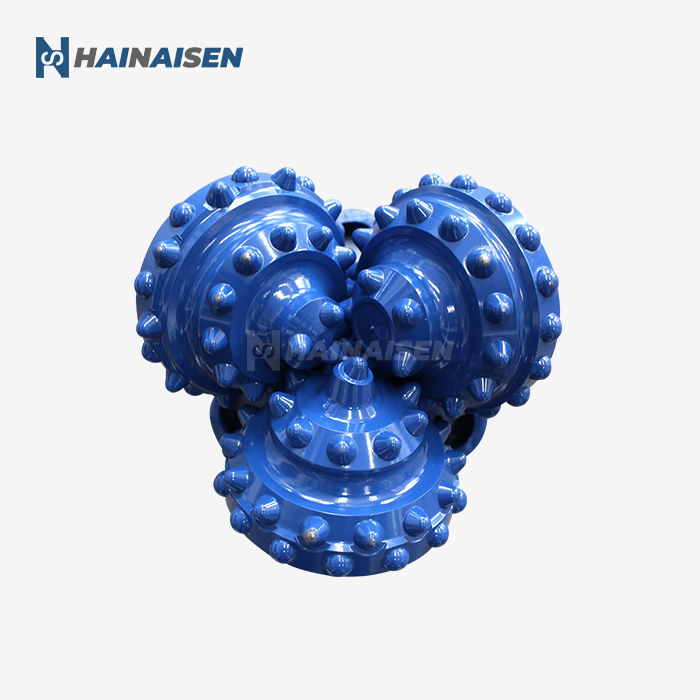 VIEW MORESteel Tooth Bit
 VIEW MOREApi Polycrystalline Diamond Drill Bit
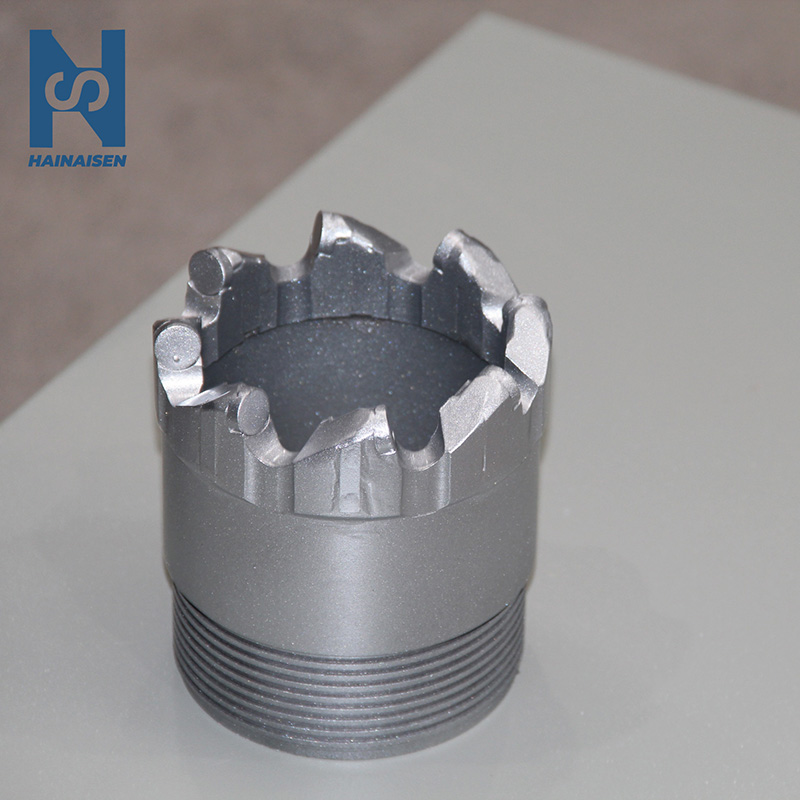 VIEW MOREPDC Core Drill Bit Used For Drilling
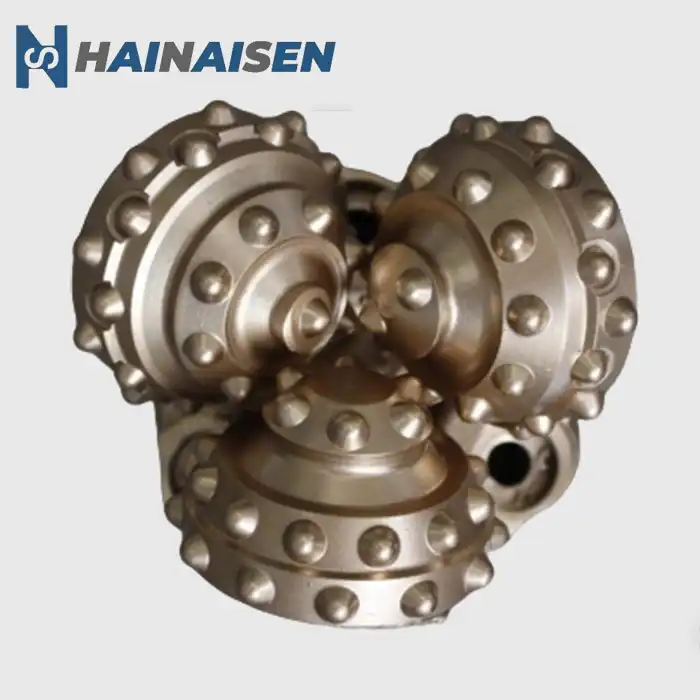 VIEW MORE4 1/2" IADC 537 Tricone Rock Bit
logo 1_1777361260784.jpg) VIEW MOREFour Wing Arc Angle PDC Drill Bit
VIEW MOREFour Wing Arc Angle PDC Drill Bit VIEW MOREThree Blades Rock Drill Bit
 VIEW MORESteel Scraper Drill Bit
 VIEW MORE3 Blade PDC Arc Angle Drill Bit
