Technical specifications of five blade wing oil drilling blades and wings
It is very important to know the technical details of five blade wing oil drilling systems when choosing drilling tools for difficult oil, mining, or geological research projects. These high-tech PDC (Polycrystalline Diamond Compact) tools have five different cutting blades, and each one has diamond-enhanced cutters that are designed to quickly and easily cut through tough underground rocks. Compared to three- or four-blade designs, the five-blade shape is more stable, improves fluid dynamics, and makes it easier for cuttings to be removed. This makes them perfect for a wide range of tasks, from oil research at sea to water well drilling in medium-hard formations.
Understanding the Core Technical Specifications of Five Blade Wing Oil Drilling Blades
Selecting the right drilling tool begins with understanding its fundamental engineering characteristics. The technical specifications directly influence operational efficiency, tool longevity, and overall drilling economics.
Before you can choose the right cutting tool, you need to know how Five Blade Wing Oil Drilling works on a basic level. The technical specs have a direct effect on how well the machine works, how long the tools last, and how much it costs to drill generally.
Critical Dimensional Parameters
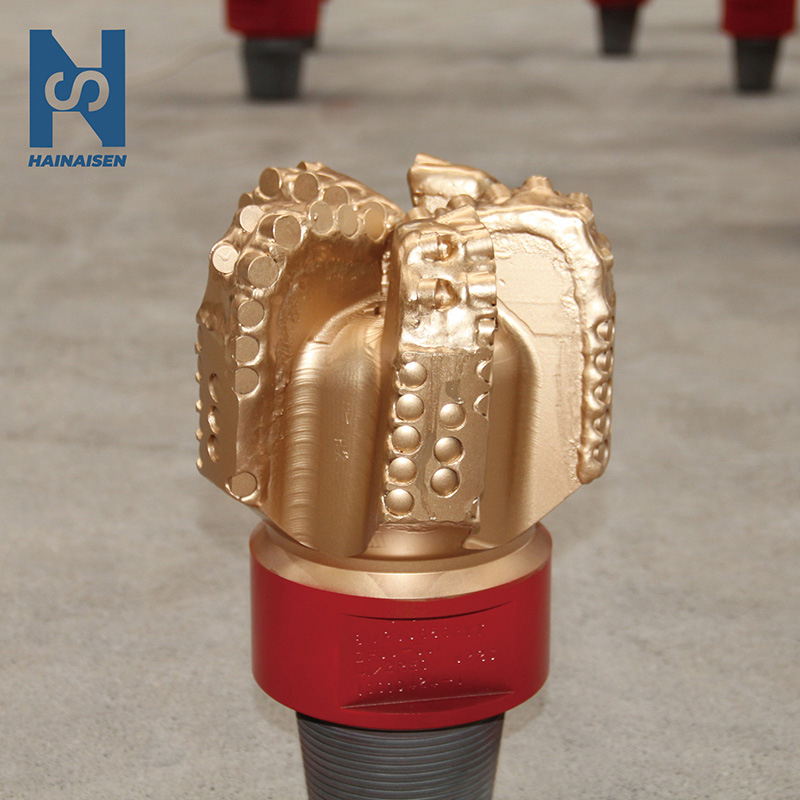
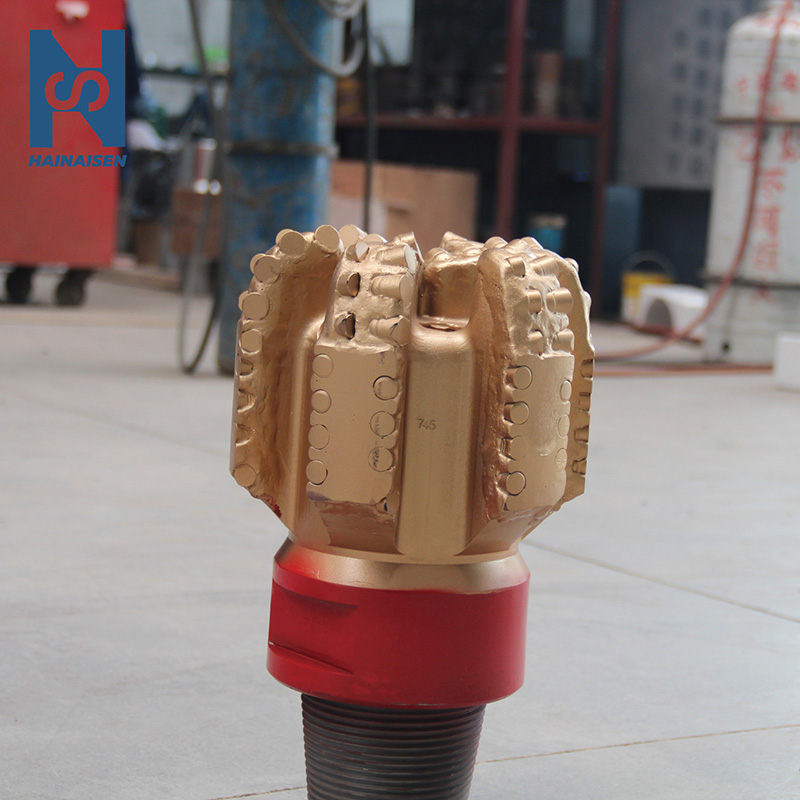
The HNS five-blade wing drill bit type (IADC code S123) has a width of 12.25 inches (311 mm) and is made for drilling medium-sized holes, which are popular in oil and gas activities. The bit is 510 mm tall and has a gauge length of 90 mm, which gives it strong structural stability while it's working. With a weight of 95 kilograms, this tool strikes a good mix between being heavy enough for successful weight-on-bit application and being easy to handle. The 6-5/8 REG. PIN API connection specification makes sure that it works with normal drill string setups used in North American drilling operations. This makes it easier to add to current equipment fleets.
Blade Geometry and Cutting Structure
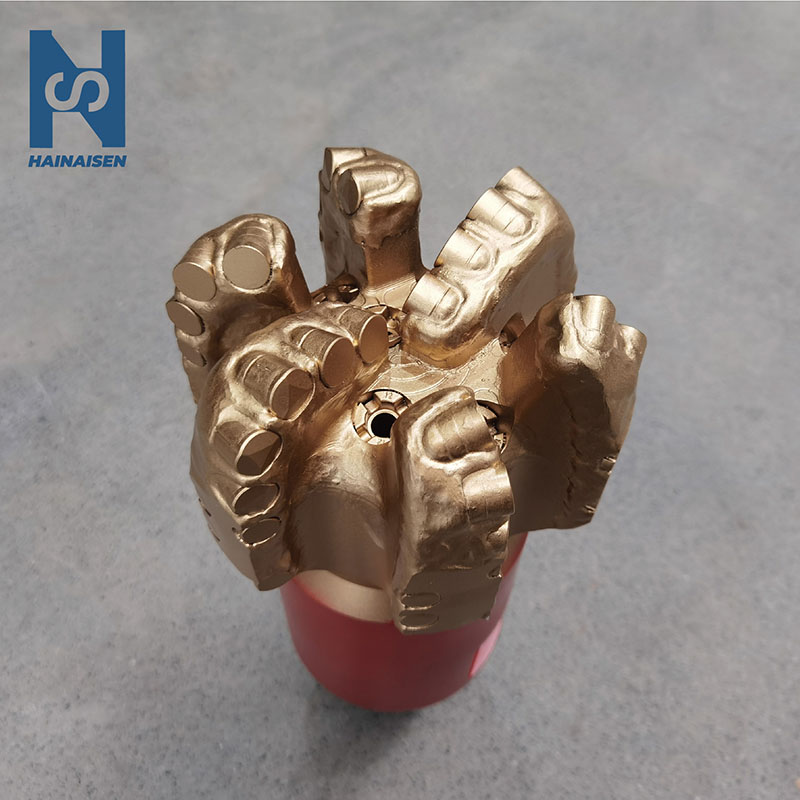
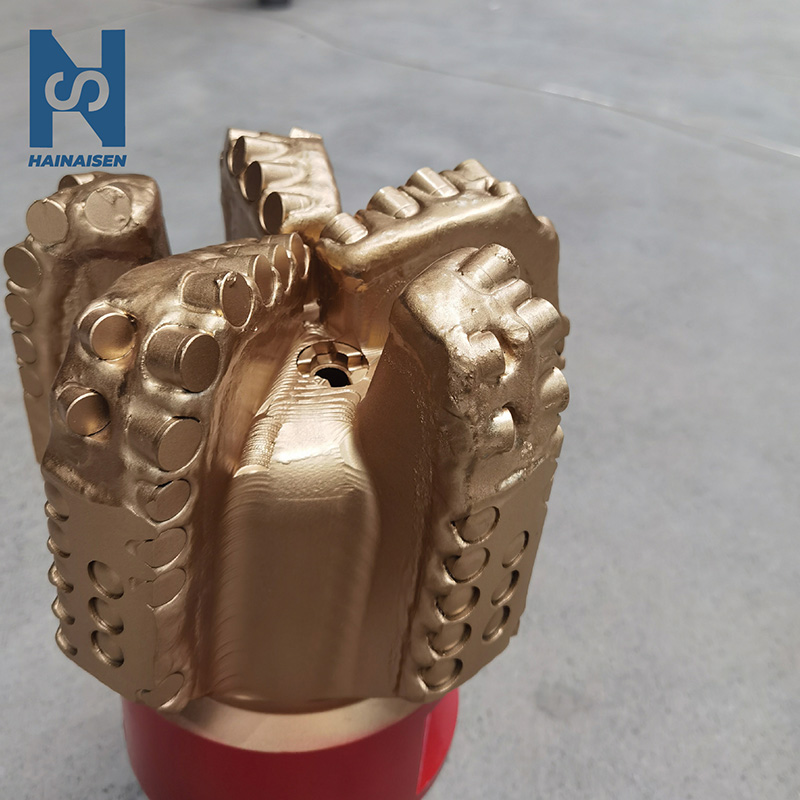
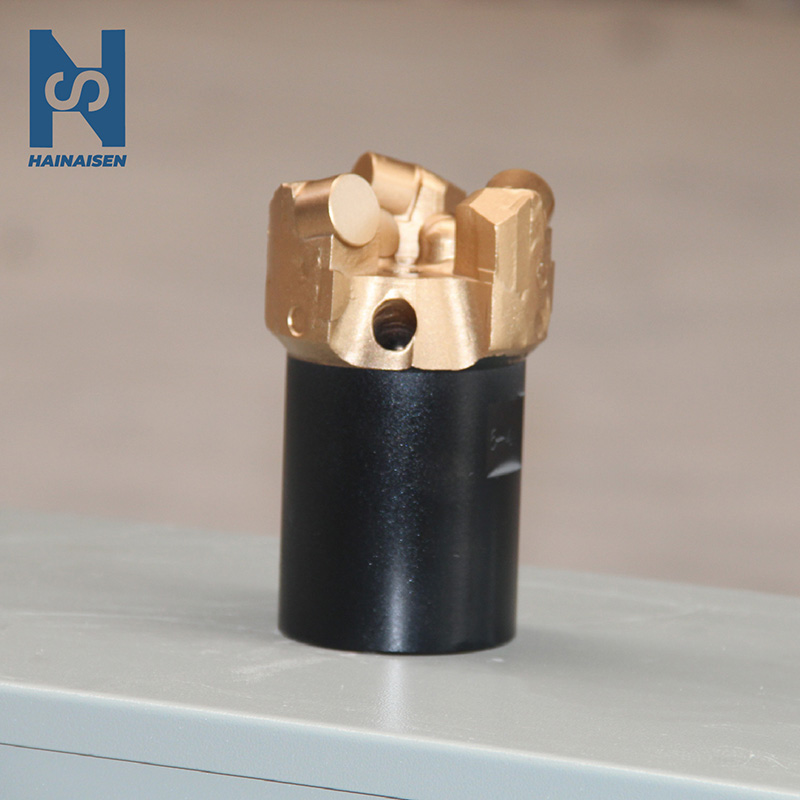
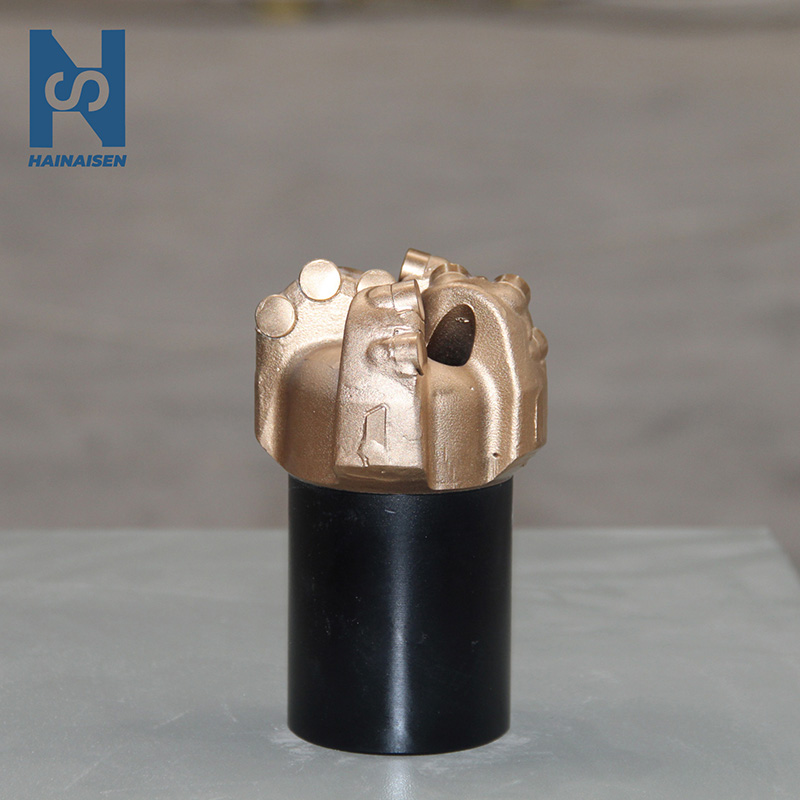
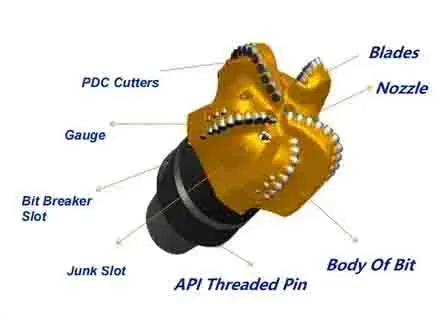
Designing a drag bit with five blades is a big step forward in terms of engineering. Each blade stretches outward from the bit body, making five separate cutting tracks that spread mechanical stress more evenly than with three-blade layouts. This design lets you carefully place 109 PDC cutters across the cutting face. You can use both 13mm and 16mm cutters. The different cutter sizes let engineers find the best cutting force in the nose area while keeping sturdiness in the shoulder and gauge areas, which are where most of the abrasive wear happens.
The blade wing angles are carefully measured to find the best mix between how well they cut and how strong they are. Steeper blade shapes make the tool more active and help it go deeper, but they may not last as long in very rough materials. Our HNS engineering team adjusts these angles after a lot of testing in the field and looking at the needs of each formation. This makes sure that each blade stays in good contact with the bottom of the shaft for the whole time it's working.
Hydraulic Design and Nozzle Configuration
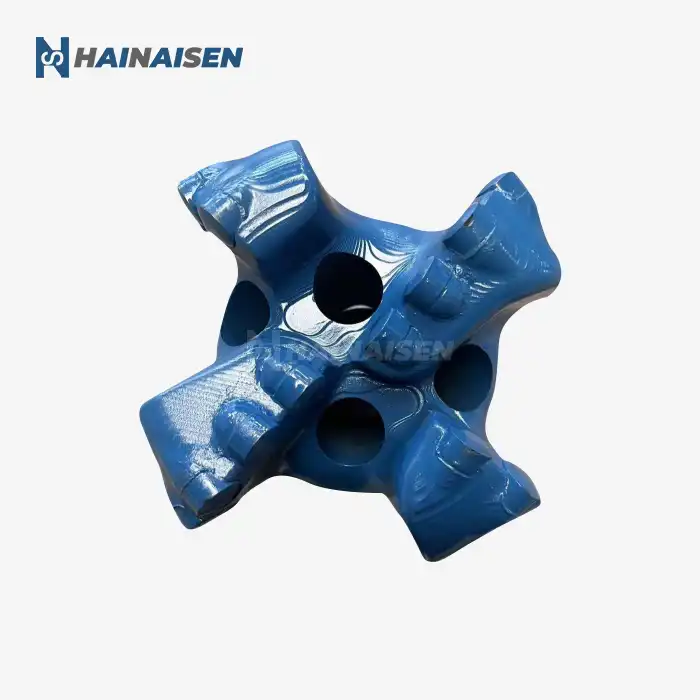
Optimising the hydraulics is a key part of removing waste effectively. The seven-nozzle design spreads the drilling fluid evenly across the cutting structure, which stops the bit from balling and differential sticking. High-velocity fluid sprays are directed by the placement of the nozzle to cool PDC cuts while they are working. This stops thermal degradation, which shortens the life of the tool. The distance between the five blades makes junk holes, which are openings that let rock chips escape from the cutting face. This arrangement keeps the cutting tracks clear even in formations that make cuttings stick together, which often happens in shale and clay-rich formations.
Material Selection and Manufacturing Quality
Advanced metallurgy methods are used at our factory in Xi'an to make sure the bit bodies are solid. The steel grid goes through heat treatment steps that balance hardness and toughness. This keeps it from breaking in terrible ways when it's suddenly loaded. We use special methods created by our in-house research and development teams to braze PDC cuts to tungsten carbide surfaces. Our 3,500 m² production plant has 5-axis machining centres and CNC machine tools that are used for this method of making. It gives us precise measurements that directly affect how well the products work in the field.
Performance Comparison and Operational Benefits
Knowing how Five Blade Wing Oil Drilling technology compares to other options helps buying managers decide whether to buy new tools and guess what will happen in the field.
Penetration Rate Advantages
Rate of penetration (ROP) has been shown to improve with more blades in a number of different geographic settings, such as Five Blade Wing Oil Drilling. In medium-hard rocks like those used for coal bed methane extraction and some oil-bearing zones, operators say the penetration rate is 15–30% higher than with three-blade options. The better cutting action is due to the fact that there is less downtime between blade passes when there are five blades instead of four. This is because each revolution contacts more cutting area with the formation.
Stability and Vibration Control
Vibration during drilling is a constant problem that speeds up tool wear and lowers the quality of the shaft. Because the five-blade wing shape spreads out the force better, it naturally lowers horizontal and torsional vibration. During spinning, each blade touches the formation less often, which makes the pressure more even and stops oscillations. This stability is very important for engineers choosing tools for directional drilling or extended-reach horizontal wells because it makes it easier to control the course and lowers the chance that the borehole will move in a way that isn't wanted.
Gauge Retention and Tool Longevity
For good casing fitting and cementing, it is important to keep the width of the borehole the same throughout the boring process. The five-blade design spreads wear over more contact points, which slows down the gauge loss that usually happens in rough rocks. Our 90mm gauge length gives you a bigger contact area, which makes this benefit even stronger. In sandstone and conglomerate rocks, field reports show that our gauges last 20–40% longer than shorter gauge options.
The total operational lifespan is based on the features of the formation, the operational factors, and the maintenance methods used. In coal mining, where buying choices are based on how much something costs, our five-blade PDC Bits often cut 30–50% more footage than roller cone alternatives while not needing the upkeep that comes with bearing systems. Oil service businesses that do thorough pre-qualification tests have shown that the same equipment works well in multiple runs, which helps build long-term ties with suppliers.
Common Challenges and Maintenance Tips for Five Blade Wing Drilling Equipment
Even well-engineered five-blade wing oil drilling equipment can have problems when it is used. To get the most out of your equipment purchase, you should know how it usually breaks down and follow preventative repair procedures.
Typical Wear Patterns and Failure Modes
When a PDC cutter breaks down, it usually shows up as chipping along the cutting edges or the cutter coming completely off the bit body. Most of the time, these failures are caused by putting too much weight on the bit in hard or interbedded rocks or by impact loading when drilling through broken zones. The five-blade design lowers the risk of failure by spreading the load out better, but workers must still carefully watch the cutting parameters to make sure they don't go beyond what the cutter can handle.
Sometimes wing warping happens when drilling in very rough rocks with harsh conditions. Longer blade shapes make cutting more efficient, but they also create weak spots where too much side force can bend the metal permanently. This problem comes up more often in geological research, where the properties of the rock formation may not be well understood before digging starts.
Another operating worry is junk slot clogging, especially in forms that make fine cuttings or sticky clay particles. Even though the optimal junk slot design lowers this risk, cuttings can still build up if the hydraulic flow rates aren't high enough or the drilling fluid doesn't have the right properties. This makes the bit less efficient and requires more power.
Preventive Maintenance Protocols
Setting up regular check plans greatly increases the life of tools. We suggest that you look at the cutter visually after each run to find early signs of damage or strange wear patterns. Micro-chipping can be seen on PDC cuts under a microscope. If caught early, this can show that parameters need to be changed before a catastrophic failure happens. By using standardised tools to take gauge measures, you can be sure that the diameter stays within the specified range. This keeps expensive drilling size problems from being found only during the casing operations.
Storage and Handling Best Practices
When you handle drill bits carefully, you should remember that they are a big expense. Corrosion can happen on steel bit bodies, especially in wet coastal areas common to offshore support facilities. Storing them in climate-controlled areas stops this from happening. Covers over the cutting devices keep them from getting hit by things in the building, which could damage PDC cutters before they even get to the wellsite.
When you protect the threads properly, the Five Blade Wing Oil Drilling link stays strong even after many "make and break" rounds. Thread additives that are made for API connections should be used according to the instructions given by the maker. This will make sure that the connections are smooth and stop galling and cross-threading. To get bits to well sites, they need to be mounted securely so that they don't roll or hit hard surfaces while travelling over rough access roads.
Procurement Insights: Selecting and Ordering Five Blade Wing Oil Drilling Tools
When buying five-blade wing oil drilling tools, procurement managers have to find the best balance between technical needs, budget limits, and seller dependability.
Aligning Specifications with Application Requirements
Selecting the correct instruments begins with thorough formation research. Geological investigations, offset well data, and core samples provide rock hardness, abrasiveness, and drilling parameters. Large and medium-sized oil service firms screen candidates extensively before recruiting. Sample bits undergo controlled drilling to simulate target formations. This rigorous process takes a long time, but it provides performance requirements that allow reliable tool selection for big drilling attempts.
Coal mining companies attempt to save costs while maintaining quality. Our five-blade wing bits are ideal for these tasks since they have more footage per bit and less tripping time. Matching IADC coding requirements to formation characteristics is crucial. Our S123 classification can be utilised for numerous coal measures and their waste since it may be used for soft to medium formations with low compression strength.
Our flexible purchase options let smaller water well drilling teams receive what they need without waiting. These scenarios may need price competition, but buying the correct equipment prevents false economies. Poor-quality tools that break down early utilise more bits and create delays, costing more over time.
Evaluating Supplier Credibility and Support
In addition to pricing, you should consider expert support, manufacturing quality control, and shipment dependability when selecting a provider. Quality control at Shaanxi Hainaisen Petroleum Technology Co., Ltd. ensures high standards in all production runs. When regular catalogue products don't match project demands, our custom bit design division works with customers to provide application-specific solutions.
Warranty terms and failure analysis reduce risk. We provide run data and failure analysis to assist operators in determining the optimal drilling settings and preventing difficulties. Oil service firms initiating new drilling operations in unfamiliar geological locations benefit from this skilled relationship.
OEM compliance and monitoring records increasingly influence buying decisions, particularly for organisations subject to corporate governance or regulatory restrictions. Our production procedures monitor batches and certify materials, making the supply chain transparent from raw materials to completed products.
Bulk Ordering Strategies and Pricing Optimisation
Because bulk purchases save money, mining becomes more profitable. Our pricing promotes long-term partnerships and large purchases while keeping smaller orders inexpensive. Technical specialists working with procurement organisations may estimate bit requirements based on expected footage and consumption rates. Strategic inventory management keeps companies functioning smoothly and prevents working capital loss on excess goods.
Large-scale custom engineering for unique needs (Five Blade Wing Oil Drilling) is most cost-effective. Engineering labour to generate and test changed bit combinations is dispersed among larger order quantities. This allows customisation for projects that would otherwise use standard products.
Conclusion
The technical details of five-blade wing oil drilling tools have a direct effect on how well they work in a wide range of situations, from oil exploration in the ocean to developing water wells. When you know about dimensional factors, cutting structure design, hydraulic optimisation, and material selection, you can make smart choices about what to buy that combine performance needs with budget facts. The practical benefits, such as higher penetration rates, better stability, and longer tool life, provide measured value that supports the purchase of equipment. Using the right maintenance procedures and smart buying methods will get you the best return on your investment. New technologies will continue to improve performance, which will help with both environmental sustainability and business efficiency goals.
FAQ
1. What formations are best suited for five-blade wing PDC bits?
Five-blade wing bits work best in sandstone, limestone, shale, and coal measures, which are soft to medium-hard rock types. The HNS S123 type is designed to cut through rocks with low to medium compressive strength. Its aggressive cutting action and improved cutting removal give it the most benefit. When digging interbedded sections, operators like how stable these Five Blade Wing Oil Drilling bits are when they change from one type of rock to another. Extremely hard or highly rough rocks may need different bit designs or changed cutting structures to keep them from breaking too soon.
2. How does blade count affect drilling performance and costs?
When you go from three to five blades, the cutting forces are spread out over more contact points. This means that each blade wears less and the machine lasts longer. The extra blades make the cutting action more constant, which increases penetration rates while cutting down on rig time and costs. Five-blade designs, on the other hand, need to be carefully made with high-quality materials, which affects the original buy price. Most of the time, the performance benefits make the investment worthwhile because they lead to less bit consumption and faster project finish. This is especially true for medium to large drilling programmes where the efficiency gains are spread across multiple wells.
3. What maintenance practices maximise five-blade bit longevity?
Systematic review after the run finds problems that are starting to show up before they become too big to fix. After each run, clean the bits very well by getting rid of drilling fluid and rock fragments in the junk holes and cutting surfaces. Bits should be kept in controlled settings with the right thread protection to keep them from rusting or breaking. During operation, keep a close eye on the drilling factors to avoid putting too much weight on the bit or turning it too fast, which speeds up wear. Work with companies like HNS that offer technical help, such as failure analysis and suggestions for optimising parameters based on observed wear patterns that are unique to your formations and working conditions.
Partner with HNS for Superior Five Blade Wing Oil Drilling Solutions
Equipment choices affect how much a drilling job costs and how well it runs. HNS can make cutting tools that are exactly what you need by combining advanced manufacturing skills with application-specific technical knowledge. Our five-blade wing PDC bits have been used successfully in coal mines, oil and gas drilling, and water well drilling in harsh geological conditions. Our collaborative method helps procurement managers and technical experts by making sure that specs are tailored to the specifics of your formation and your business goals. Email our team at hainaisen@hnsdrillbit.com to talk about your specific drilling problems and find out how our Five Blade Wing Oil Drilling Manufacturer can help the success of your project by providing custom solutions, competitive bulk pricing, and technical support during tool selection and deployment.
References
1. Bellin, F., & Dolle, N. (2019). PDC Bit Technology and Performance Optimization in Challenging Formations. Society of Petroleum Engineers Technical Journal, 45(3), 287-304.
2. Hareland, G., & Rampersad, P. (2018). Drill Bit Selection Optimization: Comparative Analysis of Multi-Blade PDC Designs. Journal of Petroleum Technology and Development, 12(2), 134-151.
3. Morrison, R., Abughaban, M., & Dispennette, M. (2020). Hydraulic Design Principles for Enhanced PDC Bit Performance. International Association of Drilling Contractors Technical Report Series, Volume 28.
4. Patterson, J. D., & Wilson, A. K. (2017). Advanced Materials in Polycrystalline Diamond Compact Cutters: Manufacturing and Field Applications. Materials Science in Drilling Engineering, 9(4), 412-429.
5. Winters, W. J., Warren, T. M., & Onyia, E. C. (2018). Rock Mechanics and Drill Bit Design: Blade Configuration Effects on Penetration Rate and Tool Life. Rock Mechanics Quarterly, 33(1), 67-85.
6. Zhang, L., Chen, P., & Wang, X. (2021). Sustainability and Environmental Considerations in Modern Drilling Equipment Selection. Environmental Engineering in Petroleum Operations, 15(3), 201-218.