







Petroleum PDC Oil Drill Bit vs Roller Cone Bit: Key Differences
Choosing the right drilling tool has a direct effect on how well operations run, how much the project costs, and how well it works overall in oil and gas extraction. The main difference between a petroleum PDC oil drill bit and a roller cone bit is how they cut and what they are made of. PDC Bits have set polycrystalline diamond compact cutters that cut through rock layers. They last longer and can go through soft to medium-hard layers more quickly. Roller cone bits have spinning cones with steel or tungsten carbide teeth that crush rock mechanically. They can be used in a wide range of geological situations, but they need to be serviced and replaced more often.
Understanding Petroleum PDC Oil Drill Bits and Roller Cone Bits
Design and Material Composition
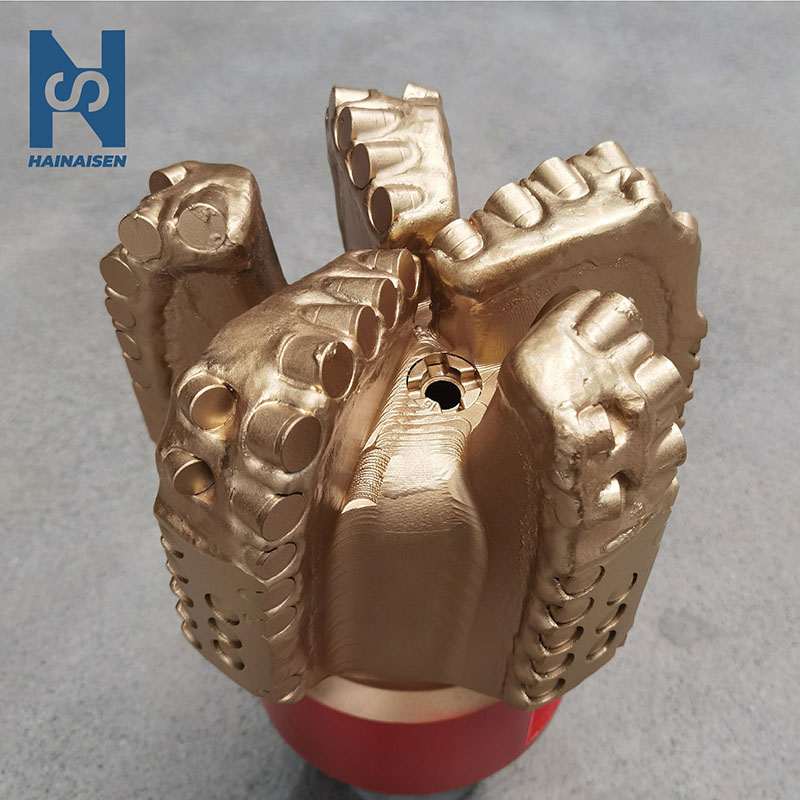
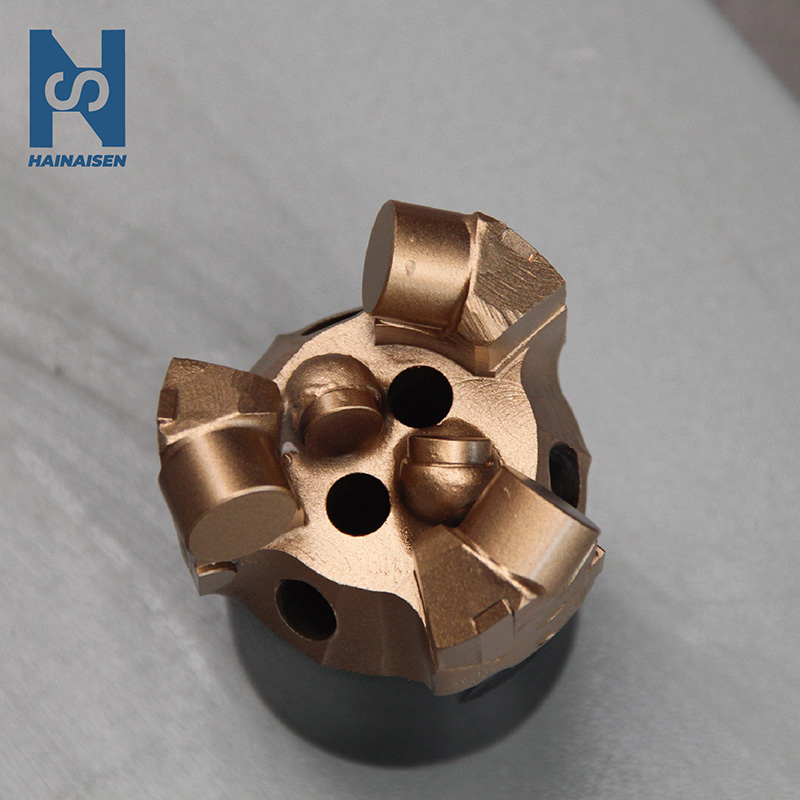
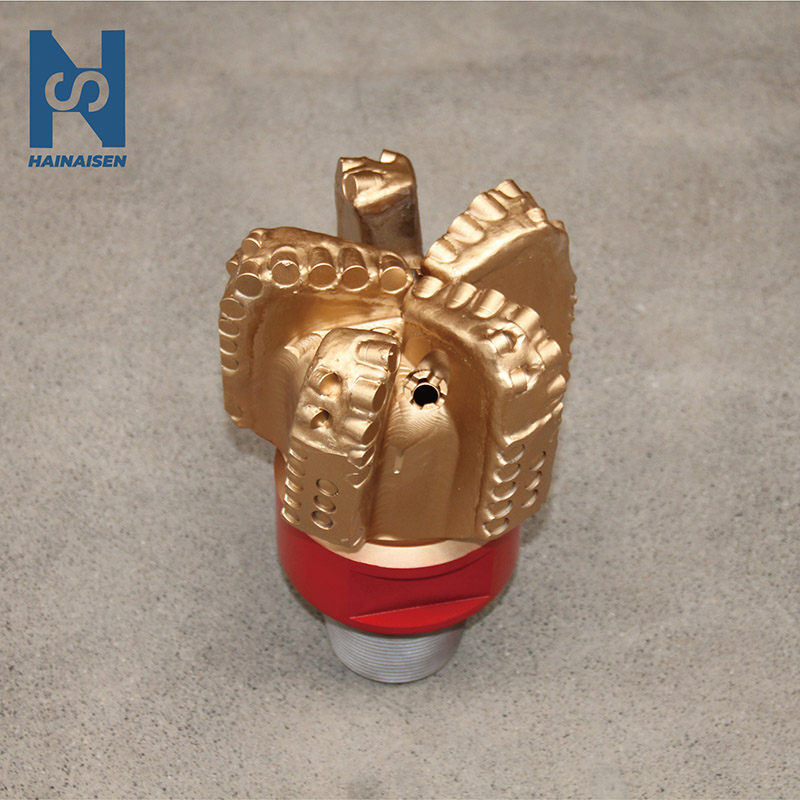
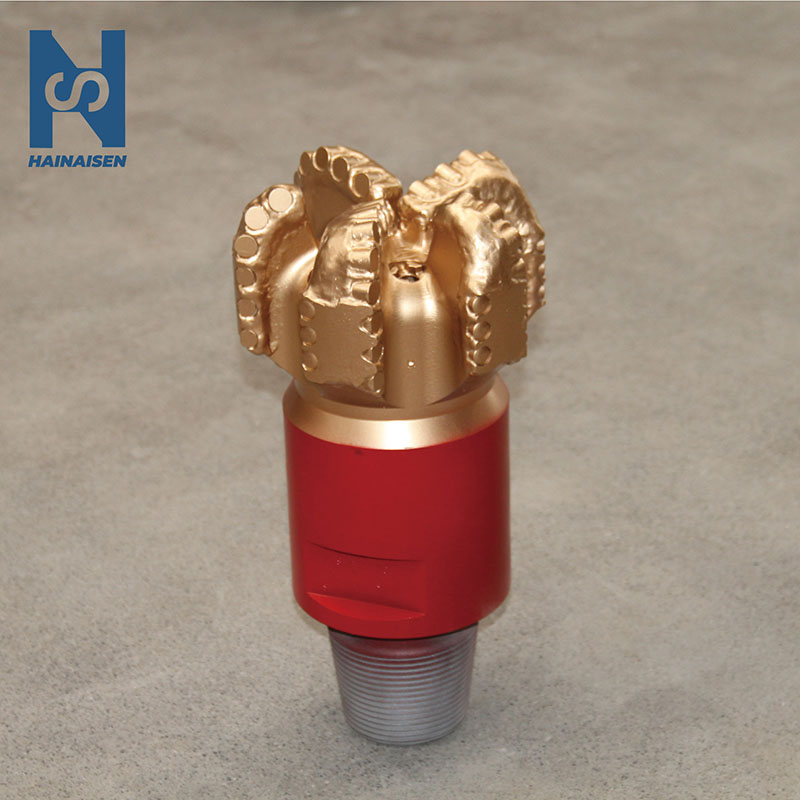
Widely recognized in the oil & gas drill bit market, Petroleum PDC oil drill bits have a body made of solid steel or a matrix that is filled with Manufactured diamond cuts. A small layer of diamond is bound to a base made of tungsten carbide under high temperatures and pressures. This design makes the bit very hard and stable at high temperatures, so it can keep its sharp cutting edges even during long drilling jobs.
Roller cone bits work in a different way. One to three spinning cones are built into their design and are placed on bearings inside the bit body. There are rows of teeth on each cone, either cut from the cone material or tungsten carbide buttons that are inserted. As the bit turns, the teeth dig into the rock and break it up. The bearing systems can be either sealed or open. In some situations, protected bearings will last longer.
Operational Principles
Performance traits are set by the main operating difference. Continuous cutting motion is how PDC technology works. The diamond cutters scrape away thin layers of rock as the bit turns. This makes fine pieces that are easy to flush out of the shaft. This device lowers the amount of force needed and makes the walls of the wellbore smoother.
Crushing and cutting are how roller cone bits work. The cones spin at different speeds compared to the bit body. This makes many contact points that use compression and shear forces to break rock. This action works especially well in broken or interbedded rocks, where PDC cuts might wear out too quickly.
Typical Applications
When drilling through shale, sandstone, limestone, and other rocks with known properties, PDC bits work very well. When oil service companies use these tools on offshore platforms or in horizontal drilling projects, they get better results and shorter trip times. At our Xi'an facility, we've designed PDC solutions for rocks with low to medium compression strength, which includes the best way to place the cutters for maximum efficiency.
Roller cone bits are useful in a wide range of physical situations because they are flexible. These bits are often used by miners when they need to drill through hard rock with a high compression strength or when they come across formations that are hard to predict and contain layers of chert or quartzite. Roller cones are useful for water well-digging teams because they can handle rough conditions and still keep good entry rates.
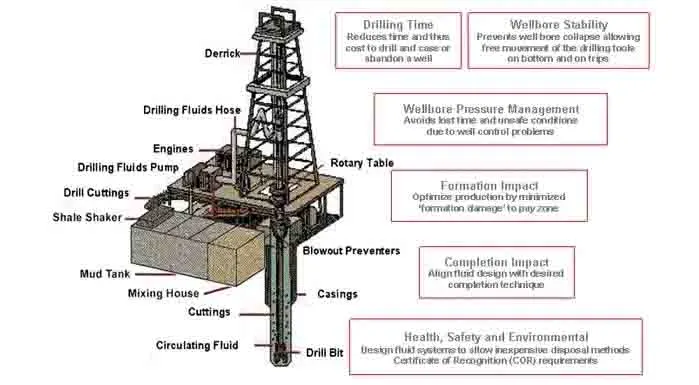
Key Differences Between Petroleum PDC Oil Drill Bits and Roller Cone Bits
Drilling Speed and Penetration Rates
Petroleum PDC oil drill bits always give a higher rate of penetration (ROP) in the right shapes. Diamond compacts remove material more efficiently than roller cones because they cut continuously instead of breaking material every so often. Data from oil research projects in the field shows that PDC bits can drill through sandstone and shale 30–50% faster than similar roller cone tools.
This faster speed edge has real economic effects on the petroleum PDC oil drill bit. Less time spent drilling means lower costs for renting the rig and workers, and the job is finished faster. Even though the original bit cost is higher, medium and big oil service companies that do a lot of drilling save a lot of money when they switch to PDC. Our PDC bits have the best cutter placement, which evenly distributes weight across the cutting face and keeps the ROP constant over the life of the bit.
Durability and Wear Resistance
Bit life affects how often they need to be replaced and when they need to be serviced. Polycrystalline diamond compact cuts don't wear down very easily. The diamond surface keeps cutting well after thousands of feet of drilling, especially in rocks that aren't rough. PDC bits often finish whole well sections without needing to be replaced, which cuts down on trips and the downtime that comes with them.
Roller cone bits wear out in a number of different ways. Wear on the bearings slowly lowers the efficiency of cone movement, and wear on the teeth lowers the efficiency of cutting. This breakdown is sped up by abrasive structures. When coal mining companies look at the total cost of ownership, they need to include the costs of dealing with new roller cones more often. Our PDC goods are made from high-quality materials that are designed to make bits last longer, which takes care of this important buying factor.
Cost Considerations and Economic Value
The amount of money needed up front varies a lot between these systems. Roller cone bits usually cost less at first, which makes them appealing to water well drilling teams and smaller businesses that want to cut costs right away. This lower starting price is one reason why they are still so popular with buyers on a budget.
A full financial study, on the other hand, shows a different picture. The longer life, faster drilling, and fewer trips needed by PDC bits make them a better deal. When you divide the cost of the bit plus the cost of the trip by the overall amount of drilling that was done, you get the cost per foot, which often favours PDC technology. Buying a lot of PDC bits makes math even better. Our customisation service at HAINAISEN lets clients choose bit setups that are best for their specific geological problems. This improves performance and profits across multiple drilling projects.
Formation Suitability
The best bit pick is based on geological factors. PDC bits work very well in uniform rock types like shale, limestone, sandstone, and gypsum; these are the types of rock where our goods really shine. The shearing action of diamond cuts removes these materials quickly and effectively while keeping the integrity of the opening. When drilling, our PDC bits work well with drilling pressures between 10 and 100 KN and spinning speeds between 80 and 300 RPM. These are standard drilling conditions for oil and gas.
Roller cone bits work better in rocks that aren't all the same or that are highly broken. Crushing action is better at dealing with changes than set cutters when it comes to hard stringers in softer patterns. Roller cone technology is often needed for hard rock mining projects that use granite or basalt. When choosing a bit type, technical experts have to look at both the features of the formation and the operational factors. This makes sure that the tool's powers match the needs of the rock.
Advantages of Petroleum PDC Oil Drill Bits Over Roller Cone Bits
Superior Rate of Penetration and Borehole Quality
The constant shearing process that is built into the design of petroleum PDC oil drill bits has many useful effects on operations besides just speed. Vibrations in the ground can damage drill strings and make measurement tools less accurate when there is a smooth cutting action. This steadiness is especially useful for natural gas drilling operations because it makes it easier to control the direction of the drill and check the formation.
In the competitive oil field drill bit market, borehole quality has a direct effect on how quickly a job is finished. When compared to roller cones, PDC bits make wellbore walls that are smoother and have less rugosity. This surface is smoother, which makes it easier to place framing and cement. The exact cutting helps geological core sampling projects because the core samples are less likely to break and better preserve the formation characteristics. Our modern blade design makes sure that weight transfer and hydraulic performance are at their best. This means that the wellbore conditions are always better during the drilling process.
Reduced Maintenance and Extended Lifecycle
An important PDC benefit (Petroleum PDC Oil Drill Bit) is that it is easy to use. Since there are no moving parts, there is no need for upkeep or failure modes relating to bearings. Purchasing managers like this simple maintenance profile because it means they don't have to keep as much inventory of substitute parts and specialised service knowledge. Basic steps like regular cleaning to keep bits from balling up, checking the state of the cutter after each run, and storing them properly in controlled settings can greatly extend the life of a PDC bit.
When drilling projects last a long time, lifecycle costs become very important. PDC reliability helps oil drilling projects both offshore and ashore, that involve more than one well. Costly tripping operations are cut down by being able to finish whole well sections without having to change bits. Geothermal well-building projects that drill to great depths save a lot of time because the bits last longer. We have strict quality control measures in place to make sure that every product that leaves our 3,500 m² building meets high performance standards. This gives large-scale businesses the dependability they need.
Enhanced Performance Through Advanced Coatings
Within the evolving oil field drill bit market, modern PDC technology goes beyond simple diamond cuts and includes more advanced features. When special coats are put on cutter surfaces, they work better in tough circumstances. These processes make the bit more thermally stable, so it can handle higher temperatures without the diamond breaking down. These improvements help water well digging in tough formations because they keep cutting efficiently through rough areas.
Another efficiency benefit is that the cuts on our PDC bits are placed in a smart way. With computer-aided design, the best place for the cutter to be placed is chosen by looking at the shape, the bit size, and the operation's factors. This engineering method gets rid of as much rock as possible while keeping forces even across the bit face. When our customised PDC solutions are used in hard rock mining jobs, they consistently work better than normal roller cone alternatives. Our focused research and development team keeps improving these designs by using feedback from users to make the products work better.
Procurement Guidance for Petroleum PDC Oil Drill Bits
Supplier Evaluation Criteria
Systematic evaluation is needed to find trusted petroleum PDC oil drill bit makers. Certifications show that a company can make things and is committed to quality. Look for suppliers that have ISO quality control systems and certifications that are specific to the oil and gas business. Our centre follows strict quality standards, and every product goes through a full review before it is sent out.
Having relationships with OEMs and manufacturing knowledge gives you even more trust. Since 2013, HAINAISEN has focused on researching, making, and selling diamond drill bits, and they have learned a lot about PDC technology in that time. Manufacturers who offer warranties are sure that their products will last. Full support after the sale, including expert advice and help with fixing problems, is very helpful, especially for businesses using PDC technology in tough situations. To make sure the seller can do what they say they can, ask for references from current clients who have worked in similar formations and digging situations.
Supply Chain and Logistics Management
In the competitive oil & gas drill bit market, choosing the right products is only part of effective buying; it also includes making sure deliveries are reliable and keeping track of supplies. Ordering in bulk saves money and makes sure there is enough for long digging operations. Our team works directly with buying professionals to make sure that orders are structured in a way that fits with project timelines and store space.
Because of the need for customisation, suppliers must work together closely. Each digging job has its own geological problems that need custom answers. At HAINAISEN, our expert engineers meet with each customer one-on-one to figure out the best bit setup, cutter size, and blade design for their unique needs. This way of working together makes sure that the goods exactly meet the characteristics of the formation and the drilling settings. Customised bits usually have lead times of three to six weeks, based on how complicated the specifications are. This means that you need to plan ahead to avoid project delays.
Cost Optimisation Strategies
Negotiating in a smart way is needed to get low prices while keeping quality high. Compare prices from several qualified sources, including Petroleum PDC Oil Drill Bit, taking into account both the original cost and the total value. When you figure out the total cost of ownership, you need to take into account the projected bit life, penetration rates, and trip decrease.
Conclusion
Picking between petroleum PDC oil drill bits and roller cone drill bits has a big impact on how well you drill, how much you spend, and how well your job turns out. Petroleum PDC oil drill bits have measured benefits, such as faster penetration rates, longer service lives, and lower upkeep needs, especially in oil and gas formations that are soft to medium-hard. Roller cone bits are still useful in some geological situations, but PDC technology is the best choice for businesses that want to maximise long-term value and practical efficiency. To choose the best drilling option for performance and return on investment, well-informed buying choices that are well-informed take into account formation traits, operating parameters, and economic factors.
FAQ
1. How do PDC bits improve drilling efficiency compared to roller cone bits?
PDC bits are more efficient because they remove rock faster than roller cones' breaking action through constant shearing. Since there are no moving parts, there is no need for upkeep or downtime linked to bearings. Overall, drilling time is cut down by higher entry rates, and bit life is increased to reduce the number of trips. These things work together to lower the cost per foot and greatly shorten the time it takes to finish a job.
2. What factors should buyers prioritise when balancing cost and performance?
Look at the total cost of ownership instead of just the buying price. Think about the amount of footage you expect per bit, the entry rates you expect, the trip costs, and the upkeep needs. Formation traits have a big effect on performance. For example, petroleum PDC oil drill bits work best in uniformly soft to medium-hard rock, while roller cones work better in heterogeneous or broken formations. For the best cost results, match bit technology to the elements of the rock.
3. Where can I find trusted manufacturers providing customised PDC drilling solutions?
Reliable PDC bit providers for sale show they know how to make things by having licenses, a lot of experience, and great customer service. Look for companies that offer expert advice, the ability to make changes, and clear documentation of their quality control methods. Before agreeing to large purchases, check the supplier's credentials by looking at client references and case studies from similar projects.
Partner with HNS for Premium PDC Drilling Solutions
Shaanxi Hainaisen Petroleum Technology Co., Ltd. makes Petroleum PDC Oil Drill Bits that are the best on the market and are designed to work better in a wide range of drilling situations. Our Xi'an plant has both modern 5-axis machining centres and research and development labs. This means that we can make custom bit designs that are perfect for your geological problems. Our premium polycrystalline diamond compact cutters and optimized blade configurations give you the best durability and penetration rates whether you're digging offshore oil wells, doing geological research, or handling water well projects. Email our technical team at hainaisen@hnsdrillbit.com to talk about your unique needs and get a quote from a reputable maker of Petroleum PDC Oil Drill Bits.
References
1. Bellin, F., & Doiron, H. (2015). Polycrystalline Diamond Compact Bit Technology for Improved Drilling Performance. Society of Petroleum Engineers Technical Paper Series.
2. Chen, S., & Tang, J. (2018). Comparative Analysis of PDC and Roller Cone Drill Bits in Shale Formation Drilling. Journal of Petroleum Technology and Engineering, 42(3), 187-201.
3. Maurer, W. C. (2019). Advanced Drilling Technology: PDC Bit Design and Application. PennWell Corporation Technical Publications.
4. Raymond, D. W., & Elsborg, C. (2017). Economic Evaluation of Drill Bit Selection in Oil and Gas Operations. International Journal of Drilling Engineering, 28(4), 312-329.
5. Smith, J. R., & Williams, P. (2020). Diamond Compact Cutter Technology: Materials Science and Performance Optimization. Cambridge University Press.
6. Warren, T. M., & Armagost, W. K. (2016). Drilling Performance Optimization Through Proper Bit Selection. SPE Drilling & Completion Journal, 31(2), 145-158.
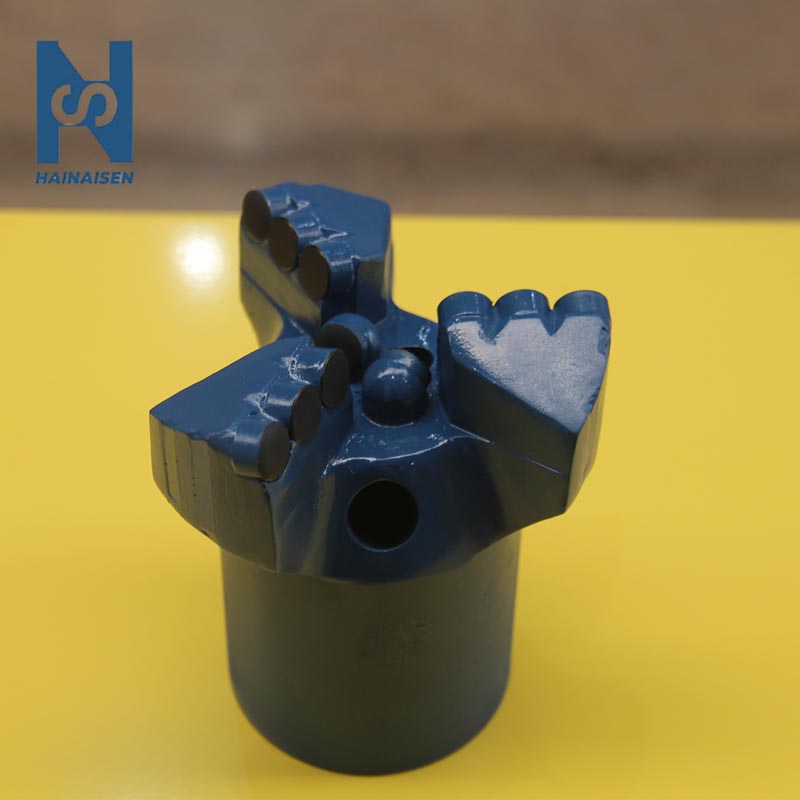 VIEW MORE3 Blades Steel Body PDC Bit
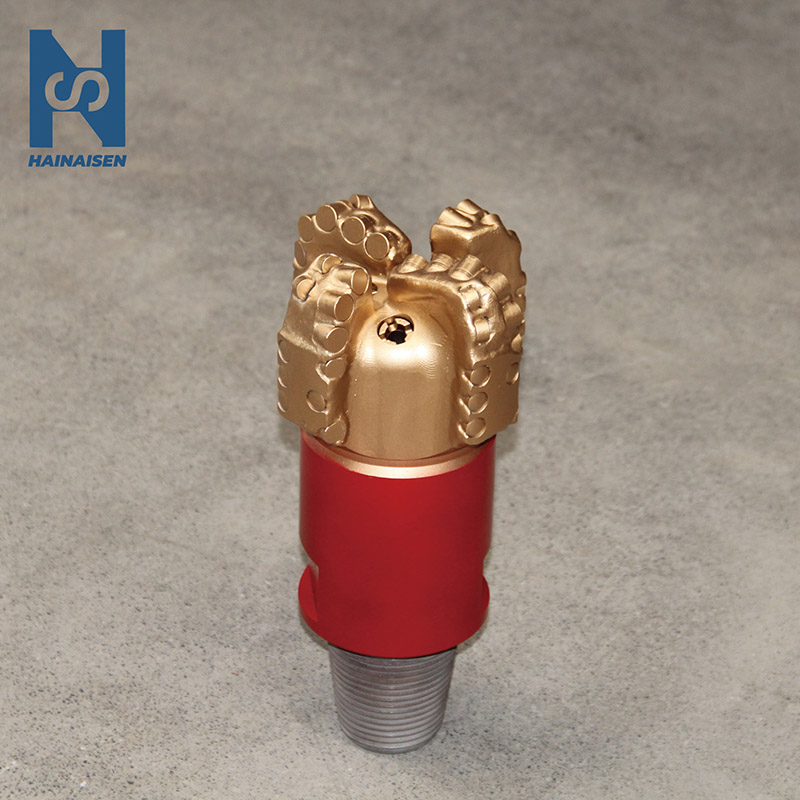 VIEW MOREFour Blade Wing Oil Drilling Tool
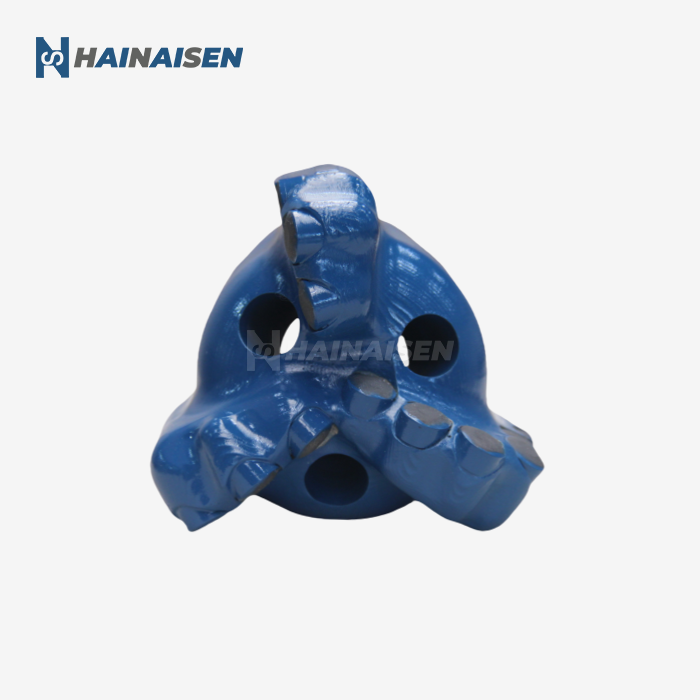 VIEW MORE113mm PDC Arc Angle Drill Bit
 VIEW MOREPDC Diamond Bit
 VIEW MORECoal Mines Use Haineisen PDC Drill Bits
 VIEW MOREPDC Rock Drill Bit
 VIEW MOREForging Deep Rock Well Drilling Bits PDC Mining Bit
 VIEW MOREFive Wing PDC Bit For Hard Rock Drilling
