







Best Petroleum Drilling Equipment PDC for Challenging Formations
The choice of tools can make all the difference between success and costly delays when digging through complicated rock formations. To get through rocks that are too hard for regular tools, the best Petroleum Drilling Equipment PDC uses designed accuracy and synthetic diamond technology. These modern polycrystalline diamond compact bits make difficult drilling conditions, like broken shale and rough sandstone, easier to work with. They also have higher penetration rates and last longer. We at Shaanxi Hainaisen have spent more than ten years improving PDC bit technology so that it works well in coal mines, oil and gas research, and water well drilling.
Introduction
When working in complicated geological areas, where standard drilling tools often don't work well, the oil drilling business faces more and more problems. Abrasive rock layers, interbedded forms, and high temperatures all make operations difficult and require unique solutions. Choosing the right PDC drilling tools is very important if you want to increase the speed of drilling, lower costs, and cut down on downtime.
Shaanxi Hainaisen has been in business since 2013 and has years of experience in the field. They offer a reliable range of high-performance PDC drilling options that are made to meet the needs of difficult rocks. Our building is 3,500 square meters and has modern production rooms with 5-axis machining centers and CNC machine tools that make sure the work is done precisely. With this infrastructure and our committed research and development team, we can make custom bit designs that meet the specific needs of each drilling project. This way, our clients can be sure they'll get the best results possible.
Understanding Petroleum Drilling Equipment PDC and Its Advantages
Compared to older drilling tools, Petroleum Drilling Equipment PDC is a big step forward. These bits have very hard polycrystalline diamond blades built into a strong bit body, which can be made of steel or a matrix. They cut better and last longer than other bits. High-pressure, high-temperature manufacturing processes attach a synthetic diamond layer to a tungsten carbide base. This makes cutters that keep their sharp edges for a much longer time than cutters made of regular materials.
How PDC Bits Operate Differently?
The cutting device is what makes the main difference in how it works. Instead of breaking rock forms like roller cone options do, PDC Bits shear them by continuously scraping them. This shearing method causes less vibration, needs less power, and makes smaller pieces that are easier for fluid systems to get rid of. The design makes it possible to break up rocks efficiently, which increases entry rates and the machine's useful life in a wide range of natural conditions.
Core Performance Benefits
There are more benefits to PDC technology than just faster digging. When service gaps between bit changes are longer, tripping time is shorter, which is a big cost factor in deep well operations. Our Petroleum Drilling Equipment PDC works well at speeds between 80 and 300 RPM and drilling pressures between 10 and 100 KN. It performs well in medium-hard rock layers like shale, limestone, sandstone, and gypsum. The improved hydraulics with flow rates of 20–35 LPS clean the hole better and stop the buildup of cuttings that often leads to drilling problems. These bits are the best choice for complicated oil extraction projects around the world that need to meet high performance standards and tight budgets because they require less upkeep and run more efficiently.
Types and Design Features of PDC Bits for Challenging Formations
PDC bits are made in different ways to work with different types of rock, like shale, hard rock, and mixed lithologies. Knowing about these differences helps purchasing managers and technical experts make choices that meet the needs of their operations.
Steel Body Versus Matrix Body Construction
Petroleum Drilling Equipment PDC bit groups are defined by two main ways of building things. Steel body PDC bits are mostly made of polished steel, which lets you build blades in a variety of ways and makes it easier to make parts with complicated shapes. When the rock properties stay mostly the same, these bits work great for drilling in soft limestone, for natural gas, and for fast entry. The steel design protects against contact and sometimes allows for repairs to be made in the field.
Matrix body PDC bits are made of a hybrid tungsten carbide material that is very resistant to erosion in rough rock formations. Powder metallurgy is a way of making things that makes the structure stronger and less likely to wear down over time. This makes it perfect for long runs in tough conditions. Matrix bits cost more at first, but because they last longer in rough conditions, they usually end up costing less per foot over the life of a well.
Critical Design Parameters
Key design elements, such as the order and density of the cutters, the stability of the bit body, and the built-in cooling ducts, are made to make the machine work as efficiently and durably as possible in harsh settings. When putting the cutter down, it's done in a certain way that evenly distributes the cutting force and reduces sound. The gauge safety design keeps the bit's diameter-maintaining part from wearing out too quickly, which is important for keeping the quality of the hole. New developments in shear cutter technology have made cutting even better and helped heat escape, fixing one of the main problems that happens in Petroleum Drilling Equipment PDC uses. Hainaisen's custom bit design staff looks at formation samples and drilling parameters to make sure that these features are best for each job.
Performance Impact in Real Operations
Choices made during strategic planning have a direct effect on the rate of penetration and the overall success of drilling operations. Field data from oil service companies shows that PDC bits that are properly matched can improve ROP by 30–50% compared to general designs while also making bits last longer. In a recent coal mine project, our customized matrix body PDC bits had 40% more operating life in abrasive formations than the client's previous provider. This cut down on downtime and the total cost of the project. These real-world results show why style choices should be carefully thought through during the buying process.
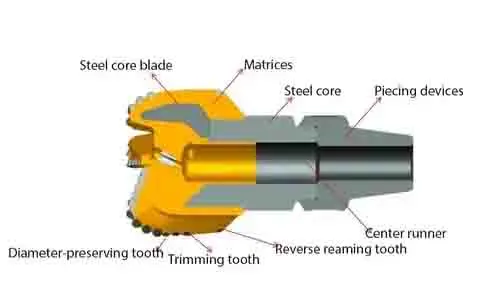
Comparing PDC Bits with Other Drilling Technologies
When compared to tricone, roller cone, and regular diamond bits, PDC bits are much better at not wearing down, going through material quickly, and being cost-effective to run. Knowing these changes makes it easier to see when PDC technology is the best choice.
PDC Versus Tricone and Roller Cone Bits
Tricone and roller cone bits have cones that spin and have teeth on them that cut through rock by impacting and slicing it. These bits work fine in lighter rocks and let you control the direction of the drill bit well, but they have a lot of moving parts that need to be oiled and wear out over time. Roller cone bits have weak spots in their bearings and seals, especially when they are used in hot places or for long boring runs.
When it comes to regularity and sturdiness, PDC bits usually do very well across a wide range of hard and abrasive rock types. Since there are no moving parts, there are no mechanical failure modes. Also, diamond cutters keep cutting well for a much longer time than steel or tungsten carbide teeth. When working in medium-hardness formations—where our equipment is designed to work best—PDC bits always do better than roller cone options in terms of both penetration rate and operating life.
Diamond Bit Considerations
Even though natural diamond bits and thermally stable polycrystalline diamond bits work well in very rough materials, they usually cost more and can't be used in as many ways. To keep the diamond from getting damaged, natural diamond bits need to be used with care, and they usually work well in certain hard rock situations. It is important to understand these differences in order to choose the best drilling technology for your needs and budget. Water well drilling teams that want to save money find that PDC bits are the best mix between initial investment and operational performance. On the other hand, big oil service companies value the dependability and long life that make the technology premium worth it.
How to Select and Maintain PDC Drilling Equipment for Maximum ROI?
To choose the right PDC bit, you need to look at the features of the formation, the drilling parameters, and your budget to make sure they all fit with your working goals. Technical engineers and buying managers have to work together on this process to find a balance between different goals.
Formation Analysis and Bit Matching
First, look at geological maps and offset well data to get an idea of how hard and abrasive the formation is and what problems you might face when digging. Shale, limestone, sandstone, and gypsum are examples of medium-hardness formations with low compressive strength that work well with our oil and gas drilling bits Petroleum Drilling Equipment PDC. Formations with high compressive strength or extreme abrasiveness may need different technologies or special cutter configurations. Our expert team offers consulting services to help look at formation data and suggest the right oil and gas drilling bit specs.
Operational Parameter Optimization
Match the skills of the tools to the needs of the rig and the limitations of the operation. The best speeds for our PDC bits are between 80 and 300 RPM, with drilling pressures between 10 and 100 KN and flow rates between 20 and 35 LPS. Going beyond these limits can shorten the life of the bit or cause it to fail early, while working below the ideal ranges reduces the efficiency of drilling. Technical experts should work with drilling contractors to set parameter ranges that get the best performance without putting safety or equipment life at risk.
Maintenance and Inspection Protocols
Drilling tools last longer, and projects stay on schedule when they are properly maintained, which includes regular inspections, preventative maintenance, and fixing problems as soon as they happen. Check the PDC bits for cutting damage, erosion patterns, and gauge wear after each run. Write down bit performance measures, such as the amount of footage drilled, the rate of entry, and any strange operating events. This information helps choose which bits to use in the future and find ways to make the plan better. Damage can't happen during shipping or between uses if things are handled and stored correctly. At Hainaisen, we give full maintenance instructions with every order and offer expert support to help you figure out what's wrong with performance.
Strategic Procurement Approaches
Authorized sellers and OEM partnerships should be at the center of procurement strategies to ensure product quality and help after the sale. Buying in bulk, having guaranteed choices, and being able to get aftermarket parts are all very important for getting the best return on investment and lowering project risks. Large and medium-sized oil repair businesses can benefit from building long-term relationships with suppliers that offer consistent quality and top-notch support. Companies that mine coal can get bulk discounts that give their businesses the price benefits they need. When digging for water wells, teams should look at the total cost of ownership instead of just the original purchase price. This is because quality PDC bits often offer better value over time, even if they cost more up front.
Future Trends and Innovations in Petroleum PDC Drilling Equipment
As technology quickly improves, PDC drilling equipment is also changing quickly. For example, new materials and manufacturing methods are making bits last longer and work better. Keeping up with these changes helps engineers and buying managers stay ahead of the competition.
Advanced Materials and Manufacturing
Researchers are still working on ways to make diamonds and bond them together so that cuts can withstand more pressure and heat better. 5-axis machining centers make manufacturing more precise by allowing for tighter tolerances and more complicated shapes that improve cutting efficiency and fluid dynamics. We can use these new ideas as they develop from lab ideas to field-ready goods at our Xi'an facility because we've bought advanced processing tools.
Smart Drilling Technology Integration
Smart drilling tools with sensors and real-time data analytics make it possible to make changes to operations ahead of time, plan for repair, and work more efficiently. Sensors in the ground keep an eye on things like temperature, shaking, and cutting forces. They send information to systems on the surface, where workers can change settings before problems happen. By keeping bits from getting damaged by poor drilling conditions, this technology cuts down on the time that cannot be used for work and increases their useful life.
Data-Driven Decision Making
Automation and management systems powered by AI help procurement managers and engineers make choices based on data, improve drilling parameters, and stay competitive. Machine learning systems look at past drilling data to guess how oil and gas drilling bits will work in new rocks and suggest the best bits to use. Adopting these new ideas and working with top makers is the only way to keep doing well in drilling settings that are getting more complicated. Our research and development team keeps an eye on industry trends and builds tried-and-true technologies into our products. This way, we can offer our customers cutting-edge solutions that are backed by factory know-how and field testing.
Conclusion
Understanding formation traits, bit design principles, and operating needs is necessary for choosing the best Petroleum Drilling Equipment PDC for difficult formations. Polycrystalline diamond compact technology's benefits, such as better wear resistance, higher cutting efficiency, and improved hydraulics, make drilling performance and cost-effectiveness measured better. Finding the right PDC bit for your job is important, whether you're a large oil service company that needs certified quality, a coal mine business that wants to save money, or a water well drilling team that wants to get the best value. At Shaanxi Hainaisen, we have ten years of experience making things, modern production facilities, and dedicated custom design capabilities that make sure you get solutions that are designed to solve your specific problems, along with technical support throughout the entire purchase and working lifecycle.
FAQ
1. How do I determine if a PDC bit is suitable for my specific geological formation?
Using geological studies and offset well data, figure out the hardness, abrasiveness, and compressive strength of the rock. PDC bits work best in rocks that are medium hard and have low to middling compressive strength, like gypsum, shale, limestone, and sandstone. Formations that are very rough or very hard might need special cutter setups or different cutting technologies.
2. What factors most significantly affect PDC bit operational lifespan?
The main factors that determine lifespan are operational parameters, building traits, and bit quality. Staying within the speed, pressure, and flow rate ranges set by the maker keeps things from wearing out too quickly. Abrasive rocks speed up cutter wear, but damage between runs can be avoided with proper care and upkeep. When compared to lower-grade alternatives, high-quality production with precise tolerances and the right placement of cutters greatly increases operating life.
3. Can PDC bits be customized for unique project requirements?
Customization is one of Hainaisen's main strengths. Our research and development team makes bits that are specifically made for each group, its operating limitations, and performance goals. Custom setups can include the size and placement of the cutter, the shape of the blades, the design of the gauge safety, and the best use of hydraulics. This gives us the freedom to deal with unique problems that normal store items can't effectively resolve.
Partner with HNS for Superior Petroleum Drilling Equipment PDC Solutions
Picking the acceptable Petroleum Drilling Equipment PDC provider determines whether your drilling projects meet performance goals and cost targets. Shaanxi Hainaisen Intelligent Equipment Manufacturing, or HNS, has been making specialized products for more than ten years and has 5-axis machine centers for advanced production. They also have a dedicated custom design team that works with every customer. Our polycrystalline diamond compact bits have better wear resistance, better cutting efficiency, and better hydraulics that lower running costs in coal mines, oil and gas exploration, and water well drilling. We know that big oil service companies need quality Certifications, coal mining operations want to save money, and water well drilling teams want to get the best value for their money. You can talk to our knowledgeable staff at hainaisen@hnsdrillbit.com to talk about your specific needs, ask for product samples, and get special deals from a reliable Petroleum Drilling Equipment PDC maker that wants you to succeed in your drilling.
References
1. Bellin, F., and Doiron, H. (2017). "PDC Bit Technology for Challenging Drilling Applications." Journal of Petroleum Technology, Society of Petroleum Engineers.
2. Warren, T. M., and Smith, M. B. (2018). "Polycrystalline Diamond Compact Bit Design Optimization for Hard Rock Formations." SPE Drilling and Completion Journal.
3. Glowka, D. A. (2016). "Development of Advanced Synthetic Diamond Cutters for PDC Drill Bits." Sandia National Laboratories Technical Report Series.
4. Chen, S., and Guo, B. (2019). "Comparative Analysis of Fixed Cutter and Roller Cone Drill Bits in Various Formation Types." International Journal of Oil, Gas and Coal Technology.
5. Pessier, R. C., and Fear, M. J. (2015). "Quantifying Common Drilling Problems with Mechanical Specific Energy and Drilling Performance Metrics." SPE Annual Technical Conference Proceedings.
6. Durrand, C. J., and Skeem, M. R. (2020). "PDC Bit Performance in Directional and Horizontal Drilling Applications." World Oil Magazine Technical Review.
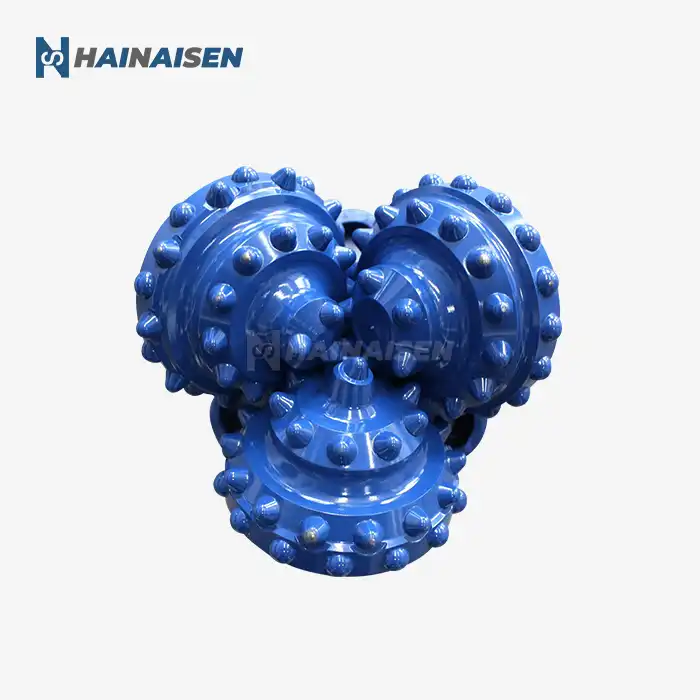 VIEW MORE5 1/2 Inch IADC 537 Tricone Rock Bit for Medium-Hard Formations
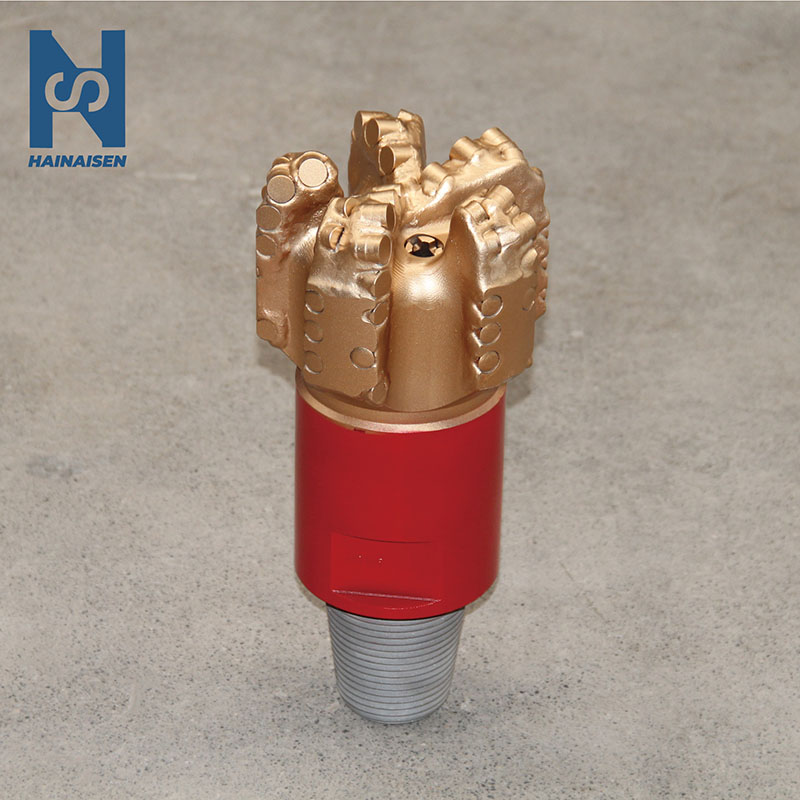 VIEW MORE5 Blade Matrix Body PDC Drill Bits
logo 1_1768204983068.jpg) VIEW MOREPDC Core Drill Bit With 8 Blades For Hole Drilling Used In Mining
VIEW MOREPDC Core Drill Bit With 8 Blades For Hole Drilling Used In Mininglogo 2_1777361643767.jpg) VIEW MORE94mm Four Wing Arc Angle Drill Bit
VIEW MORE94mm Four Wing Arc Angle Drill Bit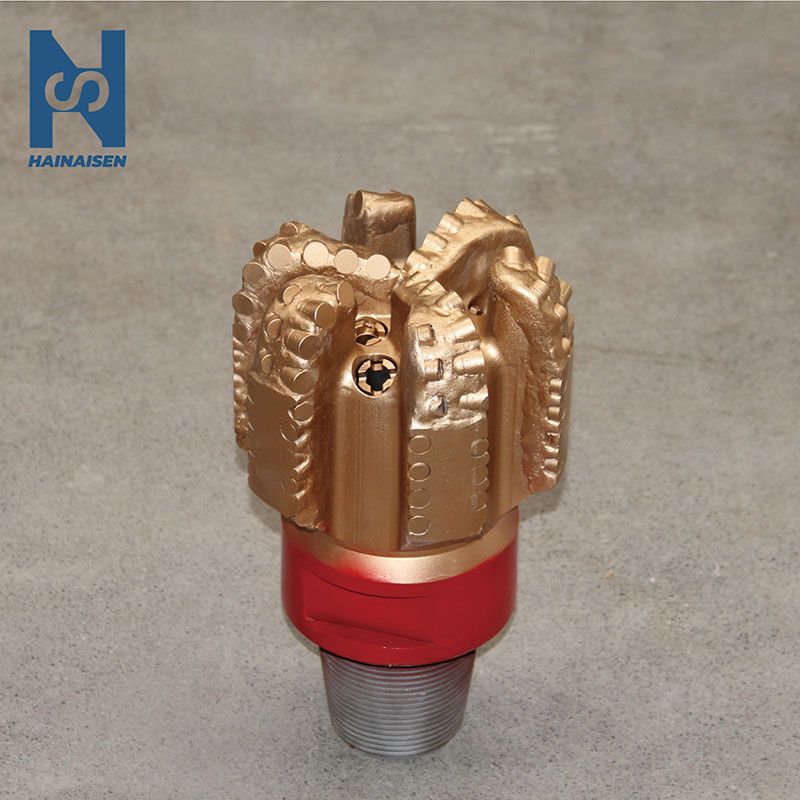 VIEW MORE6-Blade PDC Drill Bit
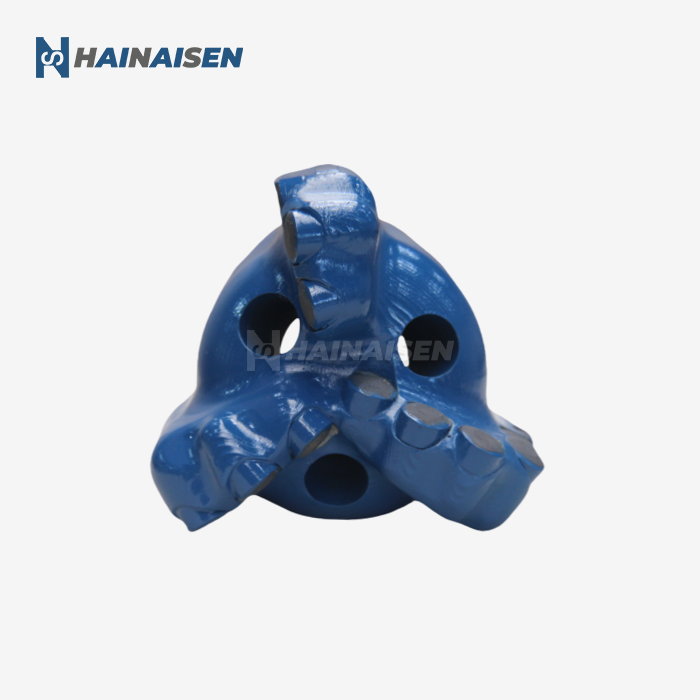 VIEW MORE113mm Three Wing Arc Angle Drill Bit
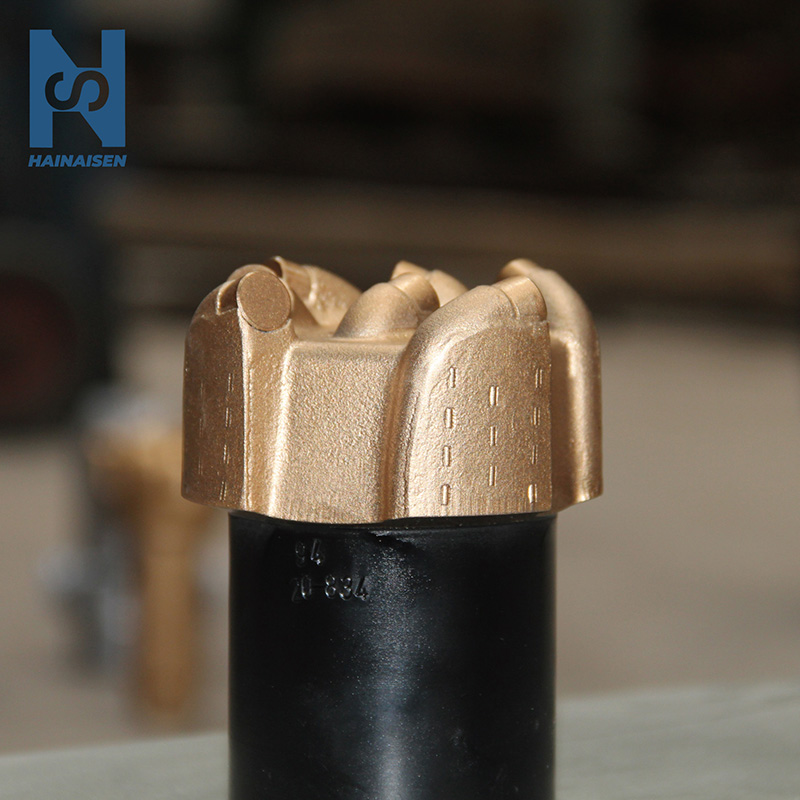 VIEW MOREPDC Flat Top Sintered Drill Bit
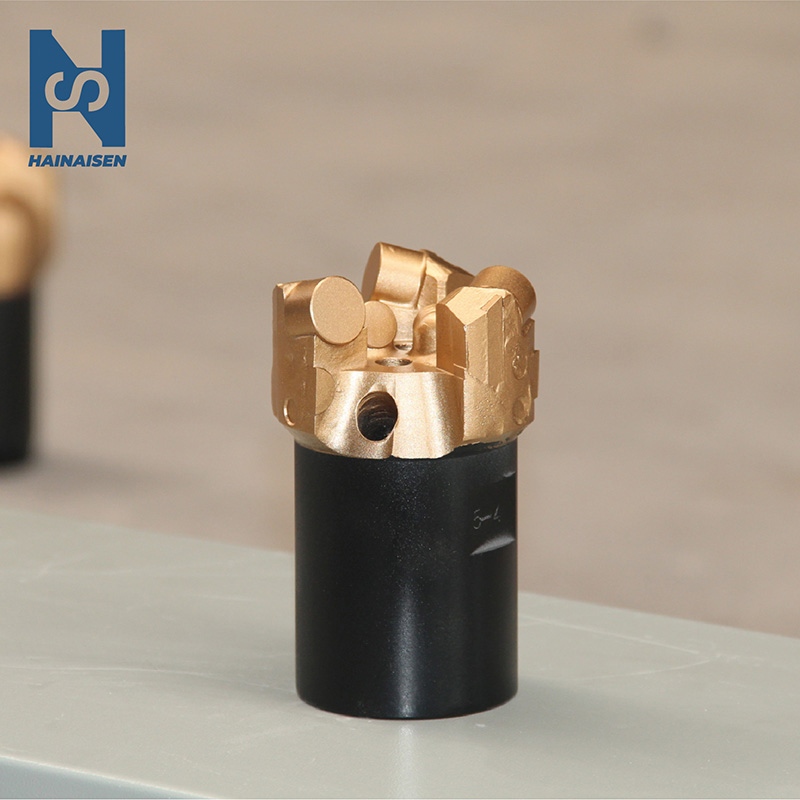 VIEW MORECoal Mining PDC Drill Bits
