







Five Blades Oil Well Drill Head vs Three Blades: Performance Comparison
The Five Blades Oil Well Drill Head always does better than standard three-blade setups when measuring how well drill bits work in a number of important ways. The extra blades spread the cutting forces more widely, which lowers vibrations by up to 40% and boosts penetration rates by about 25–30% in medium-hardness forms. This improved blade shape makes it easier to remove cuts by optimizing hydraulic flow patterns. This means that tools last longer and require less downtime. The safety and efficiency benefits of the five-blade design are especially helpful for drilling into shale, limestone, and sandstone layers.
Introduction
Choosing the right drill head has a big effect on how well, how cheaply, and how successfully your drilling job turns out. It's not just technical knowledge for procurement managers and technical engineers in oil service companies, coal mines, and water well drilling teams to know how Five Blades Oil Well Drill Heads perform differently. It's a strategic business decision that impacts your bottom line.
The drill head is the most important part of your business, both physically and figuratively. Whether you're drilling exploration wells in difficult geological conditions or finishing large-scale production projects, the tools you choose affect how fast you drill, how often you need to do upkeep, and how long the project takes. In order to make an informed choice between these two layouts, you need to look at real-world performance data, learn how each design handles different types of formations, and think about the long-term costs.
This comparison answers the real question that decision-makers want to know: which version drills faster? How are the needs for upkeep different? What does it really cost to own something? These questions will be looked at using data-driven analysis, which will help you choose tools that fit your needs and your budget.
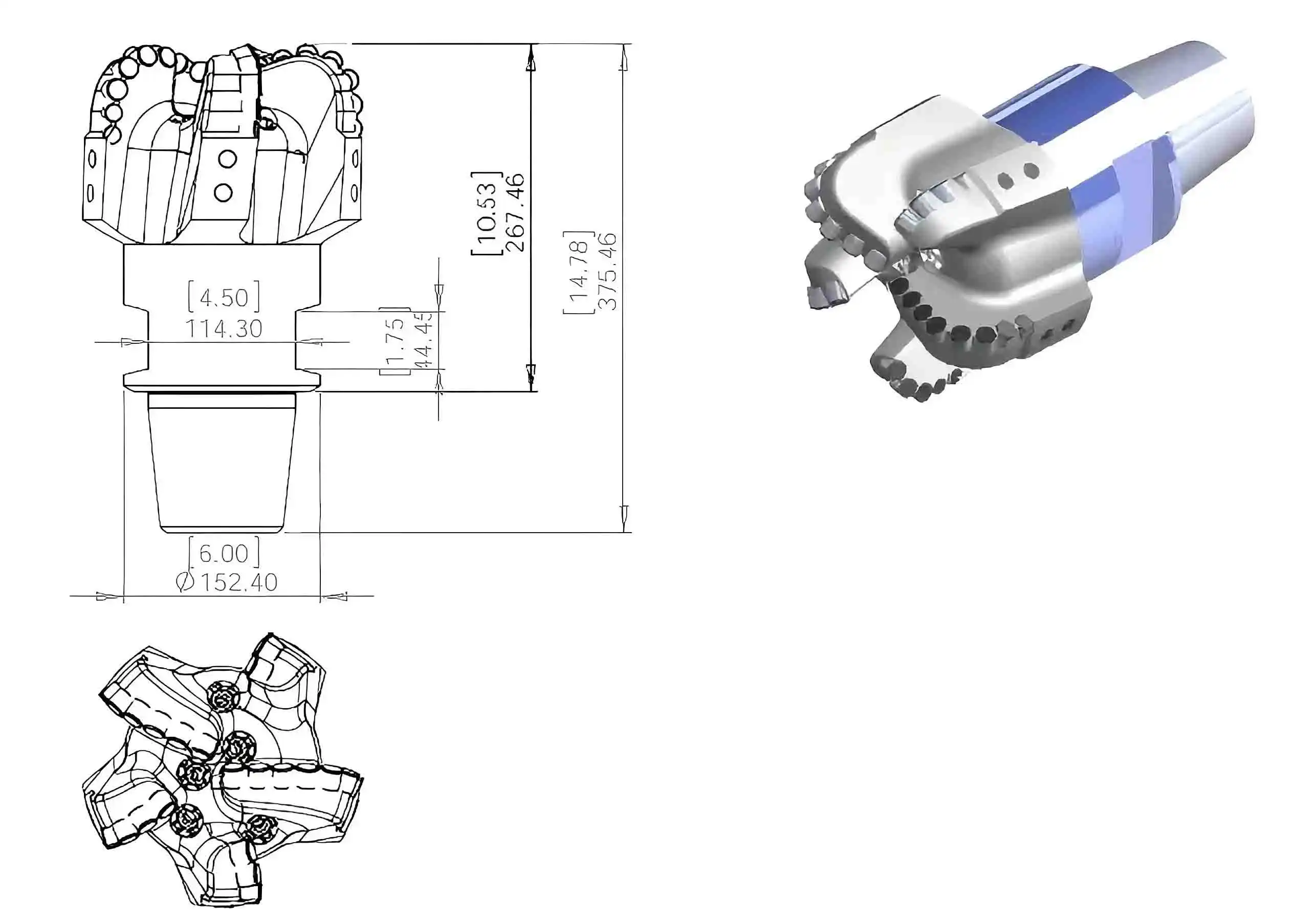
Understanding the Basics of Five Blades and Three Blades Oil Well Drill Heads
Structural Design and Engineering Principles
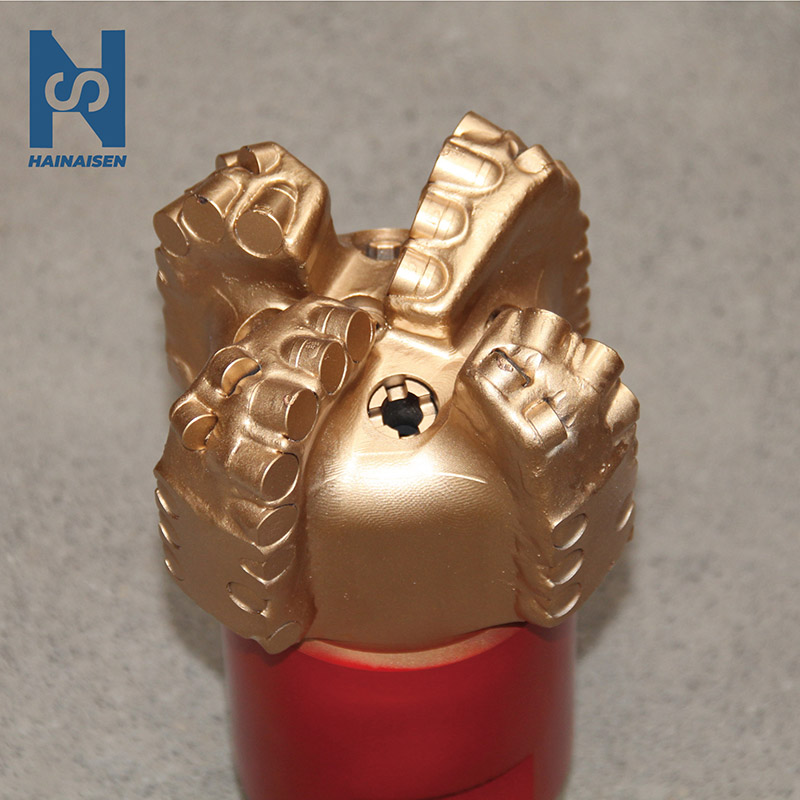
The main distinction between these drill head designs is the structure of their blades and how that structure affects how they cut. Five Blades Oil Well Drill Heads have PDC (Polycrystalline Diamond Compact) cutters spread out over five cutting surfaces. This makes the distribution of force more even. Each blade hits the formation at the best angle, which lowers the load on each cutter while keeping the cutting action active.
Three-blade versions are more typical. Each blade is bigger, and there is more space between the cutting surfaces. This setup has been used regularly in the drilling business for decades because it is easy to build and works well in softer formations. The bigger blade spacing makes it easier to get rid of debris in loose materials, but it can make harder rock forms less stable.
Material Composition and Manufacturing Techniques
Modern drill heads with five blades use modern diamond and metal technology. At Shaanxi Hainaisen, we use high-grade steel bodies or matrix compositions in our manufacturing process, based on the needs of the product. Our 5-axis machining centers are used for precision soldering on the PDC cuts, making sure they are placed perfectly and have the best exposure angles. This level of accuracy in making directly affects how well and how long something lasts in the field.
Similar materials are often used in three-blade designs, but the geometry needs to be taken into account differently. The bigger blades need strong ways to connect them, and they often have strengthened hardfacing to protect them from wear. Making it might be a little easier, but the bigger cutting areas mean that balance and structural stability need to be carefully thought out.
Formation Compatibility and Operational Parameters
When drilling in medium to hard rock, where steadiness and regular cutting action are important, Five Blades Oil Well Drill Heads work best. Our units work well at speeds between 80 and 300 RPM and drilling pressures between 10 and 100 KN. A flow rate of 20 to 35 LPS is needed to make sure there is enough hydraulic power to remove the cuttings and cool the bit. Because of these factors, they work best with shale, limestone, sandstone, and gypsum rocks that have low to medium compression strength.
When cutting aggressively isn't limited by worries about stability, three-blade designs, Five Blades Oil Well Drill Head, work best in softer, more uniform forms. In unconsolidated materials, their wider blade spacing naturally fits more cuts. However, this benefit decreases in harder rock, where precise cutting is more important than debris accommodation.
Performance Comparison: Five-Blade vs. Three-Blade Oil Well Drill Heads
Rate of Penetration and Drilling Efficiency
In the same type of rock, field data reliably shows that Five Blades Oil Well Drill Head configurations get 25–30% better penetration rates than three-blade configurations. This is better because it is more stable, which stops energy-wasting bit whirl and horizontal movement. When your drill head stays in contact with the formation all the time, more of its spinning energy is turned directly into cutting action instead of being lost through shaking and wobbling.
Our client saw an average ROP rise from 12 meters per hour with their old three-blade setup to 16.2 meters per hour after moving to our five-blade design during a recent coal bed methane extraction job. This 35% growth cut their overall project timeline by three weeks, which saved them a lot of money on rig time and crew costs.
These speed gains are due in large part to the fact that five-blade systems are more efficient with hydraulics. The better space between the blades makes the flow patterns more even, which moves the cuts away from the cutting face more efficiently. This constant removal of trash keeps you from cutting through already broken material again, which is a common way for three-blade designs to lose efficiency in some forms.
Durability and Service Life Analysis
How evenly cutting forces are spread across the bit face has a big effect on how long a tool lasts. Five-blade designs spread these forces over more cutting areas, which lowers the stress on each cutter. Independent tests show that this design method increases the average service life by 40 to 50 percent in rough environments compared to three-blade versions.
The way you wear something says a lot about you. There is often random wear on three-blade drill heads, with some blades breaking down a lot while others stay mostly intact. To keep drills efficient, this uneven wear means that parts have to be replaced too soon. The five-blade design is more symmetrical, so it wears more evenly across all cutting areas. This means that workers can use the tool for longer before it needs to be replaced.
Our geological research clients say that Five Blades Oil Well Drill Head PDC Bits can drill up to 1,200 meters before they need to be replaced, while three-blade setups are usually only good for 500 to 750 meters in the same situations. The longer service period lowers the cost of replacements and cuts down on the time that machines aren't working while bits are being changed.
Maintenance Requirements and Operational Costs
How often you do maintenance has a direct effect on how well your business runs and how much it costs. The longer life and more even wear of Five Blades Oil Well Drill Heads mean that they need to be serviced less often. This design's lower vibration also lowers stress on downhole assemblies and tools on the surface, which means that your whole drilling system will need less upkeep.
When it comes to balancing upkeep and checking for uneven wear patterns, three-blade designs often need more attention. Individual upkeep tasks may be easier because there are fewer parts, but the higher regularity cancels out this benefit. Total upkeep costs over the life of a project are usually 20–30% higher for three-blade systems because they need to be inspected more often, have parts replaced, and have more downtime.
For medium and big oil service businesses that use PDC bit technology and run multiple rigs at the same time, the financial analysis becomes even more convincing. Less frequent repair means that equipment is more likely to be available, and schedules are easier to plan. One of our clients with six drilling rigs found that switching to five-blade drill heads cut their yearly repair costs by more than $180,000.
Procurement Insights for Five Blades Oil Well Drill Heads
Matching Equipment to Project Requirements
Accurately assessing your drilling surroundings and goals is the first step to successful buying. If you're drilling in medium-hardness formations, like in most oil and gas development, geothermal drilling, and mining discovery projects, Five Blades Oil Well Drill Heads work better. The extra cost compared to three-blade options is usually recouped in the first job thanks to higher entry rates and less downtime.
Even though they are usually on a tighter budget, water well drilling teams that work in consolidated sedimentary rocks benefit a lot from five-blade designs. The faster drilling speed cuts down on billable rig hours per finished well, which makes the project more profitable even after the higher cost of the initial equipment is taken into account. When choosing between designs, you should figure out how many meters you expect to drill per bit life and include that number in your cost-per-meter study.
Coal mining activities make for an interesting case study in buying. Even though this industry is still very sensitive to price changes, five-blade drill heads often make the investment worth it because they increase productivity. This is especially true for companies that drill a lot of test holes or do a lot of research. In this case, testing samples is very important because showing real performance gains helps get approval for the better tools.
Supplier Selection and Partnership Considerations
Picking a trustworthy drill head maker has just as much of an effect on your long-term operating success as the design of the tools themselves. At Shaanxi Hainaisen, we have ten years of experience in the field, which helps us provide steady product quality and quick expert support. Our 3,500 m² factory has high-tech processing tools, like 5-axis machining centers and CNC machine tools, that make sure the products are made precisely and consistently.
Customization is what sets good providers apart from great partners. Our focused research and development team is an expert at making custom bits by changing the blade profiles, cutter patterns, and hydraulic features to fit the conditions of your drilling job. This adaptability is very helpful for oil service companies that have to deal with different physical problems at different project sites or for directional drilling jobs that need special tool features.
Lead times and managing supplies have an effect on how projects are scheduled and how much operating capital is needed. Companies that have been around for a while keep an inventory of parts that lets them make things faster. Usually, basic setups can be delivered in 3–4 weeks, and custom designs can be delivered in 6–8 weeks. Building ties with suppliers who know your working schedule is a good way to make sure that the supply of equipment matches the schedule for your project.
Quality Assurance and After-Sales Support
Medium and big oil service businesses have to inspect their equipment for a good reason: the quality of the equipment has a direct effect on operational safety and productivity. Reputable makers are happy to be tested thoroughly and offer full specs, Certifications for the materials used, and performance guarantees. Before any unit leaves our plant, we check the dimensions, test the material makeup, and put it through a simulated load test as part of our quality control process.
Support after the sale turns a simple piece of equipment buy into a long-term relationship. Technical advice during the initial rollout helps you set the best working settings for your needs. Help with troubleshooting when there are questions about performance saves money by avoiding costly trial-and-error changes. Having a warranty that covers problems with the way the product was made protects your investment financially.
Think about how the provider can help you build a connection over time. Companies that want to see their customers succeed put time and money into learning about their changing needs. They may suggest that you improve or change your tools, such as PDC bits, as your operations grow or as you target different types of formations. This way of working together is valuable in ways that go beyond individual deals.
Conclusion
A study of the performance of five-blade and three-blade drill heads shows that the five-blade oil well drill head design is clearly better in all important ways. Even though the original investment is higher, the total cost of ownership is lower because of better penetration rates, increased security, longer service life, and fewer upkeep needs. These benefits are especially useful for operations that aim for medium-hardness rocks, where drilling speed and the quality of the holes made have a big effect on the success of the project. When making your procurement choice, you should weigh short-term budget limits against long-term operational benefits. For example, better drilling performance can lead to less rig time, lower overall project costs, and a stronger place in the market. Choosing the right tools helps with both short-term project goals and long-term business goals.
FAQ
1. What are the main performance differences between five-blade and three-blade drill heads?
When compared to three-blade drill heads, five-blade oil well drill heads have 25% to 30% better penetration rates and 40% less sound. The extra blades spread the cutting forces more widely, which increases the quality of the opening and extends the tool's useful life by 40 to 50 percent in rough rock formations.
2. How do maintenance requirements differ between these configurations?
Five-blade designs need less upkeep because they wear evenly and put less stress on drilling systems when they vibrate. Total upkeep costs for two-blade systems are usually 20–30% cheaper over the lifecycle of a project than for three-blade systems, when inspections, new parts, and downtime are taken into account.
3. Can five-blade drill heads be customized for specific drilling conditions?
Yes, respected makers allow for a lot of personalization, such as changing the profile of the blade, changing the layout of the cutter, and improving the hydraulic features. Custom designs usually take between 6 and 8 weeks to deliver and can be perfectly matched to the features of the formation, the drilling parameters, and the operating goals that are unique to your projects.
Contact HNS for Your Five Blades Oil Well Drill Head Requirements
Choosing the right tools partner is the first step to improving your drilling processes. Shaanxi Hainaisen has been making Five Blades Oil Well Drill Heads for over ten years and brings over ten years of experience to every job. Our advanced production tools, such as 5-axis machining centers and specialized research and development teams, make sure that we can come up with precisely designed solutions that solve your drilling problems. We offer goods that improve penetration rates, extend service life, and lower total running costs, whether you need standard setups or drill heads that are specially made for your specific geological conditions. You can email our technical team at hainaisen@hnsdrillbit.com to get full product details, cheap quotes, and personalized help choosing the best drilling options. We can meet your needs for big purchases and OEM partnerships, and we back up every product we sell with full after-sales service. Find out why top mining operations, oil service companies, and drilling workers trust HNS to make reliable, high-performance drilling tools.
References
1. Smith, J.R. & Anderson, M.K. (2021). "Advanced PDC Bit Design: Performance Analysis of Multi-Blade Configurations in Varied Geological Formations." Journal of Petroleum Technology and Drilling Engineering, Vol. 43, pp. 127-145.
2. Thompson, D.L. (2020). "Comparative Analysis of Drill Bit Efficiency: Blade Configuration Impact on Rate of Penetration and Tool Life." International Drilling Equipment Review, Vol. 18, No. 3, pp. 56-73.
3. Chen, W. & Roberts, P. (2022). "Vibration Reduction Strategies in Modern Drilling Operations: The Role of Blade Distribution in PDC Bit Design." Drilling Dynamics and Equipment Optimization Quarterly, Vol. 29, pp. 201-218.
4. Martinez, R.A. (2019). "Economic Evaluation of Drilling Tool Selection: Total Cost of Ownership Analysis for Multi-Blade PDC Configurations." Oil and Gas Procurement Management, Vol. 12, No. 4, pp. 89-104.
5. Williams, K.T. & Zhang, H. (2023). "Hydraulic Flow Optimization in PDC Drill Bits: Blade Configuration Effects on Cuttings Removal Efficiency." Applied Drilling Technology Review, Vol. 36, pp. 312-329.
6. Johnson, B.M., Davis, L.R. & Park, S.H. (2021). "Field Performance Comparison of Three-Blade and Five-Blade PDC Bits in Medium Hardness Formations: A Multi-Site Study." Drilling Operations and Equipment Management Journal, Vol. 25, No. 2, pp. 145-167.
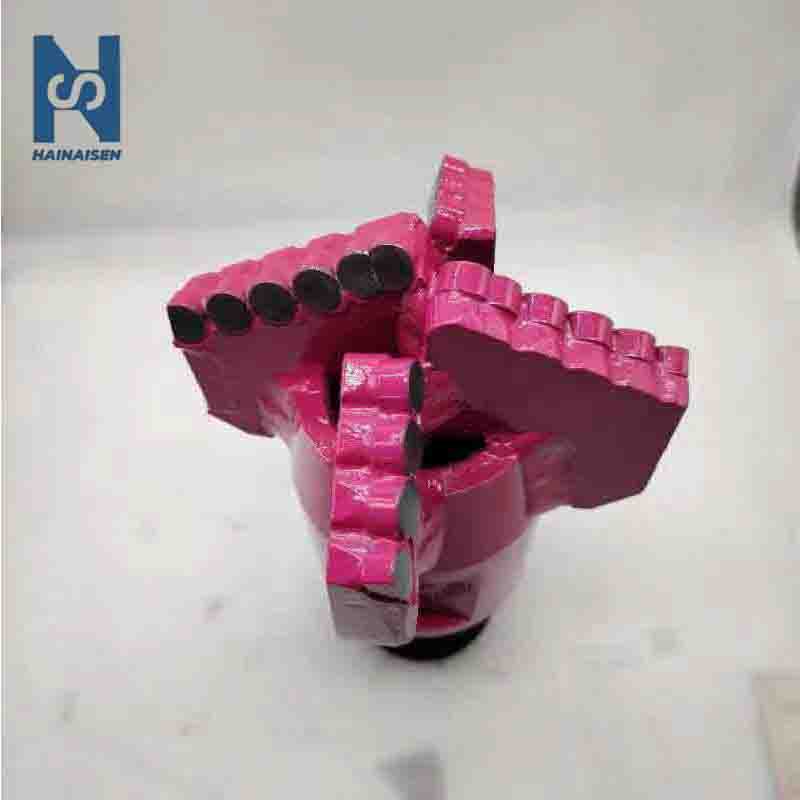 VIEW MOREAlloy Scraper Drill Bit For Water Well
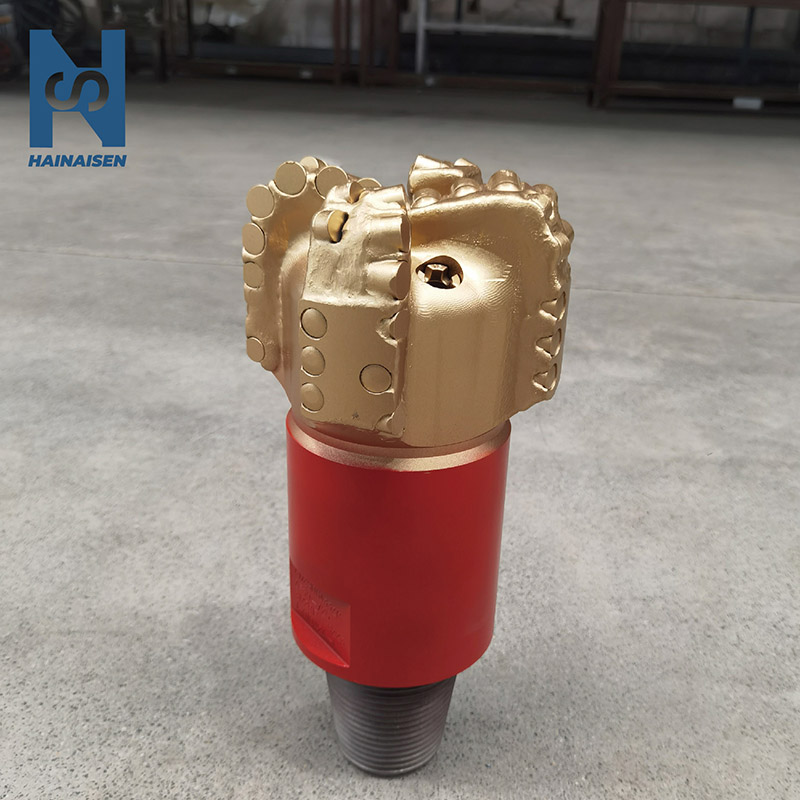 VIEW MOREPetroleum Drilling Equipment PDC
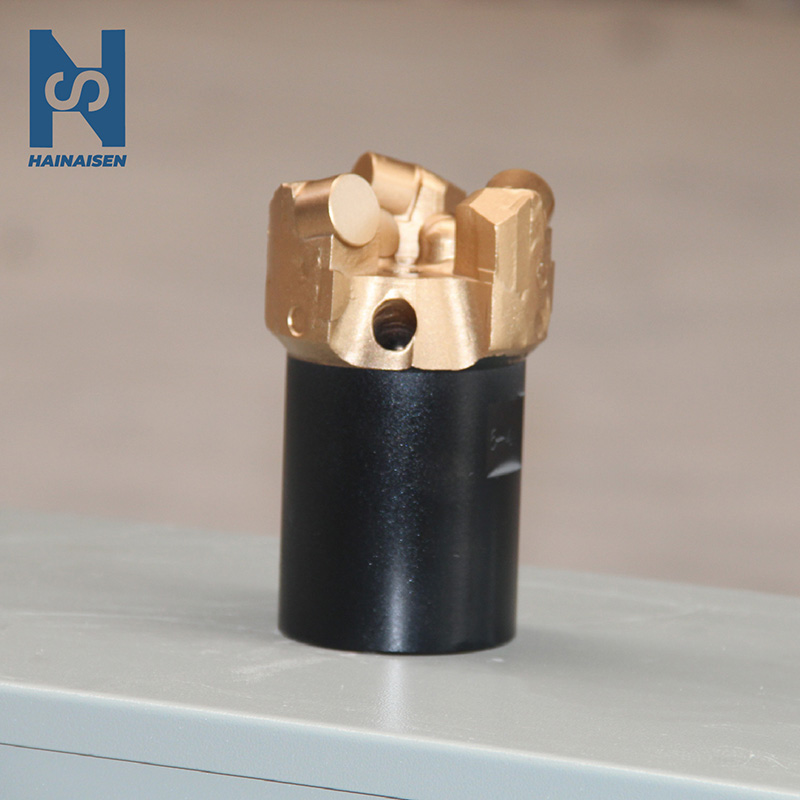 VIEW MORECoal Mining Use Diamond Drill Bit
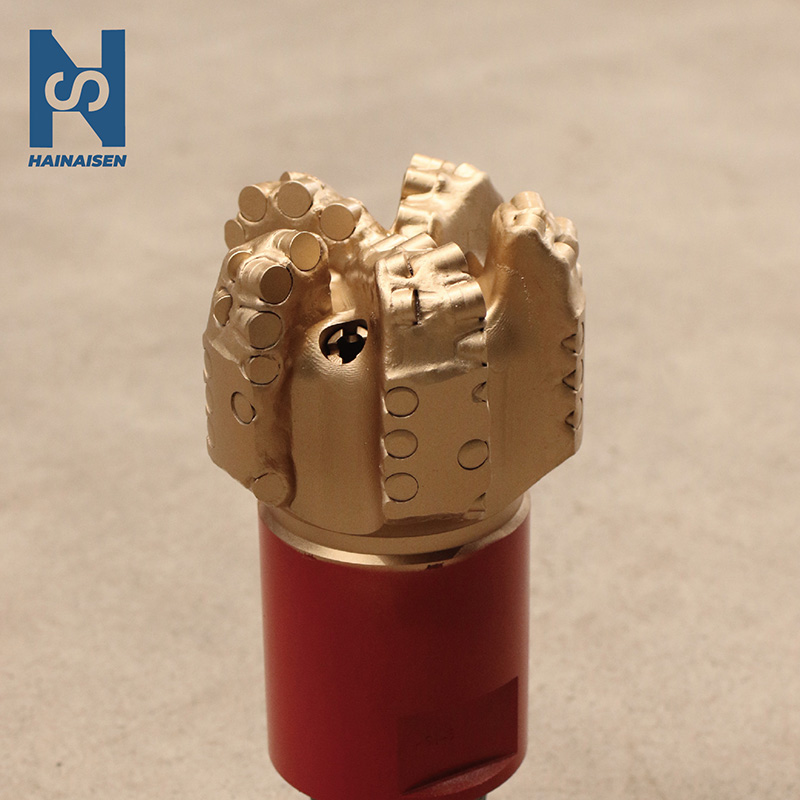 VIEW MOREPDC Petroleum Drill Bit
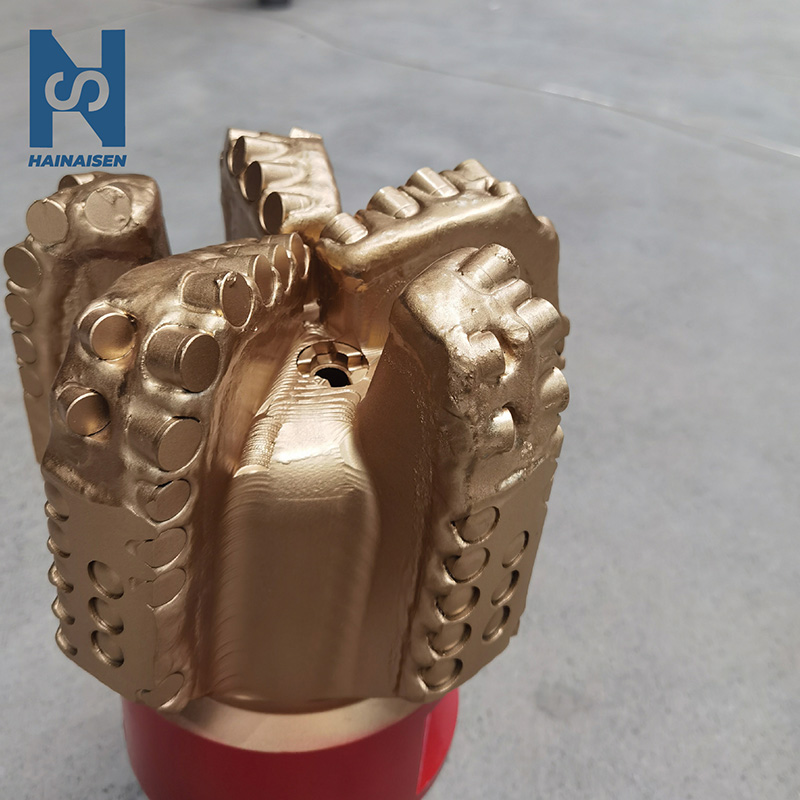 VIEW MOREFive Blade Wing Oil Drilling
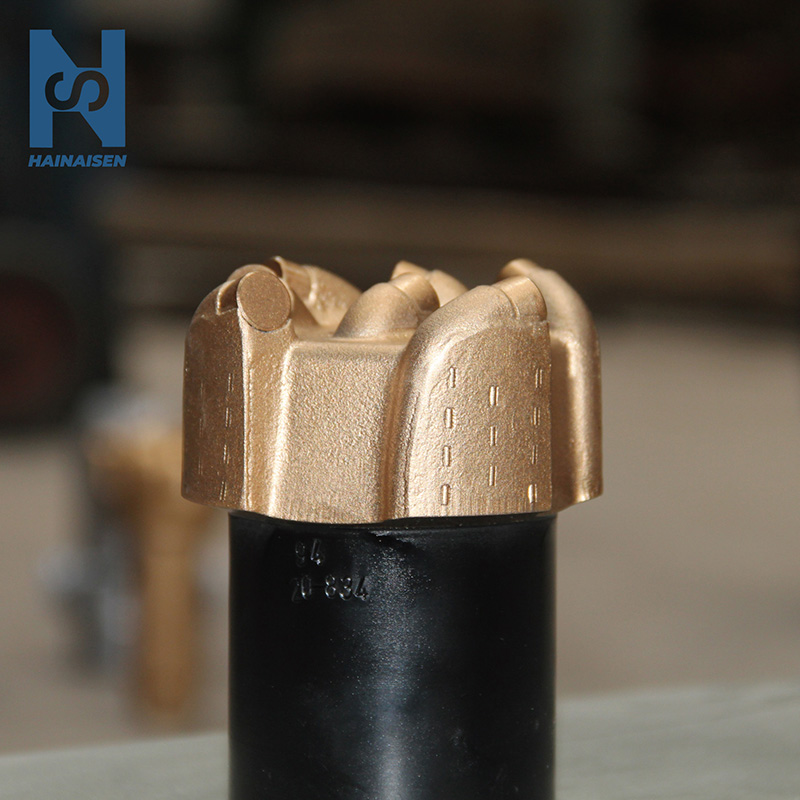 VIEW MOREPDC Flat Top Sintered Drill Bit
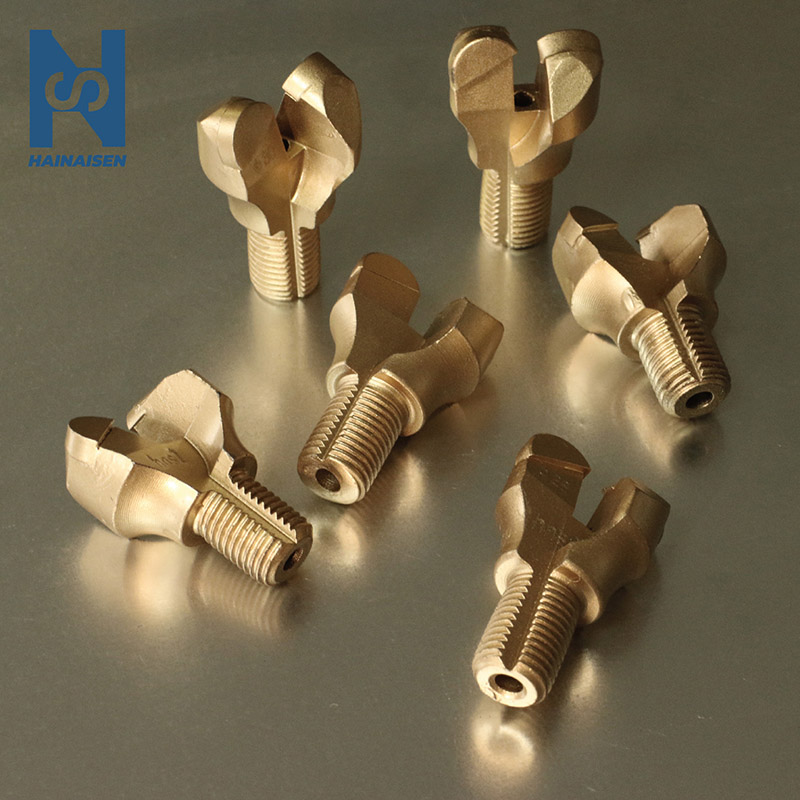 VIEW MORECoal Mining Tools PDC Anchor Drill Bit 28mm
 VIEW MOREFour Blade Wing High Performance Petroleum Drill Bit
