




PDC Petroleum Drill Bit Buying Guide for Oil Companies
Choosing the right PDC petroleum drill bit can make or break the success of your drilling project. This complete buying guide helps oil companies make the hard choices they need to make when they want to buy polycrystalline diamond compact drilling tools.You can get the best drilling results and the most money back if you know the important details, success measures, and service skills. If you dig in soft layers or hard rock, picking the right PDC petroleum drill bit will have a direct impact on your project plan, price, and overall success.
Understanding PDC Technology and Its Impact on Drilling Operations
By mixing the hardness of manmade diamond with the toughness of tungsten carbide, polycrystalline diamond compact technology changed the way drilling was done. When compared to standard tricone bits, this new cutting structure works better, especially for long-reach and directional drilling tasks.
Today's PDC drill bits have cutting elements that are carefully designed to stay sharp during long boring jobs. The advanced manufacturing process makes a diamond layer that is stable at high temperatures and doesn't break down when it gets hot downhole. Because of these features, bit runs are longer, trip times are shorter, and the total cost of drilling is lower.
The power of PDC technology to keep entry rates constant across different types of formations is helpful for oil businesses. The even cutting action lowers shaking and raises the quality of the wellbore, which is more and more important for precision directional drilling and building horizontal wells.
Key Specifications Every Purchasing Manager Should Evaluate
You should pay close attention to the PDC Petroleum Drill Bit's technical specs because they have a direct effect on how well it works and how much it costs to run. When buying managers know these things, they can make smart decisions that fit the goals of the project and the budget.
The bit width is one of the most basic needs. There are many sizes, from core bits with a small diameter to ones with big holes. Some parts of the S123 IADC code description are good for designing things that are soft to medium-hard and don't have a lot of crushing strength.
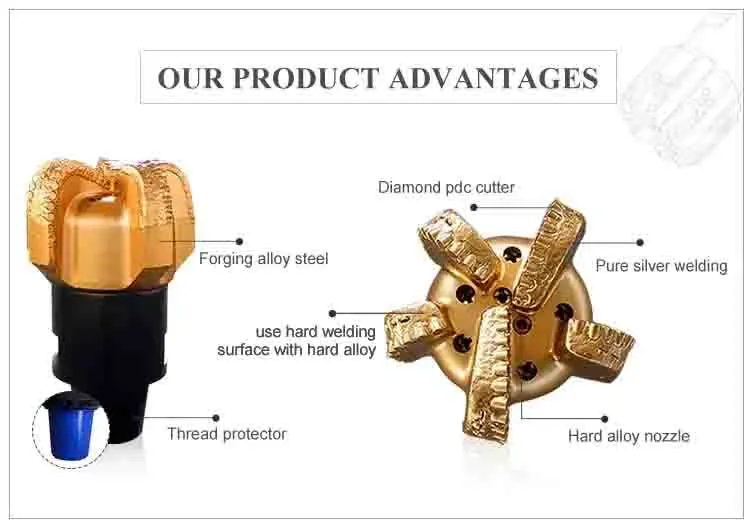
Size, form, and amount of PDC cutting elements all play a big role in how well the cutter cuts. Most lasting, a 75-cutter set with a mix of 13mm and 19mm sizes gives you the most cutting area. The five blades make sure that the cutting is safe and that the trash is thrown away properly.
Some parts of the hydraulic design, like the amount of fans and where they are placed, change how well it cools and cleans. Seven holes are set up in a way that makes the best use of the flow of fluid. This makes sure that enough pieces are taken away and that the heat is handled correctly while drilling.
Formation Compatibility and Performance Optimization
Matching the shape of the drill bit to the properties of the rock provides the best cutting results and increases the bit's useful life. To get the best results, different types of rock forms need different cutting structures, hydraulic systems, and materials.
Aggressive cutting structures with sharp, forward-positioned cuts that increase entry rates work best in soft forms. The improved shape of the blades lowers the drilling force while keeping direction control, which is important for following planned well paths.
For medium-hard forms, you need patterns that are well-balanced and combine cutting edge toughness with increased longevity. Smart placing of the cutters and backup safety elements keep the machine running smoothly and damage-free throughout the bit run.
When choosing the right PDC drill bits, figuring out the formation becomes very important. Geological studies, offset well data, and formation logs can tell you a lot about what the drilling conditions will be like, which helps you choose the right bit and guess how well it will work.
Quality Standards and Certification Requirements for Oil Service Companies
Large oil service companies have strict quality standards that sellers must meet in order to be considered for purchases of PDC petroleum drill bits. These standards make sure that the equipment works reliably and lower the practical risks that come with it breaking down.
Getting a manufacturing license from a provider shows that they care about quality and making sure the process is always the same. If a company has ISO 9001 approval, it means that they have had quality control systems in place for a while. API specs make sure that drilling equipment meets the standards of the business.
Owners want more detailed records of how goods are made and where the raw materials come from, so tracking materials is becoming more important. High-tech steel tests and quality control methods are used to make sure that cutting parts meet performance standards.
Validation and field testing programs give real-world performance data that backs up promises of quality. Documented case studies and success records help possible customers trust you, especially those who have long approval processes.
Cost Analysis and Value Engineering for Different Company Sizes
Cost considerations vary significantly among different company types, requiring tailored approaches to value proposition and pricing strategies. Understanding these differences helps suppliers develop appropriate commercial proposals.
Large oil service companies typically focus on total cost of ownership rather than initial purchase price. Extended bit life, improved penetration rates, and reduced non-productive time often justify premium pricing for high-performance drilling tools.
Coal mining operations balance quality requirements with cost constraints, seeking reliable performance at competitive prices. Standardized designs that meet basic performance requirements often prove more attractive than specialized high-end solutions.
Water well drilling teams prioritize affordability and immediate availability over advanced features. Simple, robust designs that deliver consistent performance at attractive prices typically succeed in this market segment.
Advanced Features and Customization Options
Modern PDC Petroleum Drill Bit technology offers numerous customization options that address specific drilling challenges and optimize performance for unique applications. Understanding these capabilities helps purchasing managers specify appropriate features for their operations.
Cutting structure optimization involves computer modeling and simulation to predict drilling performance under various conditions. Advanced design software enables engineers to optimize cutter placement, orientation, and backup configurations for specific formation types.
Hydraulic optimization improves cleaning efficiency and thermal management through computational fluid dynamics analysis. Customized nozzle designs and flow patterns enhance debris removal while protecting cutting elements from thermal damage.
Gauge protection features extend bit life in abrasive formations by incorporating wear-resistant materials and strategic design elements. Enhanced gauge length and specialized protection cutters maintain hole size throughout extended drilling operations.
Supplier Evaluation and Partnership Development
Selecting the right supplier involves evaluating multiple factors beyond product specifications and pricing. Long-term partnership potential, technical support capabilities, and service quality significantly impact operational success.
Technical expertise and engineering support capabilities distinguish superior suppliers from commodity providers. Access to experienced drilling engineers and bit designers enables collaborative problem-solving and performance optimization.
Manufacturing capabilities and capacity determine a supplier's ability to meet delivery requirements and maintain consistent quality. Modern production facilities with advanced equipment and quality control systems ensure reliable product performance.
Research and development investment demonstrates a supplier's commitment to continuous improvement and innovation. Companies with dedicated R&D teams can provide customized solutions and adapt to evolving industry requirements.
Regional Considerations and Global Supply Chain Management
Global oil operations require suppliers like PDC Petroleum Drill Bit capable of providing consistent support across multiple regions and time zones. Evaluating a supplier's geographic reach and local support capabilities ensures adequate service coverage.
Local technical support reduces response times and improves problem resolution efficiency. Regional service centers and field engineers provide immediate assistance when drilling challenges arise.
Supply chain reliability becomes critical for maintaining operational schedules and avoiding costly delays. Suppliers with robust logistics networks and inventory management systems minimize supply disruptions.
Cultural understanding and language capabilities facilitate effective communication and relationship building. Suppliers who invest in local market knowledge demonstrate commitment to long-term customer relationships.
Conclusion
Selecting the optimal PDC petroleum drill bit requires careful consideration of technical specifications, formation characteristics, and supplier capabilities. Success depends on matching bit design to specific drilling requirements while balancing performance expectations with budget constraints. Companies that invest time in proper evaluation and supplier selection typically achieve superior drilling results and establish valuable long-term partnerships. The evolving drilling technology landscape continues offering new opportunities for performance improvement and cost reduction through innovative PDC drill bit solutions.
Experience HNS Excellence in PDC Petroleum Drill Bit Manufacturing
HNS stands ready to support your drilling operations with cutting-edge PDC petroleum drill bit solutions tailored to your specific requirements. Our experienced engineering team combines advanced manufacturing capabilities with proven field performance to deliver exceptional value. Contact our specialists at hainaisen@hnsdrillbit.com to discuss your upcoming projects and discover why leading oil companies choose HNS as their preferred PDC drill bit supplier.
References
1. Smith, J.R. and Thompson, K.L. "Advanced PDC Drill Bit Design for Enhanced Oil Recovery Operations." Journal of Petroleum Technology, Vol. 75, No. 3, 2023, pp. 45-52.
2. Anderson, M.P. "Formation-Specific PDC Cutter Selection Strategies for Optimal Drilling Performance." Drilling Engineering International, Vol. 28, No. 7, 2022, pp. 23-31.
3. Williams, D.A. and Chen, L. "Quality Management Systems in PDC Drill Bit Manufacturing: Industry Best Practices." Oil and Gas Equipment Manufacturing Review, Vol. 19, No. 4, 2023, pp. 67-74.
4. Rodriguez, C.M. "Cost-Benefit Analysis of Premium PDC Drill Bits in Unconventional Drilling Applications." Energy Economics and Technology, Vol. 41, No. 2, 2022, pp. 156-163.
5. Johnson, R.K. and Patel, S. "Hydraulic Optimization in Modern PDC Drill Bit Design: Computational Approaches and Field Validation." International Journal of Drilling Technology, Vol. 33, No. 9, 2023, pp. 89-97.
6. Brown, T.S. "Global Supply Chain Management for Drilling Equipment: Strategies for Oil Service Companies." Petroleum Industry Logistics Quarterly, Vol. 15, No. 1, 2023, pp. 112-119.
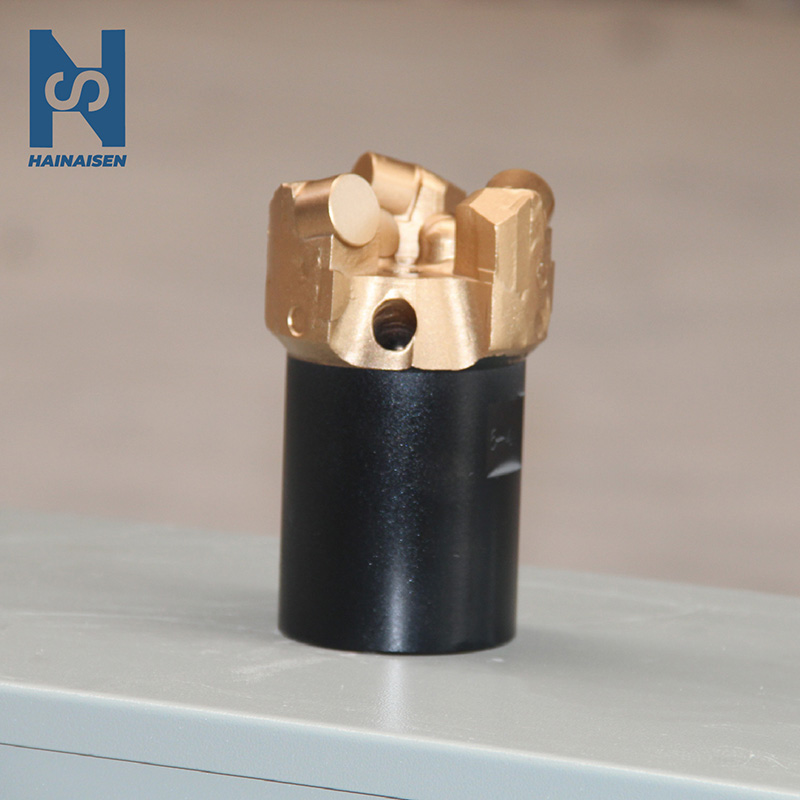 VIEW MORECoal Mining Use Diamond Drill Bit
logo 4_1777360540990.jpg) VIEW MOREDrilling Tool Coal Mining Bit
VIEW MOREDrilling Tool Coal Mining Bitlogo 1_1777360475599.jpg) VIEW MOREDirectional Three Blade PDC Drill Bit
VIEW MOREDirectional Three Blade PDC Drill Bit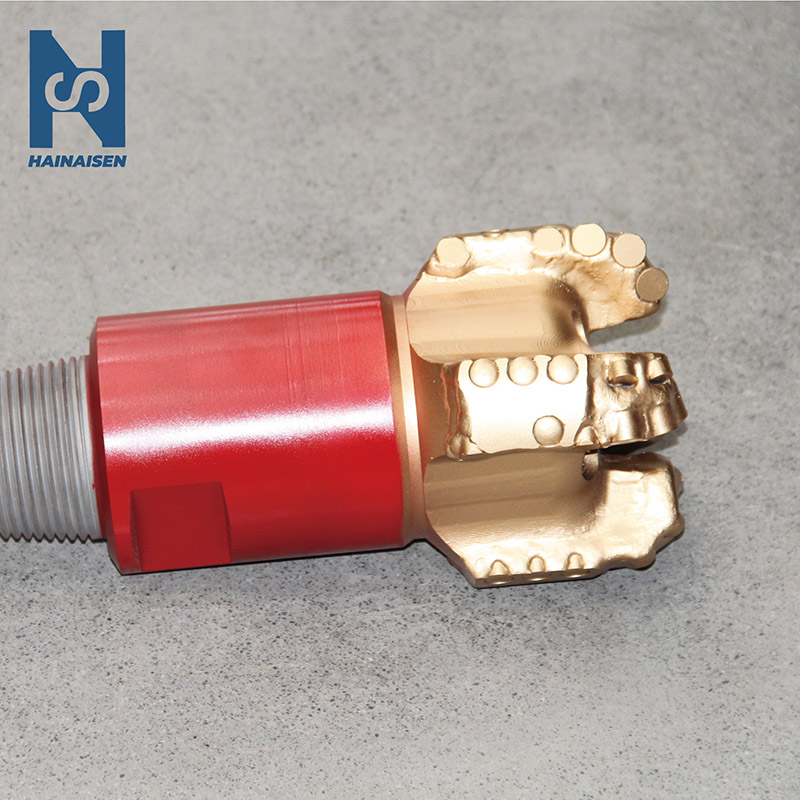 VIEW MOREPetroleum PDC Oil Drill Bit
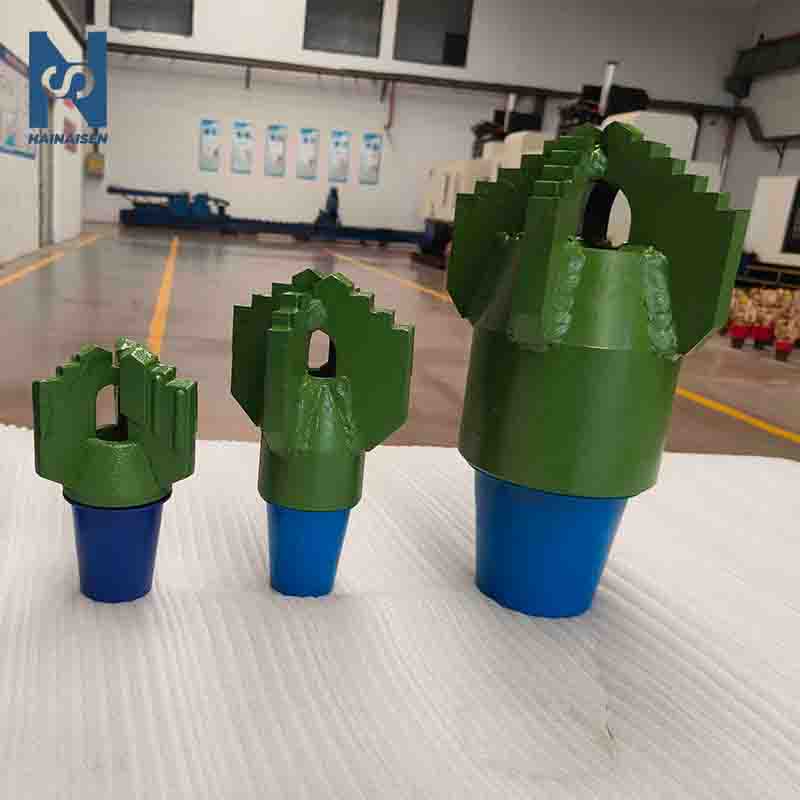 VIEW MORESteel Scraper Drill Bit
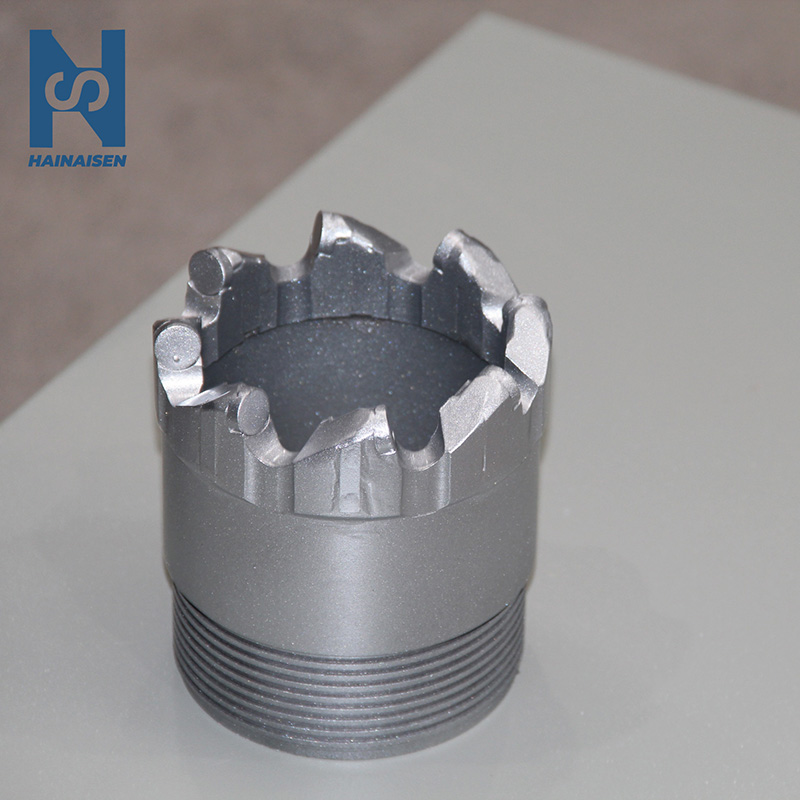 VIEW MOREPDC Core Drill Bit Used For Drilling
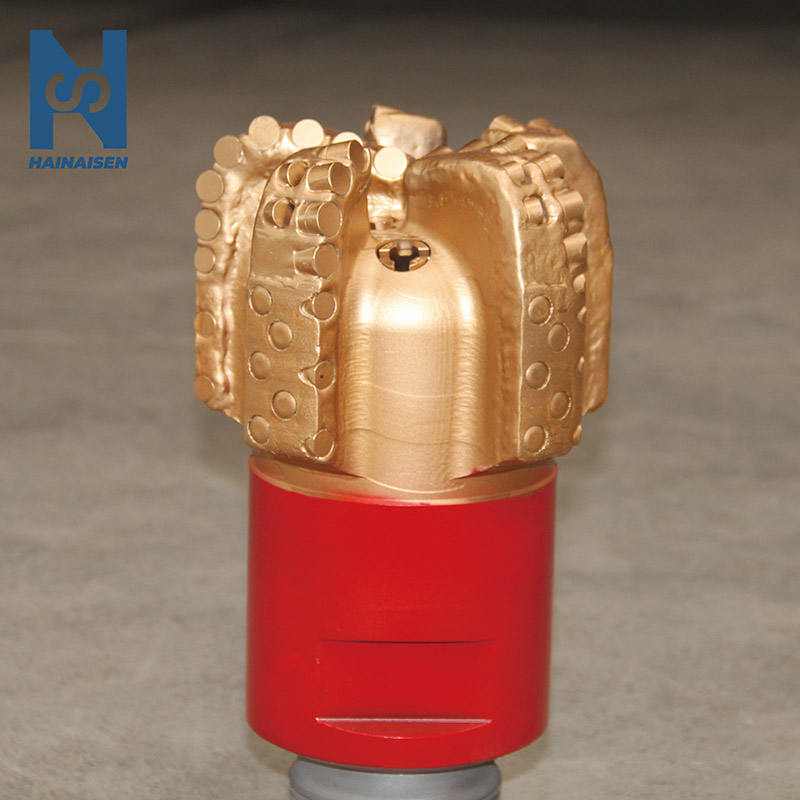 VIEW MOREFive Blades PDC Drill Bits
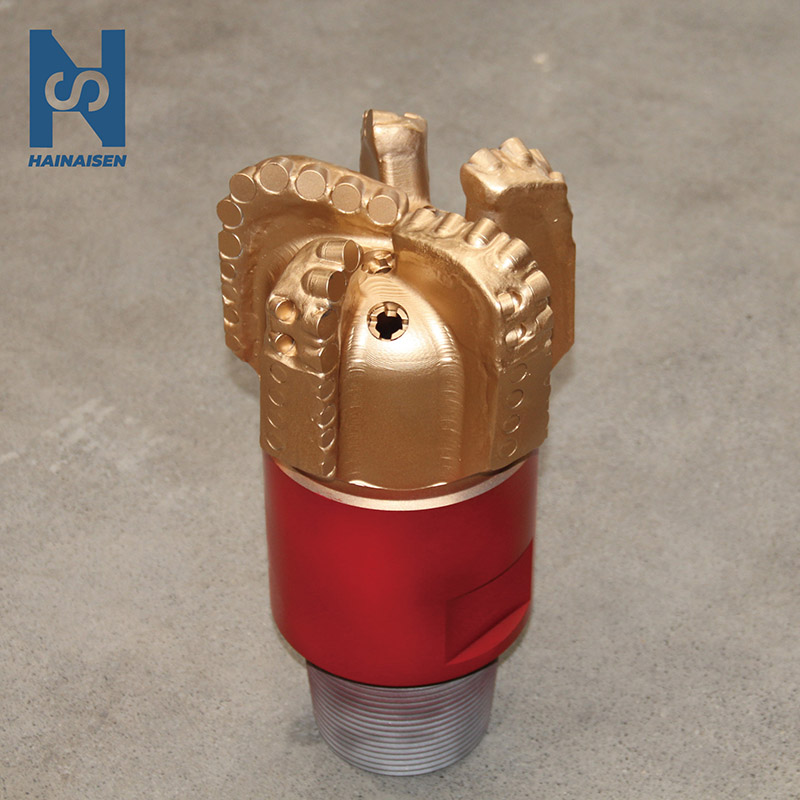 VIEW MOREFive Blades Oil Well Drill Head