PDC Diamond Bit Buying Guide for Oil and Gas Drilling
To make smart choices about what PDC diamond bit to buy for your drilling projects, you need to know about the technology behind polycrystalline diamond compact cuts. The performance of these modern drilling tools is much better than that of traditional tricone bits, thanks to synthetic diamond technology. The PDC Diamond Bit is very resistant to wear and lasts a long time. It also cuts more efficiently, which speeds up drilling operations. These designed solutions are used by modern drilling companies to improve their drilling programs and lower their costs across a wide range of rock formations.
Understanding PDC Diamond Bits: Key Concepts and Working Principles
Advanced Manufacturing Technology and Material Composition
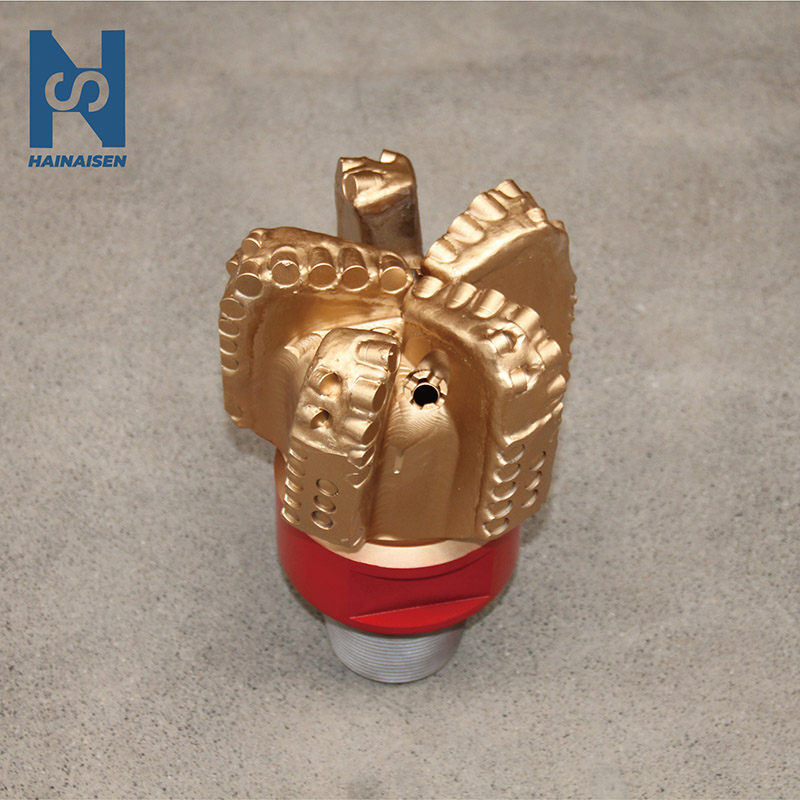
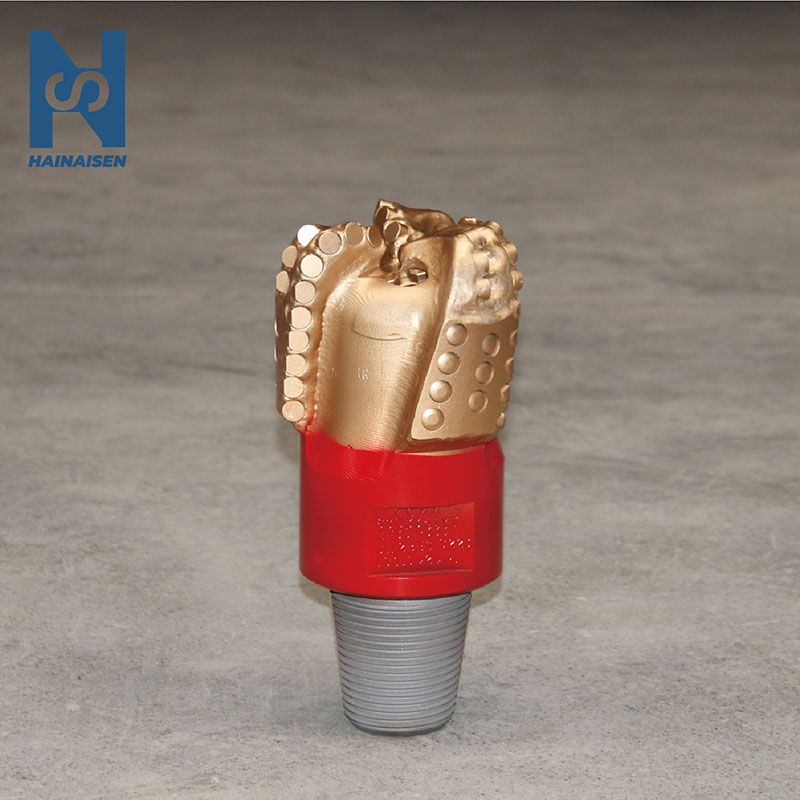
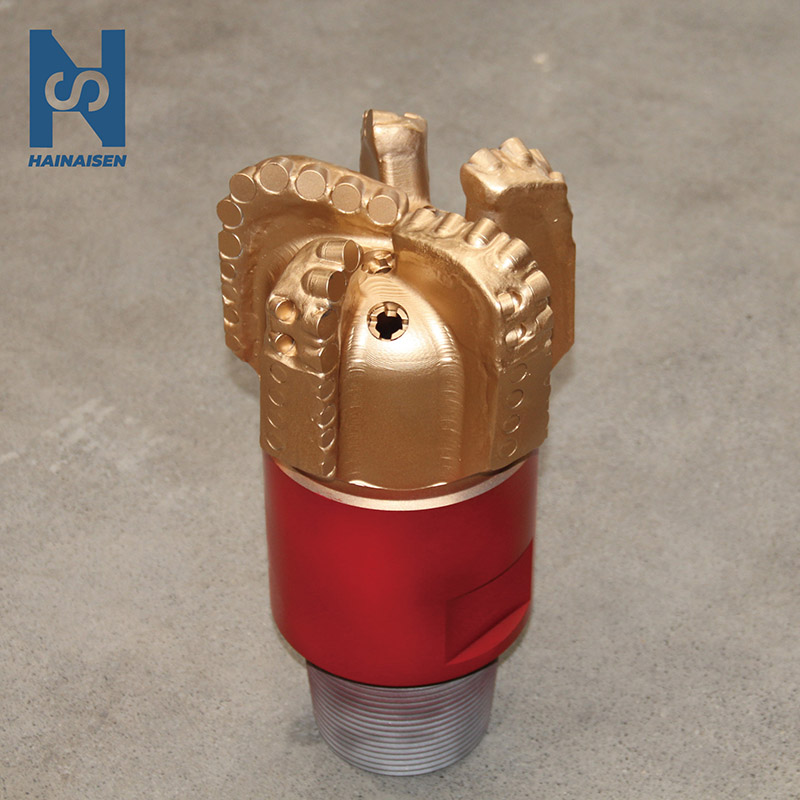
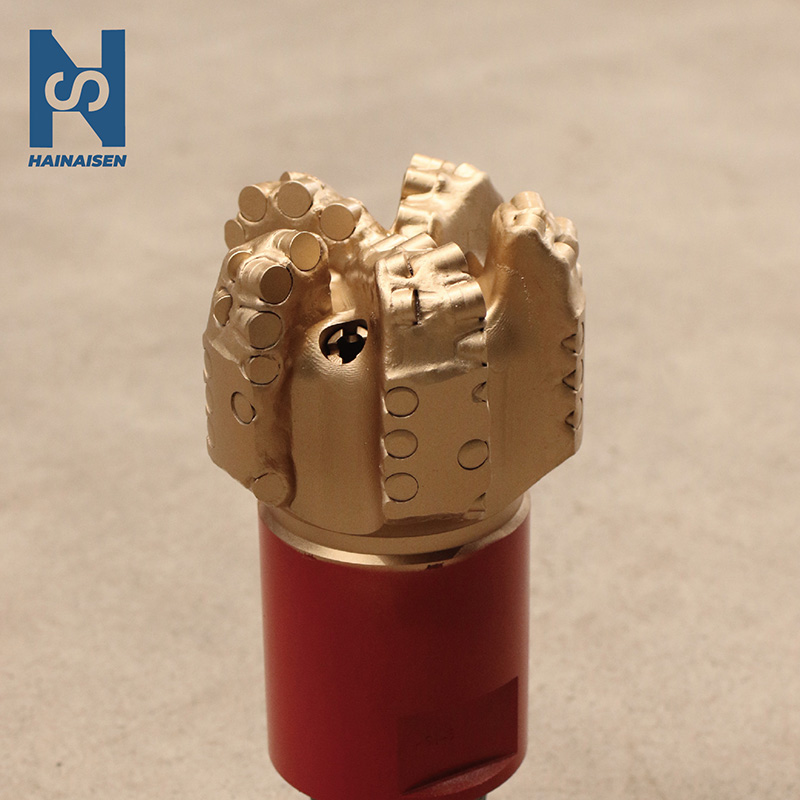
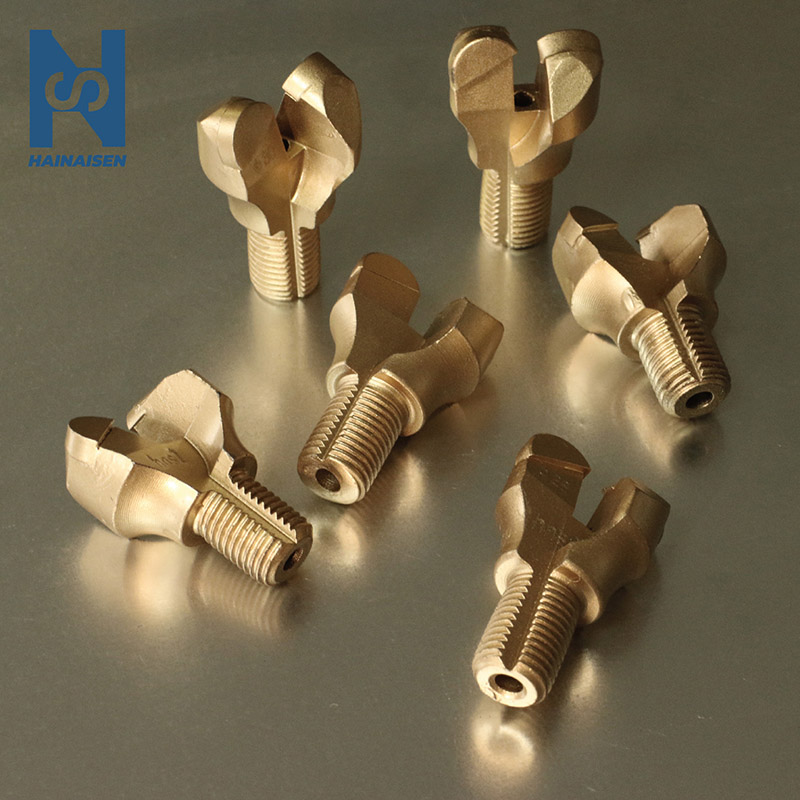
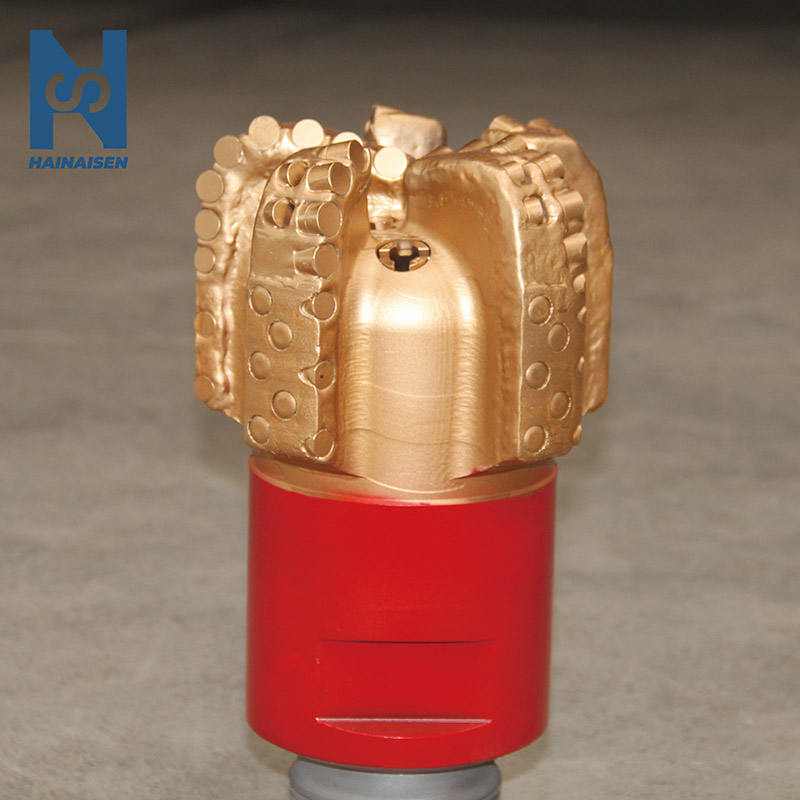
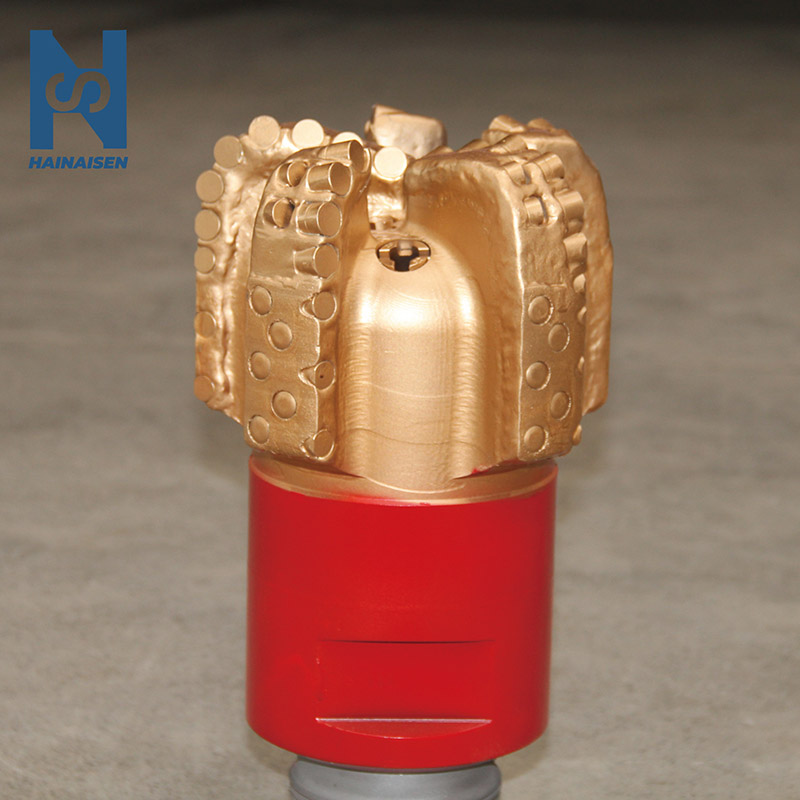
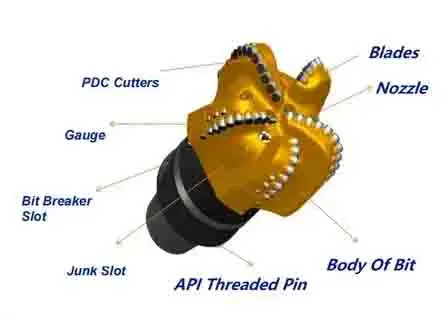
Advanced engineering combines high-grade steel bodies with polycrystalline diamond compact cutters in PDC diamond bits to make cutting tools that can handle tough drilling circumstances. Synthetic diamond particles are fused together under high pressure and temperature during the manufacturing process. This makes cuts that stay sharp much longer than those made from traditional materials. These cutters are placed on the bit face in a way that maximizes their rock-cutting shape throughout the drilling process. They are made of modern matrix materials that make them less likely to wear out.
The basic idea behind these bits is to make sure that the diamond cutters make the most contact with the formation while keeping the bits' structure strong, even when they are under a lot of pressure and weight. Each cutter is exactly angled to create a shearing action that takes rock pieces effectively. This leads to higher rates of entry compared to roller cone bits that use crushing mechanisms. Less sound and heat are made by this cutting action, which helps the bit last longer and drill better.
Cutting Mechanics and Operational Efficiency
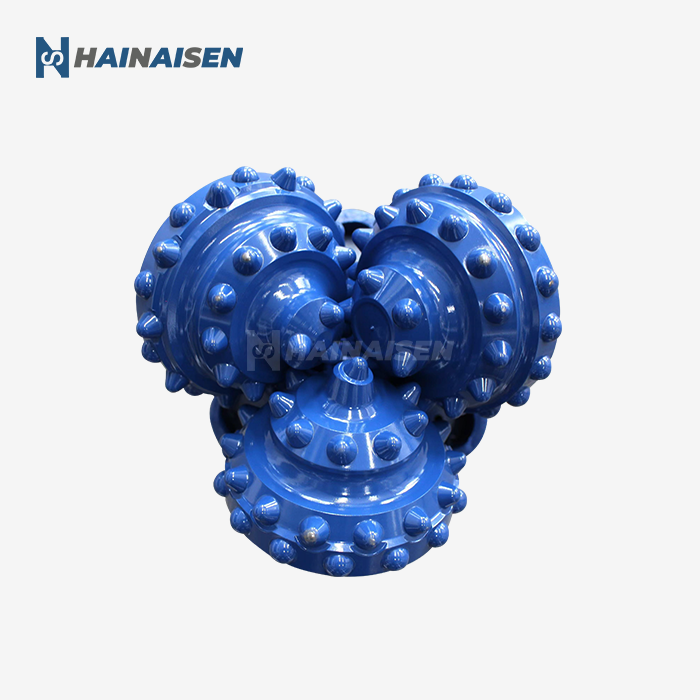
PDC Bits work by continuously cutting, while tricone bits work by intermittently breaking. Diamond cutters stay in contact with the rock the whole time, which makes the walls of the wellbore smooth and the drilling process steady. Compared to traditional bits, this continuous cutting system cuts down on drilling noises by up to 40%. This makes it easier to steer and extends the life of downhole tools.
Big companies that make drilling technology have found that PDC bits can penetrate 20–50% deeper into soft to medium-hard rock while still being easier to control in terms of direction. On the Vickers hardness scale, synthetic diamond cutters are very hard, reaching about 5000 HV. This makes them very resistant to wear and tear, which directly leads to longer bit life and less bit replacement frequency.
Types of PDC Diamond Bits and Their Drilling Applications
Formation-Specific Bit Designs
To get the best drilling results, different types of rock formations need different types of cutter setups and bit profiles, such as the PDC Diamond Bit. Soft formation PDC bits have sharp cutter angles and bigger diamond cutters that are meant to get deeper into rocks like shale, sandstone, and loose sediments. These bits usually have 13–16 mm cuts grouped in a way that makes it easy to remove the chips while keeping the bit stable.
To handle higher compressive forces, medium- to hard-forming bits use smaller, stronger cuts with conservative rake angles. In these designs, 8–13 mm cutters with better backing materials are common to keep the cutters from breaking in rough forms. For hard rock jobs, you need special bits with very hard cuts and stronger bit bodies that can handle the high forces that you'll find in limestone, granite, and other tough rock forms.
Directional and Horizontal Drilling Applications
PDC bit technology is very helpful for directional drilling because it makes the bit easier to steer and less likely to walk. Modern directional PDC bits have asymmetric cutting plans and special gauge protection to make turning easier while still being able to drill straight holes when needed. These bits work really well in horizontal wells because they have a constant cutting action that keeps the wellbore from becoming unstable, which can happen with roller cone bits.
PDC diamond bits can be used for many different types of drilling, such as oil and gas research and production, coal bed methane drilling, geothermal well drilling, water well building, mining and mineral exploration, and horizontal directional drilling. Customizable designs that fit the needs of each project are good for all of them, and they keep the main benefits of diamond cutting technology.
How to Choose the Right PDC Diamond Bit for Your Drilling Needs?
Systematic Formation Assessment and Bit Selection
To choose the best PDC bit, you need to look at the formation's properties, the drilling factors, and your operating goals. The main selection factors that decide the cutter size, layout, and bit profile needs are formation hardness, abrasiveness, and variety. For soft formations, bits with big cutters and aggressive profiles work best. For hard formations, bits with smaller, stronger blades and more conservative designs work best.
To figure out the total cost of ownership, the decision-making process should look at how easy it is to drill into the rock, how fast it is expected to drill, and how long the bit is expected to last. When looking at most drilling situations, PDC bits are much better than tricone options. This is especially true when it comes to penetration rates and operating efficiency. PDC bits regularly give 15–30% faster drilling speeds while reducing trips because the bits last longer, saving a lot of time and money.
Technical Specifications and Performance Metrics
Cutting speed and bit longevity are both affected by the number of cutters in the layout. More cutters mean better cutting, but each cutter has to be loaded individually. Some things that go into hydraulic design are where to put the tip and how to distribute the flow so that the cuttings are removed properly, and the bit stays cool. Modern PDC bits use computational fluid dynamics optimization to clean more efficiently and keep bits from balling up in reaction forms.
To get the best results, the bit's weight and rotary speed factors must match up with its specs. Too much weight can hurt cuts through impact loading, and not enough weight makes penetration less effective. The best rotary speed relies on the bit's thickness, how it forms, and how much cooling it needs. Most PDC bits work best between 60 and 120 RPM, but this depends on the specifics of the application.
Procurement Essentials: Pricing, Lead Time, and Bulk Purchase Strategies
Cost Analysis and Budget Planning
The high cost of PDC diamond bits is due to the complex manufacturing methods and high-quality materials used to make them. Bits that work better and last longer usually have a lower cost per foot bored after being bought, but they cost two to five times as much at first. To make smart buying choices, procurement managers need to look at the total cost of drilling, which includes the cost of the bit, the time it takes to drill, and any other costs that come with it.
Buying in bulk can cut unit costs by a lot while also making sure that the supply chain works well for big drilling projects. Volume savings usually run from 10 to 25 percent, but they depend on how much you order and how well you know your source. Price security and special treatment during times of high demand are two benefits of long-term supply deals. This is especially helpful for companies that have long drilling plans.
Supply Chain Management and Lead Times
Standard PDC bits usually have a wait time of 4–8 weeks from well-known makers. Custom designs, on the other hand, can take 8–16 weeks, depending on how complicated they are. When planning the supply chain, these wait times should be taken into account, especially for specialized uses that need bits with specific specs. Keeping smart amounts of inventory helps keep drilling from being held up and makes the best use of working capital.
Material Certifications, dimensional checks, and performance tests are all part of quality assurance programs from reliable providers that make sure bits work well. The warranty usually covers problems with the way the product was made and early failure analysis, which gives drilling activities extra safety. Technical support after the sale is very helpful for fine-tuning drilling settings and fixing problems with performance.
Maintenance and Optimization Tips for Extending PDC Diamond Bit Life
Preventive Maintenance Protocols
Handling and storing PDC bits correctly has a big effect on how long they last and how reliably they work. Bits should be kept in cases that cover them and have enough padding to keep cutters from getting damaged while they are being moved or stored. Regular inspections should find tools that are worn or broken, gauge wear, and fluid flow limits that could make drilling less effective.
As part of the cleaning process, formation waste and drilling fluid leftovers that can get in the way of cutting and hydraulics must be removed. High-pressure washing systems get rid of tough layers without hurting the cutter surfaces that are sensitive. Impact damage to blades and bit bodies can be avoided by using the right handling methods when putting together and taking apart machines.
Performance Monitoring and Optimization Strategies
Monitoring drilling parameters in real time lets you find the best weight on the bit, rotation speed, and fluid flow to get the best bit performance. Modern drilling systems constantly report on how well they're drilling, how much they're vibrating, and the state of the bit so that damage is avoided and the system's life is extended. By analyzing the data, we can find the best working times for different bit designs and patterns.
By optimizing the drilling parameters, PDC diamond bit life can be increased by 20–40% while still allowing for acceptable entry rates. Gradual changes to the parameters keep the tools from being damaged by shock loads and high temperatures while also increasing the cutting efficiency. Machine learning techniques are used in modern predictive maintenance technologies to find performance trends and suggest setting changes before problems happen.
Conclusion
When it comes to drilling technology, PDC diamond bits are at the cutting edge. They have better performance traits that make oil and gas drilling processes more efficient. These bits are necessary for current drilling programs because they are made of high-tech materials, are well-engineered, and have been shown to work better than other bits. To do successful procurement, you need to know what the formation standards are, figure out the total cost of ownership, and build relationships with providers you can trust who offer full expert support.
FAQ
1. What factors affect the length of time a PDC bit lasts during drilling?
Abrasiveness of the formation, drilling factors, and bit quality all have a big effect on how long a PDC bit lasts. When compared to less-than-ideal situations, bit life can be increased by 30 to 50 percent with the right parameter tuning, hydraulics, and manufacturing. Regularly checking and adjusting the rotating speed and weight on the bit stops the cutter from wearing out too quickly.
2. How do PDC bits and tricone bits differ in terms of how much they cost?
PDC bits usually cost two to five times more at first, but they work better because they penetrate faster and last longer. Due to less drilling time and fewer bit changes, PDC bits often have a 20–40% lower total cost per foot bored. This is especially true in soft to medium rocks.
3. Can PDC bits be customized for specific drilling projects?
These days, companies that make PDC bits let you change a lot of things, like the cutter size, the plan patterns, the hydraulic designs, and the bit shapes. Custom designs solve problems with unique formations and meet drilling needs. Depending on the complexity and Manufacturer's skills, the wait time is usually 8 to 16 weeks.
Partner with HNS for Superior PDC Diamond Bit Solutions
HNS makes cutting-edge PDC diamond bits and has been doing so for over ten years, so they know how to make them well. Our designs can be changed to fit the needs of each job, and our high-quality materials make sure that bits last longer in a wide range of drilling tasks. We offer complete technical solutions for coal mining, oil and gas drilling, and geological surveying. Our state-of-the-art 3,500m² production plant has advanced 5-axis machining centers and a specialized research and development team. Get in touch with our knowledgeable staff at hainaisen@hnsdrillbit.com to talk about your drilling needs and find out why top companies trust HNS as their reliable and cost-effective PDC Diamond Bit provider.
References
1. Smith, J.R., et al. "Advanced PDC Bit Design and Performance Analysis in Unconventional Drilling Applications." Journal of Petroleum Technology, 2023.
2. Williams, M.K. "Comparative Study of PDC vs. Tricone Bit Performance in Horizontal Drilling Operations." SPE Drilling and Completion Engineering, 2022.
3. Johnson, P.L., Anderson, R.T. "Polycrystalline Diamond Compact Technology: Manufacturing Processes and Quality Control Standards." International Journal of Rock Mechanics, 2023.
4. Brown, S.A., et al. "Economic Analysis of PDC Bit Selection Criteria for Optimal Drilling Performance." Petroleum Engineering International, 2022.
5. Davis, K.W. "Maintenance and Optimization Strategies for Extended PDC Bit Life in Challenging Formations." Drilling Technology Review, 2023.
6. Thompson, L.M., Garcia, R.S. "Formation-Specific PDC Bit Design Parameters for Enhanced Drilling Efficiency." Oil and Gas Engineering Quarterly, 2022.