







Best Diamond Drill Bits for Oil and Gas Exploration
When oil and gas companies explore complicated rock layers, the quality of their drilling tools has a direct effect on the success of the project and the costs of running the business. Best Diamond Drill Bits are the latest and greatest in drilling technology. They use industrial-grade diamond particles and advanced metallurgy to cut through the hardest rock forms that are found in oil research. These specialized tools make it easy to drill through tough materials like granite, quartzite, and reinforced concrete, keeping the hole's shape accurate and reducing machine downtime. Modern diamond drill bits have complex matrix compositions that balance the cutting efficiency with the diamond exposure rates. This makes them essential for deep-well drilling, core sampling, and geological surveying tasks where standard carbide alternatives just can't meet the performance standards.
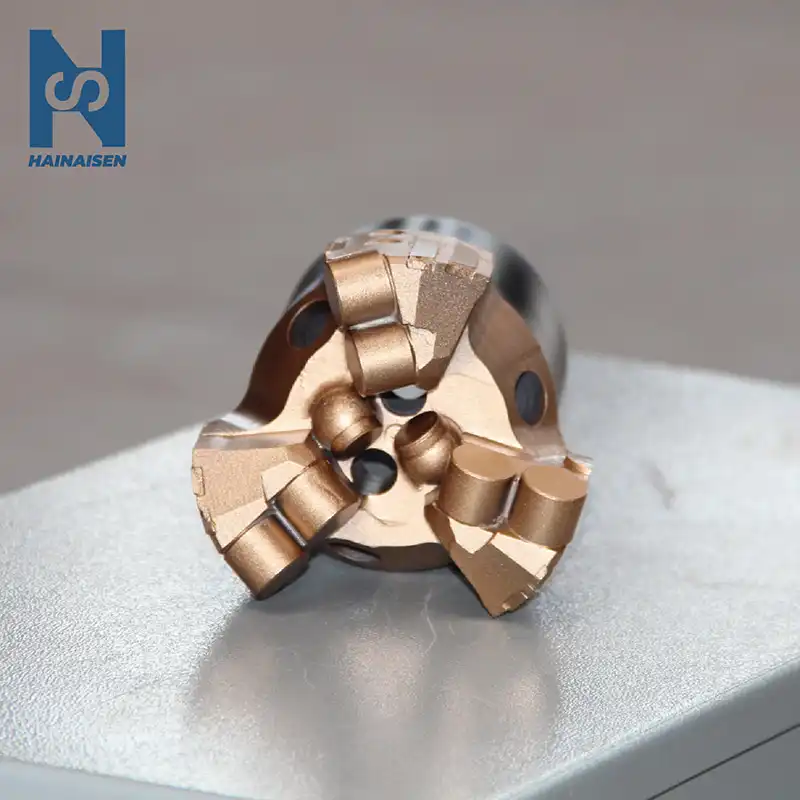
Understanding Diamond Drill Bits for Oil and Gas Exploration
Diamond drill bits are changing the way oil is found because they are a unique mix of modern material science and precise engineering. Unlike most drilling tools, these bits use industrial diamonds that are inserted in carefully designed metal matrices to get better cutting performance in a wide range of geographic conditions.
Core Components and Advanced Construction
The basic structure of diamond drill bits is made up of three important parts that affect how well they work. Industrial diamonds, either man-made or natural, are carefully graded for each application and make up the diamond coating. The amounts of these diamonds usually range from 25% to 100%, depending on the hardness needs of the formation. The metal bond matrix, which is made up of tungsten carbide, bronze, or cobalt-based alloys, decides how fast the diamond is exposed during cutting. The steel shank connects mechanically to drilling tools and keeps the structure strong even when it's under a lot of stress and pressure.
When procurement workers understand these parts, they can compare bit specs to unique geological problems. When it comes to matrix hardness, there is an inverted relationship theory that says softer bonds work best in harder rock formations to show off new diamonds, and harder bonds work best in abrasive materials to keep them from wearing out too quickly.
Bit Classification and Application Profiles
There are several different types of diamond drill bits, each made for a particular job in oil and gas research. Segmented rim bits have separate diamond segments welded to steel cores. They work great for hard rock drills because they cool the bit down and remove trash. For core sample tasks where keeping the purity of the specimen is very important, continuous rim designs provide a better finish quality.
For wet drilling, water or drilling mud is used to cool the bit and flush out waste. This lets the bit go faster and last longer. It's important to be able to drill without using fluids in rural areas or places that are sensitive to the environment. Each setup takes into account different operating limitations while still making drilling as efficient and cost-effective as possible.
Performance Optimization Through Material Selection
Choosing the right diamond grit size and percentage has a big effect on how well drilling works in a variety of rock types. Coarser grits (30/40 mesh) work best in soft to medium-hard rock, where cutting quickly speeds up the entry rate. For better performance in very hard rocks and nicer hole finishing that are needed for casing installation and closing work, finer grits (40/50 mesh) are used.
The amount of diamonds present is directly related to practical needs and economic factors. Higher amounts make bits last longer in abrasive forms, but they also cost more to buy at first. This means they are best for large-scale processes where the total cost of ownership is more important than the original cost.
Selecting the Best Diamond Drill Bits: Key Criteria for Oil and Gas Procurement
Successful procurement of the best diamond drill bits requires a comprehensive evaluation of multiple performance factors and operational parameters specific to oil and gas exploration projects.
Geological Formation Assessment
When drilling for oil, the hardness of the rock is the main thing that determines which bit to use. The Mohs scale gives you a general idea of how hard something is, but measuring its compression strength gives you more exact criteria for choosing. When the crushing strength of the rock is higher than 30,000 PSI, it usually takes higher diamond concentrations and special matrix formulas to get good penetration rates and bit life.
The depth of the hole has a big effect on the bit's performance needs because deeper holes have higher temperatures and pressures that affect how well the diamond stays in place and how stable the matrix is. Wells deeper than 10,000 feet often need improved matrix formulas that can keep cutting effectively in harsh conditions and not break down when heated.
Operational Environment Evaluation
The temperature and pressure that are present during drilling activities have a direct effect on how well and how long the bit lasts. High-temperature areas above 300°F need special matrix alloys that keep the structure strong and stop diamonds from pulling out too soon. Different pressures affect how well cooling works and how well waste is pushed out, especially in deep wells where hydraulic pressures are getting close to formation limits.
Compatibility with drilling fluids makes sure that bits work at their best and stops chemical reactions that could damage the matrix or diamond retention. Most of the time, water-based muds are great at cleaning and cooling, but oil-based fluids may need special matrix formulations to keep them from breaking down or weakening.
Performance Metrics and Cost Analysis
Durability tests look at many things, like how well diamonds stay in place, how the matrix wears down, and how strong the structure is overall when it's under working stress. Premium bits keep their cutting efficiency over the course of their useful life while keeping the hole shape requirements that are necessary for finishing operations.
Finding the best cutting speed means matching bit life with penetration rates to get the lowest total drilling costs per foot. Aggressive drilling parameters may increase immediate entry rates, but could shorten the life of the bit generally. For cost-effective operations, it is important to carefully optimize the parameters.
Optimizing Performance and Maintenance of Diamond Drill Bits
Maximizing diamond drill bit performance requires implementing comprehensive operational protocols and maintenance strategies tailored to petroleum exploration demands.
Operational Best Practices
Using the right drilling methods will greatly increase the life of the bit and keep the best entry rates throughout the drilling process. To keep bits from overheating and wearing out too quickly, the speed and spinning factors must match the properties of the formation. Most makers say to start with conservative settings and slowly raise speeds while keeping an eye on bit performance markers.
Controlling the angle during the initial entry stops the bit from moving and lowers the stress levels that could lead to failure too soon. Starting to drill at shallow angles lets the bit get used to the right cutting shape before moving on to vertical drilling places.
Cooling and Debris Management
Cooling methods that work keep cutting efficiency high during drilling operations and stop heat damage. Using the right fluid flow rates and wet drilling methods will make sure that the heat is properly dissipated and that drilling debris that could get in the way of cutting is removed. The right patterns of fluid flow keep cutting edges sharp and stop bits from loading.
To keep things from getting too hot while still getting good entry rates, dry drilling uses need careful parameter control. Intermittent drilling processes let heat escape between cuts, which extends the life of the bit in situations where fluid use is limited.
Maintenance and Inspection Protocols
Scheduled regular inspections find wear patterns and possible problems before they cause a catastrophic bit failure. Visual checks should focus on how well the diamonds are holding on, how the matrix is wearing down, and how strong the fixing systems are. Finding unusual wear patterns early on lets you change parameters that make the bit last longer overall.
Professional polishing services, such as those offered by Best Diamond Drill Bits, can bring back the cutting power of high-end bits whose diamond layers are still there but whose cutting edges have worn down over time. Specialized tools make sure that the shape is restored correctly while keeping the original performance qualities.
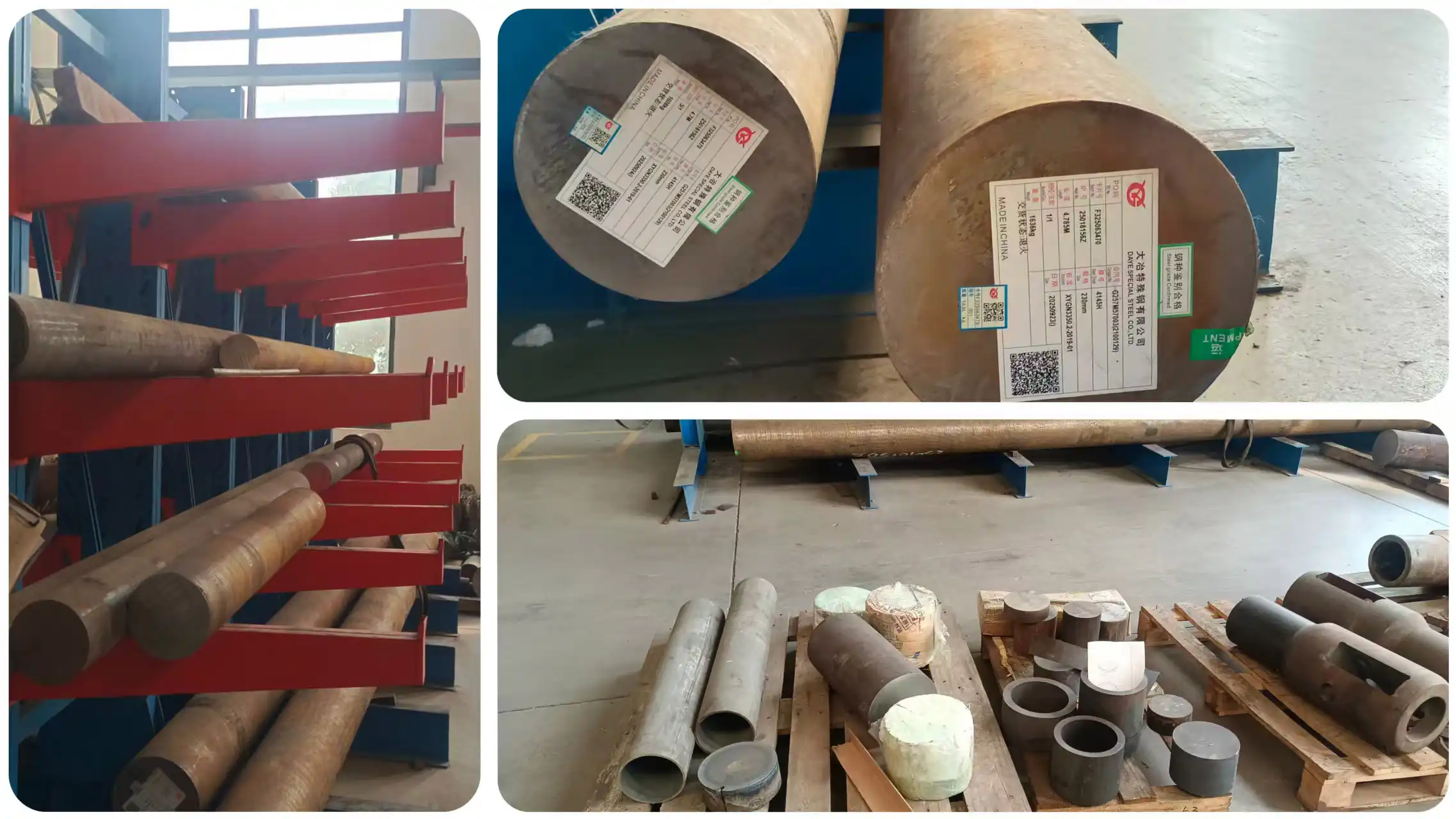
Technology Trends and Future Outlook in Diamond Drill Bit Development
As technology keeps getting better, diamond drill bits keep getting better at meeting the new difficulties of oil and gas development.
Enhanced Diamond Technologies
New techniques for making synthetic diamonds allow for exact control over the crystal structure and size distribution. This makes the diamonds better at cutting and keeping their shape. When you mix polycrystalline diamond compact (PDC) with traditional diamond matrix designs, you get hybrid solutions that are the best of both worlds.
New coating technologies make the link between the diamond and the matrix stronger while lowering the areas of high heat stress that cause the diamond to pull out too soon. These new developments are especially helpful for high-temperature situations where old gluing methods don't work.
Smart Bit Integration
Sensor-integrated drilling systems let you see how well the job is being done in real time, which lets you make changes right away and plan ahead for maintenance. Temperature, vibration, and torque monitors send information directly to tracking systems on the surface. This lets workers change the settings of the drilling before the bit breaks.
Data analytics systems use sensor data to find the best drilling settings for different rock formations and to predict how long a bit will last based on how it is being used right now. These methods let you make changes to the parameters ahead of time, which increases entry rates and makes bits last longer.
Sustainable Manufacturing Approaches
As managers try to have as little of an effect on the environment as possible while still running their businesses efficiently, environmental concerns are becoming more and more important in the design and production. Recycling programs for old bits get back valuable materials like diamonds and key alloys. This cuts down on trash and lowers the cost of replacements.
Biodegradable cutting fluids that work with diamond bits help protect the environment in sensitive digging areas while still having the cooling and lubricating qualities that are needed. These changes support digging methods that are good for the environment without hurting operations.
Why Choose HNS Diamond Drill Bits?
At Shaanxi Hainaisen Petroleum Technology, our best diamond drill bits are the result of cutting-edge tech and years of experience in the oil and gas business. Here are the main reasons why our goods are better in tough cutting conditions:
- Our products' long-lasting performance and high sturdiness come from using high-quality materials that are precisely made and advanced production methods. These allow our products to survive harsh geological conditions. Innovative, cutting-edge technology that improves cutting efficiency cuts drilling time by a large amount and increases total working output across a wide range of formation types.
- Every step of our production process is based on precision engineering, and each part is carefully tuned to work at its best and be reliable during long drilling operations. Because of their flexible design, our bits can be used for a wide range of drilling tasks, from simple oil research projects to complex geological mapping jobs in many different industries.
- Our years of experience in the field, which began in 2013, ensure uniform quality and reliable performance. This is made possible by our deep technical knowledge and track record of success in the field. With our customization tools, we can make sure that our goods work perfectly in all kinds of geological conditions and other operating limitations.
- Today, oil and gas research companies have to deal with a lot of problems, such as formation unpredictability, the need to be efficient, and the need to keep costs as low as possible. These benefits help solve these problems in a good way.
Applications and Versatility
Our Best Diamond Drill Bits are great for a wide range of uses in the petroleum industry, such as oil and gas exploration and production, coal mining, geological surveys and core sampling programs, water well drilling, hard rock mining and mineral exploration, construction and foundation work, and geothermal drilling.
Premium Material Composition
We carefully choose the best materials for our goods, like high-quality diamond particles, long-lasting matrix materials, and metals that don't wear down easily. These materials go through strict quality control steps to make sure they always work well and are reliable, even in the toughest digging conditions that are common in today's oil exploration.
Conclusion
Diamond drill bits are important tools for oil and gas development because they combine advanced materials science with precise engineering to work through tough rock layers. The best drilling results and lowest operational costs are achieved by making the right choice based on the features of the formation, practical needs, and cost factors. As technology keeps getting better, smart features and better diamond technologies will make future oil research projects even more efficient and reliable. Partnering with experienced makers who know the needs of your business gives you the expert help and high-quality products you need to do well in a wide range of geological settings.
FAQ
1. What advantages do diamond drill bits offer compared to carbide alternatives in oil and gas exploration?
Compared to carbide options, diamond drill bits are harder and last longer, so they can be used to drill through very hard rock formations where regular bits would break quickly. The better cutting efficiency cuts down on drilling time and costs while keeping the exact hole shape needed for finishing operations.
2. How can drilling teams extend diamond drill bit life in challenging formations?
Bit life is greatly increased by using the right parameter control methods, such as selecting the right spinning speeds, feed rates, and cooling routines. When diamonds are still in good shape but cutting edges need to be resharpened, regular inspections can find wear patterns early on. Professional repair services can also bring back the cutting efficiency.
3. What customization options are available for specialized drilling applications?
Diamond concentration, grit size, matrix makeup, and segment geometry can all be changed by Manufacturers to fit different rock types and operating needs. Specialized attachment combinations and custom sizes can be made to fit specific equipment and project needs.
4. How do procurement professionals evaluate bulk purchasing opportunities for diamond drill bits?
When looking at bulk purchases, you should think about the total cost of ownership, which includes the original investment, the expected bit life, changes in drilling efficiency, and how reliable the supplier is. Long-term arrangements often save money and make sure that products are always available for ongoing activities.
Partner with HNS for Superior Diamond Drill Bit Solutions
HNS makes diamond drill bits that are the best in the business and are specially designed to handle the difficulties of oil and gas research. Our wide range of products blends high durability, precise engineering, and cost-effective performance to help you get the most out of your drilling activities. As a reliable Best Diamond Drill Bits maker, we offer unique solutions that are backed by our deep technical knowledge and track record of success in the field. Our 3,500-square-meter building has advanced production tools like 5-axis machining centers and study teams that are committed to coming up with new ideas. Email our technical experts at hainaisen@hnsdrillbit.com to talk about your unique drilling needs and find out how our high-quality products can help your exploration.
References
1. Johnson, M.A., et al. "Advanced Diamond Drill Bit Technology for Deep Well Applications." Journal of Petroleum Technology, Vol. 74, No. 8, 2022, pp. 45–52.
2. Peterson, R.L. The International Drilling Technology Review from 2023 has an article called "Comparative Analysis of Diamond vs. Carbide Drill Bits in Hard Rock Formations." It has pages 112–128.
3. Chen, W.K., A. Thompson and D.R. "Matrix Optimization for Improved Diamond Retention in High-Temperature Drilling." SPE Drilling and Completion Engineering, Vol. 38, No. 3, 2023, pp. 201-215.
4. Martinez, James E. Oil and Gas Equipment Technology Quarterly, Vol. 25, No. 2, "Cost-Benefit Analysis of Premium Diamond Drill Bits in Petroleum Exploration." 15, No. 2, 2022, pp. 78–89.
5. Anderson, K.J., et al. "Smart Drilling Technologies: Sensor Integration in Modern Diamond Drill Bits." Petroleum Engineering Technology Advances, 2023, pp. 234-251.
6. Roberts, S.M. "Sustainable Manufacturing Practices in the Production of Diamond Drill Bits." Environmental Drilling Technology Journal, Vol. 29, No. 4, 2023, pp. 156–172.
logo 2_1777360600432.jpg) VIEW MORECoal Mine Drilling Drill Bit Directional Three Blade PDC Drill Bit
VIEW MORECoal Mine Drilling Drill Bit Directional Three Blade PDC Drill Bit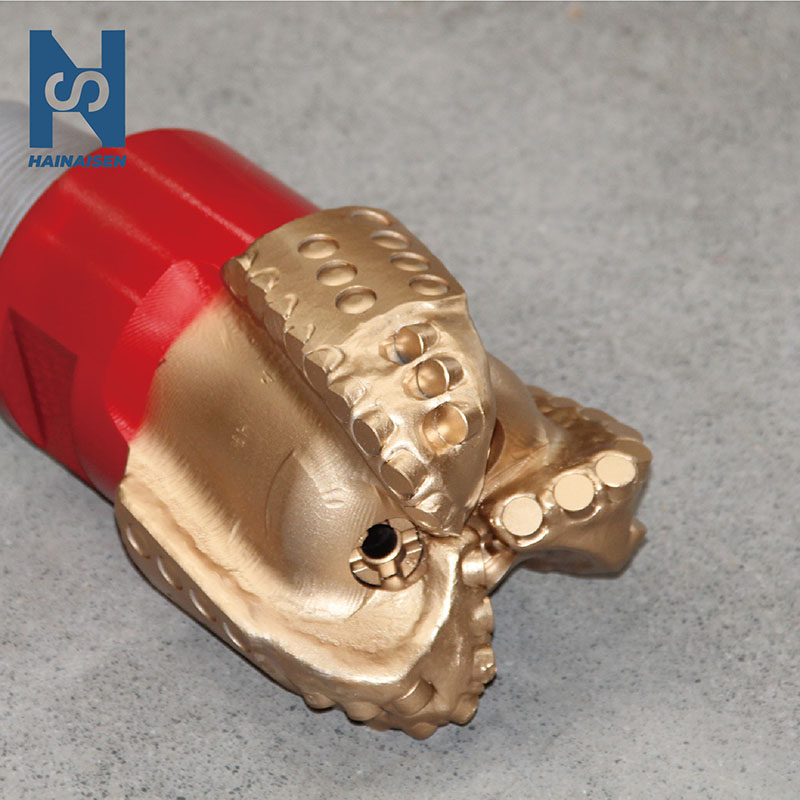 VIEW MOREThree Blade Oil Drill Bit
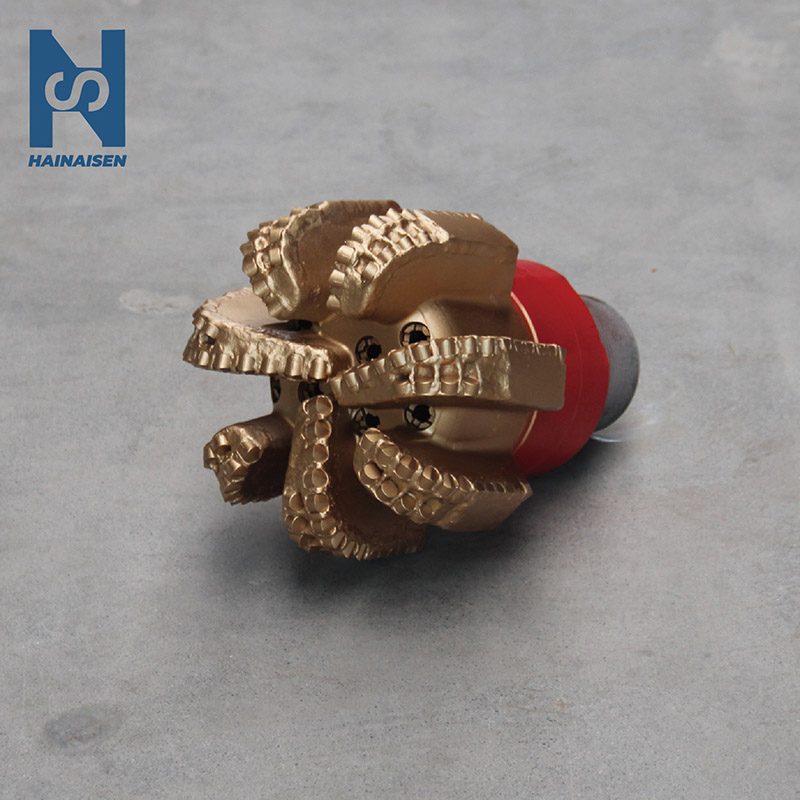 VIEW MORESeven Blade Wing Oil Drilling Drill Bit
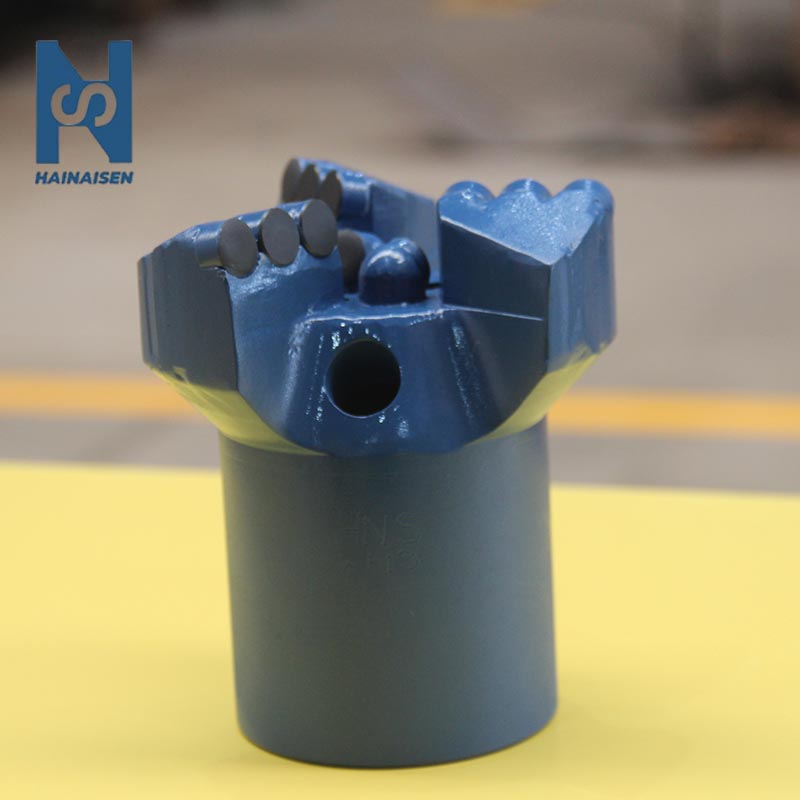 VIEW MORE3 Blades PDC Mining Bits
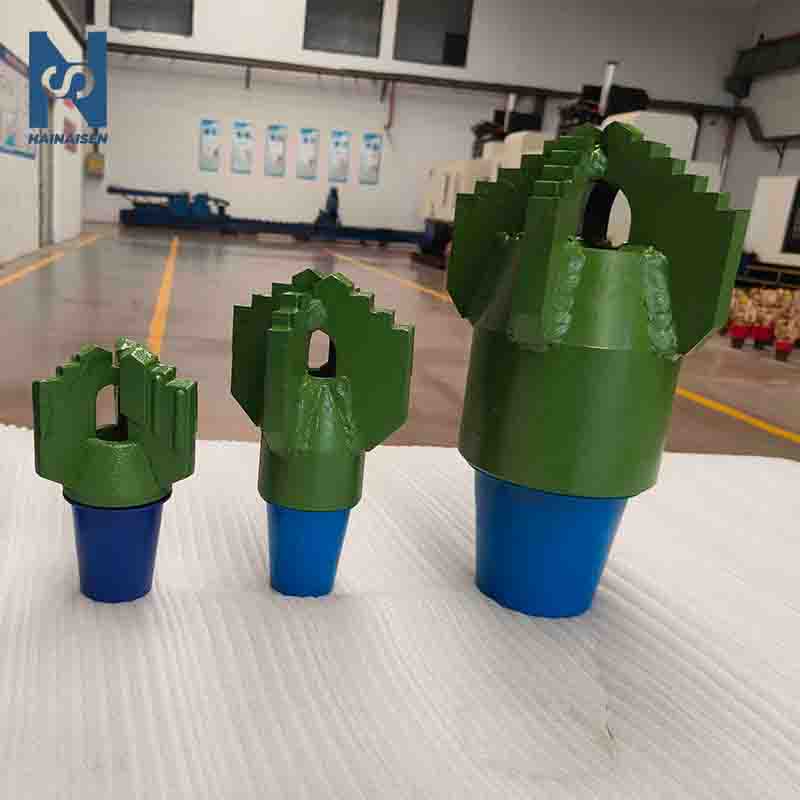 VIEW MORESteel Scraper Drill Bit
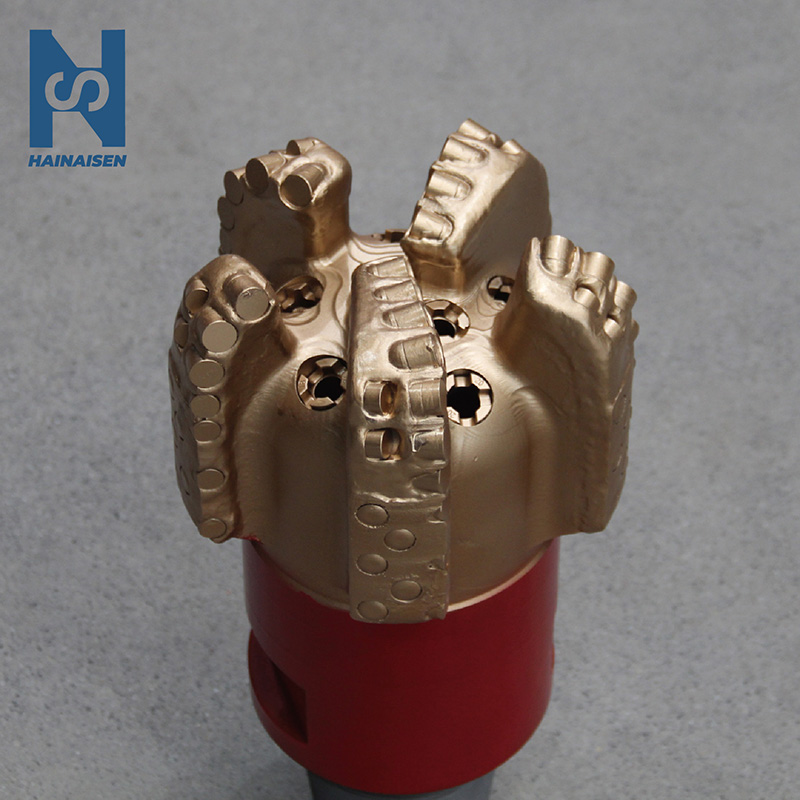 VIEW MOREOil Diamond Drill Bit
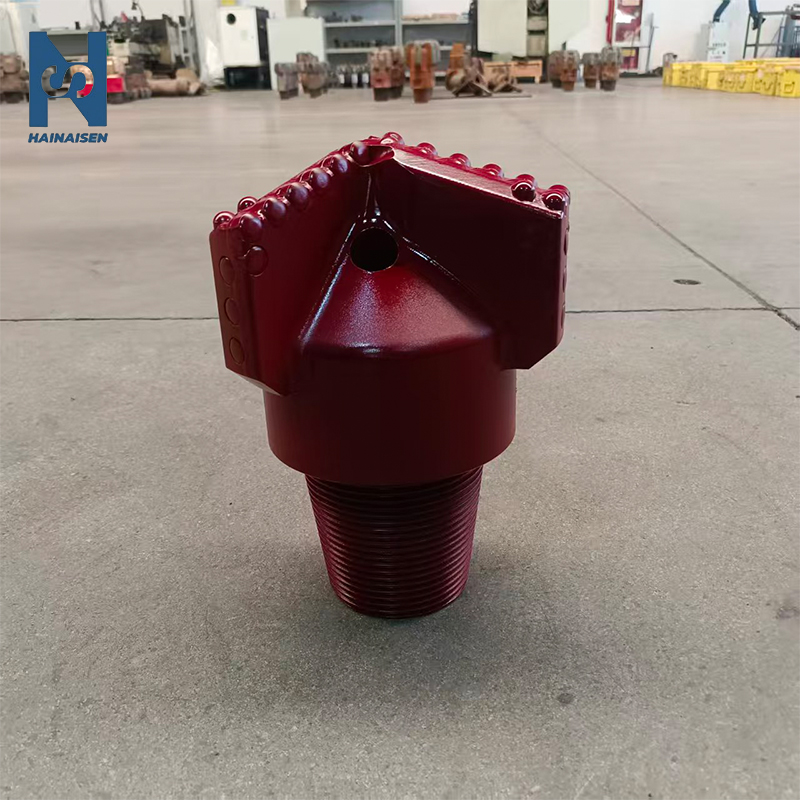 VIEW MOREPDC Bit For Well Drilling
 VIEW MOREApi Polycrystalline Diamond Drill Bit
