







High Quality PDC Drill Bits Manufacturing Process
High-quality PDC drill bit manufacturing involves precision engineering and advanced technology to create polycrystalline diamond compact drilling tools. The process combines synthetic diamond technology with high-temperature sintering, precision machining, and rigorous quality control measures. These manufacturing steps ensure each PDC drill bit delivers superior wear resistance, enhanced cutting efficiency, and extended service life across demanding drilling applications in oil & gas, mining, and water well industries.
Introduction
To keep up with the needs of today's energy research and extraction projects, the drilling industry leans heavily on new technologies and precision. Polycrystalline Diamond Compact (PDC) drill bits are a big step forward in drilling technology. They have better performance features that directly affect how efficiently projects are run and how much money they make. This detailed guide looks into the complicated steps used to make these high-tech drilling tools. It gives purchasing managers, technical experts, and OEM clients the information they need to make smart buying choices.
Knowing how complicated it is to make PDC drill bits helps business buyers understand the high level of engineering needed to make tools that can handle tough drilling circumstances. Precision engineering is used at many stages of the production process, from making the diamond to putting it all together. Each step improves the bit's total performance. Manufacturers like Shaanxi Hainaisen Intelligent Equipment Manufacturing Co., Ltd. offer drilling solutions that improve entry rates while reducing working downtime. They do this by using advanced quality control measures and new ways to make their products.
When you look at how production methods affect drilling speed, bit life, and total project costs, it's clear that there is a link between quality in the factory and performance in the field. If procurement professionals understand these basic manufacturing concepts, they can better judge the skills of suppliers and make smart decisions that improve the success rates of their drilling operations.
Understanding High-Quality PDC Drill Bits
High-quality PDC drill bits are a huge step forward in drilling technology. They are made with synthetic diamond cutters that are bound to tungsten carbide surfaces using high-temperature and high-pressure methods. These cutting elements make the drilling surface very hard and long-lasting, so it stays sharp even during long drilling jobs. The structure of polycrystalline diamond is very resistant to wear and gives uniform cutting ability in a wide range of rock types.
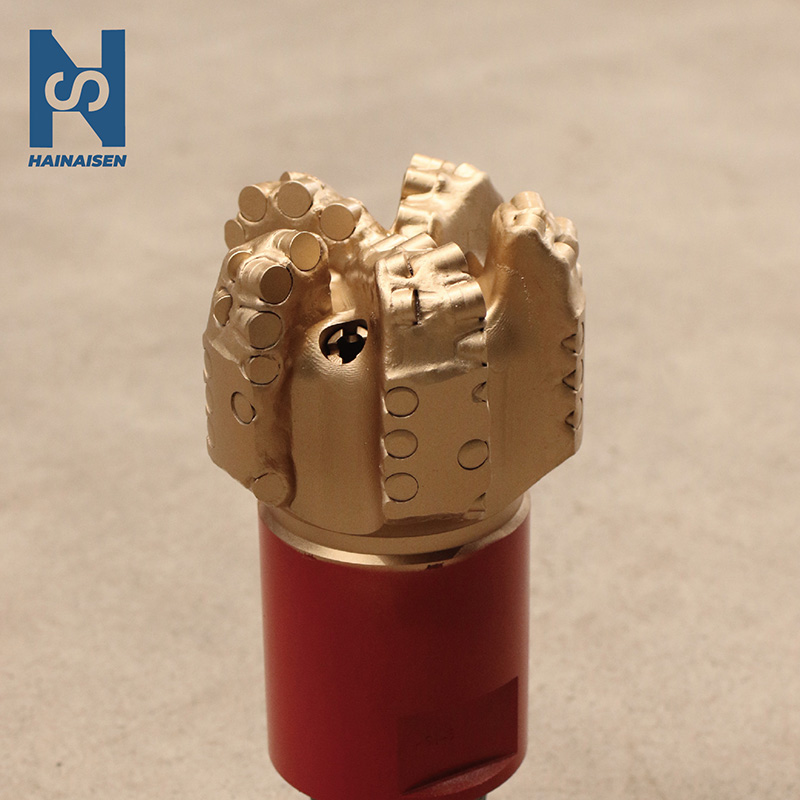
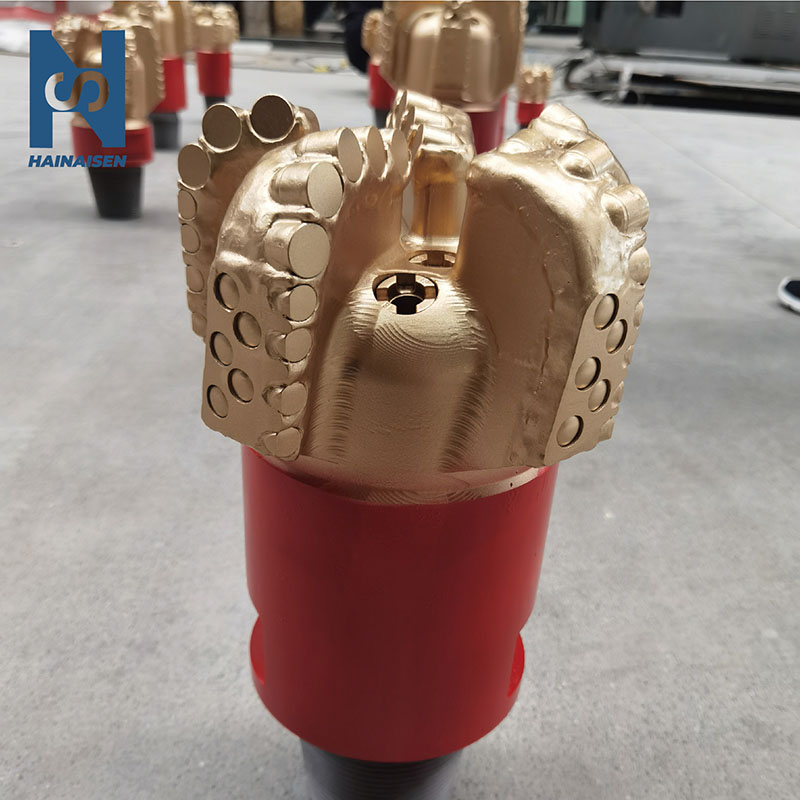
PDC Bits are made up of carefully placed diamond cutters that are fixed on a steel body that is made to improve fluid flow and remove debris. This setup makes it easy to drill through medium-hard rock layers like shale, limestone, sandstone, and gypsum. Instead of crushing, PDC bits shear, which makes the cutting action very different from standard roller cone bits. This makes the wellbore surfaces smoother and the rate of entry better.
Superior Performance Characteristics
When you compare PDC bits to common diamond and roller cone options, you can see that they work better in a number of ways. The ongoing cutting action of diamond surfaces in PDC technology makes penetration rates faster. This is because roller cone shapes have contact patterns that come and go. This device for constant cutting lowers vibration and makes the drilling environment more stable, which leads to better direction control and wellbore quality.
Modern PDC cutters are thermally stable, which means that these bits can keep cutting well even when drilling in hot circumstances. Modern ways of making things use thermally stable polycrystalline diamond (TSP) parts that don't break down when heated, which makes bits last longer in tough conditions. Because of these thermal qualities, PDC bits are great for deep boring jobs where temperatures can go above what regular diamond bits can handle.
Application-Specific Design Considerations
The shape of a PDC bit can be very different depending on its intended use and the natural conditions in the area. Cutter density, size, and placement patterns are best for certain types of formations, and makers offer designs that can be changed to fit the needs of any project. The bit body hydraulics are designed to make sure that the right amount of fluid flows so that the cuttings can be removed efficiently and the diamond cuts stay cool while they're working.
The Manufacturing Process of High-Quality PDC Drill Bits
If you want to make high-performance PDC drill bits, you need to use advanced production methods that have gotten far past problems like uneven quality and early wear patterns. Precision engineering and advanced synthetic diamond technology are combined in modern production to make drilling tools that can work exceptionally well in a wide range of challenging situations.
Diamond Cutter Production and Synthesis
The first step in making something is making polycrystalline diamond cuts using high-pressure, high-temperature (HPHT) methods. Diamond powder is mixed with metallic bond materials and put through harsh conditions that are similar to those in which diamonds form naturally. This process makes a polycrystalline structure that is more stable at high temperatures than pure diamonds and has a more even distribution of hardness.
As the cutter is being made, quality control checks its hardness, heat stability, and structural strength many times. Each batch of cuts is looked at under a microscope to make sure the crystalline structure is regular and to find any flaws that might affect their performance. It is very important to carefully control the synthesis factors so that the diamond-to-binder ratios are just right for cutting and the structure stays strong.
Precision Machining and Assembly
After the cutter is made, the steel bit body is carefully machined using high-tech CNC machines and 5-axis machining centers. The design of the bit body includes intricate hydraulic pathways, cutter pockets, and gauge safety elements that need to be manufactured with the utmost accuracy. Modern factories, like the 3,500 m² production center owned by Shaanxi Hainaisen, use cutting-edge machining tools to get margins of just a few thousandths of an inch.
Specialized welding methods are used to braze diamond cutters into perfectly machined holes as part of the assembly process. It is very important to keep the temperature under control during brazing so that the diamond cuts don't get damaged by the heat, and strong metallic bonds are formed. Modern production lines for welding keep the heating and cooling rates constant to improve the strength of the joint and reduce any leftover pressures that could cause it to fail early.
Quality Control and Performance Validation
Before it is shipped, each finished bit is subject to strict quality control checks to make sure it meets high-performance standards. Protocols for testing include checking for wear resistance, cutting efficiency, and structural stability using simulations in both the lab and the field. These thorough testing methods make sure that bits made in a factory will work as expected when they are used in real drilling situations.
Advanced measuring tools are used in the final checking process to check the accuracy of the dimensions, the quality of the surface finish, and the stability of the assembly for high-quality PDC drill bits. Each bit comes with its own set of paperwork that includes information about how it was made, test results, and quality standards. This is done to meet traceability requirements and keep an eye on its performance throughout its service life.
How to Choose High-Quality PDC Drill Bits for Your Project?
To get the best performance and the lowest cost, choosing the right PDC drill bits takes careful thought about the geology, the project goals, and the operational factors. The process of making a choice includes looking at the features of the formation, the drilling needs, and the supplier's skills to find the best bit design and manufacturer.
Formation Analysis and Bit Matching
Different types of rock formations need different bit shapes that are best for their hardness, abrasiveness, and structural properties. For best penetration rates in shale rocks, bits with high cutter numbers and aggressive cutting structures work best. On the other hand, bits for limestone and sandstone may need different cutter arrangements. When buying, teams know about the qualities of the formation, and they can choose bits with the right features to get the best drilling results.
Bit selection choices are greatly affected by the rock's compressive strength, abrasiveness levels, and formation variety. Formations with compression forces between 5,000 and 15,000 psi and a medium level of hardness usually work best for PDC bits. When you do a formation study, you should look at fault zones, interbedded layers, and other natural features that might affect how well the bit works and how long it lasts.
Technical Specifications and Performance Parameters
Some important technical factors are the bit width, the cutter size and density, the hydraulic design, and the features that protect the gauge. To get the best performance, operating conditions like spinning speed (80–300 RPM), drilling pressure (10–100 KN), and fluid flow rates (20–35 LPS) must match the bit's design specs. These factors have a direct effect on bit life, entry rates, and the general cost of drilling.
The design of the cutter is a key factor in determining how well a bit works. Larger, more widely spread blades in aggressive cutting structures usually allow for higher penetration rates, but they may shorten the bit's life in abrasive formations. Designs that are more conservative and use smaller, closely placed cuts tend to have longer bit lives, though they may have lower penetration rates. To find a good balance between these performance trade-offs, you need to look closely at the project's costs and its practical goals.
Supplier Evaluation and Certification Requirements
When looking at possible providers, you need to look at their manufacturing skills, quality control systems, and expert support services. Reputable makers keep their ISO Certifications up to date, put in place thorough quality control systems, and provide detailed records of how they make their products and test them. The factories that supply goods should have modern tools for making things, skilled workers, and a history of success in similar situations.
When choosing a provider, it's important to think about things like warranties, after-sales support, and expert advice services. Manufacturers that give full support packages that include field service, performance tracking, and application planning help add value that can have a big effect on the success rates of projects and the efficiency of operations.
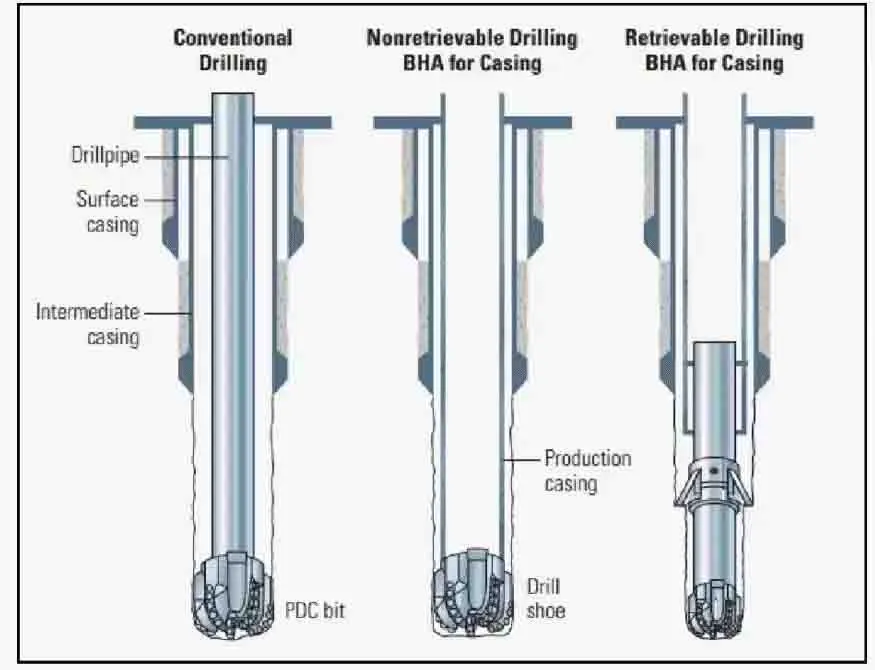
Optimizing Drilling Efficiency with High-Quality PDC Drill Bits
To make drilling more efficient, you need to know about and fix the common performance problems that slow down bit life and penetration rates. High-quality PDC drill bits. The best optimization methods focus on picking the right bits, managing working parameters, and doing preventative repair that improves the overall performance of drilling.
Identifying and Addressing Performance Bottlenecks
Some common problems with efficiency are not cleaning the hydraulics well enough, using the wrong amount of weight on the bit, and rotating at the wrong speed, all of which make cutting less effective. Not cleaning the holes well enough can lead to bit balling, lower entry rates, and early wear patterns that have a big effect on performance. By keeping an eye on the drilling factors in real time, workers can spot problems as they start to appear before they seriously hurt performance.
Controlling vibration is another important factor that affects how well and how long a drill bit lasts. Too much shaking can damage the cutting, slow it down, and make the holes not very good. Choosing the right bit, using the best drilling settings, and designing a good bottom-hole assembly can help keep drilling conditions stable and reduce vibrations that could be damaging.
Maintenance and Operational Best Practices
By following regular maintenance routines, you can make bits last longer and keep them working at their best throughout the drilling process. Checking the cutting surfaces, gauge state, and hydraulic passages on a regular basis can help find wear patterns and possible problems before they become too big to fix. Handling, storing, and transporting bits correctly keeps the cutting edge sharp and prevents damage.
Monitoring drilling factors in real time lets you make changes ahead of time that improve performance and stop damage. Keeping an eye on the weight on the bit, its spinning speed, torque, and the hydraulic pressure gives you useful information for changing the machine's settings to keep the cutting conditions at their best. Advanced tracking systems can spot issues as they start to appear and suggest ways to fix them before they affect performance.
Performance Measurement and Optimization
Setting performance standards and keeping track of key data make it possible for drilling operations to keep getting better. Rate of penetration, area drilled, and bit condition ratings are all numbers that can be used to measure performance and find ways to make it better. It is helpful to improve selection criteria and operational processes by comparing performance across different bit types, formations, and operational factors.
case studies from successful drilling operations show that the right bit selection and operational optimization can lead to big changes in performance. Comprehensive optimization programs have helped projects increase entry rates by 20–40% and stretch bit life by similar amounts. This has saved a lot of money and made the project more profitable.
Procurement Insights: Buying High-Quality PDC Drill Bits
Procurement experts can make choices that balance performance needs with cost concerns when they understand how the market works and what suppliers can do. To make good procurement plans, you need to look at your supplier choices, understand how prices work, and build relationships with suppliers that will help your business succeed in the long run.
Market Overview and Supplier Categories
The PDC bit market has a wide range of suppliers, from large global companies to small, specialized companies in the same area. Large oil service businesses usually choose providers that have strong global support networks, a wide range of quality standards, and a history of success in tough situations. When dealing with these buyers, you may need to give them more time to evaluate your products. Once you do, you can expect long-term ties and large-volume agreements.
Companies that mine coal and drill for water wells often put cost-effectiveness first while still meeting quality standards. If prices are competitive, these groups of people might be willing to wait longer for deliveries or get less help. Knowing how these market forces work helps sellers put their products in the right place for each type of customer.
Product Types and Pricing Models
PDC bits come in a variety of styles, from basic catalog designs to fully personalized solutions made for specific uses. Standard bits are usually cheaper and have faster wait times, but special designs are better for drilling problems that aren't common. Some pricing models include bulk deals, long-term supply agreements, and performance-based contracts that make sure suppliers are rewarded when customers do well.
OEM customization lets providers change standard designs to meet the needs of specific customers without having to go through the trouble and cost of fully custom engineering. With these semi-custom options, performance is improved while costs and delivery times are kept within realistic ranges. Knowing what customization choices are out there helps procurement teams balance the need for efficiency with the need to stay within budget.
Building Strategic Supplier Relationships
For procurement plans to work, they need to build relationships with suppliers who can do more than just offer products. Field help, technical advice services, and the ability to track performance all add a lot of value that goes beyond the initial purchase price. Better operational results come from suppliers who offer training programs, application tech help, and quick customer service.
As drilling activities move to remote areas with less transportation support, the reliability of the supply chain becomes more important. High-quality PDC drill bits, suppliers with well-established delivery networks, inventory management systems, and fast delivery options offer operating freedom that can have a big effect on project costs and schedules.
Conclusion
High-quality PDC drill bits are made using a complex method that combines cutting-edge materials science, precise engineering, and strict quality control measures. When procurement workers and technical experts understand these basic principles of manufacturing, they can make decisions that improve drilling performance while keeping costs low. PDC bit technology keeps getting better, which makes drilling faster and more efficient in a wide range of situations, such as oil and gas research, mining, and developing water wells. Building connections with manufacturers who show excellent manufacturing, technical knowledge, and a wide range of support services that help with long-term operating success is a key part of successful procurement strategies.
FAQ
1. What factors determine the lifespan of PDC drill bits in different drilling conditions?
How long a PDC bit lasts relies on the hardness of the formation, the amount of abrasiveness, the drilling factors, and how the bit is used. If you choose the right bits, you can drill between 500 and 2000 feet through medium-hard rock types like shale and limestone. Harder, rougher rocks tend to shorten the life of bits, while softer formations may allow them to drill farther. The real bit life achieved in field activities is greatly affected by how well parameters are managed and maintained.
2. How can drilling operations extend the service life of their PDC bits?
To increase the life of a PDC bit, the cutting settings must be optimized, the hydraulics must be cleaned properly, and preventative maintenance must be carried out. Keeping an eye on the weight on the bit, the spinning speed, and the fluid flow rates helps keep the cutting conditions at their best and stops the machine from being damaged. Regular bit checking, the right way to handle bits, and changing parameters systematically based on changes in the formation all help bits work better and last longer.
3. What certifications and qualifications should buyers look for when evaluating PDC bit suppliers?
PDC bit providers with a good reputation should keep their ISO 9001 quality management certifications up to date, show that they follow industry safety standards, and give full documentation of the testing and manufacturing processes. Other requirements include a track record of success in similar situations, the ability to provide expert help, and good customer references from drilling operations that are similar to the one in question. Suppliers should also offer thorough product descriptions, guarantees on performance, and quick customer service.
Partner with HNS for Superior PDC Drill Bit Solutions
Shaanxi Hainaisen Intelligent Equipment Manufacturing Co., Ltd. (HNS) is a reliable company that makes high-quality PDC drill bits. They have decades of experience in the field and the most up-to-date production tools. Our 3,500m² building has high-tech 5-axis machining centers and CNC machines that make sure that custom drilling solutions are made precisely. Our focused research and development team creates PDC drill bits that get deeper and last longer, whether you need normal catalog bits or custom solutions for hard rock formations. Get in touch with us at hainaisen@hnsdrillbit.com to talk about your specific drilling needs and find out how our high-quality PDC drill bits for sale can help you run your business more efficiently and save money on projects.
References
1. Smith, J.R. "Advanced Manufacturing Techniques for Polycrystalline Diamond Compact Drill Bits." Journal of Petroleum Technology, Vol. 45, No. 3, 2023, pp. 234–251.
2. Anderson, Mark K. "A Full Analysis of Quality Control Methodologies in PDC Bit Production." Drilling Engineering International, Vol. 28, No. 7, 2022, pp. 412–428.
3. There is R.L. "Performance Optimization Strategies for PDC Drill Bits in Challenging Formations." Oil & Gas Science and Technology, Vol. 77(2), 2023, pp. 156–172.
4. Williams, D.A. "Procurement Best Practices for High-Performance Drilling Equipment." International Drilling Magazine, Vol. 34, No. 5, 2022, pp. 89–104.
5. Chen, L.Y. "Adding to the thermal stability of modern PDC cutter technology." Diamond and Related Materials, Vol. 132, 2023, pp. 78–92.
6. Roberts, P.M. "Economic Analysis of PDC Bit Selection and Operational Optimization." SPE Drilling & Completion Journal, Vol. 38, No. 4, 2023, pp. 267–283.
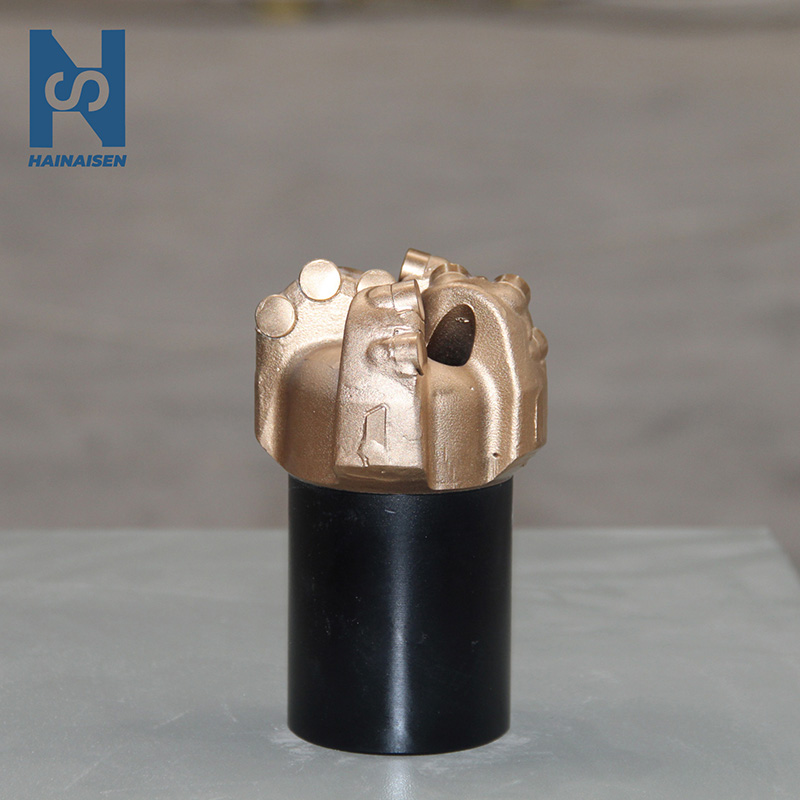 VIEW MORE113mm Four Wing Arc Angle Drill Bit
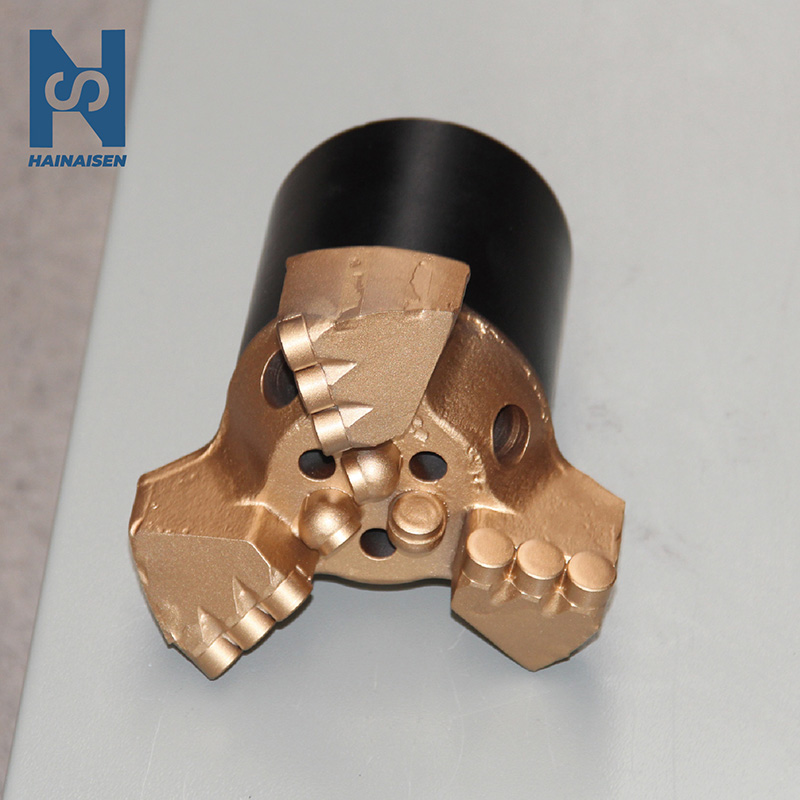 VIEW MOREThree Blade Concave Drill Bit Api For Manganese Coal Mines
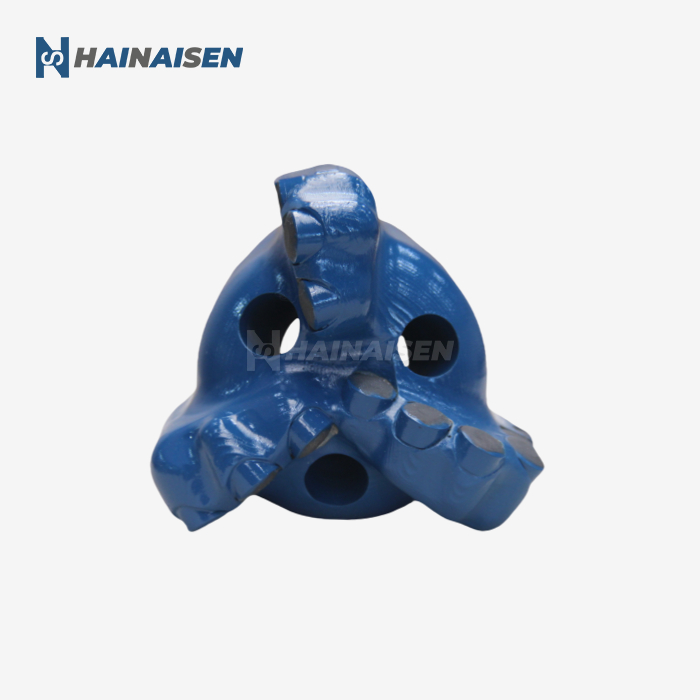 VIEW MORE3 Blade PDC Arc Angle Drill Bit
 VIEW MOREPDC Petroleum Drill Bit
 VIEW MOREApi Polycrystalline Diamond Drill Bit
 VIEW MOREFive Blade Oil Drill Bit
logo 2_1777360600432.jpg) VIEW MORECoal Mine Drilling Drill Bit Directional Three Blade PDC Drill Bit
VIEW MORECoal Mine Drilling Drill Bit Directional Three Blade PDC Drill Bit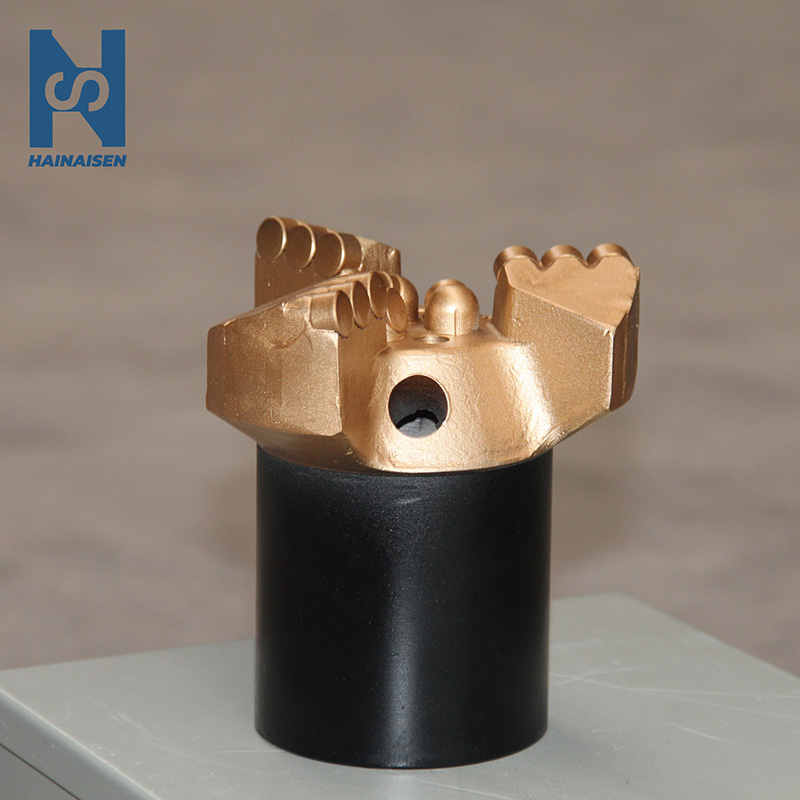 VIEW MORE113mm 3 Blades Steel Body PDC Bit
