



Vacuum brazing techniques for carbide retention
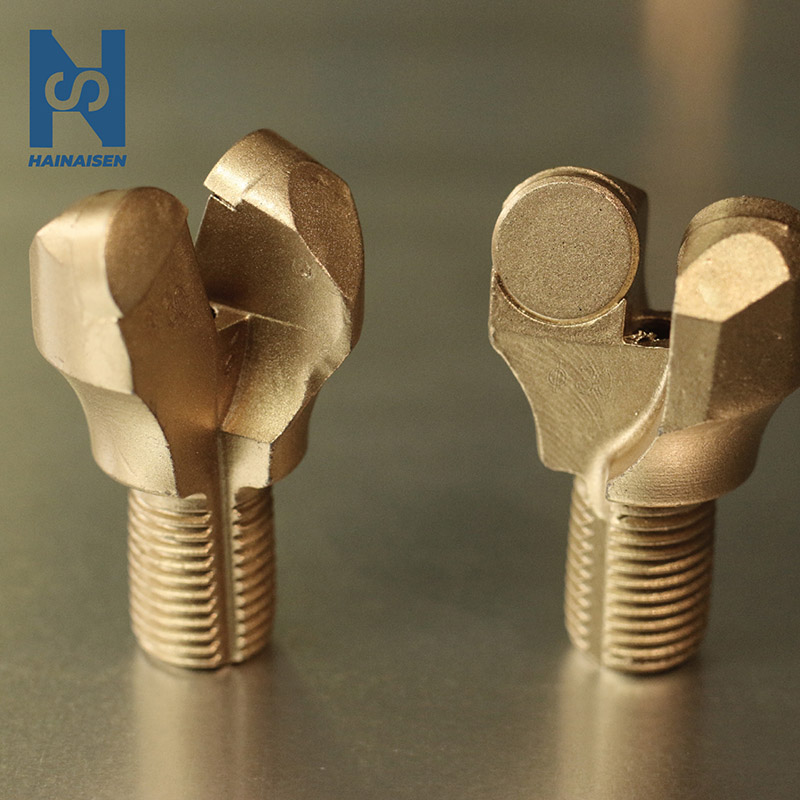
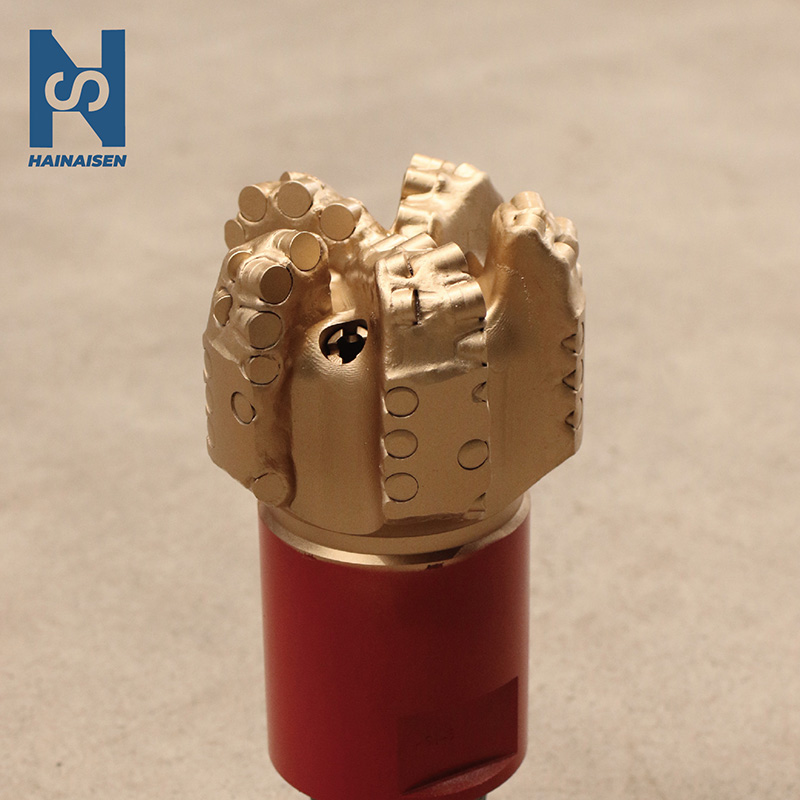
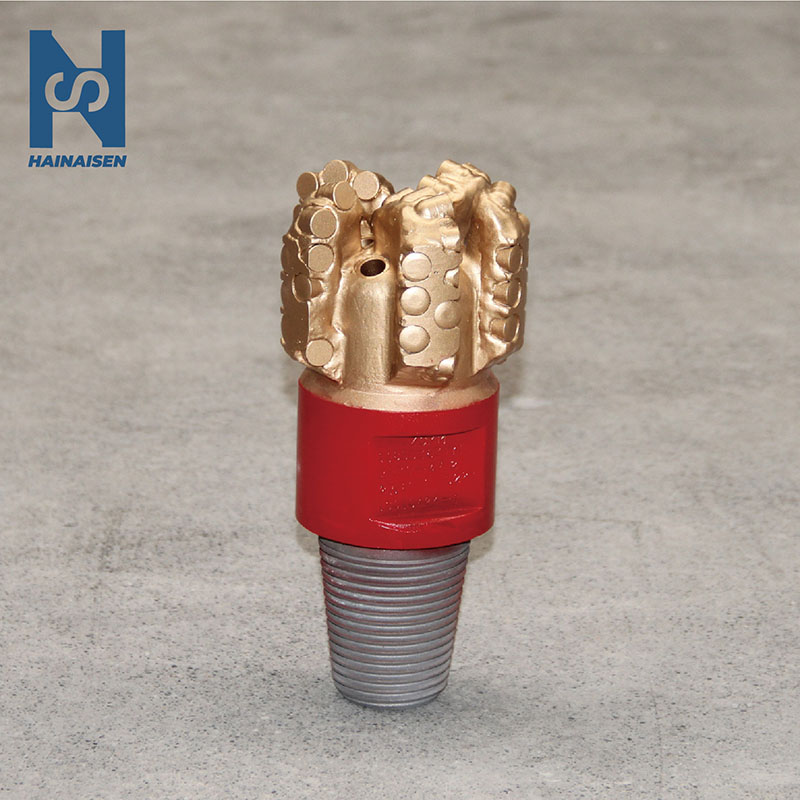
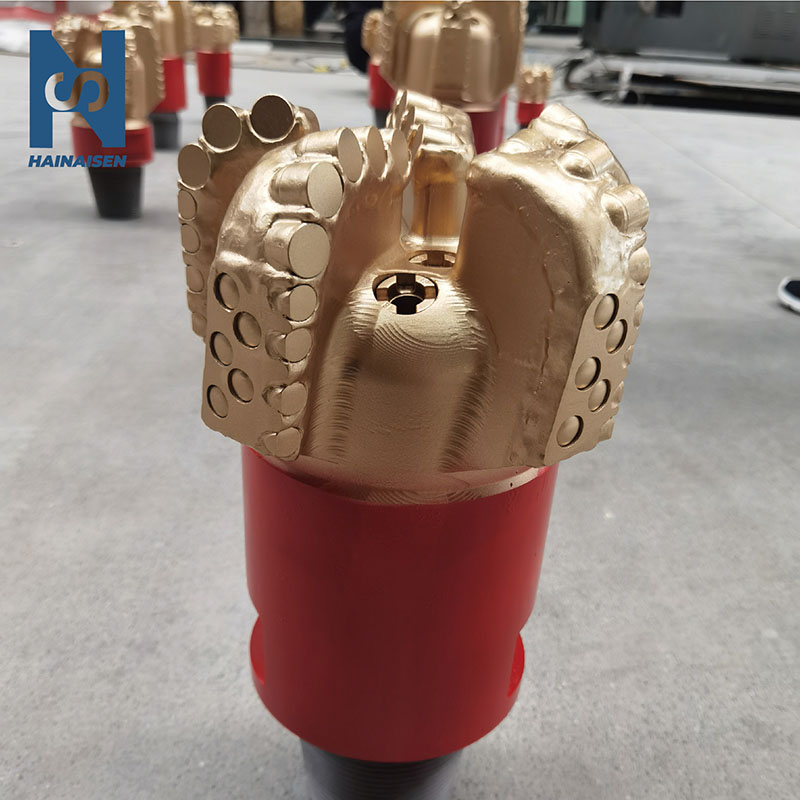
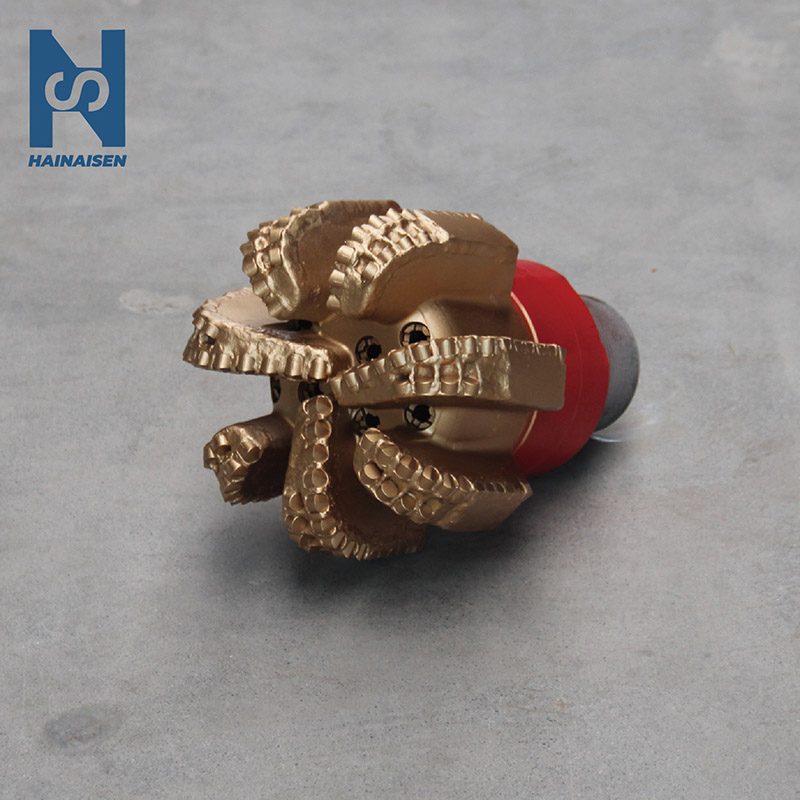
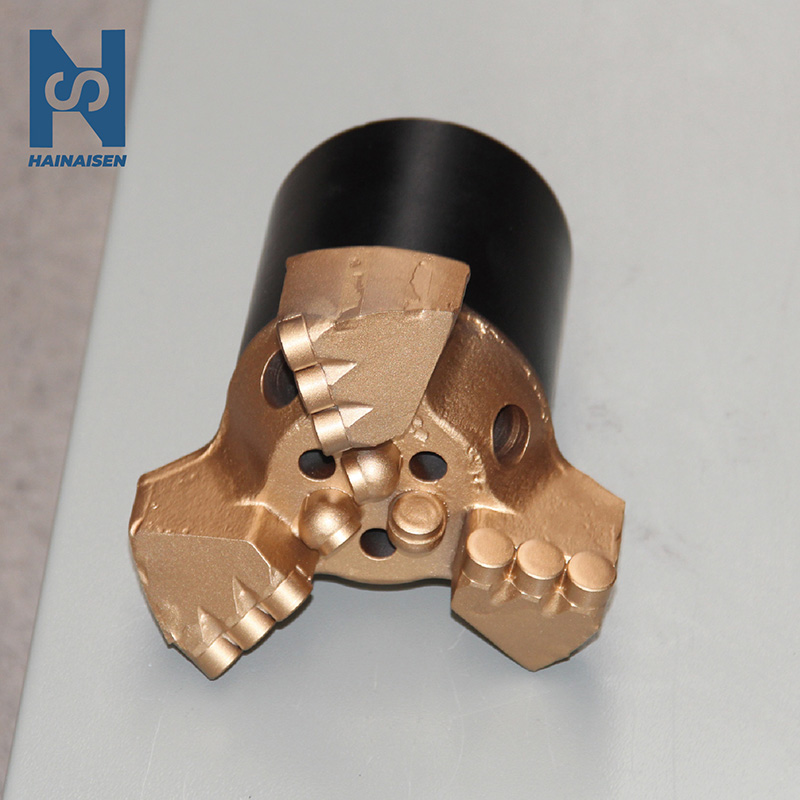
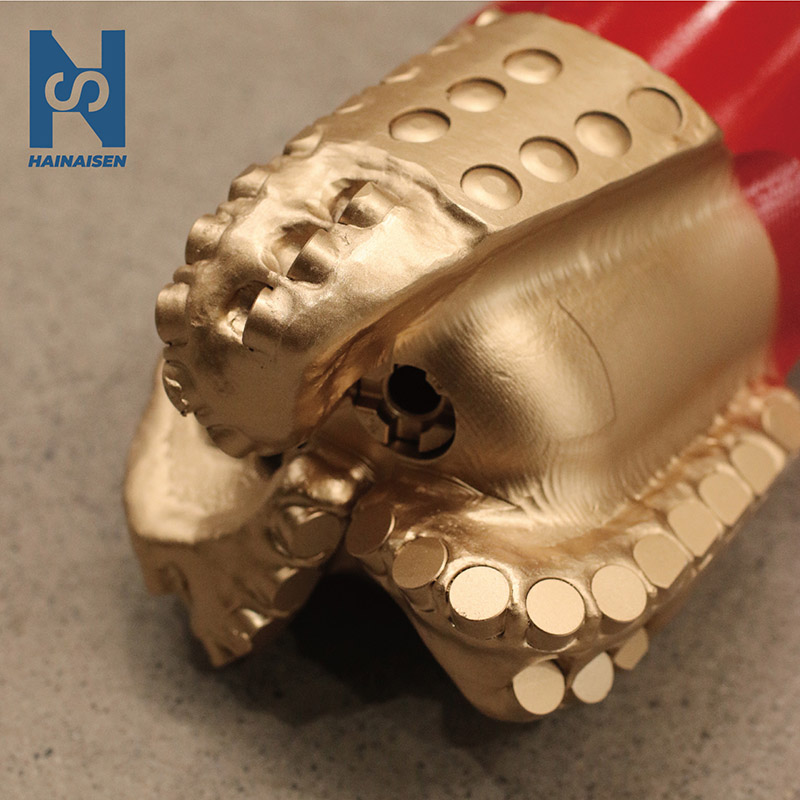
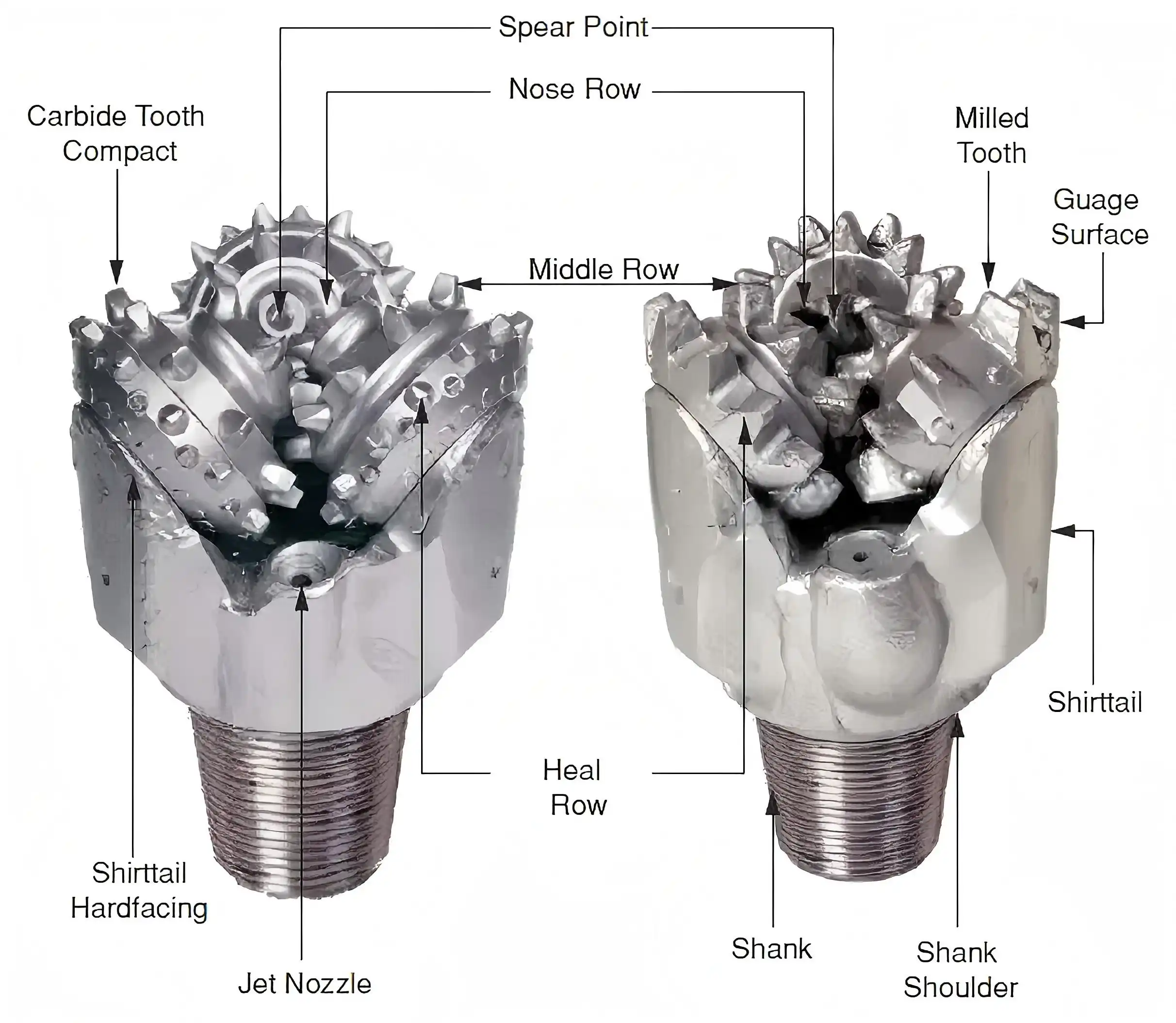
Vacuum brazing has emerged as a superior method for bonding carbide inserts to the steel body of hard alloy roller drill bits. This technique involves heating the components in a vacuum environment, which prevents oxidation and ensures a clean, strong bond. The process typically uses silver-based alloys as brazing filler metals, known for their excellent wetting properties and ability to create robust metallurgical bonds.
Benefits of vacuum brazing in drill bit manufacturing
The advantages of vacuum brazing for carbide retention in drill bits are numerous:
- Enhanced bond strength: The vacuum environment allows for better wetting and flow of the brazing alloy, resulting in a stronger, more uniform bond.
- Improved heat distribution: The controlled atmosphere ensures even heating, reducing thermal stress and potential weaknesses in the bond.
- Cleaner joints: The absence of oxygen prevents oxidation, leading to cleaner, more reliable bonds.
- Versatility: Vacuum brazing can join dissimilar materials effectively, which is crucial for complex drill bit designs.
The vacuum brazing process typically involves carefully positioning the carbide inserts on the steel body, applying the brazing alloy, and then heating the assembly in a vacuum furnace. The temperature is raised to just above the melting point of the brazing alloy, allowing it to flow and create a strong bond with both the carbide and steel surfaces. After cooling, the result is a highly durable connection that can withstand the extreme forces and temperatures encountered during drilling operations.
Testing methods for bond integrity
Ensuring the integrity of the bonds in hard alloy roller drill bits is critical for their performance and reliability. Various testing methods are employed to evaluate the strength and quality of these bonds, both during the manufacturing process and as part of quality control measures.
Non-destructive testing techniques
Non-destructive testing (NDT) methods are particularly valuable as they allow for thorough inspection without damaging the drill bit. Common NDT techniques used in the industry include:
- Ultrasonic testing: High-frequency sound waves are used to detect internal flaws or inconsistencies in the bond.
- X-ray radiography: This method can reveal hidden defects or voids within the bonded areas.
- Thermal imaging: By applying heat and observing temperature distribution, weak bonds or inconsistencies can be identified.
Destructive testing for bond strength verification
While less common due to their nature, destructive tests provide crucial data on bond strength and failure modes. These may include:
- Shear strength tests: Applying force parallel to the bonded surface to measure the bond's resistance to shearing.
- Pull-off tests: Directly measuring the force required to separate the carbide insert from the steel body.
- Fatigue testing: Subjecting the bonded components to cyclic loading to simulate real-world conditions and assess long-term durability.
By combining these testing methods, Manufacturers can ensure that the bonds in their hard alloy roller drill bits meet the rigorous standards required for reliable performance in challenging drilling environments.
New nano-bonding technologies in drill bits
The field of drill bit manufacturing is continuously evolving, with new nano-bonding technologies emerging as promising solutions for enhancing the strength and performance of hard alloy roller drill bits. These innovative approaches leverage nanotechnology to create stronger, more durable bonds at the molecular level.
Nano-composite bonding materials
One of the most exciting developments in this area is the use of nano-composite bonding materials. These materials incorporate nanoparticles into the bonding matrix, resulting in several advantages:
- Increased bond strength: Nanoparticles can fill microscopic voids and create more contact points between the carbide and steel surfaces.
- Enhanced thermal stability: Certain nanoparticles can improve the thermal conductivity of the bond, reducing thermal stress during drilling operations.
- Improved wear resistance: Nano-additives can enhance the hardness and wear resistance of the bonding material itself.
Nano-structured coatings for interface enhancement
Another promising approach involves the application of nano-structured coatings at the interface between the carbide inserts and the steel body. These coatings can:
- Promote better adhesion: By creating a more compatible surface for bonding.
- Act as a diffusion barrier: Preventing unwanted chemical reactions between the carbide and steel during high-temperature operations.
- Provide additional wear protection: Offering an extra layer of defense against abrasive drilling conditions.
The integration of these nano-bonding technologies into the manufacturing process of hard alloy roller drill bits represents a significant advancement in drill bit performance and longevity. As research in this field continues, we can expect to see even more innovative bonding solutions that push the boundaries of what's possible in drill bit design and durability.
Conclusion
The strength and durability of hard alloy roller drill bits are significantly enhanced through advanced bonding methods such as vacuum brazing, rigorous testing procedures, and emerging nano-bonding technologies. These innovations contribute to improved performance, longer bit life, and increased efficiency in challenging drilling operations across various industries.
For oil and gas companies, mining operations, and geological exploration teams seeking high-quality drill bits that can withstand the most demanding conditions, Shaanxi Hainaisen Petroleum Technology Co., Ltd. offers cutting-edge solutions. Our extensive experience in research, development, and production of diamond drill bits, PDC drill bits, and drilling tools ensures that we can meet your specific needs with precision and reliability.
Take advantage of our expertise and state-of-the-art manufacturing facilities to elevate your drilling operations. Contact Us today at hainaisen@hnsdrillbit.com to discuss how our advanced hard alloy roller drill bits can benefit your projects and improve your operational efficiency.
References
1. Zhang, L., et al. (2021). "Advances in Bonding Technologies for Hard Alloy Roller Drill Bits." Journal of Petroleum Engineering, 45(3), 178-195.
2. Chen, X., & Wang, Y. (2020). "Vacuum Brazing Techniques in Modern Drill Bit Manufacturing." International Journal of Mining and Mineral Engineering, 12(2), 89-104.
3. Smith, J.R., et al. (2022). "Non-Destructive Testing Methods for Bond Integrity in Drill Bits." NDT & E International, 116, 102385.
4. Li, H., et al. (2019). "Nano-Composite Materials for Enhanced Drill Bit Performance." Wear, 426-427, 1620-1628.
5. Brown, A.K., & Johnson, M.E. (2023). "Emerging Trends in Hard Alloy Roller Drill Bit Design and Manufacturing." SPE Drilling & Completion, 38(1), 52-67.
6. Taylor, S.L., et al. (2022). "Comparative Analysis of Bonding Methods for Carbide Retention in Oil and Gas Drilling Tools." Journal of Materials Processing Technology, 300, 117345.