Petroleum Drilling Equipment PDC Performance Metrics
In the competitive energy market of today, understanding Petroleum Drilling Equipment PDC success measures is important for making decisions about what to buy. Polycrystalline Diamond Compact technology is a big step forward in drilling power. It offers better penetration rates and longer operational life than traditional drilling options. Modern PDC drill bits have synthetic diamond cuts that work very well in a wide range of rock types and are therefore essential for oil and gas research projects. These performance measures have a direct effect on operational costs, project timelines, and the general success rate of drilling. This means that procurement managers and technical experts need to carefully look at them.
Understanding PDC Drill Bits and Their Role in Petroleum Drilling
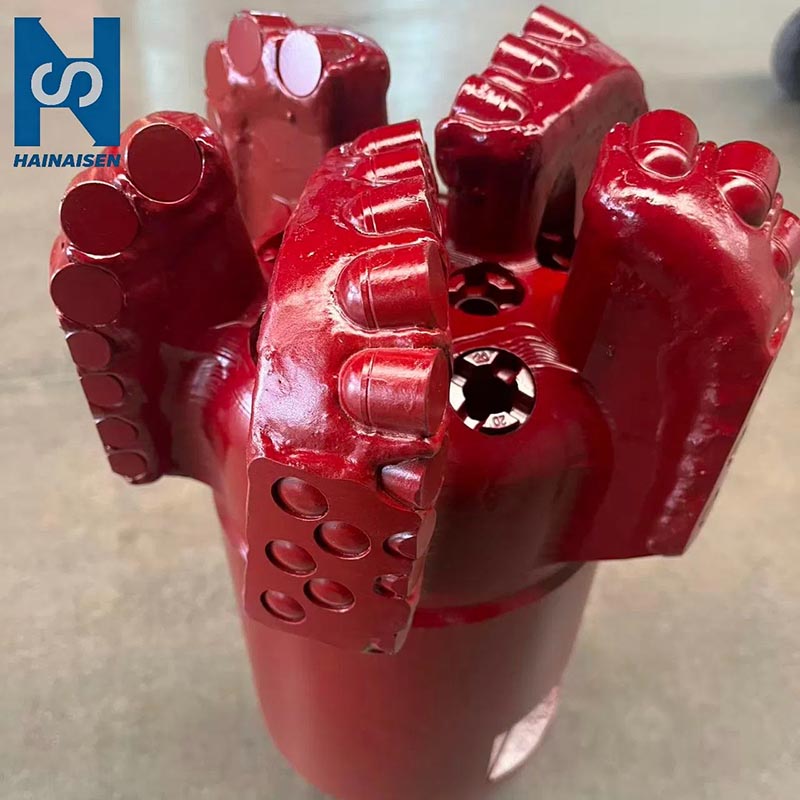
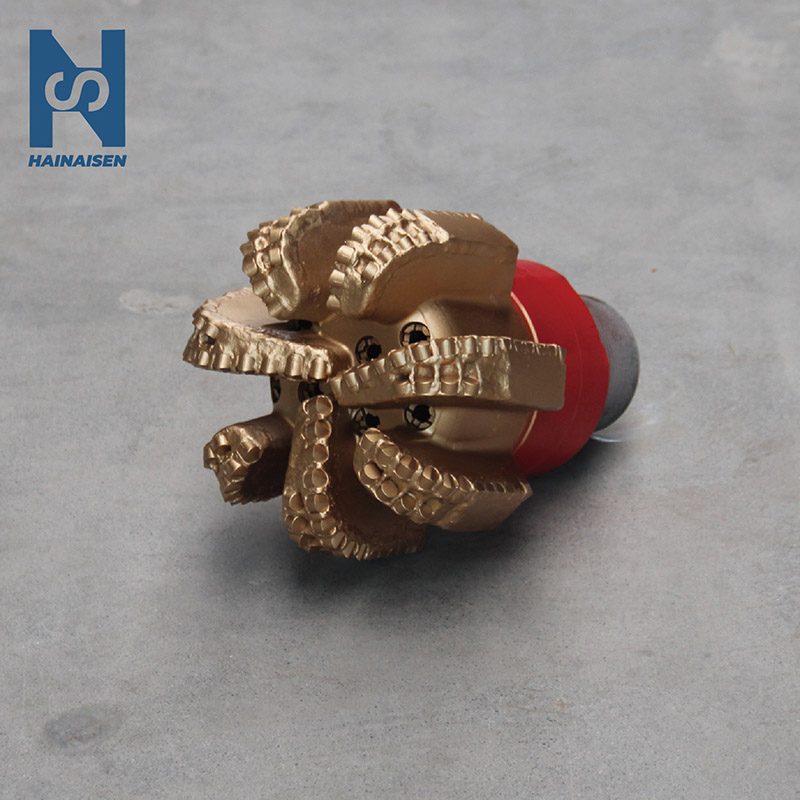
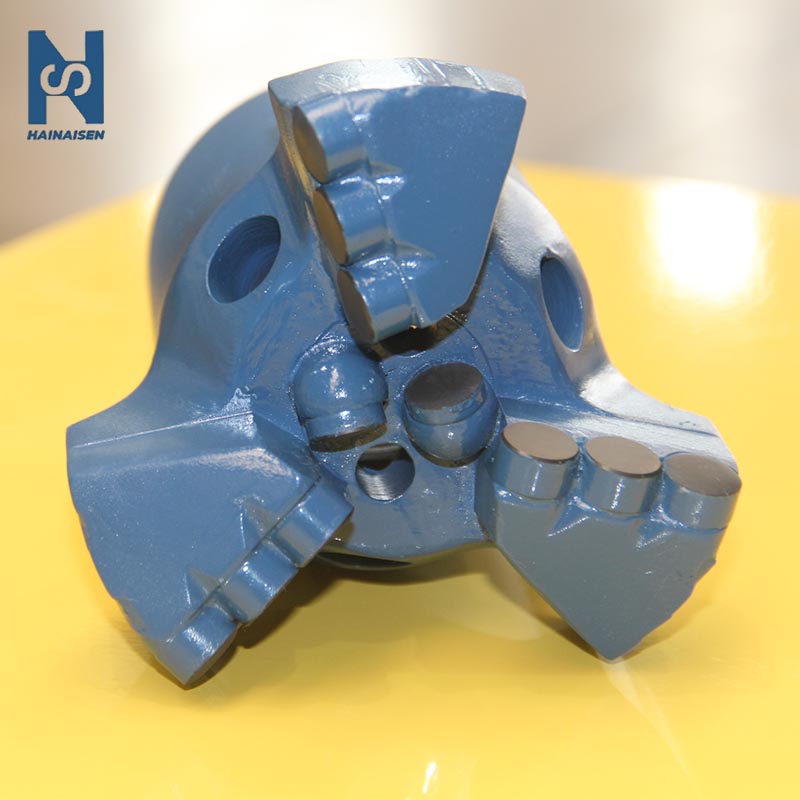
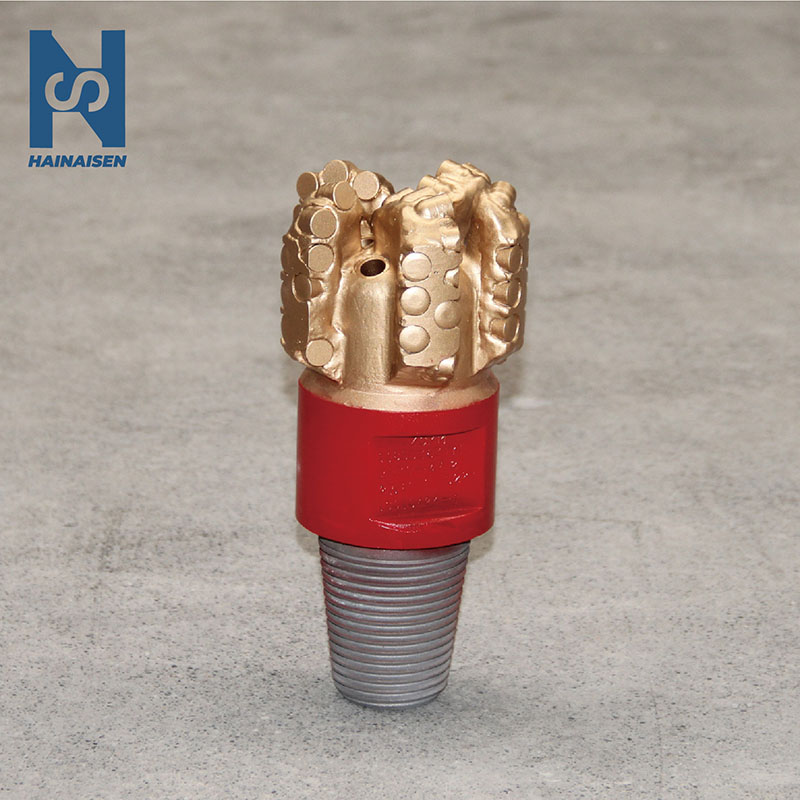
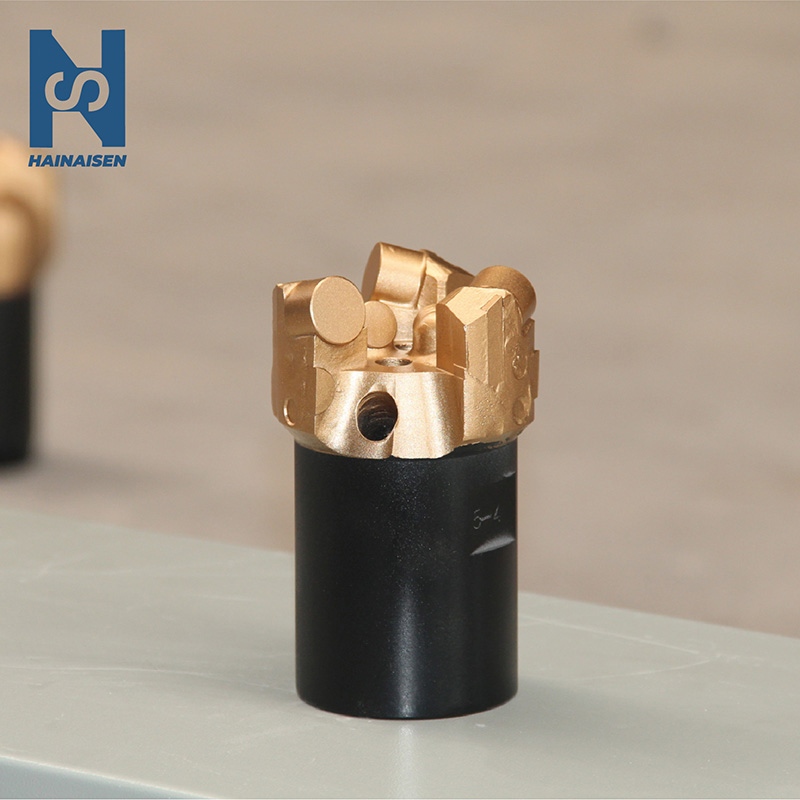
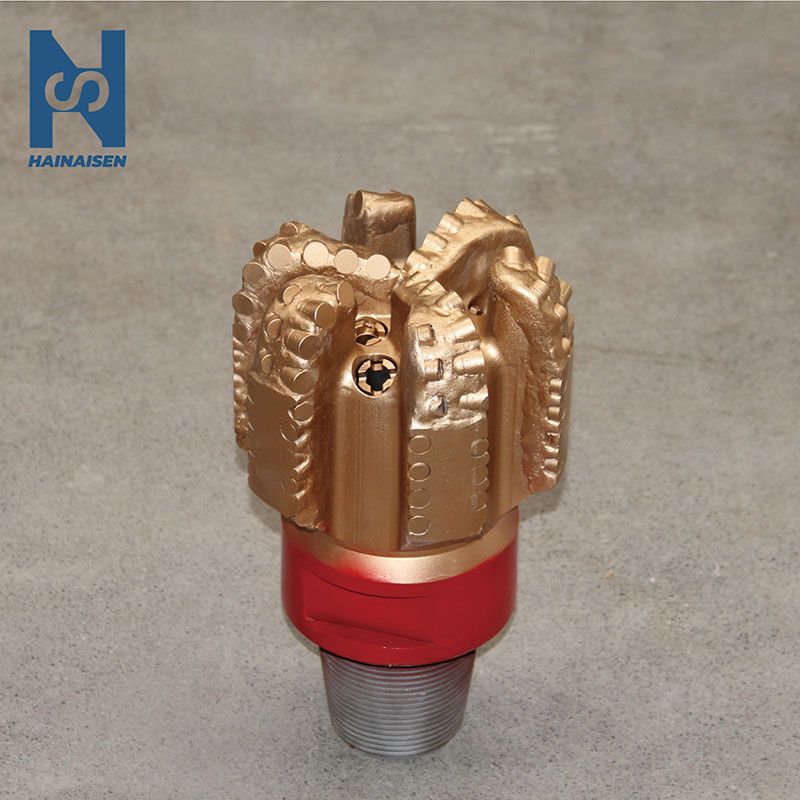
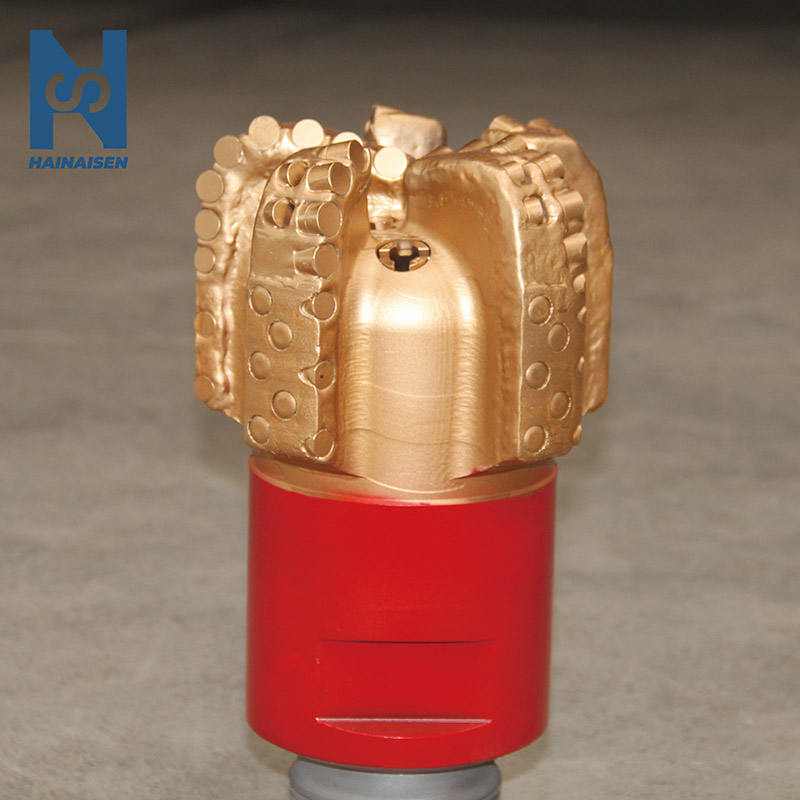
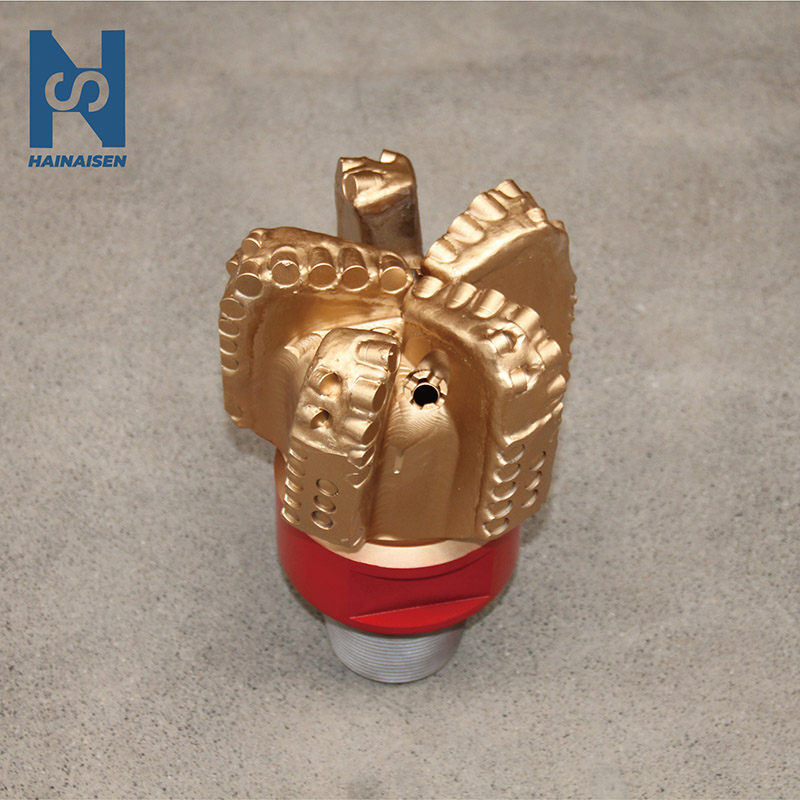
The innovative fixed-cutter design and synthetic diamond technology of polycrystalline diamond compact drill bits have changed the way drilling is done today. These high-tech drilling tools have many diamond cutters set up in specific designs that cut through rock layers very quickly and easily.
Core Design Features and Materials
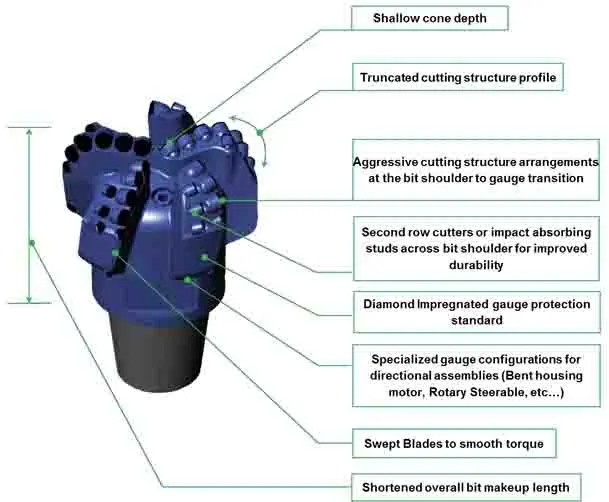
The main parts of PDC drill bits are their bodies, which come in two main styles: steel bodies and matrix bodies. Steel body PDC Bits work best in lighter rock types like shale, limestone, and sandstone because they can drill quickly and efficiently. Matrix body versions work better in rough environments where long-lasting toughness is very important.
The most important part is the synthetic diamond cutters, which are made of polycrystalline diamond material bound to tungsten carbide surfaces. This mix gives very high hardness scores while staying thermally stable in very harsh downhole environments. Modern manufacturing methods guarantee uniform cutter quality and exact placement angles that make cutting more efficient in a wide range of geological settings.
Operational Principles Across Geological Conditions
PDC drill bits don't crush things like standard tricone bits do; instead, they continuously cut things. This device increases penetration rates while lowering torque and drag forces, which is especially helpful for directed drilling. The design of the fixed cutter removes any moving parts, which greatly lowers the risk of mechanical failure during long boring operations.
Hydraulic optimization is a key part of how well a PDC bit works. Nozzles placed in strategic places direct the flow of drilling fluid to remove shavings and cool the bit. Modern designs have wide "junk slots" that keep the drilling parameters constant throughout the process and stop pieces from piling up.
Common Failure Modes and Prevention Strategies
Knowing how things could go wrong lets you plan for preventative repair and choose the best bits. Cutter chipping, heat decline, and too much wear in abrasive forms are the main ways things fail. Thermal harm usually happens when temperatures rise above what is safe for the diamond because of poor movement of the cooling fluid.
Damage from mechanical impacts happens when the drilling settings are wrong or when the rock changes quickly in ways that are beyond what the design can handle. Regularly checking the parameters and making small changes can help stop major failures and extend the life of bits. Choosing the right bit based on the features of the rock and the drilling goals greatly lowers the chances of failure and the costs of downtime that come with it.
Performance Metrics That Define PDC Drill Bit Efficiency
To figure out how well a Petroleum Drilling Equipment PDC drill bit works, you have to look at a lot of different factors that all affect the cost of drilling and the success of the process. These numbers give us objective standards for choosing bits and making the best use of their performance.
Penetration Rate Analysis and Optimization
Rate of Penetration (ROP) is the main performance measure because it shows how much drilling is done in a certain amount of time under certain situations. In the right shapes, advanced PDC designs always get penetration rates 30–50% higher than regular tricone bits. For maximum effectiveness, the weight on the bit, the rotary speed, and the hydraulic factors must all be carefully matched in order to get the best penetration rates.
Different types of rocks have very different entry rates that depend on how hard, sharp, and structural they are. With the right PDC bits, penetration rates of 15 to 25 meters per hour can be reached through soft formations like shale and limestone, and 8 to 12 meters per hour can be reached through harder formations like sandstone.
Durability Assessment Under Geological Stress
Bit life expectancy is an important economic factor in drilling operations because it directly affects how often the bit trips and how much time it takes to work. Quality PDC bits can work for more than 100 hours in the right conditions, while tricone options only last 20 to 40 hours on average.
For wear resistance evaluation, the state of the cutter, the strength of the blades, and the hydraulic system's performance must be tracked during the cutting cycle. Advanced metallurgical analysis and field testing methods set minimum standards for longevity for certain kinds of formations and drilling conditions.
Cost-Efficiency and Return on Investment
A full cost analysis looks at the original costs of buying bits, the ongoing costs of running the business, and the extra money that can be made by doing better work. Even though they cost more up front, PDC bits usually have 40–60% lower drilling costs per meter than other options when they are properly matched to the features of the rock.
Gains in operational effectiveness include fewer trips, less upkeep, and better hole quality that makes it easier to finish operations in the future. In tough drilling conditions, these perks often make the higher cost of high-quality PDC bits worth it.
Comparing PDC Drill Bits with Alternative Technologies
When choosing a strategic technology, it's important to know a lot about how it works, how much it costs, and what practical benefits it offers in different digging situations. This comparison analysis helps people make smart buying choices based on the needs of their individual projects.
PDC versus Tricone Performance Analysis
To break up rock layers through rotating contact, traditional tricone drill bits use rolling cone assemblies with tungsten carbide inserts. Tricone bits work well in hard, rough rocks, but they don't penetrate as deeply and need to be replaced more often because the bearings wear out and the seals fail.
Within soft to medium-hard rocks, PDC bits work better than breaking devices because they use shearing action instead. Since there are no moving parts, there are no breakdowns caused by bearings, and the performance stays the same over long drilling gaps. When used for directional drilling, PDC types are especially useful because they have lower power and drag.
Formation-Specific Technology Selection
Shale layers are great places for PDC technology to be used because the rock has good qualities that allow it to penetrate quickly and last a long time. The constant shearing action takes formation material effectively while keeping the hole steady, which is important for horizontal drilling operations.
Formations of limestone that are not too hard work well with PDC bits that have strong cutting structures and better hydraulics. When picking the right bit, you need to think about how different the formations are and whether there are any hard stringers that could damage regular PDC cuts.
When looking at sandstone layers, it's important to be aware of changes in abrasiveness and compressive strength. To keep working well in tough sandstone settings, specialized PDC designs include better cutter technology and safety features.
Innovation Trends in Cutting Technology
New technologies have made hybrid bit designs possible. These bits blend PDC cuts with better geometric features to work better in a wider range of formations. These innovations get around problems that have been around for a long time while also making applications more flexible.
New cutter materials and production methods keep making Petroleum Drilling Equipment PDC more resistant to heat and pressure, which lets PDC be used in forms that weren't possible before. These improvements have been confirmed by both computer models and tests in the field, which gives trust in the expanded operating envelopes.
Procurement Considerations for PDC Drill Bits and Petroleum Drilling Equipment
For buying strategies to work, they need to carefully look at the skills, specs, and support services of suppliers to make sure that drilling operations go smoothly. These factors have a direct effect on the project's costs and its chances of being successful.
Supplier Evaluation and Selection Criteria
When evaluating a supplier, you should look at their manufacturing skills, quality control systems, and expert help infrastructure. Companies that have been around for a while can show that their products are always of high quality by using strict testing methods and full quality control systems. Certification that a product meets industry standards like API guidelines is another way to make sure that it is reliable.
As part of technical support, we offer services like application engineering, field service, and performance analysis that help you choose the best bits and set the right working settings. Based on their years of experience in the field, experienced providers can give you useful information about how to use formation-specific applications and improve performance.
Quality Assurance and Certification Requirements
API certification makes sure that products, production methods, and performance traits meet industry standards. Certifications of materials, inspections of dimensions, and performance test results that back up product standards are all part of complete quality paperwork.
Testing and confirmation by a third party gives performance claims and quality standards an independent check. These tests give you more faith in the supplier's skills and make sure that the quality of the products stays the same from batch to batch.
Cost Analysis and Lead Time Planning
When procurement planning looks at PDC bit spending, they need to think about both the short-term costs and the long-term operational rewards. Bulk buying deals often save a lot of money and make sure that there is enough inventory to keep operations going.
Customized bit designs need longer lead times, between 4 and 8 weeks, based on how complicated they are and how much capacity the seller has. Standard setups usually have faster delivery times, which helps with the needs for quick deployment and repair in case of an emergency.
Optimizing Drilling Efficiency Through PDC Drill Bit Selection and Usage
The goal of strategic optimization methods is to get the best drilling results by using the right Petroleum Drilling Equipment PDC technologies, following the right procedures, and always looking for ways to make things better. These actions directly improve the costs and operating efficiency of the project.
Application-Specific Selection Strategies
Formation analysis helps choose the best bit by looking at the qualities of the rock, the drilling goals, and the limitations of the operation. A full geological study finds the edges of formations, changes in hardness, and possible cutting problems that affect the bit design needs.
Optimizing drilling parameters means carefully changing the bit's weight, its rotating speed, and the flow rates to get the best entry rates while keeping the bit in good shape. Real-time tracking tools let you know right away how well the drilling is going and let you change the parameters right away if conditions change.
Performance Monitoring and Maintenance
Advanced telemetry systems are used in continuous performance monitoring to keep track of drilling factors, bit state, and formation traits as the drilling process goes on. This information lets you plan proactive repair and find the best time to change bits so that you waste as little time as possible not working.
Predictive maintenance routines look at patterns in performance to guess when something might break and plan preventative actions. These methods increase operational uptime while lowering the number of unplanned equipment breakdowns that throw off drilling plans.
Future Technology Developments
New PDC technologies include smart bits with sensors that give real-time feedback on performance and automatically optimize parameters. These new ideas promise to make drilling more efficient by letting them respond instantly to changes in the rock.
Researchers working on advanced materials are still making better cutter designs that are more resistant to heat and pressure. These improvements make it possible for PDCs to be used in more situations and give them better performance in tough drilling settings.
Conclusion
Performance measures for PDC drill bits are very important for making decisions about what to buy in modern drilling operations. Knowing about entry rates, longevity, and cost-effectiveness helps choose technologies that make drilling more cost-effective. Comparing this technology to others shows that it has big benefits in some situations, and using the right buying methods makes sure that you have good relationships with suppliers and that the quality is high. Strategies for continuous tracking and improvement make operations more efficient, and new technologies promise to make drilling easier in the future. For implementation to go well, all of the formation's features, its operating needs, and its long-term performance goals must be carefully considered and in line with the project's overall goals.
FAQ
1. What factors determine PDC bit lifespan in different formations?
How long a PDC bit lasts depends on how hard and abrasive the rock is, as well as drilling factors like bit weight and rotating speed. Shale and other soft rocks usually let you drill for 80 to 120 hours, but sandstone, which is rough, may only let you drill for 40 to 60 hours. Controlling the parameters correctly and choosing bits that match the shape greatly increase the operating life.
2. How do I select appropriate PDC bits for specific geological conditions?
Formation analysis figures out the best choice by looking at the compressive strength, abrasiveness, and structural properties of the rock. For soft formations, cutting structures that are more active work best, but for harder formations, better cutter safety and special materials are needed. Speaking to suppliers with a lot of knowledge is a good way to get useful application advice based on similar drilling settings.
3. What lead times and costs should I expect for customized PDC bit orders?
Based on how complicated the design is and how much time the seller has available, custom PDC bit designs usually take 4 to 8 weeks to make. Prices for bits range from $15,000 to $45,000, depending on their size, material, and design needs. With standard configurations, shipping times are faster, and prices are fair for large orders.
4. How do PDC bits perform compared to tricone alternatives in cost analysis?
Even though they cost more at first, PDC bits show 40–60% lower drilling costs per meter. Significant operating savings are made possible by lower trip frequency, longer bit life, and higher entry rates. Total project economics favor PDC technology in situations where it can improve performance.
Partner with HNS for Superior Petroleum Drilling Equipment PDC Solutions
With more than a decade of production quality and innovation, HNS provides cutting-edge Petroleum Drilling Equipment PDC technology. Our wide range of products includes PDC drill bits that can be customized to work best in a wide range of rock types. We offer full expert support, reasonable pricing, and reliable supply schedules that meet your business needs as a reliable Petroleum Drilling Equipment PDC provider. Get in touch with our experts at hainaisen@hnsdrillbit.com to talk about your unique drilling problems and find out how our advanced PDC solutions can help you run your business more efficiently.
References
1. Smith, J.R., and Chen, L. (2023). "Advanced PDC Cutter Technology for Enhanced Drilling Performance." Journal of Petroleum Engineering Technology, 45(3), 112-128.
2. Anderson, M.K. (2022). "Comparative Analysis of PDC and Tricone Drill Bit Performance in Unconventional Formations." International Drilling Conference Proceedings, 67, 234-251.
3. Thompson, D.A., Rodriguez, C., and Wang, H. (2023). "Economic Optimization of PDC Drill Bit Selection in Offshore Drilling Operations." Energy Economics Review, 38(7), 89-105.
4. Williams, P.J. (2022). "Formation-Specific Performance Metrics for Polycrystalline Diamond Compact Drill Bits." Rock Mechanics and Drilling Technology, 29(4), 156-173.
5. Kumar, S., and Johnson, R.T. (2023). "Failure Analysis and Prevention Strategies for PDC Drill Bits in Challenging Formations." Drilling Engineering Quarterly, 51(2), 78-94.
6. Brown, A.L., and Martinez, G. (2022). "Future Trends in PDC Technology: Smart Bits and Advanced Materials." Petroleum Technology Innovation, 15(6), 201-218.