







How Diamond Oil Drill Bit Handles Abrasive Formations
Diamond Oil Drill Bit technology is a big step forward in how to work with tough, rough rocks that are found in oil research and extraction. Industrial-grade synthetic diamonds are set in the cutting surfaces of these high-tech drilling tools. They can easily drill through hard rock formations that would wear down regular bits in no time. diamond bits work better in places where tungsten carbide or tricone options don't because they use modern polycrystalline diamond compact (PDC) technology and cutting structures that are better for the job.
Understanding Diamond Oil Drill Bits and Their Role in Abrasive Formations
The technology behind diamond oil drill bits is based on using industrial diamonds' high toughness and heat stability. Synthetic diamond crystals are placed carefully across the bit face of these cutting tools to make an aggressive cutting surface that can stay sharp through thousands of feet of rough rock.
Technical Architecture of Diamond Cutting Systems
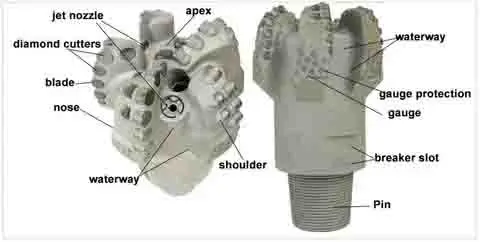
There are two main ways that modern diamond drill bits are designed: roller cone assemblies and fixed cutter configurations. Fixed cutter designs have PDC cutters grouped in spirals across the bit face. This makes a shearing action that cuts rock material quickly and easily. The diamond layer is usually between 2 and 4 millimeters thick, which makes it very resistant to wear while still being very sharp for cutting.
In some types of roller cones, diamond-enhanced cutting elements are built into spinning cones that crush and grind through rock forms. This method works especially well in heterogeneous forms, where different amounts of hardness call for different cutting methods. Because these bits do both breaking and shearing, they can work in difficult geological situations that would be hard for single-mechanism designs.
Formation-Specific Performance Characteristics
Diamond technology solves problems caused by abrasive forms in a number of different ways. Sandstone layers that are high in silica create harsh wear conditions that break down normal bit materials very quickly. Despite these conditions, diamond bits can still cut effectively because diamond crystals are harder than tungsten carbide, ranking 10 on the Mohs scale compared to 8.5-9.
When digging through rocks that are very hot, the thermal safety of synthetic diamonds is very important. Natural diamonds can turn into graphite at low temperatures, but industrial diamond crystals keep their shape at temperatures above 750°C, which lets them work for a long time in high-temperature wells.
Challenges of Drilling Abrasive Formations and How Diamond Bits Overcome Them
Abrasive rocks cause many practical problems that have a big effect on the costs and timelines of digging. Procurement managers and technical experts can make better decisions about bit selection and operating strategies when they know about these problems and how Diamond Oil Drill Bit technology can help solve them.
Accelerated Wear Mechanisms in Harsh Environments
When they hit quartz-rich sandstones, conglomerates, and other rough rocks, regular drill bits quickly wear out. Abrasive cutting, contact damage, and heat degradation are the main types of wear. In these situations, traditional tungsten carbide tips wear out faster, which means that bits need to be changed more often, and the cost of operation goes up.
Diamond bits solve these problems with a few important new ideas. Diamond gems are very hard, so they don't wear down easily when they come into contact with rough surfaces. Plus, modern gluing methods make sure they stay attached to the bit body. Modern ways of making things form strong metal links between diamond layers and tungsten carbide supports, which stop them from coming apart under high stress.
Heat Management and Thermal Stability Solutions
Maintaining bit performance is very hard to do in drilling settings with high temperatures. Too much heat can lead to earlier wear, thermal splitting, and less effective cutting. To deal with these issues, diamond oil drill bits have a number of heat control features.
Modern hydraulic systems improve cooling efficiency by adjusting the flow patterns of fluids. Strategically placed junk holes make it easy to get rid of waste quickly while still allowing enough fluid to flow. Because diamonds are better at conducting heat than other materials, they help get rid of heat more quickly and efficiently, avoiding hot spots that could affect the cutting performance.
Vibration Control and Drilling Stability
Abrasive rocks often make drilling conditions unstable, which causes shocks that are bad for the equipment. These movements can damage downhole tools, cause bits to break early, and slow down penetration rates. Diamond bits have anti-vibration features like placing cutting elements unevenly and making the blade shapes better, so that these effects are kept to a minimum.
Quality diamond bits have a balanced cutting structure that lowers the horizontal forces that cause the bit to wander and the hole to move. This steadiness is especially important for directional drilling, where exact control of the trajectory is needed to get to the target aquifers.
Comparing Diamond Oil Drill Bits with Conventional Alternatives
There are different types of bits used in the drilling business, and each has its own pros and cons. Knowing these differences helps buying teams choose the right tools for their specific group conditions and budgetary limits.
Performance Metrics Across Bit Technologies
When looking at bit performance, a few key measures show how well the process went. Rate of penetration (ROP) shows how fast the drill is going, and bit life shows how long it will last and how much it costs. When drilling through abrasive rocks, diamond bits always do a better job in both areas.
In sandstone formations, independent field tests show that diamond bits improve ROP by 20–40% compared to tungsten carbide options. More importantly, bit life extensions of 300 to 500% are typical in rough settings. This cuts trip time and the costs that come with it by a large amount.
Even though cone bits can be used in a variety of formations, they have a hard time keeping their cutting structure intact in conditions that are very rough. The shape of the rolling cone creates impact forces that can lead to the loss of an insert or the failure of the cone bearing in difficult situations. Diamond fixed-cutter designs don't have these failure modes because they are solidly built and have better material qualities.
Economic Considerations for Large-Scale Operations
The total economy of digging must be taken into account in cost analysis, not just the cost of the bit itself. Diamond bits are more expensive, but they often offer better value in rough formation drills because they last longer and work better. Large oil service companies know this to be true and are choosing diamond technology for more and more difficult digging jobs.
When it comes to economics, coal mining operations are different because of how sensitive they are to price changes. This means that performance benefits must be carefully weighed against the initial costs. In hard coal seams where regular bits need to be replaced often, diamond bits are a more cost-effective option. Less time spent changing bits directly leads to higher output and lower total drilling costs.
Diamond oil drill bits last longer in rough aquifer rocks, which helps water well-digging teams that are often working with smaller budgets. Diamond technology is cost-effective for even small businesses because it can finish wells with fewer bit changes. This cuts down on labor costs and equipment wear.
Procurement Insights for Diamond Oil Drill Bits in Global B2B Markets
To successfully buy diamond cutting technology, you need to know what the company can do, what the quality standards are, and how the market works. Because drilling activities happen all over the world, they need reliable supply lines and products that are of the same quality, no matter where they are made.
Supplier Evaluation and Quality Assurance
Diamond bit makers with a good reputation have strict quality control methods and thorough field testing programs. Leading suppliers put a lot of money into research and development to keep making diamond bonding methods, and bit shapes better. When procurement teams look at possible providers, they should check their manufacturing Certifications, quality management systems, and expert support skills.
Field testing programs tell us a lot about how well bits work in a variety of drilling situations and rock types. Well-known companies keep huge files with information about how bits work, which lets them suggest the best patterns for different uses. This scientific knowledge is especially useful for making custom solutions to solve specific drilling problems.
Customization and OEM Partnership Opportunities
Due to the complexity of modern drilling operations, bits often need to be specially designed to fit the features of the rock and the drilling goals. Leading makers offer full customization services and work closely with expert teams to find the best solutions for uses that are hard to solve.
Through OEM relationships, drilling companies can use the knowledge of Manufacturers while still keeping control over important quality standards and specs. Performance guarantees, technical help, and working together to create next-generation technologies are common parts of these kinds of partnerships. The money spent on these partnerships returns in the form of better digging results and lower operating risks.
Optimizing Drilling Efficiency with Diamond Oil Drill Bits
For diamond drilling technology to work as well as it can, you need to know the best ways to use it and the optimal working settings. Choosing the right Diamond Oil Drill Bit, following the right processes, and using the right monitoring tools can all help you get better drilling results.
Advanced Design Features for Enhanced Performance
Modern diamond bits are made with complex design features that make them cut more efficiently while still being durable. Here are the main technology benefits that make modern diamond bits better than older ones:
- Multi-layer diamond coating methods that keep cutting well over longer drilling gaps. Each layer is designed to work with a different type of rock and wear pattern.
- Improved hydraulic designs with carefully calculated junk slot shapes and flow patterns that make it easier to remove garbage while keeping cutting elements cool enough
- Strategic cutter placement methods that use computer models to find the best way to distribute force and reduce harmful noises while still being active and stable.
- Advanced metallurgy bonding methods that make diamond layers and base materials stick together at the molecular level, stopping delamination even under high stress
These new technologies work together to make drilling performance better in a way that can be measured. In abrasive rocks, field data regularly shows that properly chosen diamond bits have 25–45% faster penetration rates than other options. At the same time, bit life is increased by 200–400%.
Real-World Performance Case Studies
New uses in the field show how powerful diamond bit technology can completely change things. A big oil service business that was digging in the Permian Basin said that diamond PDC Bits helped them finish a difficult horizontal part 30% faster than their old standard, which was tungsten carbide. The tough sandstone rocks needed three bit changes before they could be drilled through with just one diamond bit, which cut down on wasted time and costs.
Similar success stories can be found in coal-bed methane operations, where diamond bits make it possible to drill through rough rock layers that used to break bits all the time. Contractors who drill water wells say they've finished difficult jobs in quartzite rocks that weren't possible before because the bits used up too quickly.
Emerging Technologies and Future Trends
Smart monitoring tools and modern materials science are being added to diamond drilling technology to make it even better. Bits with sensors give users real-time information about how well the bit is working, which helps them set the best drilling settings and plan for future repair needs. Algorithms that use artificial intelligence look at this data and suggest changes that will improve bit performance and keep them from failing too soon.
Improvements in material science are mostly focused on making diamond-making methods better and joining systems better. New base materials promise even better toughness and fatigue resistance, and next-generation synthetic diamonds promise even better temperature stability and wear resistance.
Conclusion
Diamond Oil Drill Bit technology has changed the way drilling is done in rough rocks, making performance gains and operational efficiency gains that have never been seen before. Because of their better material qualities, advanced engineering design, and constant technical progress, diamond bits are the best choice for drilling in tough conditions. Drilling professionals can get the most out of this technology if they understand its technical benefits, economic benefits, and buying factors. By doing so, they can speed up drilling, extend the life of the bit, and lower operational costs in a wide range of situations, from oil exploration to water well development.
FAQ
1. What makes diamond drill bits better for drilling in rough rock?
When diamond drill bits are used, they use industrial-grade manmade diamonds that are very hard and prevent wear much better than regular tungsten carbide materials. Diamond cutting elements are placed strategically, and advanced bonding technologies make sure that the cutting performance lasts through thousands of feet of difficult rock formations.
2. How do diamond bits stack up against other options in terms of cost?
Even though diamond bits cost more at first, their longer life and better entry rates often make them more cost-effective in the long run. Costs are cut by 15–30% in rough rocks thanks to fewer bit changes, faster drilling speeds, and less time spent on non-productive tasks.
3. What kinds of customization choices are there for different formation needs?
Leading makers offer a wide range of customization options, such as changing the placement of the cutting elements, offering different grades of diamonds, improving the hydraulic designs, and making bit shapes that fit your needs. These changes are made to account for certain formation traits, drilling goals, and operational limitations in order to get the best results in certain situations.
Partner with HNS for Superior Diamond Oil Drill Bit Solutions
HNS (Shaanxi Hainaisen Petroleum Technology Co., Ltd.) is the leader in diamond drilling technology. They have been making diamond drills for over ten years and also do cutting-edge research and development. Our wide range of Diamond Oil Drill Bits works very well in even the roughest rock formations. They have been tested in the field a lot and have a history of success in oil research, coal mining, and geological drilling. We use advanced 5-axis machining centers and precision production systems in our 3,500m² state-of-the-art plant in Xi'an to make custom drilling solutions that meet your individual business needs. As a reputable company that makes Diamond Oil Drill Bits, we offer full expert help and quality assurance for your important drilling projects. Get in touch with our engineering team at hainaisen@hnsdrillbit.com to talk about the problems you're having with your formations and find out how our advanced PDC technology can help you drill more efficiently and save money on costs.
References
1. Smith, J.R., and Anderson, K.L. "Advances in Polycrystalline Diamond Compact Technology for Abrasive Formation Drilling." Journal of Petroleum Technology, Vol. 75, No. 8, 2023, pp. 45-58.
2. Wilson, M.A. "Comparative Analysis of Drill Bit Performance in Sandstone Formations: Diamond vs. Conventional Technologies." International Drilling Symposium Proceedings, 2023, pp. 112-127.
3. Chen, L.P., et al. "Thermal Stability and Wear Mechanisms of Synthetic Diamond Cutting Elements in High-Temperature Drilling Applications." Materials Science and Engineering Reports, Vol. 148, 2023, pp. 78-92.
4. Rodriguez, C.M. "Economic Optimization of Drill Bit Selection in Abrasive Formation Drilling: A Field Study Analysis." SPE Drilling & Completion Engineering, Vol. 38, No. 3, 2023, pp. 189-203.
5. Thompson, R.K., and Liu, X.F. "Hydraulic Design Optimization for Diamond PDC Bits in Challenging Geological Conditions." Rock Mechanics and Drilling Technology Quarterly, Vol. 29, No. 2, 2023, pp. 234-248.
6. Martinez, A.J. "Future Trends in Diamond Drilling Technology: Smart Monitoring Systems and Advanced Materials Integration." Drilling Technology International Annual Review, 2023, pp. 67-81.
 VIEW MOREHigh Performance 5 Cutter PDC Bit
 VIEW MOREPDC Rock Drill Bit
 VIEW MOREForging Deep Rock Well Drilling Bits PDC Mining Bit
 VIEW MORESeven Blade Wing Oil Drilling Drill Bit
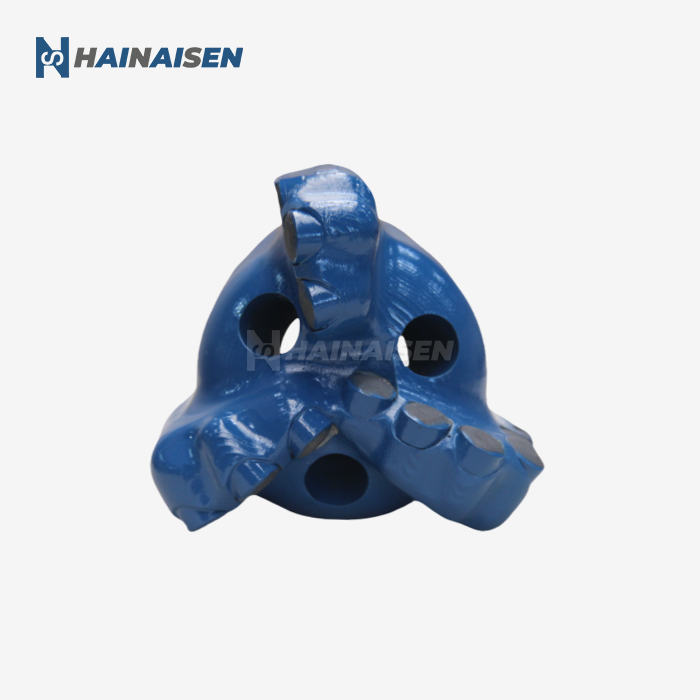 VIEW MORE113mm Three Wings PDC Arc Angle Drill Bit
 VIEW MOREPDC Mining Bit
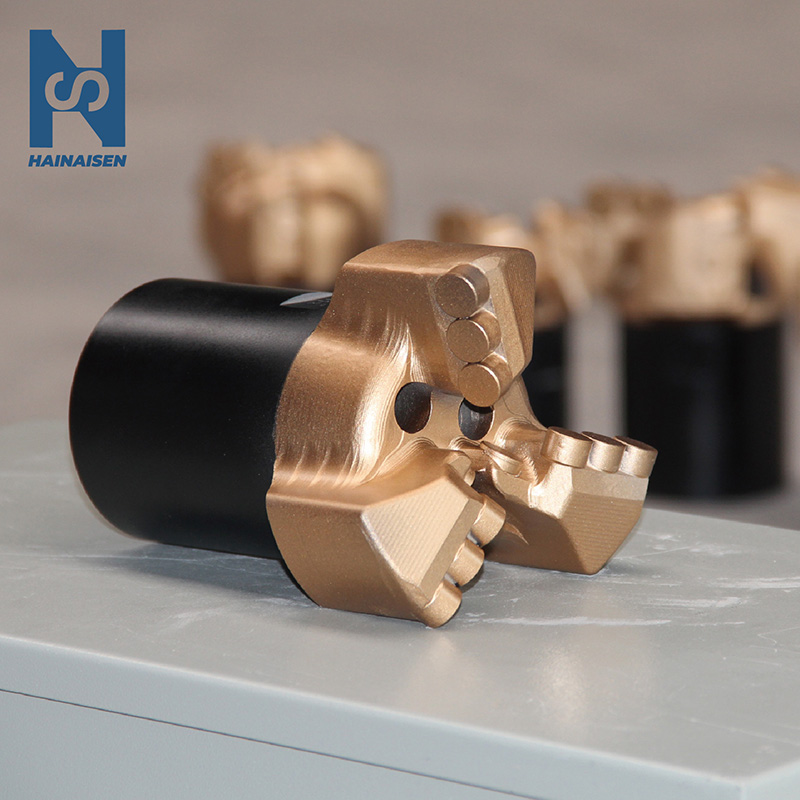 VIEW MORESteel Body PDC Drill Bit
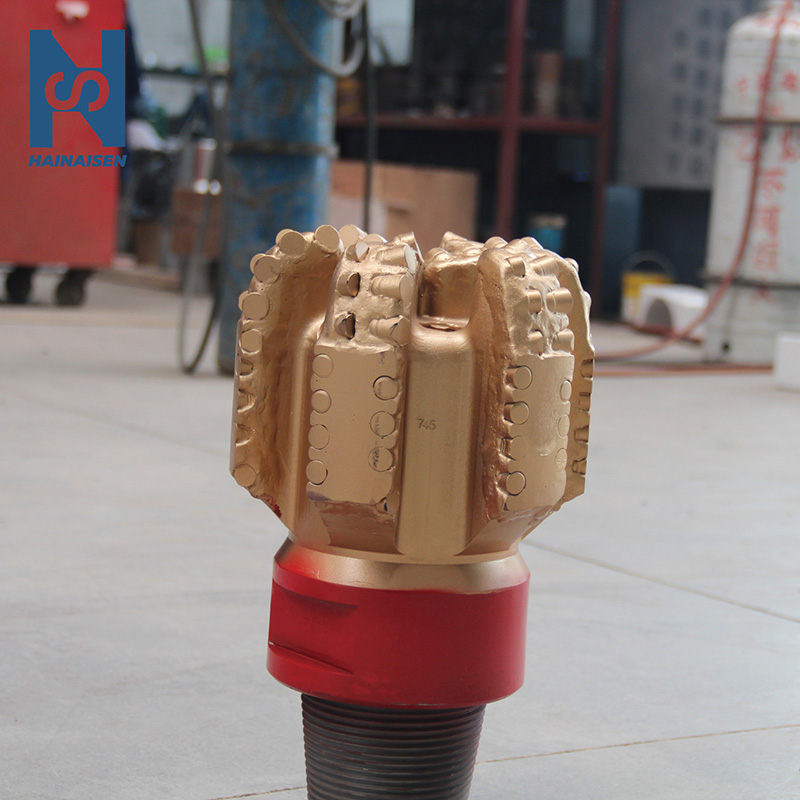 VIEW MOREDiamond Drill Bit Oil Rig
