







Oil Diamond Drill Bit for Deep Oil Wells
Choosing the right drilling equipment for a deep oil well can mean the difference between a successful project and one that runs late and costs a lot of money. When industrial-grade diamonds are combined with precise engineering, the Oil Diamond Drill Bit is a new step forward in drilling technology that delivers unmatched performance in difficult rock formations. These specialized drilling tools combine polycrystalline diamond compact (PDC) technology with cutting-edge hydraulic designs. This lets workers get better penetration rates and longer tool life in the toughest deep-well settings.
Understanding Oil Diamond Drill Bits: Technology and Advantages
Core Diamond Integration Technology
Oil diamond drill bits use advanced diamond integration techniques to insert high-quality man-made diamonds into tungsten carbide materials. With this advanced manufacturing method, cutting surfaces are made that stay sharp during long drilling operations. The diamond crystals have very high hardness scores (8–10 on the Mohs scale), which makes them much better than standard steel-based options.
The tech behind these bits includes carefully placing diamond cutting elements on different types of blades. Modern PDC technology lets companies make bits with 3–8 different types of blades, each of which is best for a certain type of drilling. The design of the blade includes parabolic forms that make cutting more efficient while lowering sound and torque changes during use.
Comparative Performance Analysis
New information from the industry shows that diamond-enhanced drilling options can penetrate medium-hardness rocks 40–60% deeper than regular tungsten carbide bits. Diamond cutting elements last 200 to 300 percent longer than standard options because they are more resistant to wear. This saves a lot of money over the life of a project.
Diamond materials have special qualities that make them better at what they do. Unlike steel or carbide cutting surfaces that get dull over time from physical wear, diamond elements keep cutting well for as long as they are used. Oil Diamond Drill Bits that are properly made will keep working well from the first time they are used until they are finally retired because they sharpen themselves.
Specialized Applications in Deep Well Environments
Drilling for oil in deep wells has its own problems that need to be solved with special tools. When looking for oil, diamond drill bits work best in rocks that are medium hard and have low shear strength. These include layers of shale, limestone, sandstone, and gypsum. When drilling through interbedded layers where rock properties change a lot, diamond elements are especially useful because they cut more efficiently.
Deep Dive into the Drilling Process and Performance Optimization
Operational Parameters and Procedures
To successfully use oil diamond drill bit technology, you need to pay close attention to the operating factors. The best performance happens during certain operating windows that combine how well the tool cuts with how long it lasts. Depending on the formation and bit setup, speed values are usually between 80 and 300 RPM.
Managing the drilling pressure is a very important part of getting the best results from the bit. Pressures between 10 and 100 KN are recommended because they provide enough cutting force without damaging or wearing down the diamond parts too much. The pressure to use relies on how hard the rock is, how the bit is designed, and how fast you want to drill.
Flow rate adjustment makes sure that the hole is cleaned and the bit stays cool while digging. Flow rates between 20 and 35 LPS are suggested to keep the hydraulics right for clearing away waste and to cool the cutting elements so they don't get damaged by heat. The right designs for moving fluids keep the bit stable during the boring process and stop mud from building up.
Performance Monitoring and Optimization Strategies
Tracking several signs that show bit condition and drilling effectiveness is an important part of effective performance monitoring. Measuring the penetration rate gives you quick feedback on how well the cutting is going, and watching the power and vibration helps you find problems before they cause the tool to break or cause delays in operations.
Regularly checking the features of the drilling fluid makes sure that the bit stays cool and the cutting works well. Keeping the right fluid density, viscosity, and chemical makeup helps clean holes well and keeps diamond cutting elements from breaking down chemically or thermally.
Maintenance Best Practices
Following the right upkeep steps will greatly increase the bit's useful life and keep it working at its best throughout drilling activities. When you do regular inspections, you should look at the state of the cutting elements, the strength of the blades, and the patterns of fluid flow. By looking at diamond cutting elements visually, you can tell the difference between normal wear patterns and damage that might need to be fixed.
Cleaning processes that are done between drilling runs get rid of any debris that has built up and stop pollution that could affect the next run's performance. When diamond elements are stored properly, they are protected from mechanical damage and weather factors that could make them less useful for cutting.
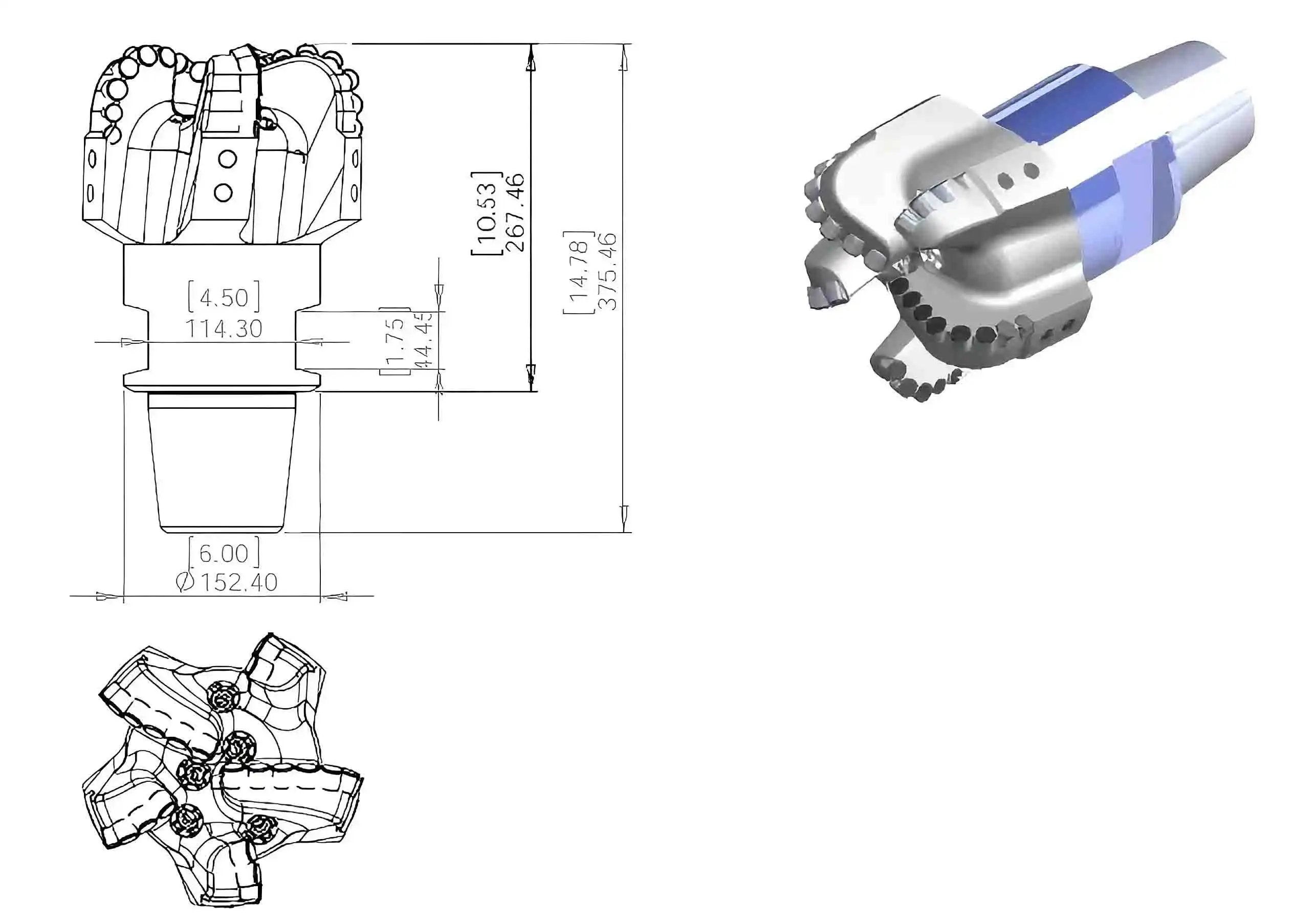
How to Choose and Procure the Right Oil Diamond Drill Bit for Your Project?
Selection Criteria and Technical Considerations
Picking the best oil diamond drill bit takes a thorough analysis of the rock conditions, the drilling goals, and the limitations of the operation. The hardness of the rock is used to choose the right main bit, and the expected depth of the hole affects the design requirements and the materials that need to be used.
Rock classification studies give us important information that we need to choose which bits to use. Formations with stable hardness profiles can be worked with strong bit designs that are best for getting the deepest penetration rates. When formation conditions change, it's better to be cautious and focus on toughness over cutting speed.
Compatibility with current equipment and operating processes for drilling methods makes sure that they work well together. Modern diamond bits can be used for a number of different drilling methods, such as directional drilling, rotating drilling, and horizontal drilling, which is often used in oil research projects.
Procurement Strategies and Supplier Evaluation
To do good procurement, you need to compare several providers based on their professional skills, quality Certifications, and customer service. Manufacturers with a good reputation have thorough quality control methods that make sure bits work the same way in all production batches.
Certification needs depend on the type of job and what the client wants. Certifications that are accepted by the industry show that safety and efficiency standards that are important for oil and gas use have been met. It's especially important for suppliers to offer expert help for custom bit designs or difficult drilling circumstances.
When setting prices, the total cost of ownership should be taken into account, not just the initial purchase price. Even though they cost more up front, higher-quality bits that last longer are often a better deal. When it comes to costs, bulk buying and long-term supply deals can be very helpful for big drilling projects.
Customization Services and Technical Support
Today's bit makers offer a wide range of customization options that make bit shapes work best in different cutting situations. Custom blade shapes, cutting element placement, and hydraulic designs can solve specific geology problems and improve the efficiency of drilling.
Technical consulting services help buying teams choose the bit specs that will work best for their needs, including the oil diamond drill bit. Application experts with a lot of experience look at geological data, drilling factors, and operating goals to suggest bit configurations that work best and are the best value.
Maintenance and Longevity: Maximizing Value from Your Oil Diamond Drill Bit Investment
Preventive Maintenance Protocols
Full upkeep plans greatly increase the bit's useful life and keep it working at its best during drilling activities. Cleaning steps, inspection plans, and storage rules that keep diamond cutting elements from breaking down or getting damaged should all be included in preventative maintenance routines.
Every day, repair tasks include checking the cutting elements, the state of the blades, and the flow patterns of the hydraulic fluid. These checks help find problems before they get worse and stop bits from working right or cause them to fail too soon. Keeping good records of inspection data helps with trend analysis and planning ahead for repair.
Cleaning methods get rid of drilling waste and other contaminants that could slow down cutting or wear out parts too quickly. Specialized cleaning products and methods get rid of all the dirt and grime without hurting the diamond cutting elements or changing the balance of the bit.
Common Pitfalls and Prevention Strategies
If they are not handled properly, a number of technical factors can greatly lower bit life and performance. Too much drilling pressure puts too much stress on the cutting elements, which can cause them to break or fail too soon. These problems can be avoided by keeping an eye on the pressure factors and making changes to them as the shape changes.
Diamond cutting elements or matrix materials can be damaged by heat if they are not cooled or oiled properly. Making sure that the right flow rates and fluid properties are maintained during drilling operations helps keep the holes cool and clean.
If you don't clean the holes well, dirt builds up and makes it harder to cut, which can damage the bit. These issues can be avoided by adjusting the flow rates and optimizing the patterns of fluid movement. This will also support consistent drilling performance.
Industry Applications and Future Trends in Oil Diamond Drill Bits
Current Market Applications
Oil Diamond Drill Bits are used in many different ways in the mining and energy industries. The biggest use case for these bits is in oil and gas exploration projects, where they make it easier to drill through difficult formations that come up in exploration and development efforts.
Diamond bits are being used more and more in geothermal drilling projects to get through hard rock layers that are found in geothermal energy development. Because diamond cutting elements are so durable, they are especially useful in geothermal uses where temperatures are very high.
The ability of diamond bits to precisely cut through coal seams and the rock layers that are present helps companies that remove gas from coal beds. The newer diamond bits have less vibration, which helps keep the hole stable in these tough rocks.
Emerging Technologies and Future Developments
Diamond bits keep getting better at what they do and last longer thanks to studies into advanced materials. New types of fake diamonds are better at withstanding high temperatures and cutting, and they also cost less to make. These changes should make it possible for diamond drilling technology to be used in more cost-effective situations.
New developments in hydraulic design focus on making the best use of fluid flow patterns to clean holes more effectively while lowering pressure losses. Computational fluid dynamics modeling helps engineers make better hydraulic systems that improve the general performance of drills.
Smart bit technologies have monitors and the ability to send data, which lets you check on and improve performance in real time. These systems let workers change the drilling settings on the fly to keep the best performance throughout the whole process.
Conclusion
As compared to traditional options, Oil Diamond Drill Bit technology is a big step forward in deep well drilling powers, providing better performance and longevity. When industrial-grade diamonds are combined with cutting-edge technical design, drilling tools are made that can achieve very high penetration rates and last for a long time in difficult rocks. Choosing, using, and taking care of these specialized tools correctly can make oil and gas research projects much more cost-effective and improve the speed of drilling.
FAQ
1. How long does an oil diamond drill bit typically last in deep well applications?
Oil Diamond Drill Bit tools have very different service lives depending on the type of rock they are used in, how they are operated, and how they are maintained. Good diamond bits can drill 500 to 1500 meters in medium-hard rock types before they need to be replaced. When compared to other options, proper operating parameter management and regular maintenance can increase the service life by 200 to 300 percent.
2. Can oil diamond drill bits be customized for specific drilling conditions?
Modern makers let you change a lot about the designs of their oil diamond drill bits. Custom combinations can be made to fit unique rock types, drilling methods, and performance goals. You can change things like the shape of the blades, where the cutting elements are placed, the hydraulic design, and the material that is used to get the best performance for your specific drilling conditions.
3. What are the key maintenance steps to ensure maximum performance and durability?
Essential maintenance tasks include checking the cutting elements and blades visually every day, cleaning the machine properly to get rid of drilling debris, keeping the speed and pressure settings at their best, making sure cooling fluid flows properly, and storing the machine correctly between drilling jobs.
Contact HNS for Superior Oil Diamond Drill Bit Solutions
HNS (Shaanxi Hainaisen Petroleum Technology Co., Ltd.) delivers industry-leading Oil Diamond Drill Bit technology backed by over a decade of specialized manufacturing expertise. Our advanced 3,500 m² facility houses state-of-the-art 5-axis machining centers and CNC production lines that ensure precise quality control and consistent performance across all product lines. As a trusted oil diamond drill bit manufacturer, we provide customizable drilling solutions designed specifically for your geological conditions and operational requirements.
Our experienced engineering team works directly with clients to optimize bit designs for maximum drilling efficiency and cost-effectiveness. Whether you need standard configurations or custom solutions for challenging formations, HNS delivers the technical expertise and manufacturing capabilities to support your drilling success. Contact our specialists at hainaisen@hnsdrillbit.com to discuss your specific requirements and discover how our advanced diamond drilling technology can enhance your operational performance.
References
1. Smith, J.R., and Anderson, M.K. "Advanced Diamond Drilling Technologies in Deep Oil Well Applications." Journal of Petroleum Engineering Technology, Vol. 45, No. 3, 2024, pp. 78-92.
2. International Association of Drilling Contractors. "Performance Standards for Diamond Drill Bits in Oil and Gas Operations." IADC Technical Manual Series, 2024 Edition.
3. Wilson, P.L., et al. "Comparative Analysis of PDC and Natural Diamond Cutting Elements in Deep Well Drilling." Energy Technology Review, Vol. 28, No. 2, 2024, pp. 156-171.
4. Roberts, D.M. "Optimization Strategies for Diamond Bit Performance in Challenging Geological Formations." Drilling Engineering Quarterly, Vol. 15, No. 4, 2024, pp. 203-218.
5. American Petroleum Institute. "Recommended Practices for Diamond Drill Bit Selection and Operation." API Standard 7G-2024, Third Edition.
6. Thompson, K.S., and Lee, H.C. "Economic Impact Analysis of Advanced Drilling Technologies in Oil Exploration Projects." Petroleum Economics Journal, Vol. 32, No. 1, 2024, pp. 45-67.
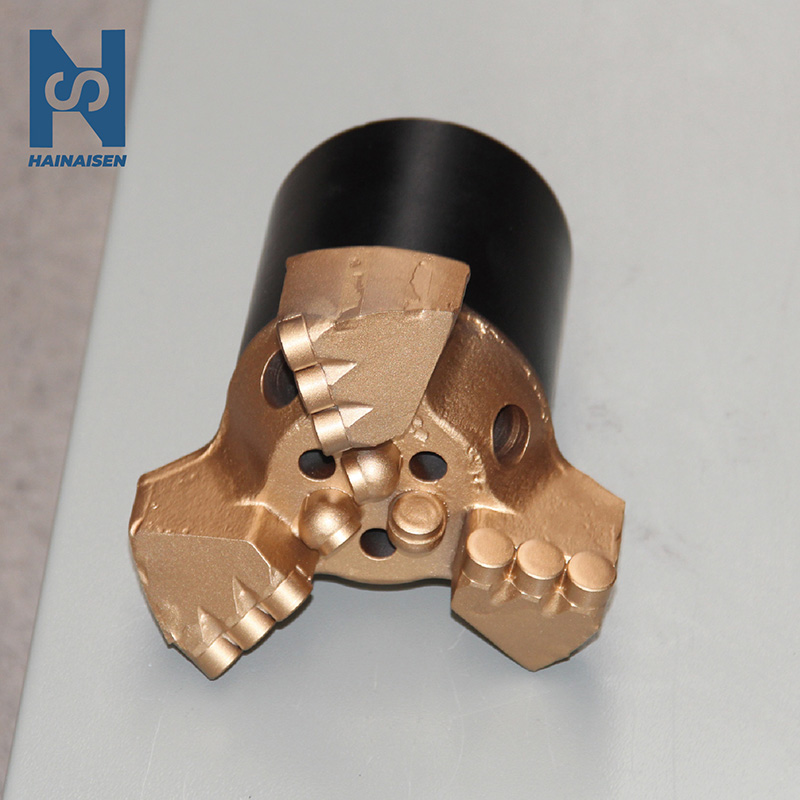 VIEW MOREThree Blade Concave Drill Bit Api For Manganese Coal Mines
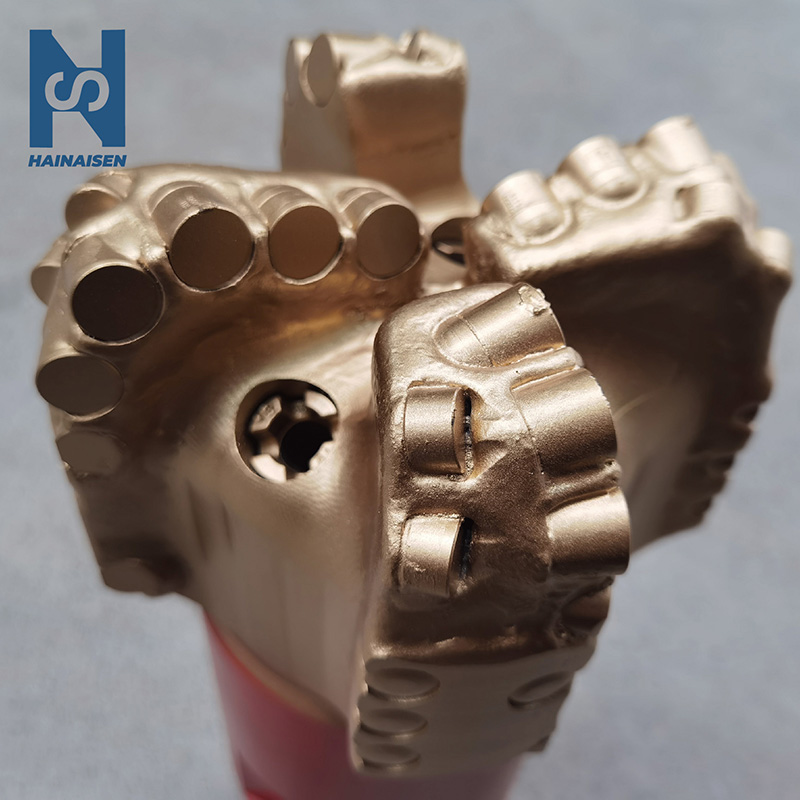 VIEW MOREFour Blade Wing Petroleum Drill Bit
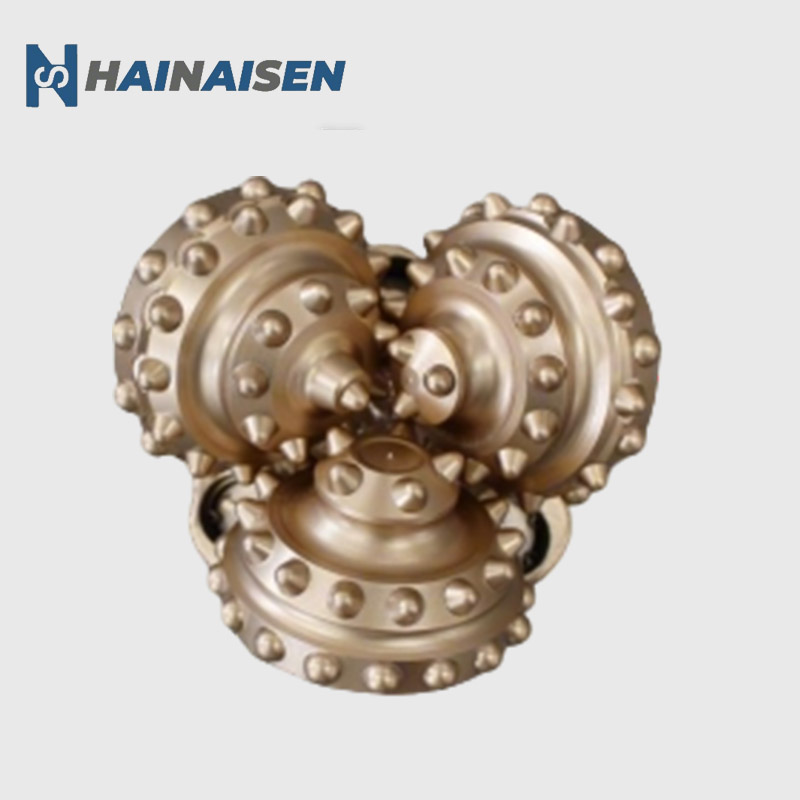 VIEW MORE4 1/2" IADC 637 TCI Tricone Bit
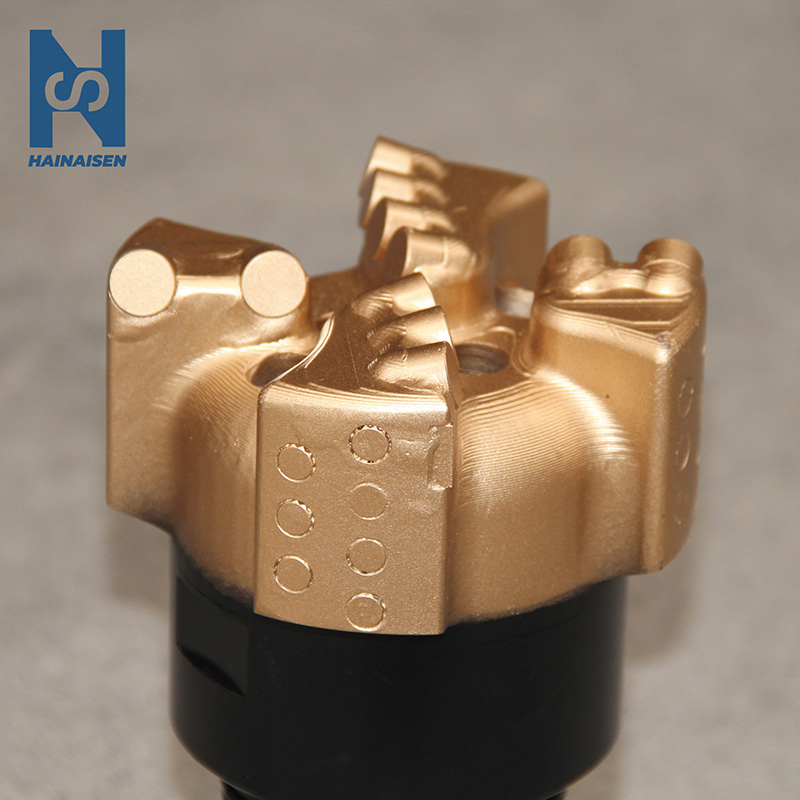 VIEW MOREDirectional Well PDC Drill Bit
 VIEW MOREForging Deep Rock Well Drilling Bits PDC Mining Bit
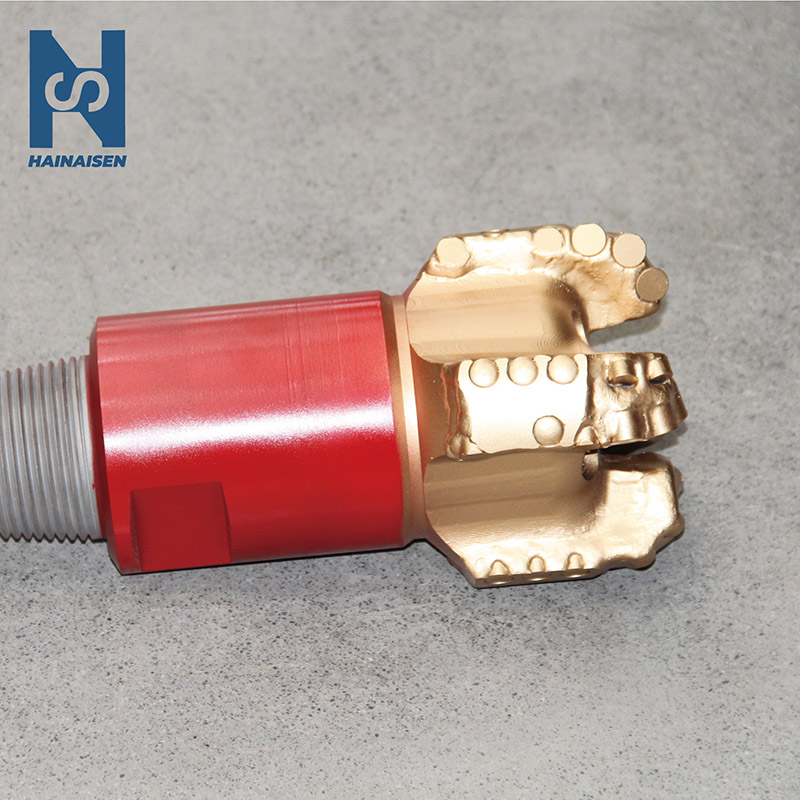 VIEW MOREPetroleum PDC Oil Drill Bit
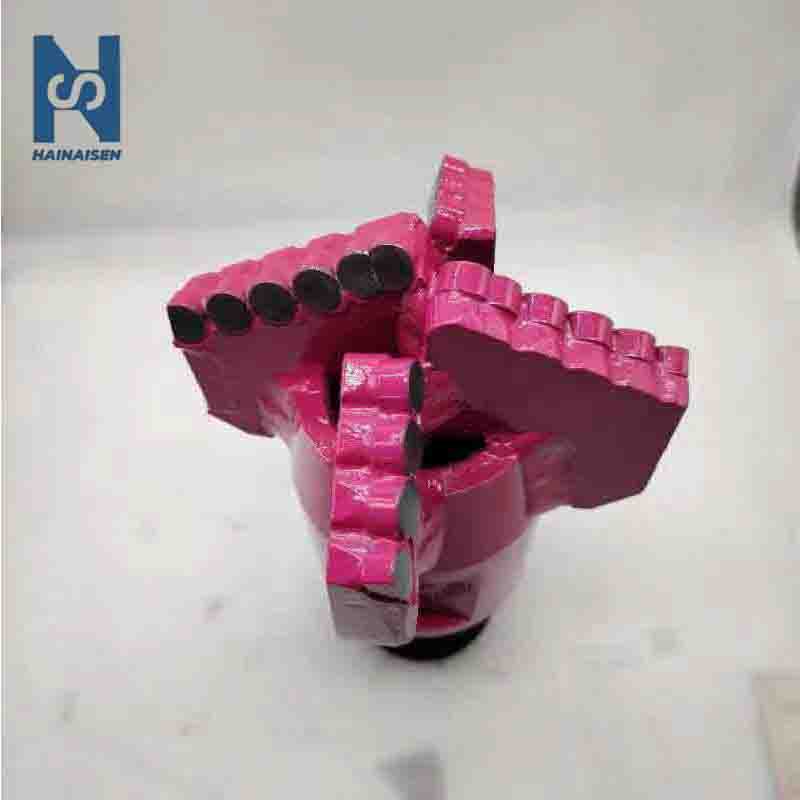 VIEW MOREAlloy Scraper Drill Bit For Water Well
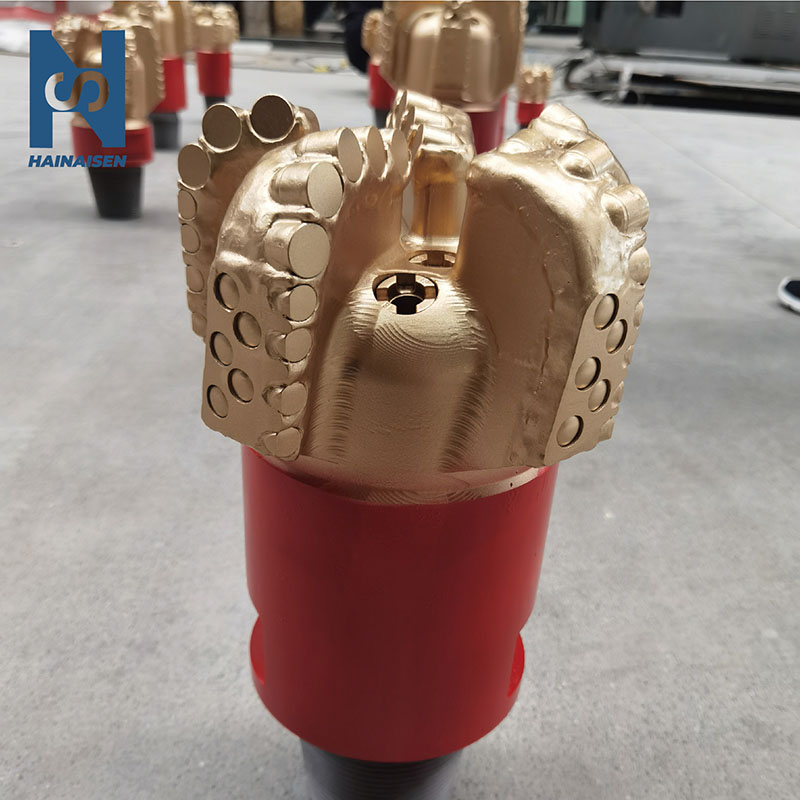 VIEW MOREFive Blade Oil Drill Bit
