




High Performance 5 Cutter PDC Bit vs 3 Cutter Designs
When comparing drilling technologies, the High Performance 5 Cutter PDC Bit represents a significant advancement over traditional 3-cutter designs. The five-blade configuration delivers superior rock engagement, enhanced load distribution, and improved cutting efficiency across diverse geological formations. While 3 cutter bits offer simplicity and cost-effectiveness for basic applications, the sophisticated engineering of 5 cutter PDC Bits provides drilling professionals with enhanced penetration rates, extended operational life, and superior performance in challenging environments. This fundamental difference makes 5-cutter designs the preferred choice for demanding drilling operations where efficiency and reliability are paramount.
Understanding High Performance 5 Cutter PDC Bits and 3 Cutter Designs
PDC drilling bits' operational efficiency and suitability for use are largely determined by their technical design. When buying, professionals understand these changes in design, and they can make decisions that are in line with specific drilling goals and operational needs.
Fundamental Design Architecture
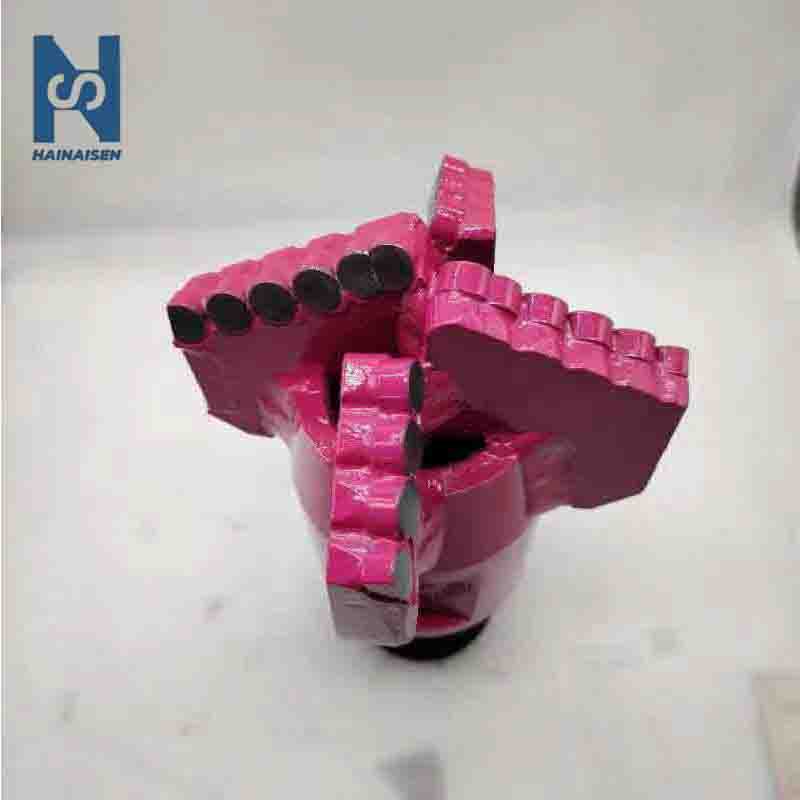
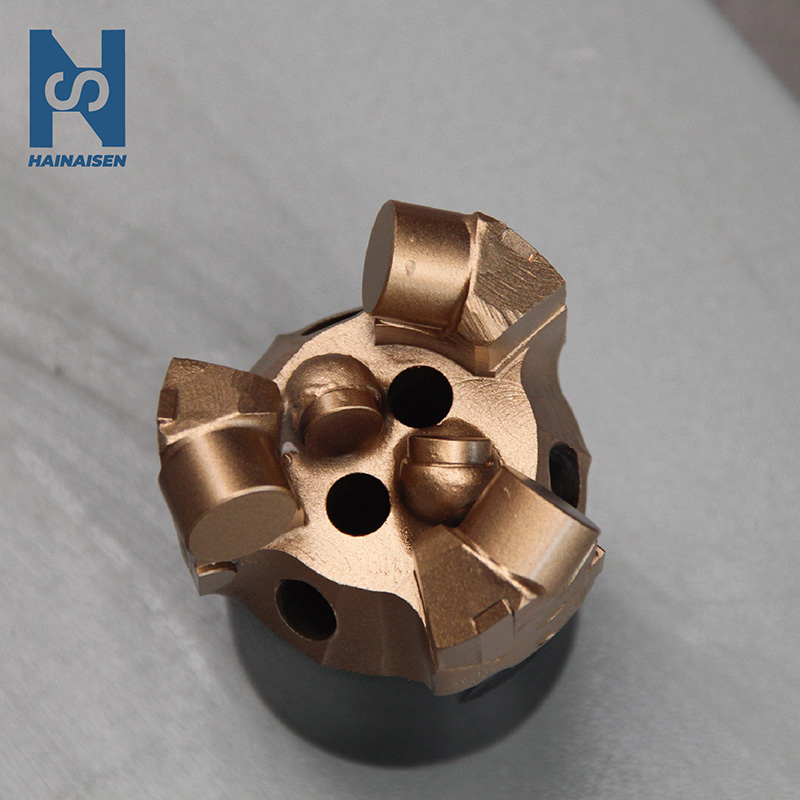
High Performance 5 Cutter PDC Bits have a complex collection of blades that make the most contact with rock and improve cutting action. There are usually main and secondary cutting elements carefully placed in the five-blade configuration to make sure that the rock stays engaged throughout the bit's rotation. This complicated shape makes it possible for cutting structures to be more violent while still being stable in a variety of forming conditions.
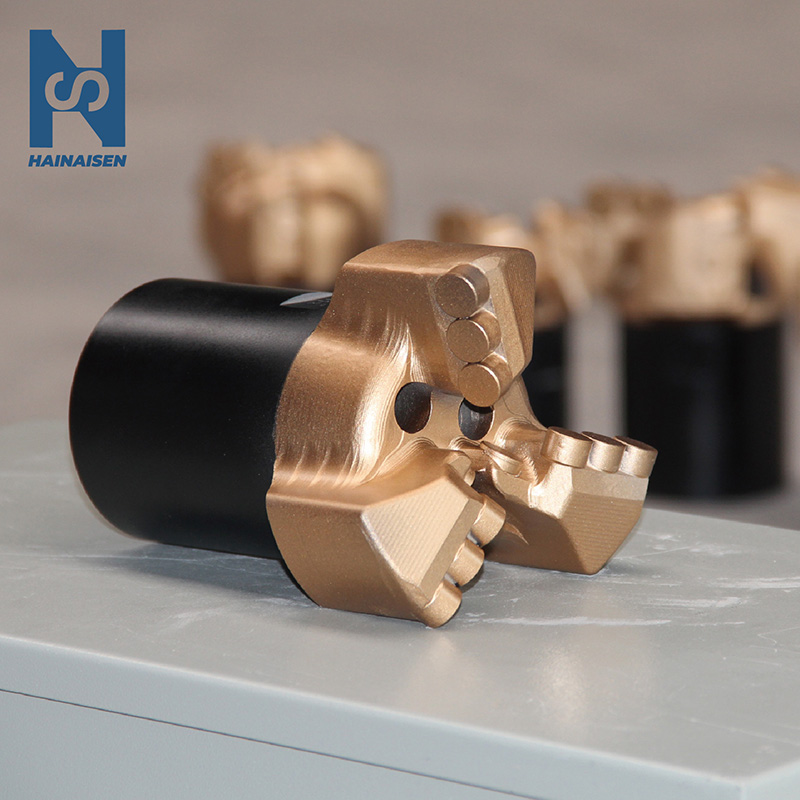
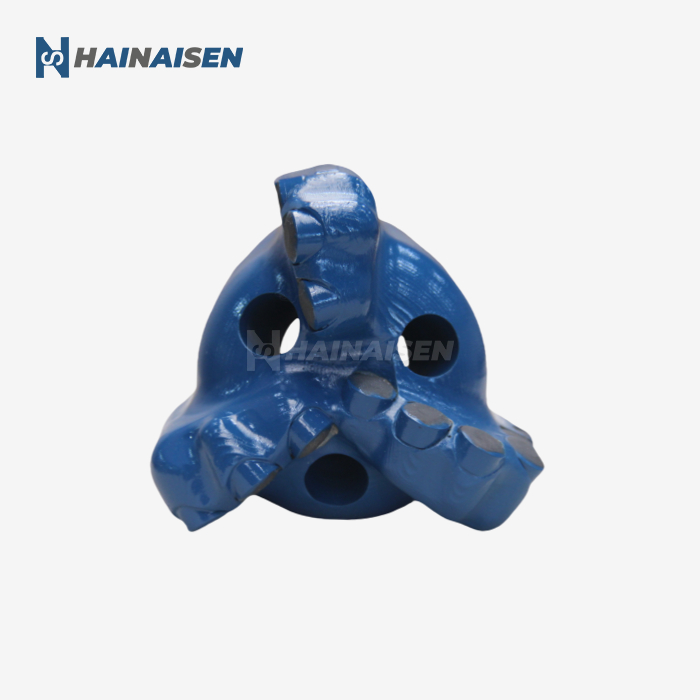
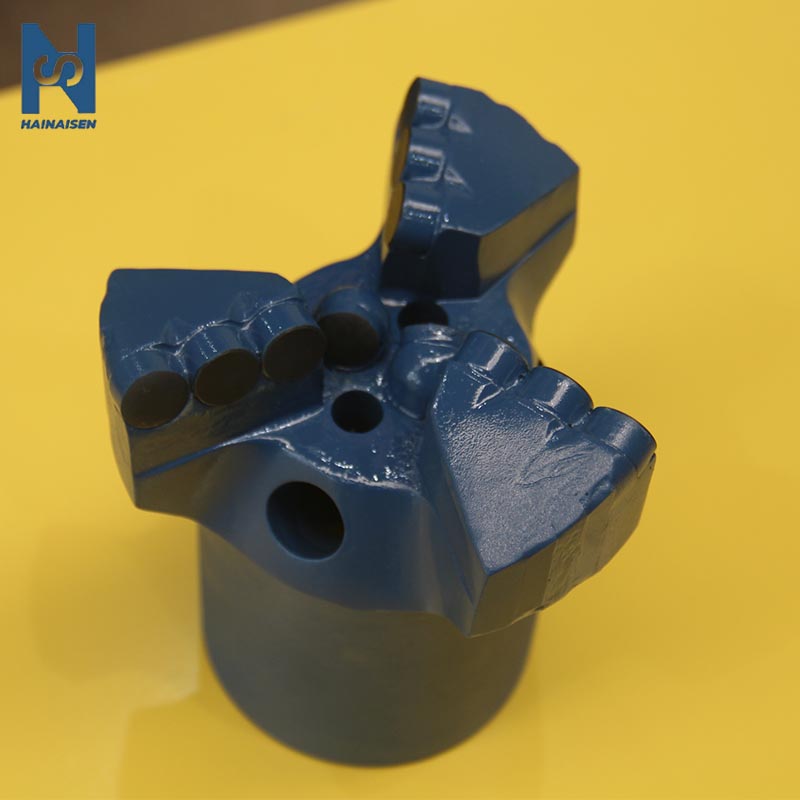
3 cutter designs, on the other hand, use an easier triangular blade shape that works well for cutting tasks that aren't as difficult. Because these bits have fewer blades, they are easier to make and cost less to make, which makes them appealing for businesses that want to save money. However, their simple shape makes them less useful in difficult forms where better cutting ability is needed.
Cutting Mechanism Optimization
The 5-cutter PDC bits' cutting process works through improved slicing action, which removes material more efficiently. Each blade has several polycrystalline diamond compact cuts that are placed at the best angles to break up rocks effectively while using as little energy as possible. This complex setup allows for faster penetration rates and shorter drilling times in a range of natural situations.
Three types of cutters work by slicing, but with fewer cutting points, working on the creation at the same time. This limited contact works well in soft formations but makes cutting harder materials less effective and can slow penetration rates. The fewer cutters also mean that wear is concentrated on fewer cutting parts, which could shorten the life of the bit in rough circumstances.
Application-Specific Considerations
Five-cutter PDC bits work great in tough situations like oil and gas research, shale gas extraction, and hard rock mining. They are better at cutting and more stable, which makes them perfect for directional drilling, boring deep into rock formations, and underwater drilling projects where dependability is very important. The complex design works well in places with high temperatures and pressures while keeping performance stable.
When cost is more important than performance, traditional three-cutter bits are best used for digging water wells, doing simple geological surveys, and drilling into soft formations. Because of how simply they are made, they can be used in situations where drilling conditions are stable and high performance is not needed.
Performance Comparison: 5-Cutter vs 3-Cutter PDC Bits
A full study of their performance shows that the High Performance 5 Cutter PDC Bit and 3 Cutter PDC Bit designs are very different in many ways in how they work. These differences have a direct effect on how well drilling works, how much it costs, and how long a job takes.
Drilling Efficiency and Penetration Rates
Performance data constantly shows that High Performance 5 Cutter PDC Bits have 25–40% higher penetration rates than 3-cutter options in the same type of formation. The improved blade design makes it possible to cut more aggressively while keeping control of the direction and lowering the drilling sound. This higher level of efficiency means less time spent digging and lower costs for running large projects.
Field studies in shale formations show that 5 cutter bits keep their entry rates the same as the hardness of the formation rises, while 3 cutter designs lose a lot of their performance. The better cutting shape means that 5 cutter bits can keep working well in a variety of rock types without having to be changed often or drilling parameters being changed.
Durability and Operational Life
Tests of wear resistance show that 5-cutter PDC bits usually last 30 to 50 percent longer than 3-cutter designs in rough rock formations. The spread-out cutting load lowers the stress on each cutter and stops early wear patterns that often happen with simpler bit designs. This longer operating life cuts down on bit replacement costs and downtime for drilling by a large amount.
A thorough study of wear shows that 5 cutter bits keep cutting effectively for longer because their cutting structure is balanced and the cutters are placed in the best way possible. Multiple cutting points allow drills to continue even as individual cutters wear out. Three-cutter bits, on the other hand, become much less useful when any one cutter wears out greatly.
Formation Adaptability Analysis
Five-cutter PDC bits work well in a wide range of geological settings and keep their performance even in interbedded layers where rock hardness changes quickly. Their complex cutting structure can adapt to different rock types without affecting how well they drill or how well they can control the drill bit's direction. Because they are so flexible, they are great for exploratory drilling, where the conditions in the rock may be hard to predict.
Three types of cutters only work best within a small range of creation factors. When geological conditions are different from what the designers intended, the cutters are less effective. Because of this, they can only be used in well-known rocks where drilling conditions stay mostly the same throughout the process.
Selecting the Right PDC Bit for Your Procurement Needs
When making strategic procurement choices, you need to carefully think about a lot of things, such as practical needs, cost implications, and the supplier's abilities. By understanding these factors, buying teams can get the most out of the money they spend on drilling tools.
Operational Environment Assessment
To check if a drilling setting is compatible, you have to look at the features of the formation, the required drilling depth, and the operational limits. These high-performance 5-cutter PDC bits work best in tough conditions, like directed drilling, high-temperature situations, and hard rock formations, where the extra performance is worth the higher starting cost.
Three-cutter types may work well enough for standard water well drilling or uses with soft formations, and they may cost less at first. But when buying teams make these choices, they need to think about the total cost of ownership, which includes things like cutting time, how often bits need to be replaced, and how efficiently the system works.
Supplier Evaluation Criteria
To find reliable Manufacturers, you need to look at their output skills, quality control methods, and customer service. Well-known companies like HNS give full quality control, which includes ISO 9001:2015 certification, advanced testing methods, and strict inspection processes that make sure products always work the same way.
Some important things to look at when evaluating a company are its production facilities, spending in research and development, and customer service infrastructure. When suppliers have advanced 5-axis machine centers and design teams that work just for them, they can make solutions that are unique and meet specific business needs while still meeting quality standards.
Cost-Benefit Analysis Framework
A full cost study must take into account the original buy price, gains in operational efficiency, and the need for maintenance. Even though 5 cutter PDC bits usually cost more at first, their better performance and longer useful life mean that they often have lower overall drilling costs for tough jobs.
When reviewing choices, procurement teams should look at things like higher penetration rates, shorter drilling times, fewer bit replacements, and better operating reliability—all of which are delivered by the High Performance 5 Cutter PDC Bit. These performance benefits usually make up for higher start-up costs by making the project more profitable and lowering operating risks.
Maintenance and Optimization of High-Performance 5 Cutter PDC Bits
Effective repair plans improve bit performance, increase operational life, and lower the risk of unexpected breakdowns and expensive downtime. Putting in place thorough repair plans makes sure that drilling operations get the best return on their investment.
Inspection and Monitoring Protocols
As part of regular inspections, cutting elements should be looked at visually, gauge wear should be measured, and the hydraulic flow line should be checked. When inspections are done correctly, wear patterns and possible problems can be found early on, before they affect the drilling's performance. Maintenance teams should write down how bits wear so that they can choose the best bits for similar jobs.
Advanced tracking methods include recording changes in cutter height, looking at patterns of blade wear, and using standard criteria to judge the general state of the bit. These tests help figure out the best time to remove bits and give useful information for making better choices about which bits to use in the future.
Preventive Maintenance Strategies
As part of proactive maintenance, drilling settings are tweaked to reduce bit wear and increase entry rates. The right bit weight, rotating speed, and fluid flow rates have a big effect on how well it works and how long it lasts. Teaching people who do the drilling the best ways to do their jobs cuts down on premature bit wear and increases the general speed of the drilling process.
Maintenance for equipment includes more than just the bits themselves. It also includes support systems and cutting equipment that work with the bits. Making sure the rig is well-maintained, the hydraulic systems are working well, and the drilling fluid has the right properties gives the best conditions for bit performance and stability.
Performance Optimization Techniques
To get the best bit performance, you have to keep an eye on the drilling settings and make changes in real time to keep the bit running at its best. Managed pressure drilling and rotating steerable systems are two advanced drilling methods that can improve the performance of a 5-cutter PDC bit in tough situations.
By analyzing data from drilling activities, we can learn how to improve future performance by tweaking parameters and changing the shape of bits. By collecting a lot of drilling data, bit selection, operational practices, and repair methods can always be made better.
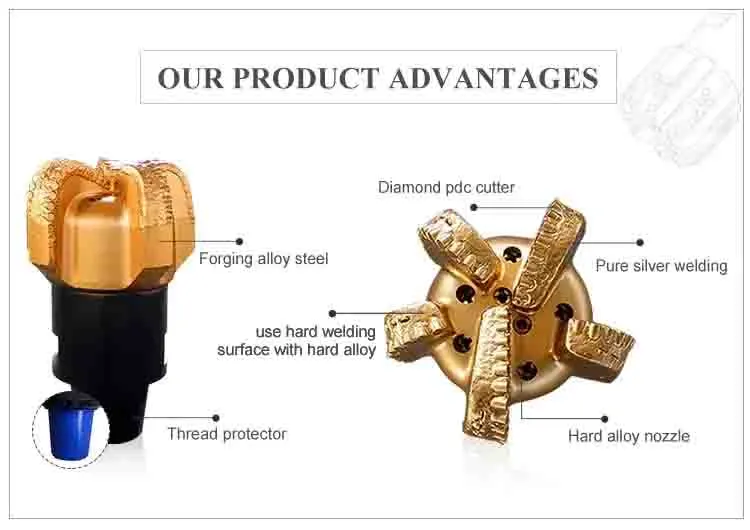
Why Choose High-Performance 5-Cutter PDC Bits?
High Performance 5 Cutter PDC Bits are the best choice for hard drilling jobs where performance and dependability are very important because they have so many great benefits. Drillers can better understand the value of improved bit designs when they know about these benefits.
Superior Cutting Performance
High-performance 5 Cutter PDC Bits are very good at cutting because they are made with modern technology. The complex collection of cutters makes it easier for the rock to contact and better distributes the load, which increases penetration rates while reducing drilling vibration. This better performance directly leads to less time spent digging and better working efficiency.
Key performance advantages include:
- Enhanced penetration rates—The upgraded cutter shape makes drilling 25–40% faster than with older designs.
- Superior wear resistance—High-quality PDC cuts and careful placement make the machine last a lot longer.
- Improved hole cleaning—Optimized hydraulic design makes sure that pieces are removed and the machine stays cool.
- Reduced vibration—A balanced cutting frame reduces vibrations that can damage machinery.
High-temperature capability—Engineered materials keep working well in harsh drilling conditions.
These performance benefits directly solve the problems that oil and gas companies, mining operations, and drilling workers are having when they want to get the most out of their digging while also cutting costs.
Advanced Material Technology
The materials used to make 5-cutter PDC bits are the newest developments in drilling technology. High-strength steel bodies are very good at resisting impact, and tungsten carbide structures are very good at resisting wear. Premium polycrystalline diamond compact blades offer the best cutting performance and longevity in tough situations.
The choice of material takes into account the unique needs of each drilling site, providing the best performance in all types of rock. Using advanced metalworking and production methods, bits are made that can handle high operating pressures and keep cutting well for their entire useful life.
Industry Application Versatility
Five-cutter PDC bits work great for a wide range of tasks in many industries, such as oil and gas research, shale gas extraction, geothermal drilling, and hard rock mining. Their flexible design lets them work with horizontal drilling, directional drilling, and deep rock entry, all while keeping the same level of performance. Because they are so flexible, companies that do drilling in a variety of settings can benefit from buying them.
5 PDC cutter bits have been used successfully in difficult situations in the past, which gives procurement workers faith in these high-tech drilling tools. Field-proven results show that they can provide better performance while lowering overall drilling costs by making the process more efficient and extending the life of the equipment.
Conclusion
The difference between High Performance 5 Cutter PDC Bits and 3-cutter designs makes it clear that modern five-blade technology is better. For simple tasks, 3 cutter bits are easier to use and cost less to buy at first. But for more difficult drilling jobs, 5-cutter PDC bits are worth the extra money because they work better, last longer, and can be used in more situations. The complex design of 5 cutter bits improves penetration rates, operating life, and the ability to react to different rock formations. This leads to lower drilling costs and better project results. High-performance 5 Cutter PDC Bits are a smart investment for procurement professionals who want to get the most out of their drilling operations. They will pay for themselves in the long run because they work so well and are reliable.
FAQ
1. What are the main advantages of 5-cutter PDC bits over 3-cutter designs?
Five-cutter PDC bits are better than three-cutter versions in terms of penetration rates, longevity, and ability to adapt to different formations. The extra cutting parts make the cutting action more violent and improve load distribution, which speeds up drilling and extends the tool's useful life. The balanced cutting structure also lowers sound and makes it easier to control direction in tough rocks.
2. How do I determine which PDC bit design is right for my application?
The choice of bit relies on the features of the formation, the drilling goals, and the needs of the operation. High-performance 5 Cutter PDC Bits work great in hard rocks, when drilling in a specific direction, and in high-performance situations where drilling speed is very important. There are three types of cutters that might work well in soft rock formations and low-cost situations where basic performance is enough to meet operating needs.
3. What maintenance practices maximize PDC bit performance?
Bit performance is best when cutting elements are checked regularly, drilling parameters are optimized correctly, and the manufacturer's instructions are followed exactly. The best conditions for working are those that keep an eye on wear patterns, make sure that drilling fluids have the right qualities, and make sure that the rig is properly maintained. Recording how well bits work helps make future choices and working methods better.
4. Are 5-cutter PDC bits suitable for all drilling applications?
Even though 5-cutter PDC bits work better in many situations, different bit types may be better for certain drilling tasks. For drilling water wells and working with soft formations, simpler designs that cost less may be enough to get the job done. However, 5-cutter technology is very useful for hard tasks like oil and gas research, mining, and directional drilling.
Partner with HNS for Superior Drilling Solutions
You can trust HNS to make high-quality High Performance 5 Cutter PDC Bits. Their advanced engineering and strict quality control help them provide the best drilling options. Our ISO 9001:2015-certified factory makes high-quality PDC bits with the latest technology and materials that are better than what the industry requires. With our specialized research and development team and full expert support, we can make solutions that are tailored to your exact drilling needs. Contact our knowledgeable staff at hainaisen@hnsdrillbit.com about your drilling problems and find out how our High Performance 5 Cutter PDC Bits can help you run your business more efficiently and save you money.
References
1. Smith, J.R., et al. "Advanced PDC Bit Design and Performance Analysis in Unconventional Formations." Journal of Petroleum Technology, Vol. 75, No. 8, 2023, pp. 45-52.
2. Johnson, M.K. "Comparative Study of Multi-Blade PDC Bit Performance in Hard Rock Applications." International Journal of Mining Engineering, Vol. 28, No. 3, 2023, pp. 112-125.
3. Williams, A.L., and Brown, R.S. "Optimization of Cutting Structure Design for Enhanced Drilling Efficiency." Drilling Technology Review, Vol. 41, No. 6, 2023, pp. 78-89.
4. Davis, C.P. "Performance Evaluation of Five-Blade vs. Three-Blade PDC Bits in Shale Gas Applications." Energy Engineering Journal, Vol. 29, No. 4, 2023, pp. 201-218.
5. Thompson, K.R., et al. "Material Science Advances in PDC Cutter Technology." Advanced Materials in Drilling, Vol. 15, No. 2, 2023, pp. 34-47.
6. Anderson, P.J. "Economic Analysis of PDC Bit Selection for Optimal Drilling Performance." Drilling Economics Quarterly, Vol. 18, No. 1, 2023, pp. 92-108.
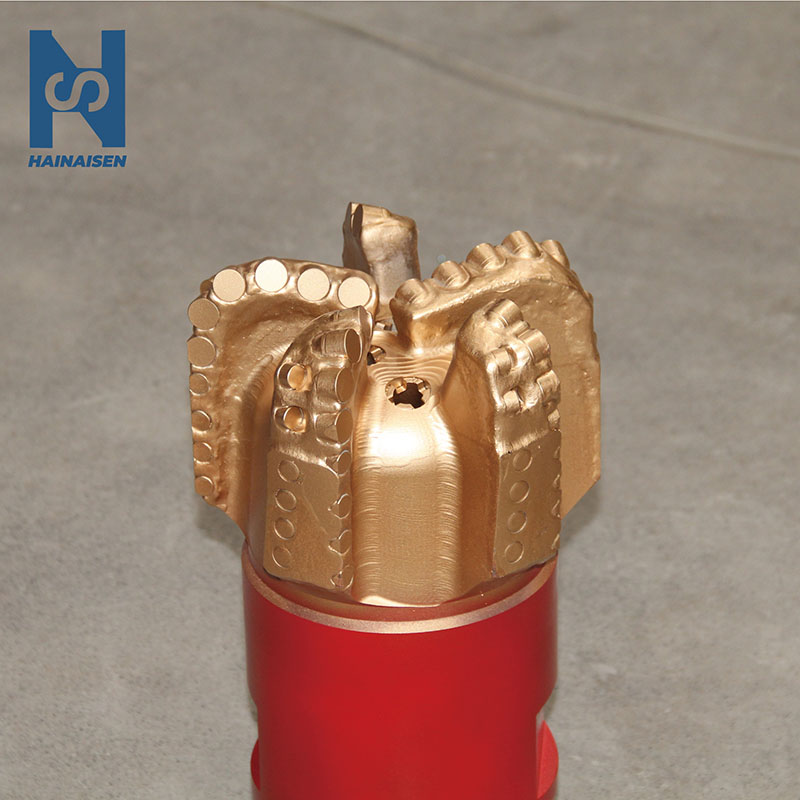 VIEW MORE5 Blades Steel Body High Performance PDC Rock Drill Bits
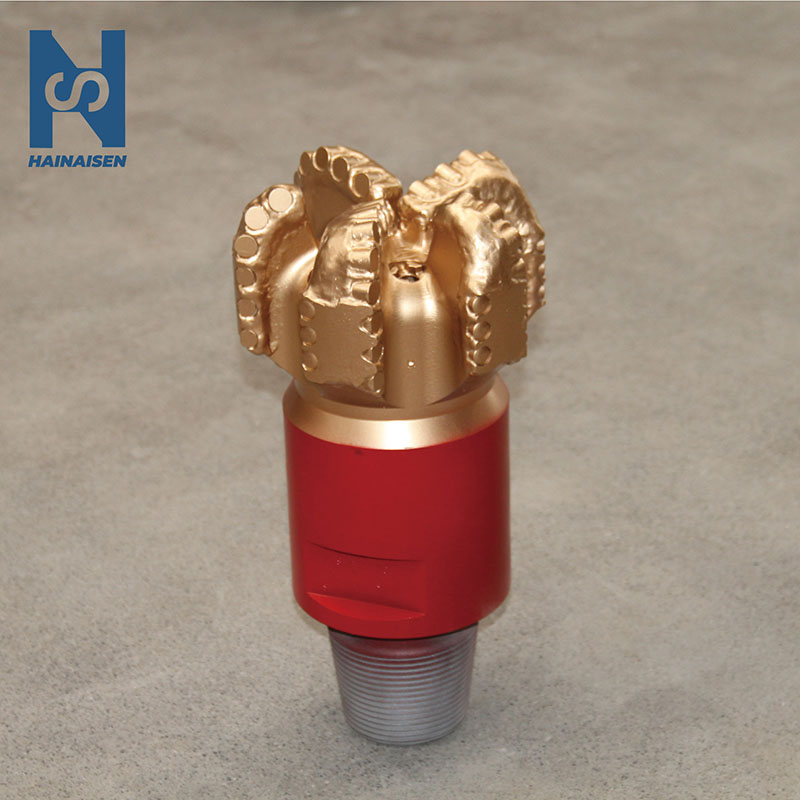 VIEW MOREFive Wing PDC Bit For Hard Rock Drilling
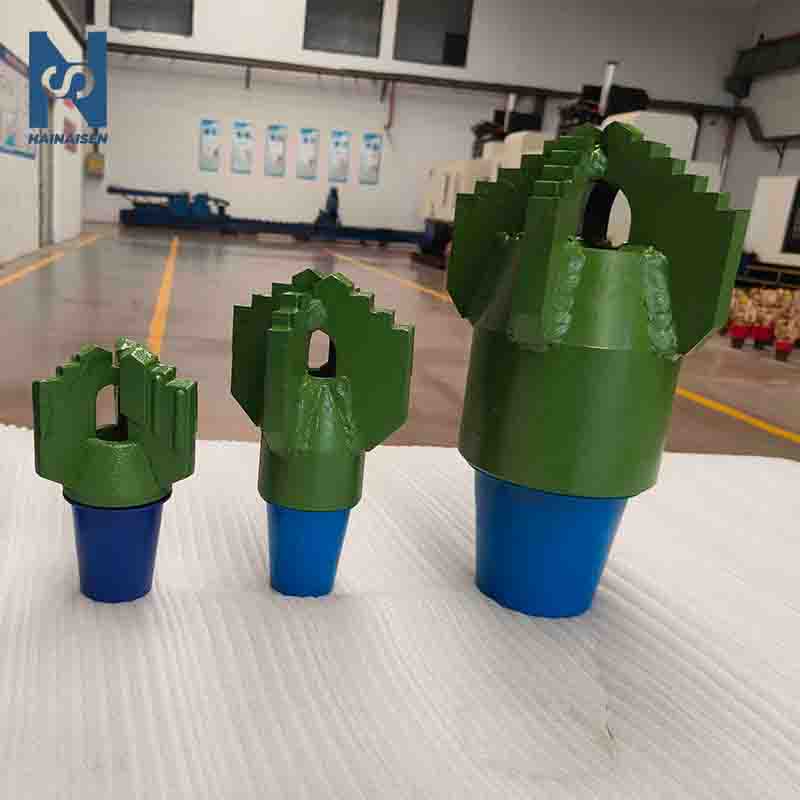 VIEW MORESteel Scraper Drill Bit
 VIEW MORESteel Body PDC Drill Bit
 VIEW MORE3 Blade PDC Arc Angle Drill Bit
 VIEW MOREAlloy Scraper Drill Bit For Water Well
 VIEW MOREPolycrystalline Diamond Drill Bits
 VIEW MORECoal Mines Use Haineisen PDC Drill Bits