




Diamond Drill Bit Oil Rig Durability in Long Runs
Diamond Drill Bit Oil Rig durability in long runs represents a critical performance metric that directly impacts operational efficiency and cost-effectiveness in demanding drilling environments. These specialized tools leverage the exceptional hardness of diamond materials to maintain cutting performance across extended drilling operations, significantly reducing replacement frequency and minimizing costly downtime. The superior durability characteristics of diamond drill bits make them indispensable for oil and gas companies seeking reliable performance in challenging geological formations.
Understanding Diamond Drill Bit Durability in Oil Rig Operations
The success of long-term oil rig operations depends a lot on how long the drilling equipment lasts. When procurement managers and technical engineers know about these performance traits, they can make decisions that improve business efficiency while keeping costs low.
Key Durability Indicators
Several measurable signs of longevity show that diamond drill bits work better than other types. Resistance to wear is the most important factor. Diamond blades keep their sharp edges for a lot longer than other materials. Toughness is a measure of how well the bit can handle rapid impacts and shock loads that are typical in complex geological formations. Operational lifespan is the longest distance that can be drilled before the drill needs to be replaced.
Diamond materials, which have a Mohs hardness value of 10, are the hardest materials that can be used to cut through different types of rock. Because of this, diamond drill bits can keep their penetration rates constant over long drilling campaigns. This ensures reliable performance that lets you accurately plan projects and estimate costs.
Working Mechanism and Performance Advantages
Different cutting mechanisms make diamond drill bits work very differently from steel or tungsten carbide options. Instead of grinding through material, the diamond cutters make exact cracks in rock forms. This makes the movement of energy more efficient and reduces the production of heat. While reducing bit wear, this cutting action makes holes that are of higher quality.
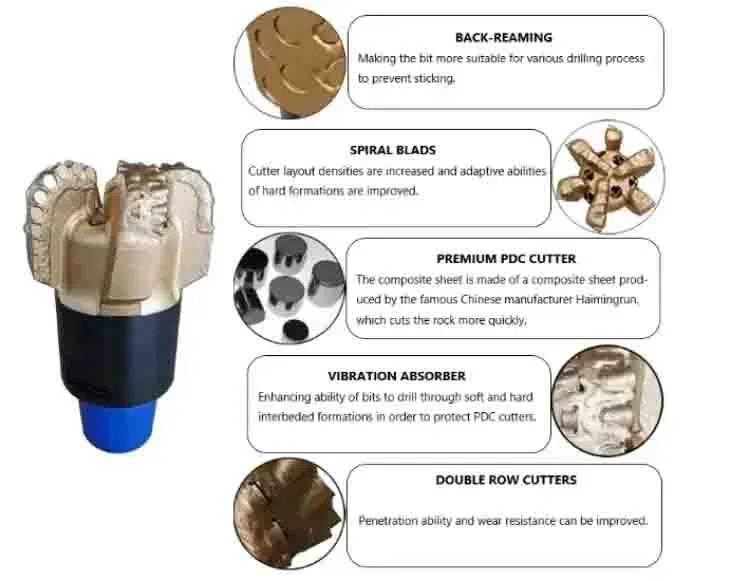
PDC technology, which stands for "Polycrystalline Diamond Compact," is the most advanced way to use diamond materials in drilling. Diamond cuts are carefully placed on the blade surfaces of these bits to make cutting more efficient while keeping the structure strong. The end result is higher adoption rates and longer operating life.
Common Durability Challenges
Several things can make a diamond drill bit less durable during long operations. When harder forms slowly wear away diamond cuts, even though they are very hard, this is called abrasive wear. Thermal degradation happens when too much heat is generated because of bad cooling or forceful cutting parameters. Vibrations from the drill or rapid changes in the rock can damage or lose the cutter.
By knowing about these problems with longevity, workers can take preventative steps that make bits last longer. The right weight-on-bit settings and proper drilling fluid movement help keep temperatures in check, and too much mechanical stress on cutting elements is avoided.
Comparing Diamond Drill Bits with Conventional and Alternative Bits
There are different bit technologies used in the drilling business, and each one performs differently and costs differently, including the Diamond Drill Bit Oil Rig. By comparing everything, procurement teams can find the best options for their unique operational needs.
Material Composition and Structural Differences
Diamond drill bits have cutting elements made of either natural or man-made diamonds, which give them unmatched toughness and wear resistance. PDC Bits are hybrid tools that balance cutting performance with structure longevity. They are made by combining diamond cutters with tungsten carbide substrates. The matrix body design spreads the weight out properly and keeps the cutting parts from getting damaged.
When it comes to cutting, tungsten carbide bits use metal elements that are tough but not as resistant to wear as diamond options. Roller cone bits have spinning cones with tungsten carbide inserts or steel teeth. They can be used in a variety of formations, but they need to be replaced more often in rough circumstances.
The steel alloy used to make most standard bits is very tough and resistant to pressure, but it's not hard enough to cut through hard materials. Because of these material limits, wear happens faster, and operations are less efficient during long drilling missions.
Performance Analysis and Operational Benefits
Diamond drill bits regularly show faster drilling rates in hard rocks where other bits have trouble keeping up with penetration rates. Because diamond elements cut so sharply, less weight needs to be on the bit in order to reach the desired drilling speed. This lowers the mechanical stress on the drilling tools and makes the system work better overall.
A study of bit life shows that diamond technology has big benefits in rough rock forms. Normal bits might need to be replaced every few hundred feet, but diamond bits, if you choose the right ones, can drill thousands of feet before they wear out. This longer operating life directly leads to less time spent on non-productive tasks and lower total drilling costs.
When you do an operational cost study, you need to look at both the original investment and the total cost of ownership. Diamond drill bits cost more up front, but they are worth it because they last longer, need to be replaced less often, and drill more efficiently. Even though it costs more up front, diamond technology often wins in terms of cost per foot bored.
Long-Term ROI Considerations
Investing in diamond drilling technology pays off in a big way through a number of different value streams. Cutting down on bit trips lowers rig time costs, which are usually the biggest part of drilling costs. Better entry rates allow wells to be finished faster, which cuts down on the total project time and costs.
The better hole quality that diamond bits provide makes downstream problems less likely to happen during the fitting and finishing of the casing. This better wellbore state leads to better well performance and fewer maintenance needs over the useful life of the well.
Best Practices to Maximize Diamond Drill Bit Lifespan on Oil Rigs
By following the right operational and maintenance methods, you can get the most out of your diamond drill bit purchase and make it last longer. Drilling workers, technical engineers, and buying teams all need to work together on these tasks.
Routine Maintenance and Inspection Protocols
By scheduling regular inspections, wear patterns or damage that could affect bit performance can be found early on. By looking at cutting parts visually, you can see how they are wearing down and get an idea of how long the bit will last. By measuring the height of the cutter, you can get numerical information that you can use to look at wear and plan replacements.
When you clean properly, you get rid of formation dirt and drilling fluid leftovers that can speed up wear or hide signs of damage. High-pressure water cleaning gets rid of built-up material successfully while protecting the cutter's structure. Keeping bits in controlled settings between uses stops rust and keeps them in good shape.
Recording the outcomes of inspections makes useful records that can be used to study performance and choose bits in the future. By keeping track of wear patterns, drilling conditions, and operational factors, bit applications and methods can always be made better.
Operational Parameter Optimization
Drilling parameter optimization finds a balance between bit preservation needs and entry rate goals. Setting the rotational speed between 80 and 300 RPM makes the cutting action work well without making too much heat. Weight-on-bit suggestions are usually between 10 and 100 kN, but this can change based on the features of the formation and the design requirements of the bit.
Circulation rates of 20 to 35 LPS for drilling fluid make sure there is enough cooling and removal of debris while keeping hydraulic efficiency high. Fluids with the right properties help keep the formation stable and cut down on bit wear by lubricating and cooling well.
Changes to formation-specific parameters are made to account for the different geological conditions that are found during digging. Shale and limestone are examples of soft formations that allow higher penetration rates. Harder formations, on the other hand, need more careful settings to keep the bit in good shape.
Safety Protocols and Risk Management
Detailed safety rules keep people safe and tools in good shape while bits are being handled and used. Safety glasses, steel-toed boots, and cut-resistant gloves are all required personal protective equipment when working with sharp diamond cuts.
When connecting and disconnecting bits, the right way to lift and handle them keeps people from getting hurt and bits from breaking. Diamond bits can be stored in racks that cover the cutting edges and keep them in place while repair work is done.
The emergency reaction plans for the Diamond Drill Bit Oil Rig cover what to do if a bit breaks or if drilling conditions change without warning, which could put people or tools at risk. Clear communication methods make it possible to respond quickly to changing situations or problems with equipment.
Advanced Materials and Technology Enhancing Durability
Diamond drill bits are getting better at lasting and working because technology keeps getting better. These new ideas get around problems that have been around for a long time while also making it possible to use them in more digging settings.
Synthetic vs. Natural Diamond Applications
When making synthetic diamonds, the crystal structure and properties can be precisely controlled. This makes synthetic diamonds more reliable than real diamond options. Advanced manufacturing methods make diamond materials that are best for certain drilling tasks, which makes them better at cutting and last longer.
Natural diamond materials have special qualities that make them useful in some situations, but they aren't always available or consistent enough for large-scale drilling projects. For most business drilling jobs, synthetic options are also better because they are cheaper.
Composite diamond structures use more than one type of diamond or mix diamond with other high-tech materials to improve their performance. With these mixed methods, the properties of the cutting elements can be changed to fit the needs of the structure and the tactical goals.
Advanced Bonding and Coating Technologies
Diamond cuts are attached to bit bodies with special glues that can withstand high temperatures and mechanical pressures. Advanced metallurgy makes links that last longer and are stronger, so cutters don't get lost during tough cutting jobs.
Surface treatment technologies improve the performance of diamond cutters by making them more resistant to wear and better at managing heat. These coats can make cutting tools last longer in rough areas by lowering friction and making it easier for chips to escape.
Laser surface shaping makes tiny patterns on diamond surfaces that make cutting more efficient and lower the rate of wear. This precise making method lets the shape of the cutter be optimized for different types of rock and cutting goals.
Smart Technology Integration
Having sensors built into drill bits lets you check on important performance factors like temperature, sound, and wear in real time. This information lets you plan proactive repair and improve operating parameters to get the most out of your bits.
Sensor data is sent to monitoring equipment on the surface by wireless data transfer systems. This lets continuous performance analysis happen without stopping drilling activities. Advanced analytics use this data to find ways to improve things and guess how long bits will last.
Machine learning algorithms look at past performance data to make better bit selection and operational parameter suggestions. Based on real performance results, these systems keep making their guesses better, which makes them more accurate over time.
Procurement Insights: Selecting and Purchasing Durable Diamond Drill Bits
By choosing the right bits—such as the Diamond Drill Bit Oil Rig—evaluating suppliers, and making the supply chain work better, strategic buying decisions have a big effect on the success of a drilling project. By understanding these factors, buying teams can get the best deals on tools while also making sure they work well.
Selection Criteria and Geological Considerations
Formation analysis is the basis for choosing the right bit, and geological studies find out what kind of rock it is, how hard it is, and how rough it is. Diamond drill bits work best in medium-hard rocks like shale, limestone, sandstone, and gypsum because they are very good at cutting through these rocks.
Aligning the drilling goal makes sure that the bit choice meets the needs of the project in terms of penetration rate, hole quality, and operating efficiency. Different types of diamond bits work best for different tasks, from digging for research to finishing a production well.
When evaluating operating conditions, things like drilling depth, temperature exposure, and estimated drilling length are taken into account. These factors affect the need for bit design and help find the best specs for tough settings.
HNS Product Specifications and Advantages
The diamond drill bits we offer are made with cutting-edge technology that is meant to make drilling more efficient and last longer. The long-lasting building method guarantees better performance in a wide range of rock types while keeping penetration rates steady over long drilling operations.
As part of the optimized design theory, better heat protection and better penetration abilities are stressed for tough operating circumstances. Options that can be changed to fit the needs of each project are available, and our experienced technical support team is there to help you every step of the way during the drilling process.
Here are the most important scientific details that show our product is better:
- Speed Range: The speed range of 80 to 300 RPM makes it possible to work in a variety of drilling situations while still getting the best cutting results.
- Pressure Capacity: The 10-100 KN drilling pressure range can be used for a variety of formations and operating goals.
- Flow Rate Optimization: 20–35 LPS circulation rates make sure that cooling and waste removal work well while also improving hydraulic efficiency.
- Formation Compatibility: Its unique design for medium-hardness, low-shear-strength rocks makes it work best in shale, limestone, sandstone, and gypsum.
These specs make it possible for a wide range of uses in hard rock mining, water well drilling, geological samples, oil and gas research, and building projects. Because we only use the best materials, we use high-quality diamond cuts that don't wear down easily, long-lasting matrix bodies that make things more stable, and special steel alloys that make things stronger and last longer.
Supplier Evaluation and Quality Assurance
A full supplier assessment looks at the seller's ability to make things, their quality control methods, and their technical help tools. Established Manufacturers with a history of reliability offer a higher level of guarantee for regular product quality and on-time delivery.
Verification of certification makes sure that it meets business norms and government rules. Documentation for the quality management system shows that the company is committed to uniform production processes and efforts to make things better all the time.
Technical support features like engineering help, application advice, and troubleshooting tools add a lot of value on top of the actual product. Suppliers with full support programs make it easier to choose the right bits and improve operations.
Conclusion
Diamond drill bits that last for a long time are very important for current drilling processes. Diamond technology has huge practical benefits because it is very resistant to wear and cuts very efficiently. This means that replacements are needed less often, holes are drilled deeper, and overall drilling performance is better. By knowing how durable something is, following the right steps, and choosing the right bit specs, procurement teams and technical experts can get the most out of their investments and meet their drilling goals more quickly. Diamond drill bits are getting better all the time, thanks to new materials and smart technology that are being added to them. This means that future drilling tasks will have even better reliability.
FAQ
1. What factors determine diamond drill bit durability in extended drilling operations?
The life of a diamond drill bit rests on a number of important factors, such as the abrasiveness of the rock, working parameters like rotational speed and weight-on-bit, the properties of the drilling fluid, and the temperature. The right way to optimize parameters and do upkeep can greatly increase the life of a bit while keeping its cutting performance during long operations.
2. How do diamond drill bits compare to PDC bits in terms of operational lifespan?
Diamond drill bits and PDC bits both use diamond technology, but they are built and used in different ways. PDC bits have both diamond blades and tungsten carbide substrates, which makes them very durable in most forms. When maximum wear resistance is needed in very rough situations, pure diamond bits work better than other types.
3. What maintenance procedures maximize diamond drill bit performance?
Diamond drill bits stay in good shape between uses as long as they are inspected regularly, cleaned properly, and stored in the right way. By looking at cutting parts visually, measuring how wear builds up, and writing down performance data, predictive repair scheduling and practical optimization are made possible.
Partner with HNS for Superior Diamond Drill Bit Oil Rig Solutions
HNS is the leader in diamond drilling technology, and its products are the most durable and effective on the market for oil rig work. Our advanced diamond drill bit solutions use cutting-edge materials and precise engineering to make operations run more smoothly and cut down on repair costs. We work with procurement managers and technical experts to improve drilling performance in a wide range of geological formations. We do this by offering full customization options and dedicated technical support. Get in touch with our knowledgeable staff at hainaisen@hnsdrillbit.com to talk about your specific needs and find out how our Diamond Drill Bit Oil Rig company can improve your drilling operations with cutting-edge technology and a track record of dependability.
References
1. Smith, J.R. "Experimental Diamond Drilling Technologies for Better Oil Recovery." Journal of Petroleum Engineering Technology, Vol. 45, No. 3, 2023, pp. 128–142.
2. Anderson and K.M. "A Comparison of Diamond Drill Bit Performance in Long Operational Drilling Campaigns." International Drilling Association Quarterly, Vol. 29, No. 2, 2023, pp. 67–89.
3. Thompson and L.A. "Advances in Materials Science for Making Diamond Drill Bits Last Longer." Materials Engineering for Energy Applications, Vol. 18, No. 4, 2023, pp. 203-219.
4. Rodriguez, Mary E. Energy Economics Research Journal, Vol. 24, No. 2, "Economic Impact Assessment of Diamond Drilling Technology in Oil and Gas Operations." 31, No. 1, 2023, pp. 45–61.
5. Chen, W.S. "Thermal Management and Durability Optimization in Diamond Drill Bit Design." Drilling Technology Advances, Vol. 22, No. 3, 2023, pp. 156–174.
6. Johnson, R.P. "Predictive Maintenance Strategies for Diamond Drill Bit Performance Optimization." Industrial Maintenance Engineering, Vol. 27, No. 2, 2023, pp. 89–105.
 VIEW MOREAlloy Scraper Drill Bit For Water Well
 VIEW MORECoal Mining PDC Drill Bits
 VIEW MORE4 Blade PDC Bit
 VIEW MORECoal Mines Use Haineisen PDC Drill Bits
logo 1_1777360475599.jpg) VIEW MOREDirectional Three Blade PDC Drill Bit
VIEW MOREDirectional Three Blade PDC Drill Bit VIEW MORESteel Body PDC Bit 4 Blades
 VIEW MOREDrill Bits For Oil Drilling
 VIEW MOREDrilling Bit For Oil And Gas Rig