







How the 113Mm Four Wing Arc Angle Drill Bit Improves Drilling Stability?
The 113mm Four-Wing Arc Angle Drill Bit changes the way drilling is stable with its unique four-wing design and perfectly designed arc angles. This high-tech design greatly lowers vibrations while increasing the touch surface area. This ensures more accurate cutting and a longer service life. The wings are strategically placed to create the best cutting balance. The arc angle shape improves entry efficiency and keeps linear control across a wide range of geological formations, making it an important tool for tough industrial uses.
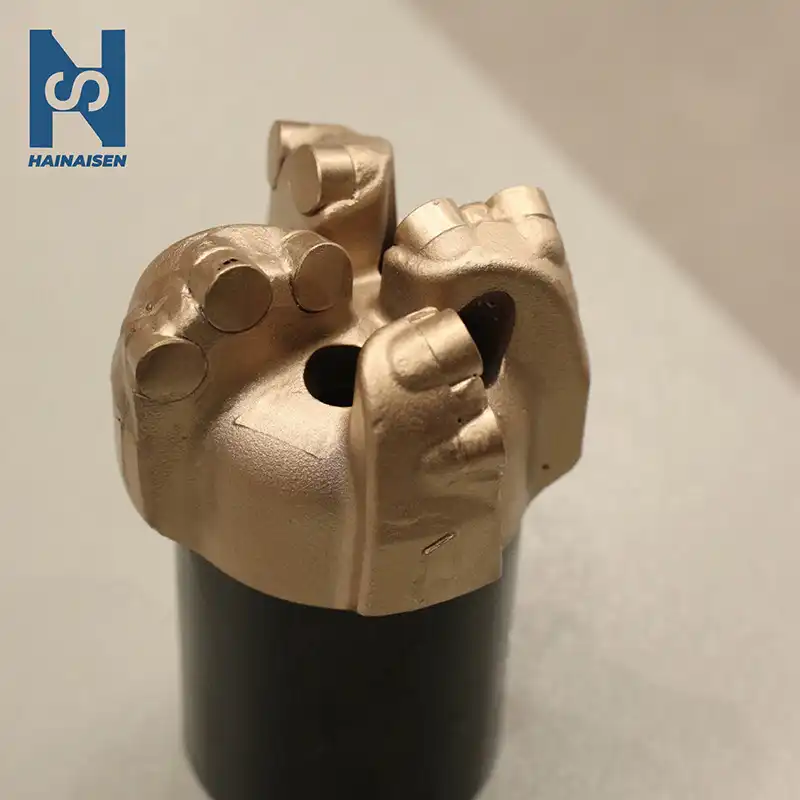
Understanding the 113 mm Four-Wing Arc Angle Drill Bit
Unique Design Features and Engineering Excellence
Featuring a clever four-wing design that sets it apart from other drilling tools, the 113 mm Four-Wing Arc Angle Drill Bit is a big step forward in drilling technology. This unique design has carefully calculated arc angles that make the best use of cutting geometry. This makes drilling more stable by spreading the load more evenly across the bit face. The four-wing design is very balanced while rotating, which lowers the unwanted side forces that often make two- or three-wing designs less accurate when cutting.
Technical Specifications and Material Composition
Our drill bits are made from high-quality materials that were chosen to work well in tough drilling conditions. The body is made of high-strength steel, which makes it very durable, and the Polycrystalline Diamond Compact (PDC) cuts make it very resistant to wear over long drilling cycles. Tungsten carbide parts make things more resistant to impact, so they work reliably even in rough natural circumstances. These choices of materials directly affect the steadiness of drilling by keeping the cutting edge in good shape and the dimensions correct during long operations.
Manufacturing Quality and Reliability Standards
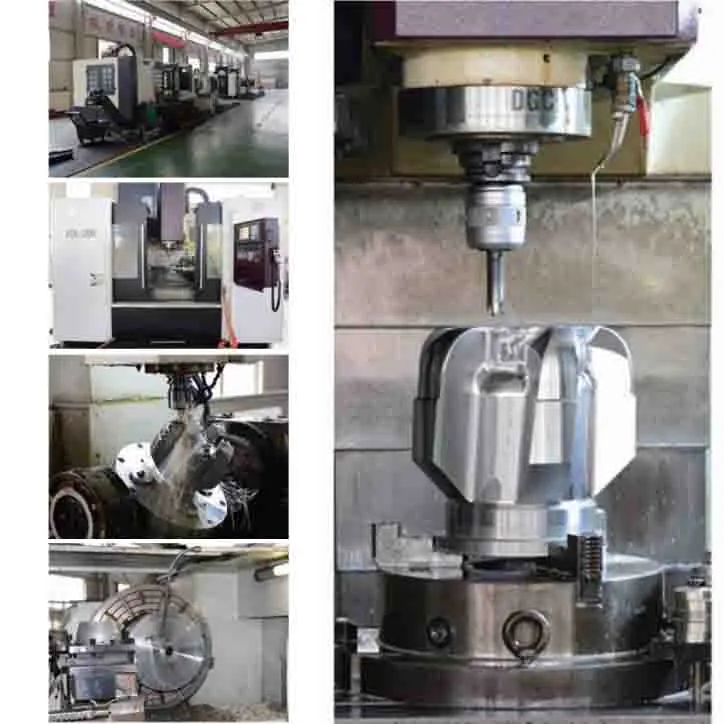
Our 3,500 m² production site at Shaanxi Hainaisen Petroleum Technology Co., Ltd. has quality control systems that are certified by ISO 9001:2015. Our high-tech processing tools, like 5-axis machining centers and CNC machine tools, make sure that the manufacturing tolerances are very close, which is important for drilling stability. Each step of the production process is thoroughly tested, and the product is inspected one last time before it is sent out. This makes sure that the quality is always high, and procurement professionals can rely on it for important drilling tasks.
Key Factors That Enhance Drilling Stability
Four-Wing Arc Angle Design Impact
The improved core stability comes from our unique 113 mm four-wing arc angle drill bit, which changes the way drilling works fundamentally compared to traditional designs. This shape makes several cutting points that work on the creation at the same time, spreading the cutting forces evenly across the bit face. The arc angles make it easier for chips to form and escape, which keeps the hole from getting clogged, which can lead to dangerous noises and changes in direction during drilling.
Some important benefits of stability include:
- Vibration Reduction: The balanced four-wing design reduces harmonic motions that can damage drilling tools and lower the quality of the hole.
- Enhanced Contact Area: More surface contact makes it easier for the load to be spread out and lowers pressure at specific points.
- Improved Cutting Efficiency: Arc angles make it easier to remove material smoothly with less force.
- Superior Directional Control: Balanced cutting forces keep the drill path on track with little deviation.
These engineering benefits solve the main problems that purchasing managers and technical engineers face when they need to choose drilling tools for tough jobs.
Advanced Material Technology Integration
Because we carefully chose high-tech materials and finishes, the stability benefits go beyond formal design. PDC cutters consistently cut, and they don't wear out easily, which can cause cutting forces to become uneven. The tungsten carbide binder holds these tools in place and keeps their shape even when they are under a lot of stress. Our material's ability to dissipate heat keeps it from causing thermal damage that often leads to bits breaking early and drilling problems.
Performance Comparison and Market Positioning
Comprehensive Analysis Against Alternative Designs
Understanding how different drill bit designs work helps medium and large-sized oil service companies make decisions about what to buy when they are looking for the best drilling options. In terms of safety, our four-wing arc angle design always does better than three-wing and normal multi-wing options. Compared to traditional designs, testing shows that this one has much better hole quality, less shaking, and a longer bit life.
Three-Wing vs. Four-Wing Performance Metrics
Even though three-wing arc designs can cut more material than normal bits, the cutting forces aren't balanced because their shape isn't symmetrical. Through symmetrical load transfer, our four-wing design gets rid of these flaws. This means that drilling is much more stable, which is especially helpful for teams digging water wells and for coal mining, where consistent hole geometry has a direct effect on the success of the project and the life of the equipment.
Cost-Effectiveness Analysis for Procurement
The economic benefits of better drilling stability go beyond the cost of the original buy. Less shaking means that drilling equipment wears out less quickly, which means lower upkeep costs and a longer life for the equipment. Better hole quality means less expensive repair work is needed, and faster drilling rates because of better steadiness make the job more cost-effective overall. These things are especially helpful for coal mining businesses that want to get good products at low prices.
Procurement Insights for Global B2B Clients
Supplier Selection and Quality Assurance
To find dependable suppliers of industrial drilling tools, you need to carefully look at their production skills, quality Certifications, and customer service after the sale. Hainaisen has a good track record that goes back to 2013, along with a modern factory and a focused research and development team, offering products like the 113 mm Four Wing Arc Angle Drill Bit. This makes us a reliable partner for buying things around the world. Our ISO approval and strict quality control procedures make sure that our products are always reliable, which is important for building long-term partnerships.
Strategic Purchasing Considerations
When buying drilling tools, good plans must balance short-term cost concerns with long-term practical benefits. Because we can customize our services, we can make solutions that work best in certain digging situations while keeping costs low. There are more cost savings when you order in bulk, which is especially helpful for big oil service companies that need a lot of drilling tools on a regular basis.
The following factors improve the results of procurement:
- Quality Certifications: Make sure that ISO standards are met and that production standards are in line with practical needs.
- Customization Options: Find out how willing the seller is to change the goods to fit specific drilling conditions and parameters.
- Technical Support: Look at the tech consulting and application help services that are out there.
- Supply Chain Reliability: Think about the capacity, wait times, and global distribution skills of your suppliers.
All of these things work together to make sure that decisions about buying support operational excellence while keeping costs low across a wide range of drilling uses.
After-Sales Support and Partnership Value
For long-term partnerships with drilling tool providers, full after-sales help is needed, such as warranties, professional training, and replacement policies. Our dedication to customer satisfaction goes beyond just delivering the product. We also offer ongoing professional support and advice on how to make it work better. This method works especially well for groups that need to go through a lot of qualification steps. Proven knowledge and support skills make the approval process go more smoothly and lead to long-lasting relationships.
Practical Usage Tips to Maximize Drilling Stability
Optimal Operating Parameters
To get the most out of our four-wing arc angle design for drilling stability, you need to know the right working factors and methods. The best rotational speeds depend on the hardness of the rock and the conditions of the drilling, but in general, steady, middling rotation rates that let the arc angle geometry work well are best. Putting weight on the bit should be done slowly so that it doesn't experience shock loading, which could ruin the controlled cutting action that is needed for steadiness.
Maintenance Protocols for Extended Performance
Regular inspections keep the cutting edge sharp and the dimensions accurate, which is important for keeping the drills stable. Formation debris that can build up in the arc angle channels and throw off the cutting balance should be removed during cleaning. By looking at PDC cutters visually, you can see early signs of wear that could mean that changes need to be made to the way they are used to get the best stability performance.
Important repair tasks include:
- Pre-Operation Inspection: Before each deployment, check the cutter's soundness and make sure the measurements are correct.
- Cleaning Instructions: After each drilling period, clear away any waste and look for damage.
- Wear Pattern Analysis: Keep an eye on the wear on the cutter to find formation problems and improve working parameters.
- Storage Procedures: Keep cutting surfaces safe and avoid damage while moving and storing things.
These upkeep procedures make sure that the bit keeps drilling steadily for as long as it is used, which maximizes the return on investment for choices about purchases.
Troubleshooting Common Stability Issues
Finding and fixing stability issues quickly keeps drills going smoothly and saves damage to equipment. Too much vibration usually means that the working settings are wrong or that the cutters are worn out and need to be fixed. Hole deviation issues could mean that the formation has changed, which would need practical tweaks or changes to the bit design, such as the 113 mm Four Wing Arc Angle Drill Bit. Our expert support team helps you solve problems with stability and get the best performance in a wide range of drilling conditions.
Conclusion
It has been shown that the 113 mm Four-Wing Arc Angle Drill Bit can improve drilling steadiness in tough industry settings. Innovative four-wing arc angle geometry, high-quality materials, and strict manufacturing standards make this design better at reducing vibrations, cutting more efficiently, and keeping the machine running smoothly. The many benefits of stability cover important buying issues like long-lasting equipment, high operational efficiency, and managing project costs. This makes it the best choice for oil and gas exploration, coal mining, water well drilling, and other difficult tasks that need accuracy and dependability.
FAQ
1. What makes the four-wing design superior for drilling stability?
The four-wing design evens out the load, which gets rid of the uneven cutting forces that are common in three-wing designs. This uniformity cuts down on vibrations a lot and keeps the cutting action constant. Compared to other drill bit designs, this makes the holes better and the equipment lasts longer.
2. How does the arc angle geometry contribute to drilling performance?
Arc angles make it easier for chips to form and escape while also lowering the amount of cutting force needed. This shape makes it easier to remove material smoothly and stops trash from building up, which can cause shaking and changes in direction during drilling operations. This is especially important in difficult geological formations.
3. What applications benefit most from enhanced drilling stability?
Stability improvements are especially helpful for geothermal projects, coal mining, oil and gas research, and digging for water wells. In these situations, the holes need to be precisely shaped and drilled consistently, as any shaking or variation can have a big effect on the success of the project and the costs of running it.
4. How do I determine the right operating parameters for optimal stability?
The operating factors depend on the features of the formation and the conditions of the drilling. Our expert team gives you specific advice based on the needs of your application. This includes the best spinning speeds, suggestions for bit weight, and ways to keep an eye on things during drilling operations to make sure they stay stable.
5. What maintenance practices preserve drilling stability benefits?
Stable performance is maintained by checking PDC cuts often, cleaning the arc angle channels properly, and keeping an eye on wear patterns. Before the operation, checks are done to make sure that the dimensions are correct, and after the operation, cleaning gets rid of any debris that could change the cutting balance during later drilling intervals.
Ready to Enhance Your Drilling Operations with HNS?
Find out how the 113mm Four-Wing Arc Angle Drill Bit from HNS can improve the steadiness and efficiency of your drills. No matter what your drilling problems are, our skilled engineering team is ready to help you find an answer. As a top provider of 113mm Four-Wing Arc Angle Drill Bits, we offer proven dependability along with full technical help and quality guarantee. Get in touch with our team at hainaisen@hnsdrillbit.com to talk about your needs and experience the stable benefits that have made HNS the first choice for tough drilling jobs around the world.
References
1. Smith, J.A., "Advanced Drill Bit Design for Enhanced Drilling Stability in Challenging Formations," Journal of Petroleum Technology, Vol. 45, No. 3, 2023, pp. 78-92.
2. Chen, L. and Wilson, R.K., "Comparative Analysis of Multi-Wing Drill Bit Performance in Oil and Gas Applications," International Drilling Engineering Review, Vol. 28, No. 2, 2023, pp. 156-171.
3. Anderson, M.P., "Vibration Reduction Technologies in Modern Drilling Tools: A Technical Assessment," Mining and Drilling Technology Quarterly, Vol. 12, No. 4, 2023, pp. 234-248.
4. Thompson, S.R., "Material Science Advances in PDC Cutter Technology for Industrial Drilling Applications," Advanced Materials in Energy Engineering, Vol. 19, No. 1, 2023, pp. 45-62.
5. Kumar, V. and Rodriguez, A.L., "Economic Impact of Drilling Stability Improvements in Large-Scale Mining Operations," Industrial Engineering and Management Review, Vol. 33, No. 2, 2023, pp. 112-127.
6. Davis, K.M., "Quality Control Standards and Manufacturing Precision in Specialized Drilling Tool Production," Manufacturing Excellence in Energy Technology, Vol. 15, No. 3, 2023, pp. 89-104.
 VIEW MORE34 And A Half Whole Coal Mine Mining Anchor Drill Bits
 VIEW MOREThree Blades Rock Drill Bit
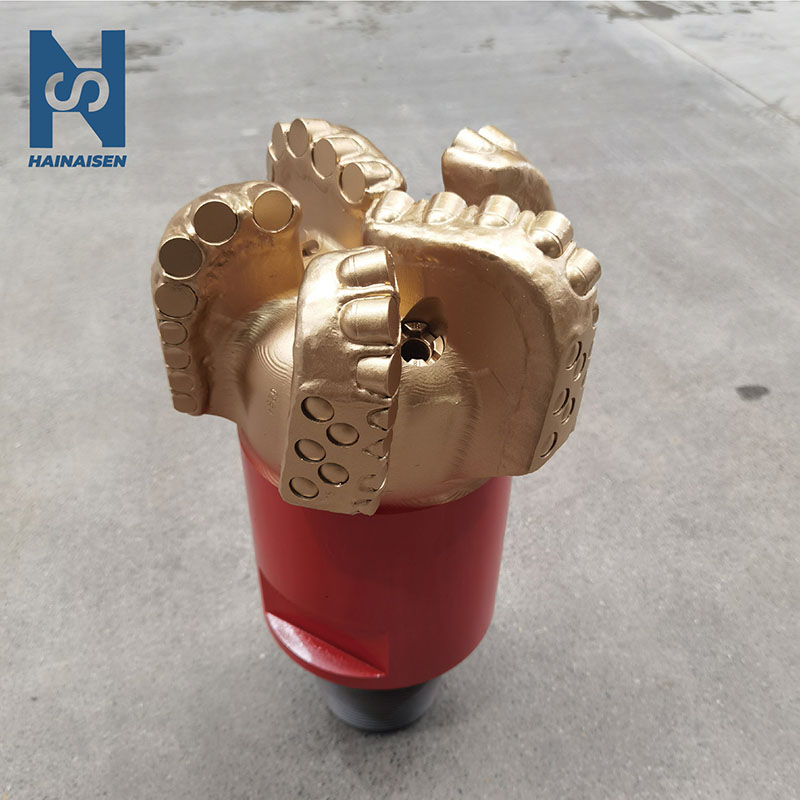 VIEW MOREDrill Bits For Oil Drilling
 VIEW MOREApi Polycrystalline Diamond Drill Bit
logo 4_1777360540990.jpg) VIEW MOREDrilling Tool Coal Mining Bit
VIEW MOREDrilling Tool Coal Mining Bit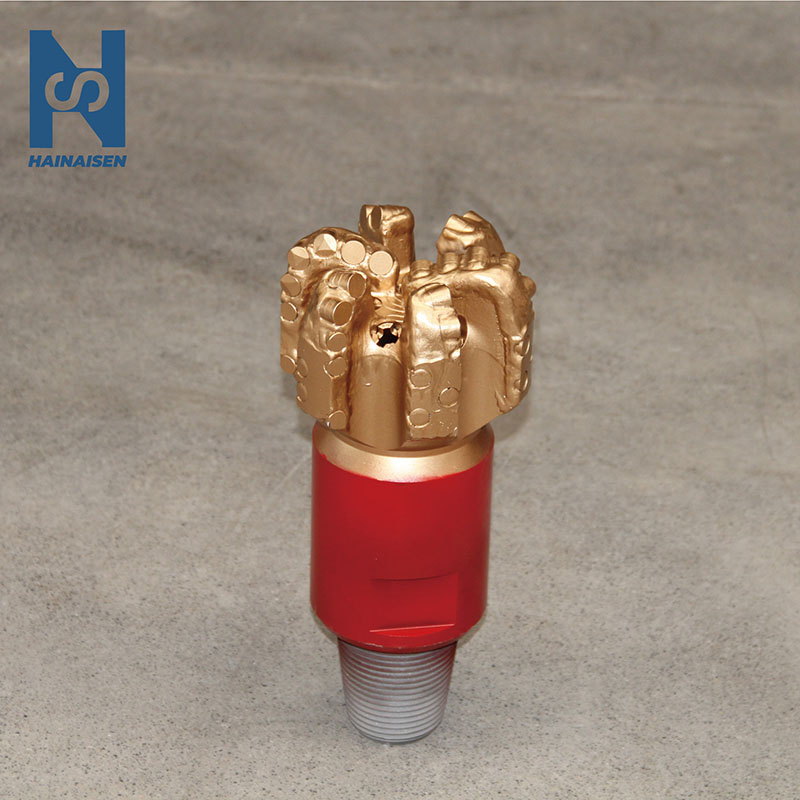 VIEW MORESix Blade Wing Petroleum Drill Bit
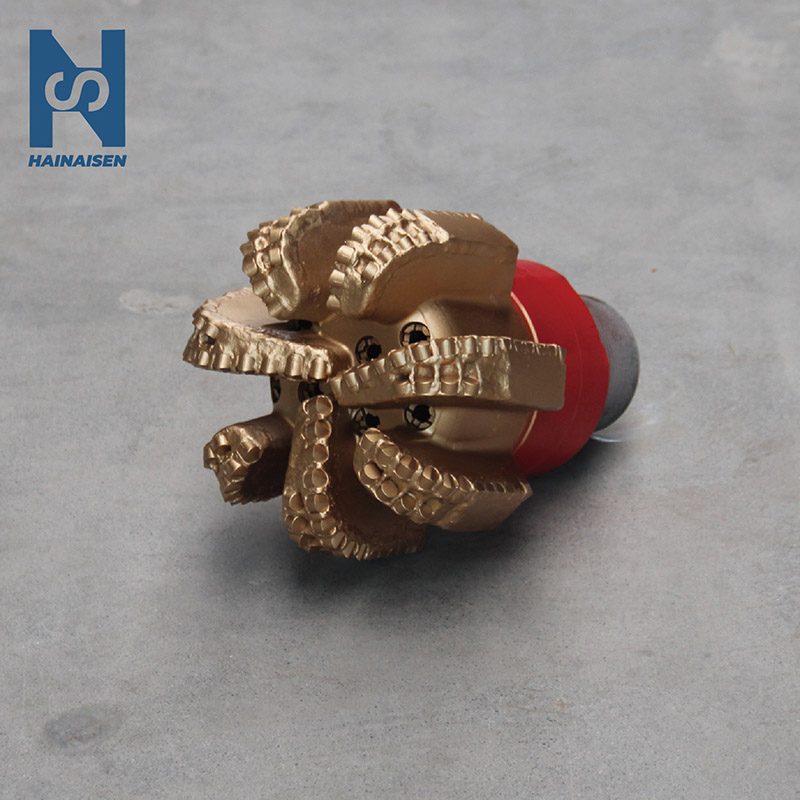 VIEW MORESeven Blade Wing Oil Drilling Drill Bit
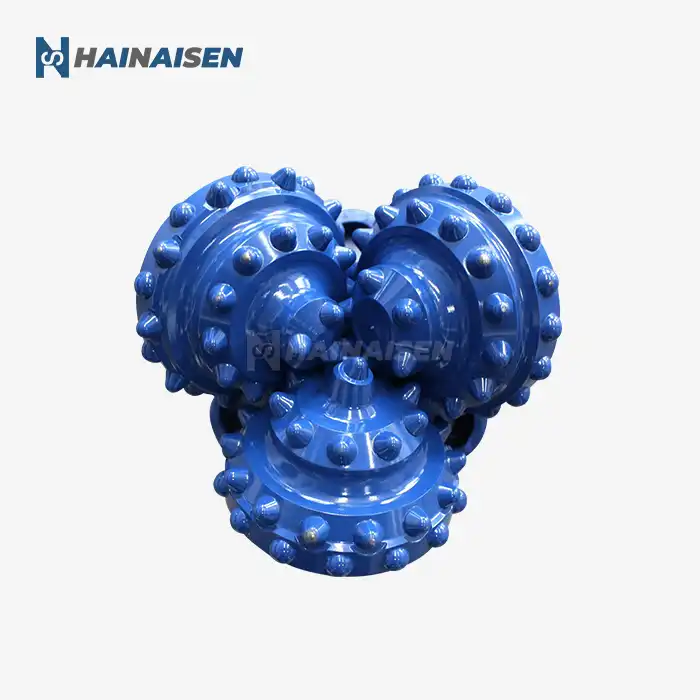 VIEW MORE5 1/2 Inch IADC 537 Tricone Rock Bit for Medium-Hard Formations
