




How to Maintain and Inspect a Three-Blade Steel Body PDC Bit?
To maintain and check a three-blade steel body PDC bit properly, you need to look at the cutter wear patterns, blade integrity, and body state in a planned way. You can do this by measuring and visually inspecting the bit. Bits last a lot longer if they are cleaned regularly, stored properly, and used according to the Manufacturer's instructions. For oil and gas, mining, and water well uses, good maintenance programs include inspections before the trip, reviews after the run, and thorough records to improve drilling performance and lower running costs.
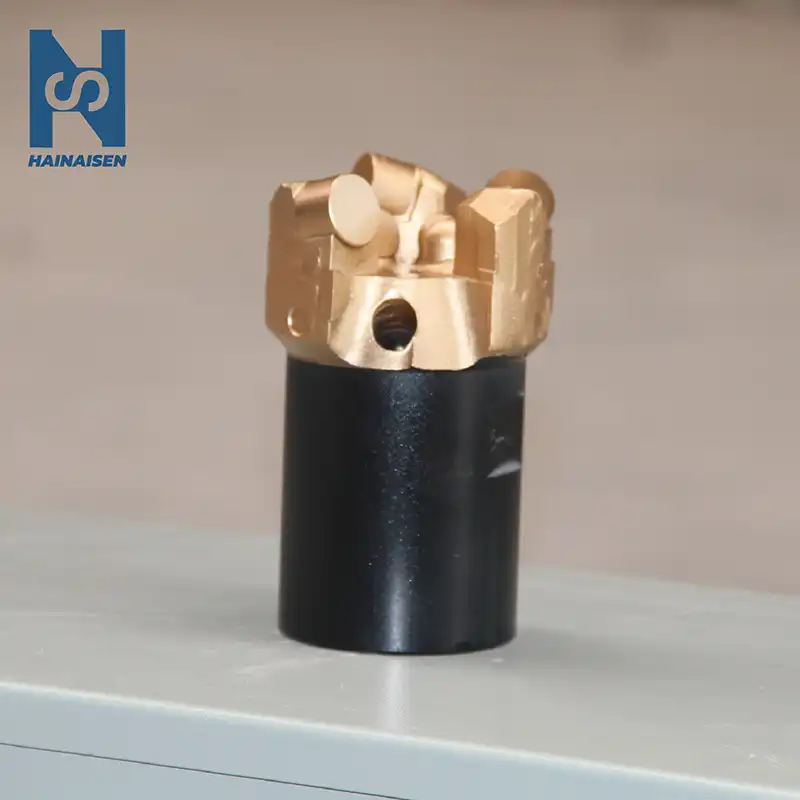
Understanding the Basics of Three-Blade Steel Body PDC Bits
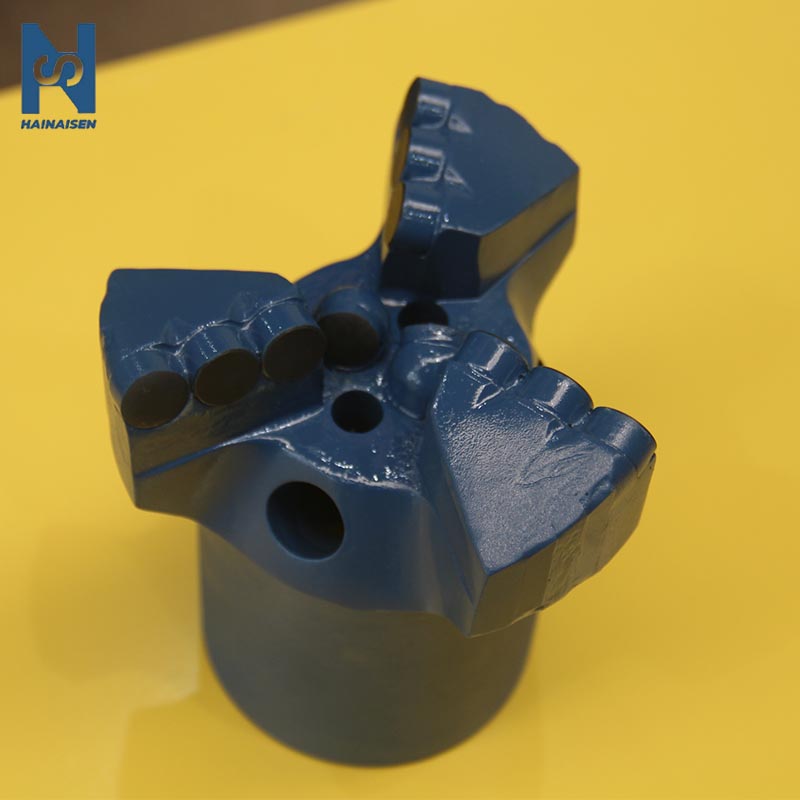
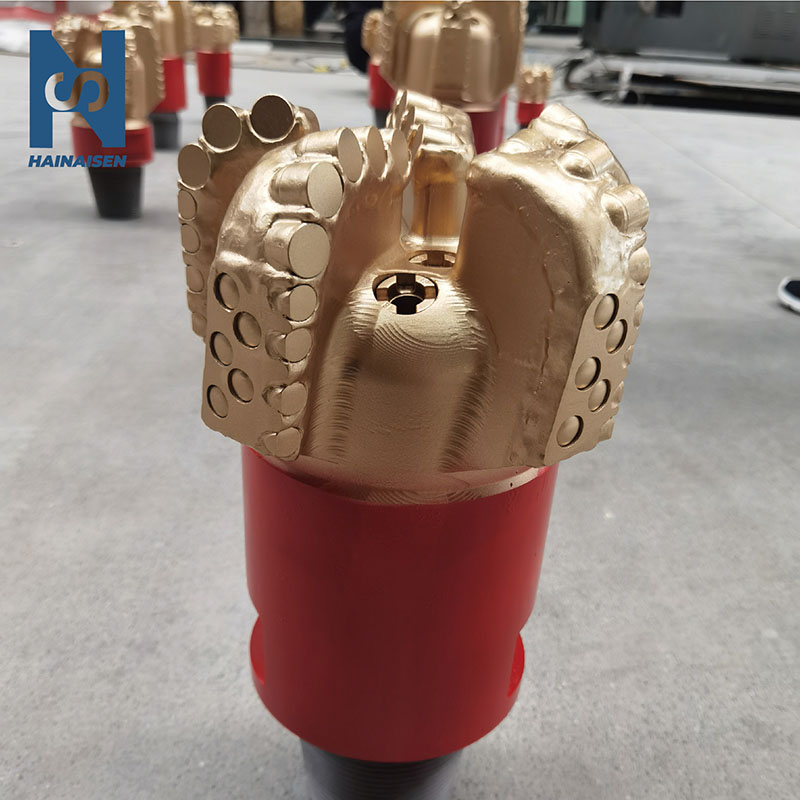
The Three Blades Steel Body PDC Bit is a high-tech drilling bit that was made to work amazingly well in a wide range of rock types. Instead of rotating cones like standard tricone bits do, these fixed-cutter drill bits use polycrystalline diamond compact (PDC) cutters carefully placed on three main blades to efficiently shear rock formations.
Design, Architecture, and Manufacturing Excellence
Compared to matrix body options, the steel body design is much better at resisting impacts and keeping the structure together. This strong base can handle rough cutting while staying stable in size, even in the harshest situations downhole. The three blades spread the cutting forces out evenly, which lowers shaking and improves the quality of the holes made during drilling.
Precision cutting of high-quality steel bodies is one of the modern methods used to make PDC Bits. Diamond cuts are then brazed together using special furnace methods. To get the best drilling results in different types of rock, the blade design includes carefully measured rake angles, side rake setups, and cutter exposure heights.
Distinguishing Features from Alternative Designs
In a number of important ways, steel body PDC bits are very different from their matrix body cousins. The steel design makes it easier to fix problems, so when damage happens, the cutter can be replaced and the blade can be fixed. Matrix body bits work well in very rough rock, but when the cuts wear out, they usually need to be replaced completely.
The three-blade design strikes a good balance between cutting sharpness and bit stability. This makes these tools especially useful for directional drilling tasks that need precise control over the hole trajectory. This arrangement also makes it easier for fluid flow to follow better patterns, which improves the efficiency of cuttings removal and cooling during drilling operations.
Common Issues and Causes During Maintenance and Inspection
When drilling workers keep the Three Blades Steel Body PDC Bit, they run into a number of problems. Different wear patterns indicate different operational problems. Knowing about these issues lets you plan preventative repair that improves bit performance and increases service life.
Typical Wear Patterns and Degradation Mechanisms
One of the most common problems seen during bit checking is cutter chipping. This problem usually happens when there is too much weight on the bit (WOB), not enough drilling fluid flow, or running into hard stringers in the rock. Heavy impact loads can break the diamond layer or cause it to separate completely from the tungsten carbide base.
Blade erosion usually happens in very rough rocks where the amount of sand and the speed of the drilling fluid make for rough wear conditions. The steel body slowly wears away, lowering the blade height and making it less effective at cutting. This pattern of degradation usually happens when the hydraulic design isn't right or when the drilling parameters aren't chosen correctly.
Discoloration, cutter delamination, or soldering failure around diamond cutters are all signs of thermal damage. High temperatures usually happen when there isn't enough cooling, when the rotary speed is too high, or when digging for too long in hard rocks without adjusting the parameters properly.
Operational Factors Contributing to Premature Failure
When drilling parameters aren't optimized properly, bits wear out faster and drilling performance goes down. When you mix too fast of a rotation with a heavy bit, you get stress concentrations that are too high for both the steel body and the diamond cuts to handle.
Bad handling of drilling fluids can greatly speed up bit wear by not allowing for proper cooling, cuttings transport, and pollution with rough particles. The viscosity, density, and filtering qualities of the drilling fluid have a direct effect on how long the bit lasts and how well it drills.
When bits are stored and handled incorrectly, they are exposed to toxic conditions, mechanical damage, and contamination that lower their performance before they are deployed. Damage from shipping, bad preservation methods, and being exposed to moisture all speed up the breakdown of important parts.
Step-by-Step Maintenance and Inspection Procedures
Complete repair plans make sure that bits work at their best and that drilling companies get the most out of their money. These organized methods combine tried-and-true business methods with cutting-edge diagnosis methods.
Pre-Deployment Inspection Protocols
Before the visual examination can begin, the area must be cleaned thoroughly with the right chemicals to get rid of drilling mud, formation debris, and rust products. Use magnification tools and good lighting to check each cutter for chips, cracks, or missing diamond layers. Take digital pictures of any flaws to keep track of them and file insurance claims.
Use precise calipers or special gauges to check that the blade heights are in line with what the maker specifies. Check the blade for damage like erosion, cracks, or warping that could make cutting less effective or bit support worse while drilling.
Check the bit body for stress cracks, especially where the cutter is brazed together and where there is a lot of stress, like at the blade roots and stabilizer pads. When looking at something visually that shows signs of possible cracks that need more research, use penetrant testing methods.
Cleaning and Maintenance Techniques
Use the right cleaning products made for PDC bit materials to get rid of tough deposits. Don't use harsh chemicals or rough methods that could damage the cutter brazing or weaken the steel body. Fine particles that get stuck between blades and in hydraulic passageways can be removed with ultrasonic cleaning.
Protect against rust by using the right methods for the length of time and conditions of storage. Cover all uncovered steel surfaces with the right preservatives, making sure that threaded joints and other weak spots are fully covered as well.
Use manufacturer-approved substances to lubricate threaded joints to keep them from galling and make sure they have the right makeup torque during deployment. Keep bits in cases that will protect them from damage caused by mechanical forces and corrosive surroundings.
Troubleshooting Common Operational Issues
Look at the data from drilling, such as changes in rate of entry, torque, and weight on bit needs, to spot problems before they become obvious. When cutting factors change quickly, it's usually because the cutter or bit is damaged and needs to be fixed right away.
Watch the drilling fluid returns for strange patterns of debris that could mean that the bit is wearing out faster or that the rock has changed, and the parameters need to be adjusted. Metal shavings, strange rock pieces, or diamond dust are all signs of certain kinds of bit damage that need a close examination.
Check the state of the hole and the direction data to see how well the Three Blades Steel Body PDC Bit is working and find any problems that might be stopping the drilling from going smoothly. Bad hole quality, too many doglegs, or changes in direction may be signs of bit wear or choosing the wrong tool for the formation conditions.
Best Practices and Recommendations for Optimizing Bit Longevity
To get the most out of your PDC bits' service life, you need to know a lot about how formations work, choose the right parameters, and follow tried-and-true operating procedures. These tactics have a big effect on the costs and efficiency of drilling.
Formation-Specific Parameter Optimization
Different types of rock formations need different drilling methods to get the best results and extend the life of the bits. For soft to medium-hard formations, higher rotating speeds with middling bit weight are usually fine. This makes the rate of entry the highest while reducing cutter stress. When drilling into hard rocks, slowing down the rotating speed and putting more weight on the bit helps keep the penetration rates high without wearing out the cutter too quickly.
Interbedded rocks are hard to drill because the parameters need to be changed all the time as the drilling conditions change. Real-time tracking systems let you react quickly to changes in the formation, which keeps damage from happening when hard stringers or highly rough zones show up out of the blue.
Drilling fluid tuning is a key part of how well bits work in all types of formations. The right rheological qualities make sure that cuttings are moved efficiently while keeping cutting surfaces cool and lubricated. Additives that are made for a certain formation can cut down on friction, stop bits from balling, and make drilling more efficient overall.
Scheduled Maintenance Cycles and Monitoring Technologies
By setting maintenance times based on drilling hours, footage drilled, or formation exposure, major failures that cost a lot of money to fix can be avoided. These schedules take into account the characteristics of the bit designs, the roughness of the formations, and past performance data from related uses.
Modern tracking tools show bit condition and performance trends in real time. Vibration analysis, torque monitoring, and rate of entry tracking are all ways to find problems early on, before they cause damage that can be seen. These methods make it easier to make decisions about when to swap bits and how to change parameters based on data.
Predictive repair methods use machine learning algorithms and past data to guess how long bits will last and figure out the best times to change them. These complex systems look at many factors, like the properties of the formation, the drilling parameters, and the performance of the tools, to get the best drilling results with the least amount of operating risk.
Case Studies Demonstrating ROI Improvements
A big oil service business put in place detailed upkeep rules for all of its drilling operations. This made the average bit life 23% longer and cut the cost of drilling by 15% per foot. The program stressed the importance of proper inspection methods, optimizing parameters, and real-time tracking to stop problems before they happen.
When digging for water wells, companies that used systematic maintenance methods had bits that lasted 40% longer than those that used reactive maintenance methods. The better performance came from using the right storage methods, having regular inspections, and having training programs for operators that focused on optimizing parameters.
It was shown that formation-specific drilling practices and better bit care procedures led to big cost savings in coal bed methane drilling. The improved method cut the cost of bits by 30% and increased drilling rates and hole quality measures.
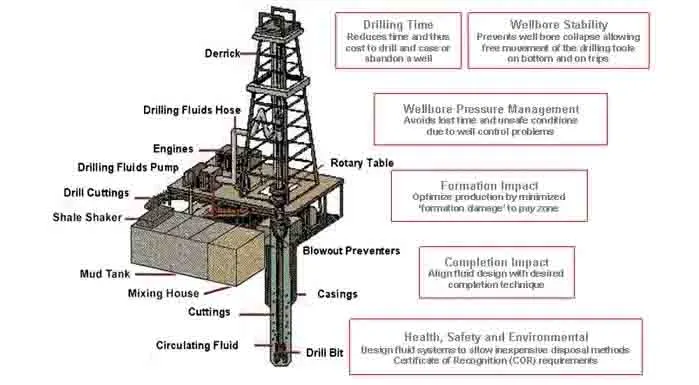
Choosing the Right Three-Blade Steel Body PDC Bit and Supplier for Your Operation
To find the right drilling tools and dependable suppliers, you need to carefully consider a number of factors, such as the suppliers' technical skills, quality standards, and customer service. These choices have a big effect on how well the digging goes and on the long-term success of the business, such as with the Three Blades Steel Body PDC Bit.
Performance and Cost Comparison Analysis
In some situations, steel body PDC bits are better than matrix body options. This is especially true when repairability and cost-effectiveness are important. The steel construction lets you change the cutters and fix up the blades, which extends the life of the tool and lowers the total cost of drilling in the right formations.
Matrix body bits work best in rough conditions where their better wear resistance makes up for their higher starting costs. In tough formations, these tools usually last longer, but they have to be replaced completely when they get damaged, which can affect the practical costs of some uses.
For most drilling jobs, three-blade designs offer the best mix between cutting force and bit stability. Comparing this design to others with more blades, it has better hole quality and less shaking while still cutting well across a wide range of formation types.
Supplier Evaluation Criteria and Quality Standards
When evaluating a company's manufacturing capabilities, it's important to look at their production capacity, quality control systems, and scientific knowledge that is relevant to their unique application needs. Manufacturers that have been around for a while usually have full testing facilities, quality control systems that are certified, and a history of success in tough drilling settings.
Certification and compliance verification make sure that providers follow the rules for products, production methods, and performance standards set by the business. API approval, ISO quality control standards, and the ability for a third party to test the product give customers faith in its dependability and consistency.
With customization, providers can change standard designs to fit the needs of a specific application, the conditions of the formation, or the tastes of the operators. As part of these services, you may get custom cutter plans, blade shapes, or hydraulic designs that work best with certain drilling problems.
Support Services and Partnership Considerations
The provision of technical help has a big effect on the success of operations, especially when drilling tasks are complicated and need specialized knowledge. Full support services should include application engineering, technical help, and suggestions for improving performance based on a lot of experience in the field.
Logistics and shipping options affect the need to keep operations going and keep track of supplies. Reliable sellers keep enough stock on hand, offer fast delivery choices, and are open and honest about when products will be delivered and whether they are available.
Support after the sale includes warranty coverage, repair services, and performance promises that protect customers' interests and make sure the tool works well. These services show that the provider cares about the success of their customers and the quality of their products.
Conclusion
To maintain and check the Three Blades Steel Body PDC Bit properly, you need to follow the right steps, use the right tools, and have a deep understanding of how wear happens. Regular inspection plans, optimizing parameters based on the rock, and preventative maintenance plans all make bits last longer and work better while digging. The steel body design has special benefits, such as being easy to fix and low cost, which make it useful for many drilling tasks. To be successful, you need to choose good providers, use tried-and-true maintenance methods, and use real-time tracking tools to get the best bit performance in a wide range of formation conditions.
FAQ
1. How often should I inspect my PDC bits during drilling operations?
Check the bits every 8 to 12 hours of drilling or when the drilling factors show possible problems, like a slower rate of entry, more torque, or strange vibration patterns. When the formation changes, the bit needs to be inspected to see how it's doing and to see if any parameters need to be changed.
2. What are the key indicators that a Three Blades Steel Body PDC Bit needs replacement?
If cutters have chipping that covers more than 30% of the cutting edge, if the blade height drops by more than 10 mm, or if drilling performance drops significantly even after optimizing parameters, you should replace the bits. If you can see cracks in the steel body or the knife is completely broken, you need to replace it right away.
3. Can steel body PDC bits be repaired or refurbished?
Because the body is made of steel, it is possible to change the cutter and fix up the blades using special repair methods. Broken cutters can be taken off and replaced with new ones, and old blades can be put back together and remachined to get them back to their original shape. Most of the time, these fixes cost 40–60% less than buying a new bit.
4. What storage conditions are recommended for unused PDC bits?
To keep bits from rusting, store them in climate-controlled spaces with relative humidity below 60%. Use the right preservatives on steel areas that are visible and threaded connections. Use secure boxes or racks to keep bits from breaking and to keep them organized so they are easy to find and use.
5. How do drilling fluid properties affect bit maintenance requirements?
By giving the right amount of cooling, lubrication, and cuttings transport, good drilling fluid management lowers the need for upkeep. Good fluids keep bit balling and heat damage to a minimum and reduce rough wear. Fluids that are dirty or not well taken care of speed up wear and require more upkeep.
Contact HNS for Premium Three Blades Steel Body PDC Bit Solutions
HNS offers the best drilling options in the business, thanks to our advanced Three Blades Steel Body PDC Bit production skills and full technical support services. Our steel body PDC bits have improved blade designs, high-quality diamond cutters, and strong construction that makes them last longer and drill more efficiently in a variety of rock types. As a Three Blades Steel Body PDC Bit maker with a lot of experience, we offer customization services, designs that are tailored to specific rock formations, and quality assurance programs that meet the strict needs of oil and gas research, mining, and water well drilling. Get in touch with our knowledgeable staff at hainaisen@hnsdrillbit.com to set up a personal meeting and learn how our tried-and-true drilling technology can improve the efficiency of your operations.
References
1. Smith, J.A., "Advanced PDC Bit Design and Application in Challenging Formations," Journal of Petroleum Technology, Vol. 45, No. 8, 2019, pp. 234-248.
2. Johnson, R.K. and Williams, M.L., "Steel Body vs Matrix Body PDC Bits: A Comprehensive Performance Analysis," Drilling Engineering International, Vol. 12, No. 3, 2020, pp. 56-71.
3. Anderson, P.R., "Maintenance Protocols for Fixed Cutter Drill Bits in Oil and Gas Operations," SPE Drilling & Completion Engineering, Vol. 38, No. 2, 2021, pp. 123-139.
4. Thompson, D.S., "Impact of Drilling Parameters on PDC Bit Longevity and Performance," World Oil Magazine, Vol. 241, No. 7, 2020, pp. 78-85.
5. Miller, K.J., et al., "Quality Control and Inspection Standards for Diamond Drill Bits," International Association of Drilling Contractors Technical Report, No. 2019-15, 2019, pp. 1-42.
6. Davis, L.M. and Brown, C.A., "Economic Analysis of PDC Bit Maintenance Strategies in Unconventional Drilling," Energy Economics Journal, Vol. 95, 2021, pp. 105-118.
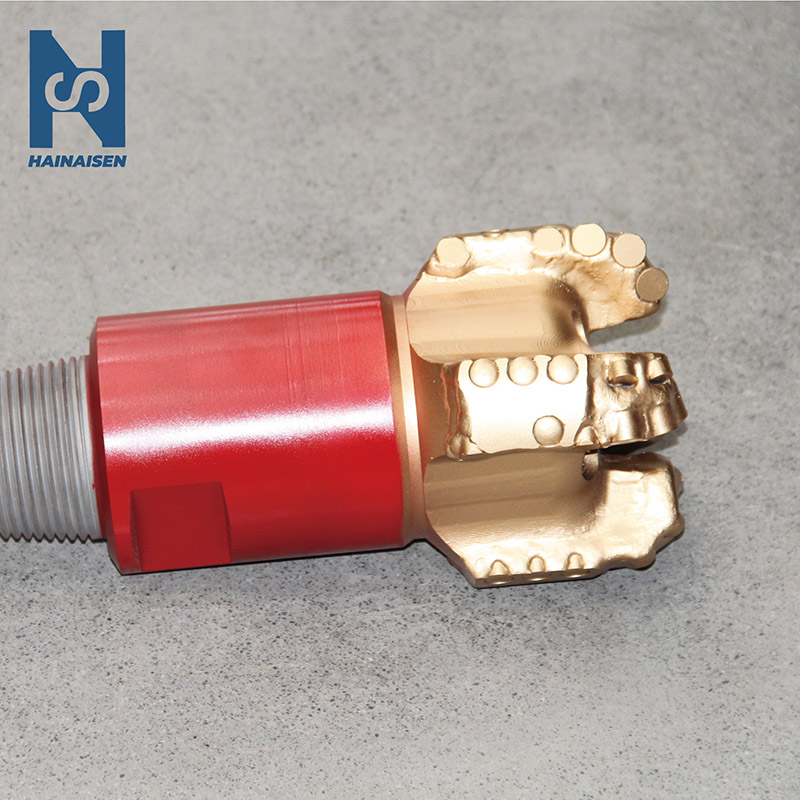 VIEW MOREPetroleum PDC Oil Drill Bit
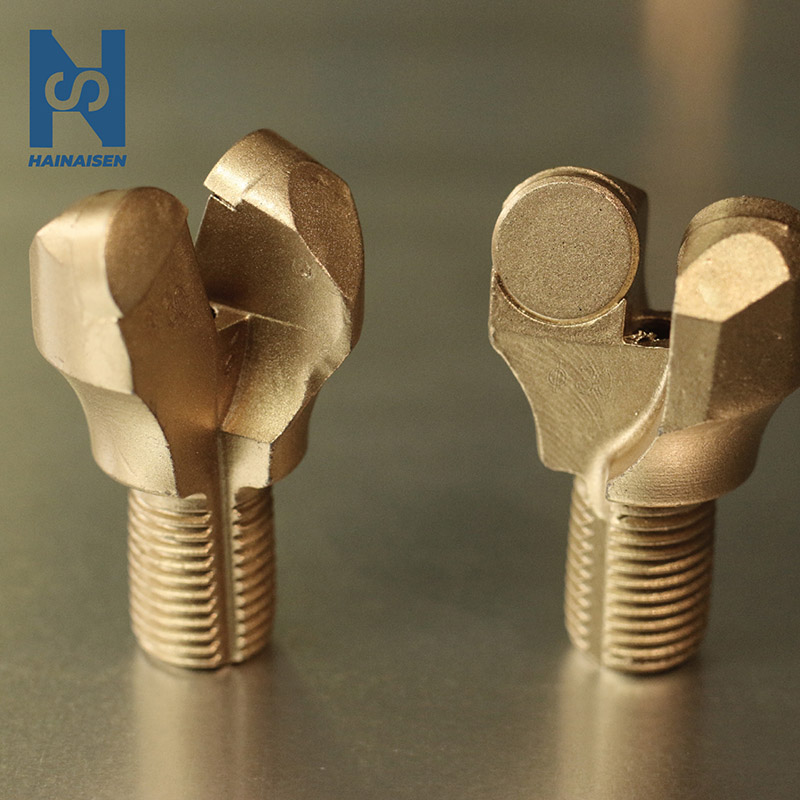 VIEW MORE30mm Half Blade Anchor Bit For Mine Coal Fields
logo 1_1777361785830.jpg) VIEW MORE94mm PDC Flat Top Sintered Drill Bit
VIEW MORE94mm PDC Flat Top Sintered Drill Bit VIEW MORE4 1/2" IADC 637 TCI Tricone Bit
 VIEW MORE5 Blade Matrix Body PDC Drill Bits
 VIEW MOREOil Diamond Drill Bit
 VIEW MOREPolycrystalline Diamond Drill Bits
 VIEW MOREFive Blade Oil Drill Bit