




How Does Cutter Orientation Impact a PDC Bit For Well Drilling?
The main thing that affects how well a PDC bit for well drilling works in different types of rock is the direction of the cutter. Polycrystalline diamond compact cuts are strategically placed and angled on the bit face. This has a direct effect on the drilling mechanics, penetration rates, and general operating efficiency. When cutters are positioned correctly, they create exact cutting movements that remove the most rock while causing the least amount of wear. This improves drilling performance and increases bit life. This important design feature impacts many things, including the amount of power needed and the amount of heat produced. Because of this, cutter direction is a key factor in the success of drilling operations in coal mining, oil and gas research, and water well building projects.
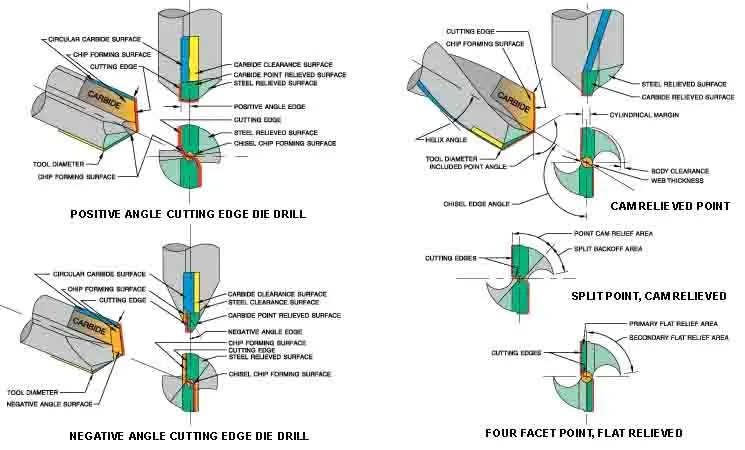
Understanding PDC Bit Cutter Orientation and Its Role in Well Drilling
Polycrystalline diamond compact cutters are strategically placed at right angles across the bit face. This is the basic idea behind cutter direction in PDC Bits. This placement decides how each cutter interacts with the rock formation while it rotates, which has a direct effect on the cutting process and how well the drilling works.
Primary Factors Influencing Cutter Placement
Drilling engineers have to think about a number of important factors when deciding how to position the cutter. How strongly each cutter cuts into the pattern is controlled by the back rake angle. Steeper angles make cutting more aggressive, but they may also shorten the life of the cutters. The slope of the side rake affects the flow direction of the cuts and keeps the bit from balling up in sticky shapes.
By placing the cutters radially across the bit face, they make cutting tracks that meet and cover the whole creation. Engineers carefully determine these places to get rid of rock cracks that haven't been cut while keeping the bit body's structural integrity. To find the best mix between drilling speed and cutting life, the space between tracks must be adjusted.
Formation-Specific Orientation Strategies
To get the best results, different types of rock shapes need different ways to position the knife. When cutting through soft rock types like shale or unconsolidated sandstone, the cutters can be angled more sharply to get the best entry rates without causing too much wear. In these situations, the polycrystalline diamond compact material works great, cutting cleanly and making good boreholes.
When working with hard rocks like limestone or quartzite, the tool needs to be oriented more conservatively to keep it from wearing out or breaking too quickly. To keep the cutting effectiveness and protect the expensive diamond cutting surfaces, the direction angles must be carefully adjusted. Engineers can use modern modeling tools to guess how different rotation patterns will work in different types of rock.
Key Design Features of PDC Bits Influenced by Cutter Orientation
There is a lot more to the link between cutter direction and PDC bit for well drilling than just angular positioning. Several parts of the PDC bit design work together to make drilling tools that are very effective and meet the high standards of current drilling operations.
Blade Geometry and Hydraulic Integration
The shape of the blade needs to be able to fit the chosen cutter direction while still allowing enough hydraulic flow routes to remove the pieces effectively. How drilling fluid gets to the cutters and how formation pieces are pushed out of the cutting zone depend on the angle and shape of each blade. If the hydraulics aren't set up right, cuts can build up around the cutters, which defeats the purpose of orienting them correctly.
These days, PDC bits have circular or helix blade designs that make them better at cutting and using hydraulics. These designs work with the way the cutter is positioned to make a self-cleaning action that keeps the bit from balling and the cutting performance stable. To make the combination work, the engineers have to figure out how to balance the needs for structural strength, fluid flow, and cutting speed.
Advanced Materials and Manufacturing Precision
How well the cutting direction works depends a lot on how well the parts are made and how good the material is. To get the right direction angles, each polycrystalline diamond compact cutter has to be placed very precisely. Five-axis machine tools and other modern production methods make it possible to place things precisely so they work best.
High-quality steel bit bodies give the structure the support it needs to keep the cutter oriented in harsh conditions deep underground. The bit body can't bend, because that could change the cutter angles and make boring less effective. Advanced metallurgy makes sure that the bit stays in the shape that was planned for it throughout its useful life.
Simulation Technology and Design Optimization
Modern bit design depends a lot on high-tech modeling software that shows how cutter direction and formation features affect each other. With these tools, engineers can guess how well a drill will work, find possible issues, and make better plans before they are made. The ability to simulate has changed the way PDC bits are made by cutting down on design processes and making performance more predictable.
Computer-aided design methods use many factors, such as the qualities of the rock, the parameters of the cutting, and the features of the cutter, to find the best direction patterns. Because of this technological development, makers can now make very specific bits that are better at digging than general designs because they are made to meet specific needs.
Comparing PDC Bits with Other Drill Bits: The Role of Cutter Orientation
PDC bits are fundamentally different from standard options because of how they cut. The cutter direction is a key factor in determining how well the bit works in different situations.
PDC Versus Tricone Bit Performance
PDC bits use fixed cuts that split rock through constant contact, while tricone bits use rolling action to crush and grind layers. When the cutter is positioned correctly, this cutting action can happen, which usually leads to higher entry rates and better boreholes. The constant cutting action gets rid of the rolling cone bits' random contact patterns, which makes the drilling performance more uniform.
In rough formations, where rolling cone bits wear out quickly, the longevity benefits of PDC bits become clear. When positioned correctly, PDC cutters can drill thousands of feet without losing their cutting ability. Tricone bits, on the other hand, may need to be replaced much more often. This long life directly leads to lower digging costs and better working efficiency.
Operational Cost Considerations
The economic effect of cutting direction goes beyond how well the bit works at first and includes the total cost of drilling. When PDC bits are set in the best way, they often get better entry rates. Because of this, the job costs less and takes less time to finish the wells. The better performance is especially helpful in places where digging is expensive, like when activities are done abroad.
Taking care of each type of bit is very different. A lot of the time, PDC bits for well drilling don't need to be changed as often because their polycrystalline diamond compact cuts can last longer. The longer working life makes it easier to move things around and cuts down on breaks for digging, which saves money for the project. However, it might cost more at first to buy a high-quality PDC bit for well drilling with the best cutter position.
Practical Considerations for Selecting and Maintaining PDC Bits Based on Cutter Orientation
To get the most out of your investment, you need to carefully think about application-specific factors and full repair plans when putting PDC bits into place.
Application-Specific Selection Criteria
The picking process starts with a careful look at the planned drilling factors and physical conditions. Formation hardness, abrasiveness, and uniformity all have an effect on the best way to position the cutter. Drilling bit makers and experienced drilling engineers work together to come up with designs that meet specific working needs.
Another important decision factor is how well the drilling parameters work together. The bit that is picked must work well within the ranges of weight-on-bit and rotating speed that are available, while still keeping a good amount of power. These practical factors are directly affected by the cutter direction, so making the right choice is important for getting the drilling performance you want.
Maintenance and Handling Protocols
Handling and storing the precision-oriented tools in the right way keeps them from getting damaged, which could affect their performance. To keep the diamond cutting surfaces from getting damaged by contact, PDC bits need to be handled carefully. Controlling the storage climate is important to keep the steel bit body from rusting and to keep the soldering materials that hold cuts in place from breaking.
When done by experienced professionals, reconditioning services can bring worn PDC bits back to almost their original performance levels. During the refurbishing process, old cutters may be replaced, and the correct direction angles are restored. This can make the bit last longer and lower the total cost of drilling. But whether or not reworking is a good idea from an economic point of view depends on how worn the bit is and what new bit designs are available.
Supply Chain and Customization Considerations
Lead times for custom PDC bits with cutter orientations can be long, so you need to plan ahead to make sure you can get them when you need them. The pros and cons of customizable designs must be weighed against the need for supplies and project timelines by procurement managers. Standard designs might cut down on delivery times, but they might not work as well as they could.
Bulk buying can lower unit costs for drilling companies that do a lot of work while still making sure they have enough supplies. Long-term supply deals with qualified makers let you plan ahead for costs and get access to unique designs faster. For new PDC bit technologies to be put into use successfully, the connection between buying teams and technical experts becomes very important.
HNS: Your Trusted Partner for Advanced PDC Drilling Solutions
Shaanxi Hainaisen Petroleum Technology Co., Ltd. stands as a leading Manufacturer and supplier of high-performance PDC bits for well drilling with optimized cutter orientation designs. Since our establishment in Xi'an in 2013, we have specialized in developing drilling solutions that meet the demanding requirements of modern drilling operations across multiple industries.
Technical Excellence and Manufacturing Capabilities
Our 3,500-square-meter facility houses state-of-the-art manufacturing equipment, including five-axis machining centers and advanced CNC machine tools that ensure precise cutter placement and orientation. This manufacturing precision enables us to create PDC bits that deliver consistent performance across diverse drilling conditions, from soft sedimentary formations to challenging hard rock applications.
The advanced polycrystalline diamond compact technology incorporated in our bits provides superior wear resistance and enhanced cutting efficiency. Our engineering team leverages extensive research and development capabilities to design bits with optimal cutter orientations that maximize penetration rates while extending operational life. Each bit undergoes comprehensive performance testing before shipment to ensure it meets our stringent quality standards.
Comprehensive Product Applications
Our PDC bits find extensive application across the oil and gas industry, supporting both offshore and onshore drilling operations. The optimized cutter orientation designs prove particularly effective in horizontal and directional drilling applications where consistent performance and reliability are paramount. Hard formation drilling benefits significantly from our advanced cutter placement strategies that balance aggressive cutting action with durability.
Coal mining operations rely on our bits for coal bed methane extraction and exploration drilling in challenging coal seams. The specialized cutter orientations we develop for these applications address the unique characteristics of coal formations while maintaining the efficiency required for economic extraction operations.
Water well drilling teams appreciate our cost-effective solutions that deliver reliable performance in aquifer exploration and deep water well construction. Our customization capabilities ensure that each bit is optimized for specific geological conditions and operational requirements, maximizing drilling efficiency and minimizing total project costs.
Quality Assurance and Customer Support
Quality control remains our highest priority throughout the manufacturing process. We implement rigorous inspection procedures for all raw materials and utilize advanced manufacturing processes that ensure consistent product quality. Our comprehensive testing protocols verify that each PDC bit meets performance specifications before delivery to customers.
Our dedicated research and development team works closely with customers to develop customized bit designs that address specific drilling challenges. This collaborative approach ensures that our products deliver optimal performance while meeting budget constraints and operational requirements. We understand that every drilling project presents unique challenges, and our technical expertise enables us to provide tailored solutions that maximize success rates.
Conclusion
Cutter orientation represents a fundamental design parameter that significantly impacts PDC bit performance across all drilling applications. The strategic positioning and angular placement of polycrystalline diamond compact cutters directly influence drilling efficiency, bit durability, and overall operational costs. Understanding these relationships enables procurement professionals and drilling engineers to make informed decisions that optimize drilling performance while managing project economics. The integration of advanced simulation technologies and precision manufacturing capabilities continues to advance the state of PDC bit design, creating opportunities for enhanced performance in challenging drilling environments. Successful implementation requires collaboration between experienced manufacturers, technical specialists, and end users to ensure that cutter orientation strategies align with specific operational requirements and geological conditions.
FAQ
1. How does cutter orientation affect drilling speed and efficiency?
Cutter orientation directly impacts drilling speed by determining how effectively each cutter removes formation material. Optimal orientation angles create efficient shearing action that maximizes rock removal per revolution, resulting in higher penetration rates. Poor orientation can lead to excessive torque, reduced cutting efficiency, and premature wear that ultimately slows drilling progress.
2. Can cutter orientation be modified for different formation types?
While individual cutters cannot be repositioned after manufacturing, PDC bits can be designed with specific cutter orientations tailored to expected formation characteristics. Manufacturers work with drilling engineers to optimize orientation patterns for specific applications, ensuring maximum performance in target formations.
3. What role does cutter orientation play in bit durability?
Proper cutter orientation distributes cutting forces evenly across the bit face, reducing stress concentrations that could lead to premature failure. Well-designed orientation patterns also promote effective heat dissipation and cuttings removal, both critical factors in maintaining bit integrity during extended drilling operations.
4. How does cutter orientation impact drilling costs?
Optimized cutter orientation reduces drilling costs through multiple mechanisms, including higher penetration rates, extended bit life, and reduced torque requirements. These benefits translate into shorter drilling times, fewer bit trips, and lower overall project costs, particularly in expensive drilling environments.
Partner with HNS for Superior PDC Drilling Performance
HNS delivers cutting-edge PDC Bit For Well Drilling solutions with precisely engineered cutter orientations that maximize your drilling efficiency and operational success. Our advanced manufacturing capabilities and extensive field experience enable us to provide customized drilling solutions that address your specific geological challenges and performance requirements. As a trusted PDC Bit For Well Drilling manufacturer, we combine technical excellence with competitive pricing to deliver exceptional value for your drilling operations. Our dedicated engineering team stands ready to collaborate with you on developing optimized bit designs that reduce drilling costs while improving penetration rates. Contact our specialists at hainaisen@hnsdrillbit.com to discuss your drilling requirements and discover how our advanced PDC technologies can enhance your operational performance.
References
1. Smith, J.R., Anderson, M.K., and Williams, P.D. "Advanced Cutter Orientation Strategies in PDC Bit Design for Enhanced Drilling Performance." Journal of Petroleum Technology, Vol. 75, No. 8, 2023, pp. 45-62.
2. Chen, L., Thompson, R.J., and Davis, K.M. "Impact of Cutter Placement and Orientation on PDC Bit Durability in Hard Rock Formations." SPE Drilling & Completion, Vol. 38, No. 3, 2023, pp. 234-248.
3. Rodriguez, A.C., Kumar, S., and Johnson, T.L. "Optimization of PDC Bit Cutter Orientation Using Advanced Simulation Technologies." International Journal of Rock Mechanics and Mining Sciences, Vol. 168, 2023, pp. 105-118.
4. Wilson, D.R., Martinez, F.J., and Brown, K.S. "Comparative Analysis of Cutter Orientation Effects on Drilling Efficiency in Various Geological Formations." Drilling Engineering International, Vol. 29, No. 4, 2023, pp. 78-91.
5. Taylor, M.P., Lee, H.W., and Garcia, R.L. "Economic Impact of Optimized Cutter Orientation in PDC Bit Design: A Field Study Analysis." Oil & Gas Science and Technology, Vol. 78, No. 2, 2023, pp. 156-171.
6. Anderson, K.J., Zhang, Y., and Thompson, S.R. "Manufacturing Precision Requirements for Effective PDC Bit Cutter Orientation Implementation." Manufacturing Engineering Review, Vol. 45, No. 6, 2023, pp. 112-127.
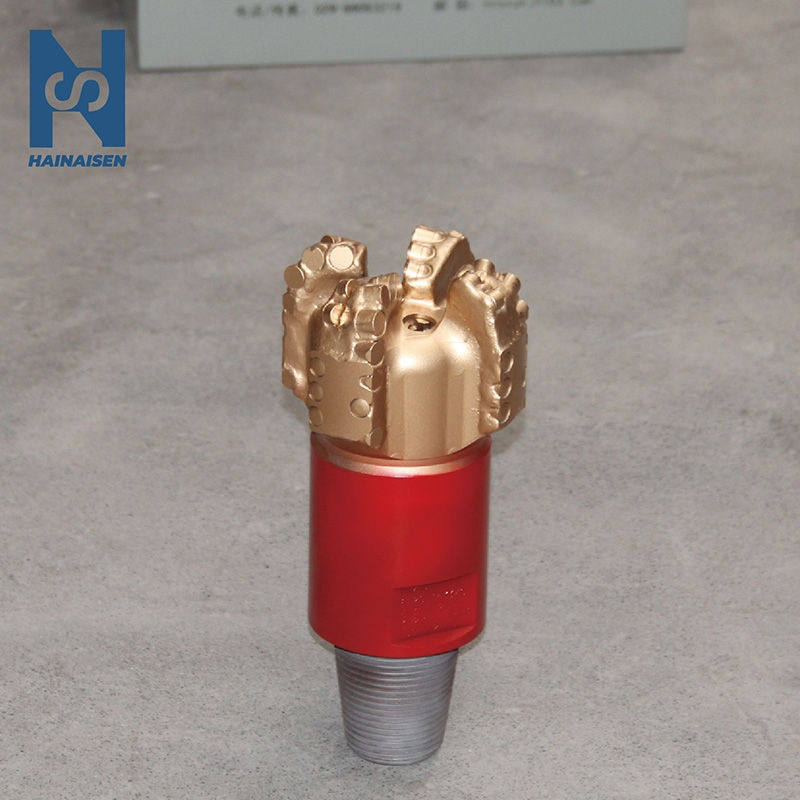 VIEW MORE4 Wings Blades PDC Bit
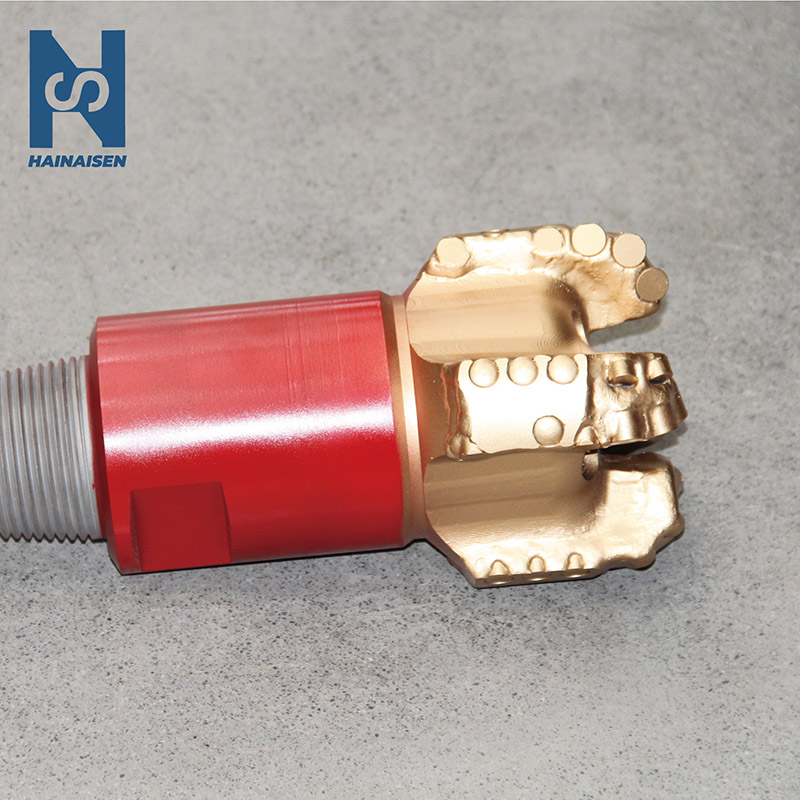 VIEW MOREPetroleum PDC Oil Drill Bit
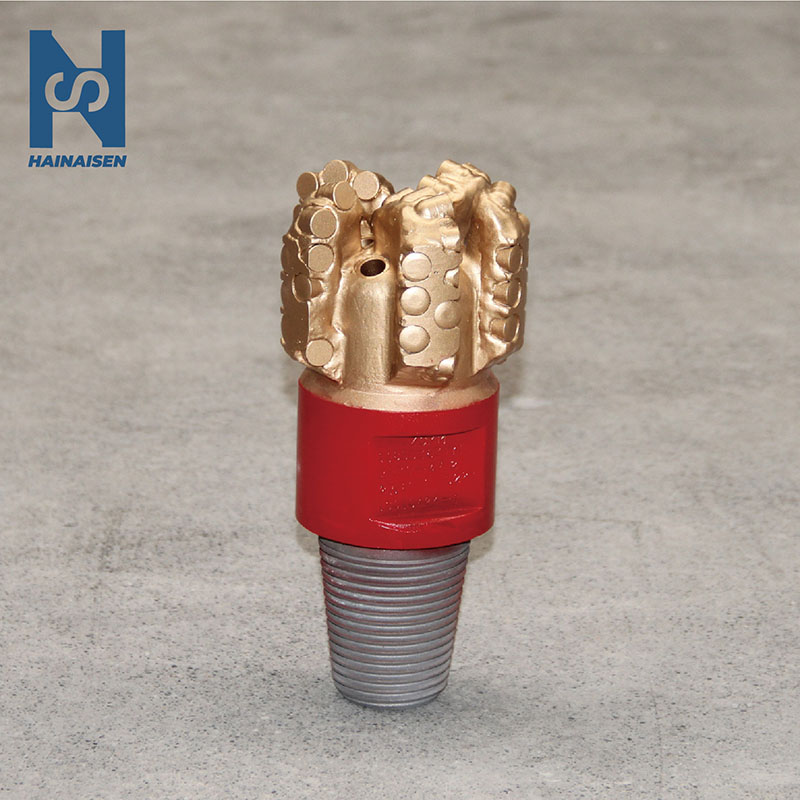 VIEW MOREHigh Performance 5 Cutter PDC Bit
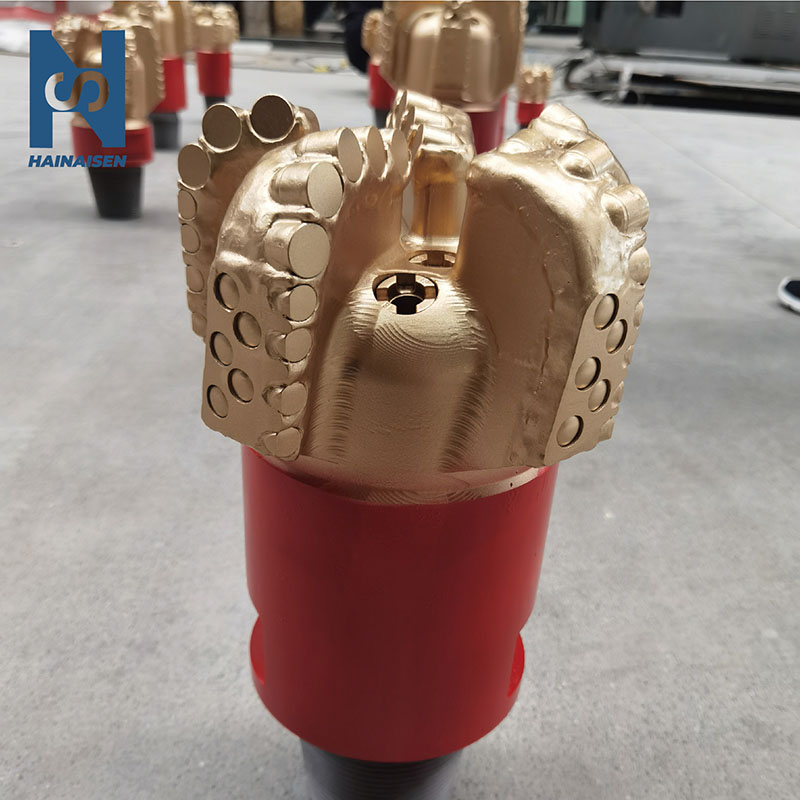 VIEW MOREFive Blade Oil Drill Bit
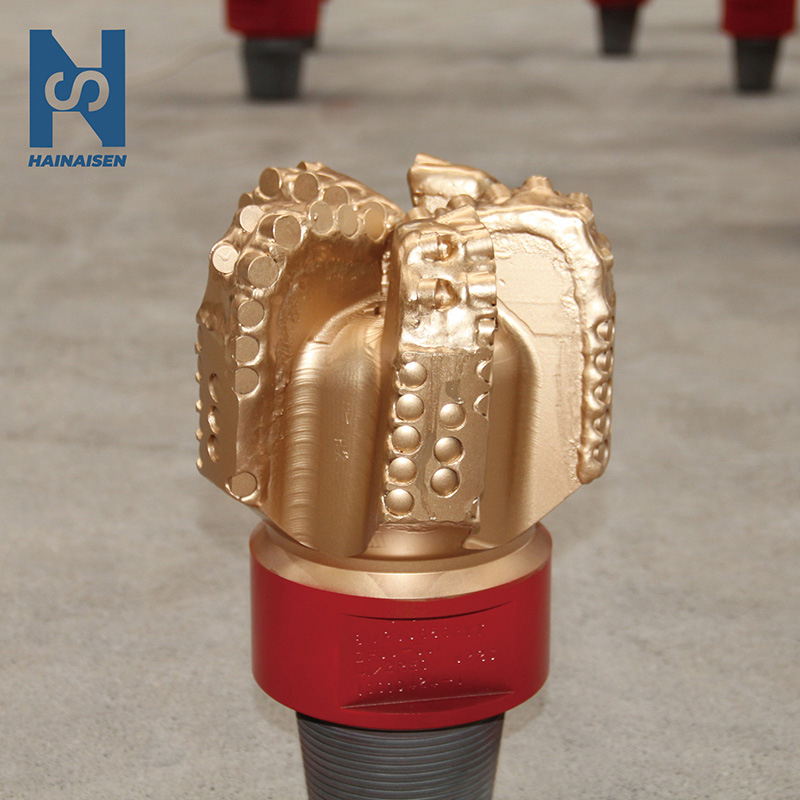 VIEW MORE5 Blades PDC Oil Bit
logo 2_1777361643767.jpg) VIEW MORE94mm Four Wing Arc Angle Drill Bit
VIEW MORE94mm Four Wing Arc Angle Drill Bit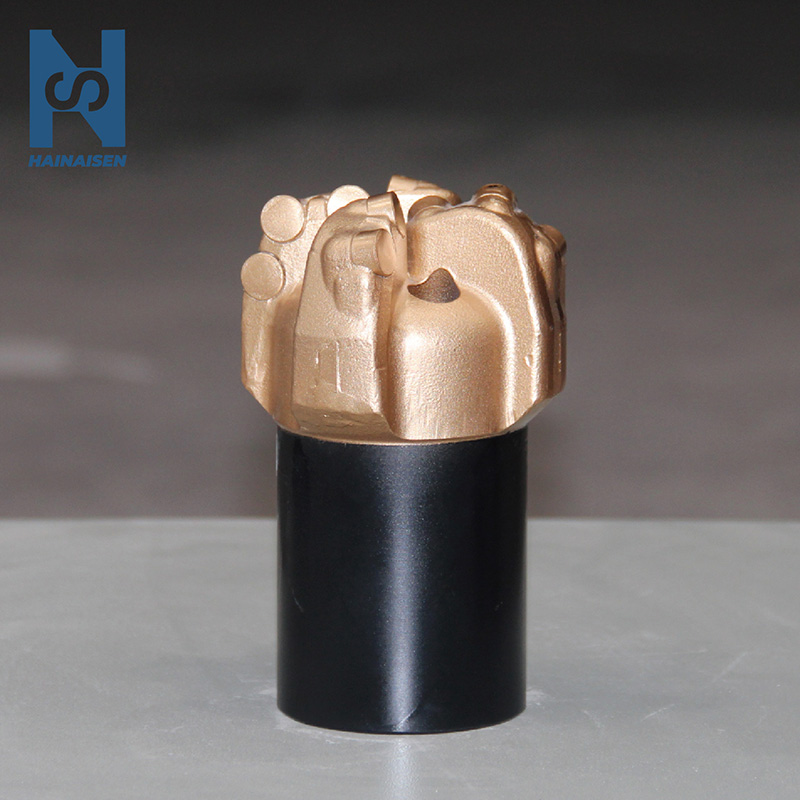 VIEW MOREFour Blade PDC Rock Drill Bit
logo 1_1768274683075.jpg) VIEW MORECoal Mine Drilling Opening And Closing Drill Bit
VIEW MORECoal Mine Drilling Opening And Closing Drill Bit