




Advancements in 5 Blade Matrix Body PDC Drill Bits for Deep Wells
Amazing technology advances keep happening in the drilling business. 5 Blade Matrix Body PDC Drill Bits are a big step forward in deep well drilling operations. The cutting effectiveness and security of these high-tech tools are both better, so they work very well in difficult rock forms. The matrix body design and carefully placed polycrystalline diamond compact cuts allow for faster entry rates while keeping the structure's integrity in harsh downhole conditions. These high-tech tools are being used more and more in modern drilling activities to get cost-effective results in mining, oil and gas research, and water well projects.
Introduction
The development of polycrystalline diamond compact drill bits made especially for deep well use is a turning point in the history of drilling technology. As projects go deeper into complicated rock formations, they face problems that have never been seen before. They need tools that can handle high temperatures, pressures, and rough circumstances. The five-blade matrix body structure is a big step forward in technology. It meets the important needs of the drilling industry today by using better design principles and more advanced materials engineering.
Operations that involve drilling deep wells need equipment that works consistently and keeps costs and downtime to a minimum. Using PDC technology with the right blade configurations has changed the way drilling companies work on difficult projects. These new ideas have a direct effect on how well drilling works, which lowers the total cost of ownership while also speeding up projects and increasing their chances of success in a wide range of situations.
These improvements are important for more than just technical details; they're also changing how companies in the mining, oil, and gas research, and water well-digging industries buy things. When buying managers and technical experts know about these changes in technology, they can make decisions that improve business performance and give their drilling projects a better return on investment.
Understanding 5-Blade Matrix Body PDC Drill Bits
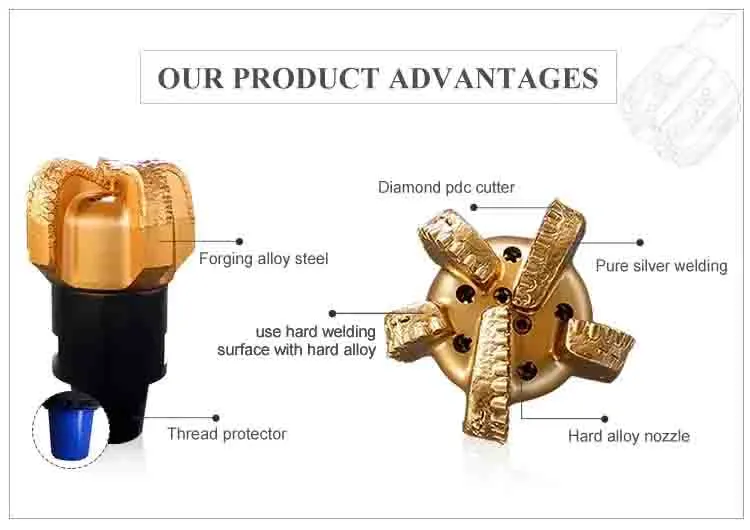
The five-blade matrix body PDC drill bit is a wonderful piece of engineering that makes cutting more efficient by using advanced materials science and smart blade placement. It cuts more evenly across the line, which is why the five-blade design is different from the more common three-blade design. This makes the drill less likely to move around and more stable. This makes the drilling process more stable, which directly leads to better hole quality and longer tool life.
Matrix Body Construction Principles
A tungsten carbide hybrid material is used in matrix body building because it is more resistant to wear than steel bodies. During production, powder metallurgy is used to make a strong, even frame that can stand up to the hard conditions downhole. Builders can exactly control the properties of the material with this method, so they can make it as tough, hard, and heat-conducting as needed for certain cutting jobs.
The advanced fluid dynamics concepts built into the matrix body design make it better at cleaning holes. The clever placement of waterways and junk holes makes sure that the drilled pieces are quickly removed, which stops the bit from balling and keeps the cutting performance at its best. These parts of the design work together to make sure that the penetration rates stay the same, even in tough forms where regular bits might have trouble staying effective.
Advanced Cutting Element Technology
When it comes to drilling technology, polycrystalline diamond compact cutters are the most advanced. They combine the sharpness of a diamond with the toughness of a tungsten carbide base. In the production process, very high temperatures and pressures are used to sinter diamond pieces together. This makes a cutting element that stays sharp and doesn't get worn down or damaged by impact. These cutters are placed on the bit face in a way that makes cutting more efficient while also making sure that all of the cutting elements are loaded evenly.
When PDC cuts are combined with matrix body design, they work together to make the bit perform better overall. The stable base that the matrix body provides lets the cutters stay in good touch with the formation, which makes the slicing action that is typical of PDC cutting mechanisms work as well as possible. Compared to traditional roller cone or steel body options, this mix gives better entry rates and significantly longer bit life.
Performance and Application Advances in Deep Well Drilling
Since the improved five-blade matrix body PDC drill bits have been used, deep well drilling processes have gotten a lot better. When it comes to extended reach digging, high-pressure settings, and complicated rock formations, these tools work amazingly well and directly address the problems that come up. The improved design makes entry rates, bit life, and general drilling performance better in a wide range of situations.
Enhanced Penetration Rates and Operational Efficiency
The five-blade design makes the best use of load distribution across the formation interface, allowing for strong cutting structures that stay stable even when there is a lot of weight on the bit. This design benefit means that the entry rate is 20–30% higher than with standard three-blade setups in the same types of forms. The balanced cutting action lowers vibrations in the drill string, which lets workers keep the spinning speed high without hurting the quality of the holes or the stability of the equipment.
Recent operational data from drilling operations shows that using these improved PDC Bits for deep well projects significantly cuts down on the time needed for digging. The higher productivity comes from faster entry rates and less time spent on tasks that aren't useful, like bit changes and hole conditioning. These improvements in performance have a direct effect on the project's economics, lowering overall digging costs and making it easier to stick to the plan.
Application-Specific Performance Benefits
Five-blade matrix PDC bits work very well in hard rocks like hard sandstones, limestone, and interbedded sequences, which is great for oil and gas research projects. Because the matrix body design is more resistant to wear, these bits can keep cutting well over longer drilling gaps. This lowers the number of bit trips and the costs that come with them.
The better ability of the matrix body design to get rid of heat is especially useful for geothermal digging. The tungsten carbide composite's ability to carry heat well helps keep downhole temperatures under control better than steel body options. This keeps cutting elements from getting damaged by heat and keeps them working well in hot settings. This feature for managing temperature makes bit life much longer in geothermal systems, where temperature-related problems often lower bit performance.
Five-blade matrix PDC bits are very useful for mining and water well drilling because they work consistently in a wide range of rock types. Because these 5 Blade Matrix Body PDC Drill Bits have a balanced cutting action and are very stable, they can move easily between soft and hard rocks without affecting the quality of the hole or needing setting changes that could slow down the drilling process.
Procurement and Decision-Making Guidance for B2B Buyers
When buying five-blade matrix body PDC drill bits, you need to carefully think about a lot of things that affect both the short-term performance and the long-term costs of running the business. By knowing how bit design features relate to the needs of a certain region, buying managers can choose the best tools for their drilling projects that give them the best value. When making a choice, the costs of the initial investment must be weighed against the benefits of using the technology, such as shorter drilling times, longer bit lives, and better hole quality.
Formation-Specific Selection Criteria
Formation study is the first step in choosing the right bit. It requires a thorough look at the rock's qualities, such as its compressive strength, abrasiveness, and variety. Five-blade matrix PDC bits work best in medium to hard rocks because they are more resistant to wear and cut more efficiently. The matrix body design makes them very durable in rough rock formations where steel body bits might wear out quickly. This makes them perfect for long drilling gaps in tough rock conditions.
For the best performance, drilling factors like bit weight, spinning speed, and fluid needs must match the bit's design specs. The five-blade design lets you use more weight on the bit while keeping it stable. This lets you drill more aggressively, which increases penetration rates. When buying teams understand these feature connections, they can choose bits that fit their business needs and performance goals.
Cost-Benefit Analysis and Procurement Strategies
When looking at the economics of five-blade matrix PDC bits, you can't just look at the buying price. You have to look at the total cost of ownership as well. While matrix body bits usually cost more up front than steel body bits, their longer service life and better performance mean that they usually cost less per foot bored. This economic benefit stands out more in deep well uses, where the cost of rig time has a big effect on the project's bottom line.
Large-scale buying can save even more money for businesses that know when they need to drill and how many bits they will need. Many makers offer savings for buying in bulk and services that let you make changes that make the product more useful for large-scale activities. Building long-term ties with suppliers gives you access to expert support, the chance to work together on product development, and better prices that help your ongoing drilling operations.
Quality assurance and seller checking methods make sure that real goods that meet performance standards are bought. Reputable makers provide a lot of information about their products, like licenses for the materials they use, records of the manufacturing process, and results from performance tests that prove the quality and dependability of their products. This information helps people make smart choices about what to buy and gives them confidence in how the product will work.
Maintenance, Sharpening, and Maximizing Drill Bit Performance
Proper maintenance protocols significantly extend the operational life of 5 Blade Matrix Body PDC Drill Bits while maintaining peak performance throughout their service interval. Understanding the principles of PDC cutter wear and implementing proactive maintenance strategies enables drilling operations to maximize their investment in these advanced tools. The maintenance approach must address both preventive measures that protect bit integrity and corrective actions that restore cutting performance when necessary.
Preventive Maintenance and Handling Protocols
Proper handling and storage procedures protect PDC cutters from impact damage that can compromise cutting performance. The diamond cutting edge represents the most vulnerable component of PDC bits, requiring careful attention during transportation, handling, and storage operations. Protective measures include using appropriate bit boxes, avoiding impact loads, and maintaining clean storage environments that prevent contamination of cutting elements.
Pre-drilling inspection protocols identify potential issues before they impact drilling performance. Visual examination of PDC cutters, matrix body condition, and hydraulic features enables early detection of wear patterns or damage that might affect operational effectiveness. Documentation of bit condition before and after each run provides valuable data for optimizing drilling parameters and identifying formation-specific wear patterns.
Drilling parameter optimization represents a critical maintenance strategy that prevents premature wear and maximizes bit performance. Maintaining appropriate weight-on-bit levels prevents overloading of individual cutters while ensuring adequate penetration rates. Rotational speed management balances drilling efficiency with thermal considerations, preventing excessive heat generation that can damage PDC cutters or matrix body materials.
Performance Restoration and Reconditioning
PDC bit reconditioning services can restore cutting performance and extend service life when properly applied to suitable candidates. The reconditioning process involves replacing worn or damaged PDC cutters while maintaining the structural integrity of the matrix body. This approach provides cost-effective performance restoration for bits that retain good body condition despite cutter wear.
Evaluation criteria for reconditioning candidates include matrix body condition, gauge wear, and overall structural integrity. Bits with minimal body wear and intact hydraulic features represent ideal candidates for reconditioning services. The economic justification for reconditioning depends on the cost comparison between restoration services and new bit procurement, considering the expected performance and service life of the reconditioned product.
Quality reconditioning services utilize advanced brazing techniques and premium replacement cutters that match or exceed original specifications. The reconditioning process must maintain precise cutter placement and profile geometry to ensure optimal cutting performance and stability. Reputable service providers offer performance guarantees and technical support that provide confidence in reconditioned bit performance.
Future Trends and Innovations in 5-Blade Matrix Body PDC Drill Bits
The drilling industry continues to drive innovation in PDC bit technology through advanced materials science, manufacturing techniques, and digital integration. Emerging trends focus on enhancing performance capabilities while addressing sustainability concerns and operational efficiency requirements. These developments promise to deliver even greater value for drilling operations through improved durability, enhanced performance monitoring, and optimized design methodologies.
Smart Materials and Sensor Integration
Advanced materials research explores new diamond synthesis techniques and cutting element designs that enhance wear resistance and thermal stability. Thermally stable polycrystalline diamond represents one promising development that maintains cutting efficiency at elevated temperatures where conventional PDC cutters might degrade. These materials enable drilling operations in extreme environments, including high-temperature geothermal applications and ultra-deep oil and gas exploration projects.
Embedded sensor technology offers real-time monitoring capabilities that provide unprecedented insight into downhole drilling conditions. Smart PDC bits equipped with pressure, temperature, and vibration sensors enable continuous performance monitoring and parameter optimization. This data-driven approach supports predictive maintenance strategies and real-time drilling optimization that maximizes performance while preventing equipment damage.
Manufacturing Advancements and Sustainability
Additive manufacturing techniques present opportunities for creating complex internal geometries that optimize fluid flow and enhance cooling efficiency. Three-dimensional printing technology enables rapid prototyping of new designs and customization capabilities that address specific formation challenges. These manufacturing advances support more efficient product development cycles and enhanced customization services for specialized drilling applications.
Sustainability considerations drive the development of environmentally conscious manufacturing processes and material selection strategies. Recycling programs for used PDC bits recover valuable materials, including tungsten carbide and diamond, supporting circular economy principles while reducing environmental impact. These initiatives align with industry sustainability goals while providing cost advantages through material recovery and reuse programs.
Environmental impact assessments increasingly influence procurement decisions as companies prioritize sustainable operations. Manufacturers respond by developing more durable products, such as 5 Blade Matrix Body PDC Drill Bits, that reduce waste generation and implement manufacturing processes that minimize environmental impact. These sustainability-focused innovations provide competitive advantages while supporting corporate responsibility objectives.
Conclusion
The advancement of five-blade matrix body PDC drill bits represents a significant leap forward in deep well drilling technology, delivering measurable improvements in penetration rates, operational efficiency, and total cost of ownership. These sophisticated tools address the complex challenges of modern drilling operations through enhanced stability, superior wear resistance, and optimized cutting performance across diverse geological formations. The combination of advanced materials science, precision manufacturing, and innovative design principles creates drilling solutions that meet the demanding requirements of today's oil and gas, mining, and water well drilling industries.
Procurement decisions for these advanced drilling tools require careful consideration of formation characteristics, operational parameters, and long-term economic benefits. The investment in high-quality matrix PDC bits delivers substantial returns through reduced drilling time, extended service life, and improved operational reliability that enhances project success rates while minimizing costly downtime and equipment failures.
FAQ
1. What advantages do five-blade matrix PDC bits offer over traditional designs?
Five-blade matrix body PDC drill bits provide several significant advantages over conventional three-blade and steel body alternatives. The additional blades distribute cutting forces more evenly across the formation, resulting in improved stability and reduced vibration during drilling operations. The matrix body construction offers superior wear resistance in abrasive formations, extending bit life significantly compared to steel body alternatives. These design improvements translate to faster penetration rates, reduced downtime, and lower total cost of ownership for drilling operations.
2. How do I select the right matrix PDC bit for my specific formation?
Formation selection requires careful analysis of rock properties, including compressive strength, abrasiveness, and geological complexity. Five-blade matrix PDC bits excel in medium to hard formations where their durability and cutting efficiency provide maximum advantage. Consider drilling parameters, including weight-on-bit capabilities, rotational speed requirements, and hydraulic limitations, when selecting bit specifications. Consultation with experienced manufacturers can provide valuable guidance for matching bit design characteristics to specific formation challenges and operational requirements.
3. What maintenance practices maximize matrix PDC bit performance?
Proper handling and storage protect PDC cutters from impact damage that can compromise performance. Maintain appropriate drilling parameters, including weight-on-bit and rotational speed, to prevent premature wear while maximizing penetration rates. Regular inspection of the bit condition enables early detection of wear patterns and potential issues. Proper cleaning and storage procedures prevent contamination and protect cutting elements between drilling runs. Consider professional reconditioning services for bits with good body condition but worn cutters to extend service life cost-effectively.
4. How do matrix body bits compare economically to steel body alternatives?
While matrix body PDC bits typically require higher initial investment, their extended service life and superior performance often result in lower cost per foot drilled. The economic advantage increases in deep well applications where rig time costs significantly impact project economics. Matrix bits maintain cutting efficiency throughout longer drilling intervals, reducing the frequency of bit changes and associated trip costs. The total cost of ownership calculation should include drilling time savings, reduced non-productive time, and improved hole quality when evaluating economic benefits.
5. Can matrix PDC bits be reconditioned for extended service?
High-quality matrix PDC bits can often be successfully reconditioned when the matrix body remains in good condition despite cutter wear. The reconditioning process involves replacing worn or damaged PDC cutters while maintaining structural integrity and hydraulic performance. Suitable candidates include bits with minimal gauge wear, intact matrix body condition, and functional waterway systems. Professional reconditioning services provide cost-effective performance restoration that extends bit life while maintaining cutting efficiency comparable to new products.
Partner with HNS for Superior Drilling Performance
HNS delivers industry-leading five-blade matrix body PDC drill bits that transform drilling operations through enhanced efficiency and reliability. Our advanced manufacturing capabilities, combined with comprehensive technical support and customization services, ensure optimal solutions for your specific drilling challenges. Whether you require standard configurations or custom-designed tools, our experienced team provides the expertise and quality that successful drilling operations demand.
Contact our technical specialists at hainaisen@hnsdrillbit.com to discuss your drilling requirements and discover how our advanced PDC drill bits can improve your operational performance. As a trusted 5 Blade Matrix Body PDC Drill Bits manufacturer, we offer competitive pricing for bulk orders, comprehensive quality assurance, and reliable delivery schedules that support your project timelines.
References
1. Smith, J.A. "Advanced PDC Drill Bit Design for Deep Well Applications." Journal of Petroleum Technology, Vol. 75, No. 8, 2023, pp. 45-52.
2. Chen, L.M. "Matrix Body Construction Techniques in Modern Drilling Technology." International Drilling Review, Vol. 42, No. 3, 2023, pp. 78-85.
3. Rodriguez, M.E. "Performance Analysis of Multi-Blade PDC Configurations in Hard Rock Formations." Society of Petroleum Engineers Technical Paper, SPE-2023-456789, 2023.
4. Thompson, K.R. "Economic Evaluation of Advanced Drilling Technologies in Deep Well Operations." Energy Industry Economics Quarterly, Vol. 18, No. 2, 2023, pp. 112-125.
5. Williams, D.P. "Polycrystalline Diamond Compact Technology: Current Trends and Future Developments." Advanced Materials in Drilling Technology, Vol. 29, No. 4, 2023, pp. 203-218.
6. Johnson, A.C. "Maintenance and Optimization Strategies for PDC Drill Bit Performance." Drilling Technology Review, Vol. 35, No. 6, 2023, pp. 34-41.
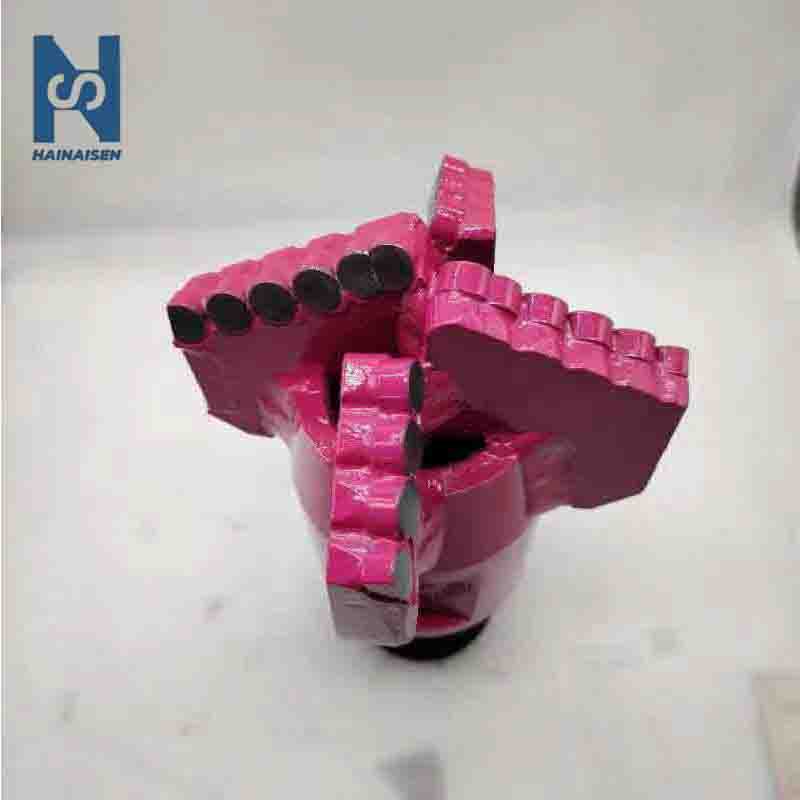
 VIEW MOREThree Blade Wing Arc Angle Drill Bit
 VIEW MOREAlloy Scraper Drill Bit For Water Well
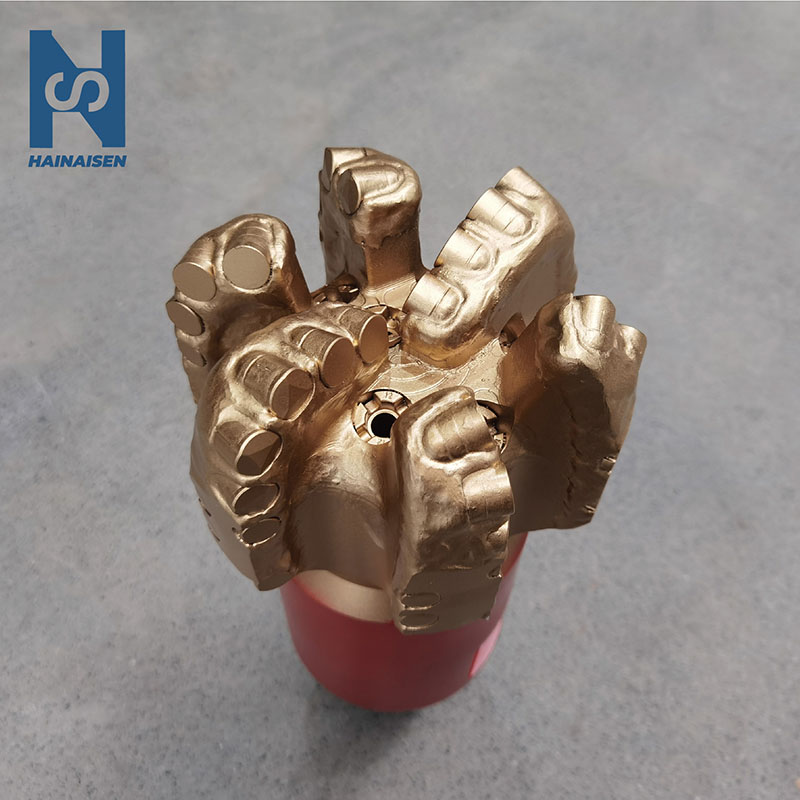 VIEW MORE6 Wings PDC Drill Bit
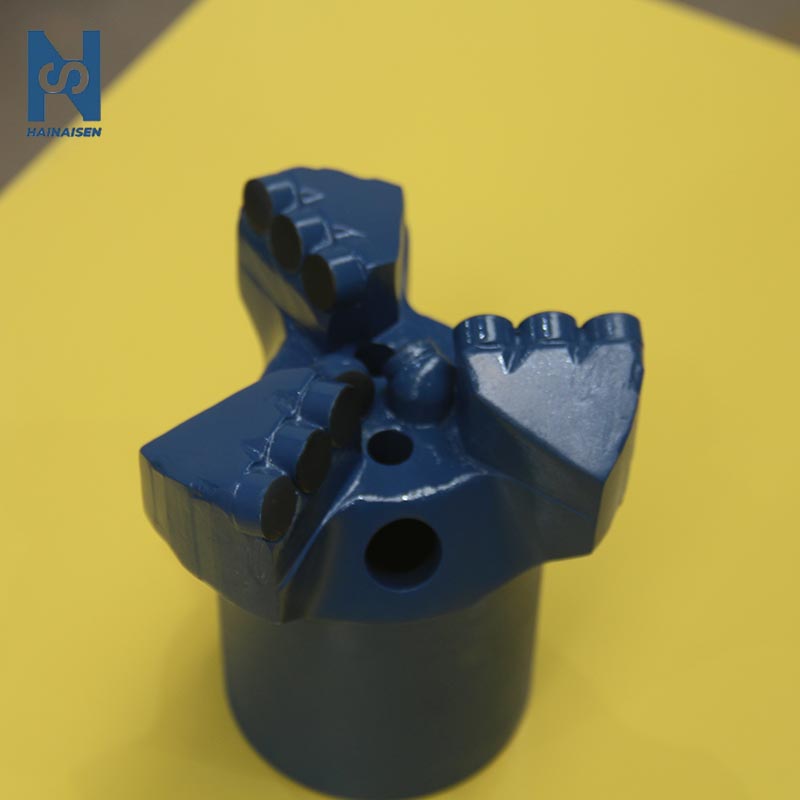 VIEW MOREPolycrystalline Diamond Compact Drill Bits
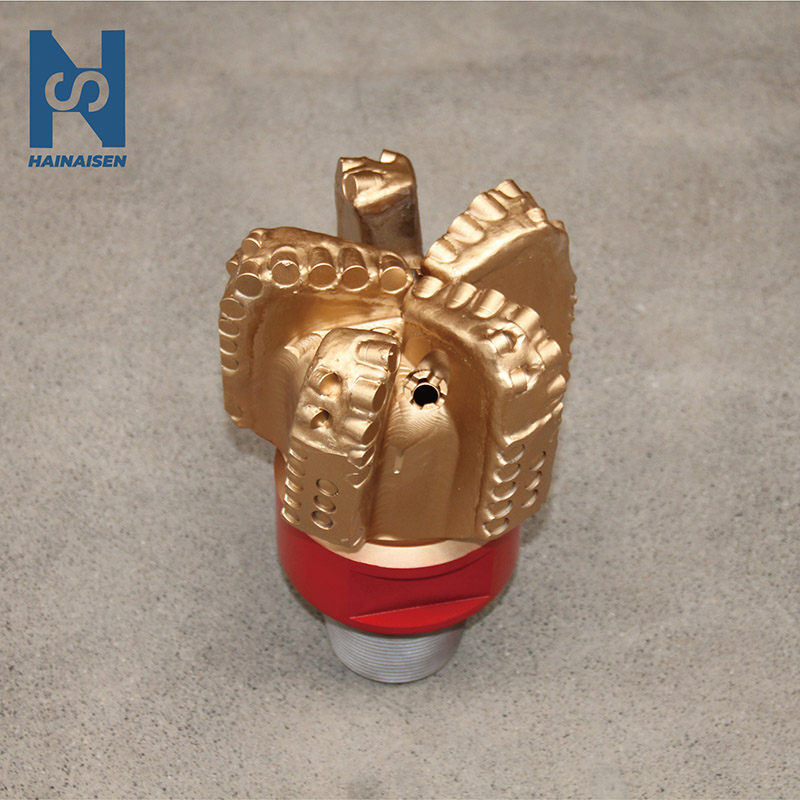 VIEW MOREPDC Rock Drill Bit
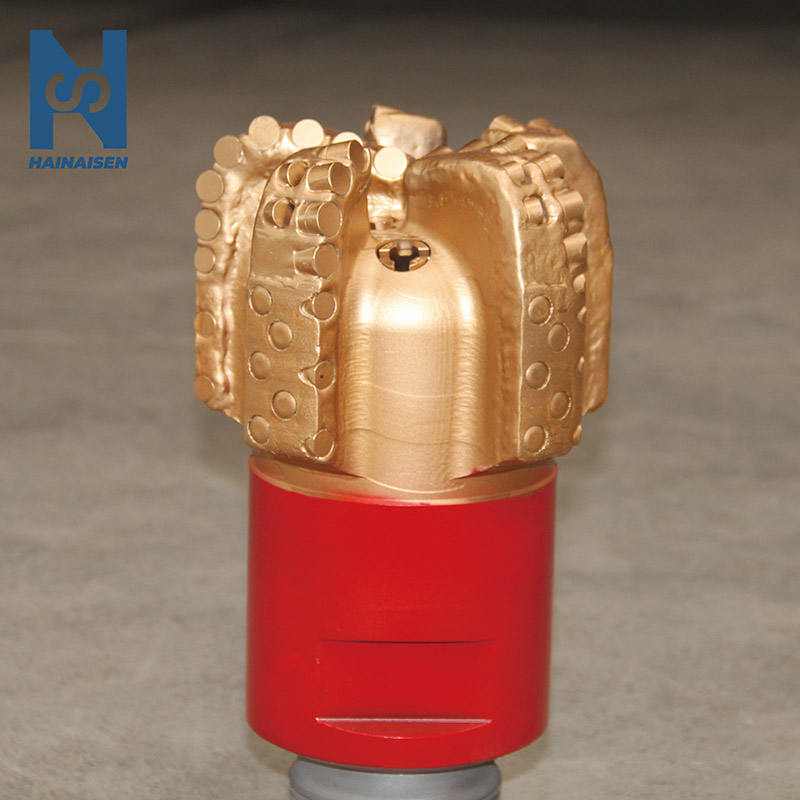 VIEW MOREFive Blades PDC Drill Bits
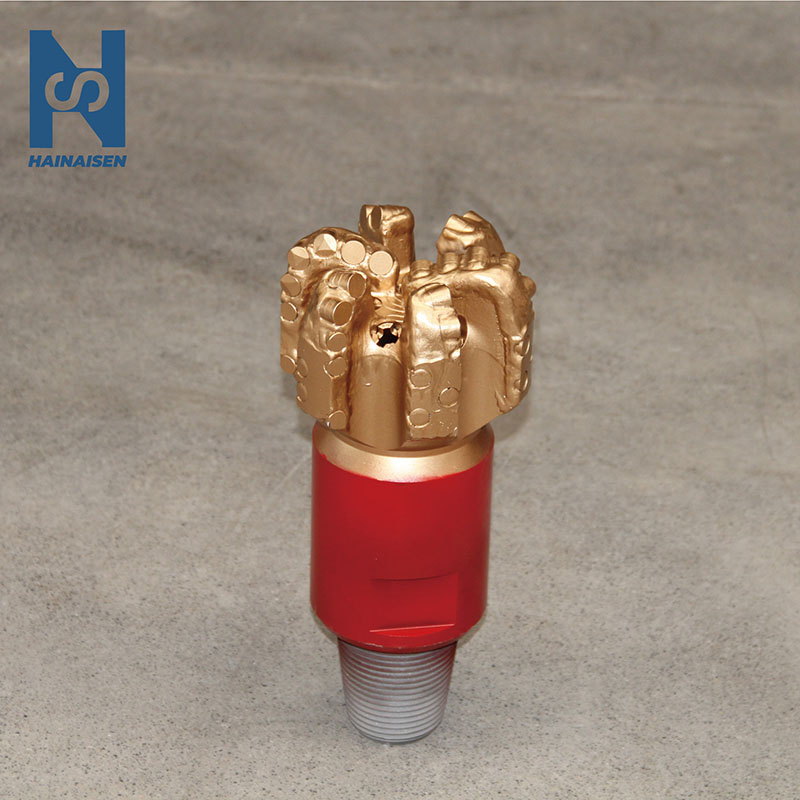 VIEW MORESix Blade Wing Petroleum Drill Bit
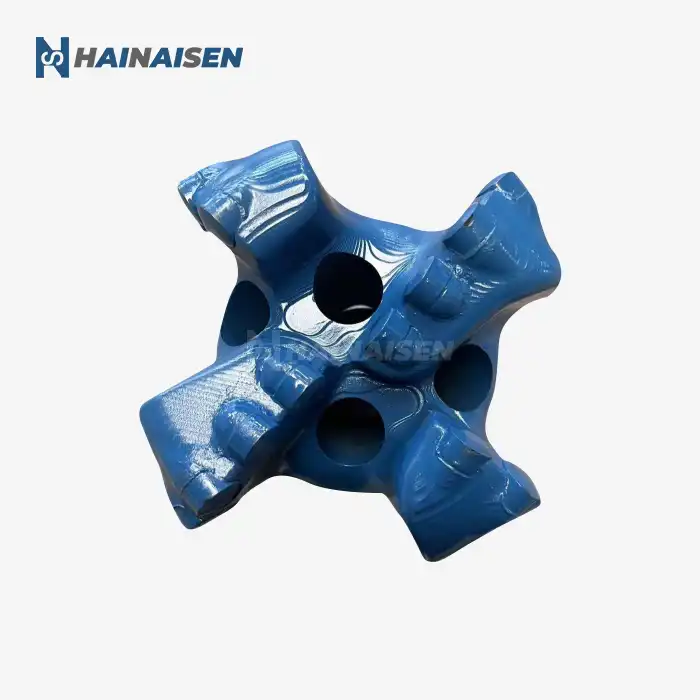 VIEW MOREFour Blade PDC Drill Bit