







What is the average lifespan of a high-performance diamond drill bit?
A good diamond oil drill bit can last between 50 and more than 300 drilling hours, or from one well section to several intervals. How long it lasts depends on the hardness of the rock, the bit's shape, its weight, its RPM, its hydraulics, and its temperature. A premium PDC diamond bit can stay on the bottom much longer than other choices in many medium-hard to hard formations, as long as it fits the geology and drilling conditions. When buyers look at more than just the purchase price, like total cost per foot, rate of penetration, and shortened trip time, they get the best long-term results.
Introduction
Bit life directly affects the amount of data, the time the rig needs to work, and the cost of running the business. That's why technical experts and procurement managers often ask a basic but important question: how long will a diamond bit really last in the field? No set answer because the length of time a drill bit lasts depends on the abrasiveness of the rock, the temperature downhole, the quality of the bit, and how well it is cleaned with hydraulics. Still, knowing the average range helps me choose what to buy more wisely and spend less time doing nothing. This guide shows how diamond oil drill bits work, how long they last compared to other bit types, and what buyers can do to make their investment last longer and give them a better return on their money.
Understanding Diamond Oil Drill Bits and Their Lifespan
What makes a diamond oil drill bit different?
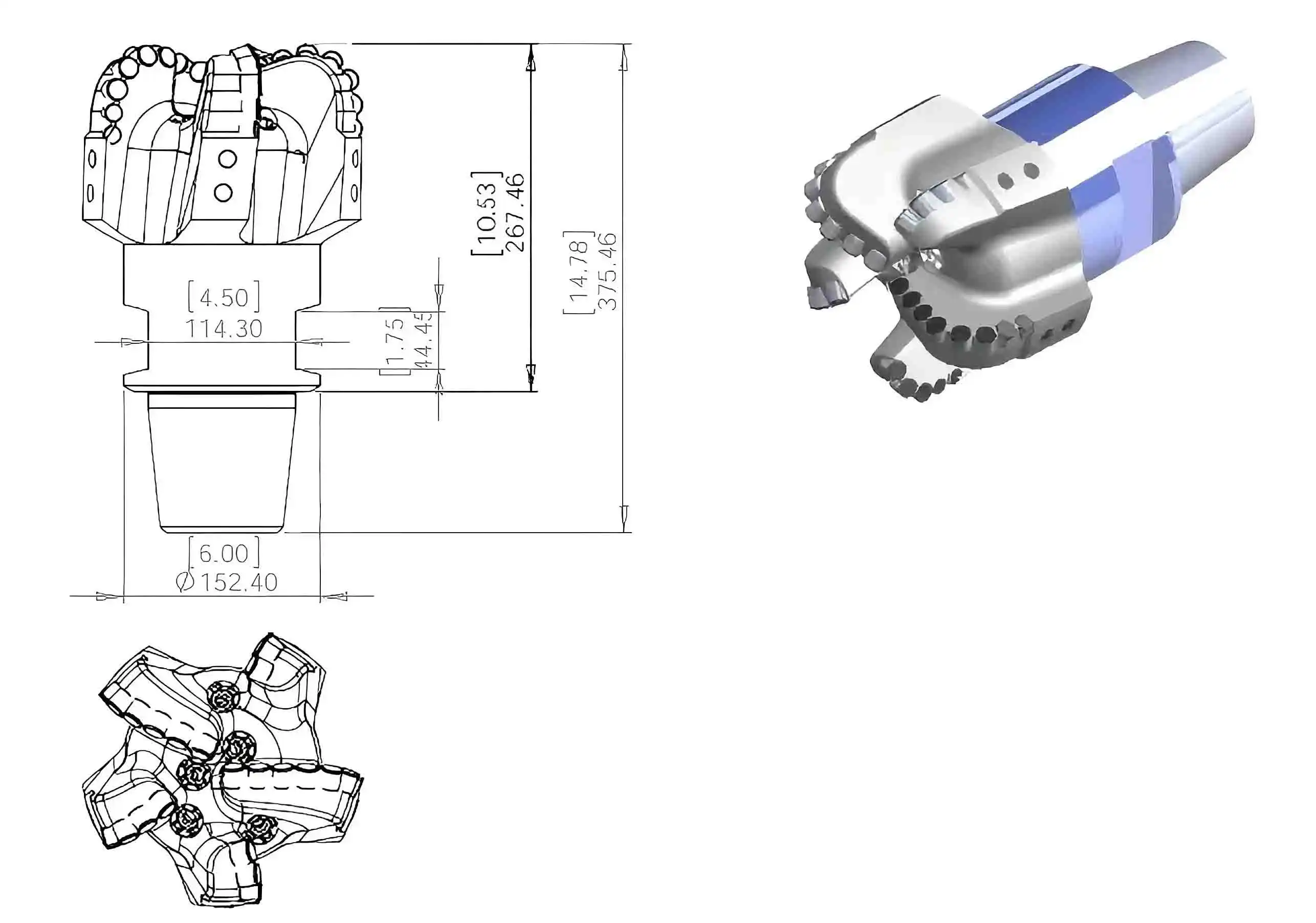
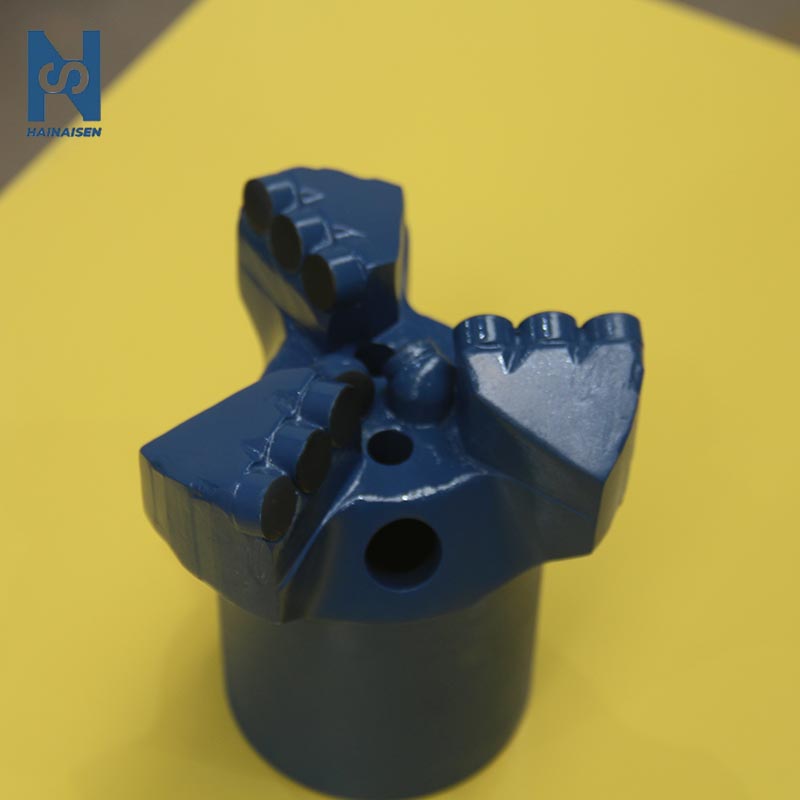
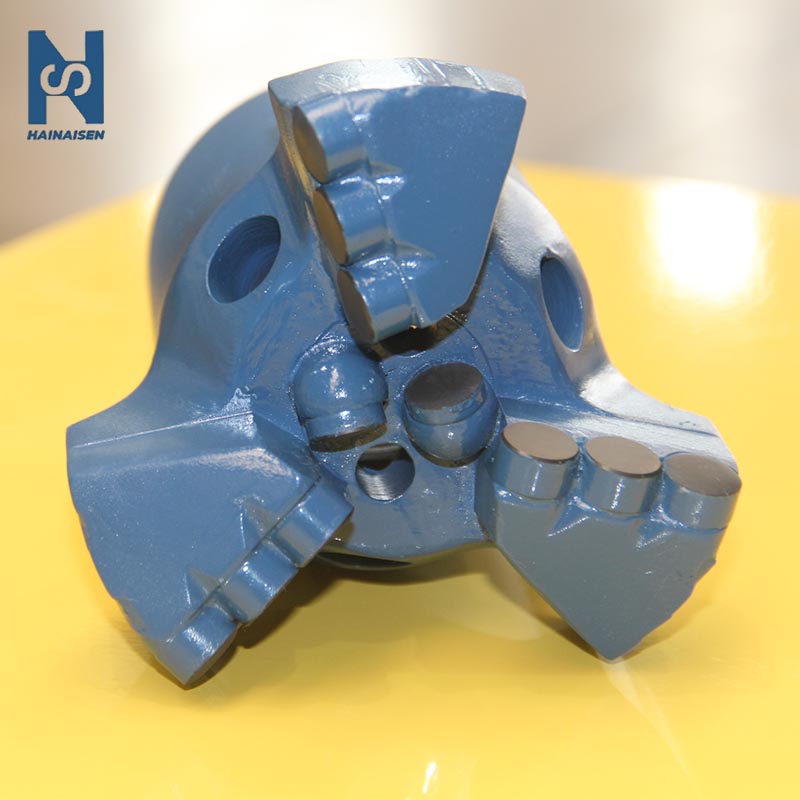
Industrial diamonds, most often polycrystalline diamond compact (PDC) cutters, are used to make diamond oil drill bits that cut rock efficiently and don't break down easily. They can cut through many types of materials more smoothly and with less wear than standard steel tooth or roller cone designs. They have cutting faces that last longer if the bit is set to the shape correctly.
A normal high-performance bit also has features that help it last longer, like gauge safety, an optimised blade plan, better junk-slot flow, and heat-resistant cutter technology. These features are important because the cutting edge, shoulder, or gauge area is where bits often break first.
What determines average lifespan?
A SERP-style search purpose shows that most buyers want a straight benchmark along with useful information. The answer in the highlighted snippet is that the average lifespan isn't based on a single hour rate but on the type of use. These are the important variables:
- Formation type and how rough it is: Hard formations like sandstone, chert, and interbedded formations wear down faster than softer, cleaner intervals. Even high-end bits can quickly lose their ability to cut through hard rock if they are made in a way that makes them too harsh.
- Operating factors: The weight on the bit, the rotating speed, the power, and the hydraulic flow all have an effect on the cutter's temperature and wear. Even if the bit itself is very good, it can lose its usefulness if the parameters are not controlled well.
- Quality of the bit's design and production: the premium PDC cutter grade, blade count, hydraulic balance, anti-whirl design, and gauge strengthening all help with longer runs and better drilling.
Performance Comparison and Lifespan Evaluation
How do diamond bits compare with other drill bit types?
When I look at how long diamond drill bits last compared to carbide, tricone, and steel tooth bits, the biggest benefit is usually seen in tough, rough rock where trips cost a lot. Most of the time, PDC, diamond oil drill bits, and diamond-enhanced patterns offer a better balance of longevity and penetration rate.
This is how buyers usually judge them in the field:
- Compared with steel tooth bits, diamond bits usually last a lot longer because the cutting structure is better at resisting wear and tear. This can cut down on the number of trips that need to be made over long periods of time, which is very important in deep wells where each trip costs a lot.
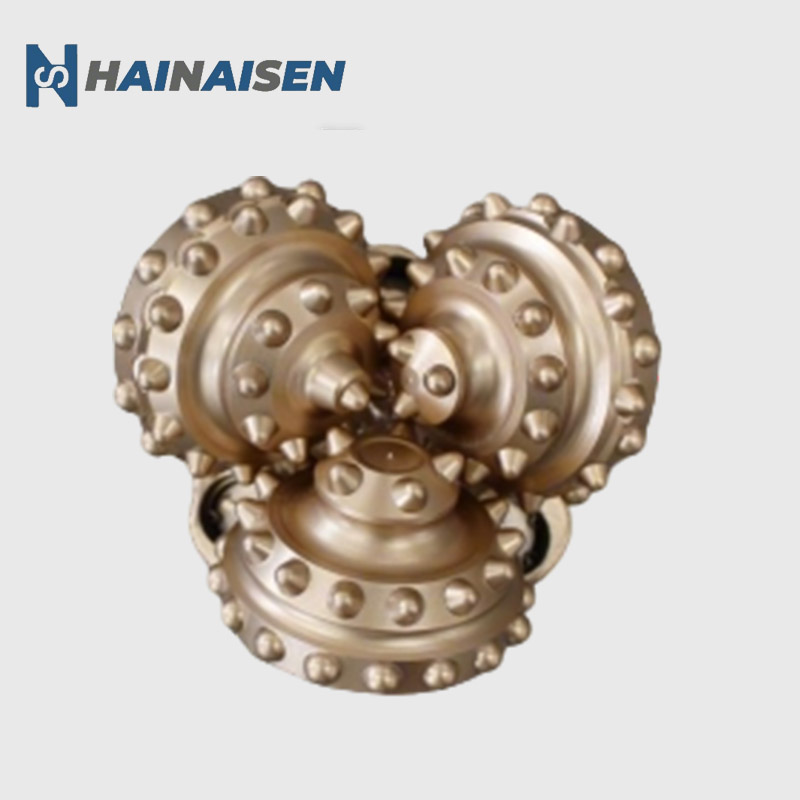
- Compared with tricone bits, high-performance diamond bits often dig faster and keep a more stable gauge than tricone bits. In some situations, like when impact breaking is better, cones can still be used. But PDC-based designs usually win because they drill more holes per bit and cost less per foot.
- Compared with lower-grade PDC bits, premium diamond bits generally live up to their higher price by being better at withstanding heat, keeping the cutter in place more steadily, and causing less damage from vibrations. That can make the wellbore better and the bit last longer.
Real cost value beyond the purchase price
It's not just about longevity that makes a bit last longer. It changes the rate of penetration (ROP), which means fewer bit trips, more stable direction control, and less work for support staff. That means that unit cost is not the right way to measure buying. It's an achievement for each game.
This is why product design is important. Our Diamond Oil Drill Bit is made with advanced polycrystalline diamond compact (PDC) technology for enhanced durability, an optimised cutting structure for faster penetration rates, and superior heat resistance to maintain performance in high-temperature wells. We also offer customisable designs to meet specific formation requirements, backed by extensive field testing and a proven track record. This mix can increase the useful life of drill bits in medium-hard rock formations while also making drilling easier and more reliable.
Maintenance Tips to Maximise Diamond Oil Drill Bit Lifespan
Inspection, cleaning, and handling best practices
The life of a bit doesn't end on the rig floor. Choices about maintenance have a measured effect on how well something works and how many times it can be used. I suggest checking for chipped cutters, wear flats on the cutters, gauge condition, tip integrity, and blade corrosion after every run. Cleaning is just as important as checking for damage, since piled-up junk can hide early signs of damage.
Storage and handling also deserve attention. Between uses, Diamond Oil Drill Bits should be kept safe from damage like drops, dirt, and rust. If the cutter edge or gauge pad is broken, it can make the next run less effective before it even starts digging.
Repair, reconditioning, or replacement
Not every broken part has to be thrown away right away. Some bits can be fixed up again if they don't have too much wear, and the bit body is still solid. If you want to know if the repair is cost-effective, you need to use wear signs and post-run dull grades.
The smartest maintenance strategy usually includes:
- Routine post-run evaluation with drilling data review, since video alone doesn't show the whole picture. If there are power spikes, vibrations, and decreasing ROP before the cutter breaks, the problem might be with the hydraulics or the way it is being used instead of the bit itself. When you compare run data to actual inspection data, you can avoid having the same speed loss happen again on the next well.
- A clear replacement threshold tied to total cost per foot, since running for too long can damage the wellbore, slow down the drilling process, and raise the risk of an unexpected trip. When engineering sets standard wear limits for cutting loss, gauge wear, and thermal damage for the Diamond Oil Drill Bit, it helps the procurement team make choices about replacements more quickly and consistently.
Procurement Insights: Selecting and Buying Diamond Oil Drill Bits
What B2B buyers should evaluate?
For medium and big oil service businesses, qualifications, reliability, and technical help are often more important than how well a product works. Buyers need a provider that can help with licensing, communicate with engineers, and make solutions that fit specific forms and BHA designs.
When I evaluate a supplier, I focus on these areas:
- Manufacturing capability and quality control
- Custom design support
- Field performance history
- Delivery reliability
- Warranty and after-sales response
Shaanxi Hainaisen Petroleum Technology Co., Ltd. was established in Xi'an in 2013. We specialise in the research and development, production, and sales of various diamond drill bits, PDC drill bits, and drilling tools and provide integrated technical solutions. Our 3,500 m² facility includes modern production workshops and advanced equipment such as 5-axis machining centres, CNC machine tools, and welding production lines. We also have a dedicated R&D team for custom bit design to meet different structural drilling needs.
Matching the bit to the application
Our diamond oil drill bits can be used for many different tasks, such as oil and gas exploration and production, geothermal well drilling, coal bed methane extraction, hard rock mining operations, water well drilling, geological core sampling, and horizontal directional drilling. In medium-hardness formations, where good penetration and long bit life can bring big economic benefits, they work especially well.
Design features such as improved weight transfer, reduced vibration, anti-whirl stability, hydraulic optimisation, and gauge reinforcement support longer runs and more stable drilling. That means the right bit is not just “premium” on paper. It is matched to the actual rock, drilling system, and cost target.
Future Trends and Innovations Impacting Diamond Oil Drill Bit Lifespan
Material upgrades and smarter monitoring
Both materials science and computer tracking are working on the next way to make bits last longer, including the Diamond Oil Drill Bit. Bits can keep their edge longer in tougher conditions thanks to better synthetic diamond alloys, better thermal stability, and better cutter shape. This is very helpful in wells with long laterals and high temperatures, where bit trips are expensive.
At the same time, drilling data and tools for planned repair are making it easier to figure out how long a bit will last. Teams can tell when a bit is almost worn out by keeping an eye on its power, vibration, differential pressure, and ROP decrease in real time. That lets changes be planned instead of mistakes being caused by something.
Why does this matter for cost and sustainability?
Longer-lasting bits can save money on material, cut down on lost work hours, and make drilling more efficient overall. As operators look for more cost-effective and resource-conscious drilling practices, high-performance diamond oil drill bits fit both goals. When something lasts longer, it needs to be replaced less often, which saves time and money and makes better use of drilling tools.
Conclusion
A high-performance diamond oil drill bit will usually last between 50 and 300+ drilling hours, but this can change depending on the rock type, the shape of the bit, and how it is used. The best results happen when buyers look at lifespan, ROP, trip reduction, and overall cost per foot all at the same time. Diamond Oil Drill Bits that are well-made can last longer, be more stable, and give a better return on investment (ROI) than cheaper ones. Procurement teams can cut down on downtime and improve drilling performance in gas, mining, and water well projects by finding the right provider, keeping up with smart maintenance, and designing equipment for the job at hand.
FAQ
1. How long does a PDC diamond oil drill bit usually last?
For the right job, a high-quality PDC diamond bit can last anywhere from 50 to 300 hours or more. In some places, it may go through a full section, but in rough or badly matched patterns, it may wear out faster. Formation type, hydraulics, RPM, bit weight, and cutter quality all have a big impact on how long a bit lasts.
2. Are diamond oil drill bits better for hard rock formations?
Yes, many diamond-enhanced and PDC designs work very well in rough and hard rocks because they are resistant to wear and have good cutting action. The exact outcome relies on picking the correct cutter size, blade shape, and hydraulic system for the type of rock.
3. What are the main signs that a diamond drill bit needs replacement?
Some common signs are a slower rate of entry, more torque, shaking, chipping of the cutter, gauge wear, thermal damage, and a lack of cleaning at the bottom of the hole. A boring score and data review after the run help figure out if the bit can be used again, fixed, or changed.
4. Can I reduce total drilling cost by choosing a more expensive diamond bit?
Most of the time, yes. A better bit can lower the cost per foot by digging faster, staying longer, and cutting down on trips. That's very important for directional projects, overseas work, deep wells, and situations where downtime and bit replacement cost a lot.oil drill bits
Partner with HNS for Superior Diamond Oil Drill Bit Solutions
Need a reliable Diamond Oil Drill Bit Manufacturer or supplier you can trust? HNS helps drilling teams improve bit life, drilling efficiency, and procurement value with custom-engineered solutions. Contact Us at hainaisen@hnsdrillbit.com to discuss your project, request technical support, or get a quote on Diamond Oil Drill Bits for sale backed by responsive service and global delivery.
References
1. SPE Drilling Engineering, Society of Petroleum Engineers
2. IADC Drilling Manual, International Association of Drilling Contractors
3. Bourgoyne, Millheim, Chenevert, Young Jr., Applied Drilling Engineering
4. Rabia, Hussain, Oilwell Drilling Engineering: Principles and Practice
5. ASTM International standards related to diamond tooling and wear testing
6. Baker Hughes Drilling Engineering publications and bit performance technical literature
 VIEW MOREPolycrystalline Diamond Compact Drill Bits
 VIEW MOREBest Diamond Drill Bits
 VIEW MORE4 1/2" IADC 637 TCI Tricone Bit
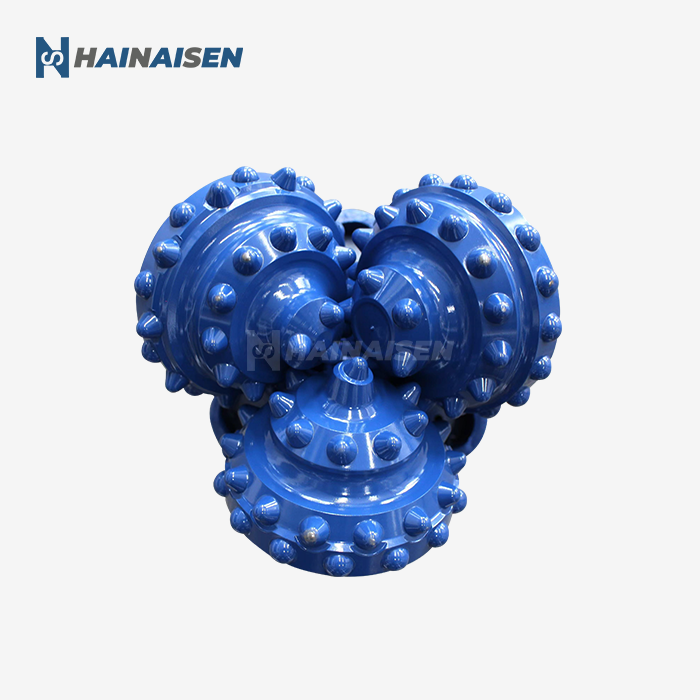 VIEW MORERock Roller Drill Bit
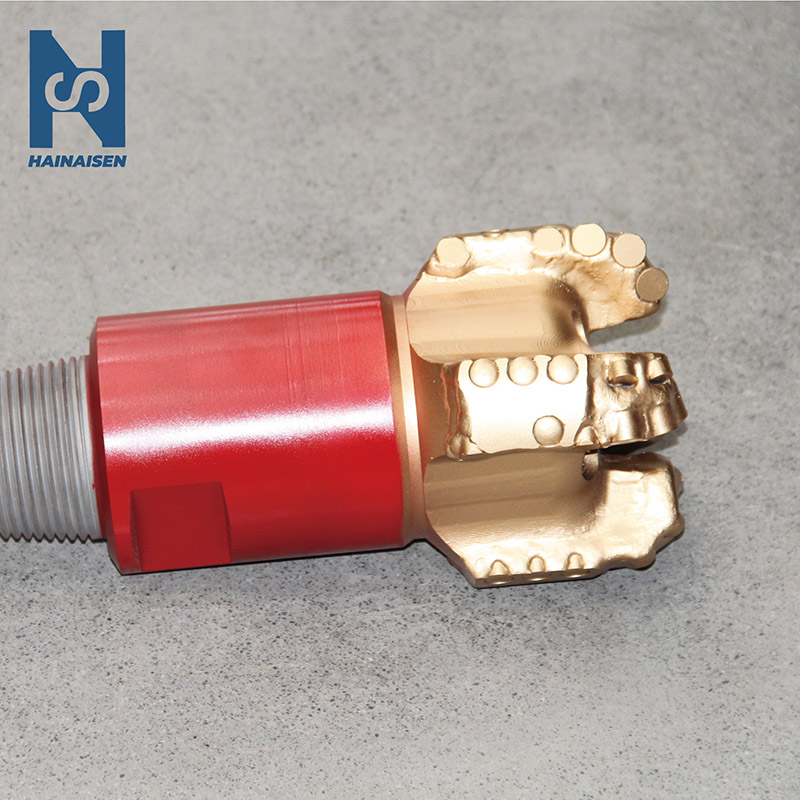 VIEW MOREPetroleum PDC Oil Drill Bit
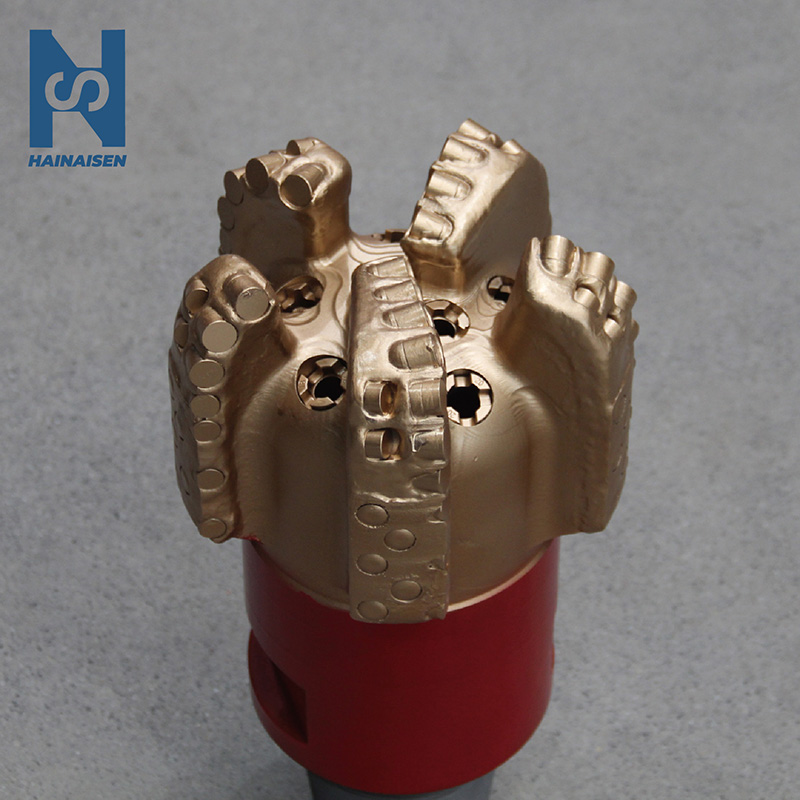 VIEW MOREOil Diamond Drill Bit
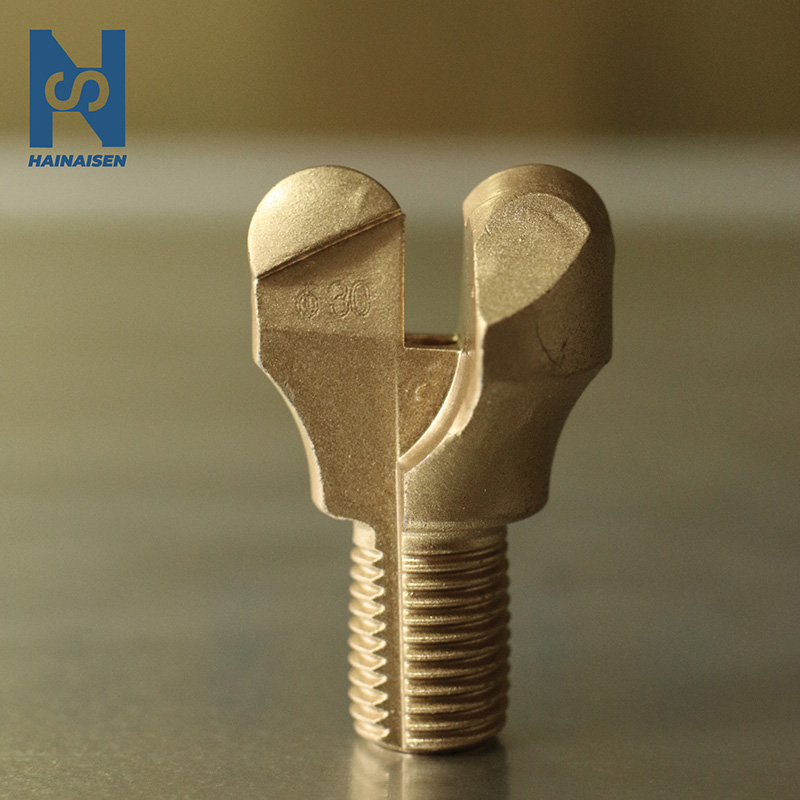 VIEW MORE34 And A Half Whole Coal Mine Mining Anchor Drill Bits
 VIEW MORESteel Tooth Bit
