




5 Blades PDC Oil Bit Design for High ROP in Oilfield Drilling
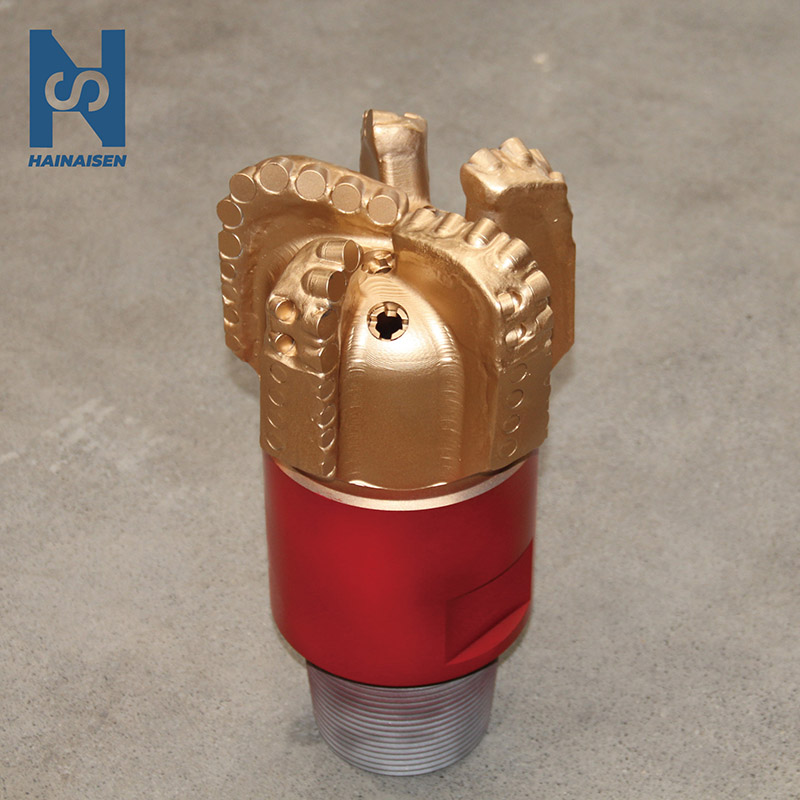
A 5-blade PDC oil bit is one of the best fixed-cutter designs for getting a high ROP in oilfield drilling because it strikes a good mix between cutting rock aggressively, keeping the bit stable, and getting rid of the cuttings. That balance is important in real digging projects. I've seen that 5-blade designs work best in medium-hard, low-compressive-strength rock types like shale, limestone, sandstone, and gypsum, where operators want to go deeper without shortening the bit's life. This style isn't just a technical choice for B2B buyers. A choice about cost, dependability, and output can affect how well drilling works overall in mining, oil and gas, directional drilling, and geothermal projects.
Introduction: Why Does a 5-Blade Design Matter in Modern Drilling?
These days, drilling teams have to drill faster, make fewer trips, and keep the total cost of the well low. Because of this, the design of 5-blade PDC oil bit options gets a lot of attention during technical review and purchase review. When I look at what U.S. buyers worry about most, I keep seeing the same things: a high penetration rate, steady durability, stable directional control, and reliable supplier support.
There is a clear search purpose around this subject. People who want to buy something want to know what a 5-blade PDC bit is, how it differs from 4- or 6-blade bits, where it works best, and which provider has a history of quality. That's where the 5-blade design really stands out. This makes it a good choice for many gas drilling jobs because it strikes a good balance between cutting power and structural strength.
Understanding 5-Blade PDC Oil Bit Design and Operation
How does the 5-blade structure work?
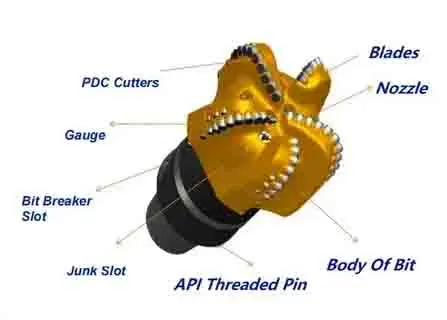
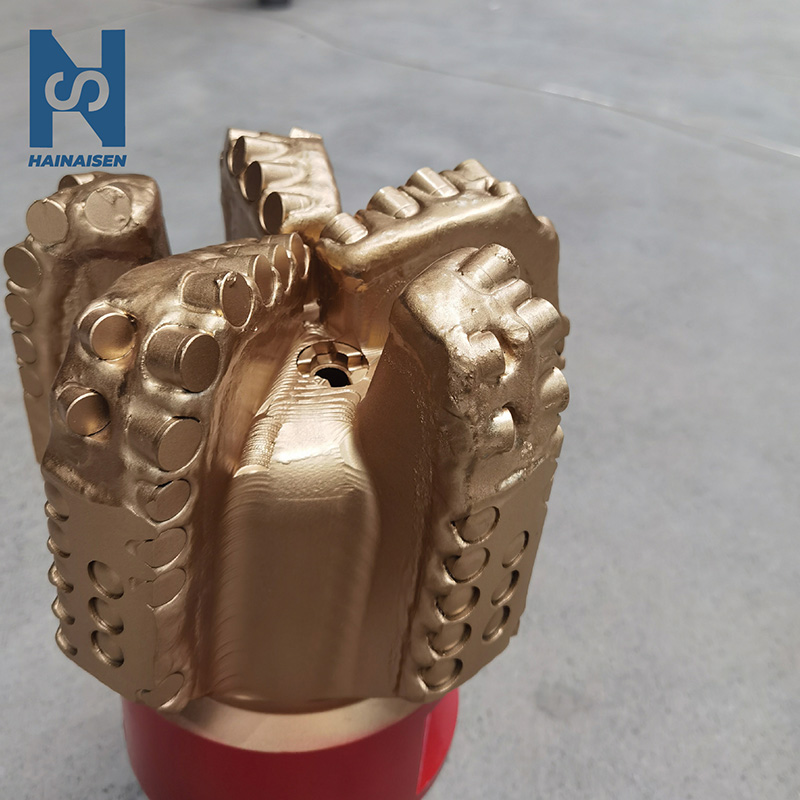
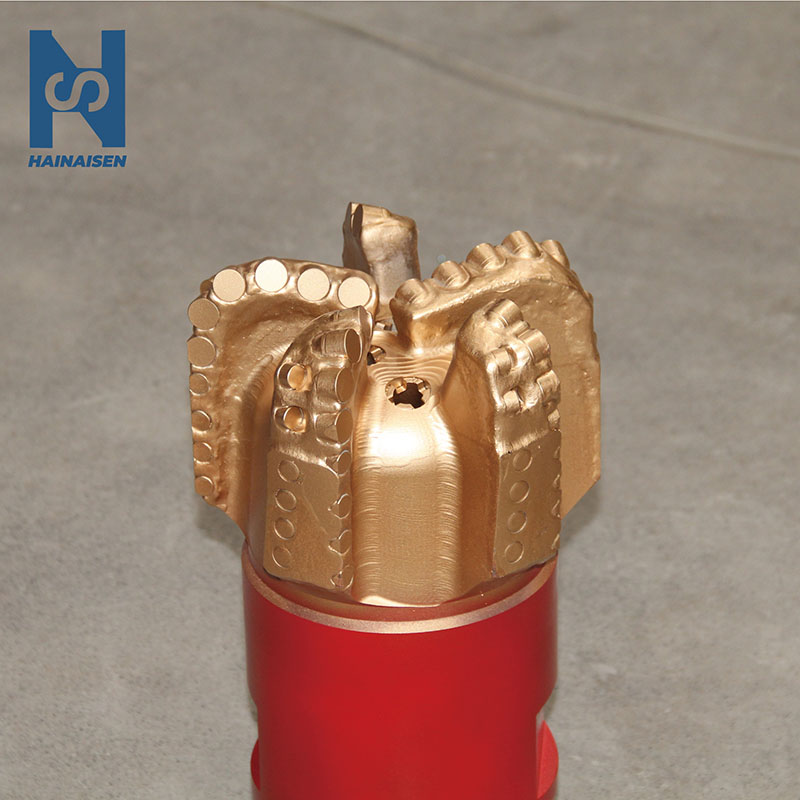
Fixed blades with polycrystalline diamond compact cutters are used in a 5-blade PDC oil bit. These cutters slice rock instead of crushing it as roller cone bits do. In the right shapes, that shearing action often leads to a higher rate of entry. The number of blades determines how many cuts the bit can hold, how fluids move across the bit face, and how cutting forces are spread out.
Five-blade bits are generally more stable and cover more ground than three- and four-blade bits. It often has more open room than 6-blade designs, which lets more fluid run and cuttings be removed. That's one reason why a lot of drilling experts think it's a good choice for performance drilling.
Blade geometry, cutter placement, and hydraulics
The shape of the blade is just as important as the number of blades it has. The rake angle and blade position affect how active the machine is, how it moves, and how much force is needed to cut rock. The arrangement of the cutter also affects efficiency. Depending on the formation, spiral patterns can make things more stable and clean, while radial or combo patterns may make things more active.
In terms of efficiency, hydraulics are also very important. If you make a good bit, such as a 5-blade PDC oil bit, the drilling fluid can cool the cuts and move the waste away from the hole. That keeps heat from building up, prevents cutter damage, and eliminates the need to re-grind formation cuts, all of which shorten the life of the bit and raise the ROP.
Performance Advantages and Typical Applications of 5-Blade PDC Bits
Why do buyers choose 5-blade bits for high ROP?
As for the highlighted piece, the short answer is easy: a 5-blade PDC oil bit can raise ROP by having good cutter coverage, good stability, and good hole cleaning. In a lot of middle forms, these three things work better together than stronger low-blade-count designs or denser high-blade-count designs.
When we look at buying, I think these performance gains are the most important:
Higher drilling efficiency with balanced aggressiveness
A five-blade bit has enough cutter density to keep cutting rock while still leaving enough space for pieces to escape. This balance makes it possible to drill quickly through shale, sandstone, limestone, and other related layers. This is often valued by buyers who are interested in footage per bit because it leads to better total economics, not just faster surface numbers during short drilling intervals.
Improved durability and smoother drilling behaviour
The five blades help spread the weight of the load more evenly across the bit face. That can cut down on shaking, make turning more consistent in directional wells, and slow down wear on the cutter that isn't level. In real life, smoother drilling behaviour usually means fewer surprises downhole, less damage to the bit, and more trust from technical experts who look at bit performance over multiple runs.
Typical formations and drilling uses
Our bit is great for:
Oil and gas exploration and production, horizontal and directional drilling, offshore drilling operations
For these uses, entry speed and reliable bit behaviour are both important. Stability is important in directional wells because shaking and whirl can make it harder to control the toolface and wear out the bottomhole assembly faster. A 5-blade design allows for a stable drilling response while still keeping high cutting efficiency in sedimentary rocks that are commonly found in field development projects.
Geothermal well drilling, coal bed methane extraction, hard rock mining applications, and broader field versatility
Custom engineering can change the bit to work with different operating systems, but the best layer is still one that is medium-hard and low in compression strength. Because of this, buying teams that work on mixed projects or in more than one area or basin will be interested in it. A one-bit platform with a customised cutter arrangement and hydraulics can make buying easier and support a bigger work area.
Optimising Use and Maintenance to Maximise Bit Life and Performance
Recommended operating parameters
Even a good 5-blade PDC oil bit design needs the right window to work in. These are the factors we think this bit should have:
- Speed: 60–250 R/min
- Drilling Pressure: 30–180 KN
- Flow Rate: 45–80 LPS
In the right forms, these ranges make shearing, cooling the cutter, and moving the pieces easier. It is very important to match the WOB, RPM, and hydraulics to the rock power. If you run too fast, the cutter may not last as long. If you play it too safe, you might miss out on ROP.
Wear patterns and maintenance best practices
Cutter flatting, blade erosion, thermal damage, and limited contact wear are all common signs of wear. After every run, I always suggest a low-grade face clean and a close look. The unit price may be important to procurement managers, but cost per metre or cost per foot dug is more important to engineers. Keeping up with maintenance helps protect that value.
It's also important to refurbish and handle things correctly. Bits should be moved, kept, and lifted in a way that keeps the cutters and gauge construction safe. Over time, a source that helps with field feedback, wear research, and design improvements is worth a lot.
Comparison and Procurement Insights: Choosing the Right 5-Blade PDC Bit
5 blades vs other bit types
A 5-blade PDC oil bit is often the best choice for speed and longevity. In soft ground, a 4-blade bit might cut more quickly, but it may lose some steadiness. It's possible that a 6-blade bit will last longer in tougher intervals, but it might not clean as well in all drilling situations. Roller cone and tri-cone bits are still useful in formations that are heavily interbedded or impact-heavy, but PDC Bits often give better video and lower trip frequency in the right formations.
What B2B buyers should evaluate?
When making a purchase choice, you should look at more than just the price at first. I suggest going over the following:
- formation consistency and changes in lithology that are predicted
- Type of bit body, quality of cutting, and wear protection
- How well the working parameters fit with the rig program
- supplier's ability to make things and safety rules
- Options for customisation and expert help after delivery
Our item stands out in this way. We offer innovative designs for enhanced cutting efficiency, superior wear resistance for extended bit life, optimised hydraulics for improved cuttings removal, increased ROP for faster drilling, excellent stability and reduced vibration, and customisable solutions for specific formations.
Our bits are made with high-quality steel bodies, advanced PDC cutters, and tungsten carbide matrix wear protection to make sure they last a long time and work well in the field.
Leading Brands and Supplier Directory for 5-Blade PDC Oil Bits
What makes a supplier trustworthy?
B2B buyers usually want more than a catalogue. They want consistent manufacturing, a deep understanding of engineering, reliable wait times, and quick assistance. When qualifying a provider, it's important to look at their credentials, production tools, ability to create custom products, and past application experience for a 5-blade PDC oil bit.
Why do many buyers consider HNS?
We, Shaanxi Hainaisen Petroleum Technology Co., Ltd., went into business in 2013 in Xi'an. Diamond drill bits, PDC drill bits, drilling tools, and combined technical solutions are what we do best when it comes to research, development, production, and sales. Our goods are used in coal mines, oil and gas drilling, geological and hydrological surveys, and building tools.
Our 3,500 m² facility includes modern workshops with high-tech tools like 5-axis machining centres, CNC machine tools, and welding production lines. We also have a research and development team and a department that makes special drill bits for customers who need them. That means technical trust and the chance of a steady supply for medium and big-sized oil service businesses. For buyers in mines and water wells who want to save money, it means flexible production and usefulness.
Conclusion
When drilling in medium-hard rock, a 5-blade PDC oil bit is a good choice because it has a high ROP, is stable, and lasts a long time. Because it's well-balanced, it has high cutting efficiency, smoother hydraulics, and less shaking, all of which help with performance and cost control. I think that the best choices about buying are made when the bit design is in line with the formation data, the working parameters, and the supplier's abilities. When those three parts work together, a five-blade system can really improve footage, accuracy, and the cost of drilling.
FAQ
1. How does a 5-blade PDC Oil Bit improve drilling speed?
It improves drilling speed by effectively cutting through rock, evenly covering the cutter, and effectively removing the cuttings. That mix helps the bit stay in contact with the bottom of the hole and wastes less energy while digging.
2. Is a 5-blade PDC bit strong enough for hard work in the oilfield?
Yes, as long as it fits with the right shape and working window. How long something lasts relies on the type of cutter used, how well it is protected, how well the hydraulics work, the body material, and how well the cutting team handles the RPM, bit weight, and flow rate.
3. Can the bit be changed to fit certain formations?
Yes. We offer unique design help based on the properties of the formation, the drilling factors, and the needs of the application. Adjustments can be made to the cutter size, cutting density, blade shape, hydraulics, and wear protection.
Partner with HNS for Superior 5 Blades PDC Oil Bit Solutions
HNS is ready to help you if you need a dependable 5 Blades PDC Oil Bit maker, supplier, or partner with unique engineering support. Email us at hainaisen@hnsdrillbit.com to talk about your drilling plan, get a price, or find the best 5 Blades PDC Oil Bit for your next project.
References
1. SPE Drilling Engineering
2. IADC Drilling Manual
3. Bourgoyne, Millheim, Chenevert, and Young, Applied Drilling Engineering
4. Rabia, H., Oilwell Drilling Engineering: Principles and Practice
5. Journal of Petroleum Science and Engineering
6. Society of Petroleum Engineers technical papers on PDC bit design and drilling optimization
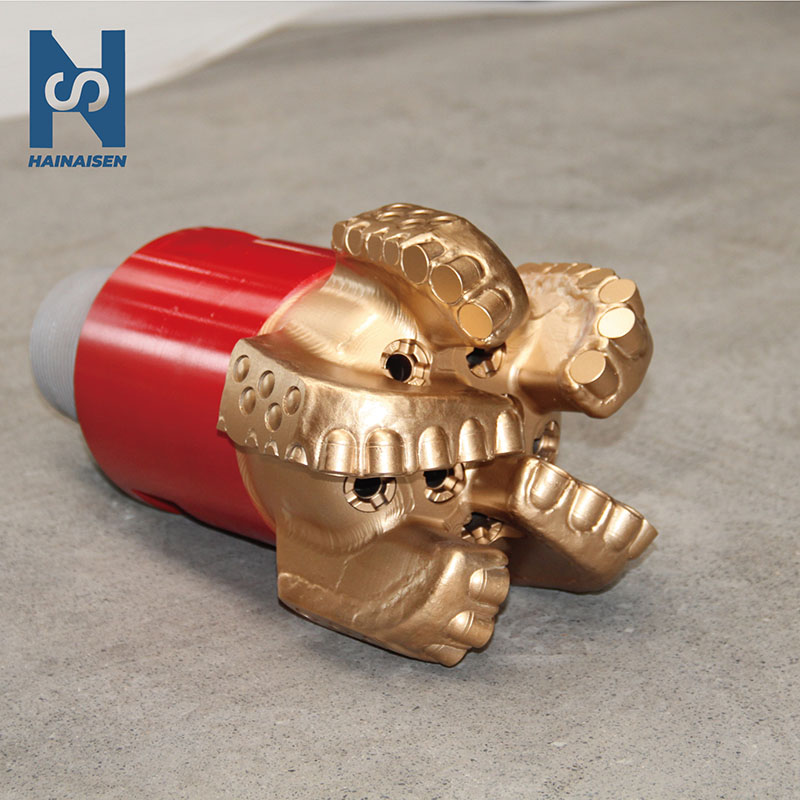 VIEW MOREDiamond Oil Drill Bit
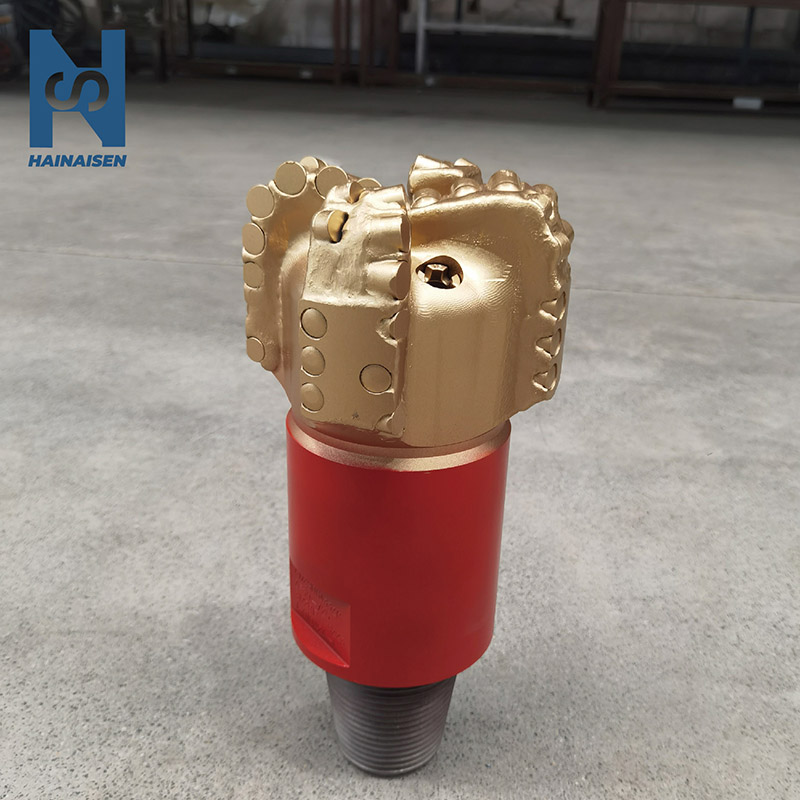 VIEW MOREPetroleum Drilling Equipment PDC
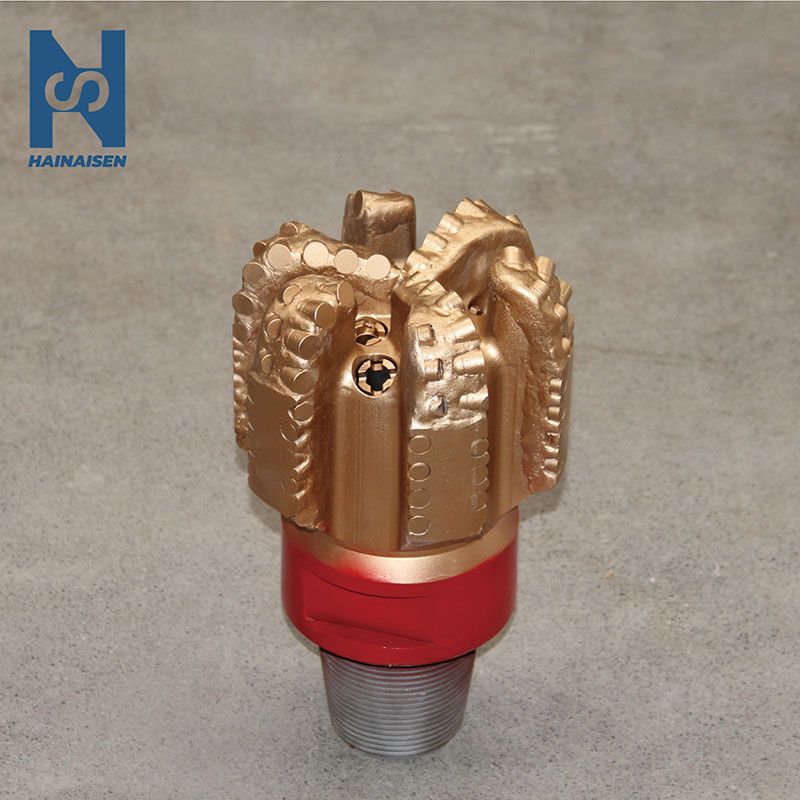 VIEW MORE6-Blade PDC Drill Bit
 VIEW MOREFive Blade Wing Oil Drilling
 VIEW MOREPDC Flat Top Sintered Drill Bit
 VIEW MORE5 Blades Steel Body High Performance PDC Rock Drill Bits
 VIEW MORESix Blade Wing Petroleum Drill Bit
 VIEW MOREFive Blades Oil Well Drill Head