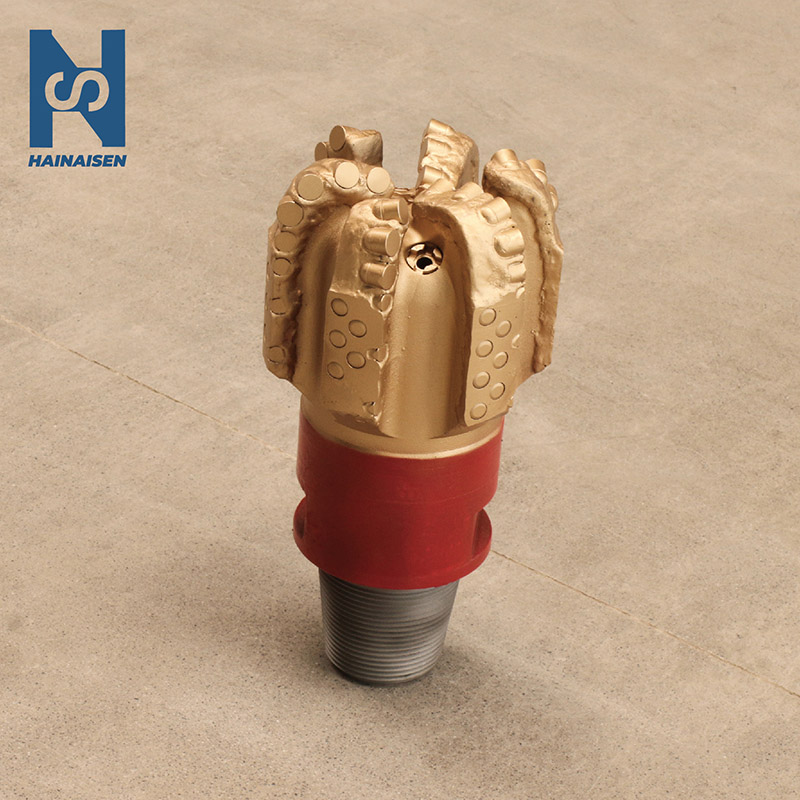
Why Engineers Choose 5 Blades PDC Oil Bit for Directional Wells?
The 5 Blades PDC Oil Bit is the best choice for directional wells because it has the best speed, steadiness, and turning control. I know that every foot counts in directed drilling. It can be very expensive to fix a bit that cuts quickly but loses its path. When a bit stays still but drills too slowly, it can hurt the project's bottom line. Five blades are just the right number. It allows for a fast rate of entry, better cut removal, a smoother wellbore, and a longer bit life in shale, limestone, sandstone, and gypsum. Because of these factors, it is a sensible and cost-effective choice for drilling teams that want to get good results every time.
Understanding 5-Blade PDC Oil Bit Technology
Directional wells need more than just the power to drill. They need a bit that can hold a line, adapt well to changes in direction, and stay reliable as conditions downhole change. That's why the 5-blade PDC oil bit shape stands out.
How does the 5-blade design work?
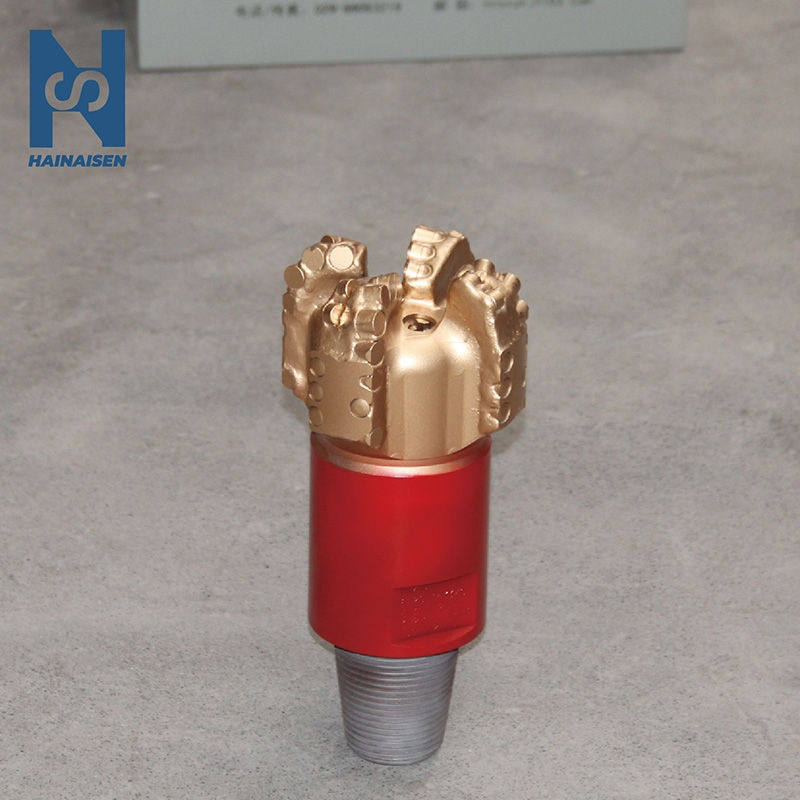
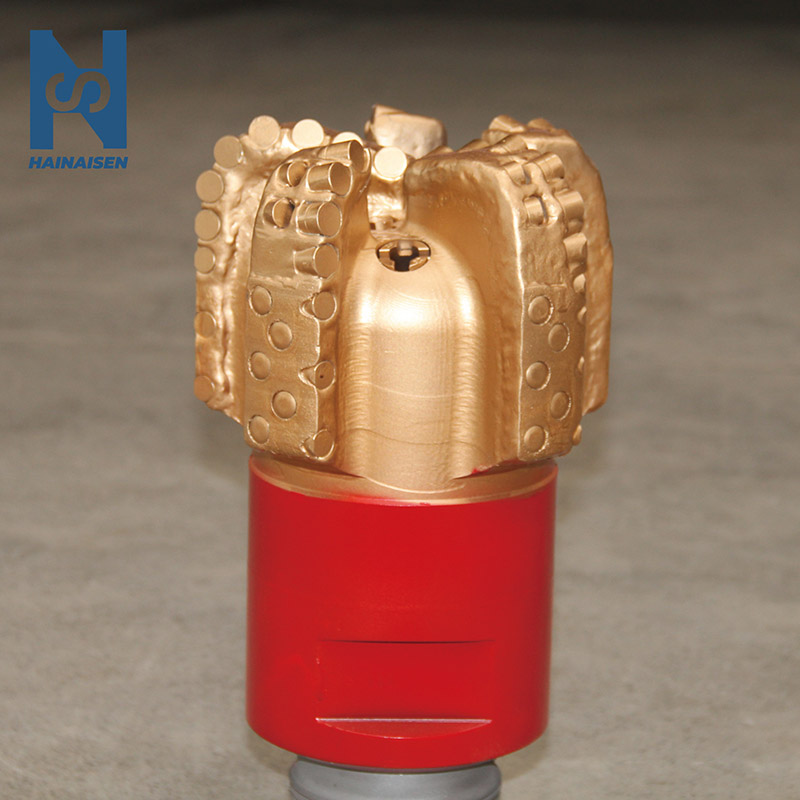
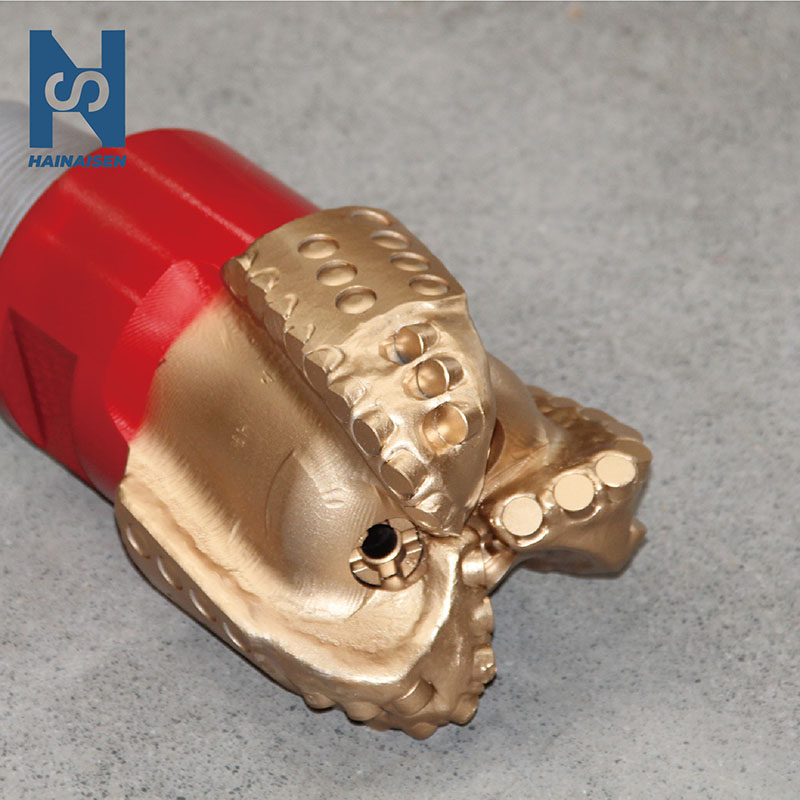
PDC Bits don't crush rock as roller cone bits do; instead, they shear it with set blades that have polycrystalline diamond compact cuts on them. The bit's five blades make a structure that is just right for the number of cutters and the amount of room for junk slots. I think this is a big part of why engineers trust it for directing work.
It's helpful in a number of ways:
- It allows for efficient rock splitting while leaving enough space for drilling fluid and cuttings to flow away. That's important in directional wells because bad cleaning can make torque, vibration, and bit wear worse. With five blades, there is enough cutting touch for strong ROP without making the face too crowded.
- It makes the bit more stable in medium-hard rocks with low compressive strength, like gypsum, shale, limestone, and sandstone. When drilling horizontally or directionally, it is very important to keep directional control. A stable bit will help you drill a straighter hole, reduce side forces that aren't needed, and drill more accurately.
Materials and cutting structure
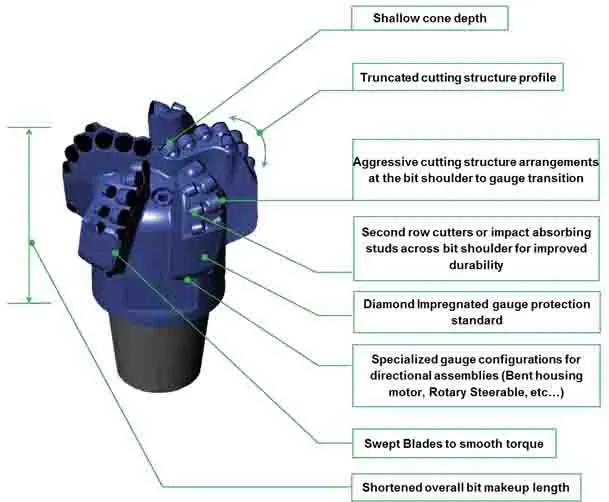
What's behind the cutting structure is just as important as the structure itself. The body of our 5-blade PDC oil bit is made of a high-quality steel body, and they have advanced PDC cutters and a tungsten carbide matrix for enhanced wear resistance. This mix helps with both longevity and cutting effectiveness.
The shape of the blade is also very important. How well the bit handles changes in the formation depends on the size, shape, and spacing of the blades, as well as where the backup cutter is placed. Most of the time, spiral or combination cutter plans make cleaning and steadiness better, and the right blade angles help control how active they are and lower vibration.
Advantages of Using a 5-Blade PDC Oil Bit for Directional Wells
One question comes up over and over again in searches about this subject: what makes a 5-blade PDC oil bit better for directional drilling? The short answer is how well they do in real game pressure.
Better directional control and stability
For directional drilling, the tool needs to be stable. Bits that walk, talk, or bounce can make doglegs, holes that aren't straight, and the bottom hole assembly wear out faster. Our 5-blade design provides excellent stability and reduced vibration, which helps engineers protect the well path and make drilling more consistent.
This is even more important for long laterals and offshore drilling, where each trip and fix costs more.
Faster drilling and lower operating costs
Our bit is made with an innovative design for enhanced cutting efficiency, optimised hydraulics for improved cuttings removal, and increased ROP for faster drilling. In real life, that could mean fewer bit trips, less downtime, and more busy hours on the rig.
These are the suggested working conditions:
- Speed: 60 to 250 R/min
- Drilling Pressure: 30 to 180 KN
- Flow Rate: 45 to 80 LPS
These areas help drilling teams match the bit to the conditions on the ground, which protects the bit's life and keeps it working well.
Adaptability across applications
Our 5-blade PDC oil bit is ideal for:
- Oil and gas exploration and production, horizontal and directional drilling, offshore drilling operations, geothermal well drilling, coal bed methane extraction, and hard rock mining applications. This wide range of uses is important for medium and large oil service companies that need a reliable supply for a number of different projects and basin types. It also helps technical experts set clear standards for performance.
- Projects with unique formation and drilling requirements that need customisation instead of an off-the-shelf compromise. Our research team works closely with customers to make sure that the design of the bit fits the qualities of the formation and the drilling parameters. That helps buyers get a better match between the bit structure, hydraulic behaviour, and video they expect, which helps the campaign be more cost-effective overall.
Comparative Analysis: 5-Blade PDC Oil Bit vs Other Drill Bits
A lot of people only look at price when they compare bits. I don't see how that fits into the bigger plan. When using the 5-blade PDC oil bit, the total cost includes the area drilled, the number of trips, the quality of the wellbore, and the chance that the guiding won't work right.
Compared with 3- and 4-blade PDC bits
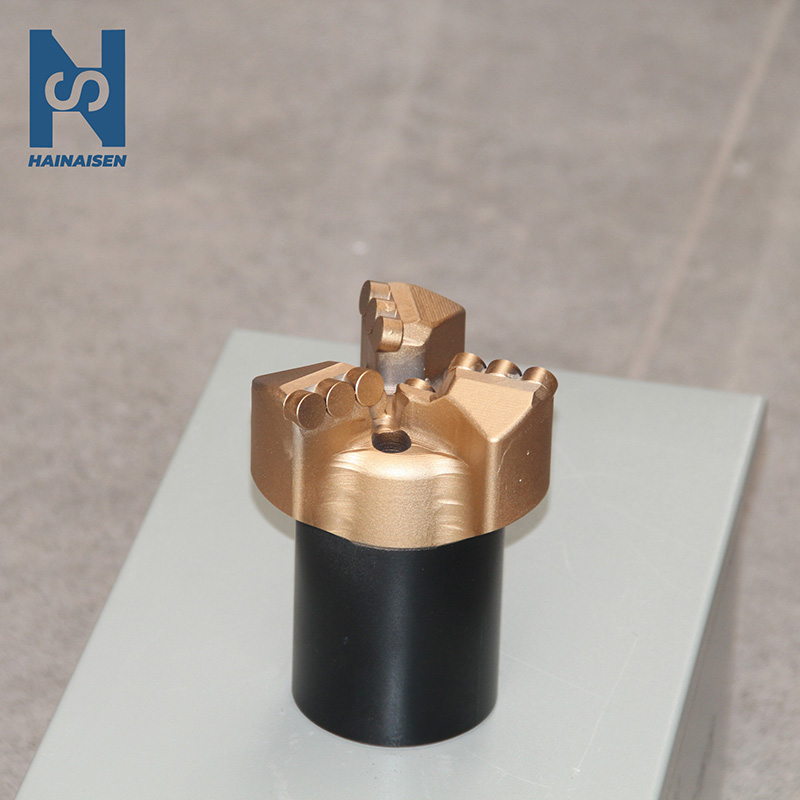
In lighter rocks, three-blade bits can be rough and quick, but they might not be stable enough or even wear out enough in directional wells. Bits with four blades offer more support, but bits with five blades are often a better compromise between sturdiness and cleaning power.
Adding that extra blade can help with face support and cutter distribution, which leads to easier drilling and better control of the direction.
Compared with 6-blade PDC and roller cone bits
Six-blade bits can be very stable, but in some situations, they may take up more space in the junk hole and make it harder for fluid to move. The 5-blade shape usually gives a better balance in directional wells where cutting removal is important.
When used in the right shapes, PDC bits usually work better at cutting and last longer than roller cone bits. For example, in shale and sandstone gaps that are typical in directional programmes, this can make ROP stronger and bit changes less likely.
Procurement Insights for a 5-Blade PDC Oil Bit
Most of the time, procurement teams care about more than just specialised facts. They want a 5-blade PDC oil bit source they can trust, one that can make what they need, have a short lead time, help with customisation, and have faith after the sale.
What B2B buyers should evaluate?
Before you buy a 5-blade PDC oil bit, I suggest reading the following:
- Manufacturing quality and material consistency
- OEM customisation capability
- Technical support during bit selection
- Lead times for bulk orders
- Warranty terms and quality traceability
- Supplier responsiveness after delivery
Technical experts and people in charge of buying things both care about these things. Large oil service companies often have strict hiring procedures and long testing times. Coal mining companies and water well teams, on the other hand, may focus more on sample results and how low their prices are.
Why buyers work with HNS?
In 2013, Shaanxi Hainaisen Petroleum Technology Co., Ltd. was set up in Xi'an. We do research and development, make, and sell different kinds of diamond drill bits, PDC drill bits, and cutting tools. We also offer complete technical solutions. Our goods are used in coal mines, oil and gas drilling, geological and hydrological surveys, and building tools.
Our 3,500 m² facility includes modern production units with high-tech tools like 5-axis machining centres, CNC machine tools, and welding production lines. We also have a research and development team whose only job is to make special bits that help customers meet their drilling needs for different types of structures and formations.
Best Practices for Using and Maintaining 5-Blade PDC Oil Bits
Even if the 5-blade PDC oil bit is well made, it will only work well if the drilling programme supports it. Choosing the right bits and being careful in the field can protect your investment and make the total picture better.
Operational tips for better performance
Make sure the bit fits the type of rock, the predicted compression strength, the hydraulic programme, and the direction plan. Keep a close eye on the bit's weight, its speed, and the flow rate. If you notice shaking, changes in torque, or bad cleaning, you should change the settings right away, before the damage gets worse.
When drilling in a certain direction, it's usually better to keep the drilling smooth than to try to get faster in the short run.
Maintenance and troubleshooting
Check for wear on the cutter, damage to the blades, the state of the tip, and body erosion after each run. Write down the dull grades and then check them against the digging data. That feedback helps make the next bit choice better and helps make better buying decisions over time.
Problems like uneven wear, lower ROP, or poor cutting removal are often caused by operational factors that aren't right or design needs that aren't tailored to the formation. That's why our customisable bit program is useful. We don't have to force the job to fit the bit; we can change the bit to fit the job.
Conclusion
People like the 5-blade PDC oil bit for directional wells because it has the right amount of cutting speed, steadiness, longevity, and control over the direction of the hole. It seems like a good idea for drilling teams that need to be able to rely on it in shale, limestone, sandstone, and other similar rock types. This bit can help cut down on trips, improve ROP, and support better project costs from the spud to the goal depth if it has the right design, the right operating settings, and a supplier that knows how to meet the needs of custom drilling.
FAQ
1. What formations are best for a 5-blade PDC oil bit?
It works well in rocks that are medium-hard and have low compressive strength, like gypsum, shale, limestone, and sandstone. A lot of people also use it for horizontal, directional, offshore, geothermal, and coal-bed methane drilling.
2. Why is a 5-blade bit good for directional drilling?
It strikes a good mix between the area cut by the cutter and the area for junk slots. That makes the wellbore more stable, helps cut down on vibrations, and improves turning response during directional operations.
3. Can HNS customise a 5-blade PDC Oil Bit?
Yes, HNS can make changes based on the properties of the rock and the drilling factors. Our tech team works with customers to create bits that are effective, long-lasting, and cost-effective in certain field circumstances.
Partner with HNS for Superior 5 Blades PDC Oil Bit Solutions
Need a reliable 5 Blades PDC Oil Bit Manufacturer or supplier you can trust? HNS supports drilling contractors, oil service companies, and procurement teams with custom solutions, stable production, and responsive technical support. If you are looking for a 5-blade PDC Oil Bit for sale, Contact Us today at hainaisen@hnsdrillbit.com to discuss your project and request a quote.
References
1. SPE Drilling & Completion Journal
2. IADC Drilling Manual
3. Baker Hughes, Drill Bit Technology Overview
4. Halliburton, PDC Bit Design and Application Literature
5. Schlumberger Oilfield Glossary
6. ASTM International standards related to drilling materials and wear performance
logo 1_1777360475599.jpg)