







What is the difference between steel and matrix PDC bits?
The biggest difference between steel and matrix PDC Bits is the material of the bit body and how that material performs in the hole. A steel body PDC bit is very tough, easy to fix, and resistant to impact. A matrix body PDC bit, on the other hand, is more resistant to wear and keeps its shape better in hard drilling conditions. When buying something in real life, the best option relies on the formation hardness, abrasiveness, contact risk, and the total cost of ownership. When I look at choices like the Tool 6 Wings Drill Bit PDC, I don't just look at price. I also look at how well the bit fits the shape, how long it lasts, and how well it drills.
Overview of Steel and Matrix PDC Bits
When B2B buyers search this topic, they usually have a clear goal in mind: they want to know which B2B will cut down on downtime and make drills work better. That search purpose is both business-related and technical, which is how I approach this similarity.
What kind of steel-bodied PDC bit is it?
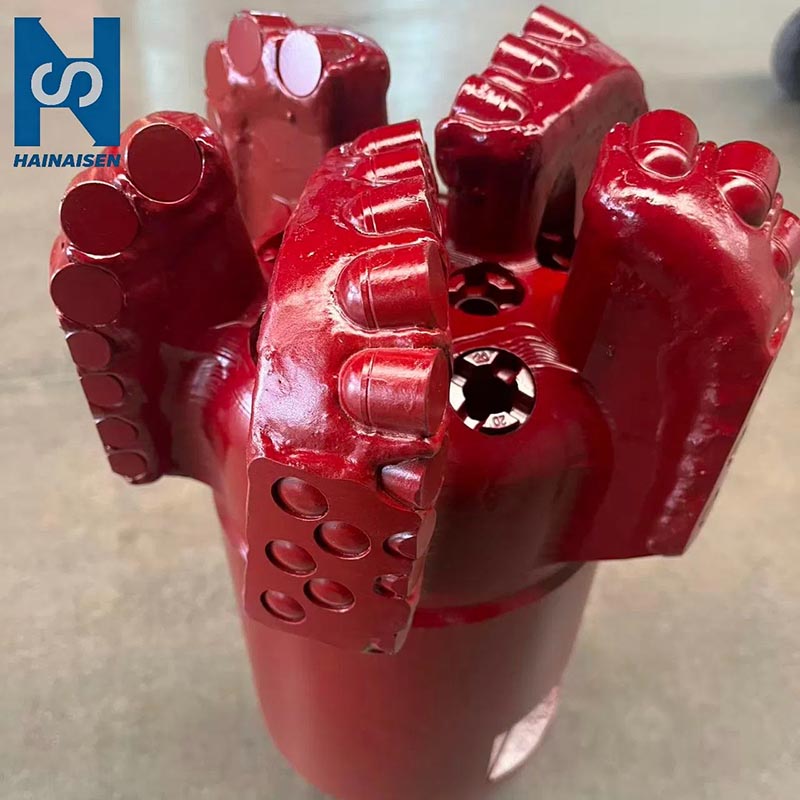
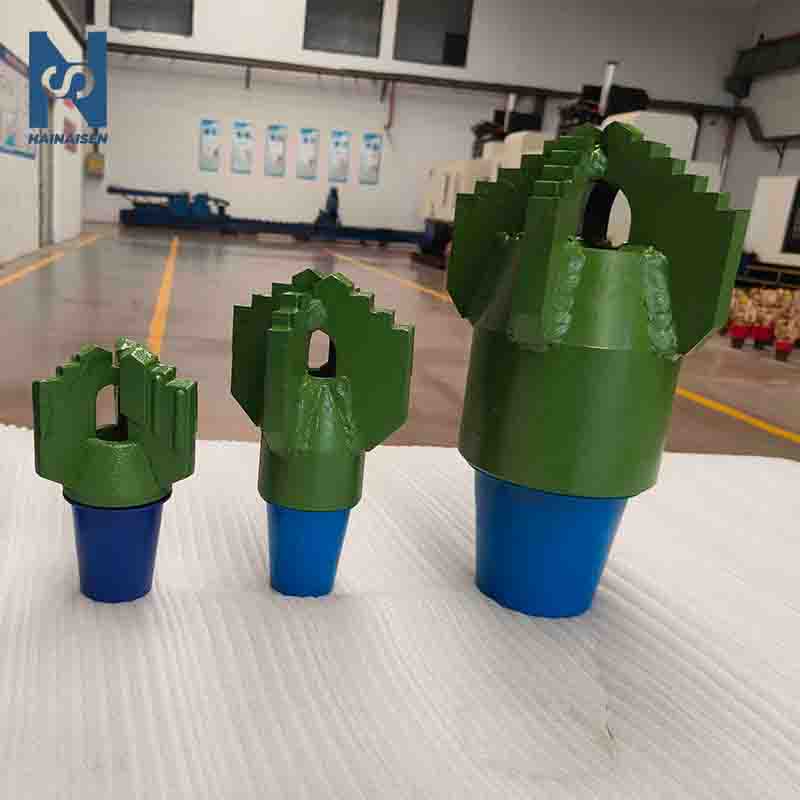
The bit body of a steel-body PDC bit is a steel blank. The bit is very tough and can handle a lot of shock loads because of its shape. It is also easy to make things with complicated blade profiles and hydraulic systems. A lot of drilling teams like steel body bits because they are easier to fix and rebuild than matrix designs. In the right situation, this can help keep lifecycle costs low.
Steel bits are often used in formations where resistance to impact is important and where users want design freedom. In some medium-sized groups, they can provide fast entry and stable control of direction.
What is a matrix body PDC bit?
A matrix body PDC bit is made of a hybrid material that is usually made up of tungsten carbide grains that are joined together by metal. This construction is stronger than steel and can better handle corrosion and abrasive wear. That's why matrix bits are often used in places with long gaps, complicated rock, or where keeping the shape of the gauge and blades is very important.
A lot of people use matrix bits in forms that are hard, abrasive, and interbedded. The bit body wear can lower performance long before the cuts break.
Featured snippet answers buyers are looking for
If I had to answer this in one line for a procurement team, I would say the following:
- Steel PDC bits are tougher and easier to repair, while matrix PDC bits are harder and more wear-resistant. Steel usually suits impact-heavy conditions, and matrix usually suits abrasive, complex formations with longer wear demands.
- A lot of the top search results are set up in a way that matches that simple answer, but smart buyers need more information before they place an order.
Technical Comparison Between Steel and Matrix PDC Bits
Material composition and mechanical behaviour
Steel body bits need to be able to bend. Because it is flexible, it can absorb shock and lower the risk of serious body damage when the bit is hit or vibrated. Hardness and resistance to erosion are important for matrix body bits. They keep their shape better when digging in places with rough rock and fast-moving liquids.
Several aspects of performance are affected by this technical difference:
- Impact resistance: Steel generally does better when it comes to quick shock loads.
- Wear resistance: When it comes to wear protection, the matrix usually does better in rough areas.
- Hydraulics and design freedom: Blades made of steel can often be shaped in more complicated and accurate ways.
- Gauge retention: Matrix often does a better job of keeping gauge over longer runs.
Drilling efficiency and bit life
The rate of entry, cutting contact, cooling, and cleaning all have an effect on how well a bit works. It is more likely that a bit will hold ROP more regularly if it keeps its cutting structure and hydraulic profile for longer. That's one reason why matrix bits are still used a lot in very rough forms.
But life is more than just bodywear. If the formation causes a lot of damage from impacts, a steel bit might work better overall because the body can handle shocks better. Buyers should look at more than just what the brochure says about dull grades.
Why 6-wing design matters?
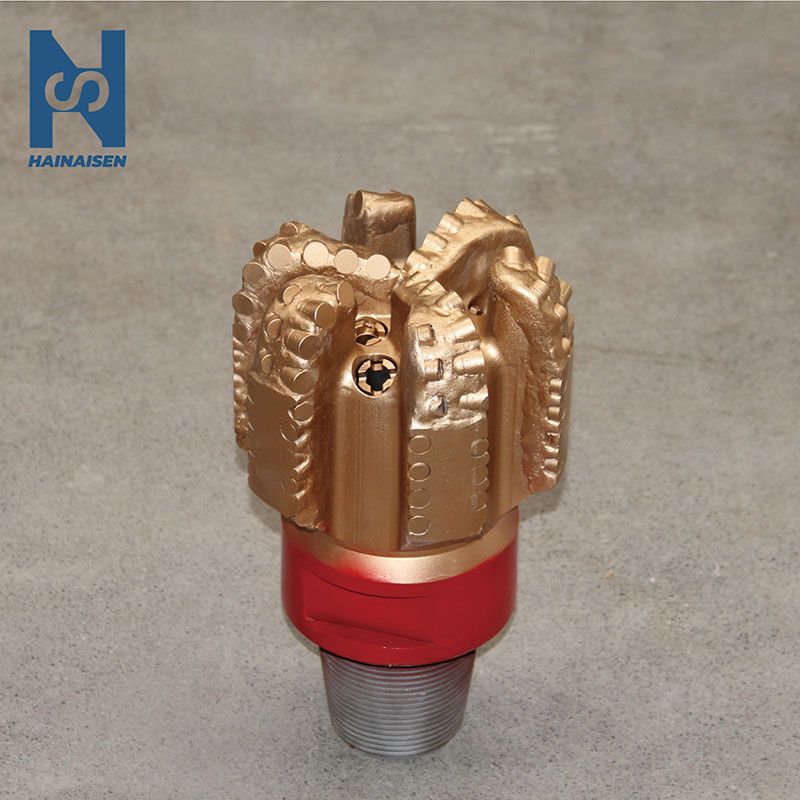
A well-thought-out Tool 6 Wings Drill Bit PDC can make it easier to drill into the ground, even out-cutting loads, and make the bit more stable. For both steel and matrix forms, that's important. In some formations, a 6-wing plan helps with smoother drilling, better vibration control, and a more even spread of cutters than simpler models.
The HAINAISEN Tool 6 Wings Drill Bit PDC is made with advanced PDC technology for strong cutting performance; long-lasting construction for longer bit life; an optimised 6-wing design for better stability and efficiency; better heat resistance for tough drilling conditions; and options that can be changed to fit the needs of each project. It can work at speeds between 60 and 250 R/min, with drilling pressures between 20 and 110 KN and flow rates between 30 and 40 LPS. It can be used on layers of middle hardness and low compression strength, like gypsum, shale, limestone, and sandstone.
Practical Advantages and Limitations for B2B Users
It's not true that procurement managers and expert engineers buy big bodies. They pay for help, efficiency, and predictability. That is why I always look at real practical trade-offs side by side.
Where do steel PDC bits shine?
When toughness, repairability, and quick design changes are important, steel body bits make sense. They are often appealing to buyers who need flexible design and useful field economics.
A steel body bit might be a good choice for medium-sized rocks, directional drilling, and jobs where impact resistance is more important than high body wear resistance. Buyers usually like blade designs that are flexible, can be easily reManufactured, and aren't too hard to replace. In some projects, this mix makes it easier to plan supplies and lowers the cost per bored foot when the bit is loaded with an amount of abrasive material that can be handled.
Where do matrix PDC bits shine?
Matrix body bits are used in jobs where the main risks are body erosion and mechanical wear. That extra longevity can help keep digging efficiently over long distances or in complicated formations.
It is common for a matrix body bit to be more valuable in the long run in areas with rough rock, parts with multiple layers, and situations where bit life can be cut short by hydraulic erosion or gauge loss. Matrix designs are often preferred by buyers who want fewer trips and a more stable, dull state at pull. The price may be higher at first, but it may be worth it if the longer-lasting bits mean fewer interruptions and higher total rig output.
When is the 6-wing PDC bit a better choice?
When cutting, balance and steadiness are important; the 6-wing arrangement is best. It can support smoother interaction with the formation and less localised wear than some standard designs. In medium-hardness formations, this makes it a good choice for digging for oil and gas, coal bed methane, geothermal wells, water wells, mining and mineral research, HDD, and foundations.

Cost-Effectiveness and Procurement Considerations
When making a buying choice, you should think about the unit price, the estimated area, logistics, the wait time for customisation, and the supplier's support. They avoid fake saves this way.
Looking at the total cost of ownership
A bit that costs less isn't always the cheapest bit in the field. I contrast:
- cost per foot drilled
- expected drop in trips
- repair or rebuild options
- dependability on lead time
- cover for warranties
- Help with tech before and after arrival
This is why OEM partnerships are important. In 2013, Shaanxi Hainaisen Petroleum Technology Co., Ltd. was set up in Xi'an. The business focuses on researching and creating diamond drill bits, PDC drill bits, and other drilling tools, as well as making and selling them. It also offers complete technical solutions. Its goods are used for mining coal, getting oil and gas, measuring for geology and hydrology, and making technical tools. Modern workshops and high-tech tools like 5-axis machining centres, CNC machine tools, and welding production lines are in the 3,500 m² building. A separate R&D team helps with designing special bits for different building needs.
Why does customisation matter in procurement?
Different parts of the well should not use the same shape, cutter size, or number of blades, such as the Tool 6 Wings Drill Bit PDC. The conditions for drilling are different in each basin, formation, and target video, so HAINAISEN gives a customisation service. To get the best cutting results, the engineering team can change the bit shapes, cutter sizes, and blade configurations.
For B2B buyers, this is important because custom design can boost ROP, lower vibration, and make sure that bit choice matches exact running goals instead of general catalogue specs.
Quality control and supplier trust
Companies that work with oil and have long approval cycles care a lot about quality assurance. That's what HAINAISEN does by keeping tight quality control throughout the whole manufacturing process. Each bit is tested and inspected to make sure it works and is reliable. This kind of process control helps buyers feel confident, especially when they need the same quality in bigger quantities.
Decision-Making Guide for Selecting the Right PDC Bit
Match the bit to the formation and drilling goal.
I think you should start with four questions:
- Is the rock mostly rough or prone to impacts, or is it both?
- Which is more important: maximum ROP, longer bit life, or directional stability?
- Would it help the job if the shape and cutter plan could be changed?
- In the business model, what matters more: the price of the item or the number of trips that are cut?
If strength and force are the most important factors, steel might be the best choice. If resistance to wear and shape-keeping are the most important factors, the matrix may be worth more.
Compare 4-wing, 6-wing, and 8-wing options.
In some situations, a 4-wing bit can cut very quickly. In some situations, an 8-wing bit might offer more touch points and more support. The Tool 6 Wings Drill Bit PDC is a good middle ground for many business-to-business users. It strikes a good mix between stability, cut coverage, and cutting efficiency in rocks with a medium hardness and low compressive strength.
Align the purchasing strategy with supplier capability.
It takes more than asking for three quotes to be a good buying practice. I want to work with a supplier that can help me with my application; do unique engineering; make sure the quality is consistent; and give me reasonable wait times, like with the Tool 6 Wings Drill Bit PDC. That lowers organisational risk and makes it easier to plan inventory for more than one job.
Conclusion
Steel and matrix PDC bits are mostly different in how they wear and how well they can handle being hit. Steel bits are tough, can be fixed, and can be used in a variety of ways. Matrix bits, on the other hand, are better at resisting wear and keeping their shape in rough forms. The best choice relies on the type of formation, the goals of the digging, and the total cost of ownership. A well-made Tool 6 Wings Drill Bit PDC can be a good choice for many drilling programmes when safety, controlled cutting, and customisation are important. Instead of just looking at the price, I always tell buyers to think about how well the bit works in the field, how well the provider can do their job, and how much it will cost over its whole lifetime.
FAQ
1. What is the main advantage of a 6-wing PDC drill bit over a traditional bit?
A shape with six wings can offer better cutting balance, more stability, and more bottom-hole coverage. That can help with better drilling, less vibration, and steadier performance in the right formations.
2. Are steel PDC bits easier to maintain than matrix bits?
Most of the time, yes. The material of steel body bits is more flexible, which makes them easier to fix or rebuild. That can help buyers who are interested in cost over time and response time.
3. When should I choose a matrix PDC bit?
When the rock is very rough, there is a high chance of erosion, or long-term durability is very important, I would choose a matrix bit. In those situations, matrix forms tend to keep their shape better.
4. Can HAINAISEN customise Tool 6 Wings Drill Bit PDC products?
Yes, HAINAISEN can change the shapes, sizes, and arrangements of the blades on the bits to fit different rock types and cutting goals. This helps users make the bit work better in the setting where they actually use it.
Partner with HNS for Superior Tool 6 Wings Drill Bit PDC Solutions
Need a reliable Tool 6 Wings Drill Bit PDC manufacturer, supplier, or partner for your next drilling job? If you need professional help, customisation, or a quick price, HNS is ready to help. Contact our team at hainaisen@hnsdrillbit.com to discuss your needs, request samples, or find out about Tool 6 Wings Drill Bit PDC for sale that fits your formation and performance goals.
References
1. SPE Drilling Engineering, Society of Petroleum Engineers
2. Bourgoyne Jr., Millheim, Chenevert, and Young, Applied Drilling Engineering
3. Rabia, H., Oilwell Drilling Engineering: Principles and Practice
4. API Recommended Practice 7G, American Petroleum Institute
5. General Electric Company, Technical Papers on Polycrystalline Diamond Compact Cutters
6. World Oil Magazine, Drilling Technology and Bit Performance Articles
 VIEW MORE5 Blade Steel Body PDC Bit
 VIEW MORE6-Blade PDC Drill Bit
 VIEW MOREThree Blade Concave Drill Bit Api For Manganese Coal Mines
 VIEW MOREFive Blades PDC Drill Bits
 VIEW MORESteel Scraper Drill Bit
logo 1_1777361785830.jpg) VIEW MORE94mm PDC Flat Top Sintered Drill Bit
VIEW MORE94mm PDC Flat Top Sintered Drill Bit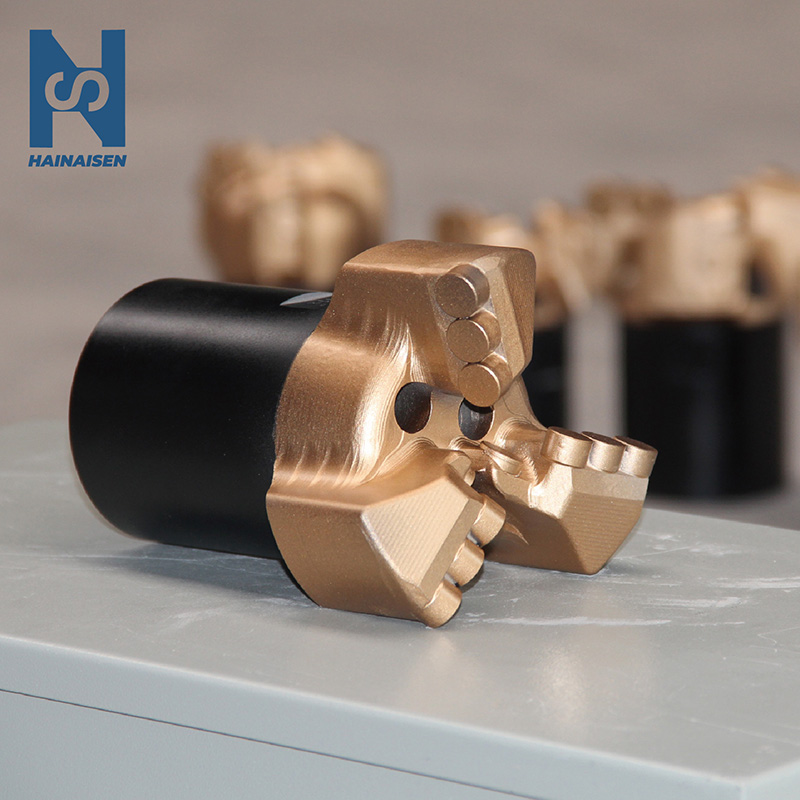 VIEW MORESteel Body PDC Drill Bit
 VIEW MOREHard Alloy Roller Drill Bit
