




Which is best suited for 200MPa hard rock: flat, concave, or convex?
Most of the time, a 94 mm PDC Flat Top Sintered Drill Bit is the best bit shape for boring 200 MPa hard rock because it has a stable entry, strong wear resistance, and a lower total drilling cost. When working with certain types of rock, concave or convex shapes may help with centring or load distribution. But when working with rough, high-strength rock, a well-built flat top design usually gives the best mix of cutting speed, durability, and thermal stability. That's important for procurement managers, mining teams, and drilling workers who want bits to last longer, require fewer trips, and work reliably in tough circumstances.
Understanding Drill Bit Geometries for Hard Rock Applications
When people look for this topic on Google, it's easy to see what they want: a quick answer, a technical comparison, and proof they can trust before they ask for a quote. That means the content has to be able to answer both a question like a highlighted clip and a more in-depth B2B question.
Flat, concave, and convex: what changes in rock contact?
The shape of a PDC bit's face affects how force moves into the rock, how the cuts contact the formation, and how heat leaves the machine. It's not a small thing in 200MPa rock. The rate of entry, shaking, cutter wear, and energy use are all changed by them.
A more straight-cutting shape is made by a flat-top bit. That can support an effective cutting action with a stable contact pattern in a 94mm bit, especially if the cutter placement and hydraulic cleaning are well thought out. Most of the time, concave bits make balancing and directional steadiness better. Convex bits can spread load in different ways and may work well in some mixed or impact-heavy situations.
Key performance indicators buyers should watch
Most technical experts and buying managers care about the same things when I compare hard rock drill bits:
- Penetration rate - To stay competitive, the penetration rate can't hurt fast cutters too much. The total cost per metre goes up when a fast bit dies early.
- Wear resistance – When working with rough materials, where bit trips cost time and money, wear protection is more important.
- Heat dissipation and mechanical efficiency – Because cutting through hard rock causes a lot of friction, heat loss and mechanical efficiency are very important. Inadequate temperature control can quickly shorten the life of a cutter.
Search words that come up a lot when people look for this subject are hard rock drill bit, PDC bit for abrasive formations, rate of penetration, bit wear, drilling efficiency, sintered PDC bit, thermal stability, and 94mm drill bit provider.
Performance Comparison: Flat vs. Concave vs. Convex for 200MPa Hard Rock
A method that helps people make decisions is the best way to answer this question. There isn't a single shape that works best in every formation, but 200MPa hard rock narrows the field because it is strong enough to punish weak designs.
Flat-top performance in hard, abrasive formations
When I need to be both bold and able to survive, a flat top PDC shape is often the best choice. With a strong matrix body, high-quality PDC cutters, and a well-sintered design, flat-top bits can keep cutting well even after rough use.
For many hard rock drilling jobs, flat top bits work well because they cut directly and distribute force more evenly. That helps keep drilling going, keeps energy use under control, and makes planning repairs easy.
Where concave bits may fit?
Concave bits can help you centre holes and change the direction of the cut. That makes some structures smoother and less unstable on the sides. A concave shape might be useful if the drilling programme wants to keep the direction stable or if the rock layers change.
But in 200 MPa rock, which is very rough, the choice still relies a lot on the quality of the cutter (e.g., 94 mm PDC Flat Top Sintered Drill Bit), the design of the hydraulics, and the working conditions. A gesture by itself doesn't mean a longer life.
Where convex bits may fit?
In situations where impact spread and face strength are important, convex shapes can be used. For some mixed or broken patterns, some operators like them better. Still, strong flat top layouts don't always drill faster than convex shapes in rock that is consistently very hard.
As a buyer, it's easy to understand what this means: if the formation is thick, rough, and strong (around 200MPa), a well-designed flat top sintered PDC bit is generally the better choice in terms of performance and value.
Advantages of 94mm PDC Flat Top Sintered Drill Bits for 200MPa Hard Rock
Why our flat-top solution stands out?
Our 94mm PDC Flat Top Sintered Drill Bit is made for tough drilling conditions where downtime costs a lot and bit replacements throw off schedules. I'd like to draw attention to these core benefits because they match what buying teams and field engineers measure on the ground.
Exceptional durability and wear resistance – Premium-grade materials, such as high-quality polycrystalline diamond compact blades, a tungsten carbide matrix body, advanced binder materials, and specialised wear-resistant finishes, make the tool last a very long time and not wear down easily. This material package helps the bit keep its cutting structure longer in 200 MPa hard rock. This supports stable performance and lowers the number of times it needs to be replaced during long drilling runs.
Superior cutting efficiency for faster penetration rates – Better cutting efficiency for faster entry rates is made possible by placing the cutters more precisely and using more advanced sintering technology to keep the temperature stable. This is important in rough rock, where too much heat can hurt tools and slow down the cutting process. Our bit design aims to keep the cutting action working well while also making the drilling more consistent and better at cooling in high-pressure, high-temperature situations.
Why do B2B buyers trust this bit type?
In addition to digging for oil and gas, this bit can also be used for geothermal wells, hard rock mining, water well drilling, horizontal directional drilling, shale gas extraction, and deep-sea drilling. It works well in both soft and hard rocks, but it really shines in tough places where dependability is key to keeping costs low.
We also offer services for customisation. Our engineering team helps clients match the shape of the bit to the features of the formation, the profile of the well, and the working conditions. That helps middle and large-sized oil service companies meet stricter technical standards. It also helps mining and water well teams that are trying to save money find the best mix between price and quality.
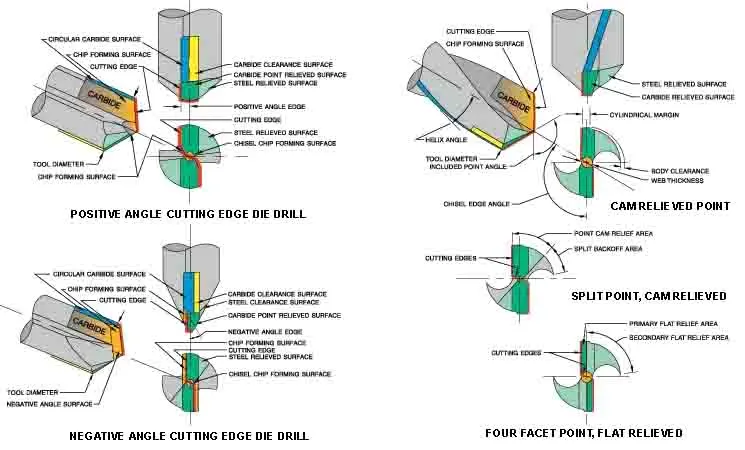
Procurement Considerations for 94mm PDC Flat Top Sintered Drill Bits
Geometry isn't always the only thing that goes into B2B buying choices. For a flat-top drill bit, buyers need to trust the supply chain and have access to expert help and good paperwork.
What to evaluate before placing an order?
I suggest looking into the Manufacturer's ability to produce, their quality system, their ability to help with customising, and how quickly they are after the sale. Certifications like ISO and API can help with process trust and compliance. When there isn't much time for drilling, lead time, batch accuracy, packing, and payment terms are also important.
In 2013, Shaanxi Hainaisen Petroleum Technology Co., Ltd. was set up in Xi'an. We do research and development, make, and sell different kinds of diamond drill bits, PDC drill bits, and cutting tools. We also offer complete technical solutions. A lot of people use our goods to get oil and gas, mine coal, do geological and hydrological surveys, and build technical tools. Our building is 3,500 m² and has modern workshops with high-tech tools like 5-axis machining centres, CNC machine tools, and welding production lines. We also have a research and development team whose only job is to make special bits for all kinds of structure drilling jobs.
What procurement managers and engineers want to know?
Most of the time, procurement managers worry about total cost, supply security, and risk management. Technical experts generally look at how long the bit lasts, how well it drills, and how well it fits with the pattern. A good provider should address both groups of worries by conducting real tests, making specs clear, and offering useful support.
At HAINAISEN, quality control includes checking the raw materials, using computers to help with design and modelling, making sure the products are made precisely, and testing their performance before they are sent out. That process helps with accuracy, which is important for keeping a supplier for a long time.
Maintenance and Lifespan Optimisation for 94 mm PDC Flat Top Drill Bits
Best practices in the field
When you check your machine regularly, you should look for signs of heat stress, cutting wear, face damage, and damaged gauges. The specifications for the drill need to meet the formation. Too much weight on the bit, bad flushing, or an unsteady spin can make it vibrate more, which can damage the cutting structure.
How to protect the bit life and ROI?
A good upkeep plan should include things like cleaning up after use, storing things correctly, keeping track of wear, and fixing or improving things as soon as possible when possible, for example, for a flat-top drill bit. Over time, teams that keep track of bit runs and compare success by structure tend to make better buying decisions. This kind of working feedback also helps providers improve the designs they make for wells or projects that will happen in the future.
Conclusion
Most of the time, a 94mm PDC flat-top sintered drill bit is the best choice for 200 MPa hard rock because it has the best combination of wear resistance, cutting efficiency, thermal stability, and cost control. There are still times when concave and convex shapes are useful in drilling, especially when safety or load spread is the most important thing. If the rock is very rough and the strength is always high, I would choose a good flat top design that is backed by good engineering, testing, and supply support. People who make that choice have a more reliable way to get longer bit life and better drilling economics.
FAQ
1. Is a 94mm PDC Flat Top Sintered Drill Bit suitable for 200MPa rock?
If the bit is made with good PDC cuts, a long-lasting matrix body, and good temperature stability, then yes, it is a good choice. This mix helps keep penetration going and cuts down on downtime caused by wear in hard, rough forms.
2. How does flat compare with concave and convex in real drilling work?
Most of the time, flat-top bits work best for very hard rock because they are more balanced. Some people think that concave bits can help with tracking and balancing. If the conditions are mixed, convex bits might work well. Flat-top versions are often the most cost-effective choice in hard rock that is always 200MPa.
3. Can you provide custom designs for different formations?
Yes. We can make changes based on the features of the rock, the well profile, and the working conditions. This helps clients get better results from their drills and keep the total cost of the bits down.
4. What delivery and warranty support should B2B buyers expect?
Lead time is based on the number of orders and the amount of customisation. Before making a purchase, buyers should ask about the production plan, quality documents, and service terms after the sale. Suppliers you can trust will give you clear help throughout the order cycle.
Partner with HNS for Superior 94mm PDC Flat Top Sintered Drill Bit Solutions
Need a reliable company to make or sell 94mm PDC Flat Top Sintered Drill Bits? For expert help, bulk prices, and unique solutions for hard rock drilling, contact HNS. You can email us at hainaisen@hnsdrillbit.com to get a price, ask about our 94mm PDC Flat Top Sintered Drill Bit for sale, or talk to our team about your drilling goals and formations.
References
1. SPE Drilling Engineering Handbook, Society of Petroleum Engineers.
2. Bourgoyne Jr., A. T., Millheim, K. K., Chenevert, M. E., Young Jr., F. S. Applied Drilling Engineering. Society of Petroleum Engineers.
3. Rabia, H. Well Engineering and Construction. Entrac Consulting.
4. ASTM International, Rock Mechanics and Rock Testing Standards.
5. API Specification 7-1, Specification for Rotary Drill Stem Elements. American Petroleum Institute.
6. Jaeger, J. C., Cook, N. G. W., Zimmerman, R. Fundamentals of Rock Mechanics. Wiley-Blackwell.
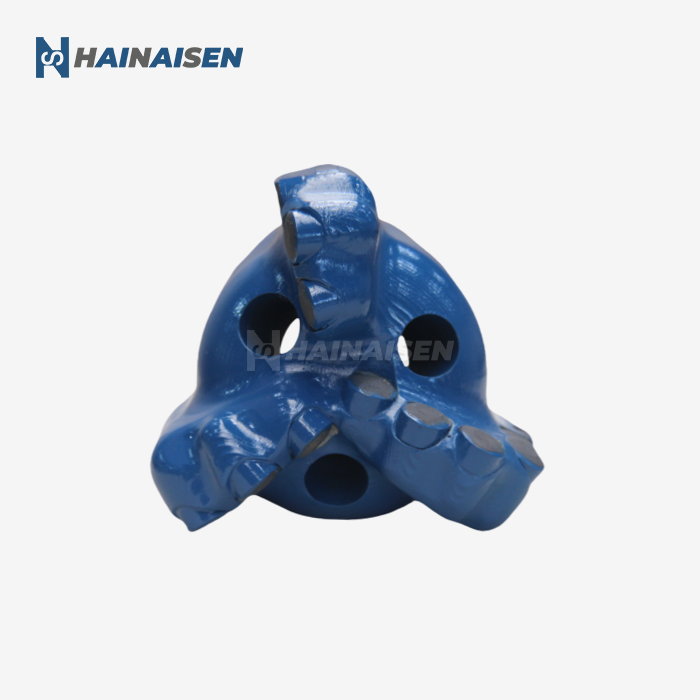 VIEW MORE113mm Three Wing Arc Angle Drill Bit
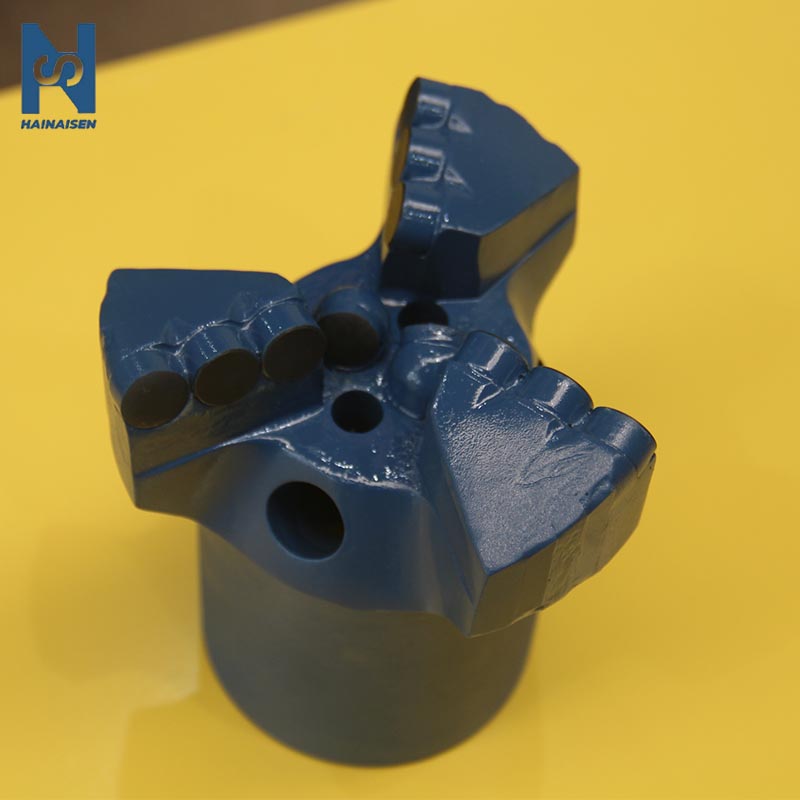 VIEW MOREPolycrystalline Diamond Drill Bits
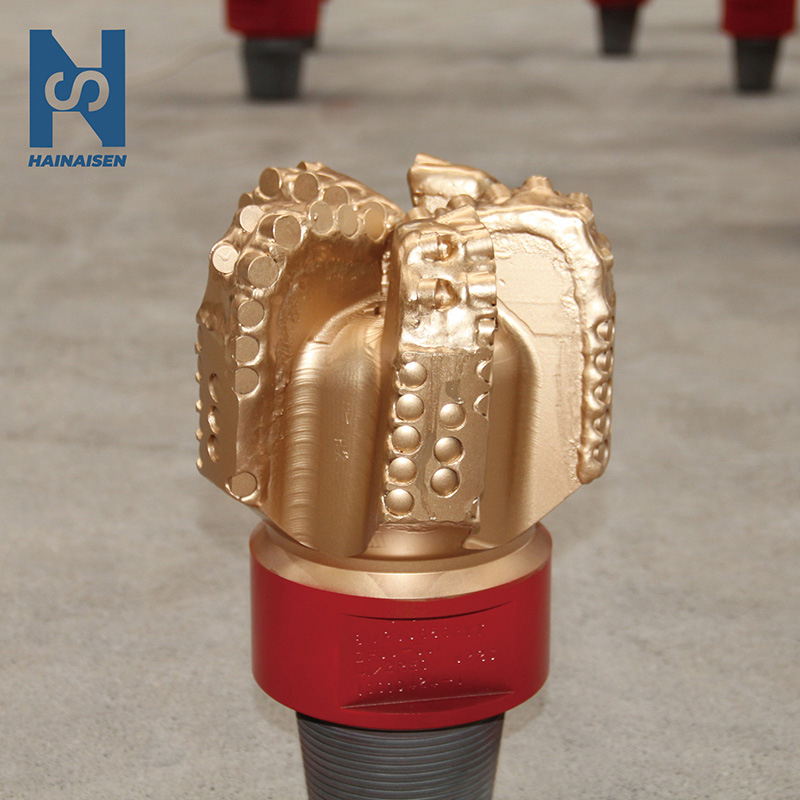 VIEW MORE5 Blades PDC Oil Bit
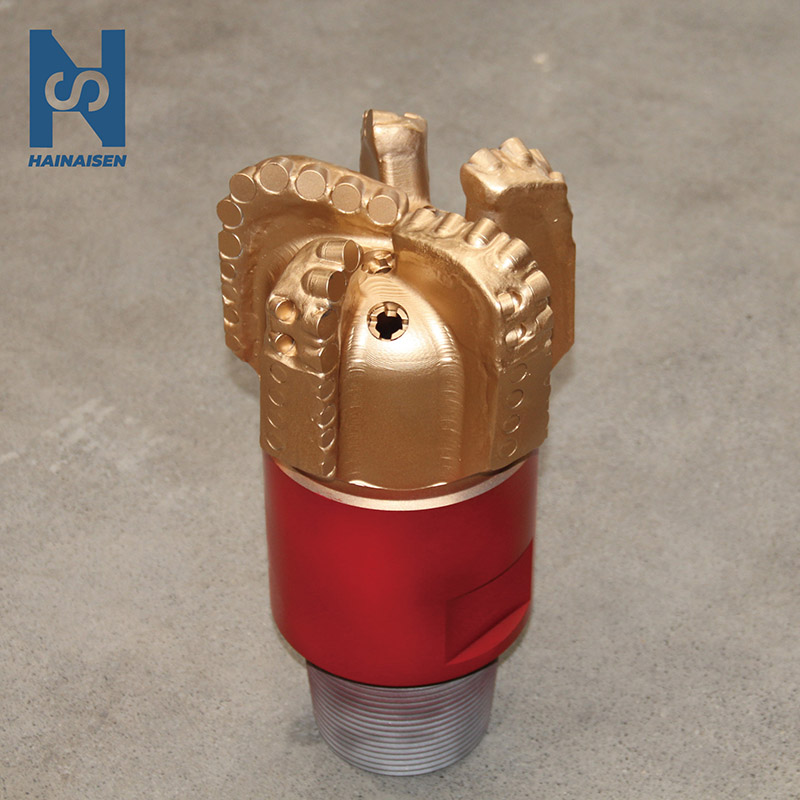 VIEW MOREFive Blades Oil Well Drill Head
 VIEW MOREForging Deep Rock Well Drilling Bits PDC Mining Bit
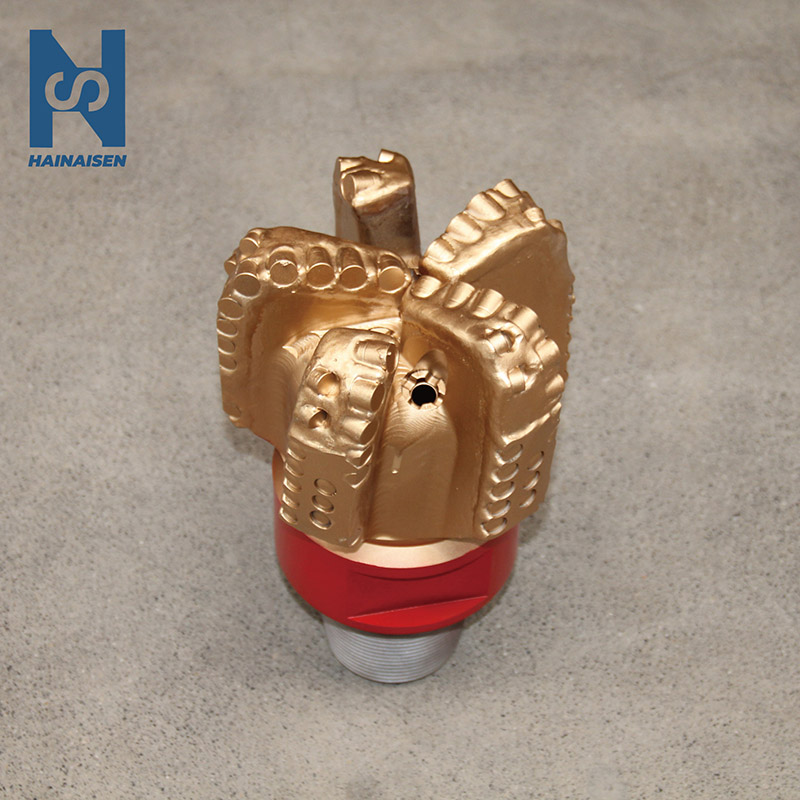 VIEW MOREDrilling Bit For Oil And Gas Rig
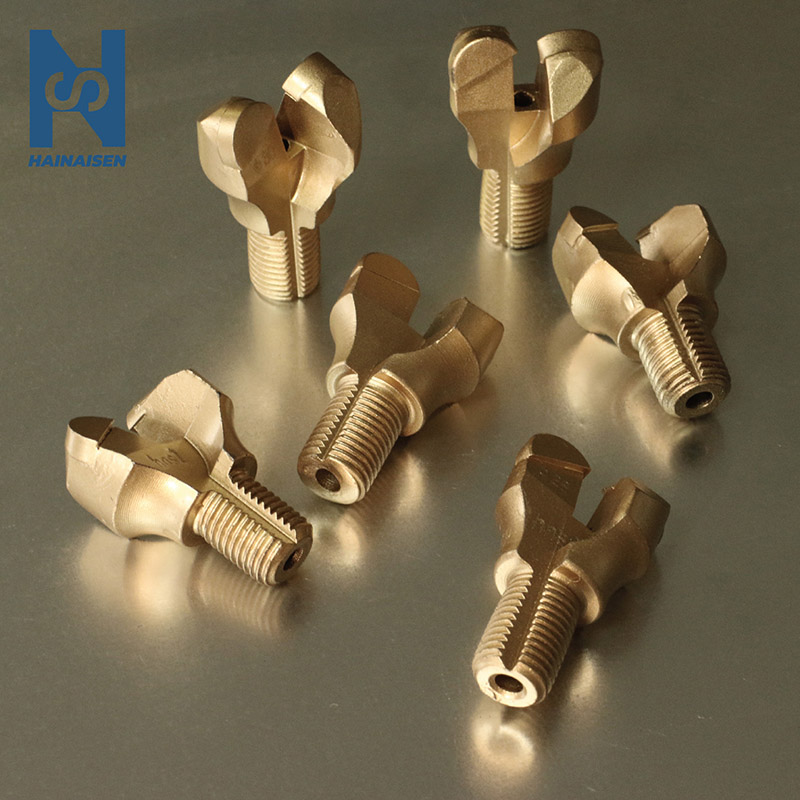 VIEW MORECoal Mining Tools PDC Anchor Drill Bit 28mm
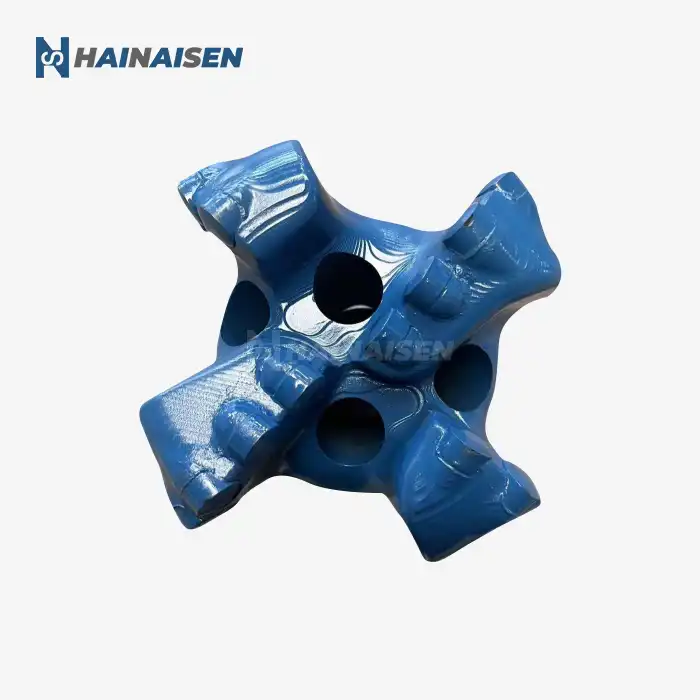 VIEW MORESteel Body PDC Bit 4 Blades