







Diamond oil drill bits with best corrosion resistance features
The most corrosion-resistant Diamond Oil Drill Bit has long-lasting diamond cutting elements, bit body materials that don't rust, protective coats, and a smart hydraulic design that lets it keep digging well even in tough conditions. Saltwater, chlorides, drilling fluids, high temperatures, and bad gas are just some of the things that bits have to deal with in oil and gas wells. This can shorten the life of the tool and make trips more expensive. Modern PDC-based designs give me the most choices, especially when they combine advanced cuts with surfaces that don't wear down easily, better gauge safety, and tried-and-true field performance. For business-to-business buyers, rust protection is more than just a detail. It has a direct effect on downtime, bit runs, the amount of upkeep needed, and the total cost of ownership.
Understanding Diamond Oil Drill Bits and Corrosion Resistance
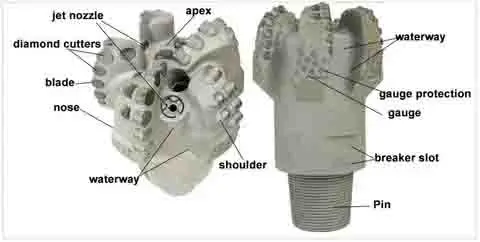
Diamond oil drill bits are made to cut through tough rocks quickly and easily. These days, the term is often used for PDC Bits that use Manufactured diamond cutters to slice through rock instead of breaking it. In many medium-hard and abrasive rocks, that shape helps improve the rate of entry, lower vibration, and make bits last longer.
Why does corrosion resistance matter in oilfield drilling?
When bits are used in places with brines, hydrogen sulphide, carbon dioxide, or harsh drilling fluids, corrosion becomes a big problem. These situations can hurt steel parts, make the bit body weaker, weaken the blade, and speed up wear around the needles and gauges. It is possible for things to fail much more quickly when rusting and erosion work together.
When it comes to buying things, rust protection is important because it affects the following:
- Service life during long breaks between drills
- Bit steadiness and keeping the gauge
- Needs for maintenance in between runs
- Unproductive time caused by replacing parts too soon
- How much does it cost to drill each foot
Key features that improve corrosion resistance
Instead of depending on just one material for protection, the best bits usually use a combination of several. In Google's SERPs, this is the kind of answer that gets promoted as a snippet: buyers want a quick, useful list.
When I look at technical deals, these are the traits I would put first:
Corrosion-resistant bit body materials and surface protection. Matrix-body and carefully treated steel-body types can last longer in places where chemicals are present. It is possible to protect uncovered surfaces from fluid attack and cutting-laden flow erosion with protective hardfacing, wear-resistant overlays, and anti-corrosion coats.
Optimised hydraulics and blade design. Most of the time, a bit that runs smoothly lasts longer. Flow lines, a balanced hydraulic structure, and anti-swirl features make it easier to get rid of cuttings and keep cuts cool. This lowers the chance of mud balling, hot spots, and the kind of localised wear that can make surfaces more open to rust.
Reinforced gauge and cutter layout. With well-placed PDC cutters and gauge safety made of high-quality composite materials, the bit stays stable and keeps its width. This is important because worn gauges often cause drills to go less smoothly, cause too much friction, and cause structures to break down faster in harsh downhole circumstances.
Selecting Diamond Oil Drill Bits with Optimal Corrosion Resistance
Most of the time, B2B procurement teams compare more than just price. They also look at technology fit, source trustworthiness, and lifecycle value. People who search for this topic are generally looking for business information. They want to find the best corrosion-resistant diamond oil drill bit for a specific job, not just an overall look at the subject.
Fixed cutter vs. roller cone in corrosive environments
Most of the time, fixed cutter PDC designs are best for longer runs and steady cutting action. Roller cone bits are still useful in some formations, but they have moving parts that can make them more likely to break or need extra upkeep in tough circumstances.
When I'm looking for tools to work with medium-hard rock, speed, steadiness, and reliable performance are important, I usually choose PDC-based choices that have strong body protection against corrosion and strong hydraulic cleaning.
What to ask suppliers before buying?
There's more to the story than just a quote sheet. When evaluating a source, I would ask these useful questions:
- What standards for rust or weathering tests back up the material claims?
- Is the body of the bit made of steel or matrix? What kind of safety is there for the blades and gauge?
- How does the cutter grade work in wells with high temperatures?
- Can the seller change the number of blades, the layout of the nozzles, the back rake, and the design of the gauge to fit the goal formation?
- In the same wells, what field data shows bit life, ROP, and dull condition?
This is where the skill of the provider becomes very important. Shaanxi Hainaisen Petroleum Technology Co., Ltd. was established in Xi'an in 2013. We specialise in the research and development, production, and sales of various diamond drill bits, PDC drill bits, and drilling tools and provide integrated technical solutions. The company’s products serve oil and gas extraction, coal mining, geological and hydrological surveying, and engineering machinery. Its 3,500 m² facility includes modern workshops and advanced equipment such as 5-axis machining centres, CNC machine tools, and welding production lines, supported by a dedicated R&D team for custom bit design.
Why do many buyers prefer advanced PDC solutions?
When a product solves both technical and business problems, people often decide to buy it quickly. Which is why it's easy to see how we place our products.
Our answer uses modern polycrystalline diamond compact (PDC) technology to make it last longer, have a better cutting structure for faster penetration rates, and be more resistant to heat so it can keep working in wells with high temperatures. We also offer designs that can be changed to fit the needs of each group. These designs are backed by a lot of field testing and a track record of success.
Maintenance Tips to Maximise Corrosion Resistance and Drill Bit Lifecycle
If you don't take care of and handle something well, even the best diamond oil drill bit can lose value. Technical experts and procurement managers should agree on what to do after a run because this is where lifetime gains are either kept or lost.
Storage, cleaning, and inspection best practices
Avoidable harm can be cut down by following a structured repair schedule. I suggest a method that includes cleaning after every use, checking the blades and gauge visually, and storing them in a way that keeps them away from wetness that can rust or dirty waste.
The following actions help things last longer:
Use cleaning methods that protect the cutters and body. Cleaning agents that work well together and controlled washing methods can quickly get rid of drilling mud, salt layers, and other waste. The goal is to keep dust from sticking to metal surfaces while they are being stored and to avoid rough cleaning methods that hurt diamond tables or protection layers.
Inspect wear patterns with a technical checklist. Check to see if the cutter is in good shape and if there are any signs of chemical attack or blade damage. A regular checking method helps engineers decide if the bit can be used again, if it needs to be fixed up, or if it needs to be thrown away before it increases the risk downhole.
Repair, refurbishment, or replacement
It may make sense to refurbish a bit if the bit body is still physically sound and the expected return run is high enough to cover the cost. If rust has hit important areas or if the gauge won't stay in place, it's usually safer to replace it. What to do rests on how much the bit costs, how long the drilling programme lasts, and how much risk you are willing to take.
Procurement Insights: Buying Diamond Oil Drill Bits with Superior Corrosion Resistance
Price is important, but expert buyers look at the total value of the Diamond Oil Drill Bit. Better cutters, materials that don't rust, and special building methods may raise the cost per unit, but they can lower the cost per metre drilled by cutting down on trips and making the process more consistent.
Cost drivers and supplier evaluation
Cutter grade, body material, coating or hardfacing quality, amount of customisation, and order number are some of the most common things that affect costs. When buyers ask for application-specific hydraulic design or special gauge security, lead times may go up.
I would use these business factors to judge suppliers:
- Warranty terms and help with failure analysis
- OEM customisation ability for formation-specific design
- Production capacity and delivery reliability
- After-sales technical support
- Authorised distribution and traceability
Bulk ordering can improve pricing, though quality should stay central. Large and medium-sized oil repair companies usually need stricter paperwork and longer approval processes. Buyers in the coal mining industry may act more quickly if samples work well and prices are low. Teams that drill water wells often care more about price than anything else, so a seller should make it clear how the starting cost compares to the useful life.
Case Studies and Performance Reviews of Corrosion-Resistant Diamond Oil Drill Bits
Proof of performance builds trust more quickly than promises alone. On the market, people want proof of drilling speed, Diamond Oil Drill Bit durability, and fewer failures in tough wells. This fits with the faith part of the buyer journey: they're interested, but now they need to be sure they can buy.
What does strong field performance usually look like?
When a run goes well, corrosion-resistant PDC bits usually show the following:
- Better gauge memory after a long break
- ROP that stays stable in medium-hard formations
- Less shaking because the cutter setting and weight transfer were perfected
- Less wear in areas that are open to hydraulics
- A lot less rest and fewer bite trips
Our Diamond Oil Drill Bits are versatile tools designed for oil and gas exploration and production, geothermal well drilling, coal bed methane extraction, hard rock mining operations, water well drilling, geological core sampling, and horizontal directional drilling. These bits perform especially well in formations with a middle level of hardness, allowing for good entry and longer bit life. Their advanced design makes it easier for weight to be transferred and lowers vibrations, which helps with smoother cutting and overall efficiency.
Conclusion
The best diamond oil drill bit designs that don't rust have advanced PDC cutters, strong gauge protection, improved hydraulics, heat resistance, and designs that are made for a specific job. I think that buyers get the most long-term value when they look at more than just price. They should also look at bitbody security, field data, the ability to customise, and provider support. When digging in tough conditions, the right bit can protect downtime, lower the number of times it needs to be replaced, and lower the cost per foot. That choice is much easier to make when you have a skilled provider with real engineering skills.
FAQ
1. How does corrosion resistance affect drilling performance?
Corrosion resistance helps keep the purity of the blade, the staying power of the gauge, and the hydraulic efficiency. When a diamond oil drill bit can stand up to erosion and chemical attack, it is more likely to keep its cutting speed fixed, support the cutter, and last longer in tough well conditions.
2. What maintenance schedule is best in corrosive environments?
I suggest checking it after each run, cleaning it right away to get rid of any salt or mud residue, and storing it safely in a dry, controlled space. Before transfer, high-exposure tasks may also need to have wear reviews that are written down.
3. Are PDC bits better than roller cone bits for corrosion resistance?
People usually choose PDC bits when they need to drill deeper, have fewer moving parts, and stay in the right shapes for longer. The final decision will still depend on the type of formation, the drilling factors, and the quality of the design from the provider.
4. What certifications or quality signals should buyers check?
Strong manufacturing controls, the ability to track down materials, inspection records, documentation for field runs, and clear expert help are all things you should look for. Also, buyers should look at how the seller tests their products, how they handle warranties, and whether they can be customised for the intended use.
Partner with HNS for Superior Diamond Oil Drill Bit Solutions
Need a dependable Diamond Oil Drill Bit manufacturer or supplier with strong designs that won't rust? HNS is ready to support your drilling project with custom solutions, technical guidance, samples, and competitive quotes. Contact our team at hainaisen@hnsdrillbit.com to discuss your application and get the right Diamond Oil Drill Bit for sale with dependable B2B support.
References
1. Bourgoyne, A. T., Millheim, K. K., Chenevert, M. E., and Young, F. S., Applied Drilling Engineering
2. Rabia, Hussain, Oilwell Drilling Engineering: Principles and Practice
3. American Petroleum Institute, API Specification 7-1
4. ASM International, ASM Handbook, Volume 13A: Corrosion: Fundamentals, Testing, and Protection
5. Society of Petroleum Engineers, Drilling Engineering technical papers collection
6. National Association of Corrosion Engineers, Corrosion Basics: An Introduction
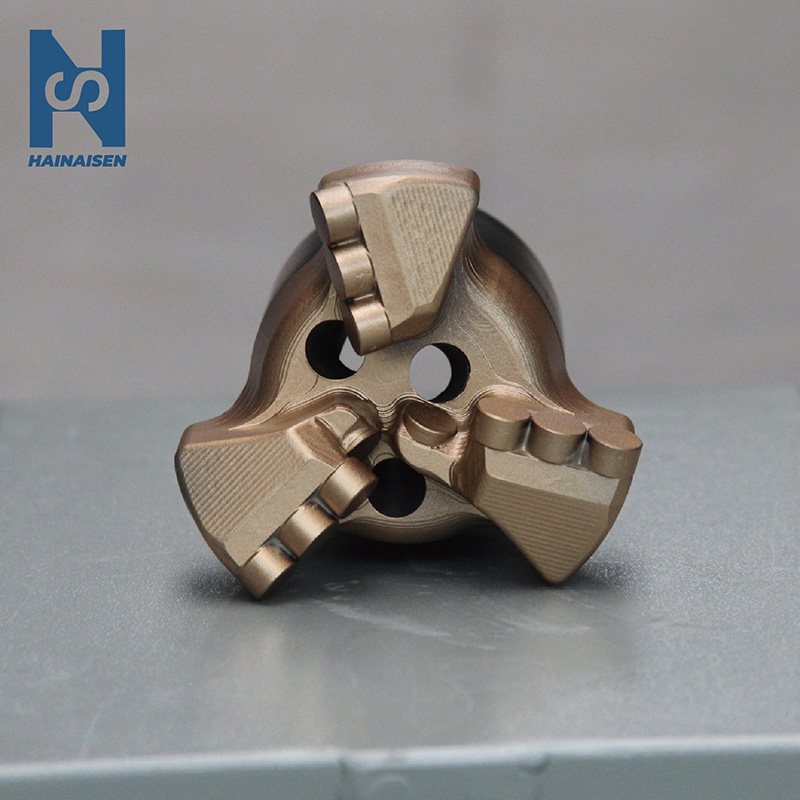 VIEW MORE3 Blades PDC Rock Bit
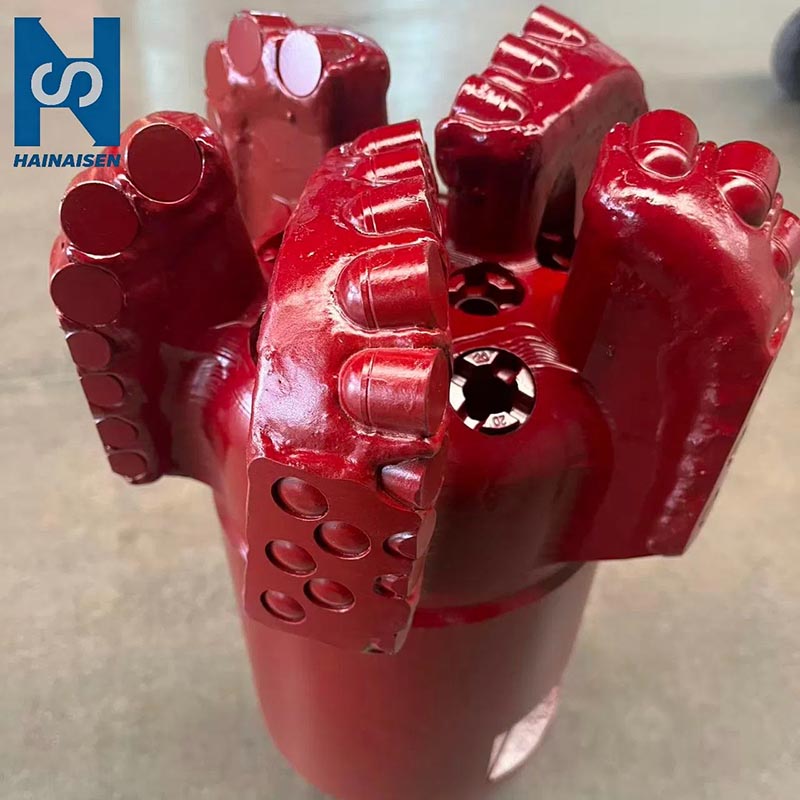 VIEW MORE5 Blade Steel Body PDC Bit
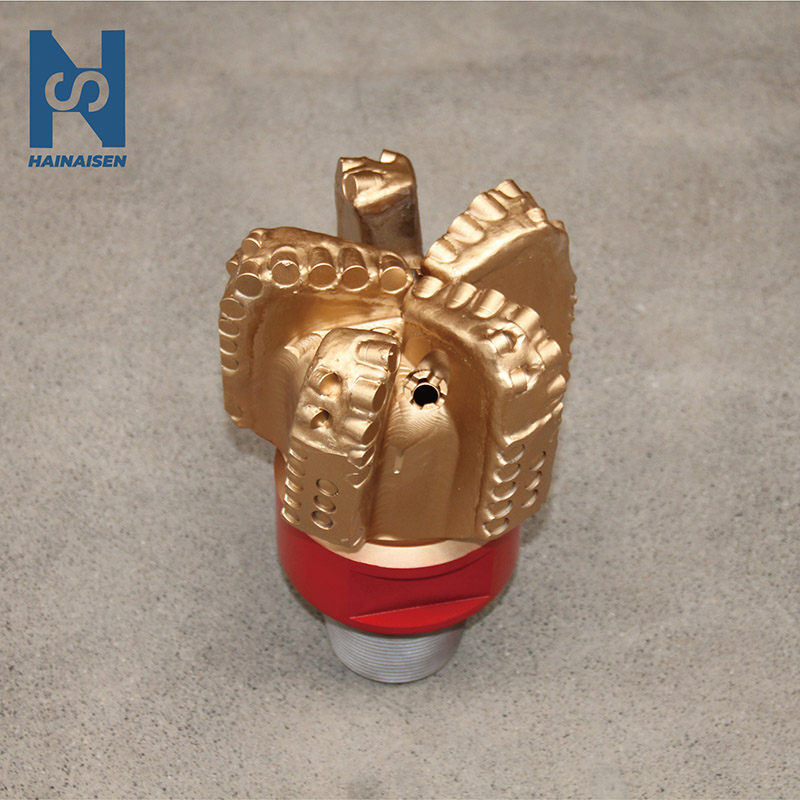 VIEW MOREPDC Rock Drill Bit
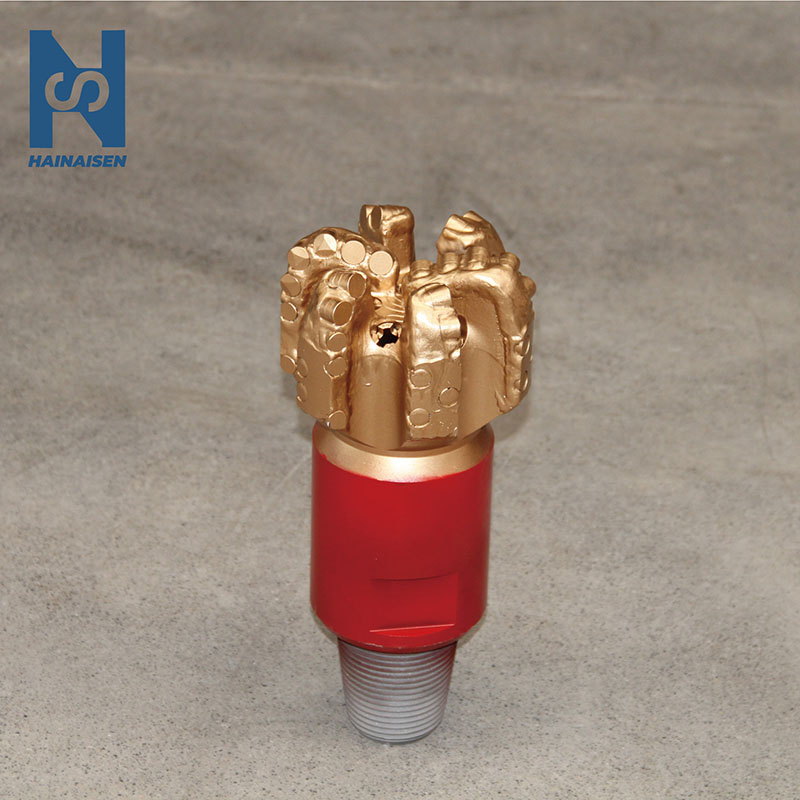 VIEW MORESix Blade Wing Petroleum Drill Bit
logo 1_1768204983068.jpg) VIEW MOREPDC Core Drill Bit With 8 Blades For Hole Drilling Used In Mining
VIEW MOREPDC Core Drill Bit With 8 Blades For Hole Drilling Used In Mining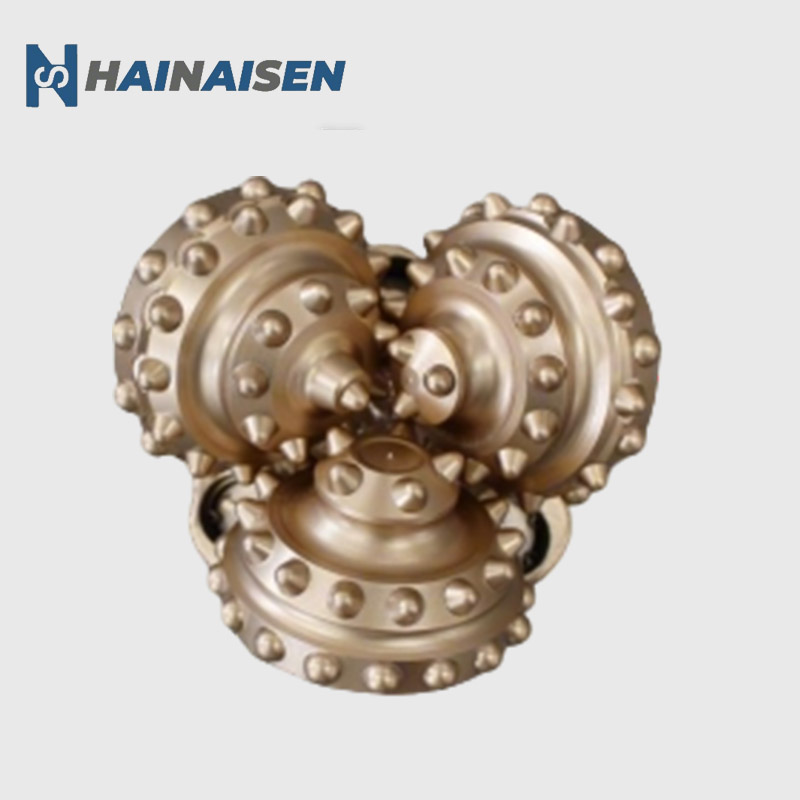 VIEW MORE4 1/2" IADC 637 TCI Tricone Bit
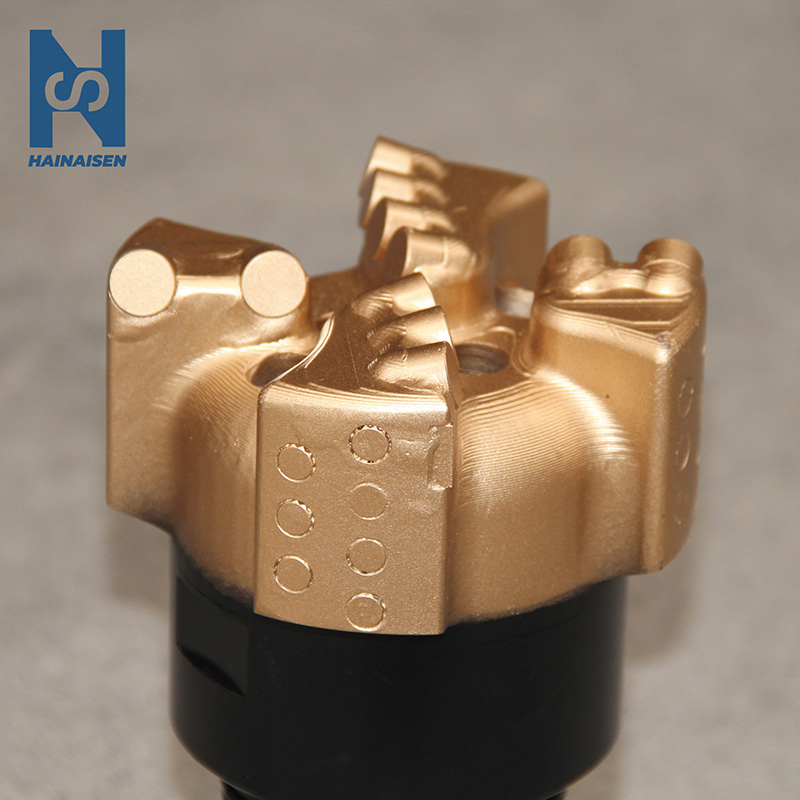 VIEW MOREDirectional Well PDC Drill Bit
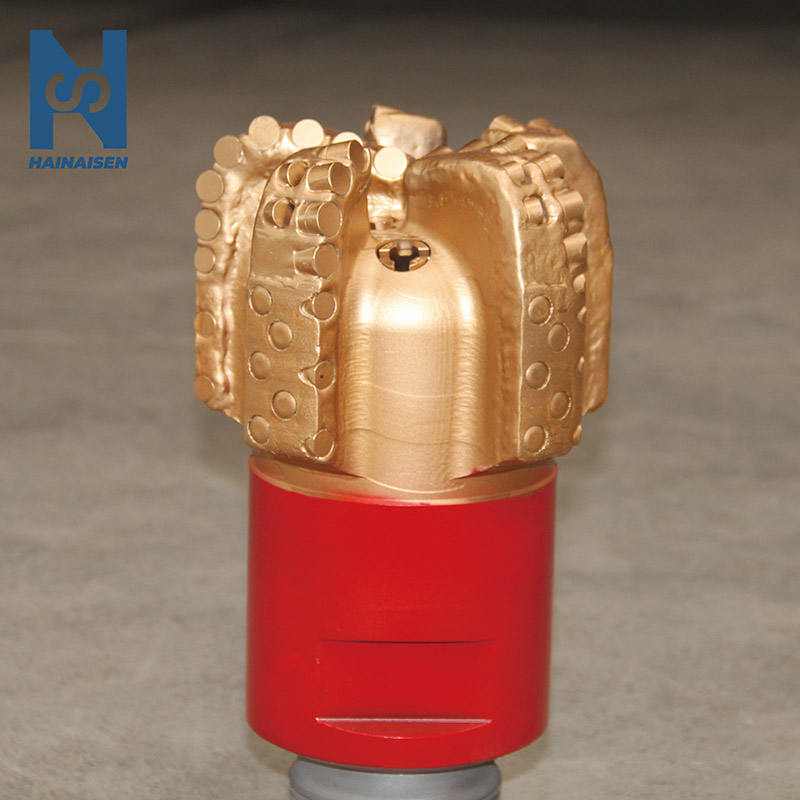 VIEW MOREFive Blades PDC Drill Bits
