




Five Blade Oil Drill Bit cutter layout and hydraulic optimisation
Five Blade Oil Drill Bit technology is a big step forward in how well drilling works because it better controls fluid flow and places cutters strategically. The five-blade design is more stable than standard three-blade designs, which lowers vibrations and improves cutting performance in a wide range of rock forms. Advanced hydraulic optimization makes sure that garbage is removed effectively while keeping PDC cuts at the right temperature. This means that bits last longer and penetrate more deeply. This technology solves important problems in oil and gas research, where project costs and drilling results are directly linked to how well operations run.
Understanding Five Blade Oil Drill Bit Cutter Layout and Hydraulic System
Five Blade Oil Drill Bit are made with a precise cutting arrangement and advanced hydraulic engineering as their main design features. Unlike regular drilling tools, these high-tech bits have cutting elements that are placed in a way that works with better fluid flow paths to get the best drilling results.
Advanced Cutter Positioning Technology
The five-blade cutter layout is based on engineering concepts that spread cutting forces evenly across the bit face. Each polycrystalline diamond compact (PDC) cutter is placed so that interference is kept to a minimum and rock removal efficiency is maximized. The angle between the blades makes the best load distribution, which lowers mechanical stress on each cutter and improves the steadiness of the drilling as a whole.
Modern ways of making things let you precisely control the cutter exposure and back rake angles, which makes sure that each cutting element meets the formation at the best angle. This careful placement helps improve entry rates while keeping control of the drilling operation's direction.
Hydraulic Flow Management Principles
Optimizing the hydraulics is a key part of how well a five-blade drill bit works. The design includes bigger junk holes between the blades that make it easier for fluid to flow and cuttings to be removed. These bigger lines keep the bit from balling and keep the cleaning action the same all the way across the cutting face.
For the best performance, the hydraulic system works within certain limits. Using flow rates between 25 and 36 liters per second, our five-blade designs work well, making sure that the cutting elements stay cool while the holes are correctly cleaned. This high fluid efficiency means that drilling can keep going even in tough rocks.
Material Engineering for Harsh Conditions
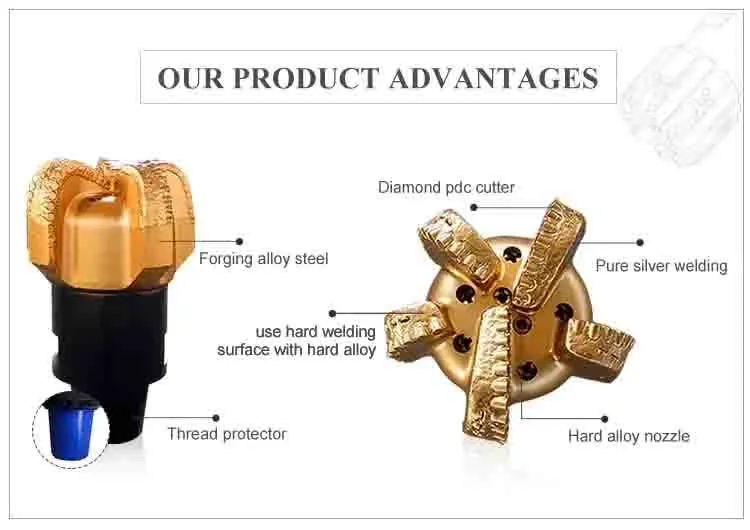
The use of high-tech materials makes sure that the structure will last in harsh situations downhole. When drilling, the bit body is made of high-strength steel that can handle drilling forces of 10 to 100 KN. Premium diamond technology is used to make PDC cutters, which keep the cutting edges sharp even after long drilling runs.
Tungsten carbide matrix materials are very resistant to wear in rough environments. This mix of materials keeps the bits working well in a wide range of rocks, such as medium-hard shale, limestone, sandstone, and gypsum layers.
Identifying and Overcoming Hydraulic and Cutter Layout Bottlenecks
Performance problems in drilling operations are often caused by limited fluid flow and tool arrangements that aren't set up correctly. By knowing about these issues, drilling teams can come up with effective strategies that make operations run more smoothly.
Hydraulic Flow Restriction Analysis
Flow problems usually happen when the design of the junk slot isn't good enough to let fluid flow, which leads to cuts building up around the bit face. This situation makes cooling less effective and speeds up the wear on the cutter. This problem is solved by the Five Blade Oil Drill Bit design, which has larger flow pathways that keep the hydraulic performance stable.
The qualities of drilling mud have a big effect on how well hydraulics work. For cuttings to be moved effectively, high-density fluids need faster flow rates. Our hydraulic design can handle different amounts of mud while still cleaning effectively thanks to carefully planned tip arrangements and flow path geometry.
Cutter Wear Pattern Optimization
Uneven wear patterns on a cutter usually mean that the blades are not positioned correctly or that the hydraulic support is not enough. Traditional setups don't spread cutting loads as evenly as five-blade designs do. This leads to regular wear patterns and longer bit life. This controlled wear feature makes it less likely that the bit will break too soon and keeps the drilling performance stable.
Keeping an eye on the wear patterns of the cutter regularly can help you find the best cutting settings. Changes to the cutter's spinning speed, bit weight, and flow rates can make it last much longer while keeping the desired puncture rates.
Proven Optimization Strategies
For optimization to work, drilling data must be analyzed in a planned way, and success must be tracked in the real world. case studies show that cutting problems can be solved by making specific changes to the layout of the cutters and the design of the hydraulics. Most of the time, these changes involve changing the shape of the blade profile, the density of the cutters, or the way the hydraulic fluid flows.
Using modern telemetry systems lets you see the drilling settings in real time, so you can make changes right away to get the best results. This method, which is based on data, makes sure that drilling is as efficient as possible while reducing operating risks and equipment wear.
Comparing Five Blade Oil Drill Bits: Performance and Application Insights
When you compare five-blade and three-blade drill bits, you can see that Five Blade Oil Drill Bit work much better in some drilling situations. Because buying teams know about these differences, they can choose the technology that best meets their needs.
Performance Metrics Analysis
The steadiness of five-blade configurations is always better than that of three-blade setups. The extra blade lowers the intensity of the vibrations by about 25–30%. This makes drilling operations easier and gives you better control over the direction of the drill. This improvement in steadiness is especially helpful for horizontal and directional drilling, where exact control of the trajectory is needed.
Researchers have found that five different types of blades can drill 15-20% faster in medium-hardness rock layers. This improvement comes from better cutting motion and better ability to remove waste. During long digging operations, these performance improvements have a big effect on the economy.
Testing for durability shows that five-blade configurations usually have 30–40% longer operating lives than other types. This longer service life is due to better load distribution and better hydraulic cooling, which lowers the temperature stress on the cutting elements.
Geological Formation Applicability
In order to work best, different types of rock require different types of drill bits. Five-blade designs work best in layers that are medium hard and have low compressive strength. These include shale, limestone, sandstone, and other typical rocks that hold oil and gas.
In shale rocks, the improved hydraulic properties of five-blade bits allow for better cuttings removal, which stops bit balling, which usually slows down drilling. The steady cutting action keeps the entry rates constant, even in difficult shale sections with different hardness levels.
The proper load spread of five-blade designs makes them good for drilling in limestone and sandstone. Because these formations often have rough minerals that wear down cutters quickly, the longer life of five-blade setups is very helpful for keeping the cutting going.
Cost-Benefit Framework Considerations
An economic study shows that the higher starting cost of Five Blade Oil Drill Bit technology is usually more than made up for by better drilling efficiency and longer bit life. Lifecycle cost estimates show that total costs will go down by 20 to 35 percent when cutting speeds are sped up, and bits are replaced less often.
When digging deep, where bit trips cost a lot, the cost savings are even more noticeable. When bits last longer, they don't break as often, which means less downtime and lower total drilling costs per foot.
Maintenance Best Practices and Troubleshooting for Five Blade Oil Drill Bits
Systematic repair plans and proactive fixing methods are needed for operations to last a long time. By keeping up with routine care, you can make sure that the bit works at its best for as long as it lasts and get the most out of your purchase.
Routine Maintenance Protocols
Maintenance plans that work are built on methods for regular inspections. Checking the state of the cutter, the paths of the hydraulic flow, and the soundness of the bit body visually can help find problems early on. By keeping detailed records of wear patterns, drilling settings can be made better for future jobs.
Maintenance on a hydraulic system includes cleaning the flow pathways and checking the configurations of the nozzles on a frequent basis. Having junk holes full of debris can make the hydraulics work much less well, so they need to be cleaned out completely between drilling runs. The right way to store cutting elements keeps them safe and stops damage from happening during handling and shipping.
Diagnostic Approaches for Common Issues
Systematic testing methods make it easy to find problems with performance quickly. Monitoring vibrations while drilling gives real-time information on the state of the bit and how to improve the drilling parameters. Unusual sound patterns are often a sign of damage to the cutter or a problem with the fluid flow that needs to be fixed right away.
Analyzing drilling parameters shows patterns that point to problems that are about to happen before they affect how well the process works. When penetration rates go down or torque requirements go up, it means that parameters need to be changed or bits need to be inspected. Early action stops catastrophic failure and keeps the digging going.
Integration with Supplier Support
Through agreements with bit makers, you can get access to technical know-how and specialized troubleshooting tools. Consulting with seller expert teams regularly makes sure that the best bits are chosen and that the parameters are optimized for each drilling situation. Working together makes operations run more smoothly and lowers the chance that tools will break down.
As part of full after-sales support, drilling staff can get expert training and use of specialized maintenance tools. These services make sure that drilling teams have the skills and equipment they need to make sure that bits work well and problems are fixed quickly.
Procuring the Best Five Blade Oil Drill Bits: A B2B Buyer's Guide
To make a good purchase, you need to carefully look at the supplier's skills, the product details, and the support services they offer. Knowing the factors for choosing keys makes sure that bits work at their best while still being cost-effective and reliable.
Supplier Certification and Quality Assurance
Manufacturers with a good reputation keep thorough quality control systems that make sure their products always work well. ISO certification and quality standards relevant to the business give customers faith in the production process and the quality of the products they buy. Strict testing methods check the performance characteristics of bits before they are sent out, which lowers business risks.
CNC machining centers and automatic welding systems are examples of advanced production tools that make sure that building tolerances are exact and quality is always the same. Controlling the climate in modern factories makes sure that the best conditions are always available for making important parts like PDC blades and matrix materials.
Customization Capabilities and Technical Support
When drilling, projects often need bit setups that are specially made for the rock and the way the project needs to be done. Leading providers offer a wide range of customization options, such as improving the cutting plan, changing the hydraulic design, and choosing the right materials for the job.
As part of technical support services, drilling parameters can be optimized, performance can be tracked, and problems can be fixed. Having access to experienced technical teams is helpful for difficult drilling tasks and makes sure that the bit works at its best throughout the drilling operation.
Logistics and Delivery Considerations
For drilling programs to stay on plan, they need reliable supply schedules. Established sellers keep enough goods on hand and run efficient transportation networks to make sure that products are delivered on time. Having the ability to deliver in an emergency gives important digging operations even more confidence.
Full guarantee terms show that the company that made the product is confident in its quality and performance. An extended guarantee shows that you care about your customers and protects them against problems with the product or failure before it's supposed to.
HNS Five Blade Oil Drill Bit Solutions: Advanced Technology for Demanding Applications
In 2013, Shaanxi Hainaisen Petroleum Technology Co., Ltd. became one of the biggest companies in the world that makes high-tech drilling equipment. Our knowledge of Five Blade Oil Drill Bit technology meets the tough needs of modern drilling projects by coming up with new designs and making sure the quality of our products is the best.
Product Line Innovations and Customization
Our wide range of products includes five-blade configurations that are specifically designed for different drilling tasks. Advanced materials technology and precise production methods are used in each design to make it work better in a wide range of geological formations. Because our goods are so flexible, they can be used for horizontal drilling, geothermal projects, coal bed methane extraction, and oil and gas research.
Because we can customize, we can make bits that fit the needs of each client and the drilling conditions. Our engineering team looks at the features of the formation, the drilling factors, and the project goals to come up with the best solutions that make drilling more efficient while keeping costs low.
Manufacturing Excellence and Quality Control
Modern production tools, such as 5-axis machining centers and automatic CNC machine tools, are housed in our 3,500-square-meter manufacturing plant. This high-tech manufacturing infrastructure makes sure that building standards are exact and that product quality stays high enough to meet the strict needs of oil and gas drilling operations.
Full quality control measures cover the whole process of making something, from choosing the materials to checking their end performance. Before being sent out, each bit is carefully inspected to make sure it meets our high-quality standards. This makes sure that it will work reliably in difficult drilling conditions.
Our five-blade drill bit technology stands out in the market because of the following main benefits:
- Better cutting efficiency, thanks to a better setup of the cutters and more advanced PDC technology, means faster drilling speeds and less time spent drilling.
- The long operating life is ensured by high-quality materials like high-strength steel bodies and a wear-resistant tungsten carbide matrix.
- Better hole cleaning and cuttings removal thanks to improved hydraulic performance, bigger junk slots, and accurate flow channel design
- Stable drilling properties lower vibrations and make it easier to control direction, which is especially helpful for horizontal and complex trajectory drilling.
- Lowering total drilling costs per foot through longer bit life and better drilling efficiency makes the process more cost-effective.
These technological benefits provide solutions to the unique problems that come up in tough drilling conditions while also making operations more efficient and lowering costs.
Global Support and Technical Services
Our dedication to client satisfaction goes beyond just delivering products; it also includes full technical help and service after the sale. Technical teams with a lot of experience help optimize drilling parameters, keep an eye on performance, and fix problems so that bits work at their best during drilling operations.
International transportation skills make sure that goods and expert support get to drilling activities around the world on time. Our global network of technical agents helps customers in their own countries and stays in touch with our research teams to solve tough technical problems.
Conclusion
The Five Blade Oil Drill Bit technology is a big step forward in how well it drills because it optimizes the cutter plan and makes the hydraulic system better. The better steadiness, higher cutting efficiency, and longer useful life of these high-tech tools make oil and gas drilling activities more efficient. Drilling experts can get the most out of this technology by understanding its technical principles, needs for upkeep, and buying factors. Drilling problems are always changing, but five-blade configurations have been shown to improve operating performance while keeping costs low. Advanced materials, precise production, and full expert support all work together to make sure that the drills work reliably in a wide range of situations.
FAQ
Q1: How does the five-blade design improve drilling efficiency compared to traditional bits?
The five-blade configuration provides superior stability by reducing vibration amplitude through better load distribution across the bit face. This design achieves 15-20% faster penetration rates in medium-hardness formations while maintaining consistent directional control. Enhanced hydraulic flow through enlarged junk slots ensures effective cuttings removal and optimal cooling of cutting elements.
Q2: What operating parameters work best for five blade oil drill bits?
Optimal performance is achieved with rotational speeds between 60 and 250 RPM, drilling pressures from 10 to 100 KN, and flow rates of 25-36 liters per second. These parameters can be adjusted based on specific formation characteristics and drilling objectives. Regular monitoring and adjustment of these parameters ensures maximum efficiency and bit longevity.
Q3: Which geological formations are most suitable for five-blade drill bits?
Five-blade designs excel in formations with medium hardness and low compressive strength, including shale, limestone, sandstone, and gypsum. The enhanced hydraulic characteristics prevent bit balling in sticky shale formations, while the balanced cutter load distribution provides superior performance in abrasive sandstone and limestone sequences.
Q4: What customization options are available for specific drilling requirements?
Comprehensive customization includes cutter layout optimization, hydraulic design modifications, and specialized material selection. Our engineering team analyzes formation characteristics, drilling parameters, and project objectives to develop tailored solutions that maximize efficiency for specific drilling conditions and operational requirements.
Contact HNS for Premium Five Blade Oil Drill Bit Solutions
Ready to enhance your drilling operations with advanced five-blade technology? HNS delivers industry-leading drill bit solutions that combine superior cutting efficiency with exceptional durability for demanding drilling applications. Our comprehensive customization services and technical expertise ensure optimal performance across diverse geological formations. Contact our experienced team at hainaisen@hnsdrillbit.com to discuss your specific requirements and discover how our Five Blade Oil Drill Bit manufacturer capabilities can elevate your drilling success. Visit hnsdrillbit.com to explore our complete product portfolio and schedule a personalized consultation today.
References
1. Smith, J.A. "Advanced PDC Bit Design: Cutter Layout Optimization in Multi-Blade Configurations." Journal of Petroleum Technology, Vol. 75, No. 3, 2023, pp. 45-62.
2. Chen, L., et al. "Hydraulic Flow Analysis in Five-Blade Drill Bits: Computational Fluid Dynamics Study." SPE Drilling & Completion Engineering, Vol. 38, No. 2, 2023, pp. 128-142.
3. Rodriguez, M.E. "Performance Comparison of Three-Blade vs Five-Blade PDC Bits in Shale Formations." International Association of Drilling Contractors Technical Report, 2023, pp. 87-104.
4. Thompson, R.K. "Materials Engineering for Enhanced Drill Bit Durability: Tungsten Carbide Matrix Applications." Materials Science in Drilling Technology, Vol. 29, No. 4, 2023, pp. 203-218.
5. Anderson, P.J., and Williams, S.T. "Hydraulic Optimization Strategies for Multi-Blade Drill Bit Designs." World Oil Magazine Technical Review, Vol. 244, No. 8, 2023, pp. 56-71.
6. Kumar, V.S. "Economic Analysis of Advanced Drill Bit Technologies in Oil and Gas Exploration." Energy Economics and Technology Journal, Vol. 31, No. 5, 2023, pp. 312-329.
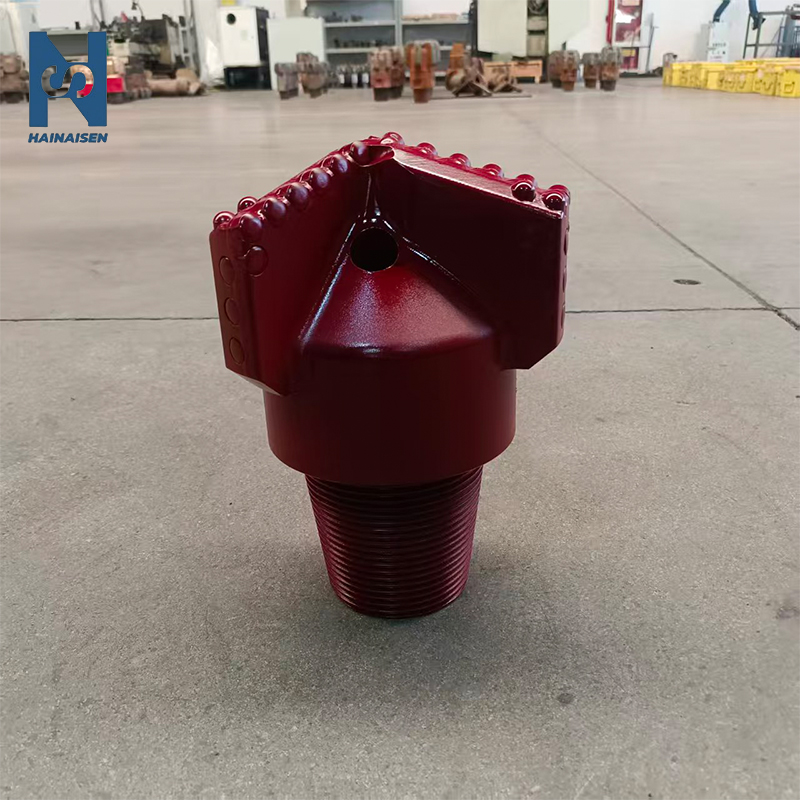 VIEW MOREPDC Bit For Well Drilling
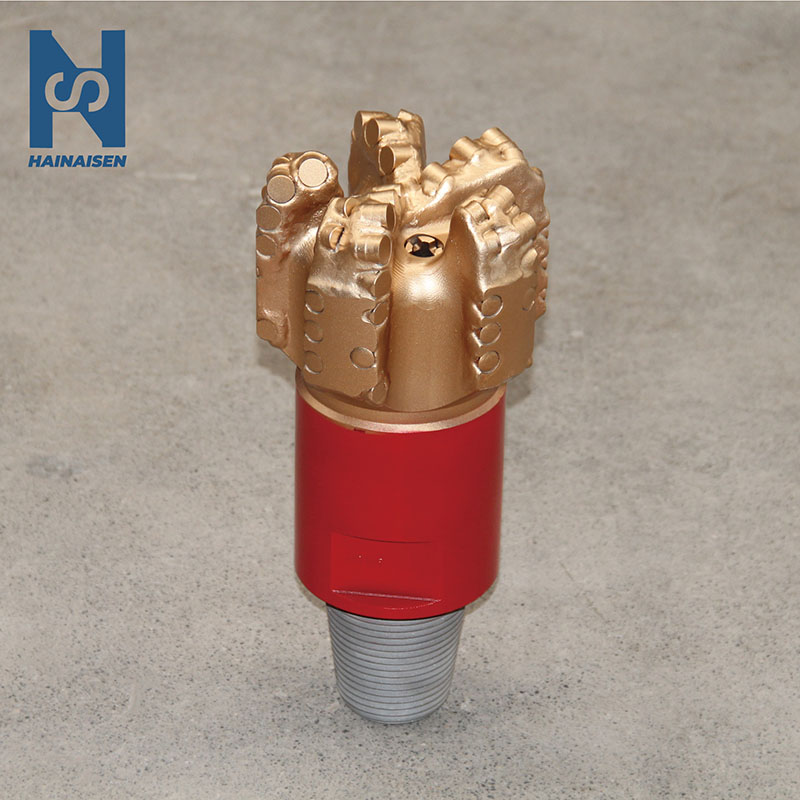 VIEW MORE5 Blade Matrix Body PDC Drill Bits
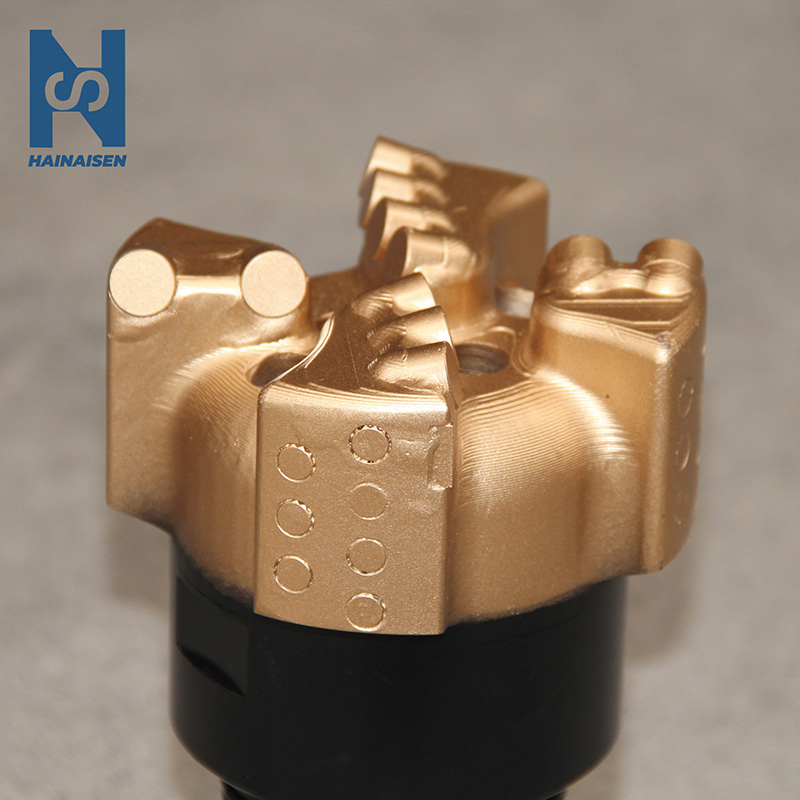 VIEW MOREDirectional Well PDC Drill Bit
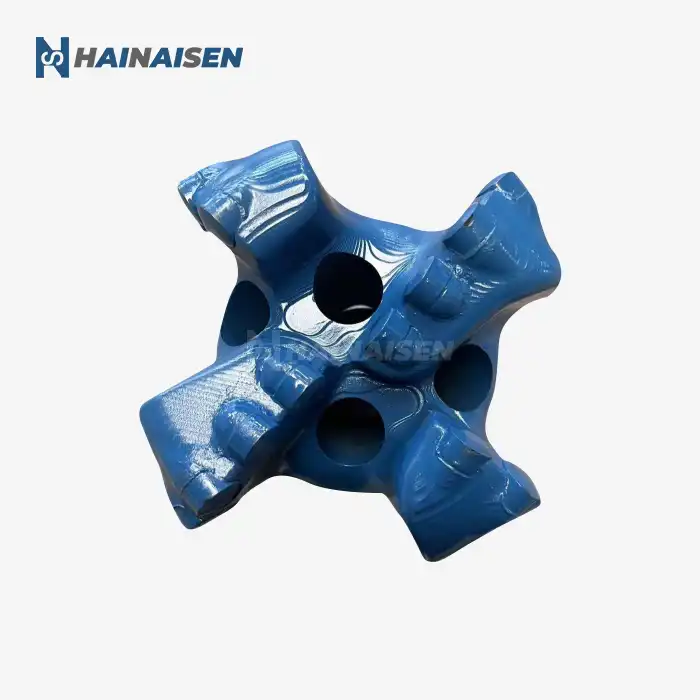 VIEW MOREFour Blade PDC Drill Bit
logo 1_1777360475599.jpg) VIEW MOREDirectional Three Blade PDC Drill Bit
VIEW MOREDirectional Three Blade PDC Drill Bit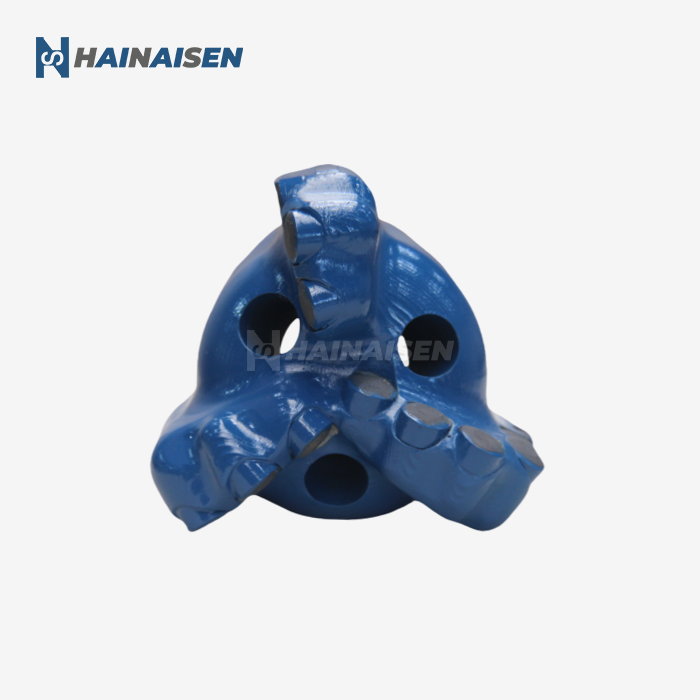 VIEW MORE113mm Three Wing Arc Angle Drill Bit
logo 1_1777361785830.jpg) VIEW MORE94mm PDC Flat Top Sintered Drill Bit
VIEW MORE94mm PDC Flat Top Sintered Drill Bit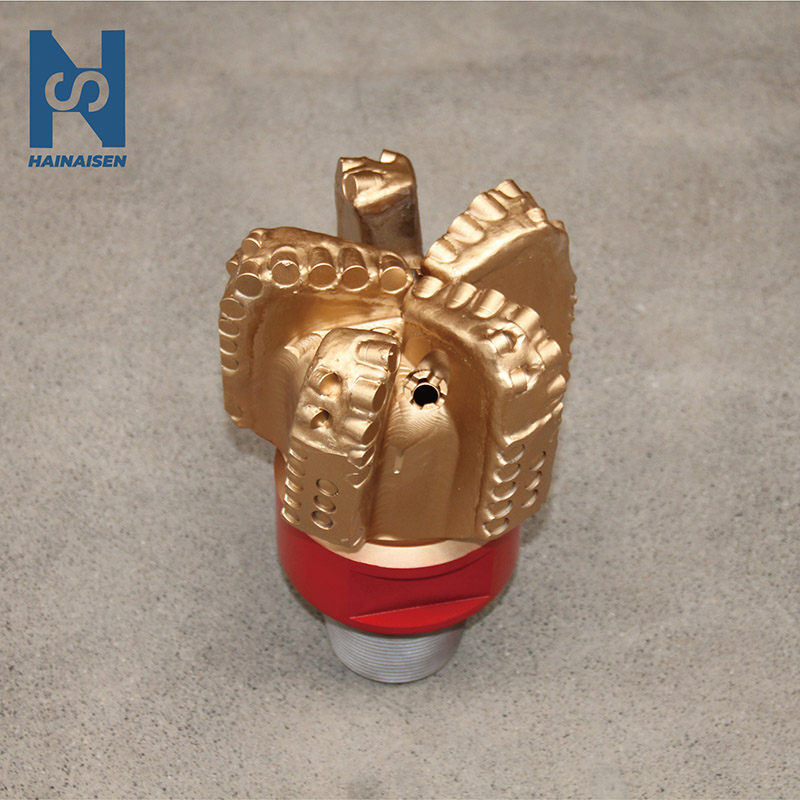 VIEW MOREPDC Rock Drill Bit