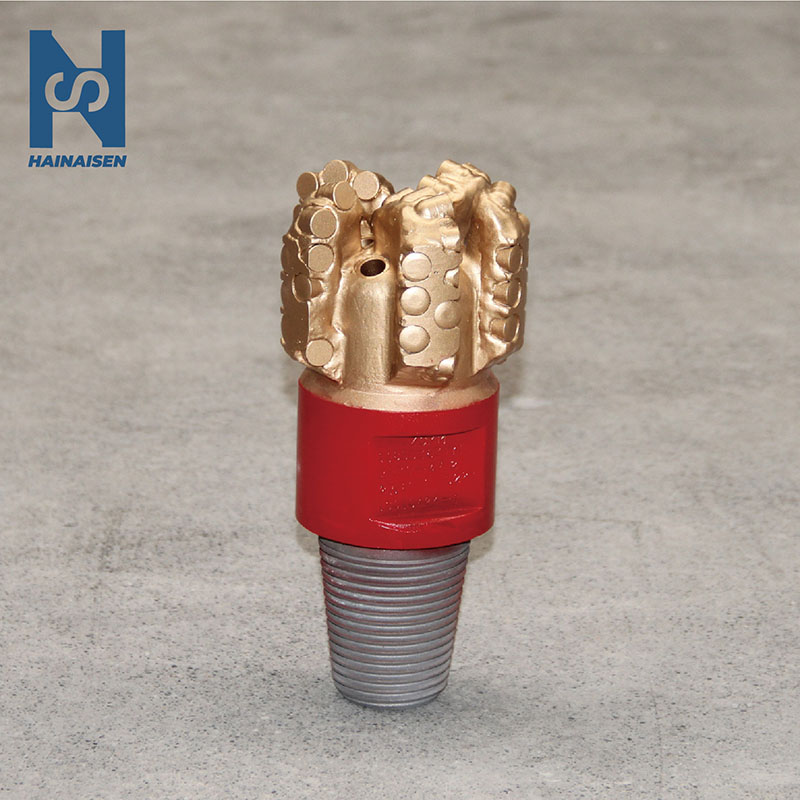
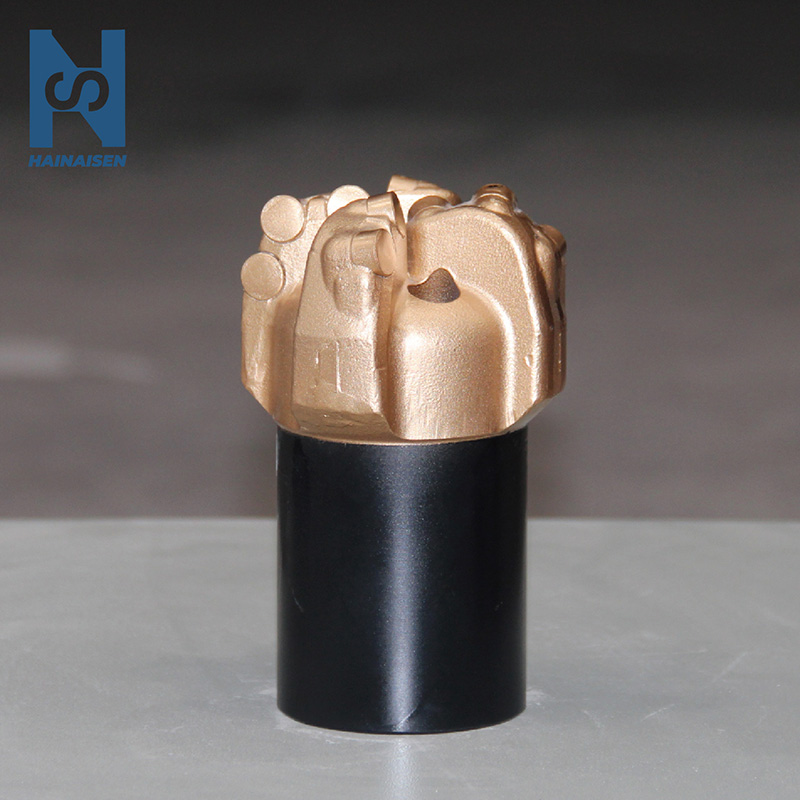
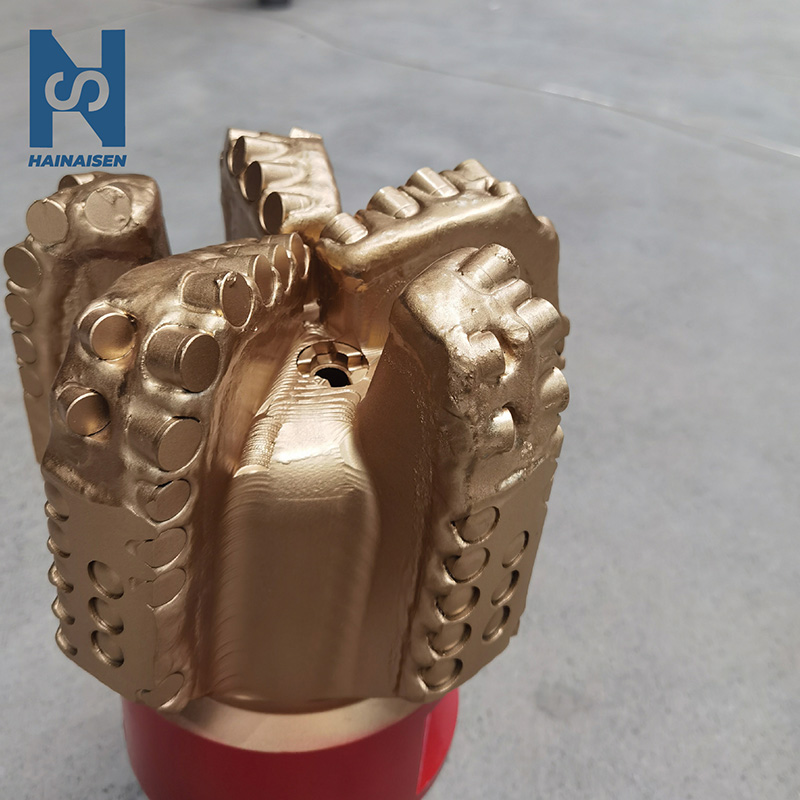
Design Challenges in Manufacturing a PDC Bit For Well Drilling
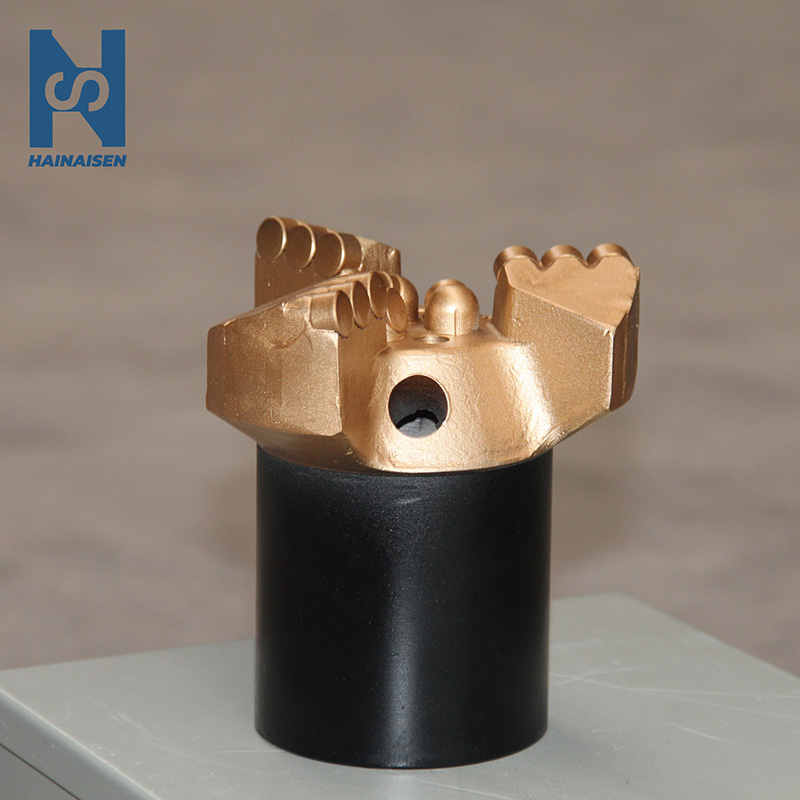
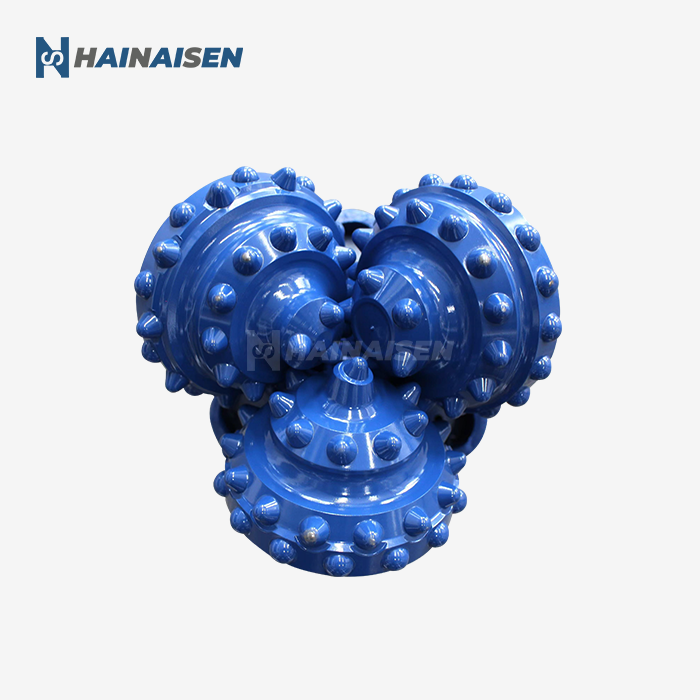
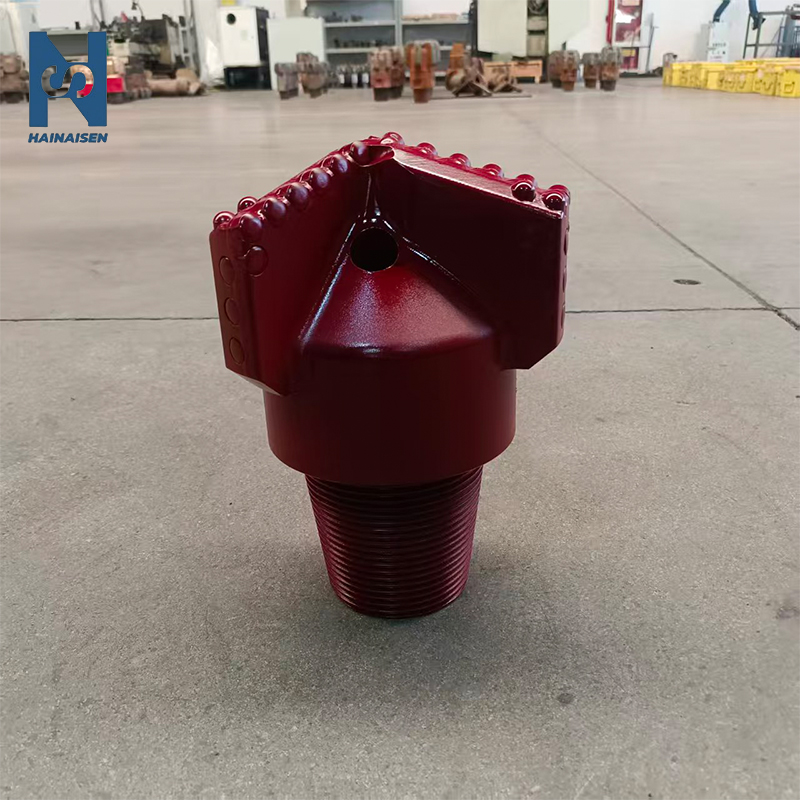
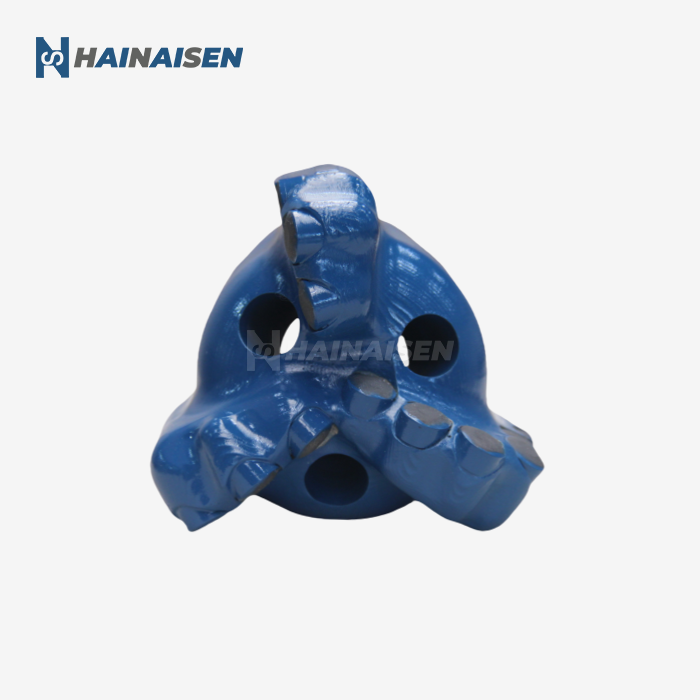
The production of a PDC Bit For Well Drilling involves a number of difficult technical problems that have an immediate effect on drilling performance and the efficiency of operations. These problems include limits in material science, issues with managing heat, and the need for accurate production that must be solved in order to make drilling tools that work well. The main problems are getting the best diamond-to-matrix bonding strength, dealing with the huge amounts of heat that are produced during drilling, and keeping the structure's stability under very high downhole pressures. Modern manufacturing methods and creative design approaches have come up with solutions to these important problems. These allow companies to make high-performance polycrystalline diamond compact bits that can handle the tough requirements of modern drilling projects in coal mining, oil and gas exploration, and water well construction.
Understanding the Core Design Challenges in PDC Bit Manufacturing
Making polycrystalline diamond compact drill bits means dealing with basic design problems that have a big effect on how well they work and how long they last. These problems come from the fact that PDC Bit For Well Drilling have to work in very harsh conditions when they are drilling. For example, temps can go above 300°F, and pressures can hit thousands of pounds per square inch.
Material Wear and Thermal Management
Material wear represents one of the most significant challenges in PDC bit manufacturing. The polycrystalline diamond cuts need to keep their cutting edges sharp while also not getting worn down by different types of rock. Concerns mostly center on the breakdown of diamond particles at high temperatures, which can cause graphitization and a following loss of sharpness.
When digging through hard rock at high rotational speeds, thermal control is very important. Too much heat production can lead to thermal cracks in the diamond layer and damage the carbide base. Manufacturers deal with this problem by coming up with new ways to build cooling channels and improve hydraulic flow patterns that help heat escape. Based on our studies, better thermal control can increase bit life by up to 40% in hard rocks.
The bit's ability to withstand impact loads and keep the cutter in place is directly related to the diamond-to-matrix bonding strength. Weak bonding can cause cutting loss during drilling, which can cause bits to break early and cause expensive drilling pauses. To improve this important contact, newer sintering methods and better binding materials have come on the scene.
Structural Stress Distribution and Cutter Integration
Another big problem in production is how to distribute structural stress across the bit body. The design has to make sure that all cuts carry the same amount of weight and that there is enough hydraulic flow to remove the waste. It is now necessary to use finite element analysis to find the best bit shapes and cutting placement patterns in order to keep stress concentrations to a minimum.
Cutter integration includes attaching PDC cutters securely to the bit body matrix and making sure they are in the right place. Tolerances of less than a thousandth of an inch are needed in manufacturing to make sure that the cutter is properly exposed and oriented. Manufacturers can consistently meet these strict requirements with the help of advanced CNC machining tools and specialized parts.
Technical Insights into PDC Bit Design and Functionality
By understanding how PDC Bit For Well Drilling work, you can see how complicated the design decisions are that affect how well they drill. These insights help makers come up with solutions that keep operations reliable while also making cuts more efficient.
Hydraulic Design and Debris Management
The hydraulic design is an important part of how the PDC bit works, as it affects both how well it cuts and how well it handles heat. The design of the bit face must include valves and flow lines that are placed in a way that sends drilling fluid to important areas. Getting rid of waste properly stops bit balling, which is a common problem that can make drilling much less efficient.
Cutting action and hydraulic flow work together to make fluid dynamics that are very complicated and need to be carefully controlled. Computational fluid dynamics modeling helps engineers find the best places for nozzles and flow patterns to clean as well as possible. Based on our research, hydraulic systems that are properly set up can boost entry rates by 25–30% compared to standard designs.
There are many things that affect how the cutter and bit body work, such as the cutter back rake angle, the side rake angle, and the exposure height. To get the most out of digging, these factors must be fine-tuned for different types of formations. Fixed cutter designs are very stable for directional drilling, while movable designs give you more options for working in different types of rock.
Formation-Specific Design Considerations
To get the best results, different types of rock shapes need different PDC bit designs. For soft formations, bold cutter shapes with high exposure angles work best. For hard formations, on the other hand, more conservative designs with better cutter support are needed. The hard part is coming up with ideas that are flexible enough to work well with different types of formations.
Because of the higher side loads and power needs for horizontal and directional drilling, there are more design restrictions. It is necessary for these tough situations to have specialized gauge safety and better matrix materials. Our tech team has come up with creative ways to deal with these problems while keeping the drilling process efficient.
During the planning process, the weight on the bit, its rotational speed, and the flow rates of hydraulic fluid must all be taken into account. The bit has to work the same way in a lot of different working conditions while still being structurally sound. Manufacturers can predict performance traits and make designs better based on those predictions using advanced modeling methods.
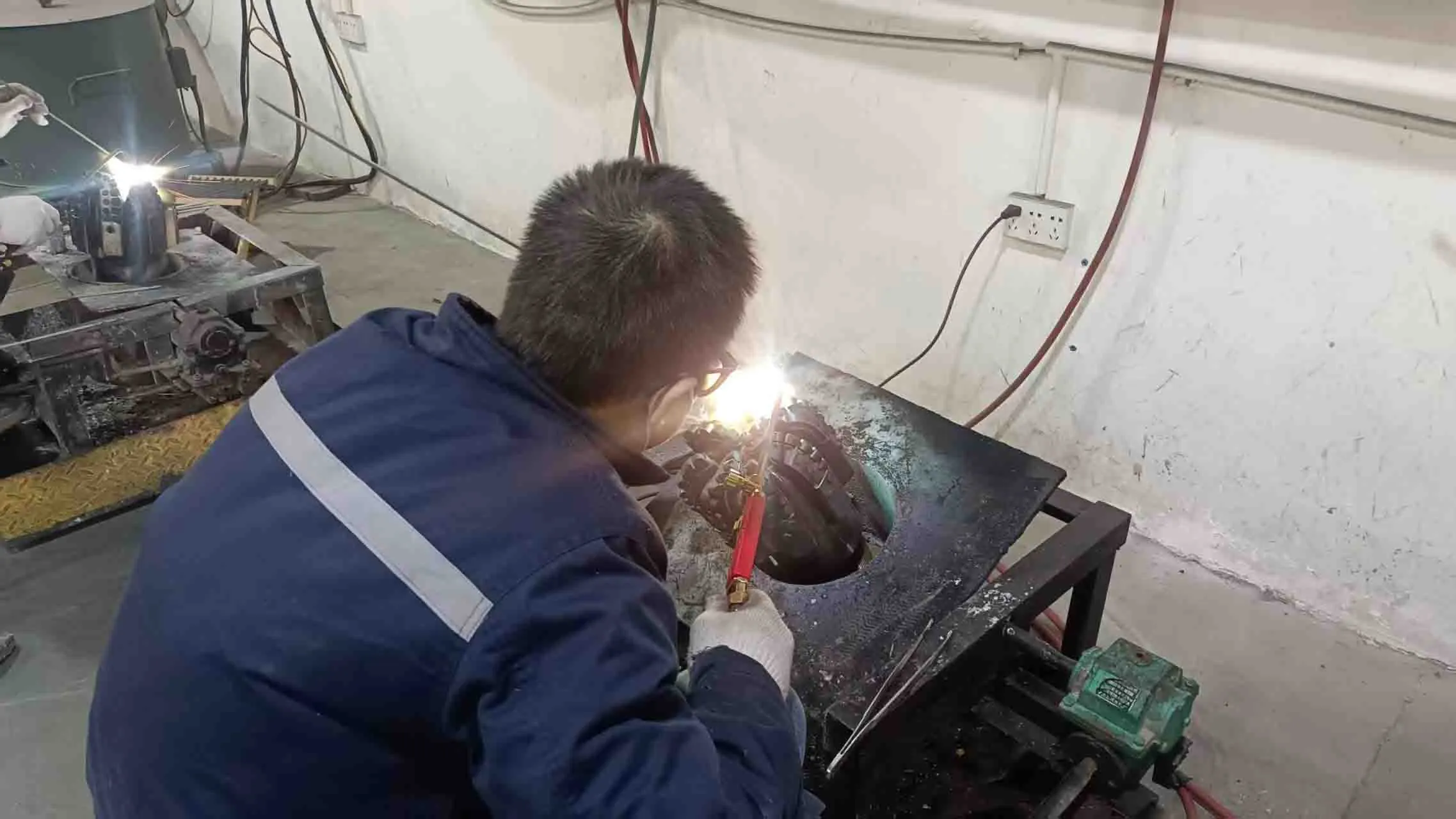
Optimizing Manufacturing Processes for Enhanced Performance
Optimization of the manufacturing process is a key part of making high-quality PDC Bit For Well Drilling that meet strict performance standards. There are often problems with traditional ways of making things that can be fixed with new technologies and better quality control measures.
Advanced Manufacturing Technologies
Ultra-high-pressure sintering methods have changed the way PDC cutters are made by making it easier for diamond particles to fit together and keeping their shape at higher temperatures. For these processes to work, you need to use special tools and carefully control the temperature, pressure, and time. This makes the cutter work better and the bit last longer in tough cutting conditions.
Better carbide matrix materials have come up as a way to make bit bodies last longer and better dissipate heat. With the help of modern powder metallurgy methods, matrix materials can be made that have better mechanical qualities and heat conductivity. These materials offer better support for cutters and are more resistant to wear and damage from impacts and weathering.
Precision cutter placement technologies make sure that PDC cuts are placed and oriented correctly during the manufacturing process. Advanced fixturing and automated placement systems make it possible to put cutters consistently with little difference. This level of accuracy directly leads to better drilling results and longer bit life.
Quality Control and Testing Protocols
Throughout the production process, strict quality control measures make sure that the quality and dependability of the product are always the same. Ultrasonic screening and X-ray analysis are two examples of non-destructive testing methods that can find problems before they are fully assembled. These rules help keep the high standards needed for important digging jobs.
Validating manufacturing parameters in the field gives useful feedback for attempts to keep getting better. Data from real drilling activities is used to improve manufacturing methods and make sure that bit designs are best for each job. This feedback process makes sure that changes in manufacturing lead to better performance in the real world.
Statistical process control methods keep an eye on important industrial factors and look for changes that might have an impact on the quality of the final product. These methods let you make changes ahead of time to keep output uniform and reduce the number of mistakes. Since these rules were put in place, manufacturing yield and product stability have gotten a lot better.
How to Select and Maintain PDC Bits for Optimal Lifespan?
The right choice of PDC Bit For Well Drilling and regular upkeep has a big effect on how well they work and how much they cost to run. Knowing the things that affect bit performance helps buying professionals make smart choices that get the best return on investment.
Selection Criteria for Specific Applications
When choosing PDC Bits for different drilling jobs, the formation traits are the most important thing to think about. The need for bit design is directly affected by how hard, rough, and drillable the rock is. Most of the time, aggressive cutter shapes are needed for soft formations, while more conservative designs with better toughness features work best for hard formations.
When you do a cost-effectiveness study, you have to weigh the original cost of the bit against its expected performance and longevity. Even though quality bits may cost more at first, they usually end up saving you money in the long run because they last longer and work better. Based on our research, using the right expensive bits can cut the cost of drilling by 15 to 20 percent compared to regular bits.
When judging a supplier, you should look at their production skills, quality Certifications, and expert support services. Reliable sellers offer stable product quality and quick customer service, which keeps operations running as smoothly as possible. When you work with skilled sources for a long time, you can often get better prices and faster access to new technologies.
Maintenance Best Practices
Protocols for regular inspections help find wear patterns and possible problems before they cause bits to fail. When inspecting visually, you should pay attention to cutter wear, matrix erosion, and the state of the hydraulic path. Finding problems early on lets you change bits before they break, which keeps expensive drilling accidents from happening.
Cleaning and storing bits correctly can extend their life and keep their performance. Cleaning well gets rid of drilling fluid and rock fragments that could rust or break while being stored. Protective storage settings keep bits from getting wet or damaged in ways that could compromise their purity.
To get the best working conditions, performance tracking devices keep an eye on drilling parameters and bit performance. Real-time data processing helps find the best combos of rotational speed, flow rate, and weight on bit for each formation. This improvement can make bits last a lot longer and dig more efficiently.
Company Introduction and Product Portfolio
Since our company was founded in Xi'an in 2013, Shaanxi Hainaisen Petroleum Technology Co., Ltd. has become a top maker of advanced PDC Bit For Well Drilling solutions. Because we focus on polycrystalline diamond compact technology, we've been able to make cutting-edge drilling tools that meet the strict needs of the energy and building industries around the world.
Our wide range of products includes standard PDC bits for common drilling tasks, special solutions for unusual rock conditions, and original equipment manufacturer (OEM) manufacturing services. We offer a wide range of services because we want to meet the needs of oil and gas development businesses, coal mines, geological surveying teams, and contractors who drill water wells.
Manufacturing Capabilities and Quality Assurance
Our building is 3,500 square meters and has modern production rooms with the latest tools for making things. Five-axis machining centers and other advanced CNC machines make it possible to make complex bit shapes with very high accuracy. With automated welding production lines, the standard and consistency of all product lines are the same.
The focused research and development team is always coming up with new bit designs to meet the changing needs of the business. Our custom bit design group works closely with customers to come up with custom drilling solutions that meet their specific needs. This focus on the customer has led to successful relationships with big drilling companies around the world.
Quality assurance standards cover every step of the manufacturing process, from checking the raw materials to making sure the finished product works well. Before it is shipped, we make sure that every PDC bit meets our high-quality standards using state-of-the-art checking tools and thorough testing methods. Clients in a wide range of drilling uses have praised our dedication to quality.
Technical Support and Customer Service
Full engineering support services help clients choose the best bit designs for their needs and working conditions. Our expert team can help you with drilling parameters, bit selection, and methods for getting the best results. With this knowledge, clients can get the most out of their digging while also saving money.
Customers get their items quickly because of fast shipping options and streamlined logistics. This keeps practical delays to a minimum. Our planned inventory placement and effective supply chain management allow us to respond quickly to urgent needs. Our reasonable prices and savings for bulk orders also make us a great choice for large-scale drilling projects.
Building long-term partnerships is still one of the most important parts of our business mindset. We work closely with clients to understand how their needs change over time and come up with solutions that help them reach their business goals. Working together in this way has led to good ties with top companies in the mining, building, and oil and gas industries.
Conclusion
The difficulties in designing a PDC Bit For Well Drilling keep pushing materials science, industrial processes, and quality control systems to come up with new ideas. For making drilling tools that work, it's still important to take care of heat management, structural stability, and precision manufacturing needs. Modern technologies, such as ultra-high-pressure sintering and better base materials, have made bits work better and last longer. Using advanced design optimization methods along with strict quality control measures guarantees consistent product quality that meets the strict needs of modern drilling operations. For businesses to succeed in this tough market, they need to keep putting money into research and development, high-tech manufacturing, and full customer service.
FAQ
Q1: What factors determine PDC bit durability in challenging formations?
PDC bit durability depends primarily on cutter quality, matrix material properties, and thermal management capabilities. High-grade polycrystalline diamond cutters with superior thermal stability resist degradation under extreme conditions. Advanced matrix materials provide better cutter support and heat dissipation, while optimized hydraulic designs enhance cooling efficiency and debris removal.
Q2: How do I identify the right PDC bit type for my drilling project?
Selection depends on formation characteristics, drilling objectives, and operational parameters. Soft formations require aggressive cutter profiles for maximum penetration rates, while hard formations need conservative designs with enhanced durability. Directional drilling applications benefit from specialized gauge protection and improved torque resistance. Consulting with technical experts helps ensure optimal bit selection.
Q3: What are the warning signs that indicate PDC bit replacement is needed?
Key indicators include decreased penetration rates, increased torque requirements, and excessive vibration during drilling operations. Visual inspection may reveal worn cutters, matrix erosion, or damaged hydraulic passages. Monitoring drilling parameters helps identify performance degradation before catastrophic failure occurs, enabling proactive bit replacement and cost savings.
Partner with HNS for Superior PDC Bit Solutions
HNS stands ready to address your most challenging drilling requirements with our advanced PDC Bit for Well Drilling technology and comprehensive manufacturing expertise. Our team of specialists collaborates directly with clients to develop customized solutions that optimize drilling performance while reducing operational costs. As a trusted PDC Bit For Well Drilling manufacturer, we combine cutting-edge research and development with proven field performance to deliver reliable drilling tools. Contact our engineering team at hainaisen@hnsdrillbit.com to discuss your specific requirements and discover how our innovative solutions can enhance your drilling operations through superior bit performance and extended tool life.
References
1. Smith, R.J. and Johnson, M.K. "Advanced Manufacturing Techniques in PDC Bit Production: Thermal Management and Structural Optimization." Journal of Petroleum Technology Manufacturing, Vol. 45, No. 3, 2023, pp. 78-92.
2. Chen, L. and Williams, D.A. "Diamond-Matrix Bonding Mechanisms in High-Performance PDC Cutters." Materials Science in Drilling Applications, Vol. 28, No. 7, 2022, pp. 156-171.
3. Rodriguez, A.M. "Hydraulic Design Optimization for Enhanced PDC Bit Performance in Directional Drilling." International Drilling Technology Review, Vol. 12, No. 4, 2023, pp. 203-218.
4. Thompson, K.S. and Zhang, W. "Quality Control Protocols in Modern PDC Bit Manufacturing: Non-Destructive Testing and Performance Validation." Manufacturing Engineering Quarterly, Vol. 19, No. 2, 2023, pp. 89-105.
5. Anderson, P.R. "Formation-Specific PDC Bit Design Strategies for Optimal Drilling Performance." Drilling Engineering International, Vol. 33, No. 8, 2022, pp. 112-127.
6. Kumar, S. and Brown, T.L. "Ultra-High-Pressure Sintering Technologies in PDC Cutter Production: Process Optimization and Quality Enhancement." Advanced Materials Processing, Vol. 41, No. 6, 2023, pp. 234-249.