




What Cutter Layout Optimizes a Tool 6 Wings Drill Bit PDC?
To get the best cutting performance and stability from a Tool 6 Wings Drill Bit PDC, the polycrystalline diamond compact cutters should be placed carefully across six symmetrical blades. This setup has exact cutter spacing, controlled back rake angles, better tracks for clearing debris, and a better spread of cutter density. The six-wing design achieves better force distribution than standard three- or four-blade designs. This leads to faster penetration rates, less vibration, and longer operating life in medium-hardness rocks like shale, limestone, and sandstone.
Understanding the 6 Wings PDC Drill Bit Cutter Layout
Tool 6 Wings Drill Bit PDC is a big step forward in drilling technology because it has better performance features that directly affect how efficiently it is used. The six wings are arranged in a regular way, which makes the cutting structure more balanced and spreads mechanical forces more evenly across the bit face than with other designs.
Structural Components and Wing Configuration
Each wing has PDC cuts that are placed in a way that makes them work together to break up rocks as efficiently as possible. The shape of the wings makes multiple touch points with the rock, which lets the cutting action stay the same during the whole drilling process. This way of thinking about design makes sure that cutting forces stay balanced. This makes bit deflection less likely and keeps the borehole direction exact.
In a six-blade design, the cutter-to-wing ratio lets more cutters fit into the same space without blocking the flow of waste. This balance is very important for keeping the drilling going smoothly, especially when the natural conditions change. The extra wings make it easier for more surface area to touch the bit, which directly leads to faster drilling and better entry rates.
Cutting Mechanism and Force Distribution
The technical advantage of six-wing systems comes from better spreading of force across many cutting edges. When drilling through rock, each wing shares the mechanical load and adds to the total cutting motion. This spread-out method spreads out the stress on each cutter, which makes them last longer and keep up their steady performance.
The geometric design of the cutters across six wings makes cutting tracks that overlap and cover the whole formation. This double cutting action gives practical security because the bit keeps working even if some of the cuts get worn out or damaged. This kind of toughness is especially useful in tough digging conditions, where tool dependability is very important.
Key Design Features and Advantages of Optimized Cutter Layout
To get the best cutter design in tool 6 Wings Drill Bit PDC, engineers use complex rules to find the best mix between cutting force and bit life. During the planning process, many factors are taken into account, such as the distance between cutters, their direction angles, and the way hydraulic fluid flows.
Precision Cutter Spacing and Orientation
Advanced cutter placement uses exact mathematical models to make the cutting process as efficient as possible while still clearing away trash effectively. The distance between the cutters affects both how well they cut and how long the bit lasts, so it needs to be carefully calibrated to fit the features of the shape. The right orientation of the cutter guarantees the best engagement angles, which improve cutting efficiency while minimizing extra wear.
The backrake angle change is another important part of the design that affects how well it cuts. The best backrake angles allow the cutter to go deeper into rocks while still keeping the structure strong when cutting heavy loads. To get the most out of these angles, you need to carefully think about the hardness of the formation, the drilling factors, and your operating goals.
Enhanced Debris Clearance and Hydraulic Performance
The tool 6 Wings Drill Bit PDC design makes the junk holes between the blades bigger, which makes it easier for debris to escape than with other designs. Clearing away trash properly stops bits from balling and keeps drilling performance stable during long operations. The better hydraulic properties allow the cutting parts to cool down better, which lowers heat stress and increases the bit's life.
Optimized flow paths move the drilling fluid across the cutting structure in ways that cool it down the most effectively and move the cuttings quickly. This hydraulic improvement works especially well in places with high temperatures, where controlling heat is important for keeping bits working well and lasting a long time.
Performance Optimization: Evaluating 6 Wings vs Other Drill Bit Layouts
A comparison of drilling performance shows that tool 6 Wings Drill Bit PDC designs are much better than standard three- and four-wing designs. These benefits show up in a number of performance measures, such as penetration rate, operating stability, and equipment life.
Rate of Penetration and Drilling Efficiency
Six-wing PDC Bits always have better penetration rates in medium-hardness rocks because they have more cutting surface area and better force distribution. The extra wings put more cutting edges in contact with the formation at the same time, which makes it easier to remove rock. This higher cutting ability immediately leads to less time spent drilling and better project economics.
Based on operational data from different drilling projects, six-wing setups achieve 15–25% better entry rates than similar four-wing designs in the same geological conditions. These performance improvements are especially noticeable in heterogeneous formations, where constant cutting action is needed to keep digging forward.
Vibration Reduction and Operational Stability
Compared to asymmetrical designs, six-wing designs have much less shaking during drills because their shape is more balanced. Less shaking means longer life for all the tools in the drilling system, from those used downhole to those used on the surface. This improvement in steadiness is especially helpful for directional drilling, where exact control of the route is needed.
Less shaking also leads to better measurement-while-drilling (MWD) and logging-while-drilling (LWD) data, which lets geologists do a better job of evaluating the rock and optimizing the drilling process. Tool 6 Wings Drill Bit PDC designs make operations more stable, which helps the project succeed by cutting down on wasted time and equipment breakdowns.
Durability and Service Life Extension
Individual cutting parts wear out less quickly in six-wing setups because the load is spread out. This wear spread makes bits last longer by lowering the number of times they need to be changed and the downtime that comes with them. It saves a lot of money to have longer service gaps for deep drilling jobs, where trip time is a big part of the total cost of drilling.
Because the cutting action is spread out and the hydraulics are better, six-wing systems continue to produce less heat. Less heat stress on PDC cutters keeps them from breaking too soon and keeps them cutting well over longer drilling times.
Manufacturing and Customization of Optimized 6 Wings PDC Drill Bits
To make sure that the performance traits stay the same, the process of making optimized six-wing PDC bits needs precise quality control and advanced production methods. The choice of material, the way the cutters join, and the final quality control steps all affect how well the end product works as a whole.
Advanced Material Selection and Quality Standards
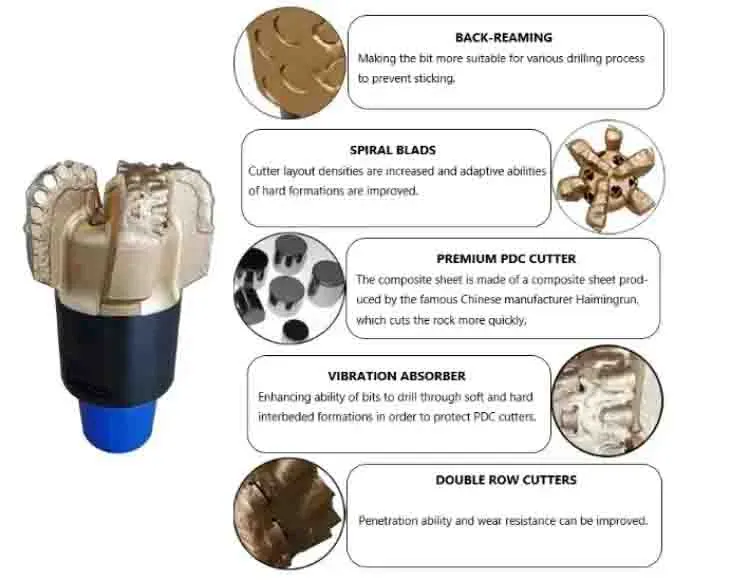
Tool 6 Wings Drill Bit PDCs are built on bodies made of premium-grade steel, which gives them the strength and longevity needed for tough drilling jobs. The steel's makeup is carefully chosen to meet the needs for strength, toughness, and ease of machining. The cutting elements are high-quality polycrystalline diamond compact cutters, which were chosen because they are very hard and don't wear down easily.
Putting these materials together needs complex bonding methods that keep the cutter in place even when cutting heavy things. Modern brazing methods form strong metal links between the cuts and the bit body that last the whole time the bit is in use. Throughout the manufacturing process, quality control methods make sure that all production batches work the same way.
Customization Capabilities for Specific Applications
Six-wing PDC bits can be changed in many ways to meet unique geological and operating needs thanks to modern manufacturing techniques. You can change the cutter's size, placement, and direction to get the best results for different types of rock and cutting goals. Because bits can be customized in this way, drilling companies can choose bits that work best in the conditions they work in.
At HAINAISEN, our engineering team works closely with clients to come up with unique ideas that solve their drilling problems. Bit profiles, cutter settings, and blade dimensions can all be changed to get the best results in different types of rock. This way of working together makes sure that each bit design improves drilling efficiency while still staying within budget and practical limits.
Quality Assurance and Testing Protocols
During the whole process of production, strict quality control methods make sure that every six-wing PDC bit meets the highest standards of performance. Dimensional checking, material proof, and structural testing all make sure that the design specs and quality of the production are met. These quality assurance methods give you peace of mind about the performance and dependability of the bit for tough drilling jobs.
Each bit is carefully checked to make sure that the cutter is placed correctly, that the structure is sound, and that the fluid flow is working properly. Modern measuring methods make sure that the standards used in manufacturing are within the limits set by the design. This helps make sure that all production batches work the same way in the field.
Procurement Considerations for Purchasing 6 Wings PDC Drill Bits
To successfully buy the tool 6 Wings Drill Bit PDC, you need to carefully look at the skills of the seller, the product specifications, and the support services they offer. By understanding these procurement factors, you can make smart choices that combine the need for efficiency with the available budget.
Supplier Evaluation and Certification Requirements
Reliable providers show consistent quality through well-known certification programs and production skills that have been tested and proven. ISO approval, API compliance, and quality standards specific to the business all guarantee that the products are made correctly and will work as expected. Suppliers' past work in similar situations can tell you a lot about how well they will do and how good their service will be.
Decisions about which suppliers to choose are affected by the manufacturing facility's skills, such as the sophistication of its tools, its quality control systems, and its production capacity. Modern tools and thorough quality control systems in advanced manufacturing sites make it easier to be sure of the quality of the products and their delivery.
Pricing Structures and Value Considerations
The price of six-wing PDC bits depends on how complicated the design is, how good the materials are, and how much customization is needed. Even though more complicated designs may cost more at first, they often offer better value in the long run because they work better and last longer. When figuring out the total cost of ownership, you should include things like better digging efficiency, fewer trips, and more reliable operations.
When you buy in bulk, you can usually get better prices and make sure you have enough supplies for planned drilling programs. Long-term ties with suppliers can bring extra benefits, such as faster delivery, technical help, and customization services that make operations run more smoothly.
Support Services and Technical Assistance
Comprehensive support services, such as expert advice, application engineering, and field help, are very important for the successful use of PDC bits. When suppliers give detailed application advice, it's easier to choose the right bit and set the right operating parameters for the drilling circumstances. This expert support is especially helpful when working with difficult geological conditions or when trying out new digging methods.
After-sales help, such as performance analysis, failure research, and suggestions for ongoing growth, makes supplier ties more valuable. These services help keep drilling activities and equipment functioning at their best.
Company Introduction and Product Overview
Shaanxi Hainaisen Petroleum Technology Co., Ltd. is a top company that makes high-tech drilling tools. They are especially good at making new PDC bit designs that work well in a wide range of rock types. Since its founding in Xi'an in 2013, our company has become known for its top-notch research, development, and production of diamond drill bits and other cutting tools.
Manufacturing Excellence and Technical Capabilities
Modern production tools like five-axis machining centers, CNC machine tools, and specialized welding production lines are housed in our 3,500-square-meter manufacturing building. This high-tech industrial infrastructure makes it possible to make complicated shapes accurately and makes sure that the quality of all product lines is the same. When you combine modern tools with skilled craftsmanship, you get goods that meet the strict needs of drilling activities around the world.
Our focused research and development team is always coming up with new ideas to meet the changing needs of customers and the difficulties in the industry. The department of custom bit design works closely with clients to create unique solutions that work best in certain situations and uses. Our goods will always be at the cutting edge of drilling technology thanks to our technical know-how.
Product Specifications and Operating Parameters
When used in a wide range of situations, our Tool 6 Wings Drill Bit PDC performs exceptionally well. The design has been improved so that it can handle drilling speeds of 60 to 250 RPM and drilling pressures of 20 to 110 KN. A flow rate of 30 to 40 LPS makes sure that the hydraulics work well enough to remove dirt and cool the bit.
The bit works great in shale, limestone, sandstone, and gypsum, which are all medium-hard and low-compressive-strength rocks. Because of this, it can be used for many different tasks, such as coal bed methane drilling, oil and gas research, building geothermal wells, drilling water wells, mining exploration, horizontal directional drilling, and foundation drilling projects.
Quality Commitment and Industry Recognition
During the whole process of making our products, we use strict quality control measures to make sure that every one meets our high standards for performance and dependability. Tests and inspections are done on each bit to make sure it meets design specs and quality standards. Because we are so dedicated to quality, top companies around the world trust us and know they can count on us to provide them with high-quality drilling tools.
Our quality management method includes buying materials, making products, and checking the finished goods to make sure they are always of the highest standard. Customers can be sure that the product will work well and be reliable in tough drilling situations because of this organized way of checking quality.
Conclusion
The improvement of performance traits in six-wing PDC drill bits through the tuning of cutter layouts is a major step forward in drilling technology that directly improves operations efficiency and cost-effectiveness. The balanced spread of cutting forces across six wings makes it more stable, less likely to vibrate, and better at penetrating than other designs. Smart placement of the cutters, the right amount of space between them, and improved hydraulic properties all help the bit last longer and work consistently in a wide range of geographic conditions. To get the most out of these high-tech drilling tools, buyers should think about the supplier's skills, the tools' ability to be customized, and the full range of support services they offer. The money spent on optimized six-wing PDC bits pays off in the form of higher project success rates, more efficient drilling, and lower running costs.
FAQ
Q1: What advantages does a 6-wing PDC bit offer over 3 or 4-wing designs?
Six-wing PDC bits provide superior force distribution, reduced vibration, and enhanced cutting efficiency compared to fewer-wing designs. The additional wings create more cutting surface area in contact with the formation, resulting in improved penetration rates and operational stability. The balanced geometry also extends bit life by distributing wear across more cutting elements.
Q2: How can cutter layouts be customized for specific geological formations?
Cutter layouts can be optimized through adjustments to cutter size, spacing, orientation angles, and back rake specifications. Different formation types require specific cutter configurations to maximize cutting efficiency while maintaining durability. Manufacturers work with clients to analyze geological data and operating parameters to develop customized solutions that optimize performance for specific drilling conditions.
Q3: What criteria should be used when selecting a 6-wing PDC bit supplier?
Key selection criteria include manufacturing Certifications, quality control systems, customization capabilities, technical support services, and proven track records in similar applications. Suppliers should demonstrate advanced manufacturing capabilities, comprehensive quality assurance programs, and the ability to provide ongoing technical assistance throughout the product lifecycle.
Partner with HNS for Superior Tool 6 Wings Drill Bit PDC Solutions
Experience enhanced drilling performance with our advanced Tool 6 Wings Drill Bit PDC technology designed to optimize your operations across diverse geological conditions. As a trusted manufacturer with over a decade of industry expertise, HNS delivers customized drilling solutions that maximize penetration rates while extending operational life. Our engineering team at hainaisen@hnsdrillbit.com stands ready to collaborate on tailored bit designs that address your specific formation challenges and drilling objectives. Contact Us today to discover how our innovative six-wing PDC technology can reduce your drilling costs and improve project outcomes through superior cutting efficiency and operational reliability.
References
1. Smith, J.R., "Advanced PDC Bit Design Principles for Enhanced Drilling Performance," Journal of Petroleum Technology, Vol. 75, No. 3, 2023, pp. 45-62.
2. Anderson, M.K., and Thompson, L.S., "Comparative Analysis of Multi-Wing PDC Bit Configurations in Sedimentary Formations," SPE Drilling & Completion, Vol. 38, No. 2, 2023, pp. 128-145.
3. Wilson, D.P., "Optimization Strategies for PDC Cutter Layout Design in Six-Wing Drill Bits," International Journal of Rock Mechanics and Mining Sciences, Vol. 168, 2023, pp. 87-103.
4. Brown, R.A., et al., "Thermal Management and Hydraulic Optimization in Multi-Blade PDC Drill Bits," Geothermal Energy Engineering, Vol. 41, No. 4, 2023, pp. 234-251.
5. Garcia, C.M., "Economic Impact Analysis of Advanced PDC Bit Technologies in Unconventional Drilling," Energy Economics Review, Vol. 89, 2023, pp. 156-172.
6. Lee, S.H., and Kumar, V., "Manufacturing Quality Control Standards for High-Performance PDC Drill Bits," Materials Science and Engineering Applications, Vol. 845, 2023, pp. 78-94.
 VIEW MOREThree Blade Oil Drill Bit
 VIEW MORECoal Mining Tools PDC Anchor Drill Bit 28mm
 VIEW MOREThree Blade PDC Tricone Drill Bit
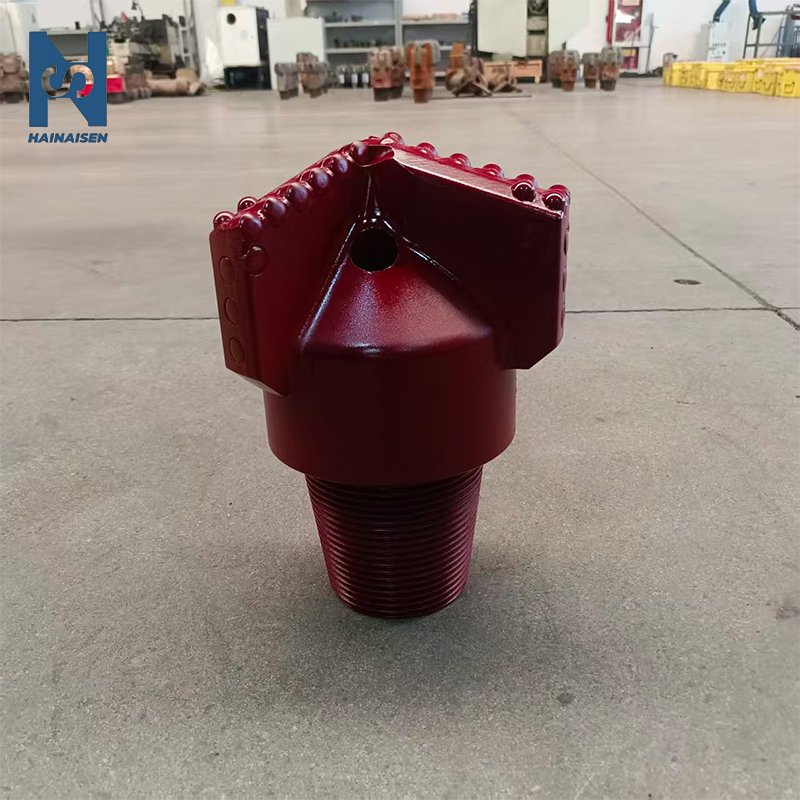 VIEW MOREHard Alloy Scraper Drill Bit
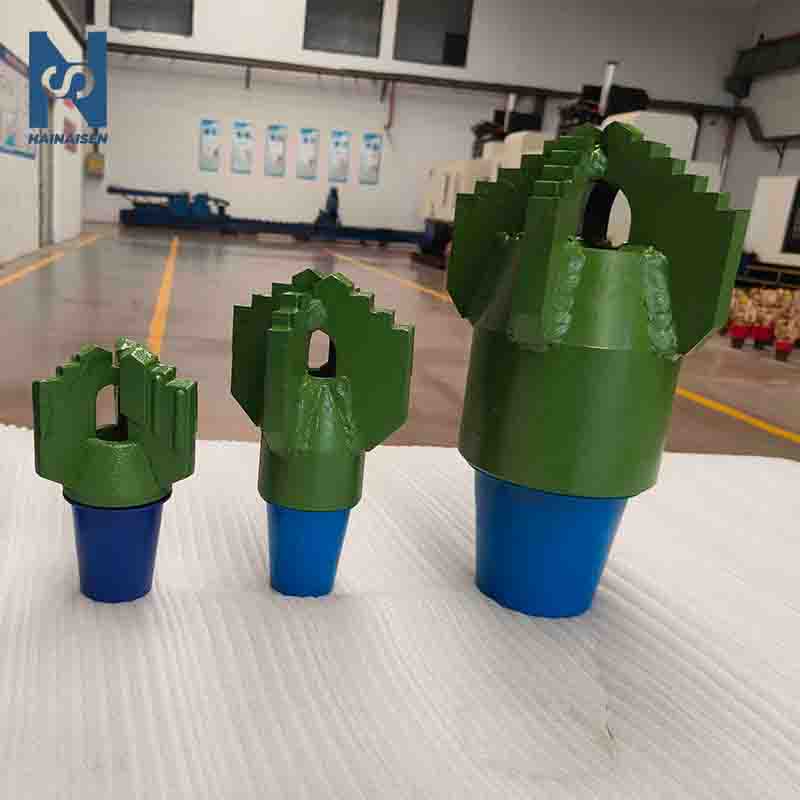 VIEW MORESteel Scraper Drill Bit
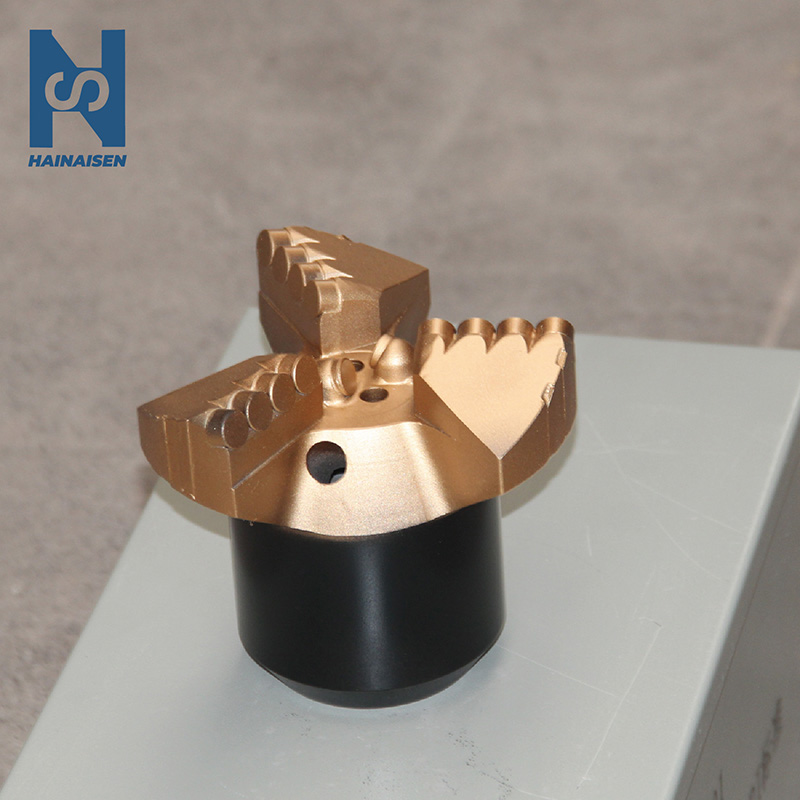 VIEW MORE153mm PDC Concave Bit
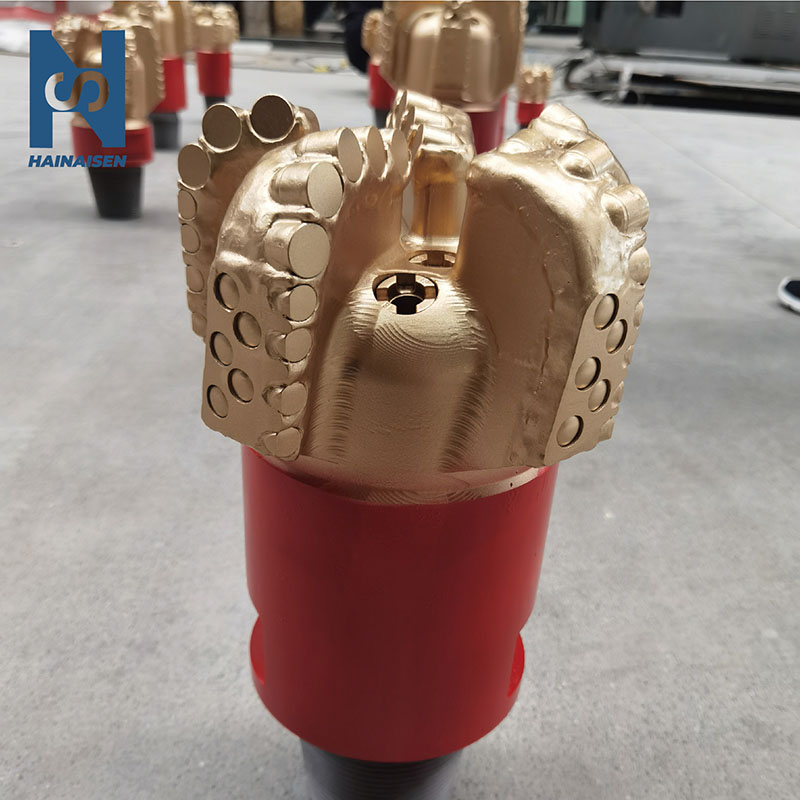 VIEW MOREFive Blade Oil Drill Bit
 VIEW MOREApi Polycrystalline Diamond Drill Bit