



When buying, workers choose the best PDC (polycrystalline diamond compact) bit for drilling; they make important choices that affect how quickly and cheaply the project can be done. Choosing between a 113 mm 3-blade steel body PDC bit and a 4-blade design has a big impact on how well and how long the bit drills, as well as how well the operation goes overall. By knowing these differences, drilling companies can make smart choices that maximize how quickly they go into formations while reducing the cost of replacing their tools.
Understanding the 113 mm 3-Blade Steel Body PDC Bit
Key Features and Material Composition
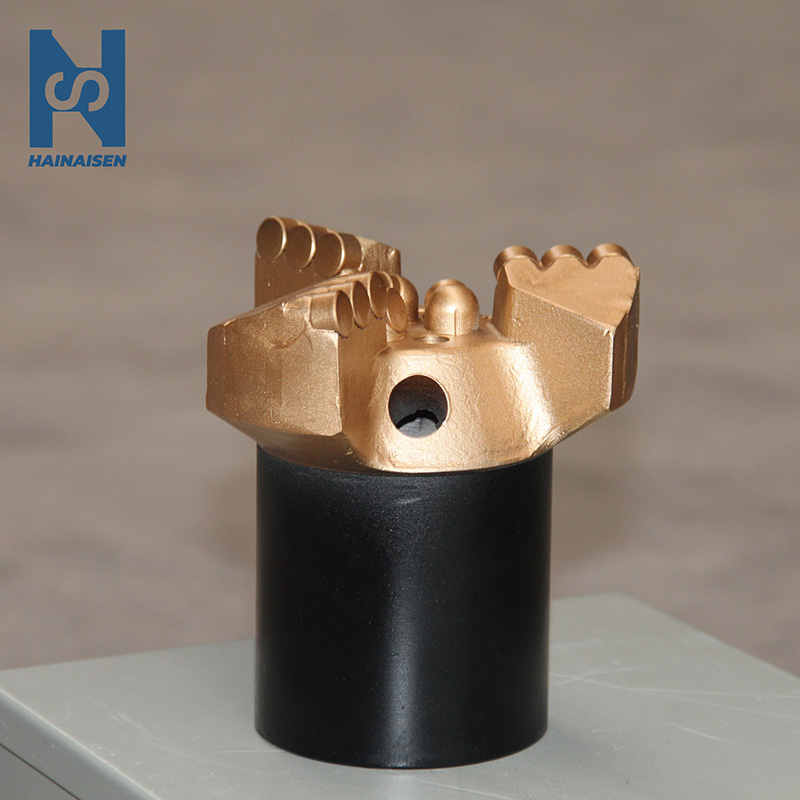
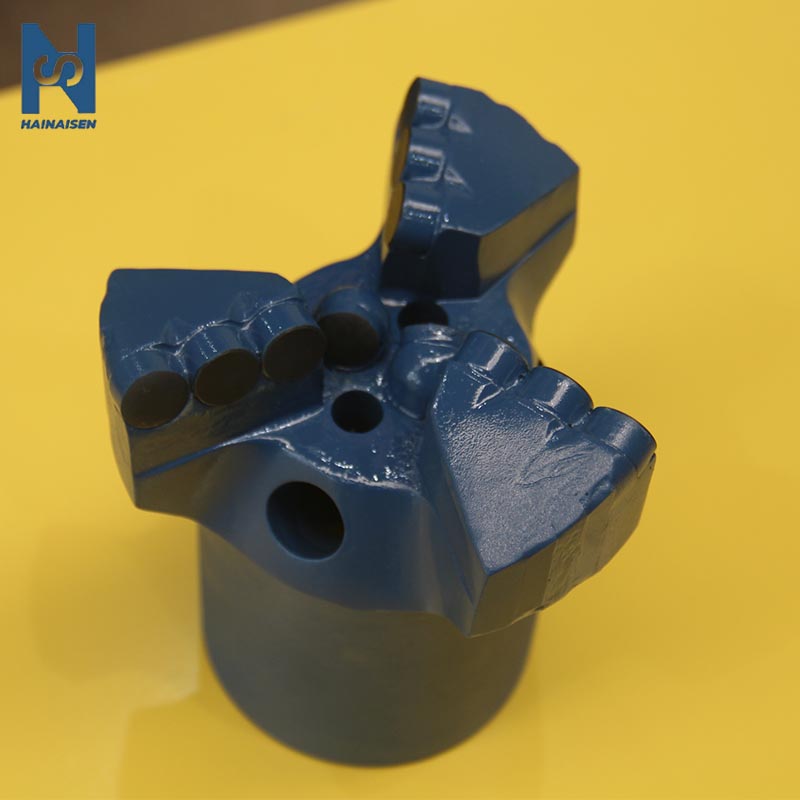
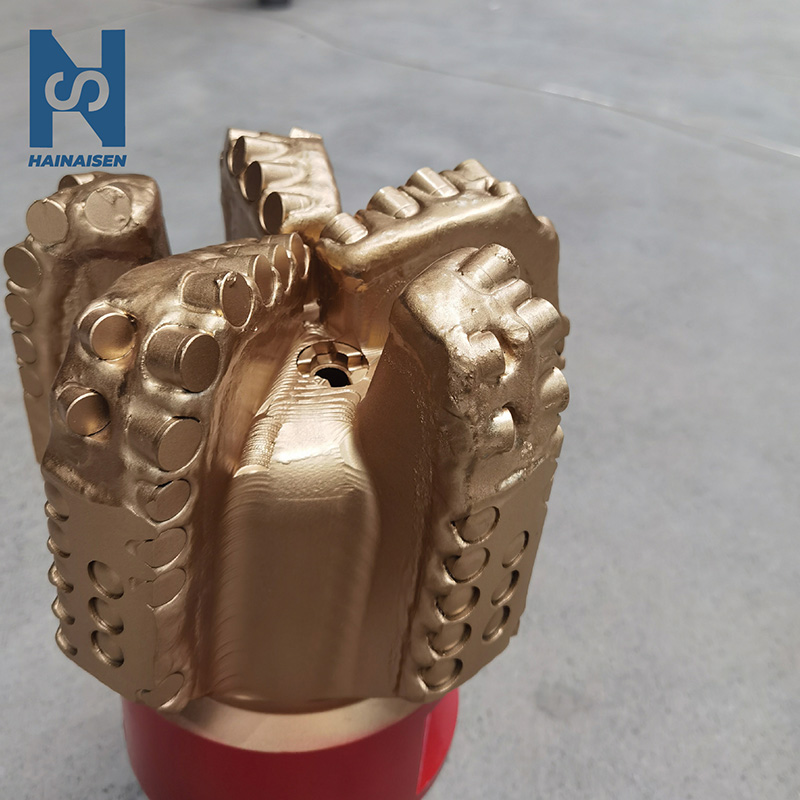
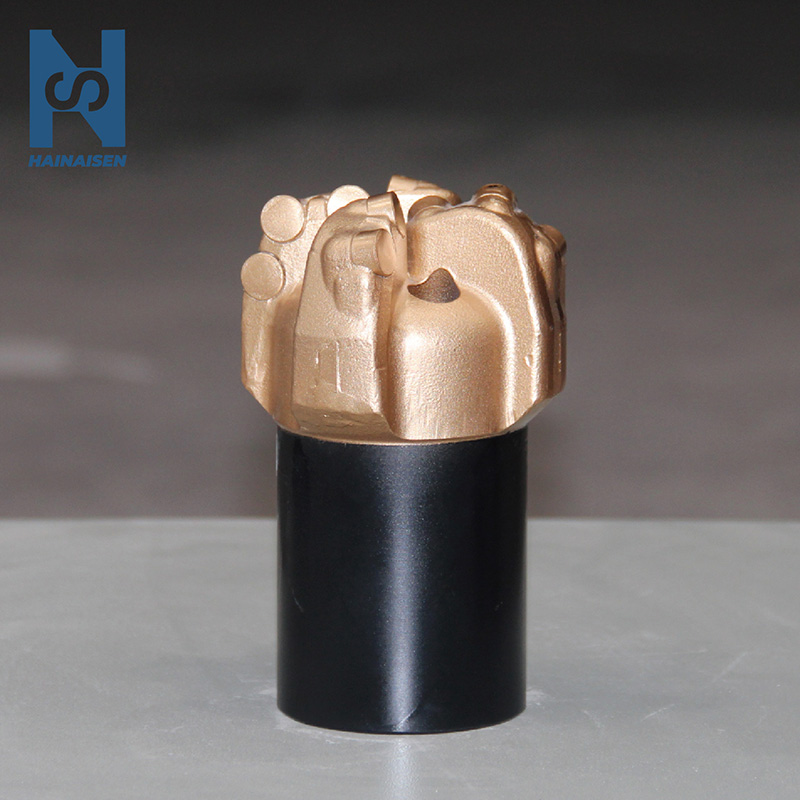
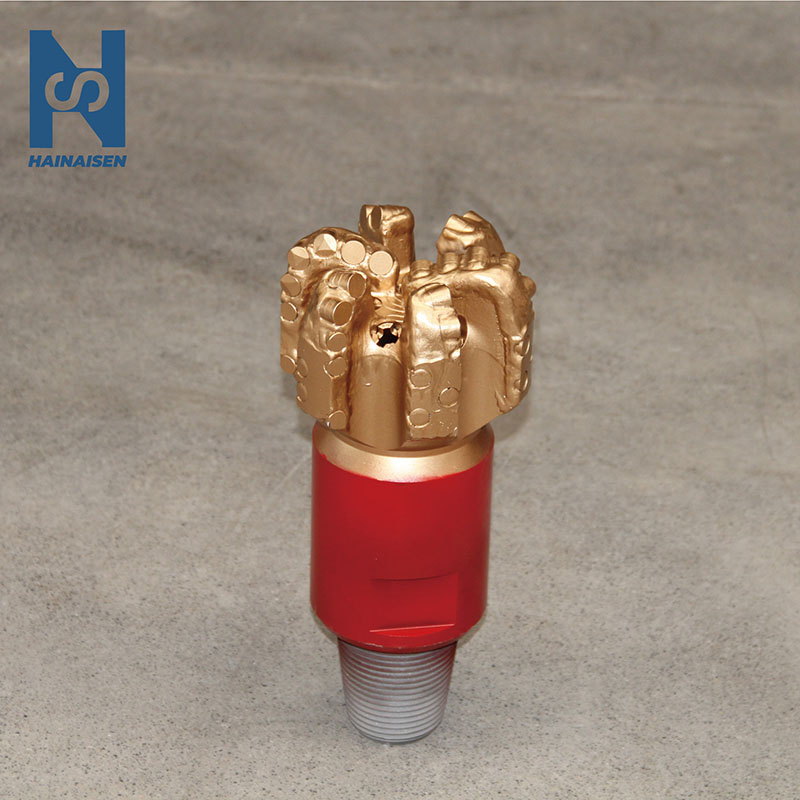
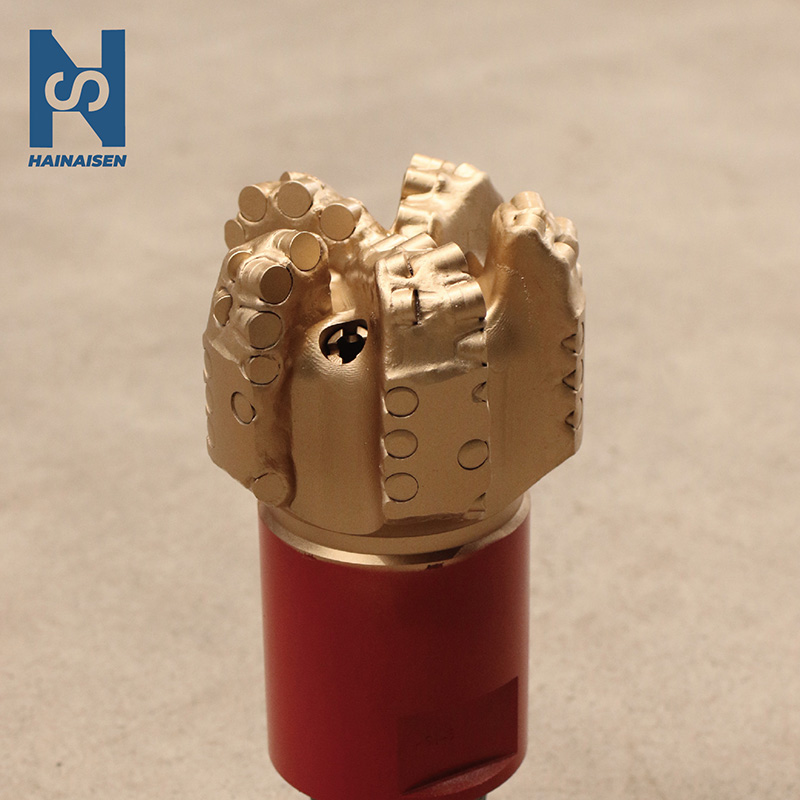
The 113 mm PDC bit with a 3-blade steel body is an example of cutting-edge work in the field of drilling. Its strong body is made of steel, which gives it great strength and resistance to wear and tear. This is important for digging conditions that are tough on equipment. The base made of high-quality steel protects against damage and keeps the structure together even when conditions down the hole are extreme. Premium PDC cutters are made from diamonds that are manmade rather than natural. These cutters work much better than others and stay stable even when they get hot. The three-blade setup improves the tool's contact with rock by using carefully planned cutting angles that make hydraulic cleaning and debris removal easier.
Working Mechanism and Cutting Efficiency
The three-blade design makes it easier to cut through hard rock by improving contact points and fluid dynamics. Each blade works on its own, making multiple cutting zones that help it get deeper through different types of ground. This setup is great for hydraulic performance; it keeps the cutting action steady and does a good job of clearing cuttings. Fewer blades mean that there is more space between them. This makes it easier for the fluid to move around and cool down during longer drilling sessions.
Durability and Maintenance Best Practices
The quality of the bits, the form of the cutting structure, and the drilling conditions all affect how long the bits last. Matrix body constructions are not as good as steel body constructions when it comes to making repairs and refurbishing. Proper upkeep routines involve regularly checking for wear and tear, making sure the hydraulic system works well, and planning for quick refurbishments. These methods make bits last a long time, which keeps drilling performance up in difficult underground circumstances and cuts down on downtime and how often bits need to be replaced.
Comparing 3-Blade vs 4-Blade PDC Bit Designs
Structural and Dimensional Differences
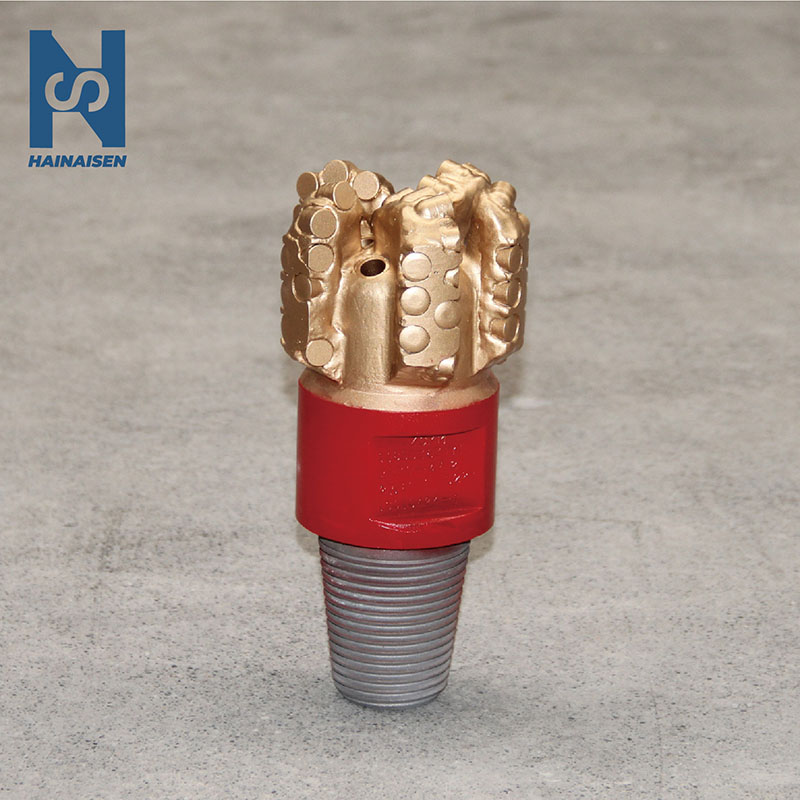
The way the cutting area is spread out and the steadiness of the design are the main differences between three-blade and four-blade designs. While four-blade setups hurt hydraulic flow patterns, they help the cutting surface area and bit stability. Three-blade versions have less cutting area but are more active with each blade and better at cleaning hydraulically. Changes in structure have a direct effect on torque transfer. Four-blade bits spread torque more evenly, but 113 mm 3-blade steel body PDC Bits are better at digging in.
Efficiency in Different Drilling Conditions
Three-blade bits work better in softer materials, where strong cutting and better hydraulic cleaning speed up the drilling process. Their design works best in sands that aren't packed down and rock formations that are only somewhat hard. When digging through harder rock, four-blade setups are usually better because they fight wear more and drill more smoothly. The rate of penetration pattern changes a lot between different designs. For example, three-blade bits often have a higher ROP in rocks that work for them, but four-blade bits perform more consistently in a range of geological conditions.
Longevity and Cost-effectiveness
In some cases, four-blade bits may last longer, but three-blade bits usually don't cost as much at first and are just as durable. Cost-benefit analysis has to look at how often replacements are needed, how much it costs to run, and how well it performs in specific formations. Three-blade steel body bits are cheaper to maintain because they can be fixed and refurbished easily. This makes them a good choice for drilling operations that need to stick to a budget.
Selecting the Right PDC Bit for Your Drilling Needs
Criteria for Choosing Between 3-Blade and 4-Blade Designs
Selection factors include formation traits, drilling goals, and how well the tools can be used with the formation. Three-blade designs work well for projects that need strong cutting and great hydraulic flow. These designs are especially useful in oil and gas research and building water wells. Four-blade designs are better for structural support and smooth digging in harder rock types. When choosing a bit, power capacity, the hydraulic system's capabilities, and drilling parameter limits that affect equipment compatibility must be taken into account.
Size and Design Variations Impacting Drilling Performance
The 113 mm width makes it useful for many digging uses, from looking for minerals to building geothermal wells. Choosing between a steel body and a matrix body construction affects how long the build will last, how well it can handle heat, and how often it needs to be maintained. Steel bodies are popular because they are resistant to damage and can be fixed. At the same time, design changes can be made to help with geology issues and practical needs, which can make ROP and bit life better.
OEM and Customization Options for Optimized Solutions
Top makers offer a wide range of custom options to help with unique drilling problems. Blade shape optimization, cutting size and placement changes, and hydraulic improvements are some of the services offered. Custom solutions help drilling activities run as efficiently as possible while taking into account unique geographic conditions and machine limitations. In the end, this helps the project's budget and success rate.

Practical Procurement Insights for Steel Body 113mm PDC Bits
Market Comparison: 3 Blades vs Other Bit Types
113 mm 3-blade steel body PDC bits with steel bodies keep their edge over tungsten carbide and matrix-body options because they are cost-effective, long-lasting, and delivered quickly. They can be welded together and are easy to keep up with, so they are especially useful for businesses that have to stick to strict shipping dates and can't spend a lot of money. The competitive positioning shows better value offers in areas where repairability and quick return times are very important.
Where to Buy and Bulk Purchase Considerations
When global procurement buys from approved makers, it gets regular product quality, dependable shipping times, and the ability to easily scale up when more orders come in. Buying in bulk usually lowers the cost per unit and improves the terms of delivery. This is especially important for big drilling activities. When the price of materials changes, market pricing changes too. This is why the smart timing of purchases is necessary to get the best possible equipment funds.
Ensuring Quality and After-Sales Support
Trustworthy vendors offer a full guarantee, professional help, and upkeep knowledge that is important for getting the most out of your bits. Quality assurance includes checking that the dimensions are correct, trying the product, and making sure it works. Customer comments, industry scores, and proven knowledge of PDC bit technology and application support services are all part of the supplier evaluation factors.
Company Introduction & Product Service Information
Our Expertise and Industry Presence
Shaanxi Hainaisen Petroleum Technology Co., Ltd. has been doing PDC bit design and production work for over ten years since our start in Xi'an in 2013. Our building is 3,500 m² and has new production rooms with modern processing tools, like CNC machine tools and 5-axis machining centers. With this technology base, we are able to make high-performance 113 mm 3-blade steel body PDC bits that meet the tough standards of geological mapping, coal mining, and oil and gas production.
Product Range and Custom Solutions
Our wide range of products goes beyond the norm to include specific OEM and ODM services that can be adjusted to different needs. Our hard-working research and development team makes special bits that work around the natural issues they find in different types of formations. This feature makes sure that our customers get the best drilling solutions that make their operations more efficient while also lowering the risks and costs of their projects.
Client Support and After-Sales Service
We offer personalized technical help with a range of shipping choices, in-depth conversation, and upkeep advice for the entire product duration. Our promise goes beyond the first sale. We want to build long-term relationships that help drilling projects around the world by providing prompt service and reliable transportation support.

Conclusion
When to use 113 mm 3-blade steel body PDC bits versus 4-blade ones comes down to specific drilling needs, rock traits, and operational goals. Three-blade setups provide better hydraulic performance and more aggressive cutting, so they're great for softer materials and situations where entry speed is important. Their cost-effectiveness and ease of upkeep offer extra value to drilling companies that want the best performance-to-cost ratios. Procurement experts who understand these design differences can make smart choices that maximize drilling speed and keep equipment costs low.
Frequently Asked Questions
Q1: What are the main advantages of a 3-blade PDC bit over a 4-blade design?
A: Three-blade PDC bits offer more aggressive cutting action with enhanced hydraulic flushing capabilities, making them particularly effective in softer formations. They typically achieve higher rates of penetration and provide better debris removal due to larger waterways between blades, resulting in improved cooling and cleaning efficiency during drilling operations.
Q2: How do I maintain a steel body PDC bit to maximize its lifespan?
A: Regular inspection and monitoring of wear patterns, ensuring proper hydraulic system management, and scheduling timely refurbishment are essential maintenance practices. Steel body construction allows for welding repairs and cutter replacement, significantly extending operational life when properly maintained through appropriate drilling parameters and cleaning protocols.
Q3: Can I customize the 113 mm PDC bit blades for specific drilling requirements?
A: Yes, reputable Manufacturers provide extensive customization options, including blade geometry modifications, cutter size and placement optimization, hydraulic enhancements, and special gauge protection features. These customizations address unique drilling conditions and geological challenges to maximize performance and efficiency for specific applications.
Partner with HNS for Your PDC Bit Requirements
Learn about the performance benefits of our high-quality 113 mm 3-blade steel body PDC bit, which is made for better drilling speed and a longer operating life. HNS is a trusted PDC bit maker that uses cutting-edge technology and customizes bits to help you with your unique drilling issues. Our professional support team is there to help you with every step of your project, and our quality control methods make sure that everything runs smoothly. See how professional planning and committed service can help your drilling activities. To talk about your needs and ask for more information about your next drilling job, please email us at hainaisen@hnsdrillbit.com.
References
1. Smith, J.R. and Johnson, M.K. (2023). "Advanced PDC Bit Design: Impact of Blade Configuration on Drilling Performance." Journal of Petroleum Technology, Vol. 75, No. 8, pp. 45-52.
2. Chen, L. and Williams, D.A. (2022). "Comparative Analysis of Steel Body versus Matrix Body PDC Bits in Challenging Drilling Environments." SPE Drilling & Completion, Vol. 37, No. 4, pp. 712-725.
3. Rodriguez, M.E., Thompson, R.S., and Lee, K.H. (2023). "Hydraulic Flow Optimization in Three-Blade PDC Bit Designs for Enhanced Cuttings Removal." International Journal of Rock Mechanics and Mining Sciences, Vol. 162, pp. 105-118.
4. Anderson, P.J. and Kumar, S. (2022). "Economic Evaluation of PDC Bit Selection Criteria in Oil and Gas Drilling Operations." Energy Economics, Vol. 108, pp. 78-91.
5. Zhang, W., Brown, K.L., and Davis, T.M. (2023). "Material Science Advances in PDC Cutter Technology for Improved Drilling Efficiency." Materials Science and Engineering: A, Vol. 856, pp. 144-157.
6. Wilson, A.R., Garcia, C.F., and Miller, J.D. (2022). "Performance Metrics and Longevity Assessment of Modern PDC Bit Designs in Unconventional Formations." Journal of Natural Gas Science and Engineering, Vol. 104, pp. 234-247.