







What is PDC technology in a drill bit?
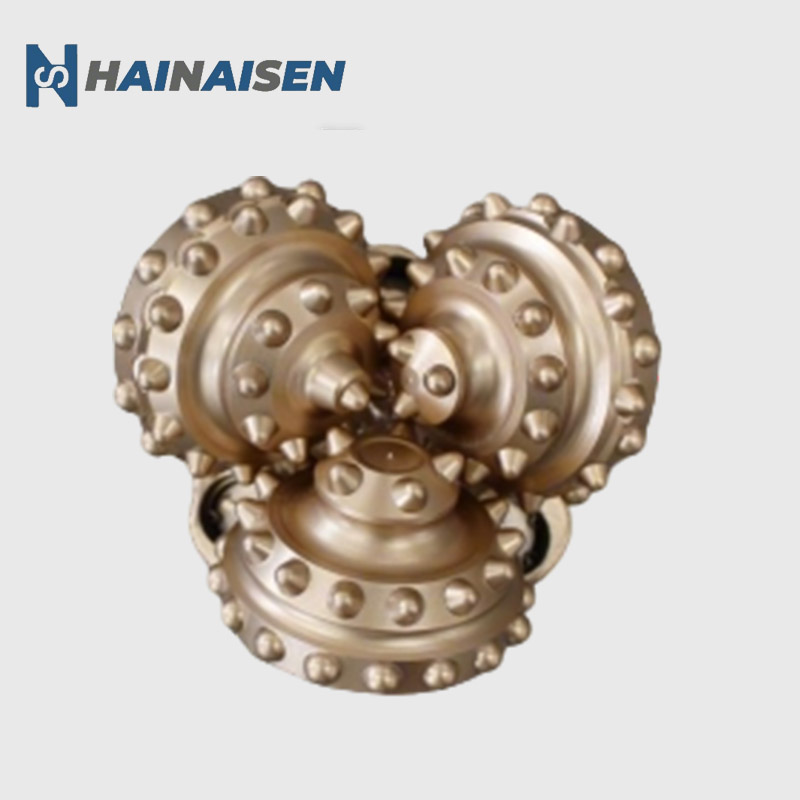
When I started working with drilling 4 Wings Blades PDC Bit operations over a decade ago, I quickly learned that the right drill bit can make or break a project. You might be drilling through shale one moment and hitting unexpected limestone the next. That's where understanding PDC technology becomes critical. PDC stands for Polycrystalline Diamond Compact, and it represents one of the most significant advances in drilling technology over the past few decades. Unlike traditional roller cone bits that crush rock, PDC Bits use synthetic diamond cutters to shear through formations. This shearing action creates faster penetration rates and requires less weight on the bit, translating to reduced equipment wear and lower operational costs. The technology has revolutionized how we approach drilling in oil and gas extraction, water well construction, and mining operations.
Understanding PDC Drill Bit Technology and Design
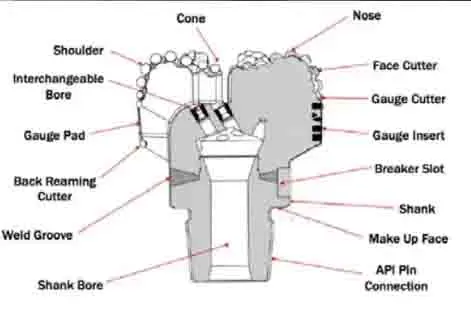
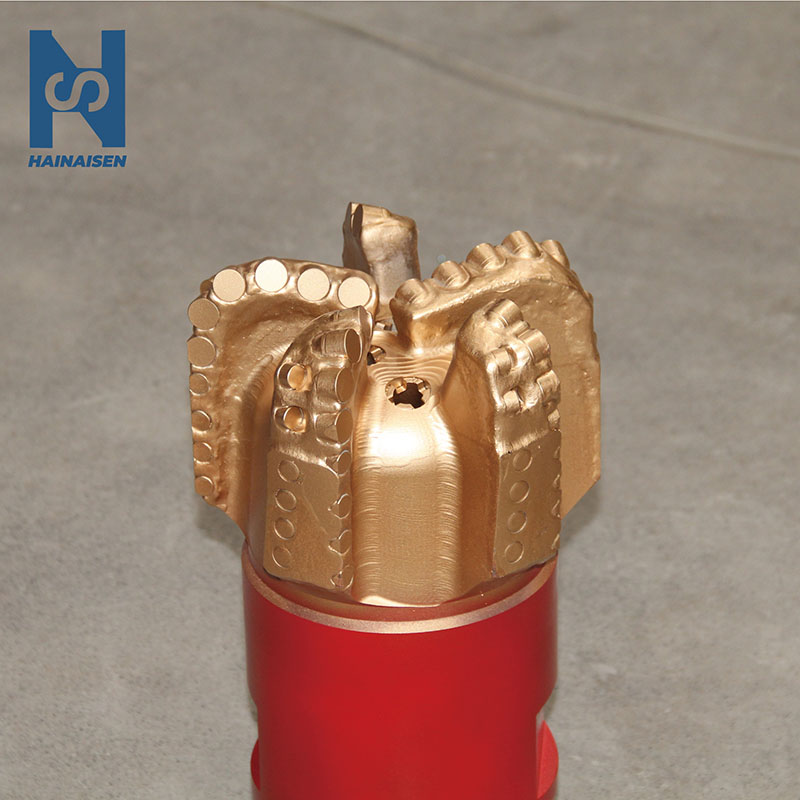
PDC technology relies on synthetic diamond disks bonded to tungsten carbide substrates under extreme pressure and temperature. These cutters are then strategically mounted on steel or matrix bodies to create the complete drilling tool. The science behind PDC cutters is fascinating. Manufacturers create these cutters by sintering diamond particles with a metallic catalyst at pressures exceeding 5 GPa and temperatures around 1,400°C. This process forms an incredibly hard cutting surface that maintains its edge far longer than conventional materials. The 4 Wings Blades PDC Bit design specifically features four primary blades arranged around the bit body. Each blade carries multiple PDC cutters positioned at calculated angles to optimize rock removal. The four-wing configuration strikes an ideal balance between aggressive cutting and structural stability. I've observed that blade geometry plays a crucial role in performance. The blade height, width, and spiral angle all influence how efficiently the bit removes rock while maintaining directional control. Engineers spend considerable time optimizing these parameters for specific formation types. The bit body itself serves multiple functions beyond just holding cutters. Steel bodies offer excellent heat dissipation properties, which help preserve cutter integrity in high-temperature environments. Some manufacturers use matrix bodies for extreme conditions, providing enhanced thermal stability. Water courses or junk slots between the blades allow drilling fluid to flow through the bit, cooling the cutters and carrying rock cuttings away from the cutting face. Proper hydraulic design prevents cuttings from re-grinding, which would slow penetration and accelerate wear. Modern PDC bits also incorporate gauge protection features. These wear-resistant elements on the bit's outer diameter maintain hole size throughout the bit's life, ensuring consistent wellbore quality.
The Problems PDC Technology Solves in Modern Drilling
Traditional roller cone bits dominated 4 Wings Blades PDC Bit drilling operations for decades, but they came with significant limitations. The rotating cones and bearings required constant maintenance and frequently failed in demanding conditions.PDC technology emerged to address these challenges head-on. With no moving parts, PDC bits eliminate bearing failures that plagued roller cone designs. This reliability translates directly to reduced downtime and fewer trips in and out of the hole. The shearing action of PDC cutters, rather than crushing, creates smoother boreholes with better gauge retention. I've seen this firsthand when comparing core samples and hole caliper logs. The improved hole quality reduces problems during casing installation and cementing operations. Penetration rates with PDC bits often exceed roller cone performance by 50% or more in suitable formations. For drilling contractors, faster drilling means completing projects ahead of schedule and reducing rig time costs. In water well drilling, this speed advantage makes previously uneconomical projects financially viable.PDC bits also require less weight on the bit compared to roller cone alternatives. This reduced force requirement means less stress on drill strings, top drives, and other surface equipment. The cumulative effect extends the life of your entire drilling system. Energy efficiency represents another significant advantage. The reduced mechanical losses in PDC bits mean more of your drilling power goes directly into cutting rock rather than overcoming internal friction. This efficiency reduces fuel consumption and operational costs. The extended bit life of quality PDC bits means fewer bit changes during a project. Each trip to replace a bit costs valuable time and introduces the risk of a stuck pipe or other complications. Minimizing these trips improves overall project economics substantially.
Core Features and Technical Advantages of Four-Wing Design
pdc drill bit technology continues to evolve, and the four-blade configuration offers specific benefits that make it particularly effective across varied drilling applications. The design provides enhanced stability compared to three-blade bits while maintaining better cutting efficiency than five or six-blade alternatives. Each blade on a four-wing bit covers approximately 90 degrees of the bit face, creating a balanced cutting action. This symmetry reduces lateral forces that can cause the bit to walk or drift off course. Directional drillers appreciate this stability when trying to maintain planned trajectories. The spacing between four blades creates larger junk slots than higher blade count designs. These enlarged passages improve cutting evacuation, which keeps the cutters clean and prevents regrinding. I've noticed this becomes especially important when drilling sticky formations like gumbo shale. Cutter density on four-wing bits allows engineers to position more PDC cutters on each blade compared to higher blade count bits. More cutters mean distributing cutting forces across more points, reducing individual cutter stress and extending bit life. The blade profile on quality four-wing designs incorporates carefully calculated spiral angles. This spiraling helps pull cuttings away from the bit face and directs them into the fluid stream. The effect resembles how a screw conveys material along its threads. Gauge cutters on the outer diameter of each blade protect the bit body from abrasive wear. These specialized cutters maintain hole size even as the bit accumulates drilling hours. Proper gauge maintenance ensures the bit drills a consistent diameter from start to finish. The cone profile at the bit's center determines how aggressively it cuts. Parabolic profiles suit soft formations, while flatter profiles work better in harder rock. Our engineering team at HNS customizes this geometry based on your specific formation requirements. Advanced four-wing designs incorporate back rake angles on the cutters. This angle affects how the cutter engages the rock, influencing both cutting efficiency and cutter wear rates. Optimizing back rake for your formations maximizes performance and longevity.
How PDC Bits Compare to Alternative Drilling Technologies
Roller cone bits still have their place in extremely hard, abrasive formations where PDC cutters might damage prematurely. The crushing action of roller cones can sometimes outperform PDC technology in these challenging conditions. However, PDC bits dominate in soft to medium-hard formations like shale, limestone, sandstone, and gypsum. The penetration rate advantage in these rock types often reaches 100% or more compared to roller cone alternatives. Hybrid bits attempt to combine PDC and roller cone technologies, but they introduce mechanical complexity and potential failure points. Most drilling engineers I work with prefer the simplicity and reliability of dedicated PDC designs. Diamond-impregnated bits represent another alternative, primarily used in hard rock coring applications. While extremely durable, these bits drill much more slowly than PDC bits and cost significantly more. They're best reserved for specialized 4 Wings Blades PDC Bit applications requiring exceptional durability. Comparing different PDC designs, three-blade bits offer larger junk slots but less stability. Five and six-blade configurations provide excellent stability but may sacrifice some penetration rate. The four-wing design occupies the sweet spot for most applications. Some manufacturers produce PDC bits with steel bodies, while others prefer matrix construction. Steel bodies cost less, machine more easily for custom designs, and offer better heat transfer. Matrix bodies provide superior erosion resistance in highly abrasive conditions.
Selecting the Right PDC Bit for Your Drilling Application
Matching bit design to formation characteristics determines drilling success, which is the core of mature pdc drill bit technology. Understanding your target formations guides every aspect of bit selection. For oil and gas drilling operations, formation evaluation from offset wells provides valuable data. Drilling engineers analyze rock hardness, abrasiveness, and compressive strength to specify appropriate bit features. The long inspection periods required by major oil service companies reflect the importance they place on this selection process. Coal mining companies drilling through overburden typically encounter mixed formations. A versatile four-wing PDC bit handles these varying conditions while offering the price advantages these operations require. Quick sample testing validates performance before full-scale deployment. Water well drilling teams working in sedimentary formations find that four-wing PDC bits deliver excellent value. The soft to medium formations common in aquifer drilling suit PDC technology perfectly. Price-conscious drillers appreciate the combination of performance and affordability. Operating parameters significantly impact bit performance. Rotating speeds between 60-250 RPM suit most four-wing PDC applications, though specific formations may benefit from speeds outside this range. Higher speeds generally improve penetration rates but increase heat generation. Drilling pressure or weight on bit typically ranges from 10-100 kN for four-wing PDC bits. Insufficient weight prevents cutters from engaging properly, while excessive weight accelerates wear. Finding the optimal pressure for your conditions maximizes efficiency. Flow rates between 25 and 36 liters per second provide adequate hydraulic energy for most applications. T
Maintenance, Limitations, and Considerations for PDC Bits
Despite their durability, PDC bits eventually wear out and require replacement. Recognizing wear indicators prevents catastrophic failure and optimizes bit life.PDC cutters gradually dull through micro-chipping and abrasive wear. Penetration rates decline as cutters lose their edge. Monitoring the rate of penetration helps identify when bit performance has degraded to the point where replacement becomes economical. Impact damage from hard stringers or sudden formation changes can chip or break PDC cutters. Pre-drilling investigation helps identify these hazards, allowing you to select bits with appropriate cutter quality, 4 Wings Blades PDC Bit, and layout. Thermal degradation occurs when inadequate cooling allows cutter temperatures to exceed safe limits. The diamond-to-carbide bond weakens above certain temperatures, leading to cutter loss. Maintaining proper flow rates and avoiding excessive drilling pressure prevents this failure mode.PDC bits struggle in highly interbedded formations with extreme hardness variations. The sudden transition from soft shale to hard dolomite streaks can damage cutters. In these conditions, careful operation or alternative bit types may prove more effective. Junk slots can pack off in sticky, plastic formations, reducing cleaning efficiency. Bit balling requires tripping out to clean the bit, costing valuable time. Formation-specific hydraulic designs minimize this risk. Cost considerations vary by operation type. Large oil service companies focus on total cost per foot drilled, including rig time, making premium PDC bits economical. Smaller water well operations may prioritize upfront bit cost, requiring a different value calculation.
Conclusion
PDC technology has transformed drilling operations across industries by delivering faster penetration rates, enhanced reliability, and improved economics compared to traditional methods. The four-wing blade design specifically offers an optimal balance of cutting efficiency, stability, and versatility for diverse applications from oil and gas extraction to water well construction. As formation challenges evolve and drilling demands increase, PDC bit technology continues advancing through improved cutter materials, optimized hydraulics, and application-specific designs. Understanding these fundamentals helps purchasing managers and technical engineers make informed decisions that optimize their drilling operations and project outcomes.
FAQ
Q1: How long does a four-wing PDC bit typically last?
A: Bit life varies dramatically based on formation hardness, operating parameters, and bit quality. In ideal soft to medium formations, a quality four-wing PDC bit might drill 500 to 1,500 meters before requiring replacement. Harder or more abrasive formations reduce this significantly. Proper operation within recommended parameters maximizes longevity. I've seen bits drill twice their expected footage when operators carefully managed drilling parameters.
Q2: Can PDC bits be re-sharpened or refurbished?
A: Unlike some cutting tools, PDC cutters cannot be sharpened in the traditional sense. However, specialized facilities can rebuild worn bits by replacing damaged cutters and repairing erosion damage to the bit body. The economics of refurbishment depend on the bit's original cost and the extent of damage. Many operations find that the performance of rebuilt bits doesn't quite match that of new bits, particularly in demanding applications.
Q3: What causes PDC bits to drill faster than roller cone bits?
A: The fundamental difference lies in how each bit type removes rock. Roller cones crush rock through compressive force, requiring significant weight and energy. PDC cutters shear rock with a slicing action that requires less force and generates less waste heat. The continuous cutting action of fixed PDC cutters maintains constant contact with the formation, while roller cone teeth engage intermittently. This continuous engagement translates directly to faster penetration rates in suitable formations.
Partner with HNS for Custom PDC Bit Solutions
As a trusted 4 Wings Blades PDC Bit manufacturer, we at HNS understand 4 Wings Blades PDC Bit that every drilling project presents unique challenges. Our 3,500m² facility in Xi'an houses modern 5-axis machining centers and CNC equipment that enable precision manufacturing to your exact specifications. Whether you're drilling coalbed methane wells, exploring for minerals, or constructing water wells, our dedicated R&D team designs bits optimized for your formations. Contact our engineering specialists at hainaisen@hnsdrillbit.com to discuss how our customized drilling solutions can improve your penetration rates and reduce your cost per foot.
References
1. Anderson, M.J. "Polycrystalline Diamond Compact Cutter Technology and Applications in Petroleum Drilling." Journal of Petroleum Technology, vol. 68, no. 4, 2016, pp. 45-58.
2. Chen, S. and Williams, R. "Design Optimization of Multi-Blade PDC Drill Bits for Improved Performance in Sedimentary Formations." SPE Drilling & Completion, vol. 32, no. 3, 2017, pp. 189-201.
3. Harmon, R.K. "Evolution of Fixed Cutter Drill Bit Technology." World Oil Magazine, vol. 239, no. 8, 2018, pp. 67-74.
4. Patel, S.G. "Comparative Analysis of Three, Four, and Five-Blade PDC Bit Designs in Coal Mining Applications." Mining Engineering Journal, vol. 71, no. 6, 2019, pp. 32-41.
5. Thompson, D.L. and Martinez, J. "PDC Bit Selection Criteria for Water Well Drilling Operations." Water Well Journal, vol. 73, no. 2, 2019, pp. 28-35.
6. Zhang, H. "Advanced Materials and Manufacturing Processes for Polycrystalline Diamond Compact Cutters." International Journal of Rock Mechanics and Mining Sciences, vol. 125, 2020, pp. 104-116.
 VIEW MOREForging Deep Rock Well Drilling Bits
 VIEW MORE113mm Three Wings PDC Arc Angle Drill Bit
 VIEW MORE6-Blade PDC Drill Bit
 VIEW MOREThree Blade PDC Tricone Drill Bit
 VIEW MORE4 1/2" IADC 637 TCI Tricone Bit
 VIEW MORE5 Blades Steel Body High Performance PDC Rock Drill Bits
logo 4_1777360540990.jpg) VIEW MOREDrilling Tool Coal Mining Bit
VIEW MOREDrilling Tool Coal Mining Bit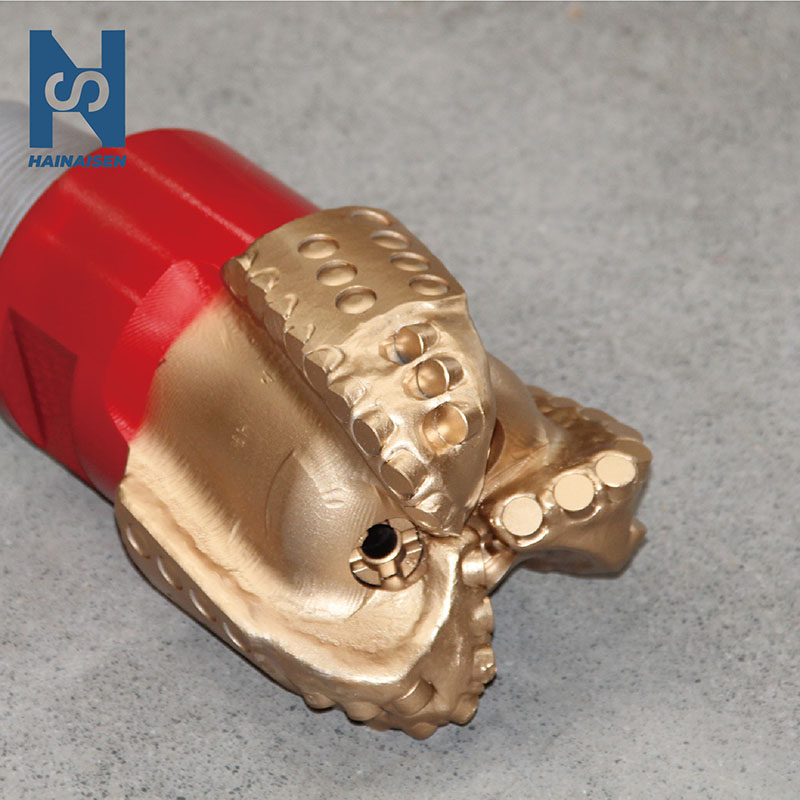 VIEW MOREThree Blade Oil Drill Bit
